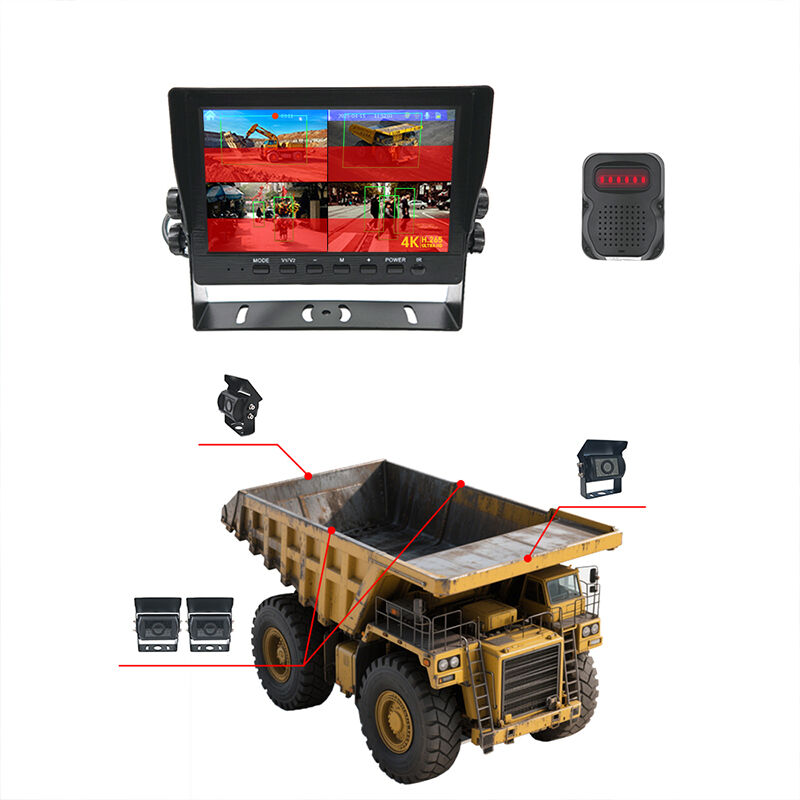
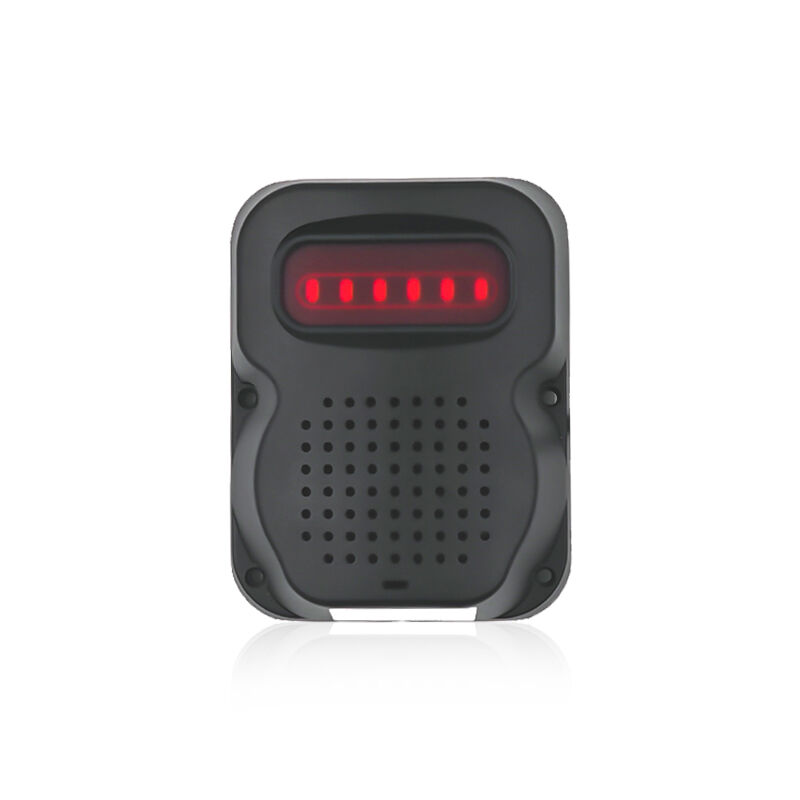
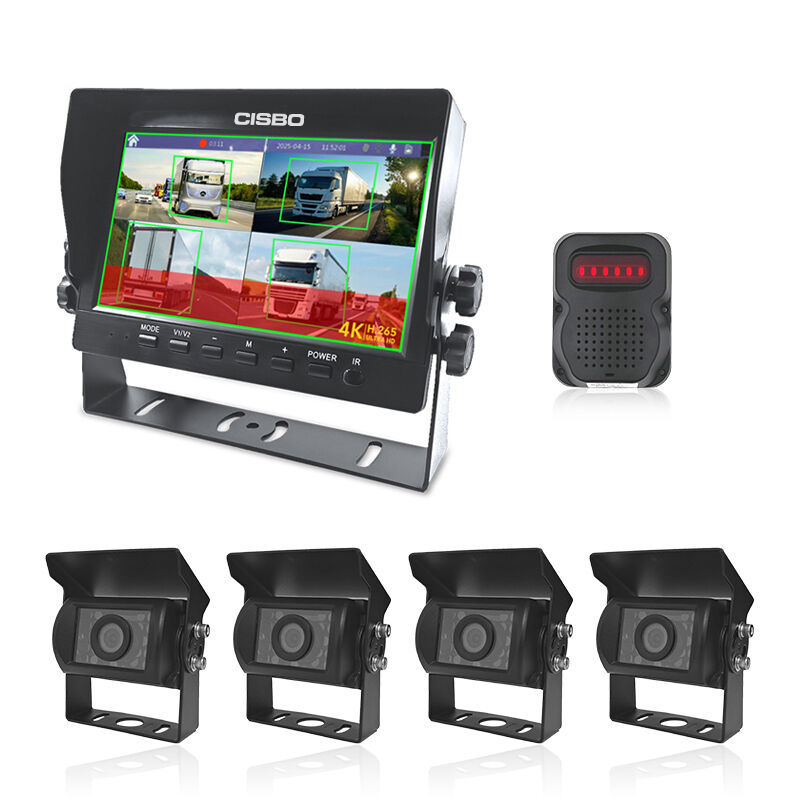
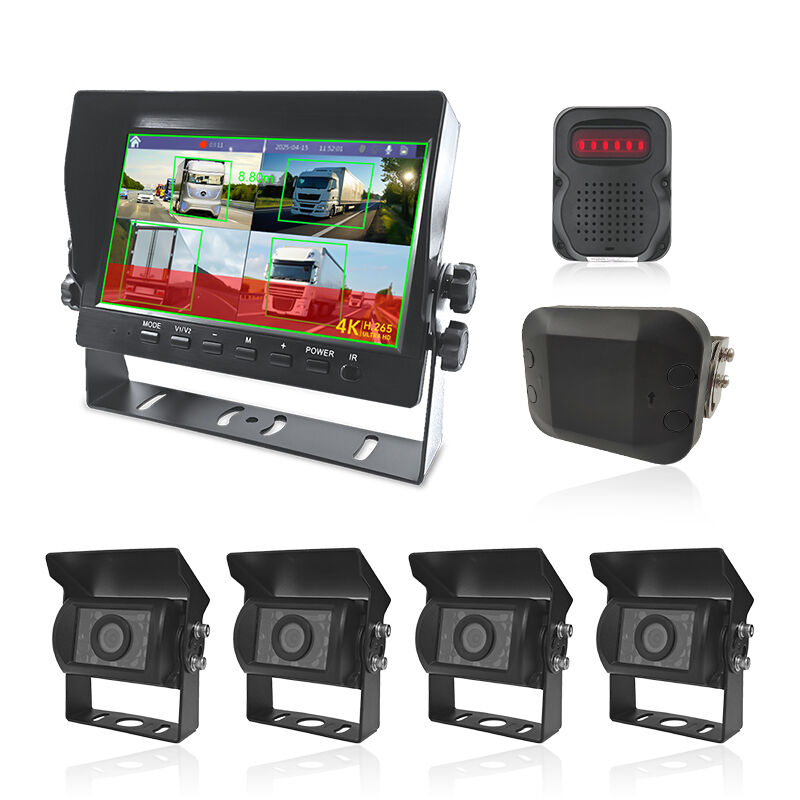
Advanced Environmental Adaptability and Weather Resistance
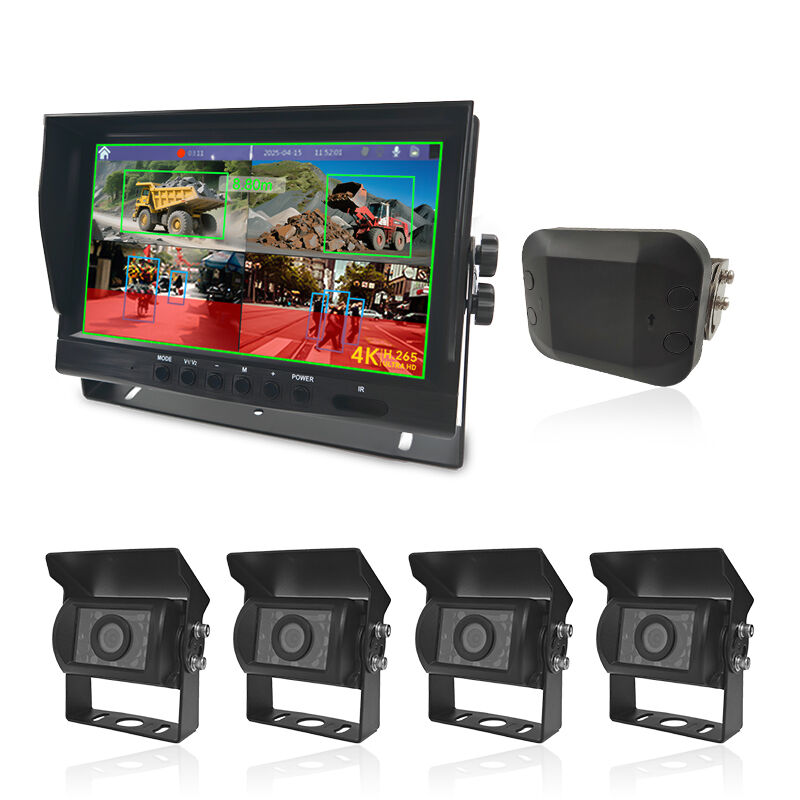
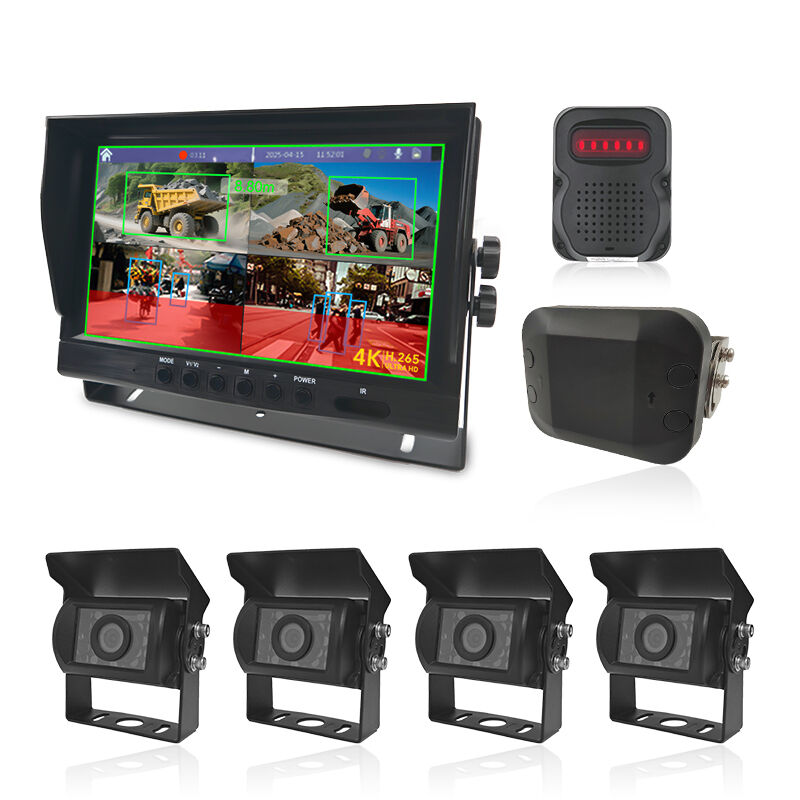
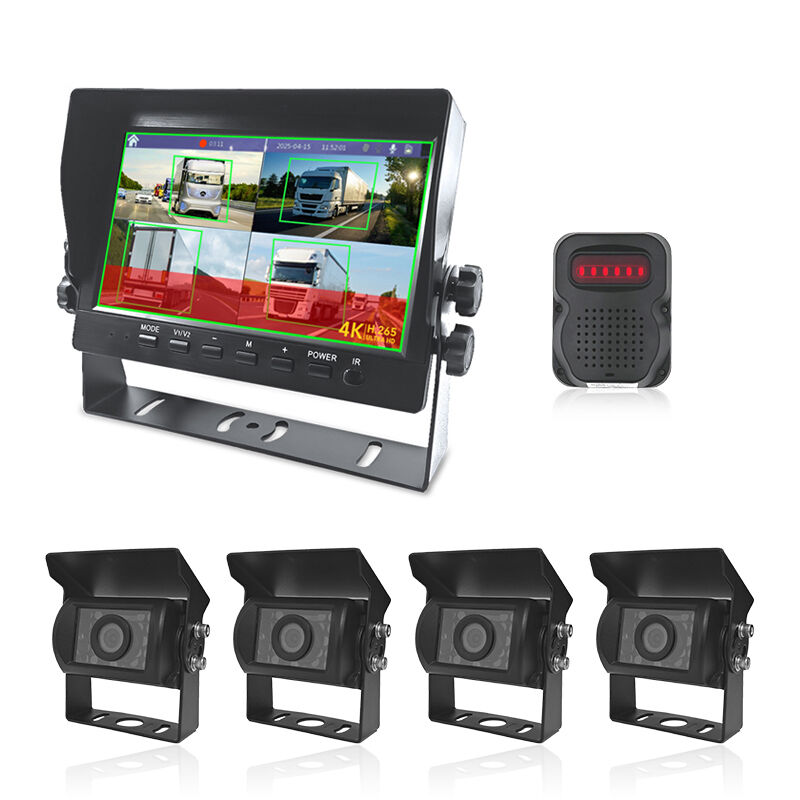
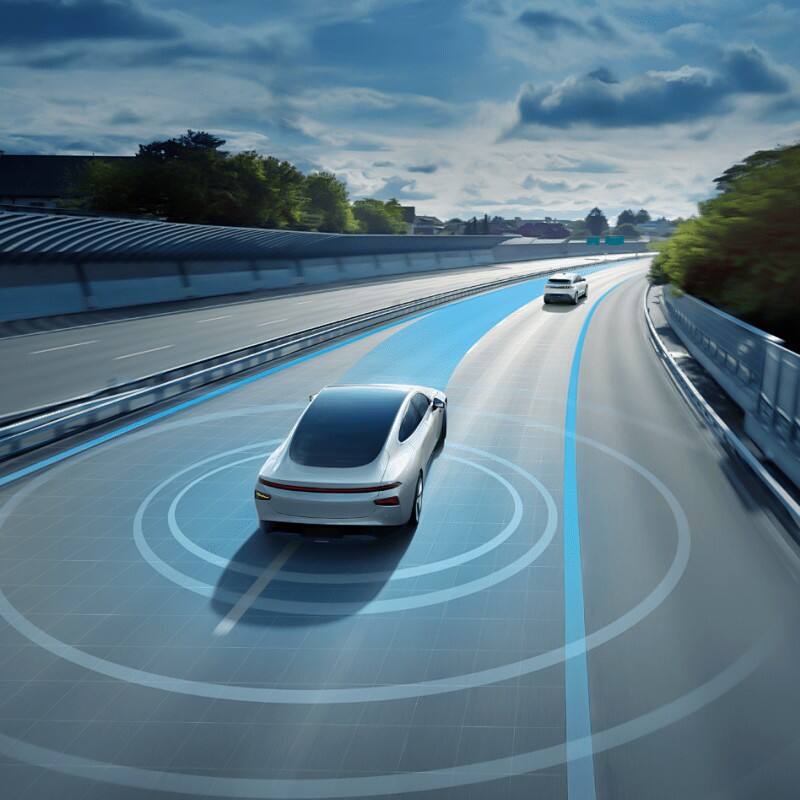
The superior environmental adaptability of ai blind spot detection systems sets them apart from conventional blind spot monitoring technologies, providing consistent performance across all weather conditions and driving environments that challenge traditional sensor capabilities. Advanced sensor fusion technology combines radar, lidar, and camera systems with intelligent algorithms that automatically adjust sensitivity and processing parameters based on real-time environmental conditions, ensuring optimal performance whether driving through heavy rain, snow, fog, or bright sunlight. The system's weather-resistant design incorporates sealed housing and protective coatings that prevent moisture, dust, and road debris from interfering with sensor operation, while heating elements prevent ice and snow accumulation that could block sensor functionality during winter driving conditions. Machine learning algorithms continuously analyze environmental factors and adapt detection parameters accordingly, learning to distinguish between weather-related interference and genuine threats to maintain high accuracy levels while minimizing false alarms caused by precipitation, road spray, or atmospheric conditions. The technology's ability to function effectively in low-light and nighttime conditions represents a significant safety advantage, utilizing infrared sensors and advanced image processing to detect threats that would be invisible to human drivers or traditional mirror-based observation methods. Durability testing ensures that ai blind spot detection systems withstand extreme temperature variations, vibration, and exposure to road salt and chemicals without performance degradation, providing long-term reliability and consistent operation throughout the vehicle's service life. The system's adaptive algorithms can distinguish between temporary environmental interference and permanent sensor damage, providing diagnostic information that enables proactive maintenance and prevents unexpected system failures. Advanced calibration procedures ensure that sensors maintain optimal alignment and sensitivity despite exposure to road impacts, temperature cycling, and normal wear, while automatic recalibration features detect and correct minor alignment issues that could affect detection accuracy. The technology's robust construction and intelligent adaptation capabilities ensure that drivers receive consistent blind spot protection regardless of seasonal changes, geographic location, or local weather patterns, making ai blind spot detection a reliable safety feature that performs when protection is most needed and traditional visibility aids prove inadequate.
 EN
EN