Cost-Effective Safety Investment with Long-Term Benefits
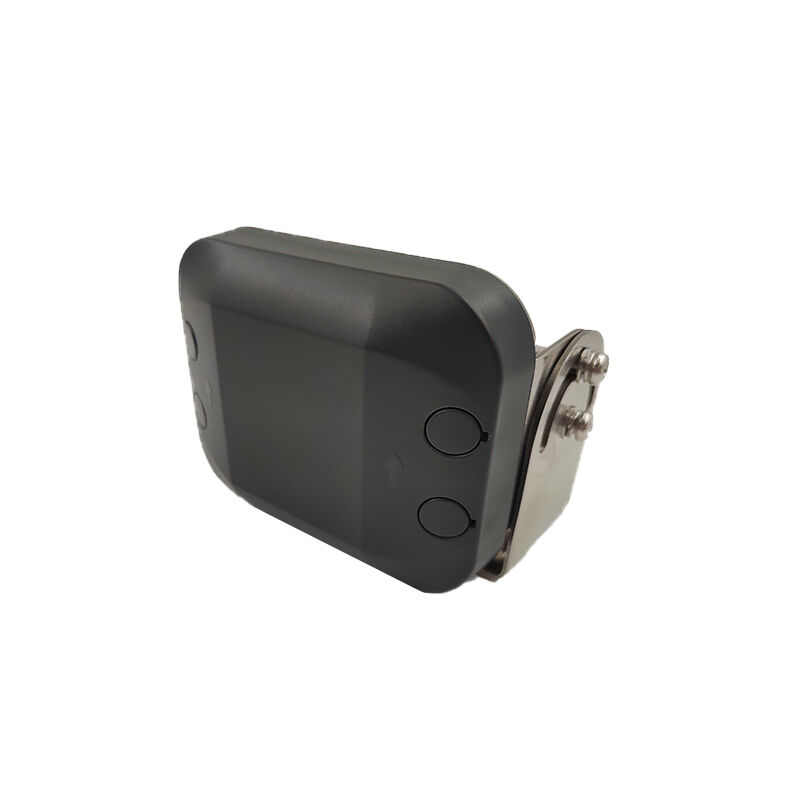
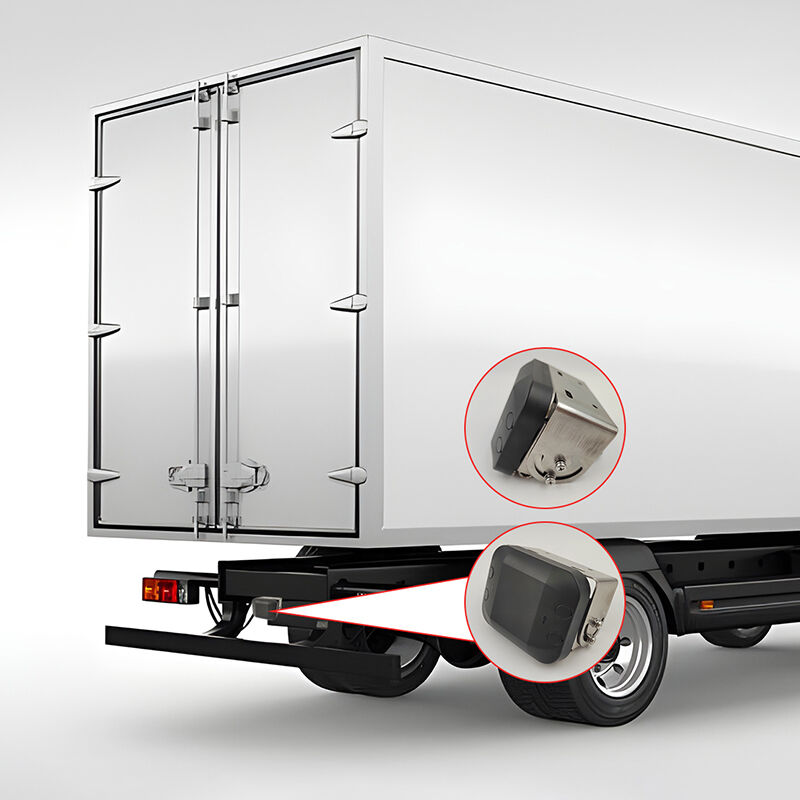
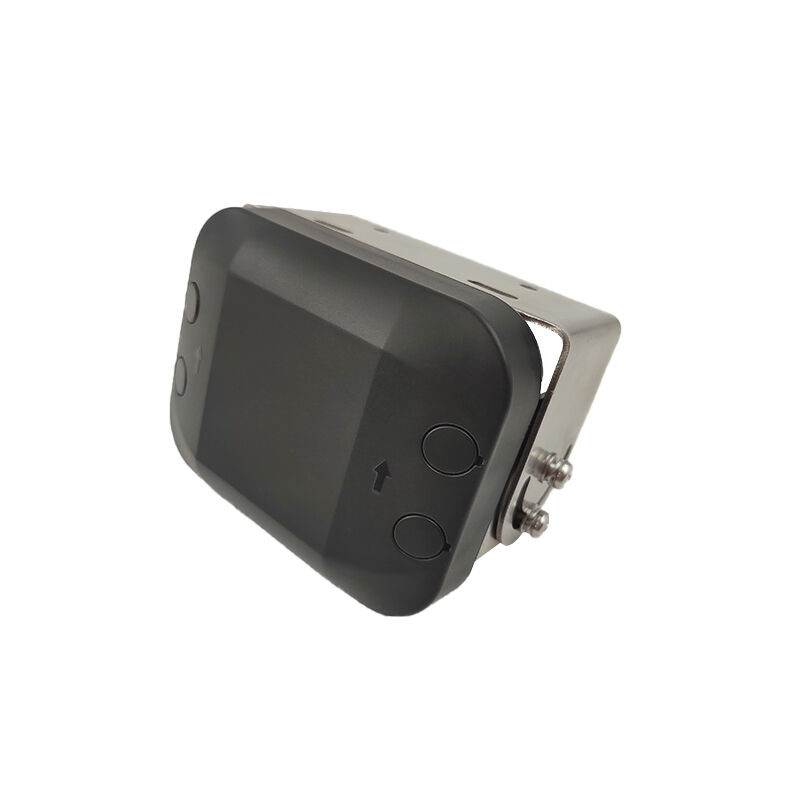
Installing rear parking sensors represents one of the most cost-effective safety investments available for vehicle owners, delivering substantial long-term benefits that far exceed the initial installation expense. The financial protection begins immediately, as these systems prevent costly parking accidents that average $2,500 to $4,000 in repair expenses, while insurance deductibles alone often exceed the total cost of installing rear parking sensors. Property damage prevention extends beyond vehicle repairs to include protection of garage doors, fences, mailboxes, and other structures commonly damaged during parking maneuvers, saving homeowners significant replacement and repair costs. The liability protection aspect of installing rear parking sensors proves invaluable in preventing pedestrian injuries and property damage claims that can result in substantial legal expenses and insurance premium increases. Commercial fleet operators particularly benefit from installing rear parking sensors across their vehicle inventory, as reduced accident rates translate directly to lower insurance premiums, decreased downtime, and improved driver safety records. The technology's durability ensures years of reliable service, with quality systems typically lasting 8-10 years or more with minimal maintenance requirements, providing exceptional return on investment throughout the vehicle's ownership period. Installing rear parking sensors increases vehicle resale value by demonstrating proactive safety measures and modern technology integration that appeals to safety-conscious buyers in competitive automotive markets. The stress reduction and confidence improvement gained from installing rear parking sensors delivers intangible benefits that enhance daily driving experiences, particularly in urban environments with challenging parking conditions. Professional installation typically includes comprehensive warranties covering both parts and labor, providing peace of mind and protection against potential system failures or performance issues. The energy efficiency of modern sensor systems minimizes impact on vehicle electrical systems, consuming minimal power while delivering maximum safety benefits without affecting fuel economy or battery performance. Installation costs vary based on vehicle type and system complexity, but the investment typically pays for itself within the first prevented accident, making installing rear parking sensors among the most practical automotive safety upgrades available. Long-term maintenance requirements remain minimal, with weather-resistant construction and solid-state electronics ensuring reliable operation through years of daily use in various environmental conditions.
 EN
EN