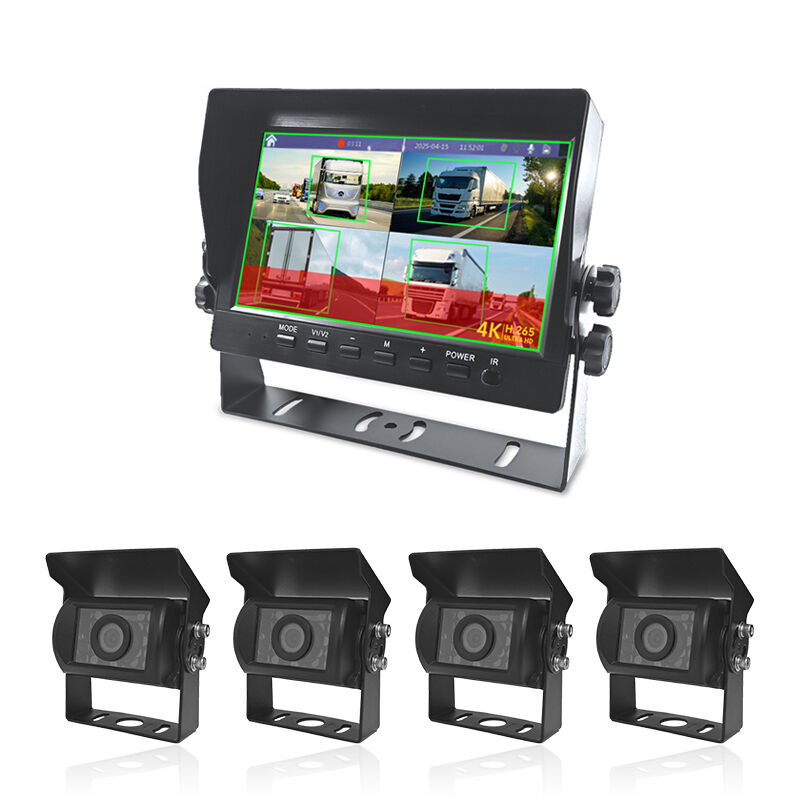
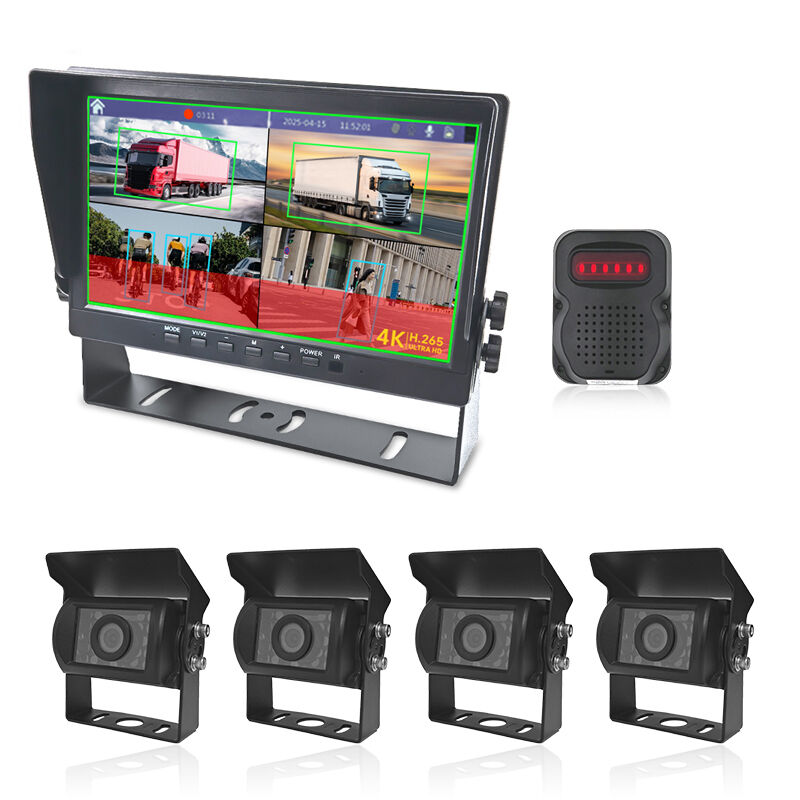
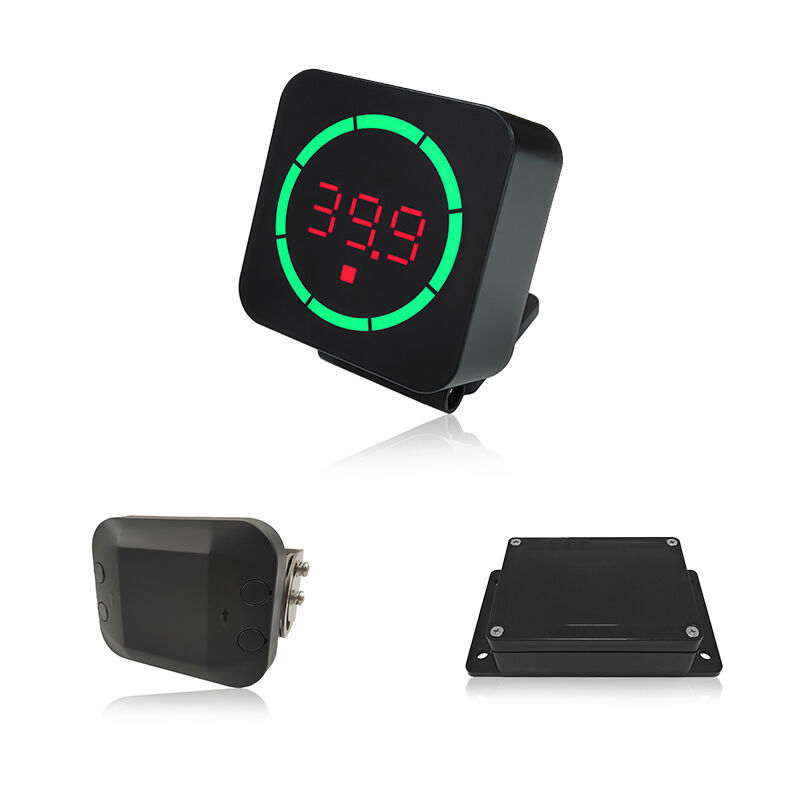
blind spot information system with cross traffic alert
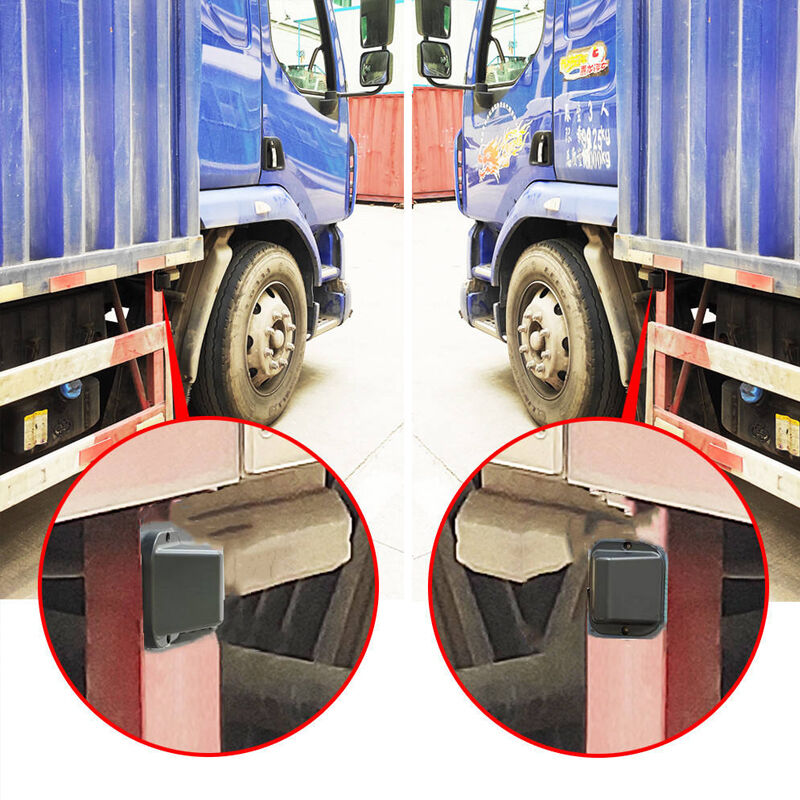
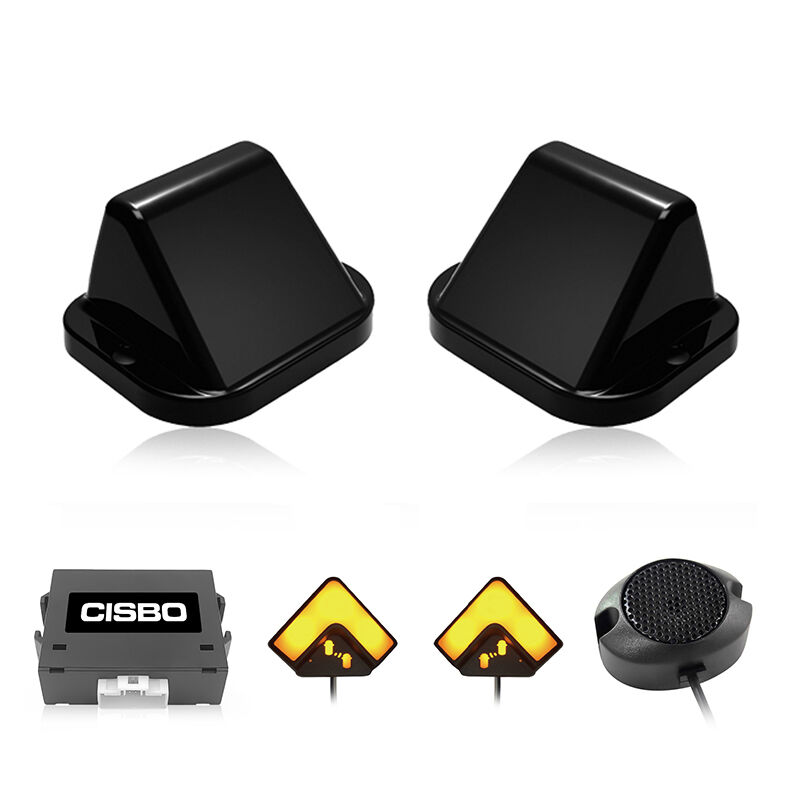
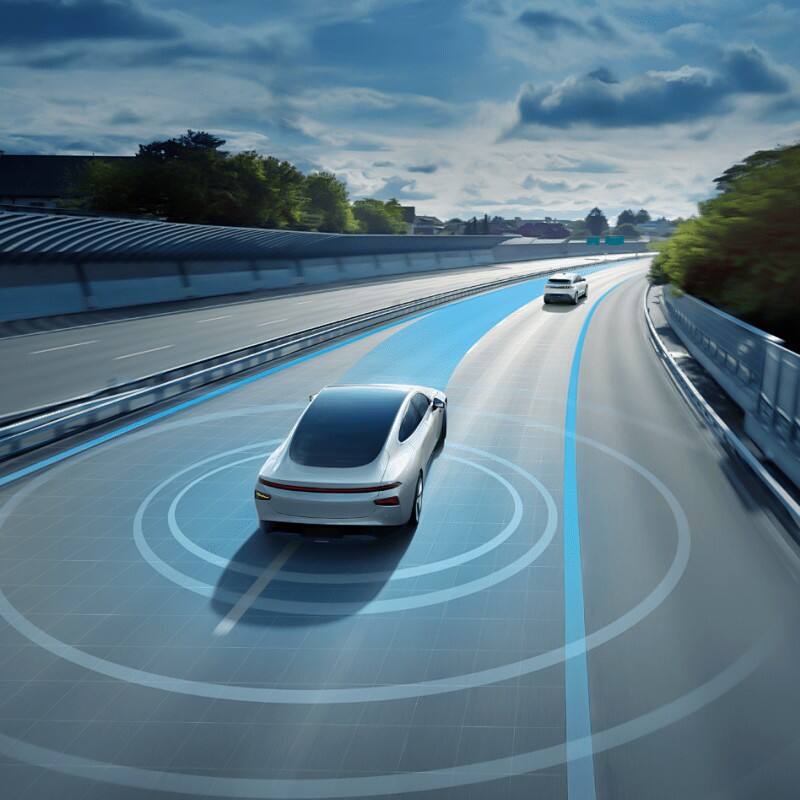
The blind spot information system with cross traffic alert represents a groundbreaking advancement in automotive safety technology, designed to enhance driver awareness and prevent potential collisions. This sophisticated system combines multiple sensors, cameras, and radar technology to monitor areas around the vehicle that traditional mirrors cannot adequately cover. The blind spot information system with cross traffic alert operates continuously while driving, providing real-time detection of vehicles, pedestrians, and obstacles in adjacent lanes and behind the vehicle during reversing maneuvers. The primary function of this system involves monitoring the blind spot zones on both sides of the vehicle, typically extending from the rear bumper to approximately three meters behind the vehicle and covering the adjacent lanes. When the system detects another vehicle approaching or present in these monitored zones, it immediately alerts the driver through visual indicators, usually illuminated icons in the side mirrors or A-pillar areas. The cross traffic alert component specifically activates during reverse parking or backing out of parking spaces, scanning horizontally across the rear of the vehicle to detect approaching traffic from either direction. This feature proves invaluable in crowded parking lots, driveways, or any situation where rear visibility is compromised. The technological foundation of the blind spot information system with cross traffic alert relies on advanced radar sensors strategically positioned in the rear bumper and sometimes in the side mirror housings. These sensors emit radio waves that bounce off nearby objects, calculating distance, speed, and trajectory of detected items. Modern iterations incorporate machine learning algorithms that can distinguish between different types of objects, reducing false alarms caused by stationary objects like poles or barriers. The system integrates seamlessly with the vehicle's existing electronic architecture, often connecting with other safety systems to provide comprehensive protection. Applications extend beyond personal vehicles to commercial fleets, delivery trucks, and recreational vehicles, where blind spots pose significant safety challenges.
 EN
EN