Blind Spot Information System: Advanced Vehicle Safety Technology for Enhanced Driving Protection

Get a Free Quote

Our representative will contact you soon.
Email
Name
Company Name
Mobile/WhatsApp
Message
0/1000

blind spot information system

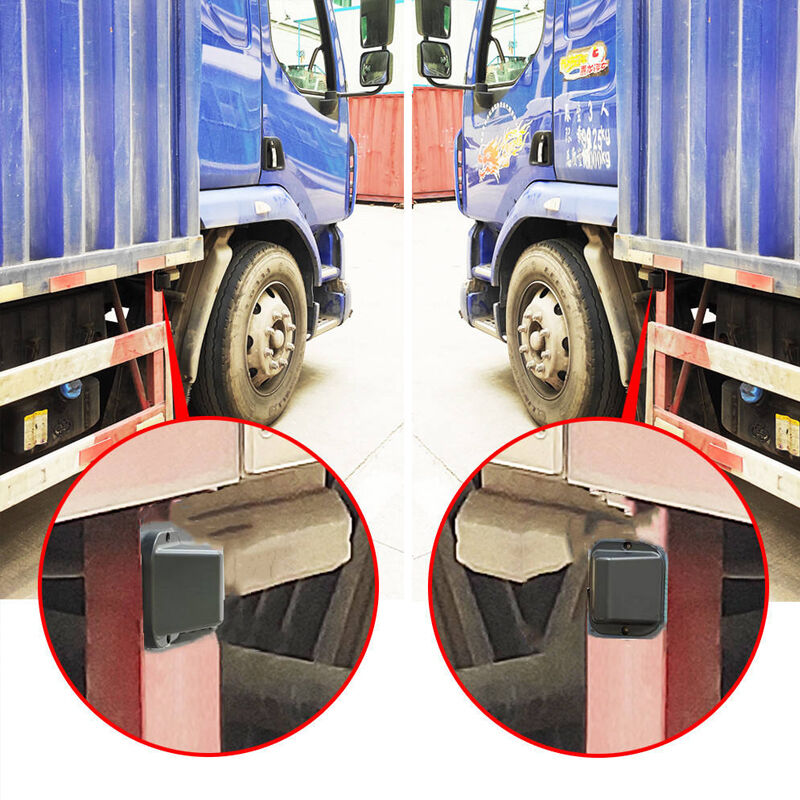
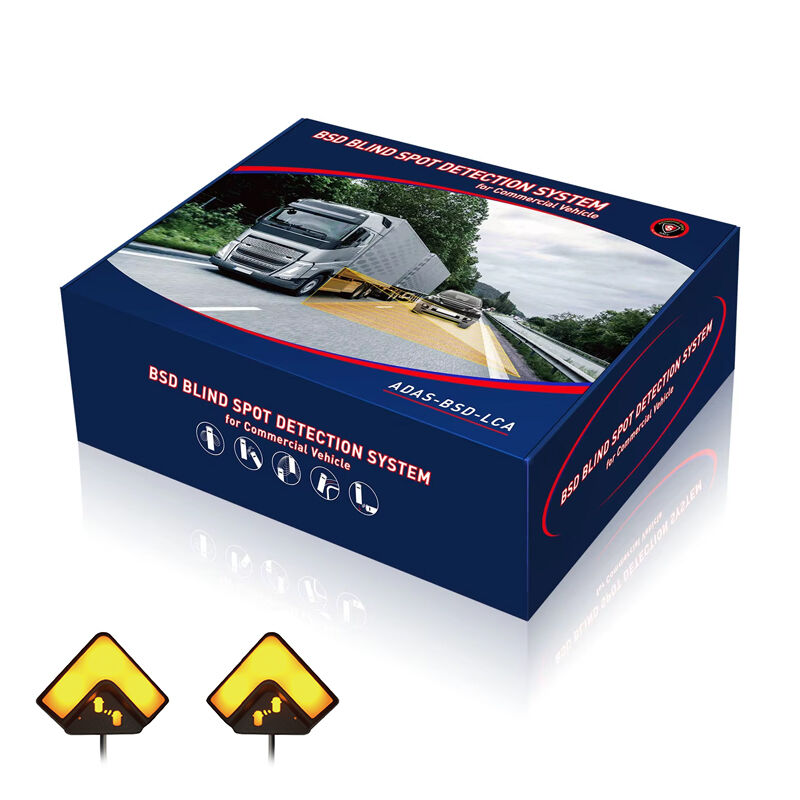
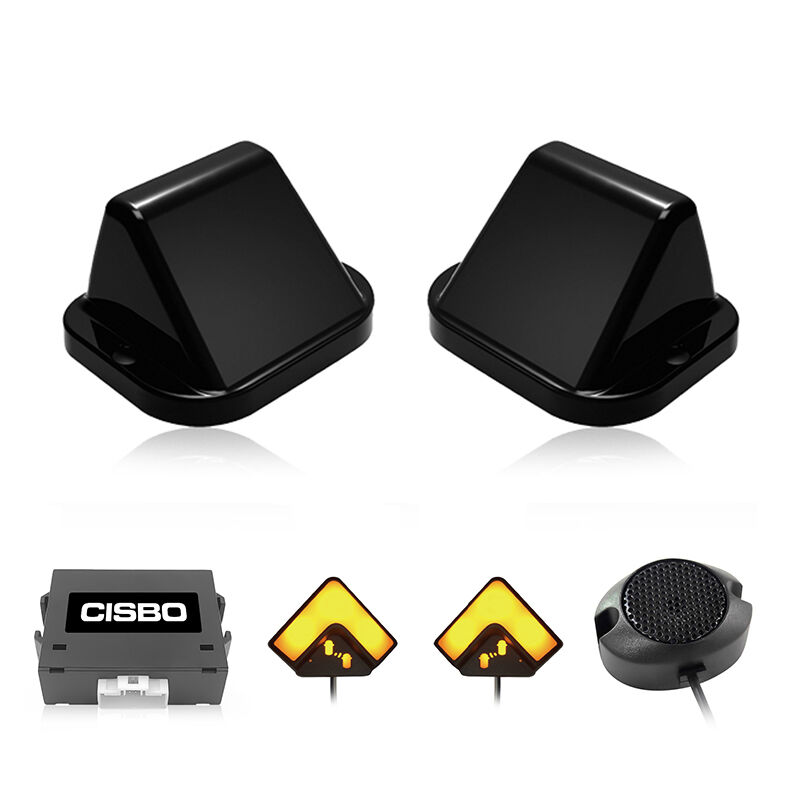
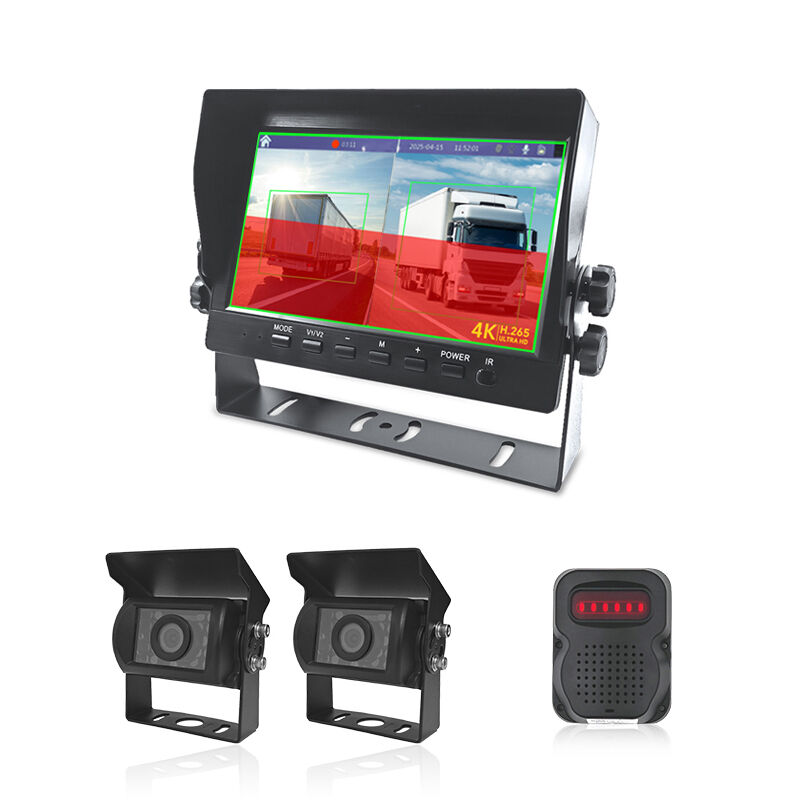
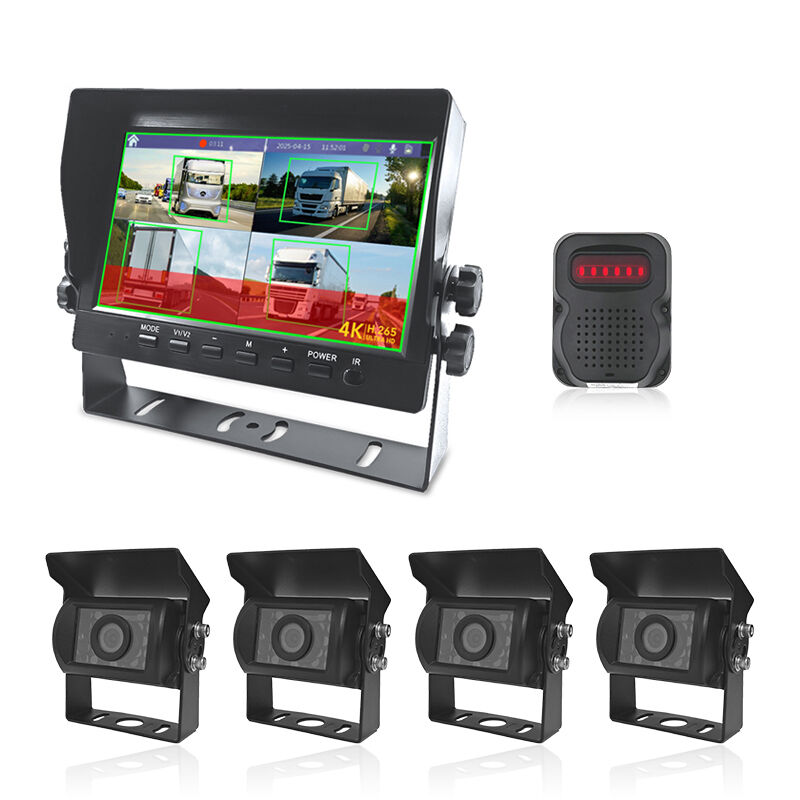
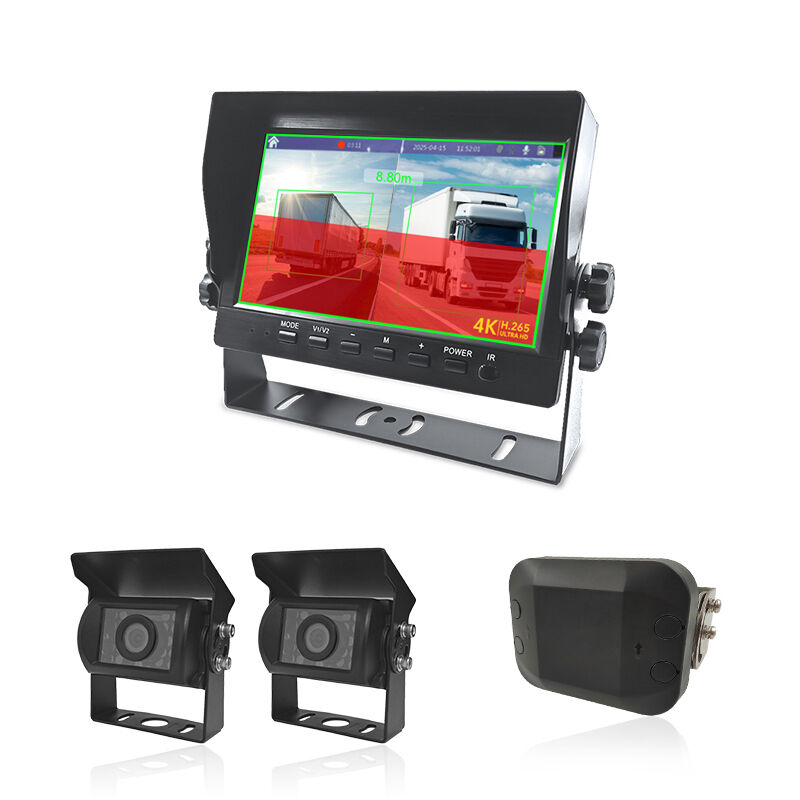
The blind spot information system represents a cutting-edge automotive safety technology designed to enhance driver awareness and prevent potentially dangerous collisions. This sophisticated system utilizes advanced sensor technology, including radar units and cameras, strategically positioned around the vehicle to monitor areas that traditional mirrors cannot adequately cover. The primary function of the blind spot information system centers on detecting vehicles, motorcycles, or other objects located in the driver's peripheral vision zones, commonly known as blind spots. When the system identifies a potential hazard in these critical areas, it immediately alerts the driver through visual indicators, audible warnings, or haptic feedback mechanisms. Modern blind spot information systems integrate seamlessly with vehicle electronic architectures, processing real-time data to provide instantaneous notifications. The technological foundation relies on millimeter-wave radar sensors that emit radio frequency signals, analyzing reflected waves to determine object presence, distance, and relative velocity. Advanced algorithms filter environmental noise and distinguish between relevant threats and stationary objects like guardrails or road signs. Many contemporary blind spot information systems extend beyond basic detection, incorporating lane-change assistance features that monitor approaching traffic from behind and assess safe merging opportunities. The system typically activates at speeds above 10-15 mph, ensuring functionality during highway driving and urban navigation scenarios. Visual alerts commonly appear as illuminated icons in side mirrors or A-pillar displays, while some systems project warnings directly onto the windshield using heads-up display technology. The blind spot information system proves particularly valuable for larger vehicles, trucks, and SUVs where traditional mirror coverage faces inherent limitations. Integration with other vehicle safety systems creates comprehensive protection networks, working alongside adaptive cruise control, automatic emergency braking, and lane-keeping assistance to deliver holistic collision avoidance capabilities.

New Product Recommendations

The blind spot information system delivers significant safety improvements that directly protect drivers, passengers, and other road users from preventable accidents. Statistics demonstrate that lane-change collisions account for approximately 10 percent of all traffic accidents, making this technology crucial for modern vehicle safety. The system operates continuously without requiring driver intervention, providing consistent monitoring that human attention cannot match during long drives or distracted moments. Unlike manual mirror checks that create brief periods of forward vision loss, the blind spot information system maintains constant surveillance while keeping the driver's eyes focused ahead. The technology proves especially beneficial for newer drivers who may lack experience in properly checking blind spots or understanding spatial relationships between vehicles. Elderly drivers often experience reduced neck mobility, making traditional shoulder checks difficult or uncomfortable, and the blind spot information system compensates for these physical limitations effectively. Commercial vehicle operators benefit tremendously from this technology, as larger trucks and delivery vehicles possess extensive blind spots that pose significant risks to smaller cars and pedestrians. The system reduces driver stress and fatigue by eliminating the constant need for vigilant manual checking, allowing drivers to focus more attention on primary driving tasks. Modern blind spot information systems integrate with smartphone applications, enabling fleet managers to monitor driver behavior and system effectiveness across multiple vehicles. Insurance companies increasingly recognize the value of these safety features, often providing premium discounts for vehicles equipped with comprehensive blind spot monitoring capabilities. The technology adapts to various weather conditions, maintaining functionality during rain, snow, or fog when traditional mirror visibility becomes compromised. Advanced systems learn individual driving patterns, adjusting sensitivity levels to match specific user preferences and driving styles. The economic benefits extend beyond insurance savings, as preventing even a single collision can save thousands of dollars in repair costs, medical expenses, and potential legal liability. Maintenance requirements remain minimal, with most systems requiring only periodic sensor cleaning and occasional software updates. The blind spot information system enhances overall driving confidence, particularly for drivers who frequently navigate busy highways or urban environments with heavy traffic. Integration with vehicle-to-vehicle communication systems promises even greater effectiveness as more cars adopt connected technologies that share position and movement data.

Practical Tips

L3 Autonomous Driving

23

Dec

L3 Autonomous Driving

View More
The 138th Canton Fair

04

Jan

The 138th Canton Fair

View More
2025 HKTDC (Autumn  Edition)

23

Dec

2025 HKTDC (Autumn Edition)

View More

Get a Free Quote

Our representative will contact you soon.
Email
Name
Company Name
Mobile/WhatsApp
Message
0/1000

blind spot information system

Advanced Radar Detection Technology Ensures Comprehensive Coverage

Advanced Radar Detection Technology Ensures Comprehensive Coverage

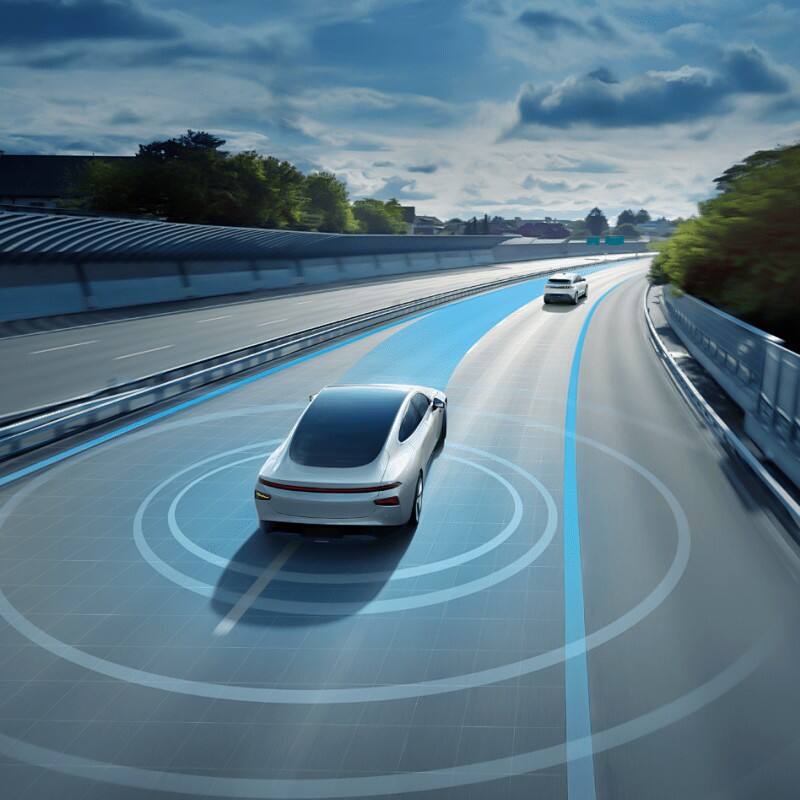
The blind spot information system employs state-of-the-art radar technology that surpasses conventional mirror-based detection methods in both accuracy and reliability. This sophisticated radar network consists of multiple sensors strategically positioned along the vehicle's sides and rear, creating an invisible protective barrier that extends several meters beyond the car's physical boundaries. The millimeter-wave radar operates at frequencies between 76-81 GHz, providing exceptional precision in detecting objects regardless of lighting conditions, weather interference, or environmental obstacles. Unlike optical systems that struggle with darkness, glare, or precipitation, radar-based blind spot information systems maintain consistent performance throughout various challenging conditions. The technology distinguishes between different object types, filtering out stationary elements like concrete barriers while focusing on moving vehicles, motorcycles, and pedestrians that pose actual collision risks. Advanced signal processing algorithms analyze Doppler shifts in reflected radar waves, calculating not only object presence but also relative speed and trajectory predictions. This predictive capability allows the blind spot information system to assess collision probability and provide graduated warnings based on threat severity. The radar sensors feature impressive detection ranges, typically monitoring areas up to 70 meters behind and 3-4 meters to each side of the vehicle, ensuring comprehensive coverage of all critical blind spot zones. Modern systems incorporate multiple radar units working in coordination, creating overlapping detection fields that eliminate coverage gaps and provide redundant safety measures. The technology adapts automatically to different vehicle speeds, adjusting detection sensitivity and warning timing to match driving conditions. At highway speeds, the system extends monitoring distances to account for higher closing rates between vehicles, while urban driving scenarios focus on shorter-range detection with increased sensitivity to smaller objects like bicycles or motorcycles. The radar-based approach proves particularly effective for commercial vehicles, where traditional mirrors provide inadequate coverage for large blind spot areas inherent in truck and bus designs.
Intelligent Alert System Provides Multi-Modal Driver Notifications

Intelligent Alert System Provides Multi-Modal Driver Notifications

The blind spot information system incorporates sophisticated alert mechanisms designed to capture driver attention through multiple sensory channels, ensuring critical safety warnings reach users regardless of environmental distractions or individual preferences. Visual indicators represent the primary notification method, utilizing strategically placed LED lights in side mirrors, door frames, or A-pillar displays that illuminate when objects enter monitored blind spot zones. These visual alerts employ carefully selected colors and patterns, typically using amber or red illumination that remains visible in various lighting conditions without creating distraction during normal driving. Advanced systems integrate with heads-up display technology, projecting warning symbols directly onto the windshield within the driver's natural sight line, eliminating the need to look away from the road. Audible warnings complement visual alerts, employing distinctive tones or beeps that differentiate blind spot notifications from other vehicle systems like turn signals or parking sensors. The intelligent alert system adjusts volume levels automatically based on ambient noise, ensuring warnings remain audible above road noise, music, or conversation while avoiding startling effects during quiet conditions. Haptic feedback represents an innovative enhancement, utilizing steering wheel vibration, seat pulsation, or brake pedal feedback to communicate warnings through tactile sensations. This multi-modal approach proves particularly valuable for drivers with hearing or visual impairments, ensuring accessibility across diverse user populations. The blind spot information system features customizable alert preferences, allowing users to select preferred notification types, intensity levels, and activation thresholds based on individual driving styles and comfort levels. Progressive warning systems escalate alert intensity as collision risk increases, beginning with subtle notifications that intensify if drivers attempt lane changes despite detected obstacles. Some advanced implementations incorporate directional audio technology, using speaker positioning to indicate which side of the vehicle contains the detected threat. The system integrates seamlessly with existing vehicle interfaces, avoiding information overload while maintaining clear communication of critical safety data. Smart filtering algorithms prevent false alarms from stationary objects or irrelevant movements, maintaining user confidence in system reliability and preventing alert fatigue that might lead to ignored warnings.
Seamless Integration with Modern Vehicle Safety Ecosystems

Seamless Integration with Modern Vehicle Safety Ecosystems

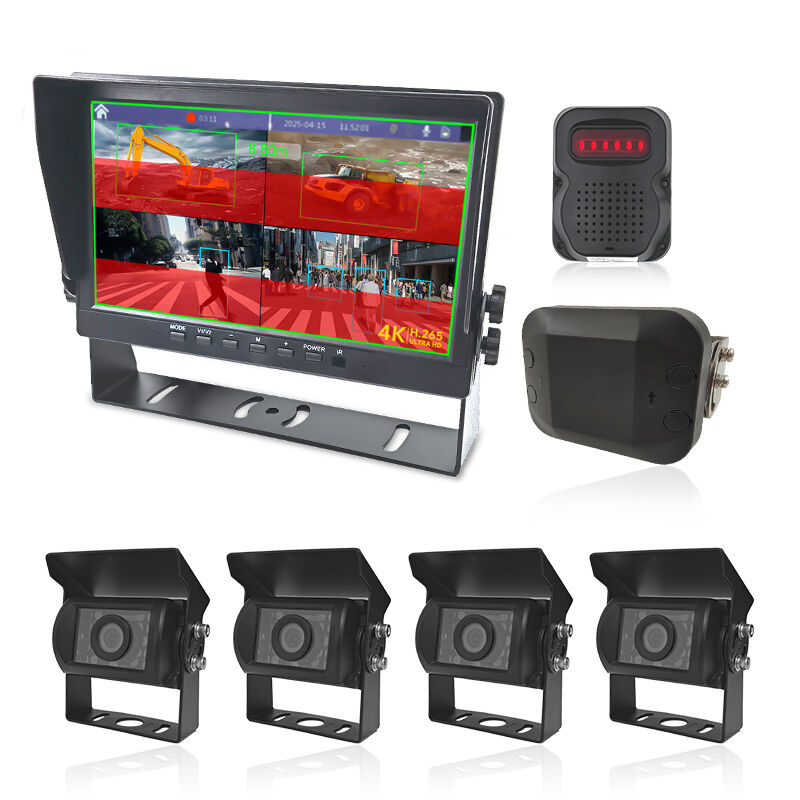
The blind spot information system operates as a crucial component within comprehensive vehicle safety ecosystems, working collaboratively with other advanced driver assistance technologies to create unprecedented levels of collision prevention and driving support. This integration approach maximizes safety benefits by sharing sensor data and coordinating responses across multiple systems, including adaptive cruise control, automatic emergency braking, lane departure warning, and collision avoidance technologies. The blind spot information system communicates continuously with the vehicle's central processing unit, contributing real-time environmental data that enhances overall situational awareness and enables more sophisticated decision-making algorithms. When combined with lane-change assistance features, the system not only detects blind spot obstacles but also evaluates safe merging opportunities by analyzing traffic gaps, relative speeds, and trajectory predictions. This collaborative functionality extends to parking assistance systems, where blind spot sensors provide valuable data for tight-space maneuvering and parallel parking scenarios. The integration includes connectivity with vehicle-to-vehicle communication networks, enabling cars equipped with compatible systems to share position and movement data, creating even more comprehensive awareness of surrounding traffic conditions. Modern blind spot information systems interface with smartphone applications and cloud-based services, allowing remote monitoring, system diagnostics, and performance analytics that help optimize effectiveness over time. Fleet management applications leverage this integration to monitor driver behavior, track system utilization, and identify training opportunities for commercial vehicle operators. The seamless integration extends to maintenance systems, with the blind spot information system providing self-diagnostic capabilities that alert users to sensor malfunctions, calibration issues, or required service interventions. Advanced implementations coordinate with navigation systems, adjusting sensitivity levels based on road types, traffic density, and known accident-prone areas. The system integration includes emergency response protocols, automatically activating hazard lights or emergency braking when collision threats exceed predetermined thresholds. Insurance telematics programs increasingly incorporate blind spot information system data, using performance metrics to assess driver safety profiles and potentially reduce premium costs for responsible users. Future integration possibilities include autonomous driving support, where blind spot monitoring contributes essential environmental data for self-driving vehicle navigation and decision-making processes.

Blind Spot Information System: Advanced Vehicle Safety Technology for Enhanced Driving Protection

Get a Free Quote

Our representative will contact you soon.
Email
Name
Company Name
Mobile/WhatsApp
Message
0/1000