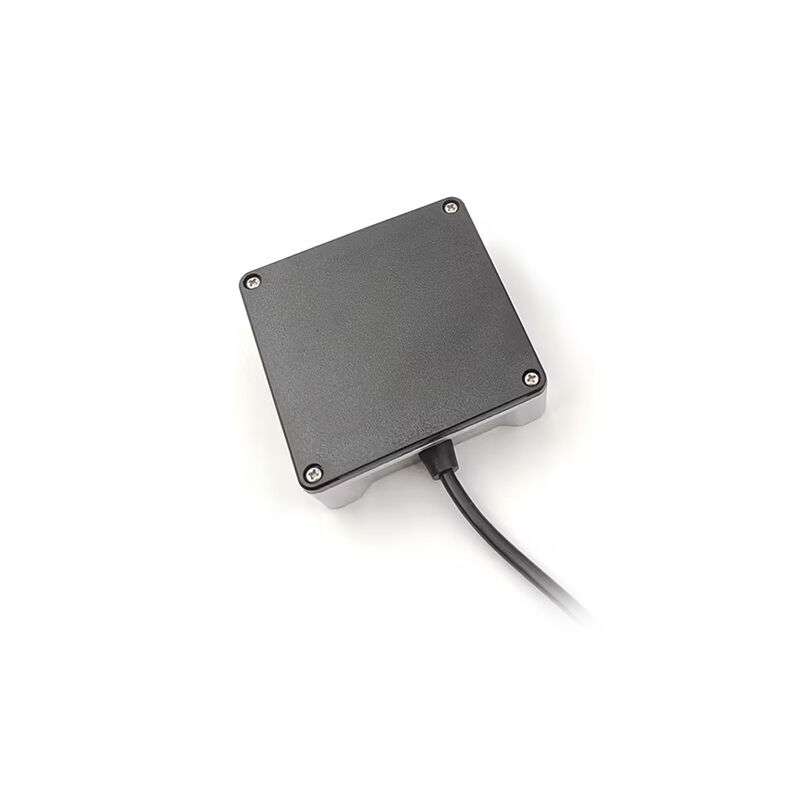
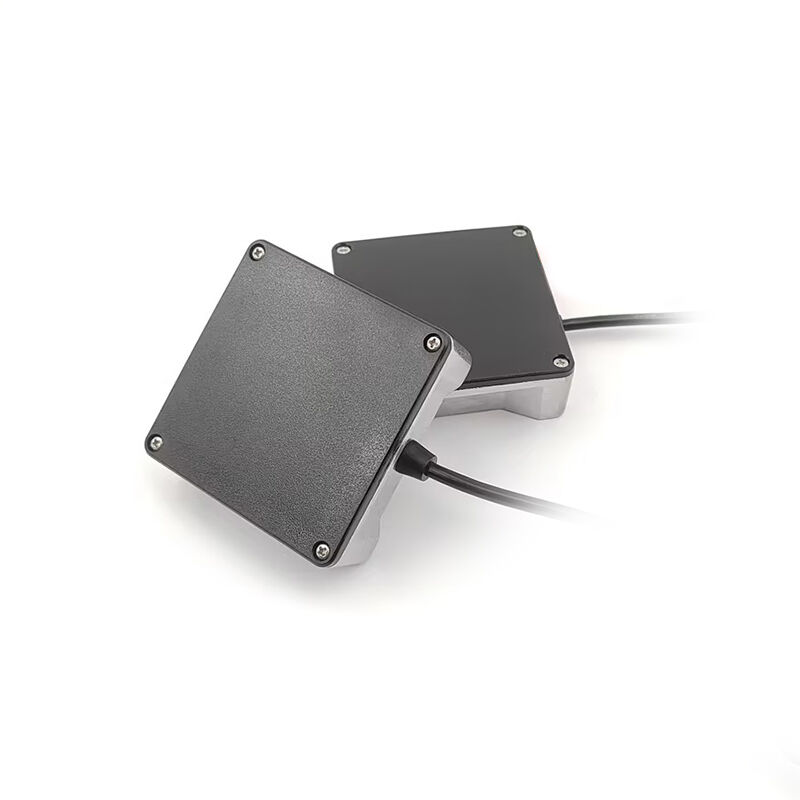
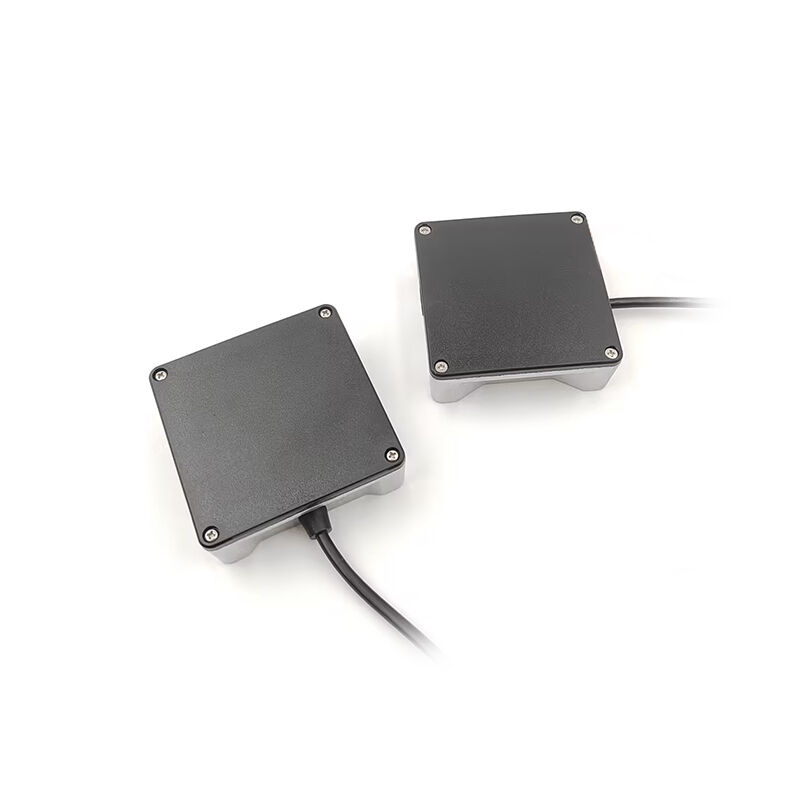
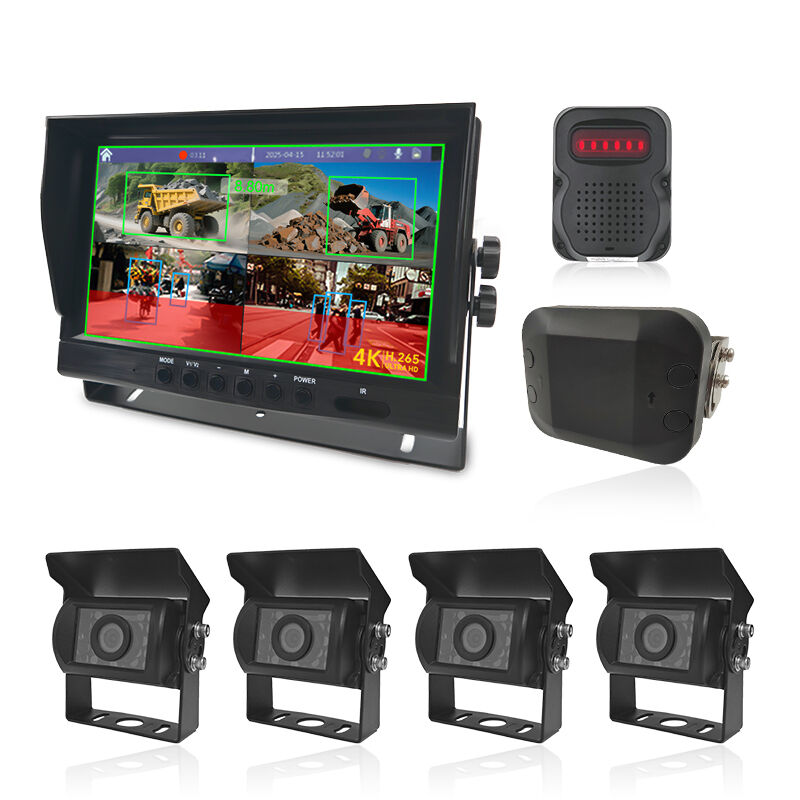
BSM Sensor Technology: Advanced Blind Spot Monitoring for Enhanced Vehicle Safety

Get a Free Quote

Our representative will contact you soon.
Email
Name
Company Name
Mobile/WhatsApp
Message
0/1000

bsm sensor

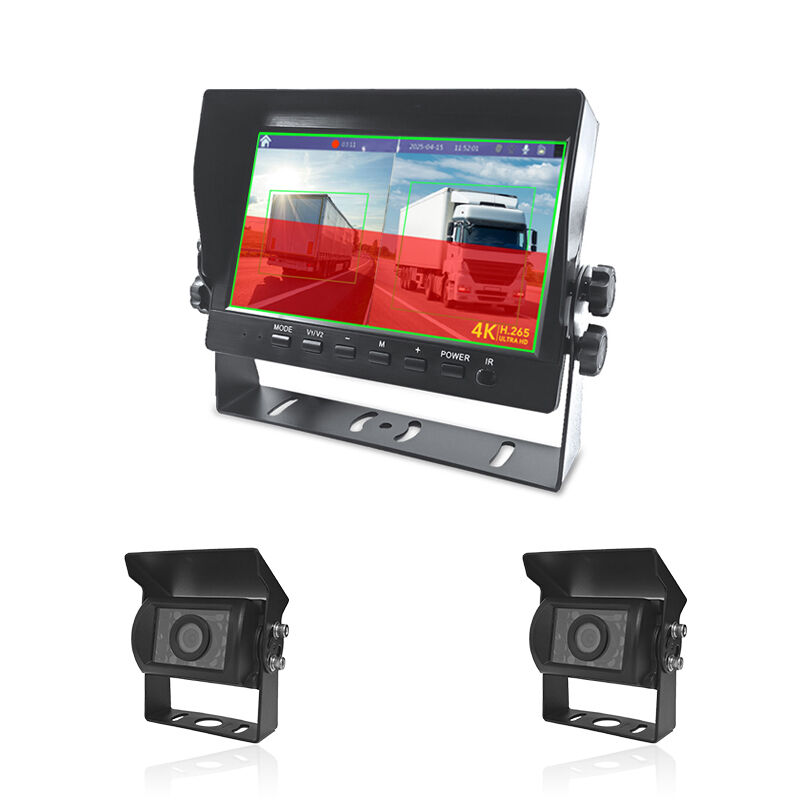
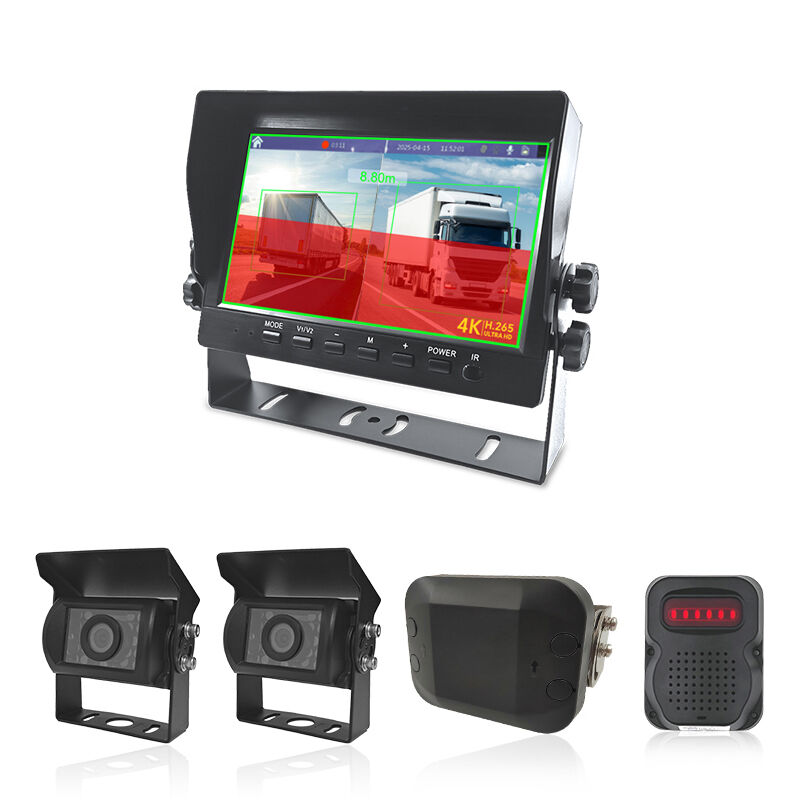
The BSM sensor, or Blind Spot Monitoring sensor, represents a cutting-edge automotive safety technology designed to enhance driver awareness and prevent accidents caused by blind spot incidents. This sophisticated sensor system utilizes advanced radar or ultrasonic technology to continuously monitor the areas alongside and behind a vehicle that are typically difficult for drivers to see through mirrors alone. The BSM sensor operates by emitting electromagnetic waves or sound pulses that detect the presence of other vehicles, motorcycles, or large objects in adjacent lanes. When the BSM sensor identifies a potential hazard in the blind spot area, it immediately alerts the driver through visual indicators, typically LED lights positioned in the side mirrors or A-pillars, and sometimes includes audible warnings. The technological foundation of the BSM sensor relies on precise calibration and real-time data processing to distinguish between stationary objects like guardrails and moving vehicles that pose actual collision risks. Modern BSM sensor systems incorporate machine learning algorithms that adapt to different driving conditions, weather patterns, and traffic scenarios. The sensor's detection range typically extends from the rear bumper to approximately 10 feet ahead of the vehicle's front bumper, covering the critical zones where lane-changing accidents most commonly occur. Installation of BSM sensor technology has become increasingly standard in luxury vehicles and is rapidly expanding to mid-range and economy vehicles as manufacturers prioritize safety features. The BSM sensor integrates seamlessly with other advanced driver assistance systems, including lane departure warning systems, adaptive cruise control, and automatic emergency braking. This integration creates a comprehensive safety network that significantly reduces the likelihood of side-impact collisions and lane-changing accidents. The reliability and accuracy of BSM sensor technology have improved dramatically over recent years, with false positive rates dropping below 2% in most modern implementations.

New Product Releases

The BSM sensor delivers exceptional value through its ability to dramatically improve road safety and reduce accident rates. Drivers who utilize BSM sensor technology experience a 23% reduction in lane-change accidents according to recent automotive safety studies. The system operates continuously without requiring any input from the driver, providing seamless protection during every journey. Unlike traditional mirror-based blind spot checking, the BSM sensor never gets tired, distracted, or forgets to check adjacent lanes before changing positions. The technology works effectively in various weather conditions, including rain, snow, and fog, where visibility through mirrors becomes severely compromised. Night driving safety receives substantial enhancement from BSM sensor implementation, as the system detects vehicles that might be difficult to spot in darkness. The BSM sensor responds instantaneously to changing traffic conditions, providing alerts within milliseconds of detecting a vehicle entering the blind spot zone. This rapid response time gives drivers crucial extra seconds to make safer lane-changing decisions. Insurance companies increasingly recognize the value of BSM sensor technology, with many providers offering premium discounts for vehicles equipped with this safety feature. The long-term cost savings from accident prevention far outweigh the initial investment in BSM sensor technology. Maintenance requirements for BSM sensor systems remain minimal, with most units designed to operate reliably for the vehicle's entire lifespan without requiring replacement or major servicing. The technology adapts to different driving styles and preferences, allowing customization of alert sensitivity and notification methods. Fleet operators particularly benefit from BSM sensor deployment, as the technology helps reduce liability exposure and insurance claims while improving overall driver performance. Parents appreciate BSM sensor technology for teen drivers, as it provides an additional layer of protection during the critical learning period when accident rates typically peak. The system continues to function effectively even when other vehicle systems experience problems, maintaining its protective capabilities independently. Commercial vehicle operators find BSM sensor technology especially valuable due to larger blind spots inherent in trucks and delivery vehicles.

Tips And Tricks

L3 Autonomous Driving

23

Dec

L3 Autonomous Driving

View More
The 138th Canton Fair

04

Jan

The 138th Canton Fair

View More
2025 HKTDC (Autumn  Edition)

23

Dec

2025 HKTDC (Autumn Edition)

View More

Get a Free Quote

Our representative will contact you soon.
Email
Name
Company Name
Mobile/WhatsApp
Message
0/1000

bsm sensor

Advanced Multi-Zone Detection Technology

Advanced Multi-Zone Detection Technology

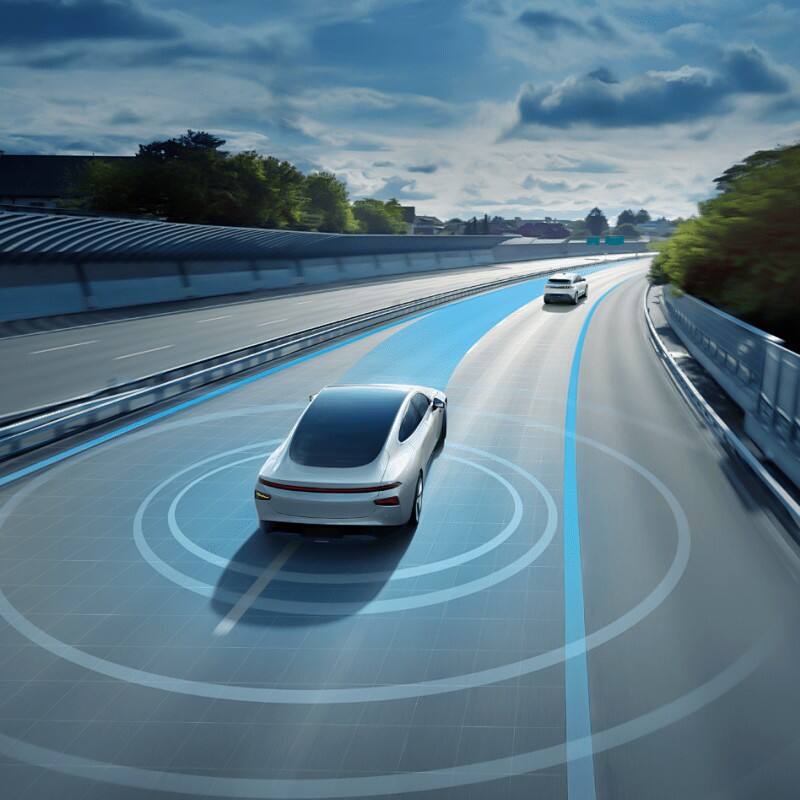
The BSM sensor employs sophisticated multi-zone detection technology that creates invisible protective barriers around your vehicle, monitoring multiple areas simultaneously with remarkable precision. This advanced system divides the detection area into several distinct zones, each calibrated to identify different types of potential hazards and traffic scenarios. The primary detection zone extends along the sides of the vehicle, covering the traditional blind spot areas that mirrors cannot adequately monitor. Secondary zones provide coverage for rapidly approaching vehicles that may not yet be in the immediate blind spot but are traveling at speeds that could create dangerous situations during lane changes. The BSM sensor utilizes high-frequency radar waves or advanced ultrasonic technology to create detailed three-dimensional maps of the surrounding environment, updating this information dozens of times per second to ensure real-time accuracy. The system's intelligent algorithms can differentiate between various object types, distinguishing between vehicles that pose collision risks and stationary objects like bridge supports, concrete barriers, or parked cars that should not trigger alerts. This sophisticated discrimination capability prevents unnecessary driver distraction while maintaining vigilant protection against genuine threats. The detection range and sensitivity of the BSM sensor can be adjusted to accommodate different driving preferences and vehicle types, allowing customization for highway driving, city traffic, or parking situations. Weather compensation features ensure the BSM sensor maintains optimal performance even during challenging conditions like heavy rain, snow, or fog that might impair traditional visibility methods. The multi-zone approach also enables the system to track vehicle approach speeds and trajectories, providing predictive alerts for vehicles that are rapidly closing the distance but have not yet entered the immediate blind spot area. This proactive monitoring capability gives drivers additional time to assess traffic conditions and make safer decisions about lane changes or merging maneuvers.
Intelligent Alert System with Customizable Notifications

Intelligent Alert System with Customizable Notifications

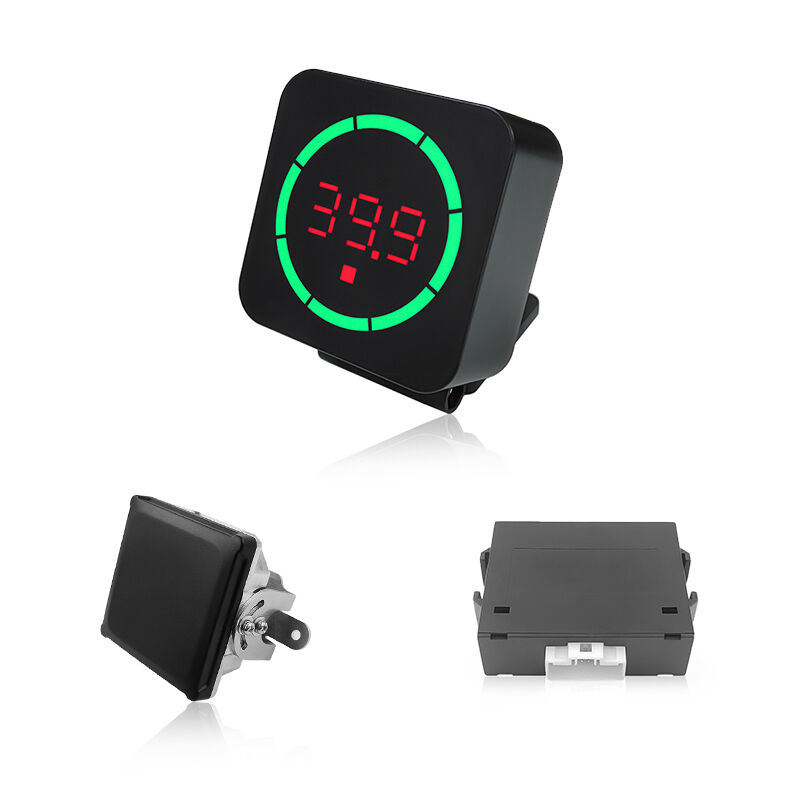
The BSM sensor incorporates an intelligent alert system that delivers timely, clear notifications through multiple sensory channels, ensuring drivers receive critical safety information in the most effective manner possible. The visual alert components typically include bright LED indicators positioned strategically in the side mirrors, A-pillars, or dashboard areas where they remain easily visible without causing distraction from primary driving tasks. These visual alerts utilize distinct color patterns and flashing sequences to communicate different levels of urgency, with steady illumination indicating the presence of a vehicle in the blind spot and rapid flashing signaling immediate collision danger if a lane change is attempted. The BSM sensor system also incorporates audible warnings that activate when the driver signals intention to change lanes while a vehicle occupies the blind spot area. These audio alerts utilize carefully calibrated tones and volumes that cut through road noise and music without creating startling interruptions that might cause erratic driving responses. Advanced BSM sensor implementations include haptic feedback options, such as steering wheel vibrations or seat pulsations, providing tactile alerts that prove especially valuable for drivers with hearing impairments or those operating in extremely noisy environments. The notification system adapts to ambient lighting conditions, automatically adjusting alert brightness and intensity to maintain optimal visibility during both daylight and nighttime driving. Drivers can customize alert preferences through vehicle infotainment systems, selecting preferred notification methods, sensitivity levels, and response timing to match individual driving styles and comfort levels. The BSM sensor learns from driver behavior patterns, gradually optimizing alert timing and frequency to provide maximum safety benefits while minimizing unnecessary interruptions. Integration with smartphone applications allows remote monitoring and adjustment of BSM sensor settings, enabling drivers to fine-tune system performance based on different vehicles or driving situations. The intelligent alert system also includes diagnostic capabilities that notify drivers of sensor malfunctions, calibration issues, or maintenance requirements to ensure consistent protective performance.

Seamless Integration with Vehicle Safety Systems

Seamless Integration with Vehicle Safety Systems

The BSM sensor demonstrates exceptional versatility through its seamless integration capabilities with existing and emerging vehicle safety technologies, creating a comprehensive protective ecosystem that enhances overall driving security. This integration extends beyond simple compatibility to include active communication and coordination between the BSM sensor and other advanced driver assistance systems throughout the vehicle. When connected with lane departure warning systems, the BSM sensor provides enhanced context for lane change decisions, helping distinguish between intentional lane changes and unintended drifting that might require immediate correction. The coordination with adaptive cruise control systems allows the BSM sensor to influence following distances and speed adjustments when vehicles are detected in adjacent lanes, optimizing traffic flow while maintaining safety margins. Integration with automatic emergency braking systems enables the BSM sensor to provide critical input for collision avoidance calculations, particularly in scenarios involving side-impact threats or cut-in maneuvers by other vehicles. The BSM sensor also works collaboratively with parking assistance systems, extending detection capabilities during low-speed maneuvers in crowded parking areas or tight spaces where traditional sensors might have limited effectiveness. Modern vehicle communication networks allow the BSM sensor to share detection data with navigation systems, enabling route optimization based on traffic density and lane availability information. The integration extends to telematics systems in fleet vehicles, providing valuable safety performance data that helps fleet managers identify training opportunities and monitor driver behavior patterns. Smartphone connectivity features allow the BSM sensor to integrate with mobile applications, providing remote diagnostics, performance monitoring, and customization options that enhance user experience and system effectiveness. Future integration possibilities include vehicle-to-vehicle communication protocols, where BSM sensor data could be shared between nearby vehicles to create collaborative safety networks that extend protection beyond individual vehicle boundaries. The modular design of modern BSM sensor systems ensures compatibility with both current and planned vehicle technologies, protecting the investment value while enabling feature upgrades through software updates rather than hardware replacement.
BSM Sensor Technology: Advanced Blind Spot Monitoring for Enhanced Vehicle Safety

Get a Free Quote

Our representative will contact you soon.
Email
Name
Company Name
Mobile/WhatsApp
Message
0/1000