Best Aftermarket Blind Spot Detection Systems 2024 - Ultimate Safety Upgrade Guide

Get a Free Quote

Our representative will contact you soon.
Email
Name
Company Name
Mobile/WhatsApp
Message
0/1000

best aftermarket blind spot detection

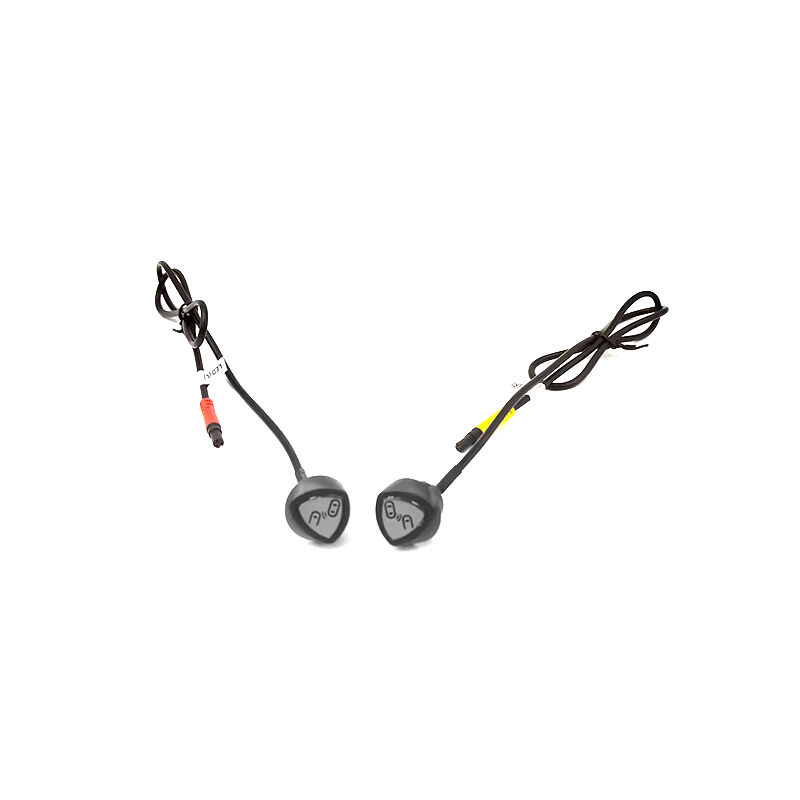
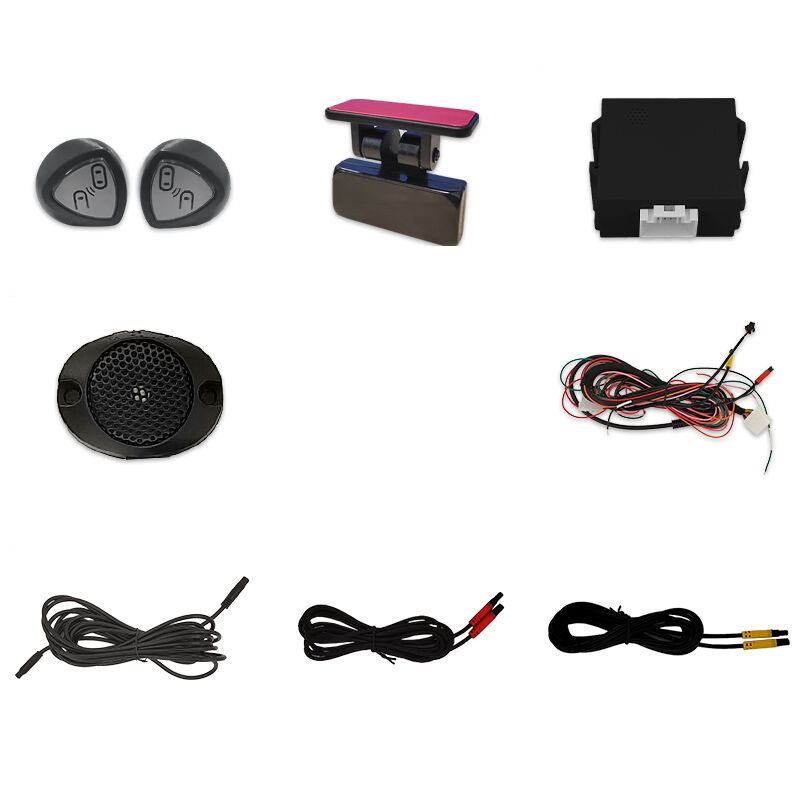
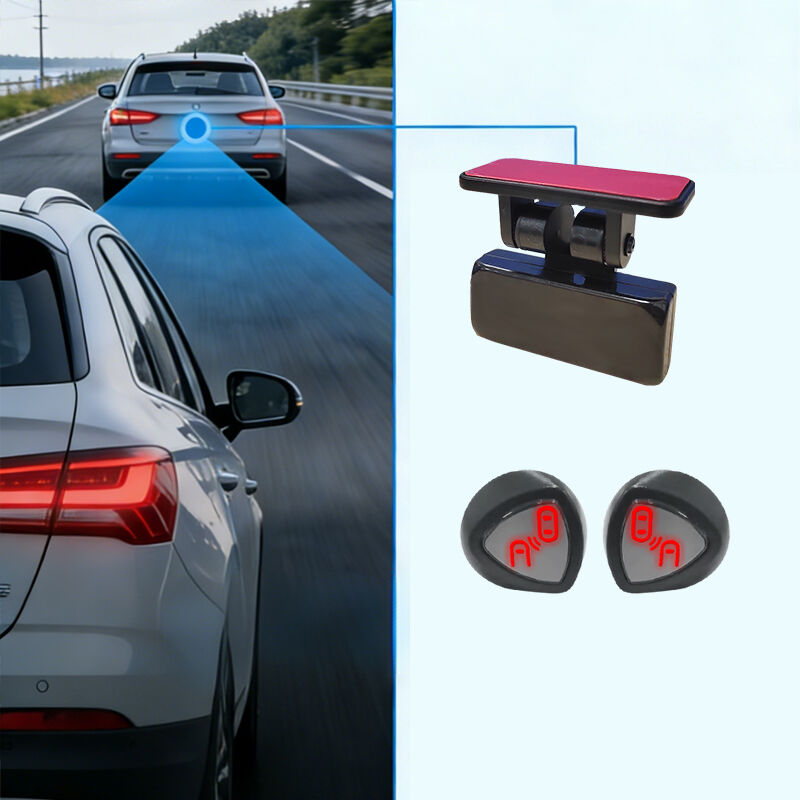
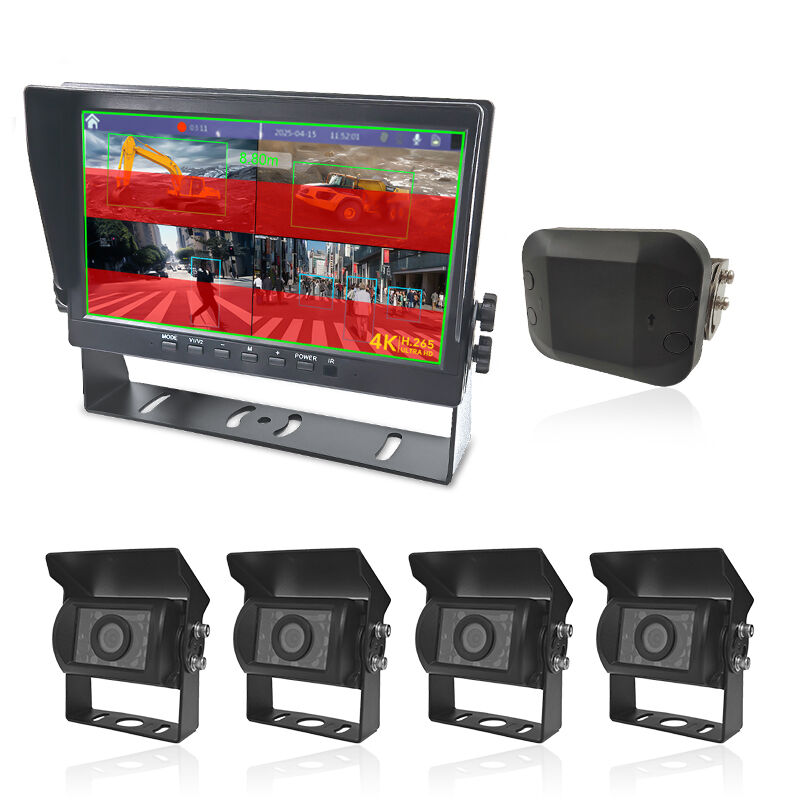
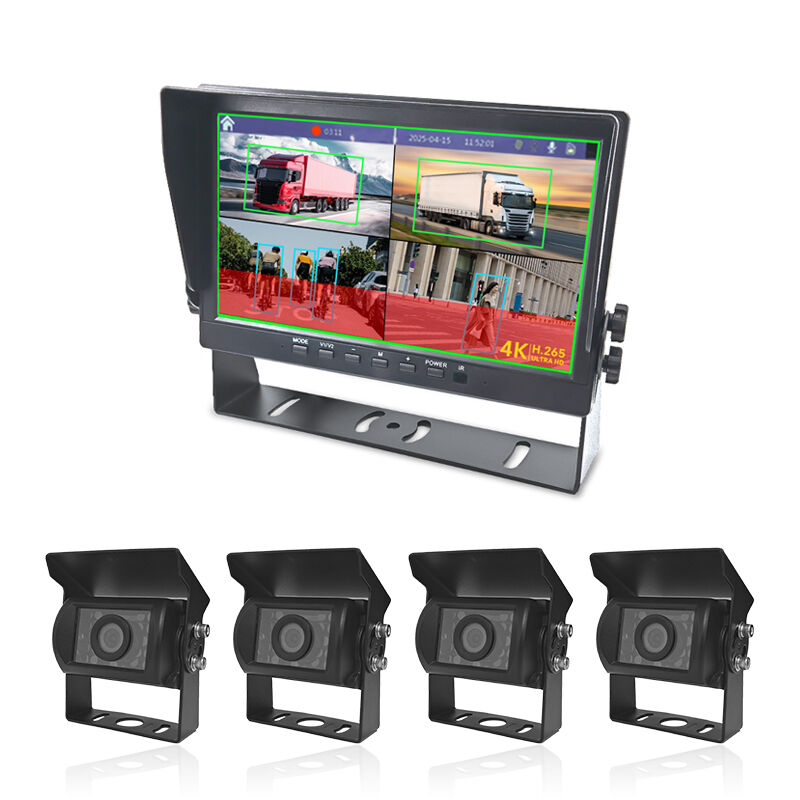
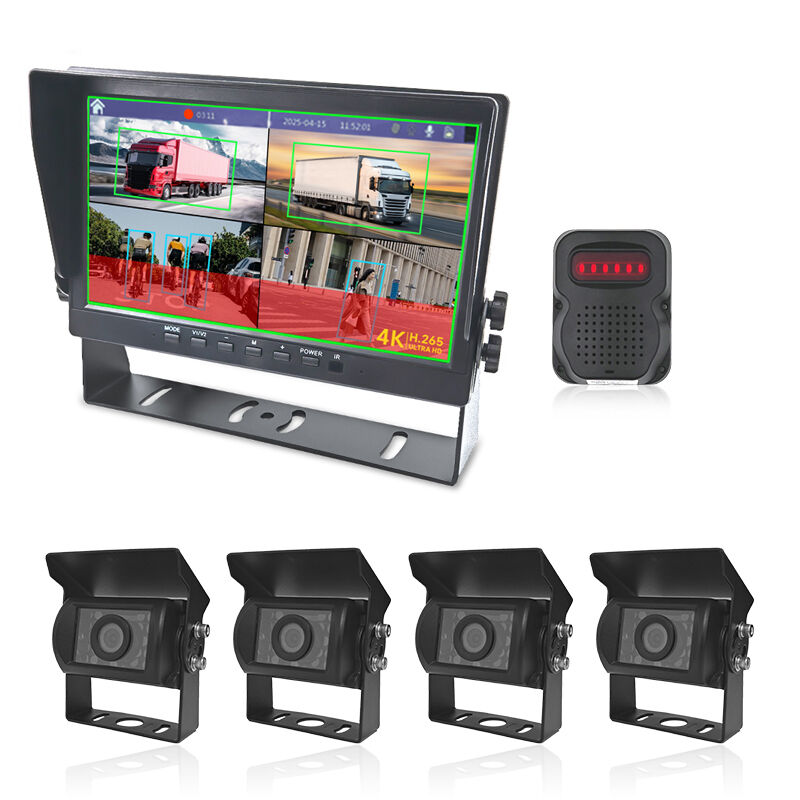
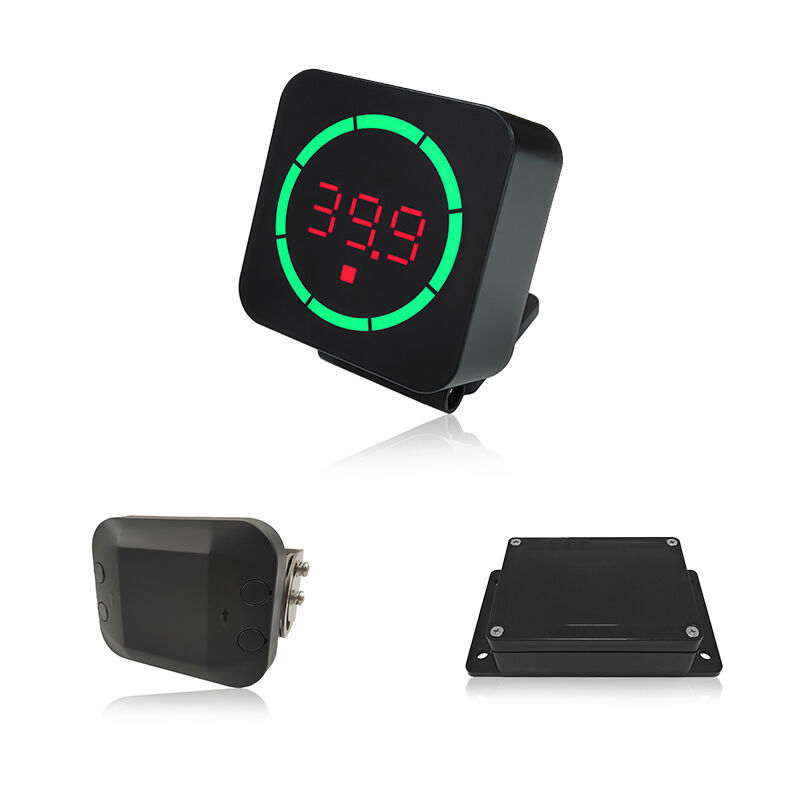
The best aftermarket blind spot detection systems represent cutting-edge automotive safety technology designed to enhance driver awareness and prevent dangerous lane-change collisions. These sophisticated systems utilize advanced radar sensors, cameras, or ultrasonic technology to continuously monitor vehicle blind spots, providing real-time alerts when objects or vehicles enter these hazardous zones. Modern aftermarket blind spot detection solutions offer seamless integration with existing vehicle electronics, making them accessible to drivers of older vehicles lacking factory-installed safety features. The primary function involves constant surveillance of adjacent lanes, typically covering areas extending from the rear bumper to approximately 10 feet behind the vehicle and 12 feet to each side. When the system detects a vehicle, cyclist, or large object in the monitored zone, it immediately activates visual indicators, usually LED lights positioned in side mirrors or A-pillars, accompanied by audible warnings in more advanced models. The best aftermarket blind spot detection systems incorporate intelligent algorithms that differentiate between stationary objects like guardrails and moving hazards requiring immediate attention. These systems typically operate at speeds above 20 mph, automatically activating during highway driving when blind spot accidents most commonly occur. Installation flexibility makes these systems particularly attractive, with options ranging from professional installation to DIY-friendly solutions. Many premium models feature adjustable sensitivity settings, allowing drivers to customize detection ranges based on their specific needs and driving conditions. The technology proves invaluable for larger vehicles like trucks, SUVs, and commercial vehicles where blind spots present greater challenges. Applications extend beyond personal transportation, with fleet operators increasingly adopting these systems to enhance driver safety and reduce liability. Weather resistance ensures reliable operation across various environmental conditions, while low power consumption prevents battery drain concerns.

New Products

Installing the best aftermarket blind spot detection system delivers immediate safety improvements that protect both drivers and surrounding traffic participants. These systems dramatically reduce lane-change accidents by providing crucial awareness of vehicles approaching from behind or lingering in blind spots that mirrors cannot effectively cover. The technology works continuously without requiring driver input, offering consistent protection even when attention becomes divided during complex driving situations. Unlike relying solely on manual mirror checks, these systems provide instantaneous alerts the moment a hazard enters the monitored zone, giving drivers precious additional reaction time to avoid potential collisions. The best aftermarket blind spot detection systems prove particularly beneficial for older drivers who may experience reduced mobility when turning to check blind spots manually, ensuring they maintain independence while driving safely. These systems enhance confidence during highway merging, lane changes, and urban driving scenarios where multiple vehicles compete for limited space. Installation costs remain significantly lower than purchasing a new vehicle equipped with factory blind spot monitoring, making advanced safety technology accessible to budget-conscious consumers. The technology adapts to various weather conditions, maintaining effectiveness during rain, fog, or snow when visibility becomes compromised and traditional mirror checks prove inadequate. Many systems include smartphone connectivity, allowing users to receive system status updates and maintenance notifications directly through mobile applications. The best aftermarket blind spot detection technology reduces insurance premiums in many cases, as insurers recognize the accident prevention benefits these systems provide. Fleet managers report substantial reductions in collision claims and associated costs after implementing blind spot detection across their vehicle portfolios. These systems require minimal maintenance once installed, typically operating reliably for years without requiring significant intervention or component replacement. The technology proves especially valuable for commercial drivers who spend extended periods on highways where blind spot accidents frequently occur with devastating consequences. Most systems include adjustable sensitivity settings, enabling customization based on driving preferences and specific vehicle characteristics. The visual and audible alerts integrate seamlessly with existing vehicle warning systems, avoiding overwhelming drivers with excessive notifications while ensuring critical safety information receives appropriate attention.

Practical Tips

L3 Autonomous Driving

23

Dec

L3 Autonomous Driving

View More
The 138th Canton Fair

04

Jan

The 138th Canton Fair

View More
2025 HKTDC (Autumn  Edition)

23

Dec

2025 HKTDC (Autumn Edition)

View More

Get a Free Quote

Our representative will contact you soon.
Email
Name
Company Name
Mobile/WhatsApp
Message
0/1000

best aftermarket blind spot detection

Advanced Radar Technology with Precision Detection

Advanced Radar Technology with Precision Detection

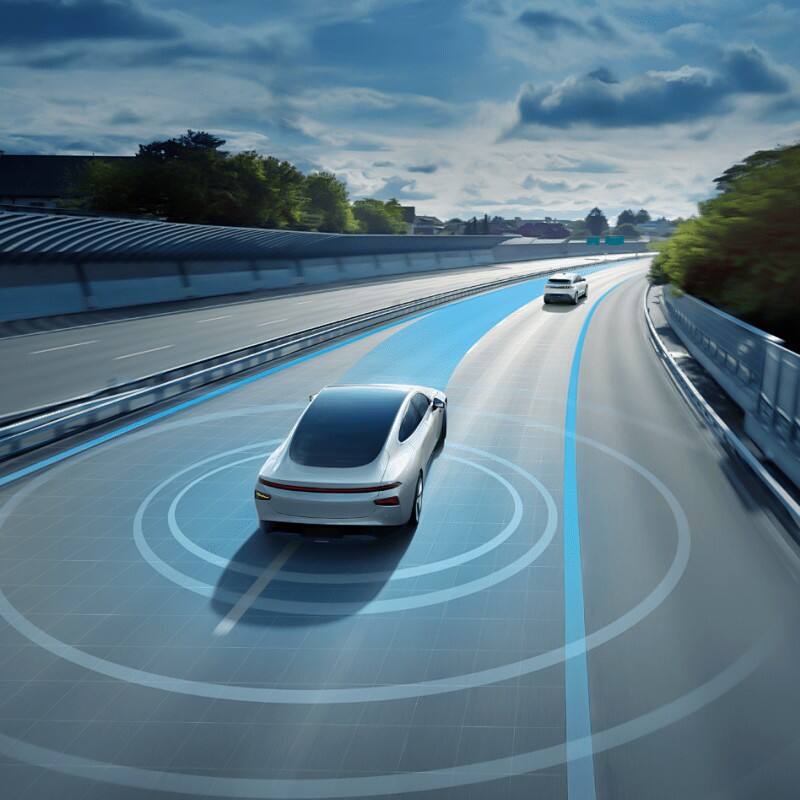
The best aftermarket blind spot detection systems leverage sophisticated millimeter-wave radar technology that delivers unparalleled accuracy in identifying potential hazards within monitored zones. This advanced radar operates on frequencies specifically designed for automotive applications, typically utilizing 24GHz or 77GHz bands that provide exceptional resolution and range capabilities. The radar sensors continuously emit radio waves that bounce off nearby objects, creating detailed maps of the surrounding environment that sophisticated algorithms analyze in real-time. Unlike simpler proximity sensors, these radar-based systems can distinguish between different types of objects, differentiating between vehicles requiring immediate attention and stationary infrastructure elements like guardrails or bridge supports. The technology maintains consistent performance across various weather conditions, including heavy rain, fog, snow, and bright sunlight that might compromise camera-based alternatives. Modern radar sensors featured in the best aftermarket blind spot detection systems offer detection ranges extending up to 200 feet behind the vehicle and 12 feet to each side, ensuring comprehensive coverage of critical blind spot areas. The precision of these systems enables detection of motorcycles, bicycles, and pedestrians that might otherwise escape notice during quick mirror checks. Advanced signal processing algorithms filter out false positives caused by road debris, insects, or electromagnetic interference, ensuring alerts only activate for genuine hazards. The radar technology operates independently of lighting conditions, providing reliable performance during nighttime driving when visibility challenges increase accident risks. Many premium systems incorporate multiple radar sensors positioned strategically around the vehicle to eliminate detection gaps and provide 360-degree awareness. The durability of radar components ensures long-term reliability, with sensors designed to withstand temperature extremes, vibration, and exposure to road salt and debris. Installation flexibility allows these radar-based systems to integrate with various vehicle types, from compact cars to large commercial trucks, adapting detection parameters to match specific vehicle dimensions and blind spot characteristics.
Intelligent Alert System with Customizable Notifications

Intelligent Alert System with Customizable Notifications

The best aftermarket blind spot detection systems feature intelligent alert mechanisms that provide clear, immediate warnings without overwhelming drivers with unnecessary distractions. These sophisticated notification systems typically combine visual indicators positioned in side mirrors or A-pillars with optional audible warnings that activate when hazards require immediate attention. The visual alerts utilize bright LED indicators specifically designed for optimal visibility in various lighting conditions, ensuring drivers receive clear warnings whether driving during bright daylight or dark nighttime conditions. Advanced systems incorporate progressive alert levels, beginning with subtle visual notifications when objects enter the detection zone and escalating to more pronounced warnings if drivers signal lane changes while hazards remain present. The best aftermarket blind spot detection technology includes customizable sensitivity settings, allowing drivers to adjust detection ranges and alert thresholds based on personal preferences and driving conditions. Urban driving environments may benefit from reduced sensitivity to minimize alerts from vehicles in adjacent parking lots, while highway driving requires maximum sensitivity for high-speed safety. Many systems feature smartphone integration that enables drivers to adjust settings, receive maintenance notifications, and monitor system status through intuitive mobile applications. The intelligent algorithms learn driver behavior patterns, adapting alert timing and intensity to match individual driving styles while maintaining optimal safety protection. Some premium models incorporate haptic feedback through steering wheel vibrations or seat alerts, providing additional notification channels for drivers who might miss visual or audible warnings. The alert system integrates seamlessly with existing vehicle electronics, often connecting through OBD-II ports or dedicated wiring harnesses that preserve warranty coverage while enabling advanced functionality. Multi-language support ensures international users can configure alerts in their preferred language, while color-coded warning systems provide universal hazard recognition regardless of linguistic barriers. The technology includes automatic brightness adjustment for visual indicators, preventing glare during nighttime driving while ensuring adequate visibility during daylight hours.
Universal Compatibility and Professional Installation Support

Universal Compatibility and Professional Installation Support

The best aftermarket blind spot detection systems excel in universal compatibility, accommodating virtually any vehicle make, model, and year through flexible installation options and comprehensive mounting solutions. This versatility makes advanced safety technology accessible to owners of older vehicles that lack factory-installed blind spot monitoring, enabling them to upgrade their safety systems without purchasing new vehicles. Professional installation support ensures optimal system performance through certified technicians who understand the specific requirements of different vehicle configurations and can customize installations accordingly. The mounting hardware included with premium systems accommodates various bumper styles, body panels, and trim configurations, ensuring secure sensor placement that maintains vehicle aesthetics while maximizing detection effectiveness. Many systems offer both professional installation services and DIY-friendly options, with detailed instruction manuals, video tutorials, and customer support resources that guide users through the installation process. The best aftermarket blind spot detection technology includes plug-and-play connectors that integrate with existing vehicle wiring systems, minimizing installation complexity and reducing the risk of electrical issues. Comprehensive vehicle compatibility databases help consumers identify the most suitable system configuration for their specific vehicle, ensuring optimal performance and seamless integration with existing electronics. Professional installers receive specialized training on system calibration, sensor alignment, and performance verification, guaranteeing installations meet manufacturer specifications and deliver expected safety benefits. Many systems include extended warranties that cover both components and professional installation, providing peace of mind and protection against potential issues. The installation process typically requires 2-4 hours depending on vehicle complexity, with most systems becoming fully operational immediately after completion. Technical support services provide ongoing assistance for troubleshooting, calibration adjustments, and system updates, ensuring long-term reliability and optimal performance. Fleet installation services cater to commercial operators, offering volume pricing and coordinated installation scheduling that minimizes vehicle downtime while upgrading entire fleets with blind spot detection technology.

Best Aftermarket Blind Spot Detection Systems 2024 - Ultimate Safety Upgrade Guide

Get a Free Quote

Our representative will contact you soon.
Email
Name
Company Name
Mobile/WhatsApp
Message
0/1000