Advanced Blind Side Detection Systems - Complete Safety Technology Guide

Get a Free Quote

Our representative will contact you soon.
Email
Name
Company Name
Mobile/WhatsApp
Message
0/1000

blind side detection

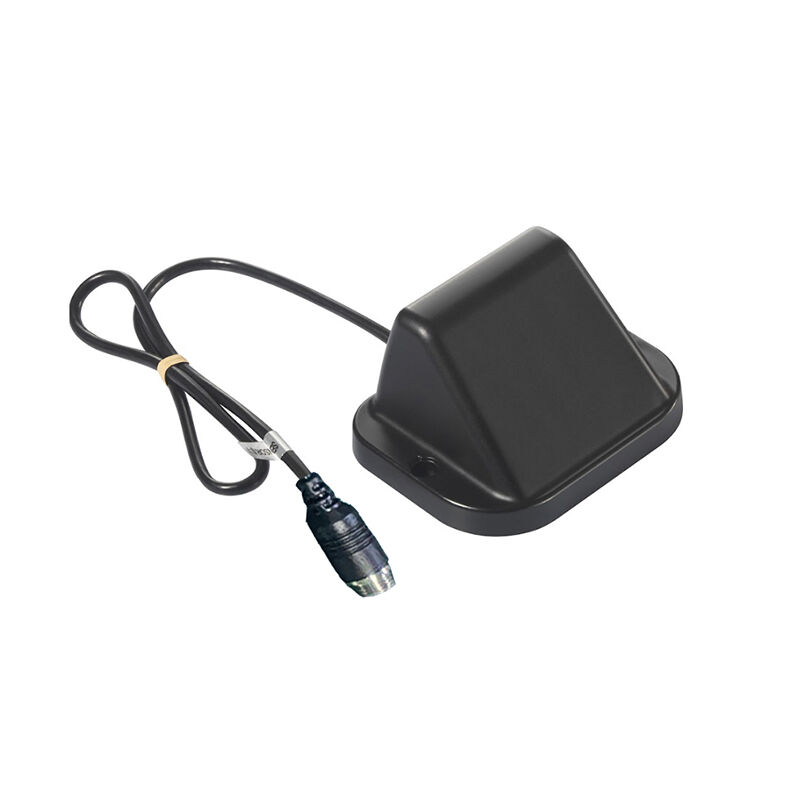
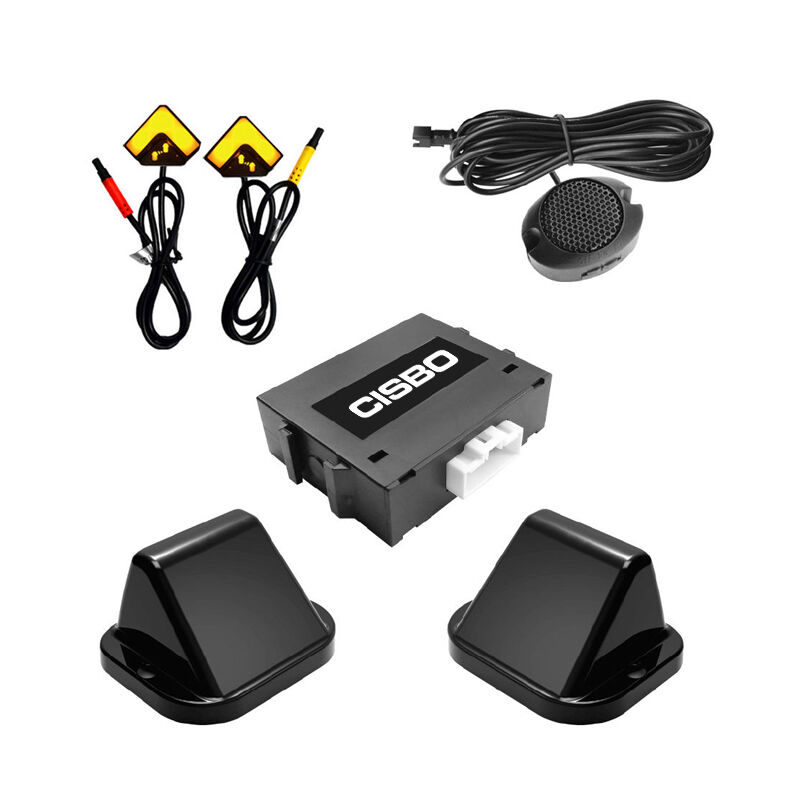
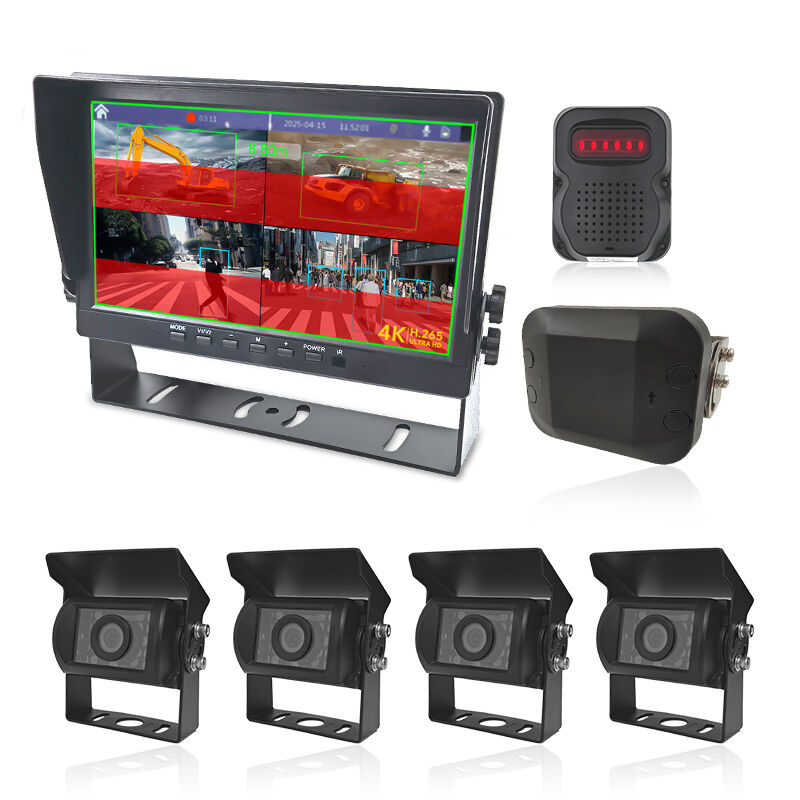
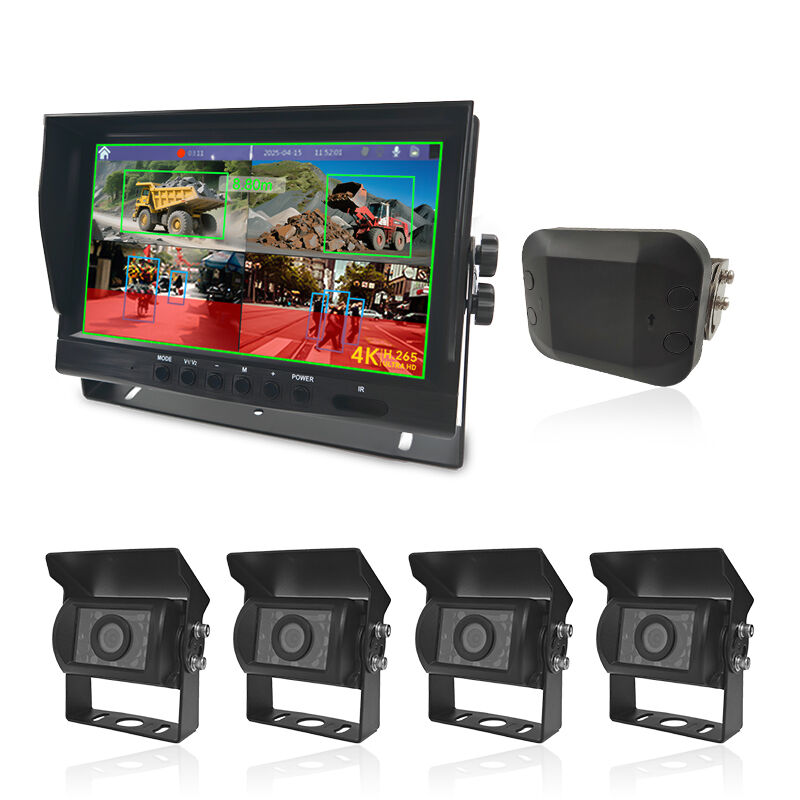
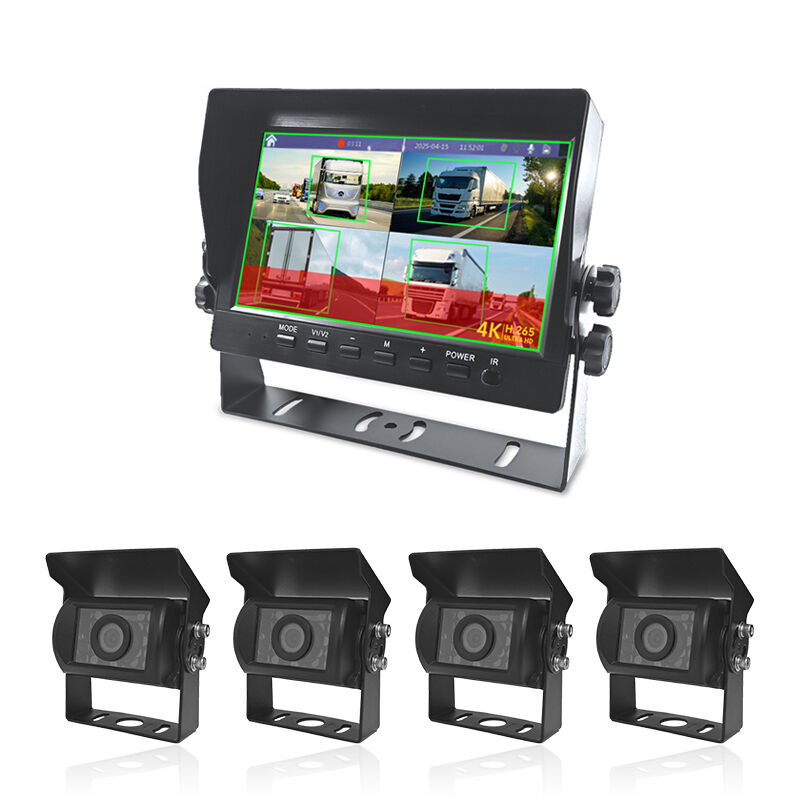
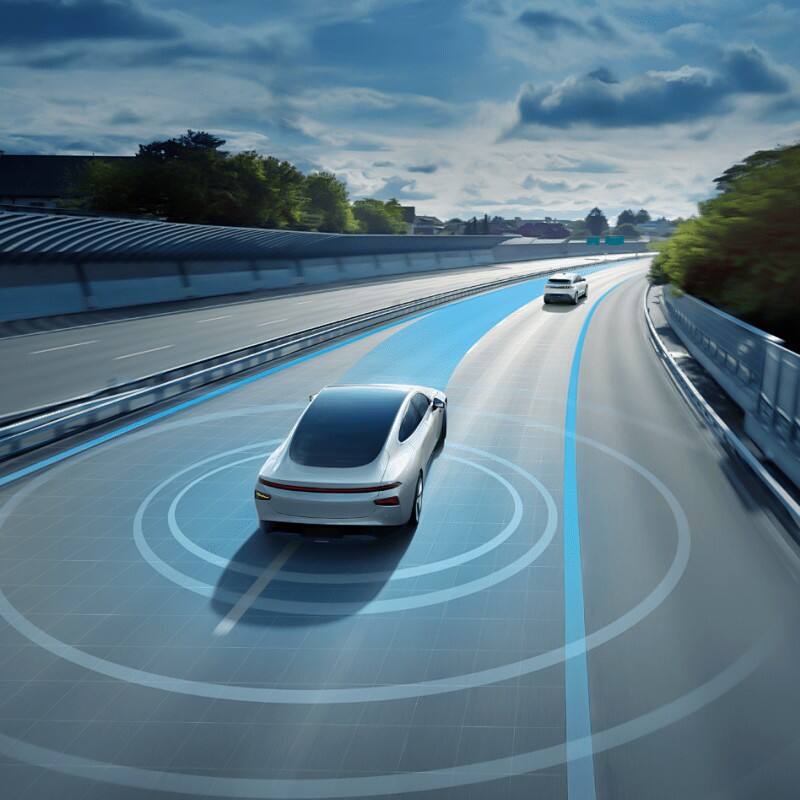
Blind side detection represents a revolutionary automotive safety technology designed to enhance driver awareness and prevent accidents caused by vehicles in blind spots. This sophisticated system utilizes advanced sensor technology, including radar, ultrasonic sensors, and cameras, to continuously monitor the areas around a vehicle that are typically invisible to drivers through standard mirrors. The primary function of blind side detection is to alert drivers when another vehicle enters their blind spot, significantly reducing the risk of lane-change collisions and side-impact accidents. The system operates through strategically placed sensors mounted on the rear bumper, side mirrors, or vehicle pillars, which create an invisible detection zone extending several meters behind and alongside the vehicle. When the blind side detection system identifies a vehicle within this zone, it immediately activates warning indicators, typically through visual alerts in the side mirrors, audible beeps, or haptic feedback through the steering wheel. Modern blind side detection systems incorporate intelligent algorithms that can distinguish between different types of objects, filtering out stationary items like guardrails or parked cars while focusing on moving vehicles that pose potential collision risks. The technology has evolved to include cross-traffic alert functionality, which warns drivers of approaching vehicles when backing out of parking spaces or driveways. Advanced versions of blind side detection integrate with other vehicle safety systems, creating a comprehensive network of protection that includes automatic emergency braking and lane-keeping assistance. The system operates effectively in various weather conditions and lighting situations, maintaining consistent performance during day and night driving. Installation options range from factory-integrated systems built into new vehicles to aftermarket solutions that can be retrofitted to existing cars, making this life-saving technology accessible to a broader range of drivers and vehicle types.

New Product Recommendations

Blind side detection systems deliver substantial safety improvements that directly protect drivers, passengers, and other road users from potentially fatal accidents. The primary advantage lies in accident prevention, as studies show that blind side detection reduces lane-change accidents by up to 40 percent, translating to thousands of lives saved annually. Drivers gain immediate awareness of vehicles approaching from behind or lingering in adjacent lanes, eliminating the guesswork and uncertainty that often leads to dangerous situations. The system provides continuous monitoring without requiring driver input, operating silently in the background while maintaining vigilant watch over blind spot areas that human vision cannot effectively cover. Financial benefits extend beyond safety, as blind side detection helps drivers avoid costly repairs, insurance claims, and potential legal liabilities associated with collision damages. Insurance companies increasingly recognize the value of this technology, offering premium discounts to vehicles equipped with blind side detection systems, providing long-term savings for safety-conscious drivers. The technology enhances driving confidence, particularly for new drivers, elderly motorists, or those operating larger vehicles with more extensive blind spots. Blind side detection systems adapt to different driving conditions automatically, maintaining effectiveness during highway merging, urban lane changes, and parking maneuvers without requiring manual activation or adjustment. The integration with vehicle lighting systems means drivers receive clear, immediate visual feedback through illuminated mirror indicators that are easily visible in peripheral vision. Modern blind side detection systems consume minimal power, operating efficiently without impacting fuel economy or battery life in electric vehicles. The technology works seamlessly with existing vehicle systems, requiring no special training or complicated operation procedures, making it accessible for drivers of all experience levels. Maintenance requirements are minimal, with most systems designed to function reliably for the entire vehicle lifespan without regular calibration or replacement. The peace of mind provided by blind side detection proves invaluable for families, commercial fleet operators, and anyone who prioritizes safety on the road, creating a protective barrier against one of the most common causes of highway accidents.

Latest News

L3 Autonomous Driving

23

Dec

L3 Autonomous Driving

View More
The 138th Canton Fair

04

Jan

The 138th Canton Fair

View More
2025 HKTDC (Autumn  Edition)

23

Dec

2025 HKTDC (Autumn Edition)

View More

Get a Free Quote

Our representative will contact you soon.
Email
Name
Company Name
Mobile/WhatsApp
Message
0/1000

blind side detection

Advanced Sensor Technology for Maximum Coverage

Advanced Sensor Technology for Maximum Coverage

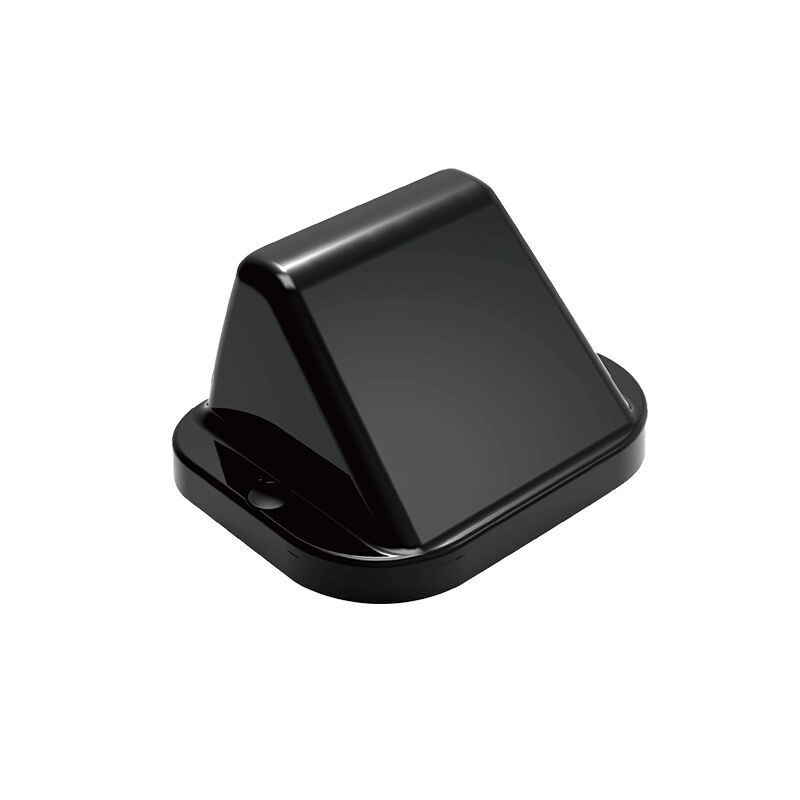
The cornerstone of effective blind side detection lies in its sophisticated sensor array, which creates an invisible safety net around your vehicle through cutting-edge radar and ultrasonic technology. These precision-engineered sensors operate at frequencies specifically designed to penetrate weather conditions, including rain, snow, fog, and dust, ensuring consistent performance regardless of environmental challenges. The radar sensors emit continuous electromagnetic waves that bounce off nearby objects, calculating distance, speed, and trajectory with remarkable accuracy, while ultrasonic sensors provide close-range detection for comprehensive coverage. This dual-sensor approach eliminates detection gaps that could leave drivers vulnerable to missed warnings, creating overlapping coverage zones that ensure no vehicle can enter the blind spot undetected. The system calibrates automatically to different vehicle sizes and configurations, adapting its sensitivity to provide optimal performance whether installed on compact cars, SUVs, trucks, or commercial vehicles. Advanced signal processing algorithms filter out false positives caused by stationary objects, road debris, or environmental factors, ensuring that drivers receive only relevant, actionable alerts about genuine collision risks. The sensor technology operates at lightning-fast speeds, detecting approaching vehicles and calculating collision probability within milliseconds, providing drivers with maximum reaction time to avoid dangerous situations. Installation versatility allows these sensors to be integrated into various vehicle locations, including rear bumpers, side panels, or mirror housings, while maintaining their effectiveness and aesthetic appeal. The robust construction of modern blind side detection sensors ensures long-term durability, with weatherproof housings and vibration-resistant components designed to withstand the rigors of daily driving. Power consumption remains minimal, allowing the system to operate continuously without impacting vehicle performance or fuel efficiency, while advanced power management features enable the system to function even when the vehicle is parked, providing protection during parking lot maneuvers and tight space navigation.

Intelligent Alert System for Immediate Driver Response

Intelligent Alert System for Immediate Driver Response

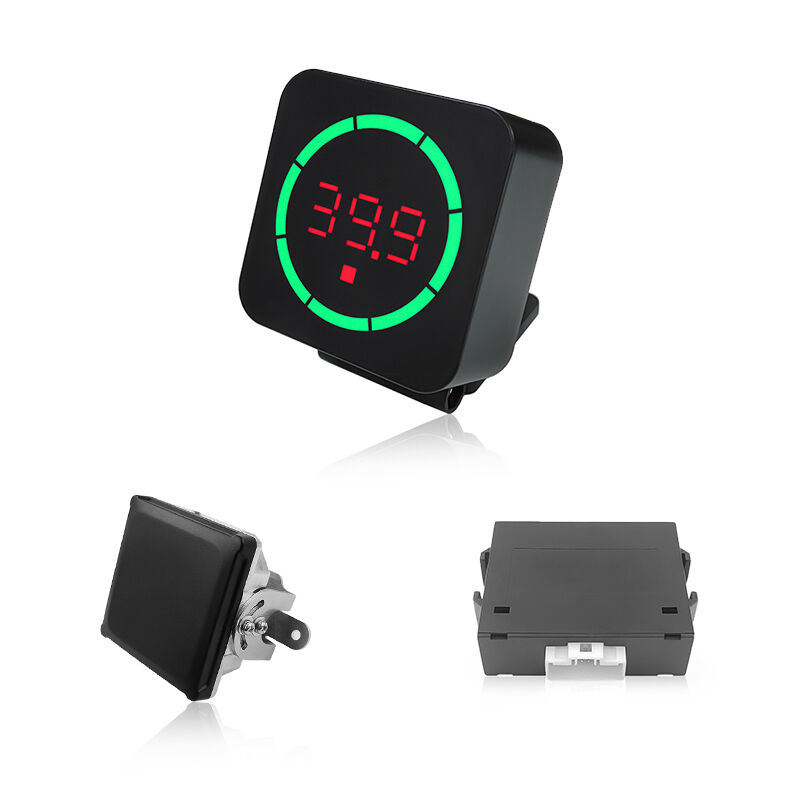
The intelligent alert mechanism of blind side detection systems represents a masterful integration of human factors engineering and automotive technology, designed to capture driver attention without causing distraction or alarm. Visual indicators strategically positioned in side mirror housings provide immediate, intuitive warnings through bright LED lights that remain clearly visible in direct sunlight and adverse weather conditions. These visual alerts activate progressively, beginning with subtle amber warnings when vehicles enter the detection zone and escalating to more urgent red indicators when collision risk increases, allowing drivers to gauge threat levels instantly. Audible warning systems complement visual alerts through carefully calibrated tones and chimes that cut through road noise, music, and conversation without startling drivers or causing panic reactions that could lead to overcorrection. The system incorporates directional audio cues that help drivers immediately identify which side of the vehicle requires attention, eliminating confusion and reducing response time during critical moments. Advanced haptic feedback technology delivers gentle vibrations through the steering wheel, seat, or gear shifter, providing tactile warnings that reach drivers even when visual or auditory distractions might compromise other alert methods. Smart algorithms analyze driving patterns and adjust alert sensitivity based on vehicle speed, road conditions, and driver behavior, ensuring appropriate warning levels for highway merging versus parking lot navigation. The system maintains alert hierarchy, prioritizing the most immediate threats while providing secondary warnings for less urgent situations, preventing information overload that could paralyze driver decision-making. Integration with vehicle infotainment systems allows customization of alert preferences, enabling drivers to adjust volume levels, select preferred alert types, and configure sensitivity settings according to personal preferences and driving conditions. Night vision compatibility ensures alert visibility remains optimal during low-light conditions, with automatically adjusted brightness levels that maintain effectiveness without impairing night vision adaptation. The intelligent alert system learns from driver responses over time, fine-tuning its sensitivity and timing to match individual driving styles while maintaining safety effectiveness across diverse traffic situations and road environments.
Seamless Integration and User-Friendly Operation

Seamless Integration and User-Friendly Operation

Modern blind side detection systems exemplify the perfect balance between advanced technology and user-friendly operation, requiring zero learning curve while delivering professional-grade safety protection for drivers of all experience levels. The plug-and-play installation process makes this technology accessible through both factory integration in new vehicles and straightforward aftermarket retrofitting for existing cars, ensuring that safety enhancement remains within reach for every driver. Once installed, the system operates completely autonomously, activating automatically when the vehicle starts and continuing to provide protection throughout the entire driving experience without requiring any manual input or configuration from the driver. The seamless integration with existing vehicle electrical systems ensures compatibility across different makes and models, while sophisticated calibration procedures automatically adjust detection parameters to match specific vehicle dimensions and characteristics. User interface design prioritizes simplicity and clarity, with intuitive indicator lights and straightforward alert patterns that require no technical knowledge or special training to understand and respond to effectively. The system maintains consistent operation across varying driving conditions, automatically adapting to different speeds, traffic densities, and road types while preserving the same reliable performance standards that drivers can trust completely. Power management efficiency ensures that blind side detection operation never interferes with other vehicle systems, maintaining optimal battery life and fuel economy while providing continuous safety monitoring throughout extended driving periods. Maintenance requirements remain virtually nonexistent for most systems, with self-diagnostic capabilities that monitor sensor performance and alert drivers to any service needs through standard vehicle warning indicators. The technology integrates smoothly with other advanced driver assistance systems, creating a comprehensive safety network that includes adaptive cruise control, automatic emergency braking, and lane departure warning without creating conflicting alerts or operational interference. Customization options allow drivers to adjust sensitivity levels, alert types, and activation thresholds according to personal preferences and specific driving environments, while default settings provide optimal protection for users who prefer standard operation. The system design accommodates driver diversity, functioning effectively for users with different physical capabilities, vision levels, and reaction times, ensuring that blind side detection benefits remain accessible to elderly drivers, new drivers, and those with varying degrees of driving experience and confidence levels.
Advanced Blind Side Detection Systems - Complete Safety Technology Guide

Get a Free Quote

Our representative will contact you soon.
Email
Name
Company Name
Mobile/WhatsApp
Message
0/1000