after market blind spot monitoring
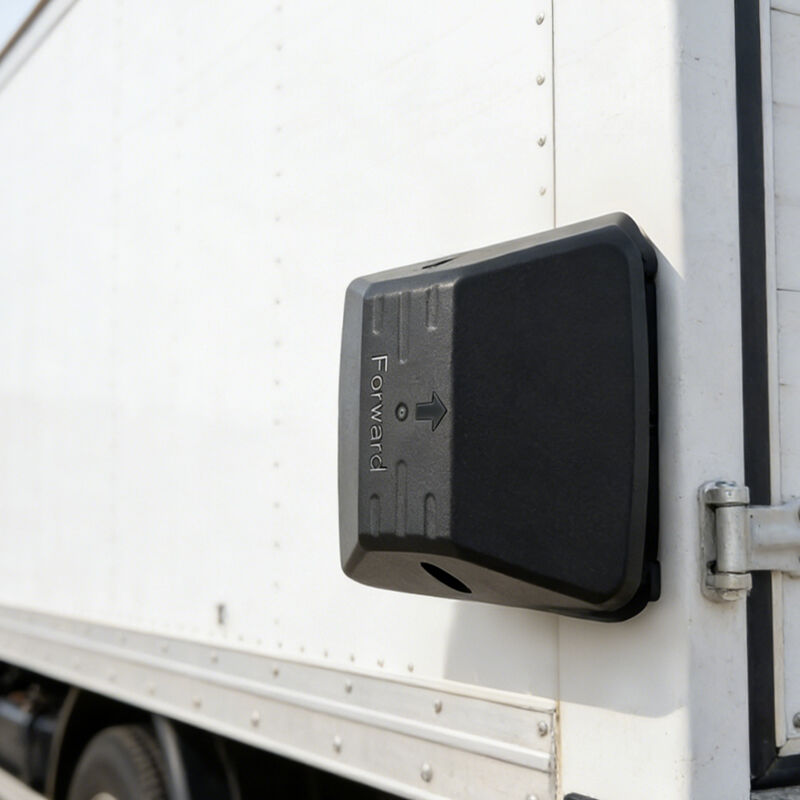
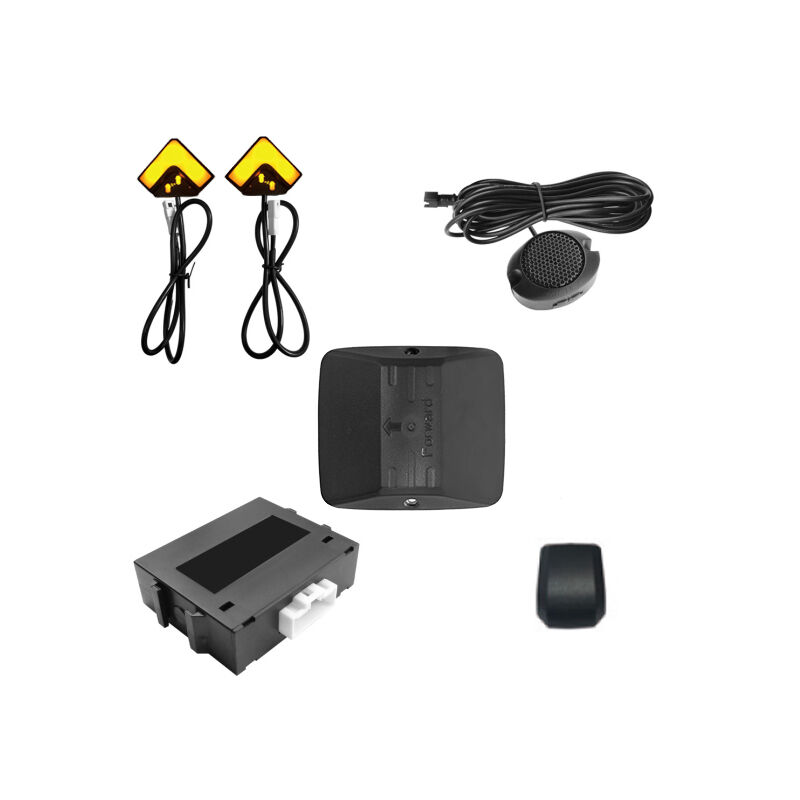
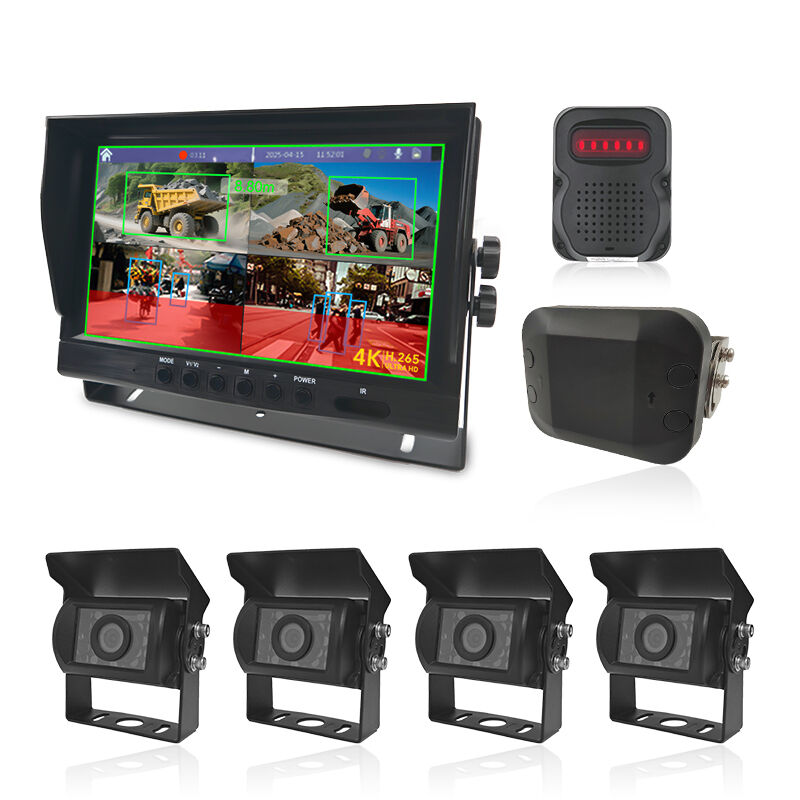
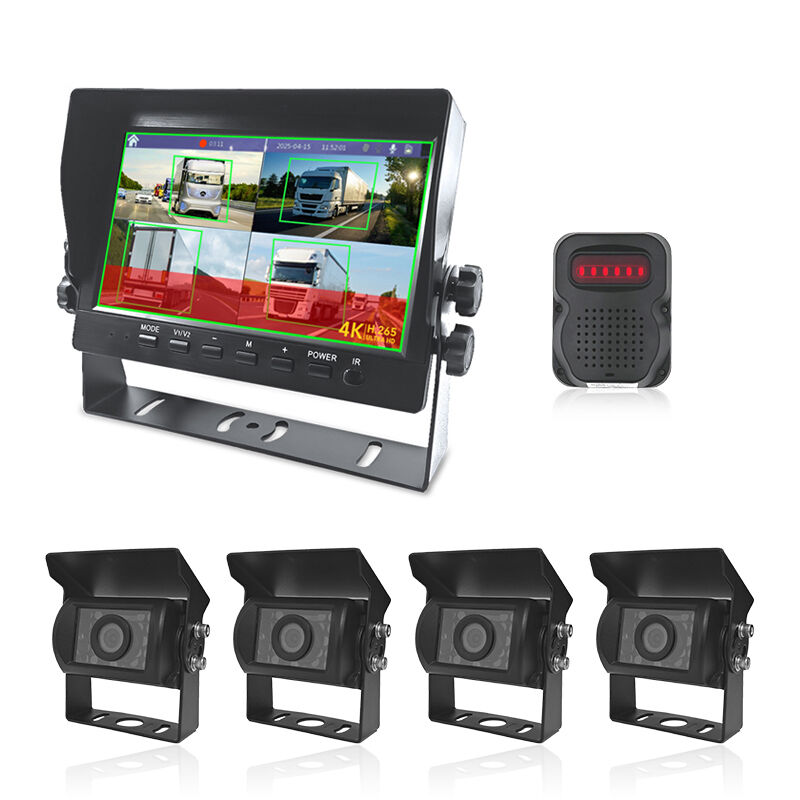
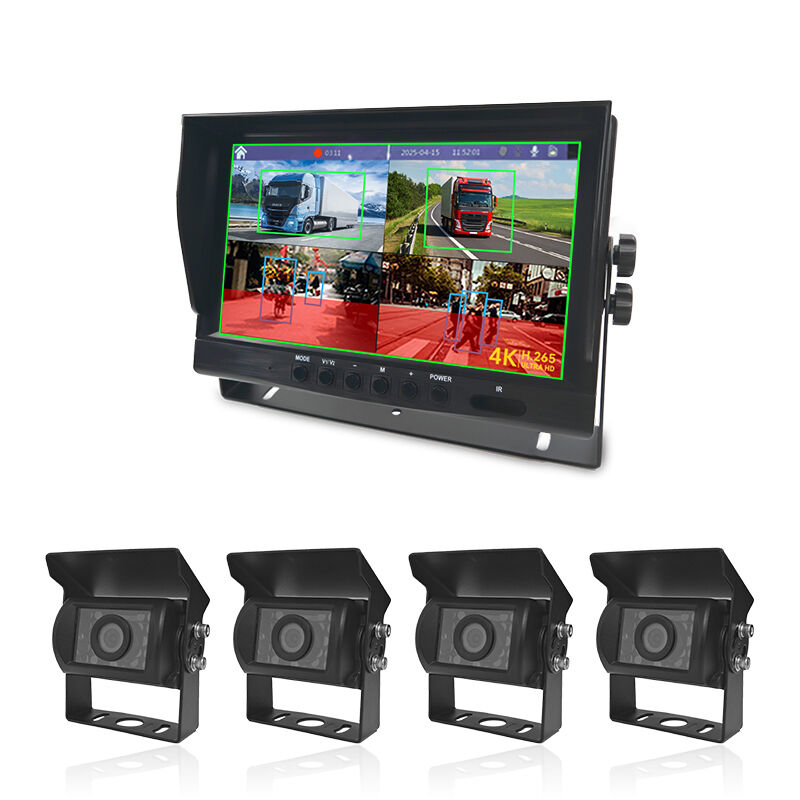
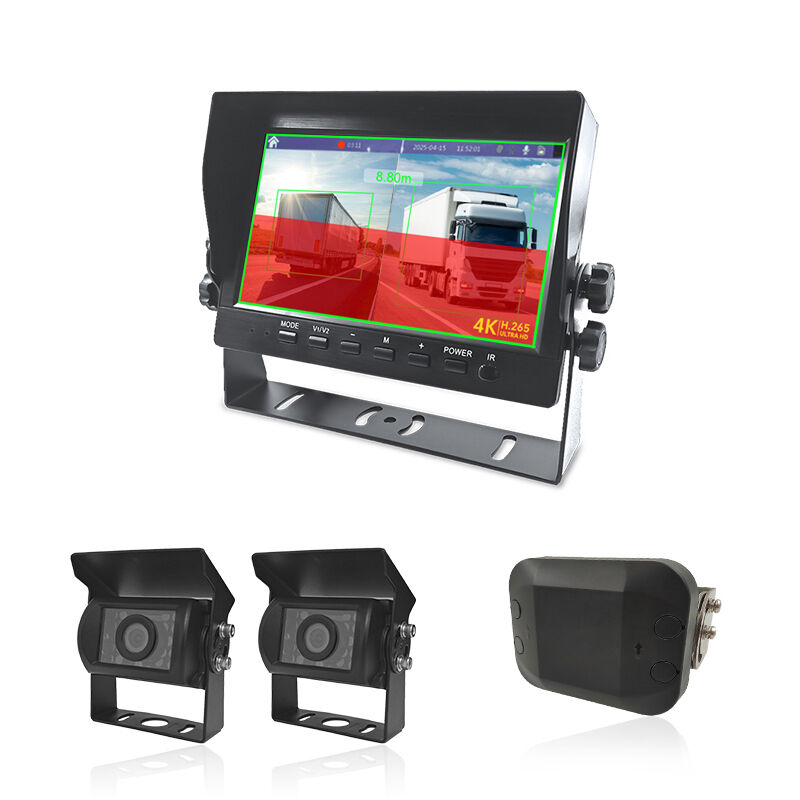
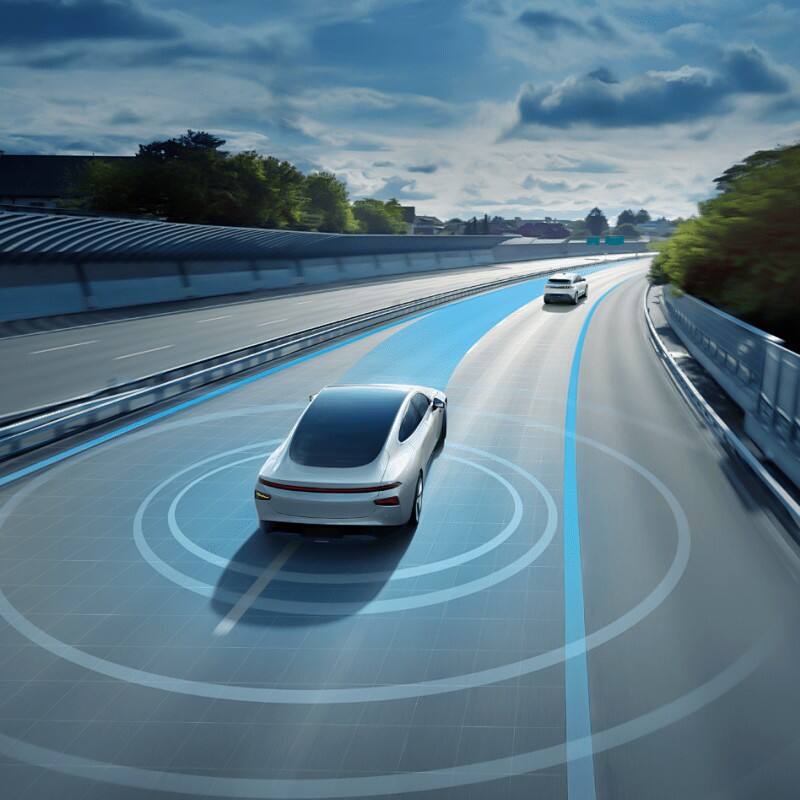
After market blind spot monitoring systems represent a revolutionary safety enhancement that transforms ordinary vehicles into smarter, safer transportation solutions. These sophisticated electronic systems utilize advanced sensor technology to detect vehicles, pedestrians, and obstacles in areas that traditional mirrors cannot cover effectively. The primary function of after market blind spot monitoring involves continuous surveillance of designated zones alongside and behind your vehicle, providing real-time alerts when potential hazards are detected. Unlike factory-installed systems, after market blind spot monitoring solutions offer universal compatibility, making advanced safety features accessible to virtually any vehicle regardless of age or manufacturer. The technological foundation of these systems typically incorporates radar sensors, ultrasonic detection, or camera-based recognition technology. Radar-based after market blind spot monitoring systems emit electromagnetic waves that bounce off nearby objects, calculating distance, speed, and trajectory with remarkable precision. Camera-based variants utilize sophisticated image processing algorithms to identify and track moving objects within monitored zones. The integration process involves strategically mounting sensors on vehicle exteriors, connecting control modules to existing electrical systems, and installing visual or audible warning indicators within the driver's immediate field of view. Modern after market blind spot monitoring systems feature adjustable sensitivity settings, allowing customization based on driving preferences and environmental conditions. Applications extend beyond personal vehicles to include commercial fleets, motorcycles, recreational vehicles, and specialty equipment. The versatility of after market blind spot monitoring makes it particularly valuable for fleet managers seeking to enhance driver safety across diverse vehicle types. Professional installation ensures optimal sensor positioning and system calibration, maximizing detection accuracy while minimizing false alerts. These systems prove especially beneficial in urban environments where heavy traffic, narrow lanes, and frequent lane changes create numerous blind spot hazards.
 EN
EN