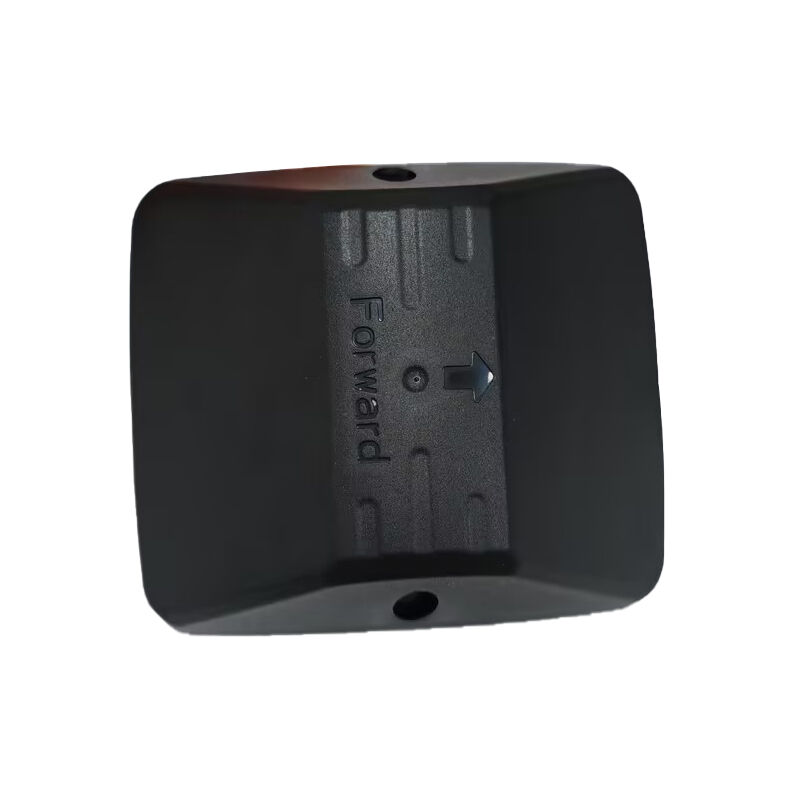
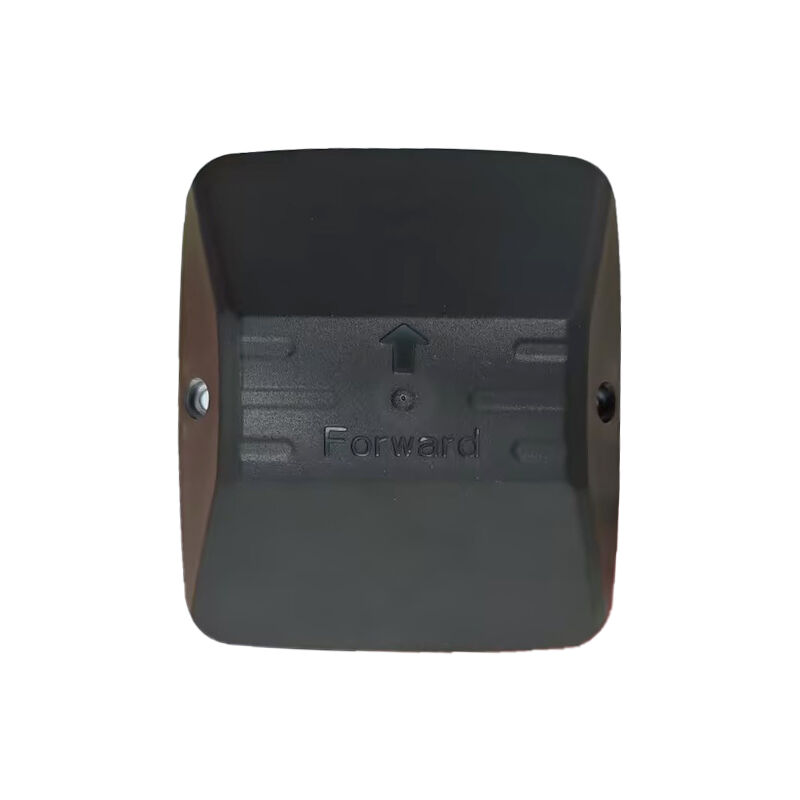
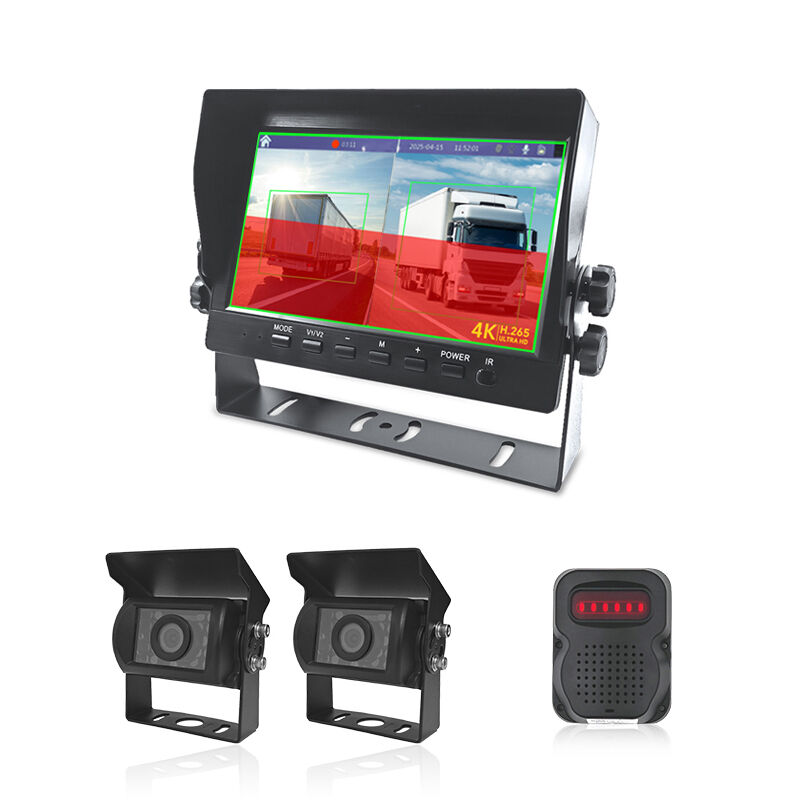
blind spot assist sensor
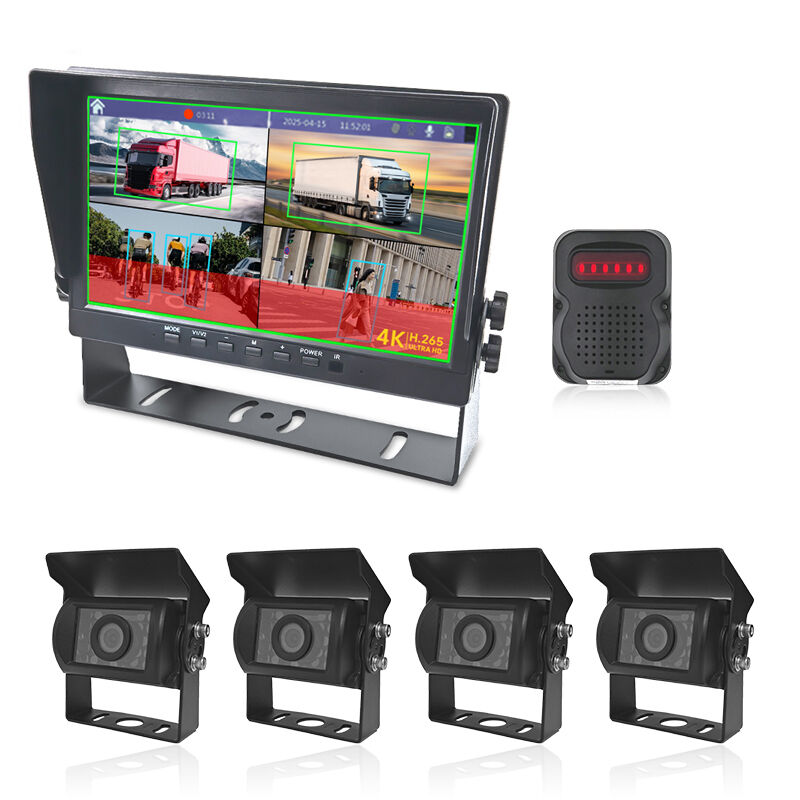
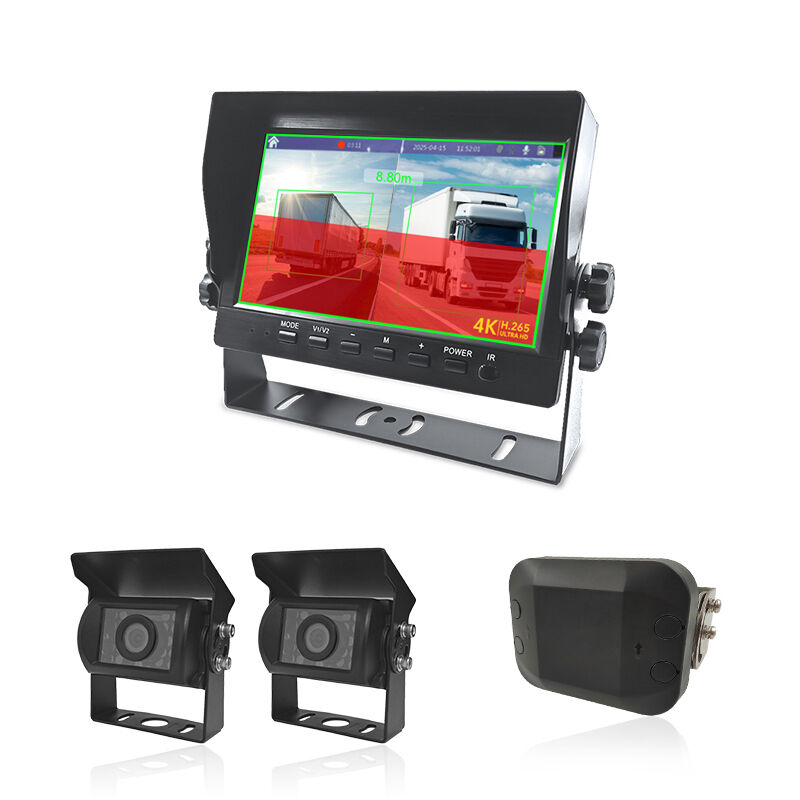
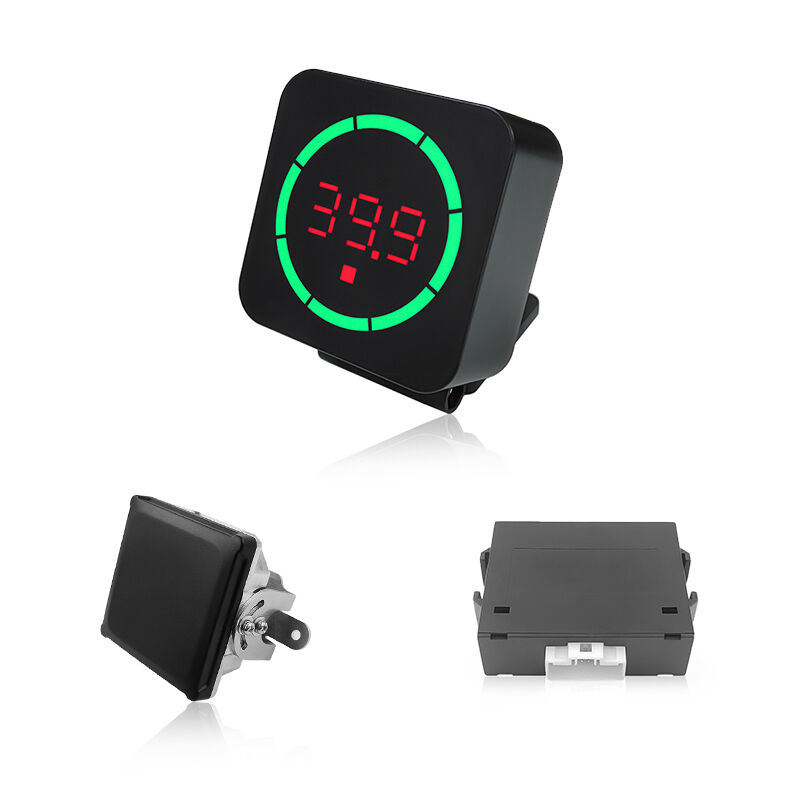
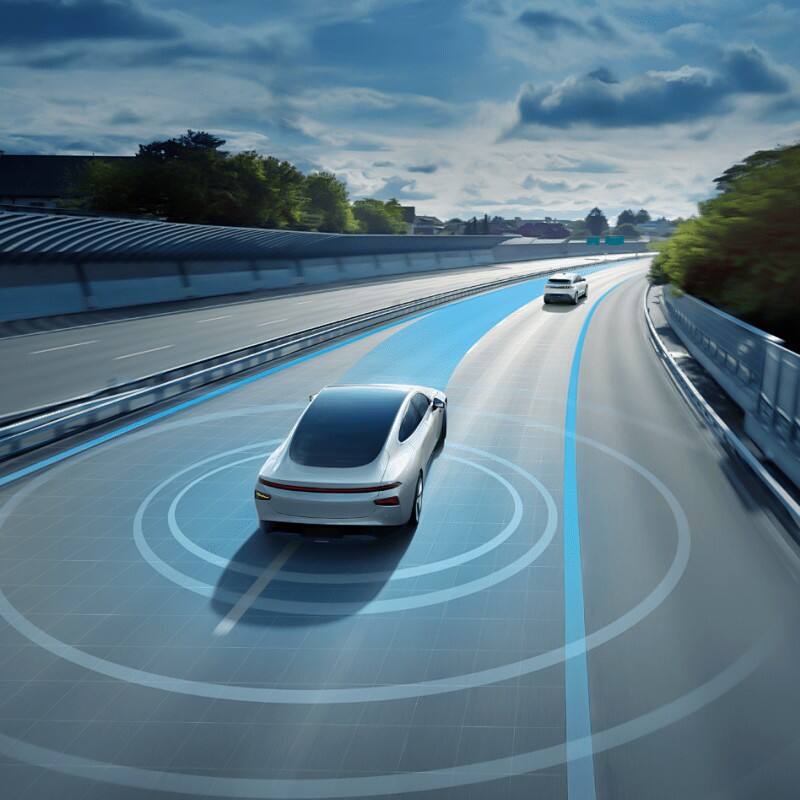
The blind spot assist sensor represents a revolutionary advancement in automotive safety technology, designed to enhance driver awareness and prevent potentially dangerous lane-change accidents. This sophisticated system utilizes cutting-edge radar technology, ultrasonic sensors, and advanced camera systems to continuously monitor the areas around your vehicle that traditional mirrors cannot cover effectively. The blind spot assist sensor operates by detecting vehicles, motorcycles, and other objects positioned in adjacent lanes, particularly in those critical zones where drivers often struggle to maintain visual contact. When the system identifies a potential hazard in your blind spot, it immediately alerts you through various notification methods, including visual indicators on side mirrors, audible warnings, or gentle steering wheel vibrations. The technological foundation of the blind spot assist sensor relies on multiple detection methods working in harmony. Radar sensors typically mounted in the rear bumper or side panels emit radio waves that bounce off nearby objects, calculating their distance, speed, and trajectory with remarkable precision. These sensors can function effectively in various weather conditions, maintaining reliability during rain, fog, or snow when visibility becomes compromised. Advanced camera systems complement the radar technology by providing visual confirmation and enhanced object recognition capabilities. The integration of artificial intelligence algorithms allows the blind spot assist sensor to distinguish between different types of objects, reducing false alarms while maintaining high sensitivity to genuine threats. The system continuously learns and adapts to driving patterns, becoming more accurate over time. Applications for blind spot assist sensors extend across various vehicle categories, from compact cars to large commercial trucks. The technology has become increasingly standard in luxury vehicles and is rapidly expanding into mainstream automotive markets. Modern implementations often integrate seamlessly with other advanced driver assistance systems, creating a comprehensive safety network that works collaboratively to protect occupants and other road users.
 EN
EN