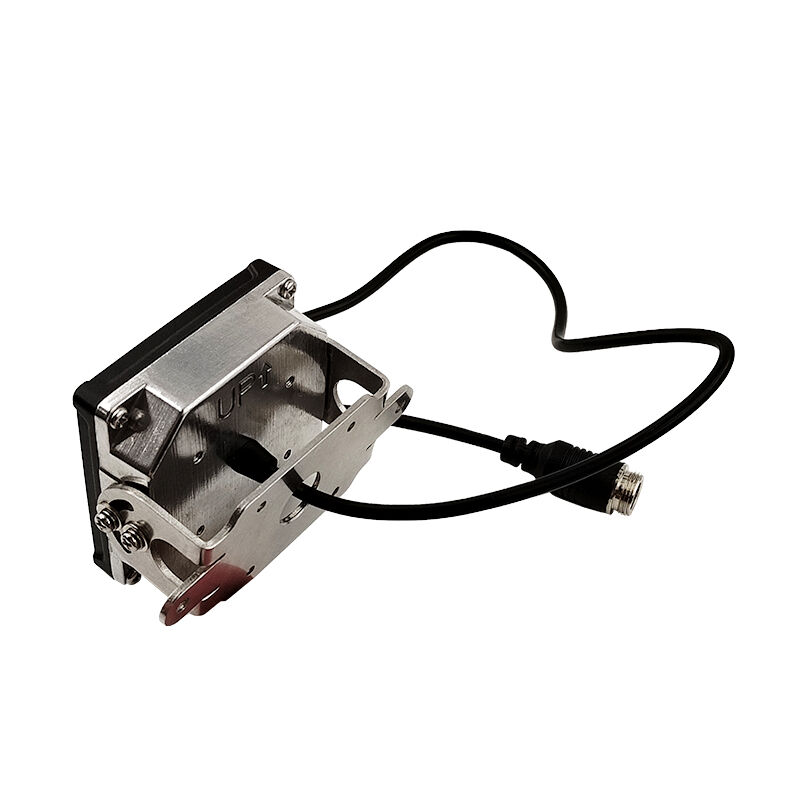
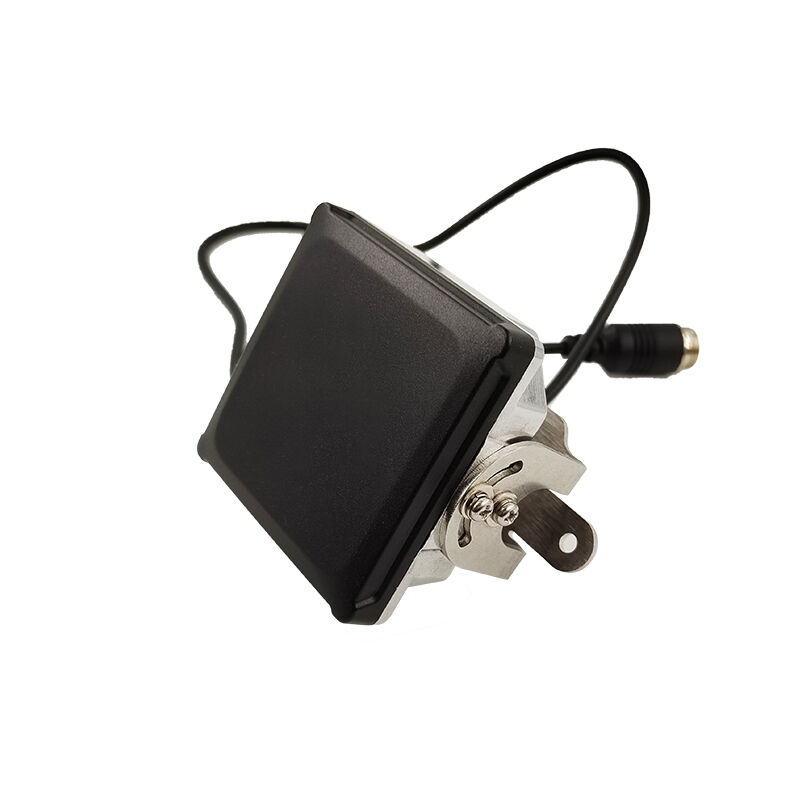
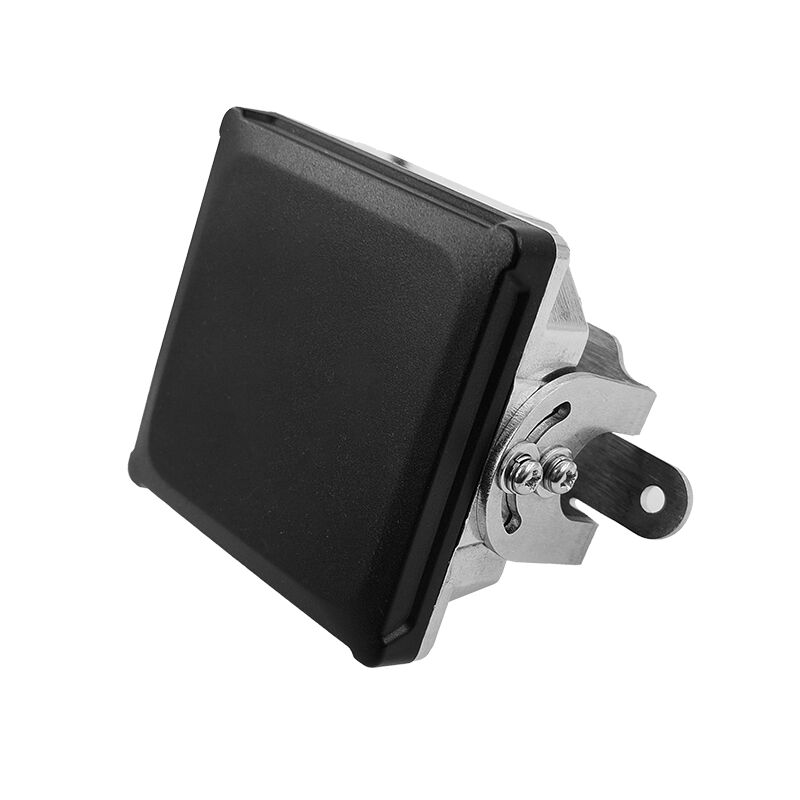
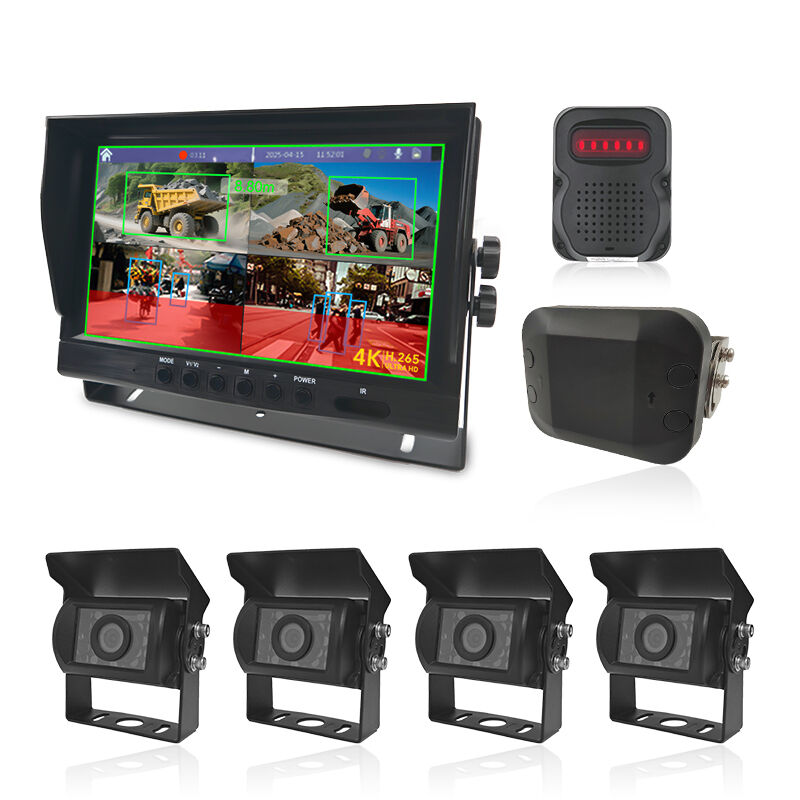
blind spot monitor sensor
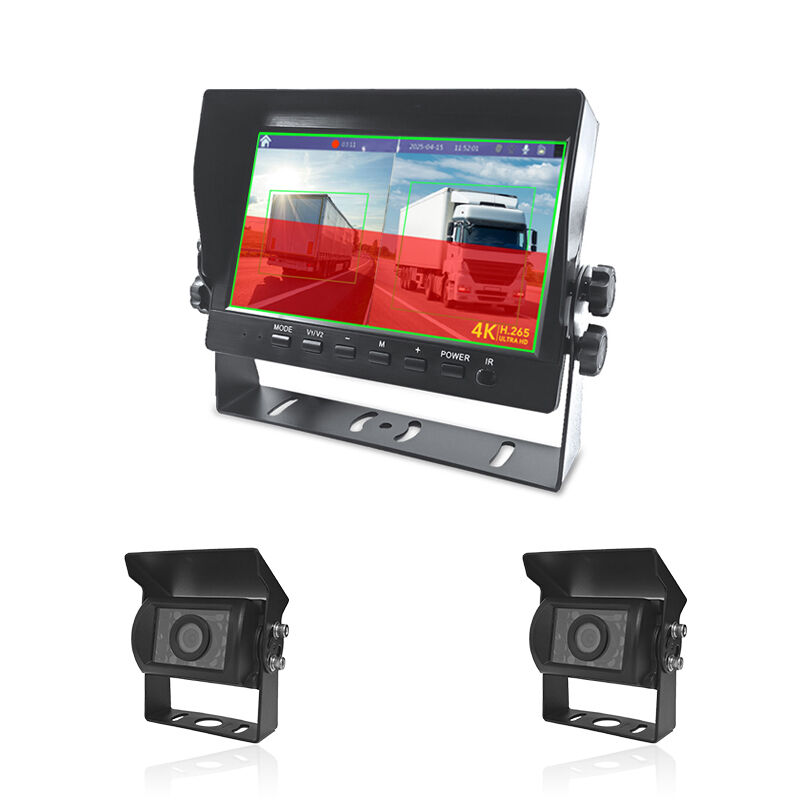
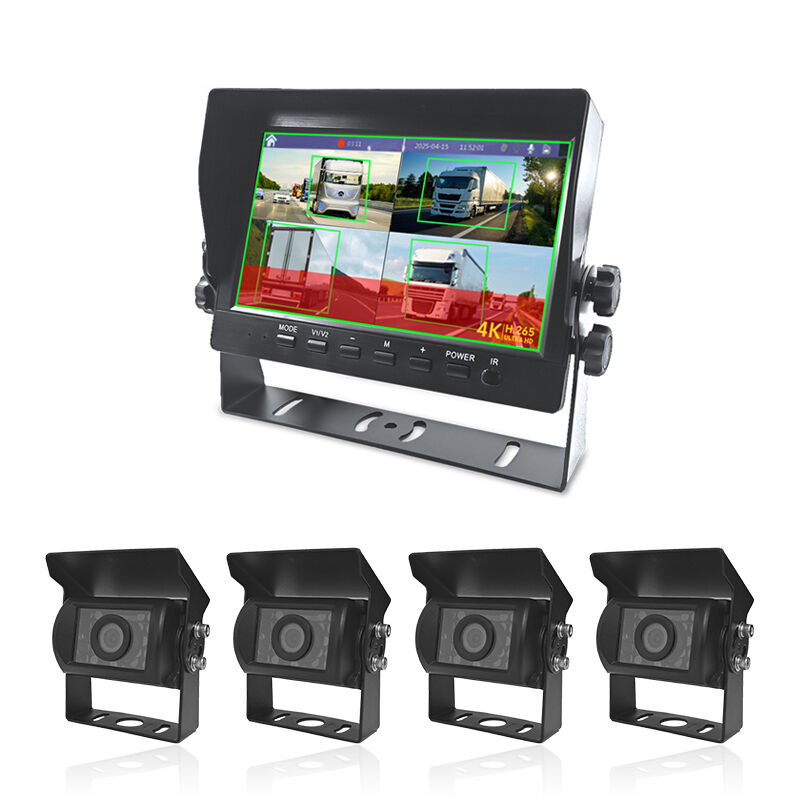
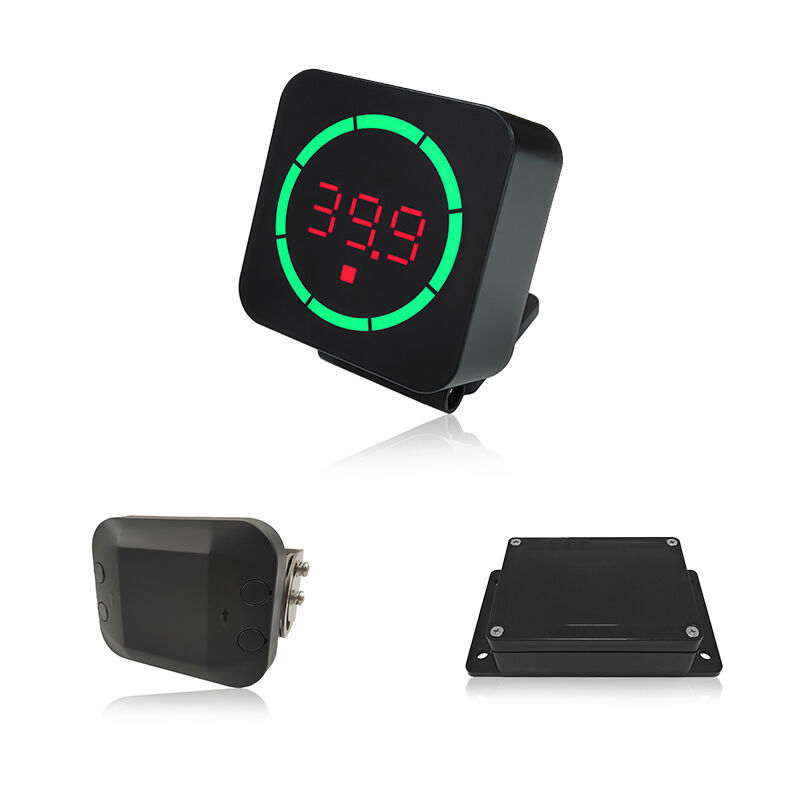
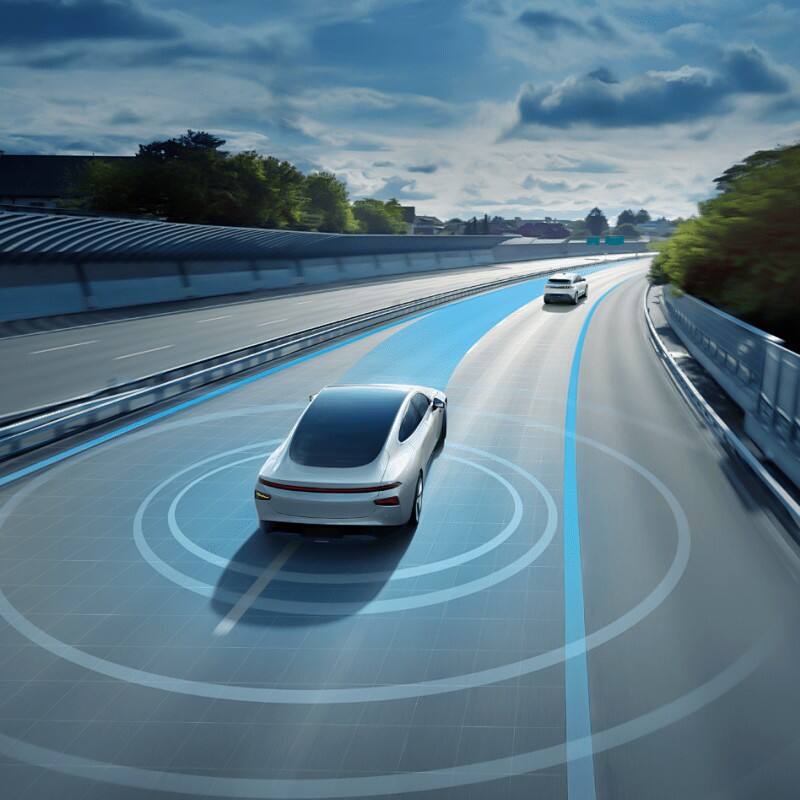
The blind spot monitor sensor represents a revolutionary advancement in automotive safety technology, designed to enhance driver awareness and prevent potentially dangerous lane-change accidents. This sophisticated sensor system utilizes advanced radar or ultrasonic technology to continuously monitor the areas alongside and behind your vehicle that traditional mirrors cannot cover effectively. The blind spot monitor sensor operates by detecting vehicles, motorcycles, or other objects entering your vehicle's blind spots, providing real-time alerts through visual indicators, audible warnings, or haptic feedback. Modern blind spot monitor sensor systems typically feature dual-zone detection capabilities, covering both the traditional blind spot area and extending monitoring range to include fast-approaching vehicles from behind. The technology employs high-frequency radar waves or ultrasonic pulses that bounce off nearby objects, calculating distance, speed, and trajectory with remarkable precision. When the blind spot monitor sensor identifies a potential hazard, it immediately activates warning systems, often including illuminated icons in side mirrors or dashboard displays. Advanced blind spot monitor sensor variants integrate seamlessly with vehicle stability systems and can even provide gentle steering corrections or braking assistance when drivers attempt lane changes while obstacles are detected. The sensor housing is typically weatherproof and designed to withstand various environmental conditions, ensuring reliable performance in rain, snow, or extreme temperatures. Installation locations vary by vehicle model, with sensors commonly positioned in rear bumpers, side mirrors, or door panels for optimal coverage. The blind spot monitor sensor technology has evolved significantly, now incorporating machine learning algorithms that can distinguish between different types of objects and reduce false alarms. This intelligent filtering capability ensures that the blind spot monitor sensor responds appropriately to genuine threats while minimizing unnecessary alerts from stationary objects, road debris, or environmental factors. The system's effectiveness has made it a standard feature in many modern vehicles and a highly sought-after retrofit option for older models.
 EN
EN