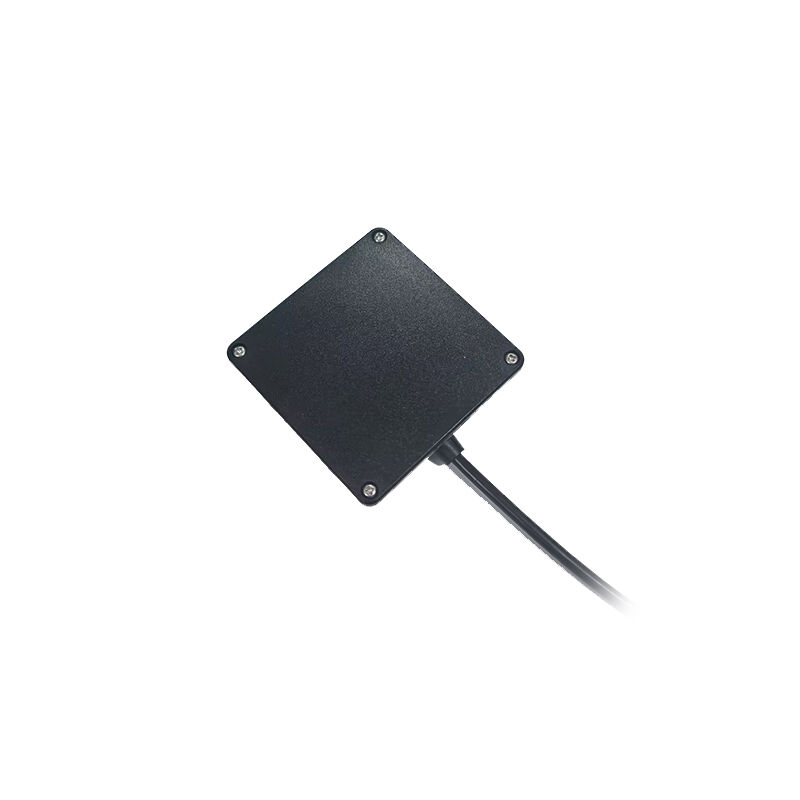
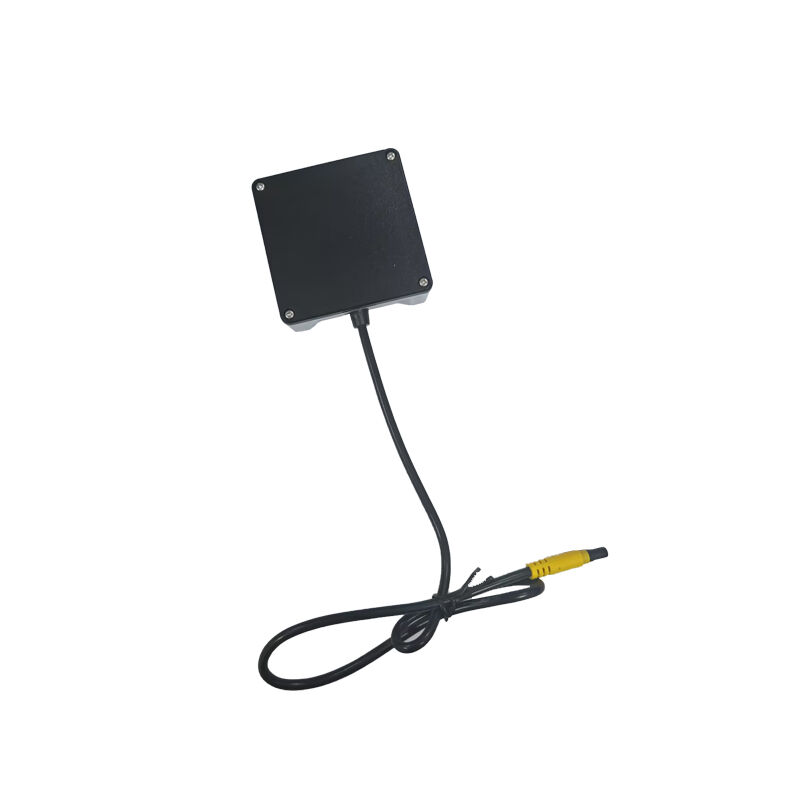
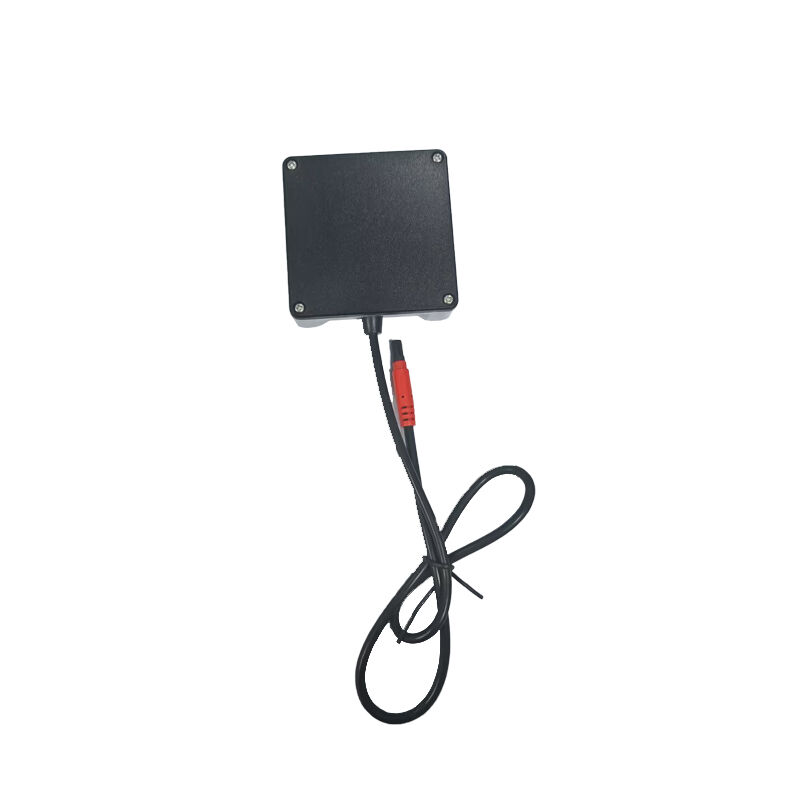
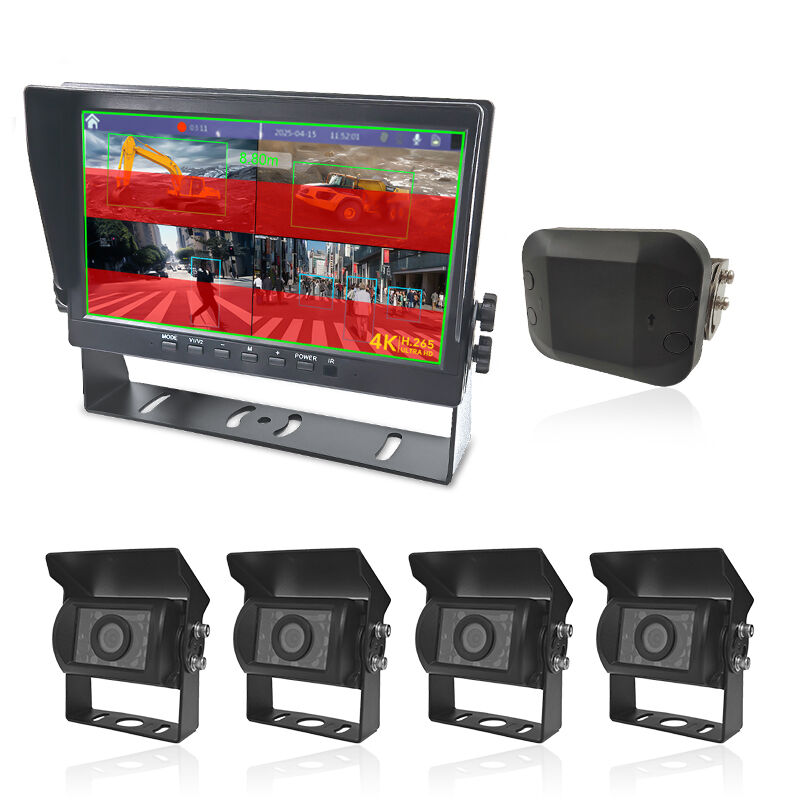
Advanced Blind Spot Detection System Warning Sensor - Enhanced Vehicle Safety Technology

Get a Free Quote

Our representative will contact you soon.
Email
Name
Company Name
Mobile/WhatsApp
Message
0/1000

blind spot detection system warning sensor

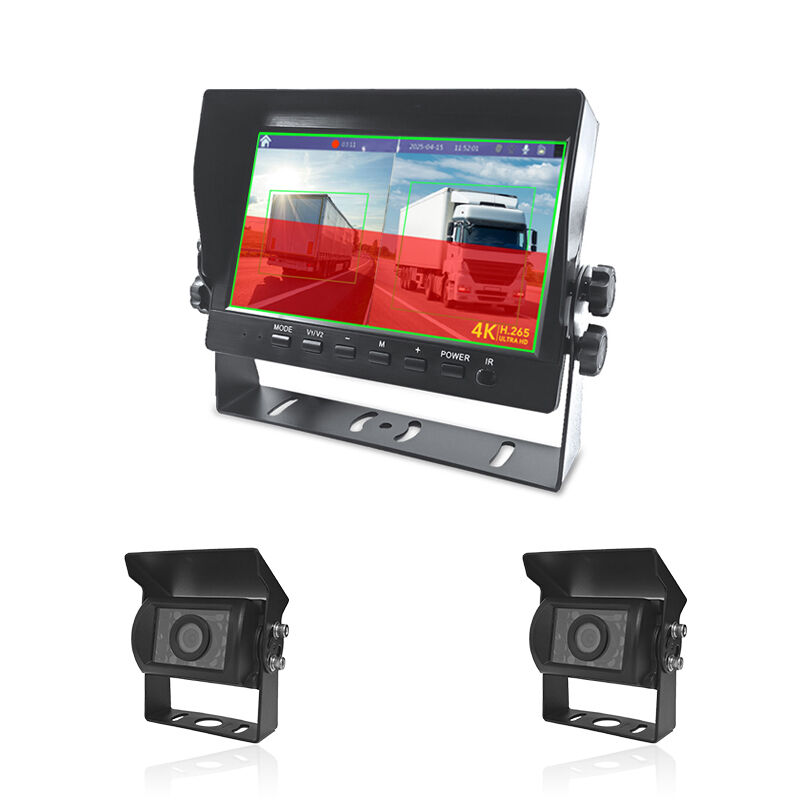
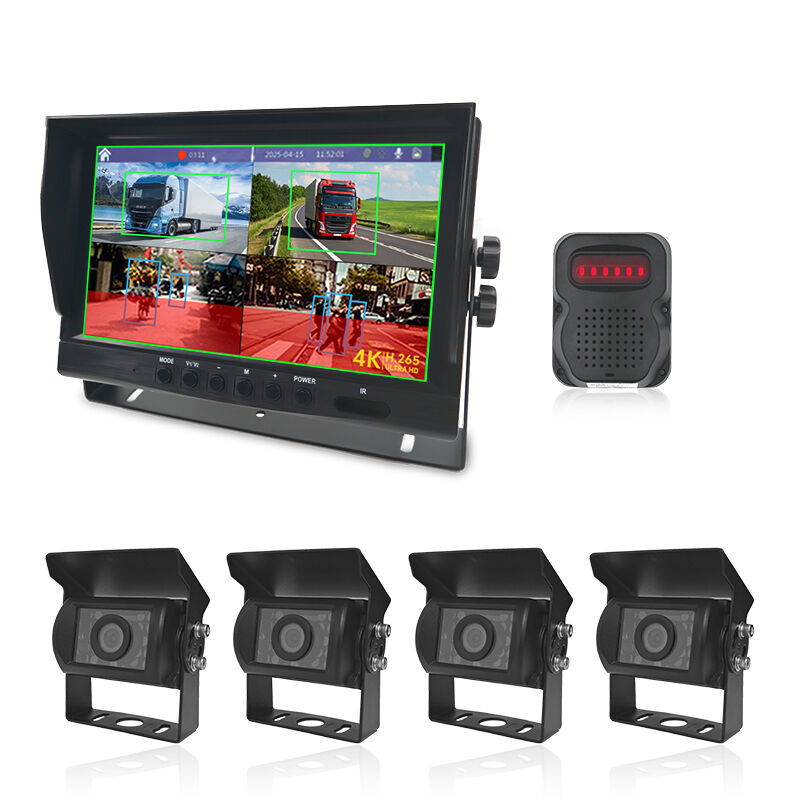
The blind spot detection system warning sensor represents a critical advancement in automotive safety technology, designed to enhance driver awareness and prevent dangerous lane-changing accidents. This sophisticated sensor system continuously monitors the areas around your vehicle that are typically invisible to drivers, including the zones beside and slightly behind the car where other vehicles might be present but remain unseen in traditional mirrors. The blind spot detection system warning sensor utilizes advanced radar technology, ultrasonic sensors, or camera-based detection methods to identify vehicles, motorcycles, and other objects entering these hazardous zones. When the system detects a potential collision risk, it immediately alerts the driver through visual indicators, audible warnings, or tactile feedback, providing crucial seconds to make informed decisions. Modern blind spot detection system warning sensor implementations feature intelligent algorithms that can differentiate between stationary objects and moving vehicles, reducing false alarms while maintaining high sensitivity to genuine threats. The technology typically activates at speeds above 20 mph, ensuring optimal performance during highway driving and urban commuting scenarios. These sensors are strategically positioned on the vehicle's rear bumper, side mirrors, or integrated into the bodywork to provide comprehensive coverage of blind spot areas. The blind spot detection system warning sensor works seamlessly with other advanced driver assistance systems, creating a networked safety environment that significantly reduces accident probability. Installation options range from factory-integrated systems to aftermarket solutions, making this technology accessible across various vehicle types and price ranges. The sensor's durability ensures reliable performance in diverse weather conditions, from heavy rain to snow and fog, maintaining consistent protection regardless of environmental challenges.

New Product Recommendations

The blind spot detection system warning sensor delivers substantial safety improvements that directly protect drivers, passengers, and other road users from potentially catastrophic accidents. This technology significantly reduces lane-change collisions by providing real-time alerts when vehicles enter dangerous zones, giving drivers the critical information needed to make safe maneuvers. Unlike traditional mirror checks, the blind spot detection system warning sensor operates continuously without requiring conscious driver action, ensuring consistent monitoring even during moments of distraction or fatigue. The system's rapid response time means warnings appear instantly when threats are detected, providing maximum reaction time for collision avoidance. Insurance companies increasingly recognize the value of blind spot detection system warning sensor technology, often offering premium discounts for vehicles equipped with these safety features, resulting in long-term cost savings for owners. The enhanced confidence these systems provide transforms the driving experience, particularly for nervous or inexperienced drivers who benefit from the additional safety net during lane changes and merging situations. Modern blind spot detection system warning sensor implementations feature intelligent calibration that adapts to different driving conditions and vehicle loads, maintaining optimal performance regardless of circumstances. The technology proves especially valuable for larger vehicles, trucks, and SUVs where blind spots are naturally more extensive and dangerous. Professional drivers and fleet operators report significant reductions in accident rates and associated costs after implementing blind spot detection system warning sensor technology across their vehicles. The system's integration with modern infotainment displays provides clear, intuitive warnings that don't overwhelm drivers with excessive information. Maintenance requirements remain minimal, with most blind spot detection system warning sensor units requiring only periodic cleaning and basic system checks to maintain peak performance. The technology's proven track record in reducing accidents has made it a standard feature in many new vehicles, demonstrating its essential role in modern automotive safety. Parents purchasing vehicles for teenage drivers particularly value blind spot detection system warning sensor technology as an additional layer of protection during the learning process. Commercial applications show dramatic improvements in safety records, with many companies reporting zero blind spot-related incidents after implementing comprehensive sensor systems across their fleets.

Latest News

L3 Autonomous Driving

23

Dec

L3 Autonomous Driving

View More
The 138th Canton Fair

04

Jan

The 138th Canton Fair

View More
2025 HKTDC (Autumn  Edition)

23

Dec

2025 HKTDC (Autumn Edition)

View More

Get a Free Quote

Our representative will contact you soon.
Email
Name
Company Name
Mobile/WhatsApp
Message
0/1000

blind spot detection system warning sensor

Advanced Multi-Sensor Detection Technology

Advanced Multi-Sensor Detection Technology

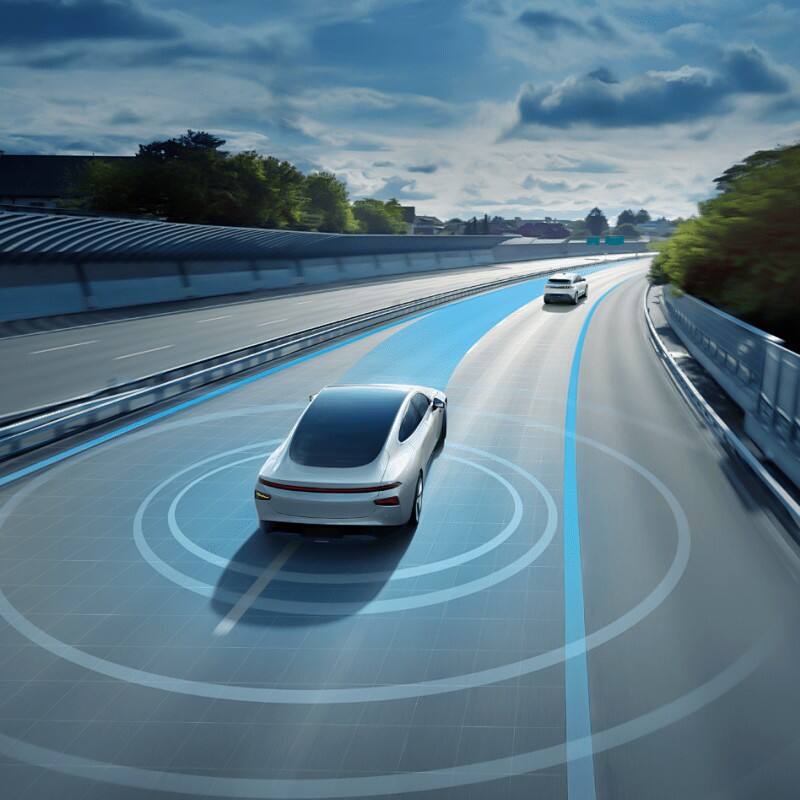
The blind spot detection system warning sensor employs cutting-edge multi-sensor fusion technology that combines radar, ultrasonic, and optical sensors to create an comprehensive monitoring network around your vehicle. This sophisticated approach ensures maximum detection accuracy while minimizing false alarms that can frustrate drivers and reduce system effectiveness. The radar components operate on specific frequencies that penetrate through various weather conditions, maintaining reliable performance during rain, snow, fog, and other challenging environmental situations where visibility is compromised. The blind spot detection system warning sensor's ultrasonic elements provide precise short-range detection capabilities, identifying objects and vehicles in close proximity with exceptional accuracy. Meanwhile, the optical sensors contribute visual confirmation and enhanced object recognition, helping the system distinguish between different types of road users such as motorcycles, bicycles, and pedestrians. The integration of these multiple sensor types creates redundancy that prevents system failures and ensures consistent protection. The blind spot detection system warning sensor processes information from all sensors simultaneously, using advanced algorithms to create a real-time three-dimensional map of the surrounding environment. This comprehensive approach allows the system to track multiple objects simultaneously, predicting their movement patterns and potential collision risks. The sensor array's intelligent calibration automatically adjusts sensitivity based on driving conditions, vehicle speed, and environmental factors, optimizing performance for each unique situation. Installation flexibility allows the blind spot detection system warning sensor to be adapted for various vehicle types, from compact cars to large commercial trucks, ensuring universal applicability. The system's diagnostic capabilities continuously monitor sensor health and performance, alerting users to any maintenance requirements or calibration needs. This proactive approach ensures long-term reliability and consistent protection throughout the system's operational life.
Intelligent Warning System with Customizable Alerts

Intelligent Warning System with Customizable Alerts

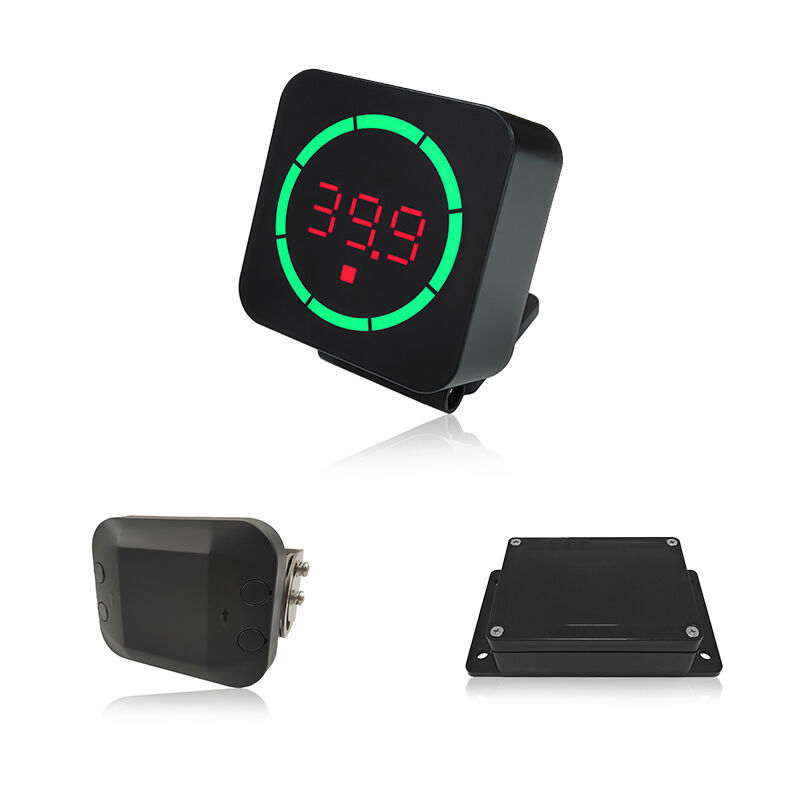
The blind spot detection system warning sensor features a sophisticated alert system that delivers warnings through multiple sensory channels, ensuring drivers receive critical information regardless of their attention focus or environmental conditions. Visual alerts typically appear as illuminated indicators in side mirrors or dashboard displays, using bright LED lights that remain clearly visible during both daytime and nighttime driving conditions. The blind spot detection system warning sensor's audible warnings employ carefully engineered tones that cut through ambient cabin noise without being jarring or startling to occupants. These audio alerts are strategically timed to provide maximum warning effectiveness while allowing drivers sufficient reaction time for safe responses. Advanced implementations include haptic feedback through steering wheel vibration or seat-based tactile alerts, creating additional warning channels that prove particularly valuable for hearing-impaired drivers or in extremely noisy environments. The system's intelligent escalation protocols increase warning intensity based on collision risk proximity, starting with gentle notifications for distant vehicles and progressing to urgent alerts as threats become immediate. Customization options allow drivers to adjust alert sensitivity, volume levels, and warning types according to personal preferences and driving styles. The blind spot detection system warning sensor's learning capabilities adapt to individual driving patterns over time, reducing unnecessary alerts during routine maneuvers while maintaining high sensitivity for genuine risks. Integration with vehicle infotainment systems enables visual warnings to appear on central displays, providing additional confirmation of potential hazards. The alert system differentiates between various threat types, using distinct warning patterns for approaching vehicles, stationary objects, and crossing traffic. Driver education features help users understand different alert meanings and appropriate responses, maximizing safety benefits. The blind spot detection system warning sensor's alert memory function can record and analyze warning patterns, providing valuable feedback for improving driving habits and identifying frequently problematic areas or maneuvers.
Seamless Integration with Advanced Driver Assistance Systems

Seamless Integration with Advanced Driver Assistance Systems

The blind spot detection system warning sensor operates as a crucial component within comprehensive advanced driver assistance system networks, sharing data and coordinating responses with other safety technologies to create unprecedented levels of vehicle protection. This integration capability allows the sensor to communicate with lane departure warning systems, automatic emergency braking, and adaptive cruise control functions, creating a unified safety ecosystem that responds intelligently to complex traffic scenarios. When combined with lane change assist technology, the blind spot detection system warning sensor provides enhanced functionality that can actually prevent unsafe lane changes by temporarily restricting steering input or applying corrective forces when hazards are detected. The system's compatibility with vehicle stability control and traction management systems ensures that safety interventions work harmoniously without compromising vehicle handling or driver control. Modern implementations feature cloud connectivity that enables the blind spot detection system warning sensor to receive updates and improvements remotely, ensuring access to the latest safety algorithms and performance enhancements without requiring physical service visits. The integration extends to smartphone applications that provide system status monitoring, maintenance reminders, and performance analytics, giving users comprehensive insight into their vehicle's safety system operation. Fleet management applications can aggregate data from multiple blind spot detection system warning sensor installations, providing valuable insights into driver behavior patterns, accident prevention statistics, and overall safety improvements across entire vehicle fleets. The sensor's compatibility with vehicle-to-vehicle communication protocols positions it at the forefront of emerging connected car technologies, enabling future capabilities such as cooperative hazard detection and shared traffic awareness. Machine learning algorithms continuously improve the blind spot detection system warning sensor's performance by analyzing vast amounts of real-world driving data, enhancing object recognition accuracy and reducing false alert rates. The system's diagnostic integration with vehicle onboard computers enables comprehensive health monitoring and predictive maintenance scheduling, ensuring optimal performance throughout the sensor's operational life. Professional installation networks ensure proper calibration and integration with existing vehicle systems, guaranteeing optimal performance and maintaining warranty coverage for both the sensor system and the host vehicle.
Advanced Blind Spot Detection System Warning Sensor - Enhanced Vehicle Safety Technology

Get a Free Quote

Our representative will contact you soon.
Email
Name
Company Name
Mobile/WhatsApp
Message
0/1000