Blind Spot Detection with Cross Traffic: Advanced Vehicle Safety Technology Guide

Get a Free Quote

Our representative will contact you soon.
Email
Name
Company Name
Mobile/WhatsApp
Message
0/1000

blind spot detection with cross traffic

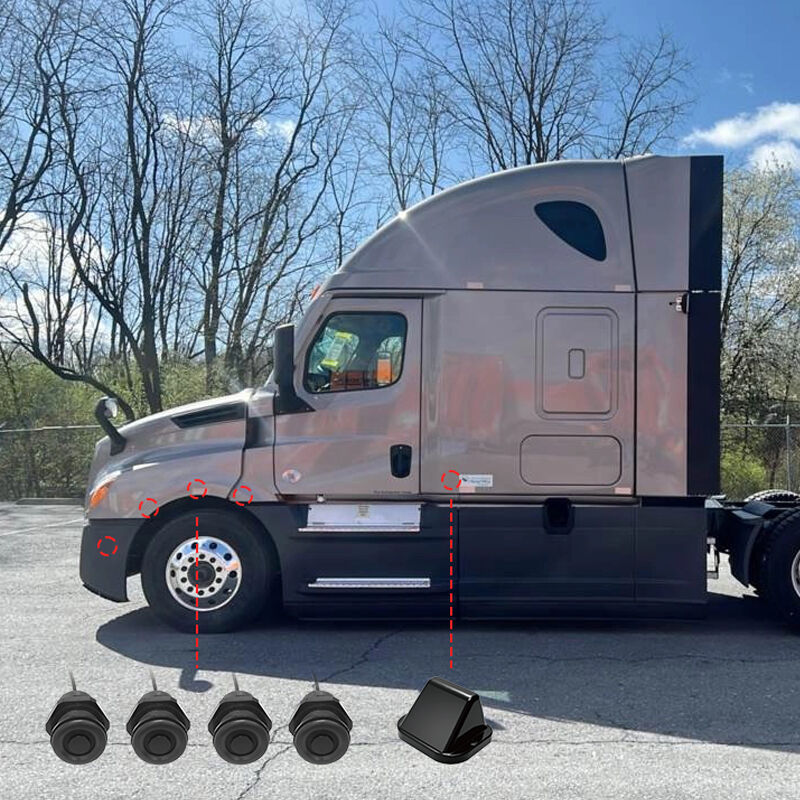
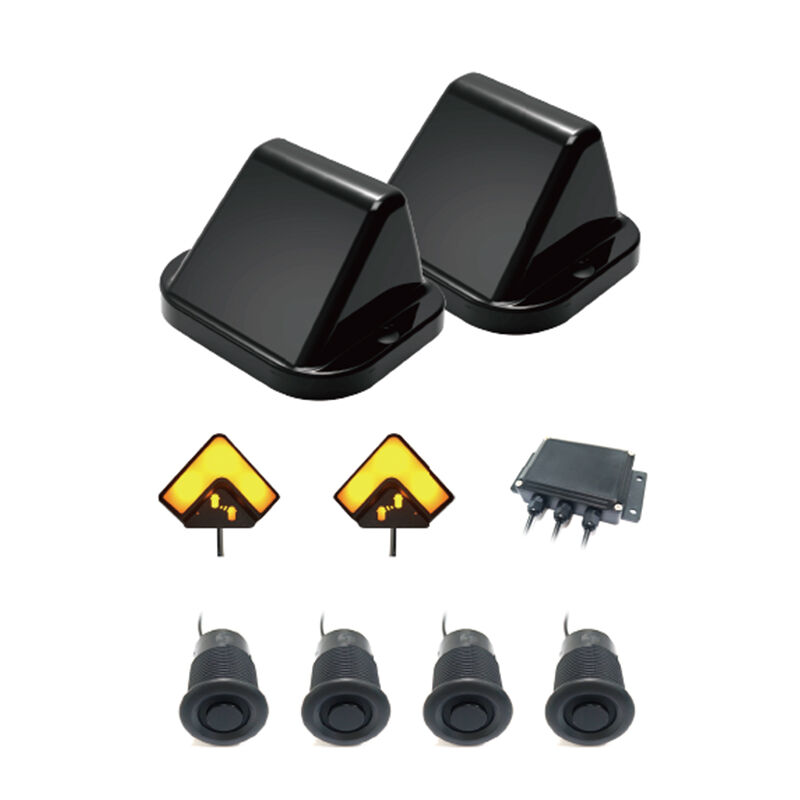
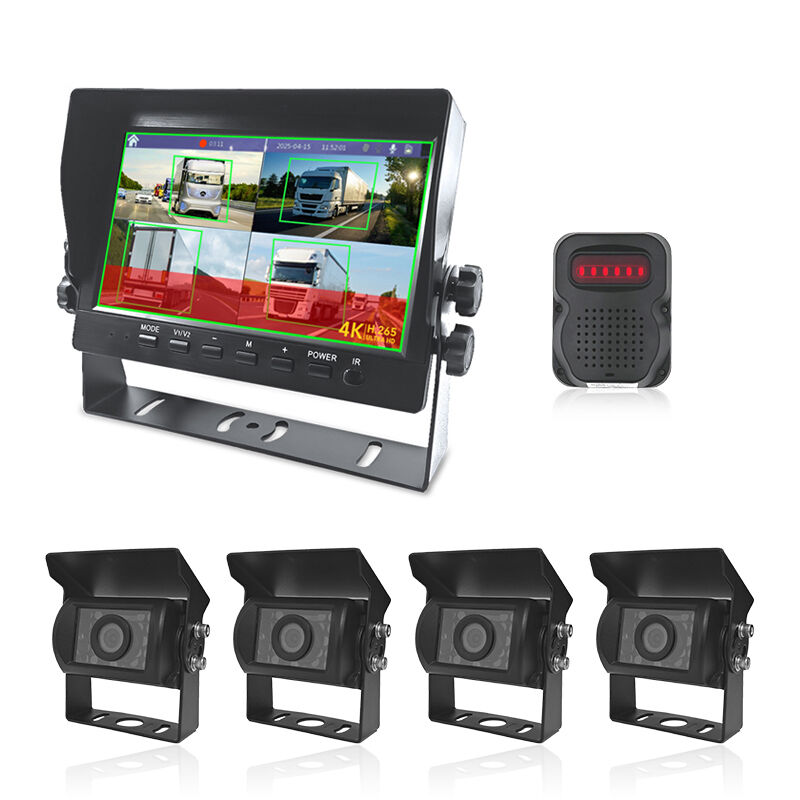
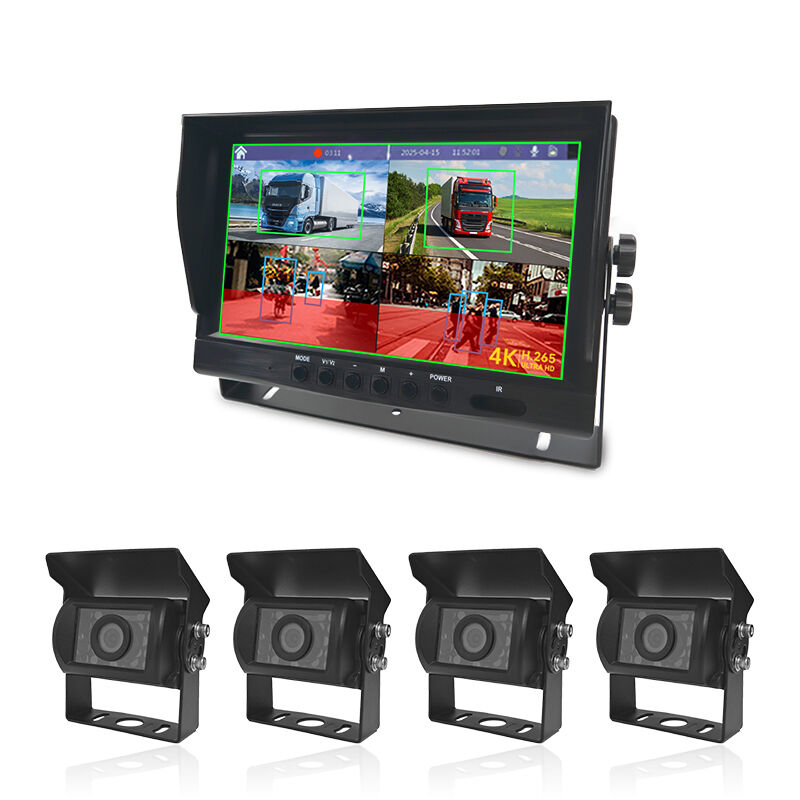
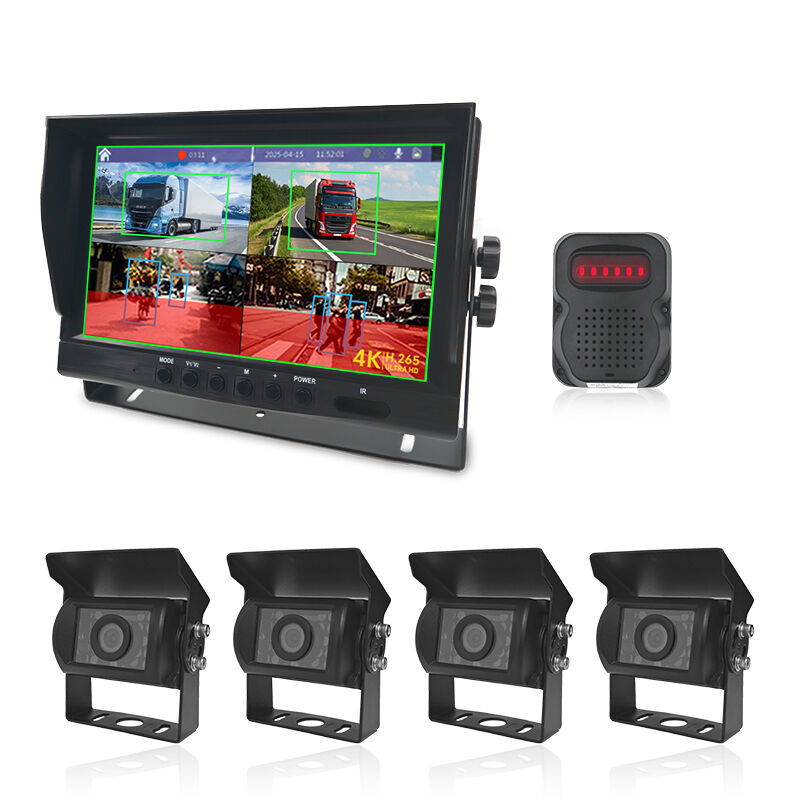
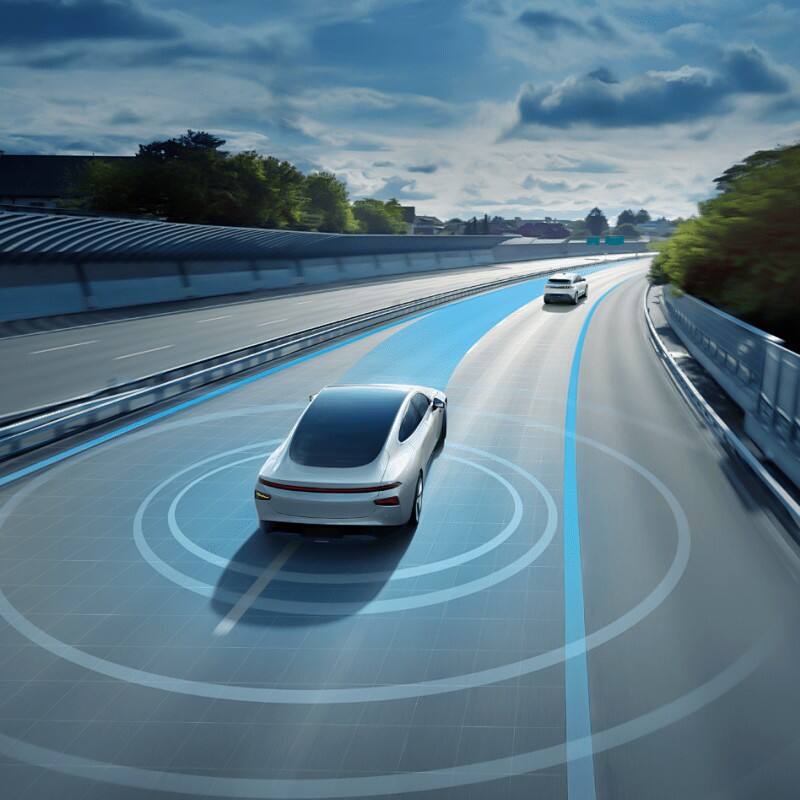
Blind spot detection with cross traffic represents a revolutionary advancement in automotive safety technology that significantly enhances driver awareness and vehicle protection. This sophisticated system combines multiple sensor technologies to monitor areas around your vehicle that traditional mirrors cannot cover, providing comprehensive surveillance of potential hazards during various driving scenarios. The primary function of blind spot detection with cross traffic involves continuously scanning the rear quarter panels and sides of your vehicle using radar sensors, cameras, or ultrasonic technology to identify approaching vehicles, pedestrians, or obstacles that may pose collision risks. When the system detects movement or objects in these monitored zones, it immediately alerts drivers through visual indicators, audible warnings, or tactile feedback mechanisms. The cross traffic component specifically focuses on situations when reversing out of parking spaces, driveways, or perpendicular parking arrangements where approaching traffic from either direction creates dangerous blind spots. This technology utilizes wide-angle radar coverage that extends significantly beyond the vehicle's physical boundaries, typically monitoring distances up to 50 meters on each side. Modern implementations integrate seamlessly with existing vehicle safety networks, communicating with electronic stability control, automatic emergency braking, and collision avoidance systems to provide coordinated protection strategies. The technological features include adaptive sensitivity settings that adjust detection parameters based on driving conditions, weather compensation algorithms that maintain accuracy during rain or snow, and intelligent filtering systems that distinguish between genuine threats and harmless environmental elements like shopping carts or stationary objects. Applications extend beyond personal vehicles to commercial fleets, delivery trucks, and recreational vehicles where enhanced visibility becomes crucial for safe operation. The system proves particularly valuable in urban environments with heavy pedestrian traffic, busy parking lots, and complex intersection configurations where traditional visibility methods fall short of providing adequate safety coverage.

New Product Releases

The advantages of blind spot detection with cross traffic deliver substantial practical benefits that directly improve driving safety and confidence for vehicle owners. This advanced safety system reduces accident risks by providing early warning alerts when vehicles, cyclists, or pedestrians enter dangerous zones around your car that you cannot see through standard mirrors or direct vision. The technology works continuously without requiring driver activation, offering constant protection during lane changes, merging maneuvers, and parking situations where visibility challenges create the highest collision probabilities. Drivers experience increased confidence when navigating busy highways, crowded parking areas, and complex urban intersections because the system acts as an additional set of eyes that never gets distracted or fatigued. The cross traffic monitoring capability proves especially valuable when backing out of parking spaces in shopping centers, residential areas, or office complexes where approaching vehicles may be obscured by larger trucks, SUVs, or architectural elements. Insurance companies often recognize vehicles equipped with blind spot detection with cross traffic systems by offering reduced premiums, acknowledging the proven safety benefits and lower claim frequencies associated with these technologies. The system helps prevent costly repairs and medical expenses that result from side-impact collisions, rear-end accidents during parking maneuvers, and pedestrian incidents that occur in blind spot areas. Families with teenage drivers particularly benefit from this technology as it provides additional safety layers during the learning process when spatial awareness and hazard recognition skills are still developing. Commercial vehicle operators appreciate how blind spot detection with cross traffic reduces liability concerns and protects valuable cargo while maintaining operational efficiency. The technology adapts to different driving conditions automatically, maintaining consistent performance during daylight hours, nighttime operation, and various weather conditions including rain, snow, and fog. Fleet managers report significant reductions in accident-related downtime and maintenance costs when vehicles include comprehensive blind spot monitoring systems. The user-friendly interface requires minimal learning curve, allowing drivers of all experience levels to immediately benefit from enhanced safety protection without complicated setup procedures or ongoing maintenance requirements.

Tips And Tricks

L3 Autonomous Driving

23

Dec

L3 Autonomous Driving

View More
The 138th Canton Fair

04

Jan

The 138th Canton Fair

View More
2025 HKTDC (Autumn  Edition)

23

Dec

2025 HKTDC (Autumn Edition)

View More

Get a Free Quote

Our representative will contact you soon.
Email
Name
Company Name
Mobile/WhatsApp
Message
0/1000

blind spot detection with cross traffic

Advanced Multi-Sensor Detection Technology

Advanced Multi-Sensor Detection Technology

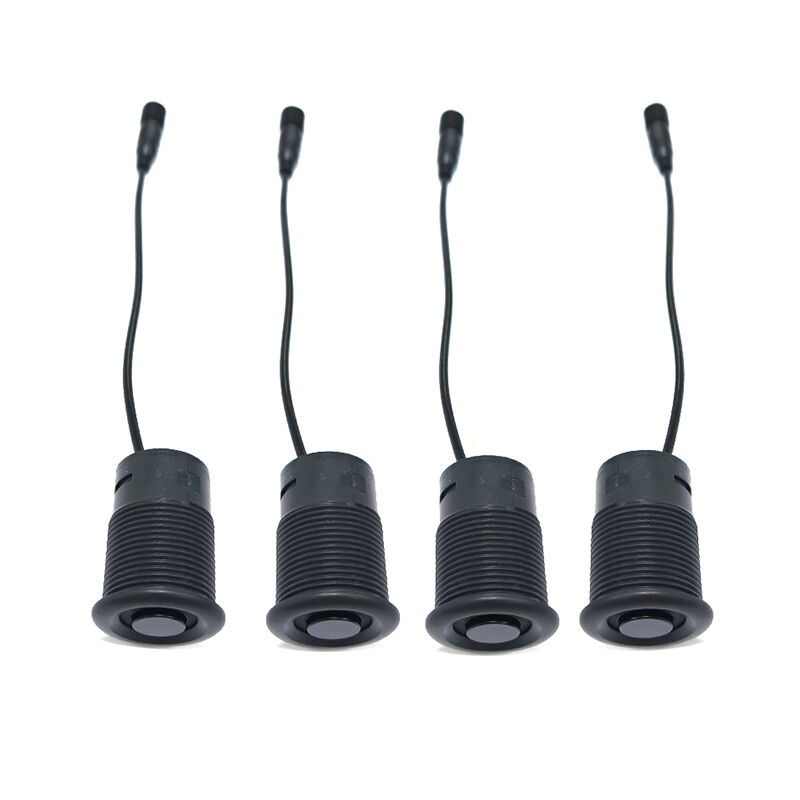
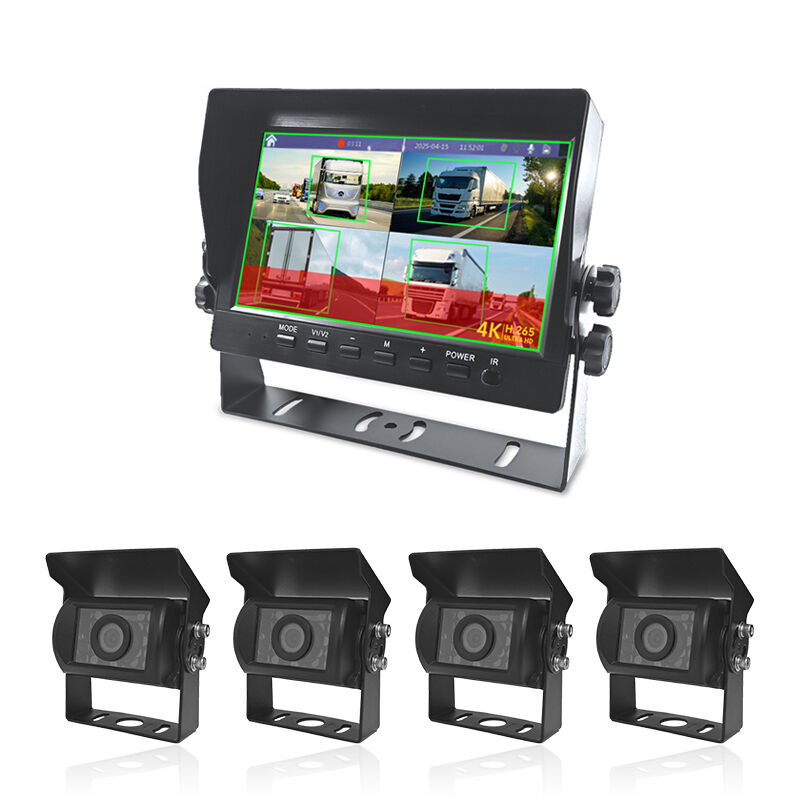
The cornerstone of blind spot detection with cross traffic lies in its sophisticated multi-sensor detection technology that combines radar, cameras, and ultrasonic sensors to create a comprehensive safety network around your vehicle. This advanced sensor fusion approach ensures maximum accuracy and reliability by cross-referencing data from multiple sources before triggering alerts, virtually eliminating false positives while maintaining sensitivity to genuine threats. The radar sensors operate on millimeter-wave frequencies that penetrate weather conditions like rain, snow, and fog without performance degradation, providing consistent monitoring capabilities regardless of environmental challenges. High-resolution cameras complement the radar system by adding visual verification and object classification capabilities, allowing the system to distinguish between different types of approaching objects such as vehicles, motorcycles, bicycles, and pedestrians. Ultrasonic sensors provide close-proximity detection for low-speed maneuvering situations, particularly valuable during parking operations where precise distance measurement becomes critical for collision avoidance. The integration of these technologies creates overlapping detection zones that eliminate coverage gaps and ensure comprehensive monitoring of all potential threat vectors. Processing algorithms continuously analyze sensor data in real-time, calculating approach speeds, trajectories, and collision probabilities to determine appropriate warning levels and response timing. The system learns from driving patterns and environmental conditions, adapting its sensitivity and response characteristics to match individual driving styles and common route characteristics. Advanced filtering mechanisms prevent nuisance alerts from stationary objects, guardrails, or permanent fixtures while maintaining vigilance for moving hazards that require immediate attention. The technology operates seamlessly across various vehicle speeds, from parking lot maneuvers at walking pace to highway merging at elevated speeds, adjusting detection parameters and alert timing to match the urgency of each situation. Regular software updates enhance system capabilities and expand compatibility with emerging vehicle technologies, ensuring long-term value and performance improvements throughout the vehicle's operational lifetime.
Intelligent Cross Traffic Alert System

Intelligent Cross Traffic Alert System

The intelligent cross traffic alert system represents a specialized component of blind spot detection with cross traffic that specifically addresses one of the most challenging and dangerous driving scenarios: reversing from parking spaces with limited visibility. This sophisticated subsystem utilizes extended-range radar sensors positioned strategically on the vehicle's rear corners to monitor perpendicular traffic approaching from both directions, typically covering distances up to 50 meters on each side. The technology proves invaluable in crowded parking lots, shopping centers, residential driveways, and urban street parking where larger vehicles, architectural elements, or landscape features obstruct the driver's view of approaching traffic. When reversing, the system immediately begins scanning for approaching vehicles, motorcycles, bicycles, and pedestrians, analyzing their speed and trajectory to determine collision risk levels. The intelligent algorithms distinguish between harmless stationary objects and genuine moving threats, preventing unnecessary alerts while maintaining vigilance for actual dangers. Progressive warning systems provide escalating alerts as threats approach, starting with subtle visual indicators on dashboard displays or side mirrors, followed by more insistent audible warnings, and culminating in emergency brake activation if available and necessary. The cross traffic monitoring integrates seamlessly with backup cameras and parking sensors, providing drivers with comprehensive situational awareness during reverse maneuvers. Advanced versions include predictive capabilities that anticipate potential conflicts based on approach speeds and trajectories, allowing drivers to respond proactively rather than reactively to developing situations. The system maintains effectiveness across various parking configurations, from angled spaces in shopping centers to parallel parking on busy streets, adapting detection patterns and sensitivity levels to match specific environmental challenges. Integration with vehicle navigation systems allows the technology to adjust performance parameters based on location data, increasing sensitivity in high-risk areas like school zones or hospital complexes while optimizing response characteristics for highway rest areas or suburban driveways. The intelligent cross traffic alert system significantly reduces backing accidents, which account for a substantial percentage of parking lot collisions and pedestrian injuries, providing measurable safety improvements and liability protection for vehicle owners.
Seamless Integration and User Experience

Seamless Integration and User Experience

The seamless integration and user experience of blind spot detection with cross traffic systems represent crucial factors that determine the technology's effectiveness and adoption success among drivers of varying experience levels and technical comfort. Modern implementations prioritize intuitive operation that requires minimal driver intervention while providing clear, unmistakable alerts that prompt appropriate responses without creating distraction or confusion. The visual alert systems typically utilize strategically positioned LED indicators in side mirrors or door panels that illuminate when objects enter monitored zones, providing immediate visual feedback that remains visible in peripheral vision without requiring drivers to look away from primary driving tasks. Audible warning systems employ carefully calibrated tones and volumes that cut through ambient cabin noise and audio system output while avoiding startling intensity levels that might cause overcorrection or panic responses. Haptic feedback options include steering wheel vibrations or seat pulses that provide tactile warnings for drivers who prefer non-visual alert methods or operate in high-noise environments where audible warnings might be less effective. The system interfaces integrate naturally with existing vehicle dashboard displays, infotainment screens, and instrument clusters, presenting status information and configuration options through familiar menu structures and control schemes. Customization capabilities allow drivers to adjust sensitivity levels, warning preferences, and activation parameters to match personal driving styles and environmental conditions, ensuring optimal performance across diverse usage scenarios. The technology operates transparently during normal driving conditions, activating automatically when needed without requiring driver input or system arming procedures that might be forgotten during routine operation. Integration with other vehicle safety systems creates coordinated responses where blind spot detection with cross traffic works harmoniously with lane departure warning, forward collision avoidance, and automatic emergency braking to provide comprehensive protection strategies. Diagnostic capabilities continuously monitor system health and sensor performance, providing maintenance alerts and troubleshooting information through standard vehicle service networks. The learning algorithms adapt to individual driving patterns and route characteristics over time, optimizing performance for frequently traveled roads and common parking scenarios while maintaining full protection capabilities in unfamiliar environments. Driver education features include tutorial modes and demonstration functions that help new users understand system capabilities and limitations, promoting proper utilization and realistic expectations for technology performance boundaries.
Blind Spot Detection with Cross Traffic: Advanced Vehicle Safety Technology Guide

Get a Free Quote

Our representative will contact you soon.
Email
Name
Company Name
Mobile/WhatsApp
Message
0/1000