Small Cars with Blind Spot Monitoring: Advanced Safety Technology for Modern Drivers

Get a Free Quote

Our representative will contact you soon.
Email
Name
Company Name
Mobile/WhatsApp
Message
0/1000

small cars with blind spot monitoring

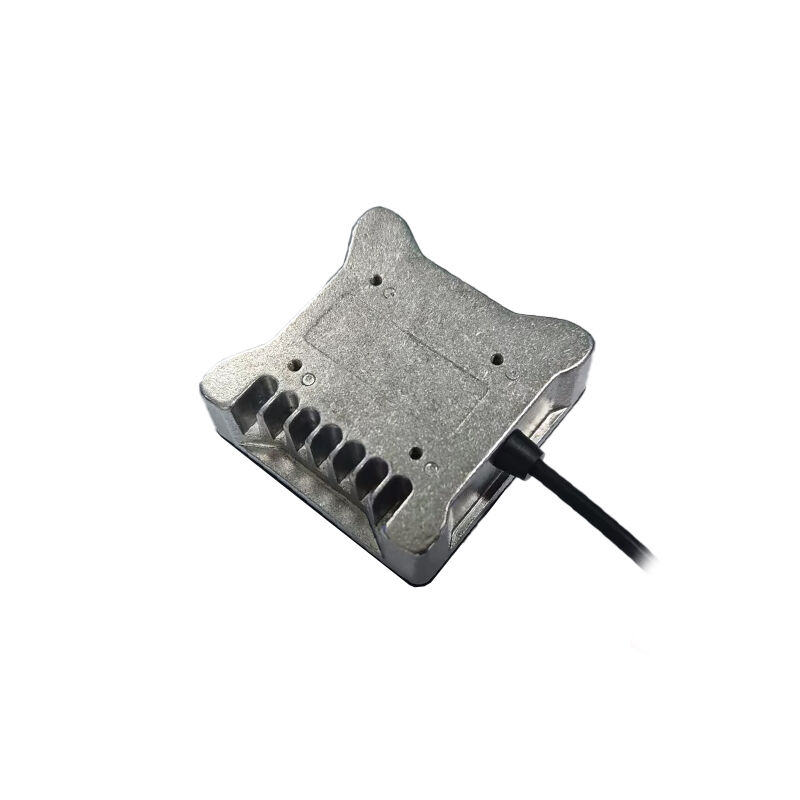
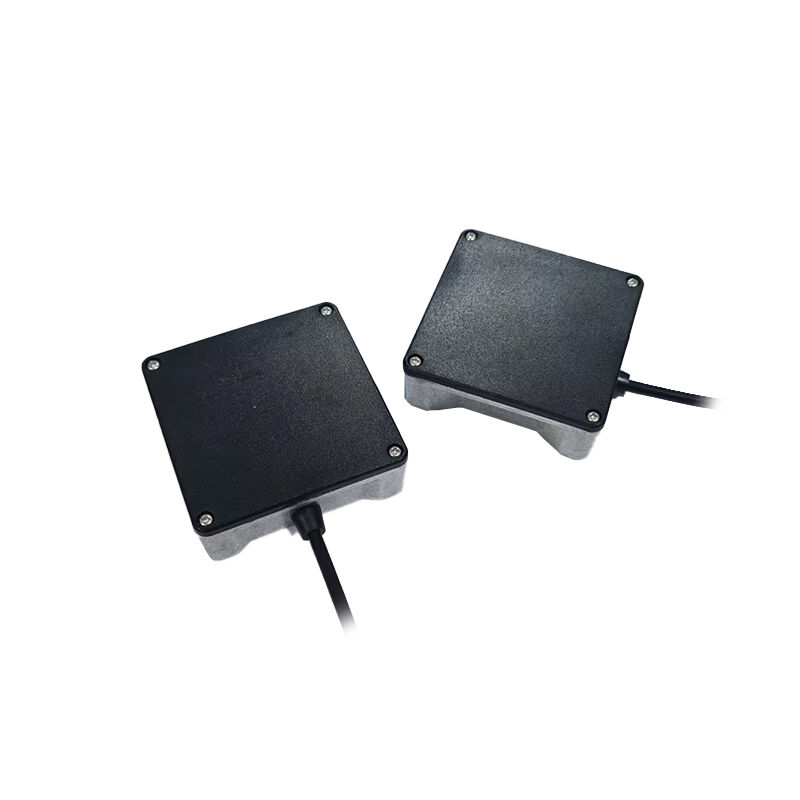
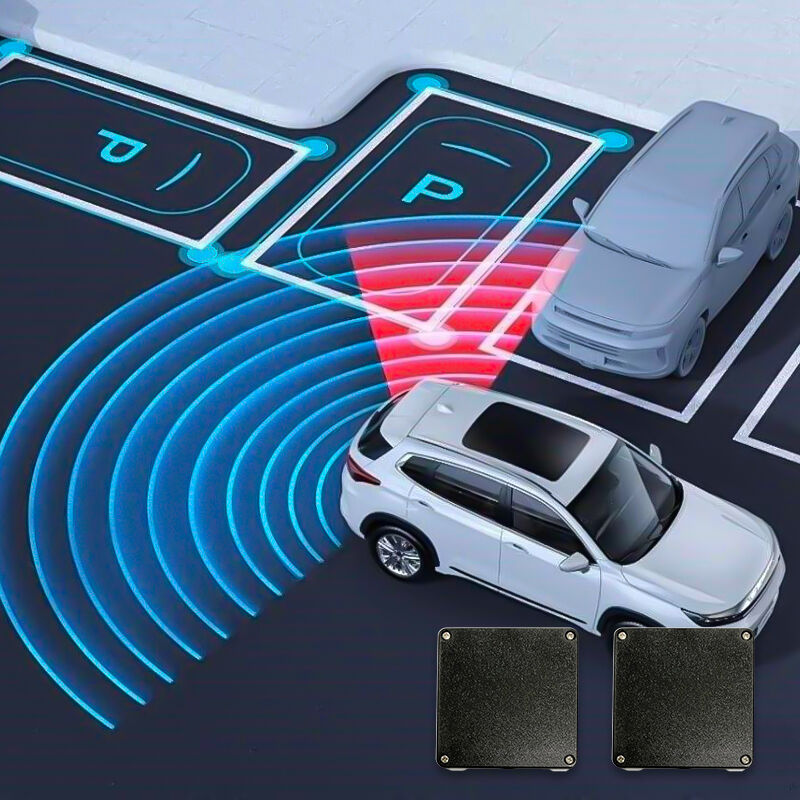
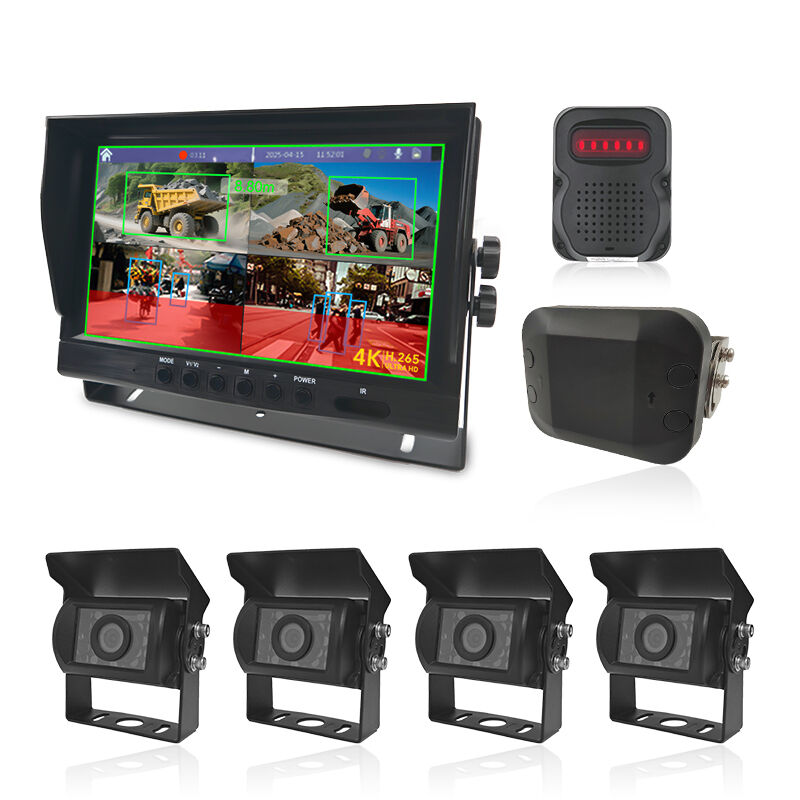
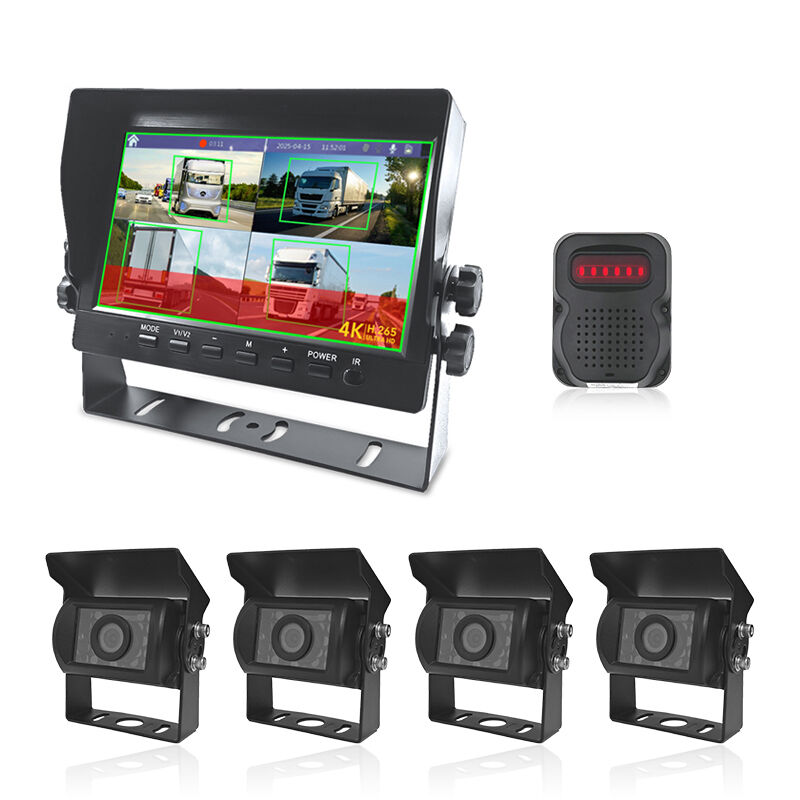
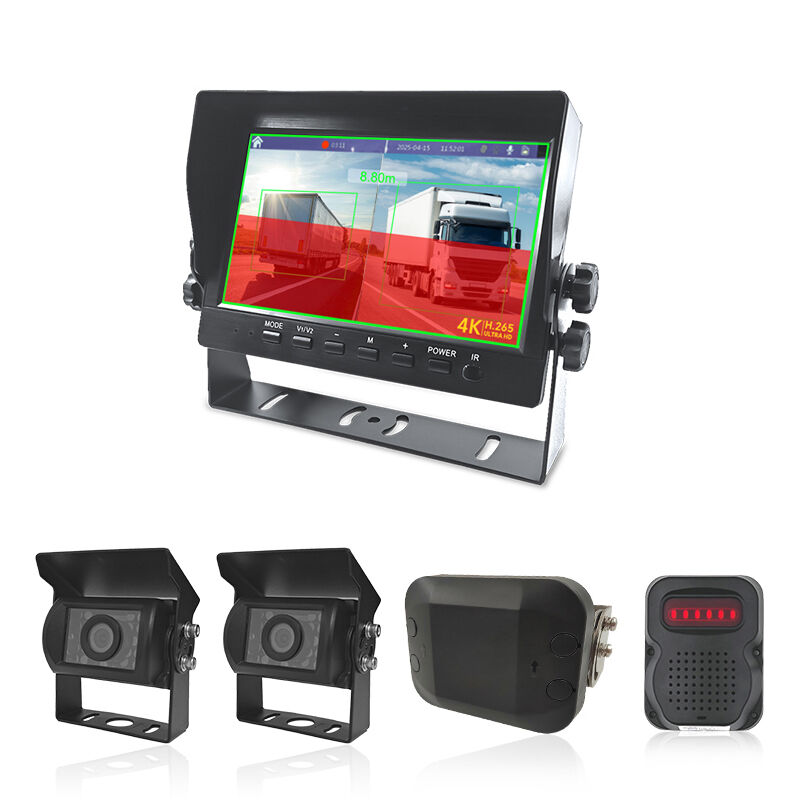
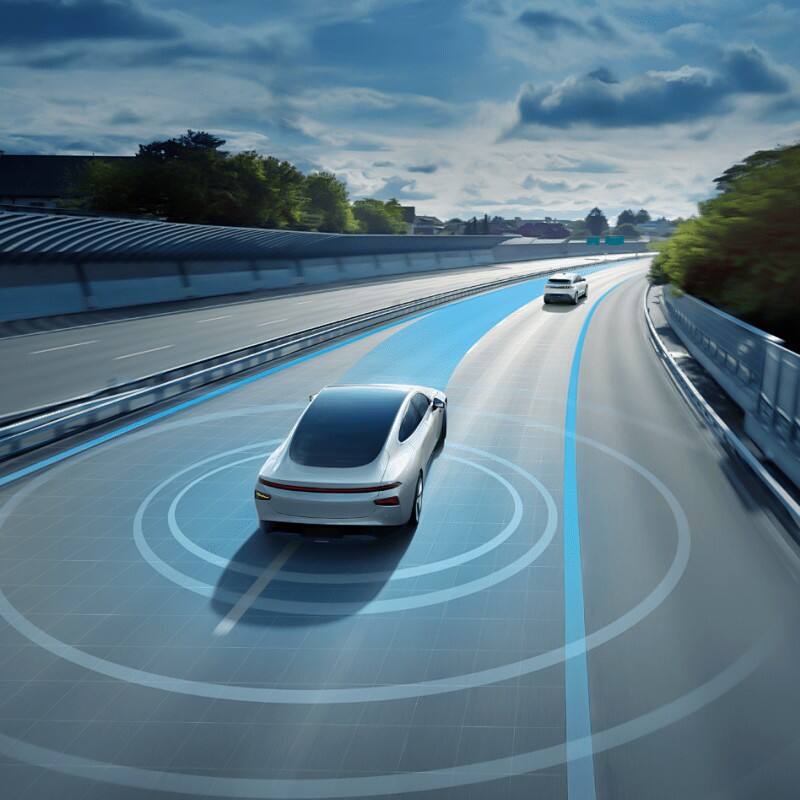
Small cars with blind spot monitoring represent a significant advancement in automotive safety technology, bringing sophisticated collision prevention systems to compact and economical vehicles. These innovative safety features were once exclusive to luxury vehicles but are now becoming standard equipment in many affordable small car models. The primary function of blind spot monitoring systems involves using radar sensors, cameras, or ultrasonic technology to detect vehicles, cyclists, or pedestrians positioned in areas that drivers cannot easily see through their mirrors. When the system identifies a potential hazard in the blind spot zone, it alerts the driver through visual indicators, typically illuminated warning lights in the side mirrors, and sometimes includes audible alerts or steering wheel vibrations. Modern small cars with blind spot monitoring utilize advanced sensor arrays strategically positioned around the vehicle's exterior to create a comprehensive detection network. These sensors continuously scan the areas alongside and slightly behind the vehicle, monitoring distances and relative speeds of nearby objects. The technological sophistication extends beyond basic detection, incorporating intelligent algorithms that can distinguish between stationary objects like guardrails and moving hazards such as approaching vehicles. Many systems also feature cross-traffic alert capabilities, which prove invaluable when reversing out of parking spaces by detecting approaching traffic from either side. The applications of small cars with blind spot monitoring extend across various driving scenarios, from highway lane changes to urban parking situations. These systems prove particularly beneficial in dense traffic conditions where visibility challenges are most pronounced. Integration with other safety technologies, such as lane departure warning systems and automatic emergency braking, creates a comprehensive safety ecosystem. The compact design of small cars actually enhances the effectiveness of blind spot monitoring, as the shorter vehicle length allows for more precise sensor positioning and improved coverage of critical zones around the vehicle.

Popular Products

Small cars with blind spot monitoring deliver substantial practical benefits that directly enhance driver confidence and road safety. The most immediate advantage involves dramatically reducing the risk of side-impact collisions during lane changes, which statistics show account for a significant percentage of highway accidents. Drivers experience increased peace of mind knowing that advanced technology actively monitors areas they cannot see, particularly benefiting newer drivers who may lack extensive experience judging distances and speeds of approaching vehicles. The system proves especially valuable during nighttime driving when visibility naturally diminishes, as the sensors maintain consistent performance regardless of lighting conditions. Urban driving scenarios benefit tremendously from these systems, as small cars with blind spot monitoring excel in navigating crowded city streets where motorcycles, bicycles, and pedestrians frequently appear in blind spots. The technology reduces driver fatigue by minimizing the constant need for excessive head-turning and mirror-checking, allowing drivers to maintain better forward focus while still receiving critical safety information. Insurance companies increasingly recognize the value of these safety features, often providing discounts for vehicles equipped with blind spot monitoring systems, translating to long-term financial savings for owners. The resale value of small cars with blind spot monitoring typically remains higher compared to similar models without these features, as safety-conscious buyers actively seek vehicles with advanced driver assistance systems. Parents particularly appreciate these features when purchasing vehicles for teenage drivers, as the additional safety layer helps compensate for inexperience. The system operates seamlessly without requiring driver input, automatically activating when the vehicle starts and continuously monitoring throughout the journey. Unlike some complex automotive technologies, blind spot monitoring systems require minimal maintenance and rarely experience mechanical failures. The intuitive nature of the warning system means drivers quickly adapt to recognizing and responding to alerts appropriately. Small cars benefit uniquely from these systems because their compact size allows for more affordable implementation of the technology while maintaining effectiveness. The energy efficiency of modern blind spot monitoring systems has minimal impact on fuel economy, making them ideal for environmentally conscious drivers who choose small cars for their efficiency. Integration with smartphone apps in many newer models allows drivers to monitor system status and receive maintenance notifications, ensuring optimal performance throughout the vehicle's lifespan.

Tips And Tricks

L3 Autonomous Driving

23

Dec

L3 Autonomous Driving

View More
The 138th Canton Fair

04

Jan

The 138th Canton Fair

View More
2025 HKTDC (Autumn  Edition)

23

Dec

2025 HKTDC (Autumn Edition)

View More

Get a Free Quote

Our representative will contact you soon.
Email
Name
Company Name
Mobile/WhatsApp
Message
0/1000

small cars with blind spot monitoring

Enhanced Urban Safety and Maneuverability

Enhanced Urban Safety and Maneuverability

Small cars with blind spot monitoring excel in urban environments where tight spaces, heavy traffic, and diverse road users create challenging visibility conditions. The compact dimensions of these vehicles, combined with advanced sensor technology, create an ideal safety solution for city driving. Urban environments present unique hazards including motorcycles weaving between lanes, cyclists sharing roadways, and pedestrians unexpectedly entering traffic areas. The blind spot monitoring system in small cars addresses these challenges by providing 360-degree awareness that extends the driver's natural vision capabilities. The radar and camera sensors positioned strategically around small cars with blind spot monitoring can detect objects as small as bicycles and as fast-moving as motorcycles, providing alerts that prevent potentially catastrophic accidents. City parking scenarios benefit enormously from these systems, as the cross-traffic alert function warns drivers of approaching vehicles when backing out of parallel parking spaces or crowded parking lots. The technology proves particularly valuable in metropolitan areas where lane changes happen frequently and quickly, giving drivers the confidence to navigate busy intersections and highway on-ramps safely. Small cars with blind spot monitoring systems typically feature adjustable sensitivity settings, allowing drivers to customize alert timing based on their comfort level and driving environment. Urban delivery vehicles, taxi services, and rideshare drivers who operate small cars with blind spot monitoring report significantly fewer close calls and insurance claims related to side-impact incidents. The system's ability to function effectively in stop-and-go traffic conditions makes it invaluable for commuters who face daily urban driving challenges. Weather conditions that often plague city driving, such as rain or fog, do not significantly impact the performance of modern blind spot monitoring systems, ensuring consistent safety regardless of environmental factors. The integration of these systems with other urban driving aids, such as parking sensors and rearview cameras, creates a comprehensive safety network that transforms the small car driving experience in challenging city environments.
Advanced Sensor Technology and Real-Time Processing

Advanced Sensor Technology and Real-Time Processing

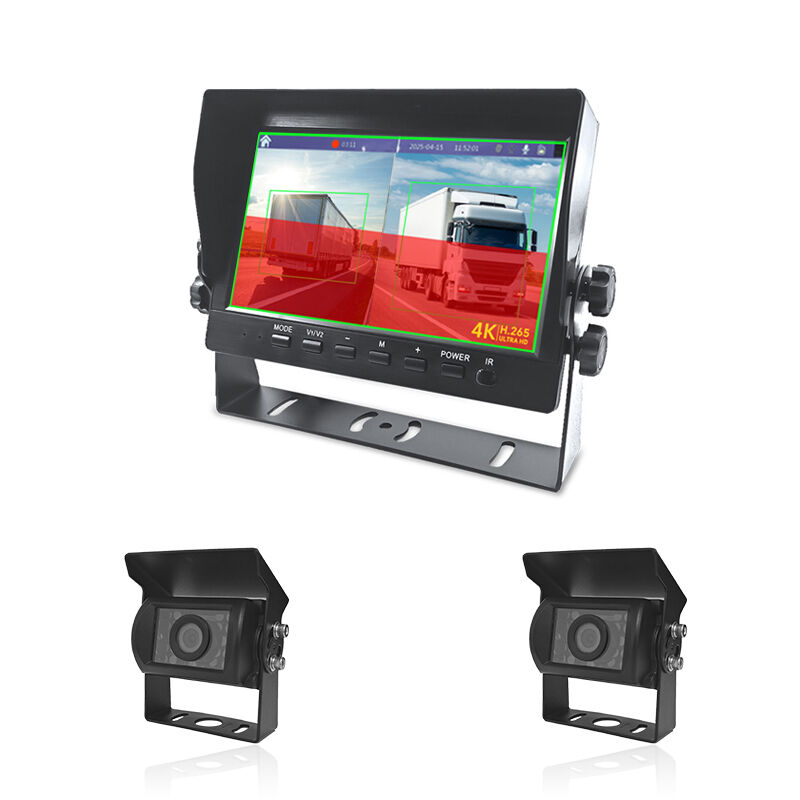
The technological foundation of small cars with blind spot monitoring relies on sophisticated sensor arrays and intelligent processing systems that deliver split-second hazard detection and driver alerts. Modern systems typically employ a combination of radar sensors, high-definition cameras, and ultrasonic technology to create overlapping detection zones that eliminate gaps in coverage. The radar sensors used in small cars with blind spot monitoring operate at millimeter-wave frequencies, allowing them to penetrate weather conditions and detect objects with remarkable precision, measuring both distance and approach speed of potential hazards. Camera-based components utilize advanced image recognition algorithms that can distinguish between different types of objects, reducing false alerts caused by stationary structures while maintaining sensitivity to legitimate threats. The processing power behind small cars with blind spot monitoring systems has evolved dramatically, with modern electronic control units capable of analyzing multiple data streams simultaneously and making safety decisions in milliseconds. Machine learning capabilities built into newer systems allow small cars with blind spot monitoring to adapt to individual driving patterns and environmental conditions, improving accuracy over time. The sensor fusion technology combines input from multiple detection methods to create a comprehensive understanding of the vehicle's surroundings, significantly reducing the likelihood of missed detections or false warnings. Calibration procedures for small cars with blind spot monitoring are increasingly automated, with systems self-adjusting to account for vehicle loading, tire pressure changes, and other factors that might affect sensor positioning. The electromagnetic spectrum utilized by these sensors is carefully regulated to prevent interference with other electronic systems, ensuring reliable operation in areas with high radio frequency activity. Power management systems in small cars with blind spot monitoring are optimized for efficiency, drawing minimal electrical current while maintaining constant vigilance, which is particularly important for fuel-efficient vehicles where every electrical load impacts overall economy. The durability testing for these sensor systems includes extreme temperature variations, vibration resistance, and exposure to road debris, ensuring reliable operation throughout the vehicle's lifespan. Integration with vehicle communication networks allows small cars with blind spot monitoring to share sensor data with other safety systems, creating synergistic effects that enhance overall vehicle safety performance.

Cost-Effective Safety Investment with Long-Term Value

Cost-Effective Safety Investment with Long-Term Value

Small cars with blind spot monitoring represent an exceptional value proposition, delivering premium safety technology at accessible price points while providing long-term financial and practical benefits. The democratization of this technology means that budget-conscious consumers can now access safety features that were previously exclusive to luxury vehicles, making small cars with blind spot monitoring an intelligent choice for value-seeking buyers. Insurance industry data consistently demonstrates that vehicles equipped with blind spot monitoring experience fewer collision claims, particularly in the side-impact category, leading many insurers to offer significant premium discounts for drivers of small cars with blind spot monitoring systems. The total cost of ownership for small cars with blind spot monitoring often proves lower than comparable vehicles without these systems, as the prevented accidents eliminate costly repairs, insurance deductibles, and potential medical expenses. Maintenance requirements for blind spot monitoring systems in small cars are minimal, with most manufacturers designing these systems to operate maintenance-free for the vehicle's entire lifespan, adding to their cost-effectiveness. The resale market strongly favors small cars with blind spot monitoring, as safety-conscious buyers actively seek vehicles with advanced driver assistance features, resulting in higher retained values and better trade-in opportunities. Employers and fleet managers increasingly prefer small cars with blind spot monitoring for company vehicles, recognizing the liability reduction and employee safety benefits that justify any initial cost premium. The reliability statistics for modern blind spot monitoring systems show failure rates well below one percent, meaning owners can depend on these safety features without concerns about costly repairs or system replacements. Technology refresh cycles for small cars with blind spot monitoring typically align with normal vehicle replacement schedules, ensuring that owners benefit from the latest safety innovations without needing expensive retrofits or upgrades. The energy efficiency of current blind spot monitoring systems has negligible impact on fuel economy, preserving the primary advantage that draws consumers to small cars while adding crucial safety capabilities. Training costs for drivers transitioning to small cars with blind spot monitoring are minimal, as the intuitive warning systems require no special skills or extensive learning periods. The compatibility of these systems with aftermarket accessories and modifications ensures that small cars with blind spot monitoring remain versatile platforms for personalization without compromising safety functionality. Market trends indicate continued expansion of blind spot monitoring availability across small car segments, suggesting that early adopters of small cars with blind spot monitoring will benefit from proven technology while staying ahead of eventual regulatory requirements.
Small Cars with Blind Spot Monitoring: Advanced Safety Technology for Modern Drivers

Get a Free Quote

Our representative will contact you soon.
Email
Name
Company Name
Mobile/WhatsApp
Message
0/1000