Advanced Blind Spot Radar Sensor Technology - Enhanced Vehicle Safety Detection Systems

Get a Free Quote

Our representative will contact you soon.
Email
Name
Company Name
Mobile/WhatsApp
Message
0/1000

blind spot radar sensor

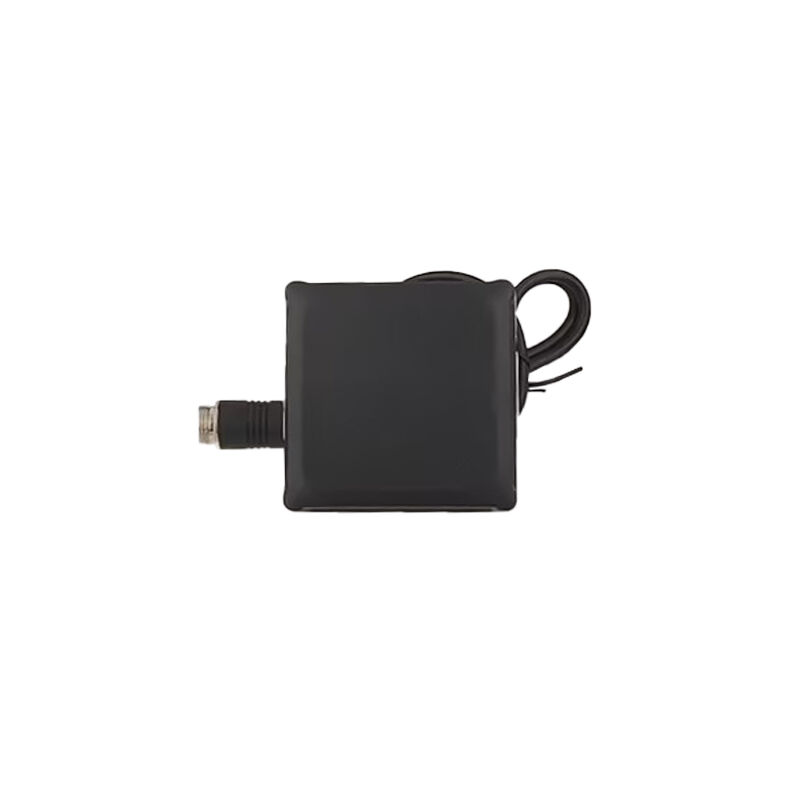
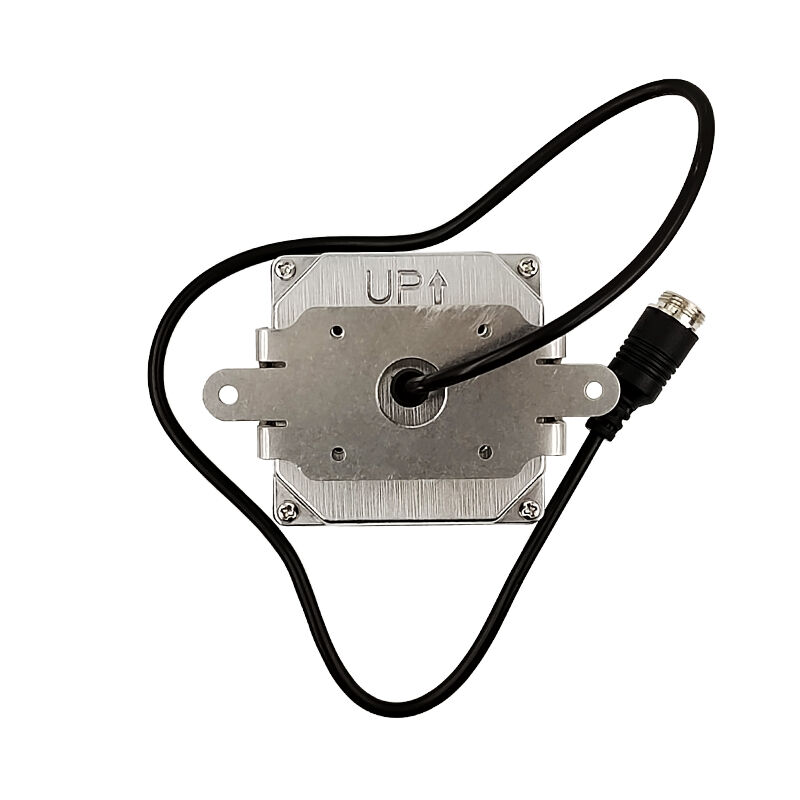
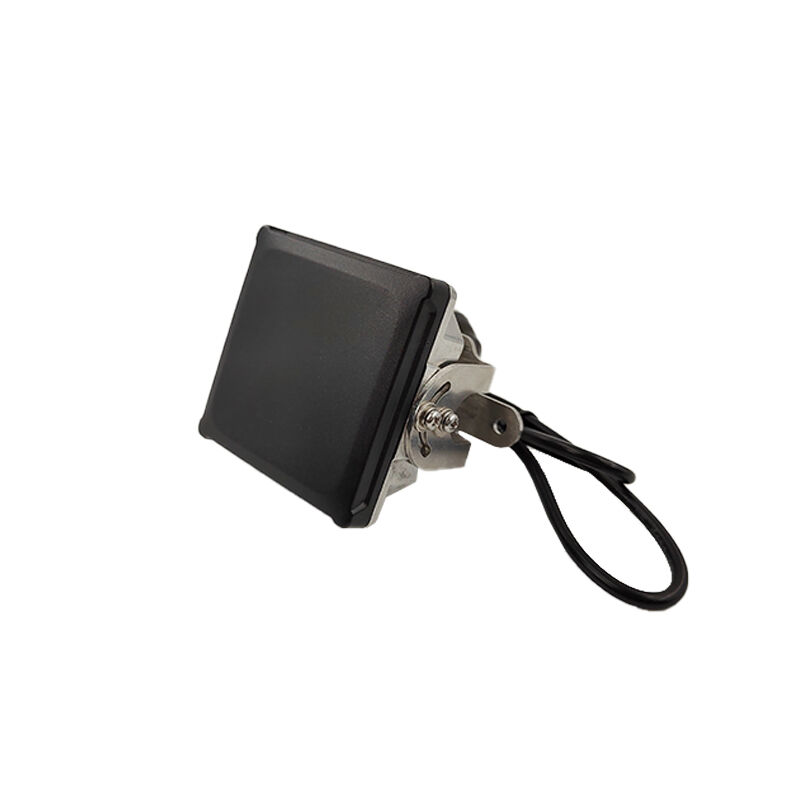
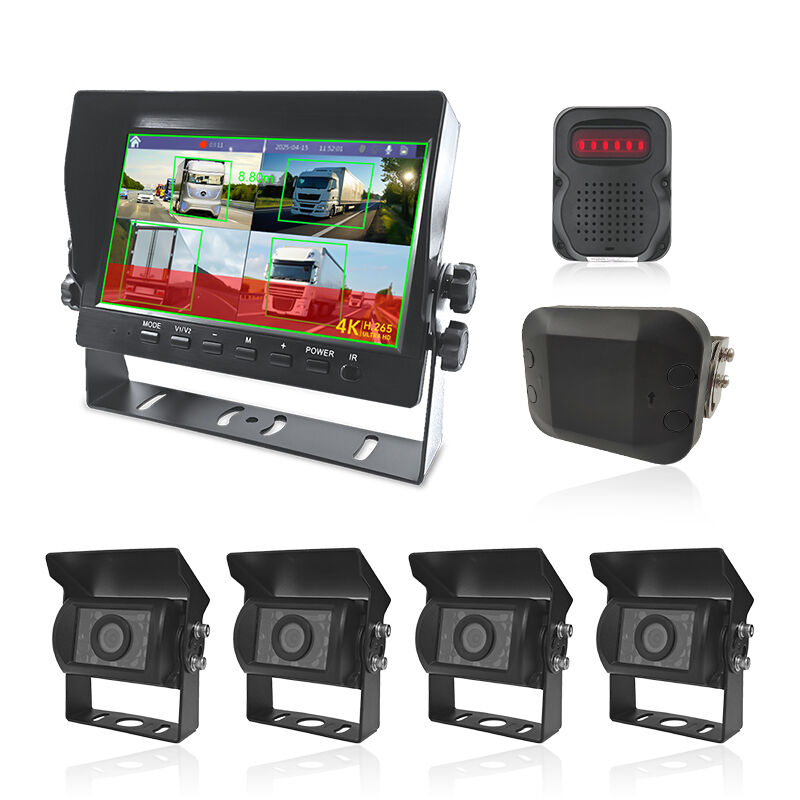
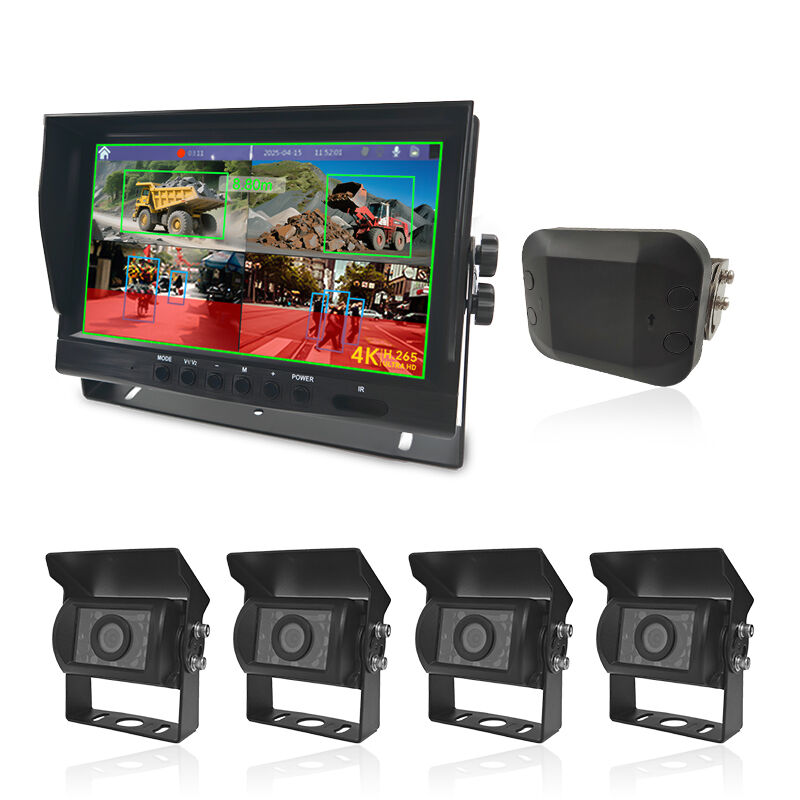
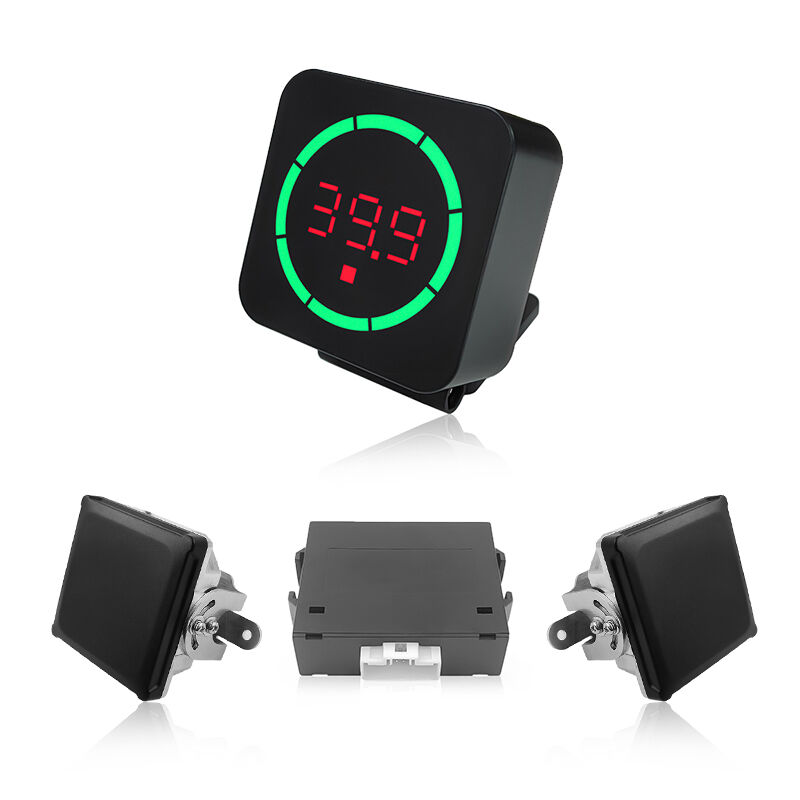
The blind spot radar sensor represents a revolutionary advancement in automotive safety technology, designed to address one of the most persistent challenges faced by drivers worldwide. This sophisticated detection system utilizes radio frequency waves to monitor areas around vehicles that traditional mirrors cannot effectively cover, providing real-time alerts when other vehicles, cyclists, or obstacles enter these dangerous zones. The blind spot radar sensor operates continuously while driving, scanning predetermined sectors adjacent to and behind your vehicle with remarkable precision and reliability. Modern blind spot radar sensor systems employ advanced signal processing algorithms that can distinguish between various types of objects, filtering out false alarms from stationary items like guardrails or bridge supports while maintaining sensitivity to moving hazards. The technology integrates seamlessly with vehicle electrical systems, typically mounting discretely within rear bumpers or side mirror housings where sensors can maintain optimal coverage patterns. These systems feature adjustable sensitivity settings, allowing customization based on driving preferences and environmental conditions. The blind spot radar sensor communicates warnings through multiple channels including visual indicators in side mirrors, dashboard displays, and audible alerts that escalate based on threat level. Professional installation ensures proper calibration and positioning for maximum effectiveness across different vehicle types and sizes. The sensor array can detect objects at various distances, typically ranging from immediate proximity to several meters away, providing graduated warning levels as potential hazards approach critical zones. Weather resistance and durability testing ensure consistent performance across diverse driving conditions, from heavy rain and snow to extreme temperatures. The blind spot radar sensor technology continues evolving with enhanced artificial intelligence capabilities, improved range accuracy, and integration with other vehicle safety systems for comprehensive protection coverage.

Popular Products

The blind spot radar sensor delivers substantial safety improvements that directly translate into peace of mind and accident prevention for everyday drivers. This technology significantly reduces the likelihood of lane-change collisions, which account for a considerable percentage of highway accidents annually. Unlike manual mirror checks that require drivers to momentarily divert attention from the road ahead, the blind spot radar sensor provides continuous monitoring without compromising forward focus or reaction time. The system operates effectively in challenging visibility conditions where human perception becomes limited, including nighttime driving, heavy rain, fog, or snow conditions that would otherwise obscure traditional visual detection methods. Installation of a blind spot radar sensor particularly benefits drivers of larger vehicles such as trucks, SUVs, and commercial vehicles where blind spots naturally extend over greater distances and present increased safety risks. The technology proves invaluable during highway merging situations, providing confident lane changes in heavy traffic conditions where split-second decisions can prevent dangerous situations. Elderly drivers or those with limited mobility find the blind spot radar sensor especially helpful, as it compensates for reduced neck flexibility that might otherwise impair thorough mirror checking. The system enhances overall driving confidence, allowing operators to navigate complex traffic scenarios with greater assurance and reduced stress levels. Fleet operators recognize significant insurance premium reductions when vehicles feature blind spot radar sensor technology, as reduced accident rates translate directly into lower liability costs and improved safety records. The technology requires minimal maintenance once properly installed, operating reliably for years without degradation in performance or sensitivity. Parents appreciate the added security when teenage family members drive vehicles equipped with blind spot radar sensor systems, knowing that technology provides an additional safety layer during the learning process. Commercial drivers benefit from reduced fatigue levels during long-distance trips, as the blind spot radar sensor assumes continuous monitoring responsibilities that would otherwise require constant vigilance. The investment in blind spot radar sensor technology often pays for itself through prevented accidents, reduced insurance claims, and preserved vehicle values that would otherwise suffer from collision damage.

Latest News

L3 Autonomous Driving

23

Dec

L3 Autonomous Driving

View More
The 138th Canton Fair

04

Jan

The 138th Canton Fair

View More
2025 HKTDC (Autumn  Edition)

23

Dec

2025 HKTDC (Autumn Edition)

View More

Get a Free Quote

Our representative will contact you soon.
Email
Name
Company Name
Mobile/WhatsApp
Message
0/1000

blind spot radar sensor

Advanced Multi-Zone Detection Technology

Advanced Multi-Zone Detection Technology

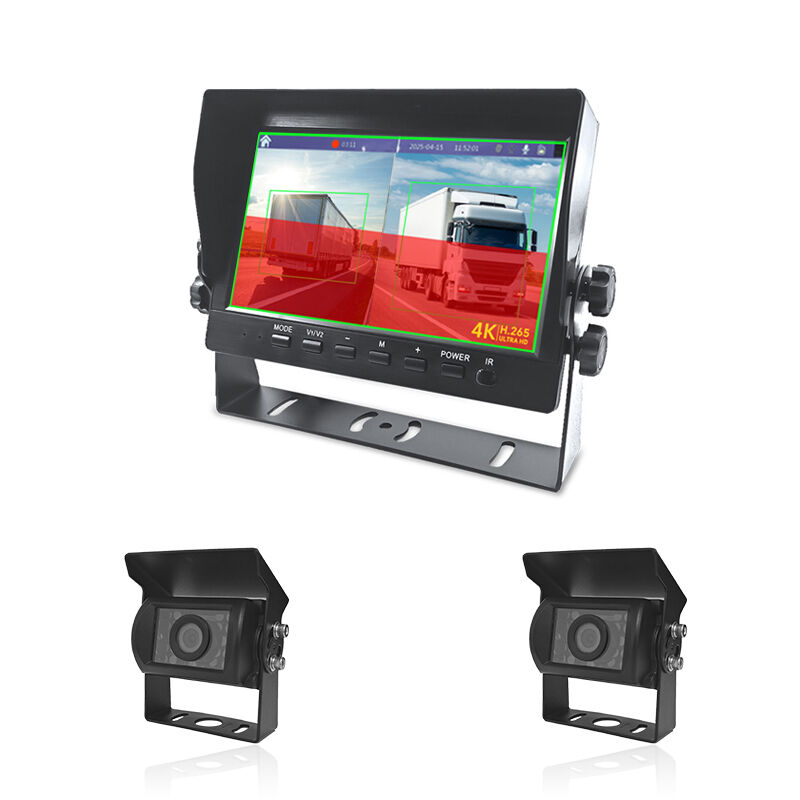
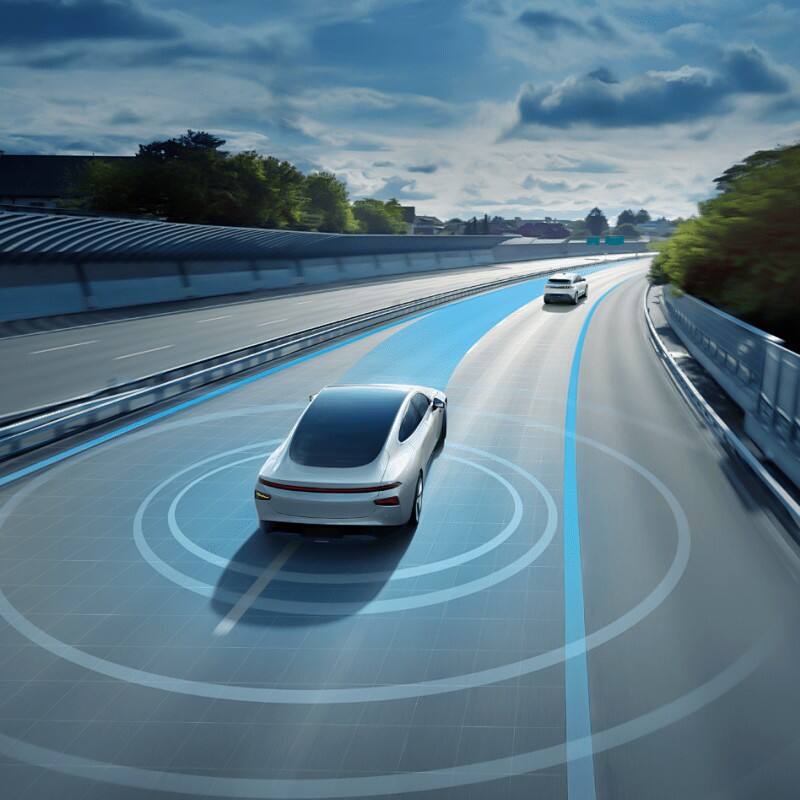
The blind spot radar sensor incorporates cutting-edge multi-zone detection technology that creates multiple overlapping coverage areas around your vehicle, ensuring comprehensive monitoring of traditionally dangerous blind spots. This sophisticated system divides the monitoring area into distinct zones, each calibrated to detect different types of hazards at varying distances and approach speeds. The primary detection zone focuses on the immediate blind spot area adjacent to your vehicle, where lane-changing vehicles pose the most significant threat. Secondary zones extend further outward, providing early warning of approaching vehicles that may enter the primary danger zone within seconds. The blind spot radar sensor utilizes advanced algorithms to calculate object trajectories, predicting potential collision paths and adjusting alert timing accordingly. This predictive capability distinguishes between vehicles simply traveling in adjacent lanes versus those actively moving toward your vehicle's path. The technology employs multiple frequency bands to maintain consistent performance across different environmental conditions, automatically adjusting sensitivity levels based on weather, road surface conditions, and surrounding traffic density. Professional calibration ensures optimal zone coverage for specific vehicle dimensions and mounting positions, maximizing detection accuracy while minimizing false alerts from stationary roadside objects. The multi-zone approach allows for graduated warning levels, beginning with subtle notifications when objects enter outer detection areas and escalating to urgent alerts as threats approach critical proximity. This layered warning system provides drivers with adequate time to assess situations and make informed decisions rather than reacting to sudden alarms. The blind spot radar sensor continuously monitors all zones simultaneously, providing comprehensive situational awareness that human observation alone cannot match. Advanced signal processing filters distinguish between relevant moving hazards and irrelevant stationary objects, ensuring that drivers receive meaningful alerts without distraction from unnecessary notifications. The system maintains consistent performance across various vehicle speeds, automatically adjusting detection parameters to accommodate highway driving versus urban traffic conditions, making the blind spot radar sensor adaptable to diverse driving scenarios.
Seamless Integration with Vehicle Safety Systems

Seamless Integration with Vehicle Safety Systems

Modern blind spot radar sensor technology exemplifies seamless integration capabilities, connecting effortlessly with existing vehicle safety systems to create a comprehensive protective network that enhances overall driving safety. This integration extends beyond simple warning notifications, incorporating communication with electronic stability control, automatic emergency braking, and lane departure prevention systems to provide coordinated responses to potential hazards. The blind spot radar sensor shares critical information with the vehicle's central processing unit, enabling other safety systems to prepare for potential evasive actions or collision avoidance maneuvers. When integrated with lane departure warning systems, the blind spot radar sensor can prevent lane changes when hazards are detected, temporarily overriding turn signals until safe passage becomes available. The technology communicates with adaptive cruise control systems, automatically adjusting following distances when vehicles are detected in adjacent lanes, maintaining safe spacing during multi-lane traffic situations. Professional installation ensures proper integration with vehicle communication networks, allowing the blind spot radar sensor to function as part of a unified safety ecosystem rather than an isolated component. The system integrates with navigation and mapping systems, providing enhanced awareness of road configurations, construction zones, and areas where heightened vigilance is required. Integration with parking assistance systems extends the blind spot radar sensor functionality to low-speed maneuvering situations, providing protection during backing maneuvers and tight space navigation. The technology works harmoniously with backup cameras and ultrasonic parking sensors, filling coverage gaps and providing complete perimeter awareness around the vehicle. Advanced integration includes connectivity with vehicle telematics systems, allowing fleet managers to monitor driver safety performance and identify training opportunities based on blind spot detection data. The blind spot radar sensor integrates with heads-up display systems, presenting warning information directly in the driver's line of sight without requiring visual attention diversion to dashboard indicators. The system maintains communication with vehicle diagnostic networks, providing maintenance alerts and system status updates to ensure continued optimal performance. This comprehensive integration approach ensures that the blind spot radar sensor enhances rather than complicates the driving experience, working invisibly in the background while providing essential safety benefits.

Weather-Resistant Performance and Reliability

Weather-Resistant Performance and Reliability

The blind spot radar sensor demonstrates exceptional weather-resistant performance and reliability, maintaining consistent detection capabilities across the full spectrum of environmental conditions that drivers encounter throughout the year. This robust technology utilizes advanced weatherproofing techniques and materials specifically engineered to withstand harsh outdoor environments while preserving sensitive electronic components from moisture, temperature extremes, and corrosive elements. The radar technology employed in blind spot radar sensor systems operates effectively through precipitation, including heavy rain, sleet, and snow conditions that would significantly impair traditional optical detection methods. Unlike camera-based systems that rely on clear visibility, radar waves penetrate weather conditions to maintain consistent detection accuracy regardless of atmospheric interference. The blind spot radar sensor housing incorporates marine-grade sealing techniques, preventing water intrusion while maintaining proper ventilation to prevent internal condensation that could affect electronic performance. Temperature resistance testing ensures reliable operation across extreme climate ranges, from desert heat exceeding 140 degrees Fahrenheit to arctic conditions below minus 40 degrees, making the system suitable for global deployment across diverse geographical regions. The sensor array utilizes corrosion-resistant materials and protective coatings that prevent degradation from road salt, chemical exposure, and ultraviolet radiation that would otherwise compromise long-term reliability. Professional installation includes weatherproofing verification procedures that ensure proper sealing and drainage, preventing moisture accumulation that could lead to system failures or performance degradation over time. The blind spot radar sensor maintains calibrated sensitivity levels despite environmental challenges, automatically compensating for signal attenuation caused by heavy precipitation or atmospheric conditions. Advanced signal processing algorithms filter environmental interference while preserving detection accuracy, ensuring that weather conditions do not compromise safety functionality when protection is needed most. The system includes self-diagnostic capabilities that monitor performance parameters and alert users to potential issues before they affect safety functionality, enabling proactive maintenance scheduling. Long-term durability testing validates blind spot radar sensor performance over extended operational periods, ensuring consistent functionality throughout the vehicle's service life without degradation in detection accuracy or response time. The technology incorporates redundant protection systems that maintain core functionality even if individual components experience weather-related stress, providing reliable safety coverage under all driving conditions.
Advanced Blind Spot Radar Sensor Technology - Enhanced Vehicle Safety Detection Systems

Get a Free Quote

Our representative will contact you soon.
Email
Name
Company Name
Mobile/WhatsApp
Message
0/1000