semi truck blind spot sensors
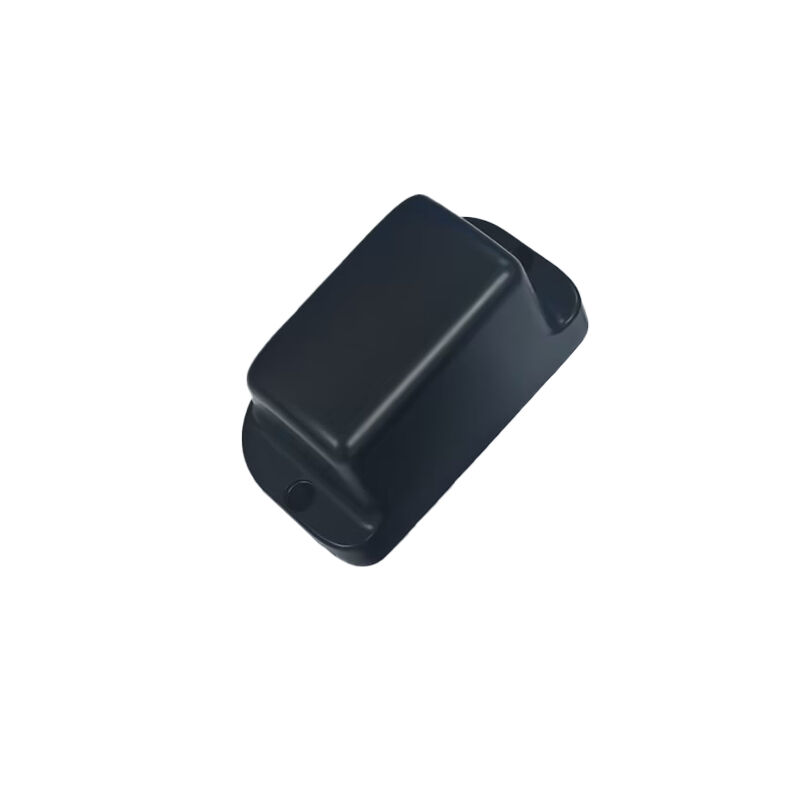
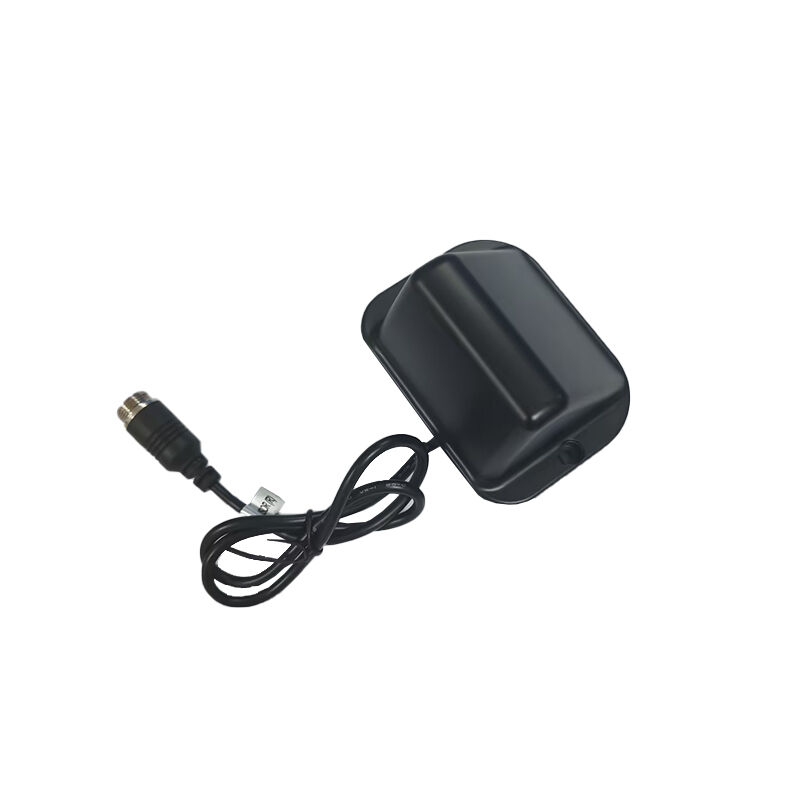
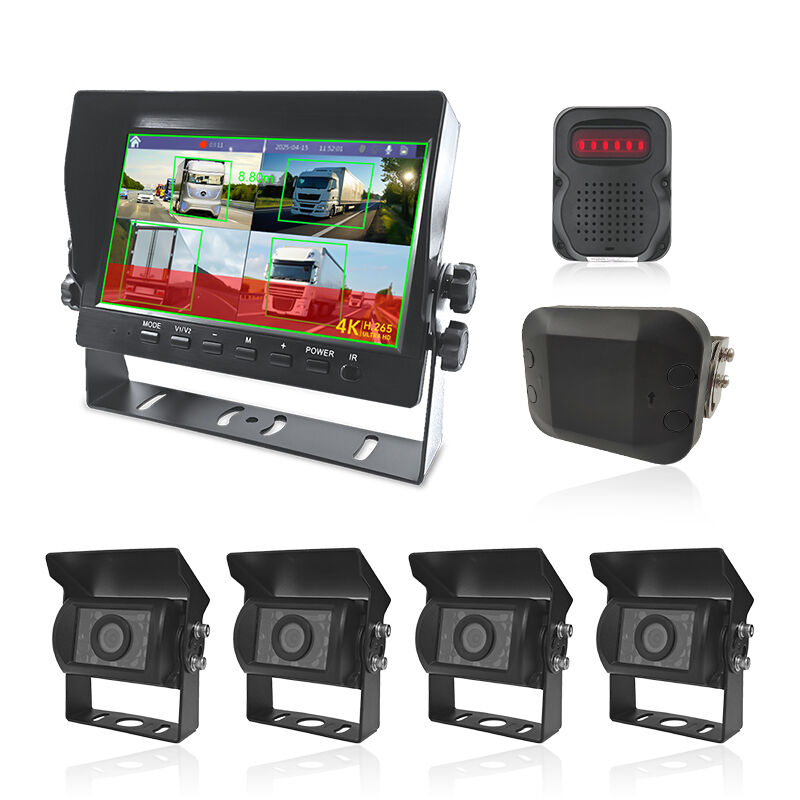
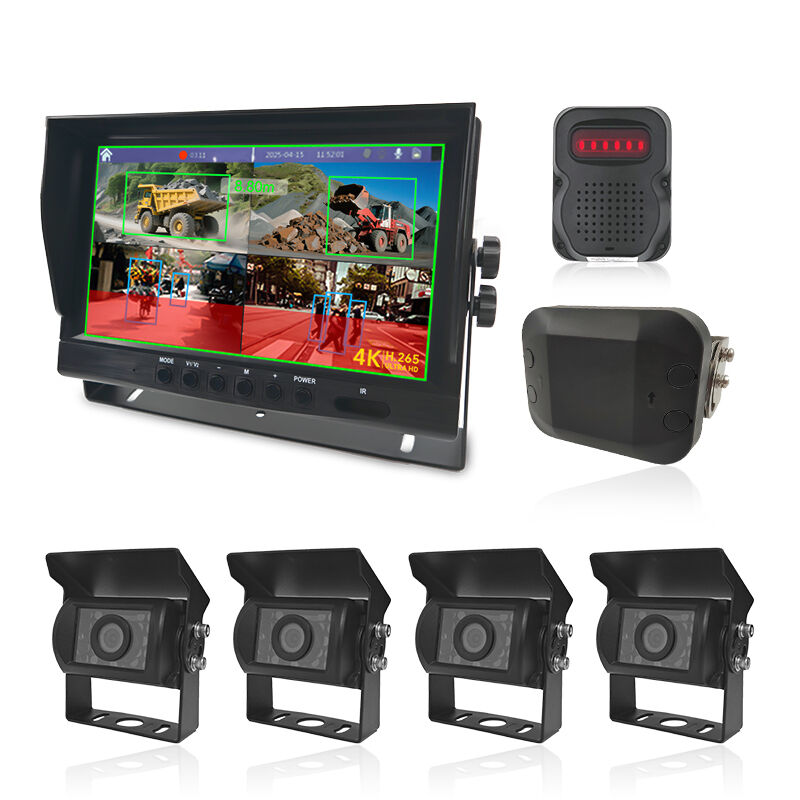
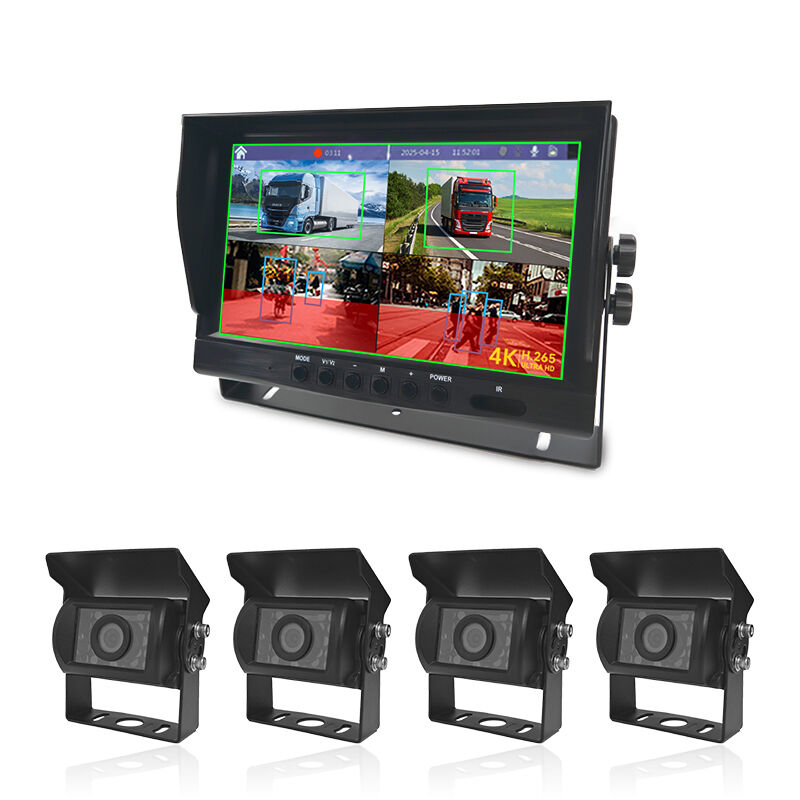
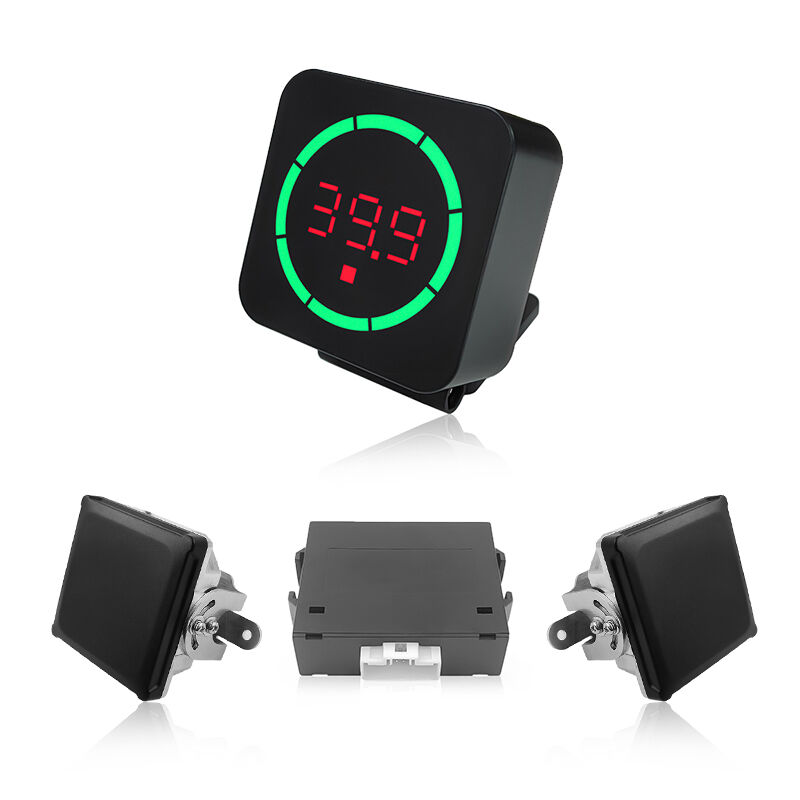
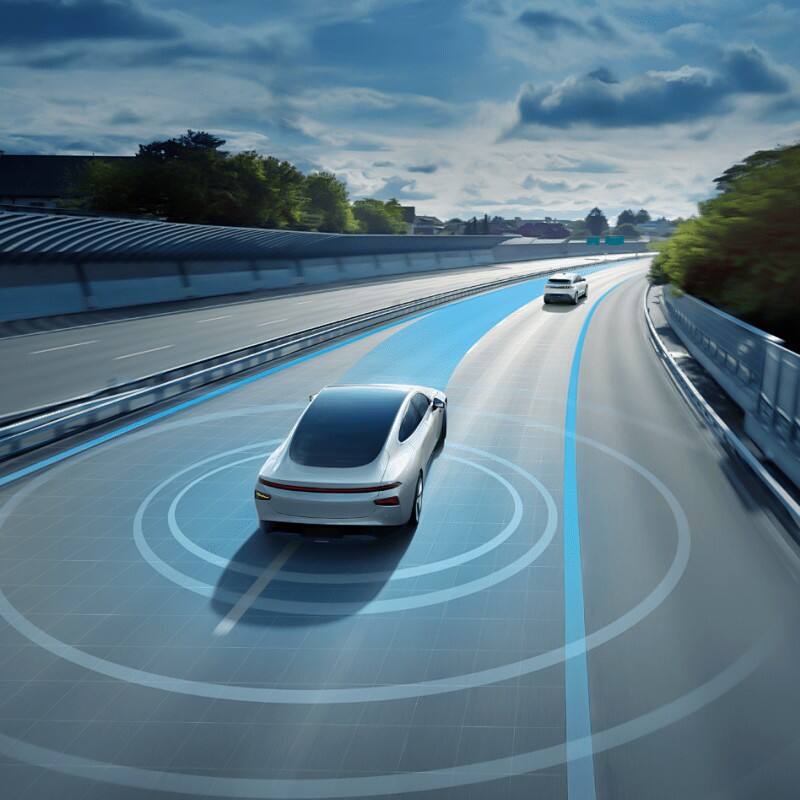
Semi truck blind spot sensors represent a revolutionary safety technology designed to address one of the most critical challenges in commercial transportation. These advanced detection systems utilize cutting-edge radar, ultrasonic, and camera technologies to monitor areas around large commercial vehicles that drivers cannot see through traditional mirrors. The primary function of semi truck blind spot sensors involves continuously scanning the vehicle's surroundings to detect nearby objects, vehicles, pedestrians, and obstacles that may pose collision risks. When the system identifies potential hazards in blind spot zones, it immediately alerts drivers through visual indicators, audible warnings, or tactile feedback mechanisms. The technological foundation of these sensors relies on sophisticated algorithms that process real-time data from multiple detection points strategically positioned around the truck's chassis. Modern semi truck blind spot sensors incorporate machine learning capabilities that adapt to different driving conditions, weather patterns, and traffic scenarios. These systems typically feature multiple detection ranges, allowing for customizable sensitivity settings based on specific operational requirements. The sensors excel in various applications including highway driving, urban navigation, parking maneuvers, and loading dock operations. Advanced models integrate seamlessly with existing fleet management systems, providing comprehensive safety analytics and performance monitoring. The technology encompasses both active and passive monitoring modes, ensuring continuous protection whether the vehicle is stationary or in motion. Installation flexibility allows these systems to accommodate various truck configurations, from standard semi-trailers to specialized heavy-duty vehicles. The sensors demonstrate exceptional reliability in diverse environmental conditions, maintaining consistent performance across temperature extremes, precipitation, and varying light conditions. Integration capabilities extend to dashboard displays, mobile applications, and central fleet monitoring platforms, creating comprehensive safety ecosystems that enhance overall operational efficiency and driver confidence throughout daily transportation activities.
 EN
EN