Advanced Blind Spot Detection Sensor Technology - Enhanced Vehicle Safety Systems

Get a Free Quote

Our representative will contact you soon.
Email
Name
Company Name
Mobile/WhatsApp
Message
0/1000

blind spot detection sensor

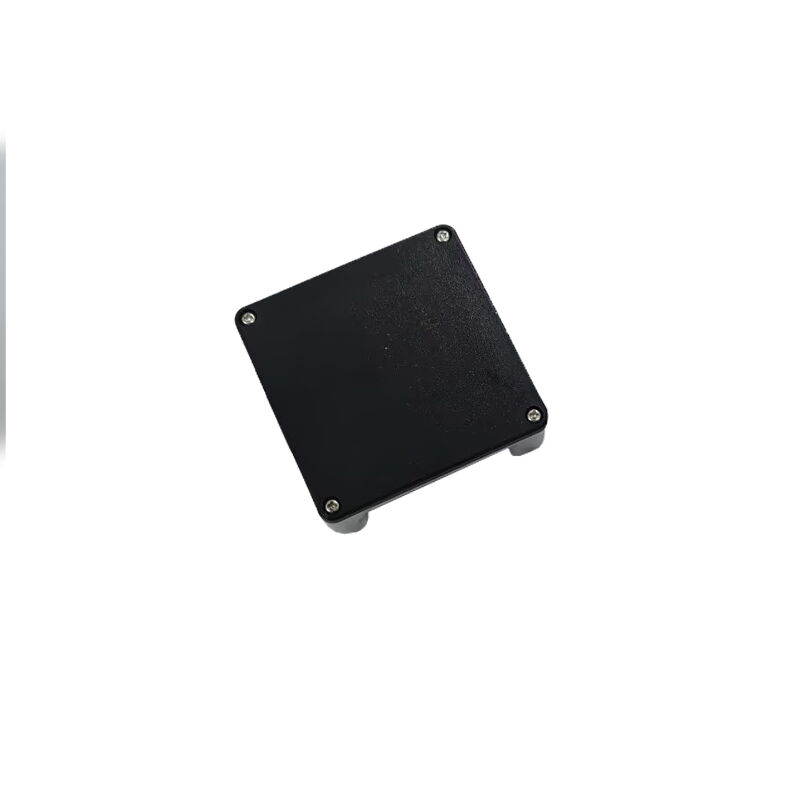
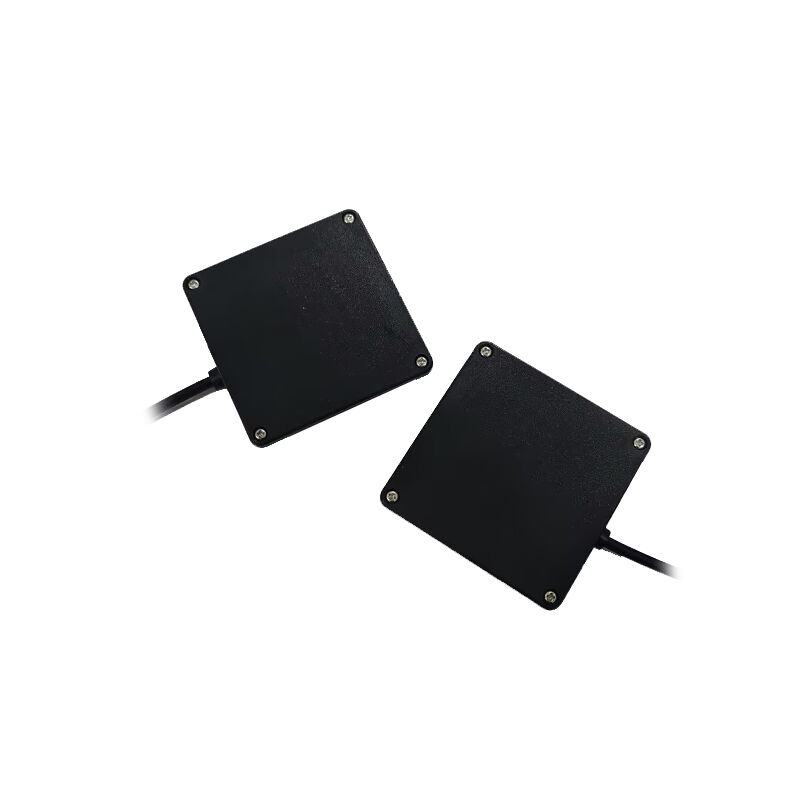
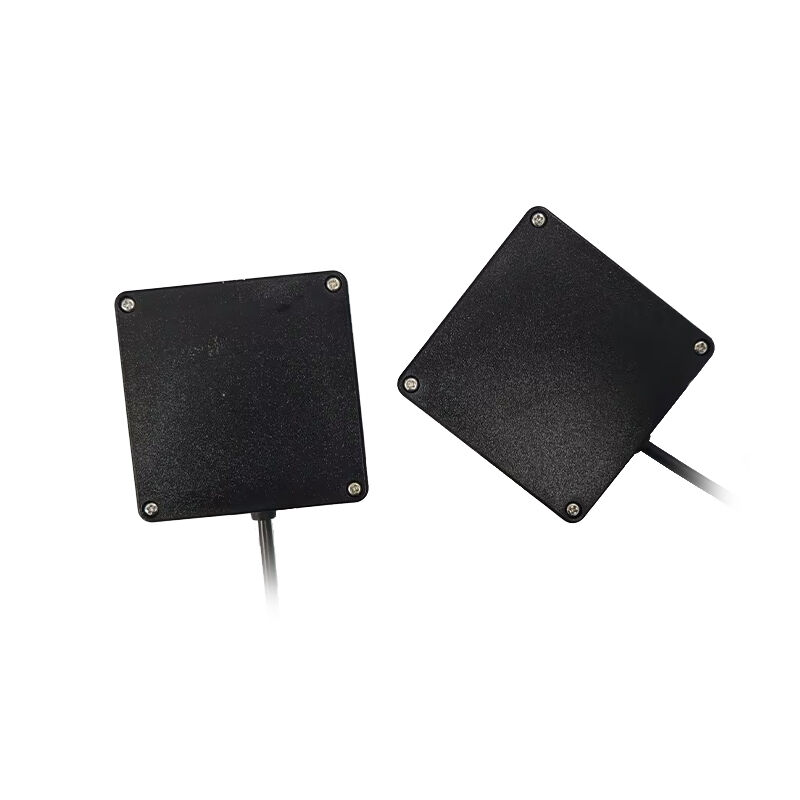
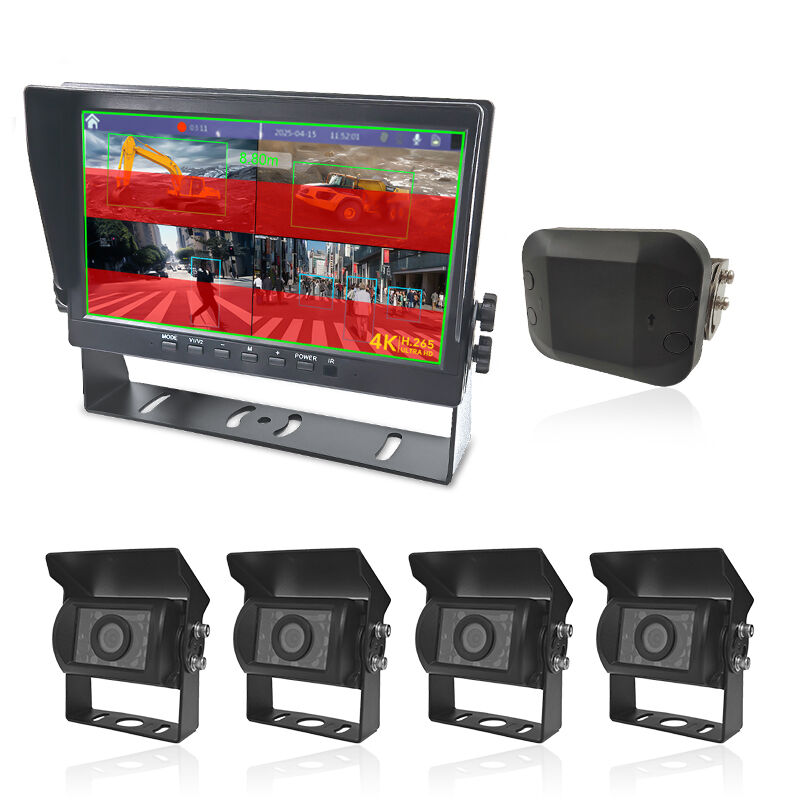
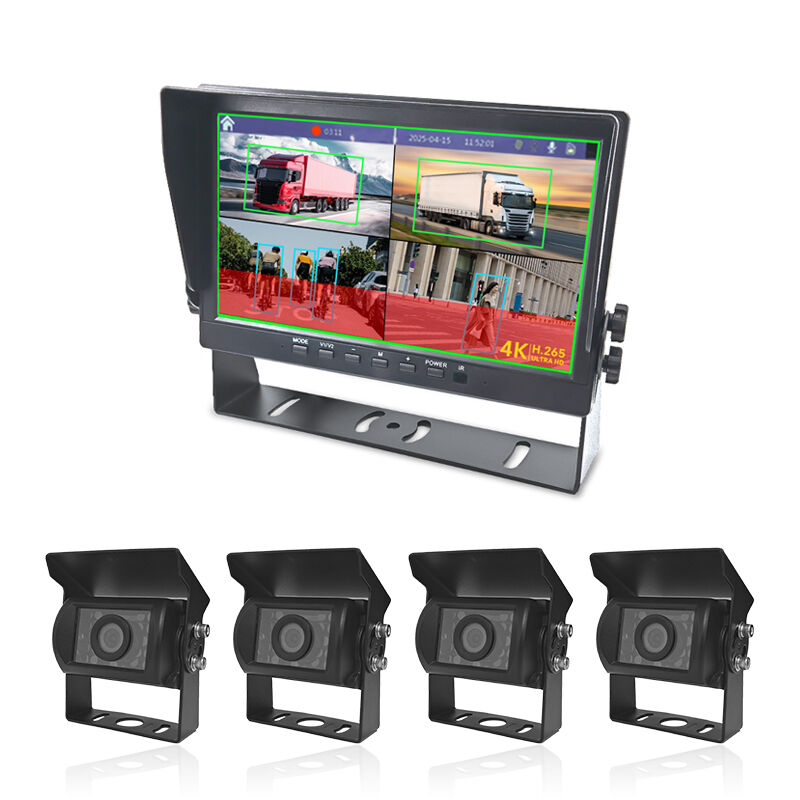
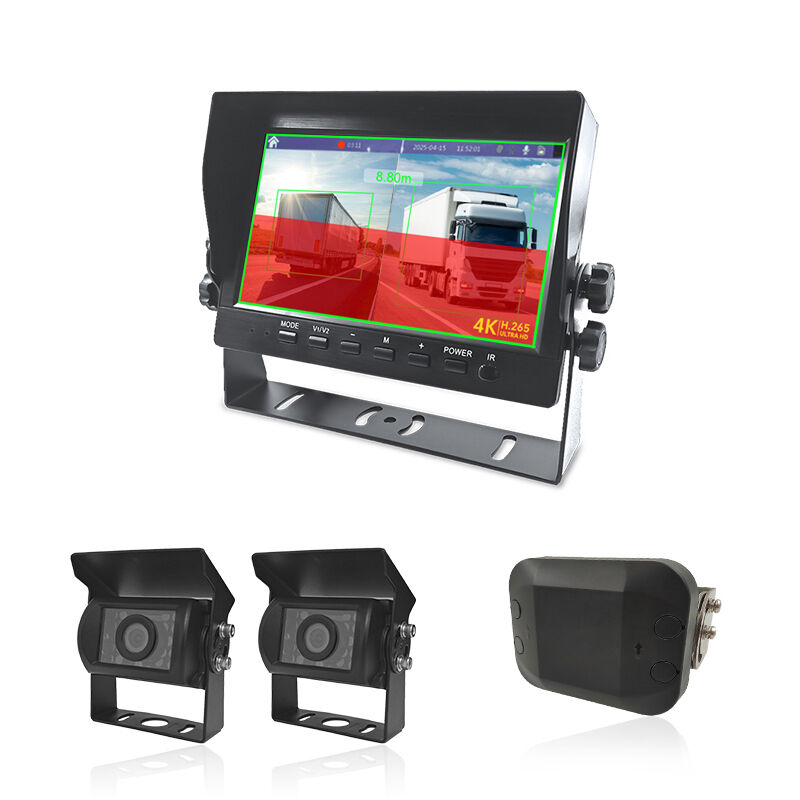
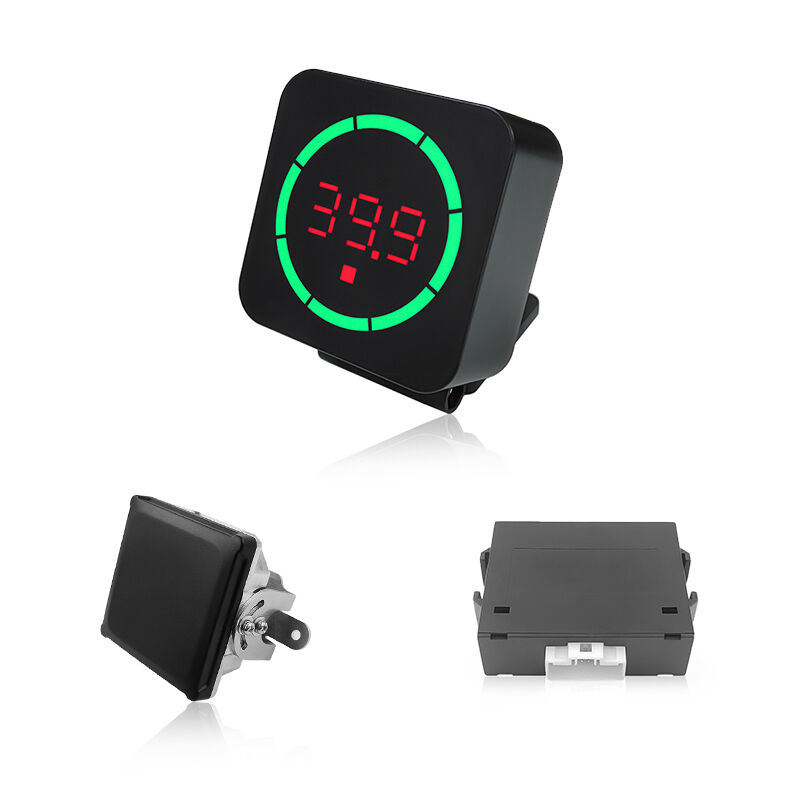
A blind spot detection sensor represents a sophisticated automotive safety technology designed to monitor areas around vehicles that drivers cannot easily observe through mirrors or direct vision. This advanced system utilizes cutting-edge radar, ultrasonic, or camera-based technology to continuously scan the zones alongside and behind vehicles, providing real-time alerts when other vehicles, pedestrians, or obstacles enter these dangerous areas. The blind spot detection sensor operates through strategically positioned sensors mounted on vehicle bumpers, side mirrors, or rear panels, creating an invisible protective barrier that enhances driver awareness and prevents potentially catastrophic accidents. Modern blind spot detection sensor systems integrate seamlessly with vehicle electronic networks, offering multiple alert mechanisms including visual indicators on side mirrors, audible warnings, and haptic feedback through steering wheels or seats. The technology demonstrates remarkable precision in distinguishing between relevant threats and environmental factors, filtering out false alarms from stationary objects like guard rails or bridge supports. Advanced blind spot detection sensor configurations can detect vehicles approaching at high speeds from behind, calculating closure rates and providing graduated warnings based on threat severity. These systems typically activate automatically when vehicles exceed predetermined speeds, ensuring optimal performance during highway driving scenarios where blind spot risks are most pronounced. The blind spot detection sensor technology continues evolving with artificial intelligence integration, enabling predictive analysis of traffic patterns and enhanced object recognition capabilities. Installation versatility allows retrofitting older vehicles with aftermarket blind spot detection sensor solutions, making this safety technology accessible across various vehicle types and age ranges. The system's operational range typically extends several meters behind and alongside vehicles, providing comprehensive coverage of critical blind spot zones that traditional mirrors cannot adequately monitor.

New Product Releases

The blind spot detection sensor delivers immediate safety improvements by eliminating guesswork during lane changes and merging maneuvers. Drivers gain confidence knowing their vehicle actively monitors dangerous areas, reducing stress and anxiety associated with highway driving and urban navigation. This technology significantly decreases accident rates by providing timely warnings before collisions occur, protecting both vehicle occupants and other road users from serious injuries. Insurance companies often recognize vehicles equipped with blind spot detection sensor systems, potentially offering premium discounts due to reduced claim frequencies and accident severity. The system operates continuously without requiring driver input, functioning as a reliable safety net that compensates for human limitations and momentary lapses in attention. Parents particularly benefit when teenage drivers use vehicles with blind spot detection sensor technology, gaining peace of mind knowing additional safety measures protect inexperienced drivers during critical learning phases. Commercial fleet operators experience reduced liability exposure and lower maintenance costs when blind spot detection sensor systems prevent accidents that could damage vehicles and interrupt business operations. The technology proves especially valuable for drivers of larger vehicles, trucks, and SUVs where blind spots naturally extend further and pose greater risks to smaller vehicles and pedestrians. Older drivers benefit significantly from blind spot detection sensor assistance, as age-related vision changes and reduced neck mobility can compromise traditional blind spot checking methods. The system's consistent performance eliminates human error factors that contribute to many traffic accidents, such as forgetting to check mirrors or failing to detect fast-approaching vehicles. Emergency responders and delivery drivers operating in congested urban environments find blind spot detection sensor technology invaluable for navigating tight spaces and busy intersections safely. The technology enhances overall traffic flow efficiency by reducing sudden braking and swerving maneuvers that typically occur when drivers suddenly notice previously undetected vehicles. Resale value increases for vehicles equipped with blind spot detection sensor systems, as safety-conscious buyers actively seek vehicles with advanced driver assistance features. The system's ability to function effectively in various weather conditions ensures year-round protection, unlike human vision which can be compromised by rain, snow, or bright sunlight.

Practical Tips

L3 Autonomous Driving

23

Dec

L3 Autonomous Driving

View More
The 138th Canton Fair

04

Jan

The 138th Canton Fair

View More
2025 HKTDC (Autumn  Edition)

23

Dec

2025 HKTDC (Autumn Edition)

View More

Get a Free Quote

Our representative will contact you soon.
Email
Name
Company Name
Mobile/WhatsApp
Message
0/1000

blind spot detection sensor

Advanced Multi-Sensor Technology for Maximum Detection Accuracy

Advanced Multi-Sensor Technology for Maximum Detection Accuracy

The blind spot detection sensor employs sophisticated multi-sensor fusion technology that combines radar, ultrasonic, and camera systems to create an unparalleled level of detection accuracy and reliability. This comprehensive approach ensures that the blind spot detection sensor can identify vehicles, motorcycles, bicycles, and pedestrians across various environmental conditions and scenarios. The radar components operate on millimeter-wave frequencies, providing excellent performance in adverse weather conditions including heavy rain, snow, fog, and bright sunlight that might compromise camera-only systems. Meanwhile, the ultrasonic sensors excel at detecting nearby objects and slow-moving targets, while high-resolution cameras provide visual confirmation and advanced object classification capabilities. The blind spot detection sensor system processes data from all sensor inputs simultaneously, using advanced algorithms to eliminate false positives and ensure that alerts are triggered only when genuine threats are present. This multi-layered approach significantly reduces the likelihood of missed detections while maintaining user confidence through consistent, accurate performance. The system's ability to distinguish between different object types allows for customized alert responses, providing more urgent warnings for fast-approaching vehicles while offering gentler notifications for slower-moving or stationary objects. The blind spot detection sensor technology continuously calibrates itself based on driving conditions, automatically adjusting sensitivity levels to maintain optimal performance across varying speeds, weather conditions, and traffic densities. Advanced signal processing capabilities enable the system to track multiple objects simultaneously, maintaining awareness of complex traffic scenarios where several vehicles may be present in blind spot zones. The integration of machine learning algorithms allows the blind spot detection sensor to improve its performance over time, learning from driving patterns and environmental factors to provide increasingly accurate and relevant warnings. This technological sophistication ensures that users receive reliable protection regardless of driving conditions, vehicle types encountered, or environmental challenges, making the blind spot detection sensor an indispensable safety feature for modern vehicles.

Seamless Integration and User-Friendly Operation

Seamless Integration and User-Friendly Operation

The blind spot detection sensor system seamlessly integrates with existing vehicle electronics and driver interfaces, providing intuitive operation that enhances rather than distracts from the driving experience. Installation of the blind spot detection sensor requires no modifications to vehicle appearance or functionality, with sensors discretely mounted within existing body panels and connected to the vehicle's electrical system through standardized interfaces. The system activates automatically when the vehicle starts, requiring no driver input or configuration, and operates silently in the background until alerts become necessary. Visual indicators integrated into side mirrors provide clear, immediate feedback using bright LED lights that remain visible in various lighting conditions, while audible alerts can be customized to match driver preferences and ambient noise levels. The blind spot detection sensor system offers multiple alert escalation levels, beginning with subtle visual warnings and progressing to more insistent audio alerts if drivers continue lane change maneuvers despite detected threats. Advanced systems include haptic feedback through steering wheels or seats, providing tactile warnings that drivers can feel even when visual or audio alerts might be missed. The user interface allows drivers to adjust system sensitivity, alert types, and activation speeds according to personal preferences and driving conditions, ensuring that the blind spot detection sensor enhances rather than overwhelms the driving experience. Smart integration with vehicle infotainment systems enables drivers to monitor system status, review recent alerts, and access diagnostic information through familiar touchscreen interfaces. The blind spot detection sensor works harmoniously with other advanced driver assistance systems, sharing sensor data and coordinating responses to provide comprehensive vehicle safety coverage. Smartphone connectivity options allow fleet managers and family members to monitor system performance and receive notifications about potential safety events, extending the protective benefits beyond individual drivers. The system's low power consumption and robust design ensure reliable operation without impacting vehicle battery life or requiring frequent maintenance, while over-the-air update capabilities keep the blind spot detection sensor current with the latest safety algorithms and performance improvements.
Comprehensive Safety Coverage and Accident Prevention

Comprehensive Safety Coverage and Accident Prevention

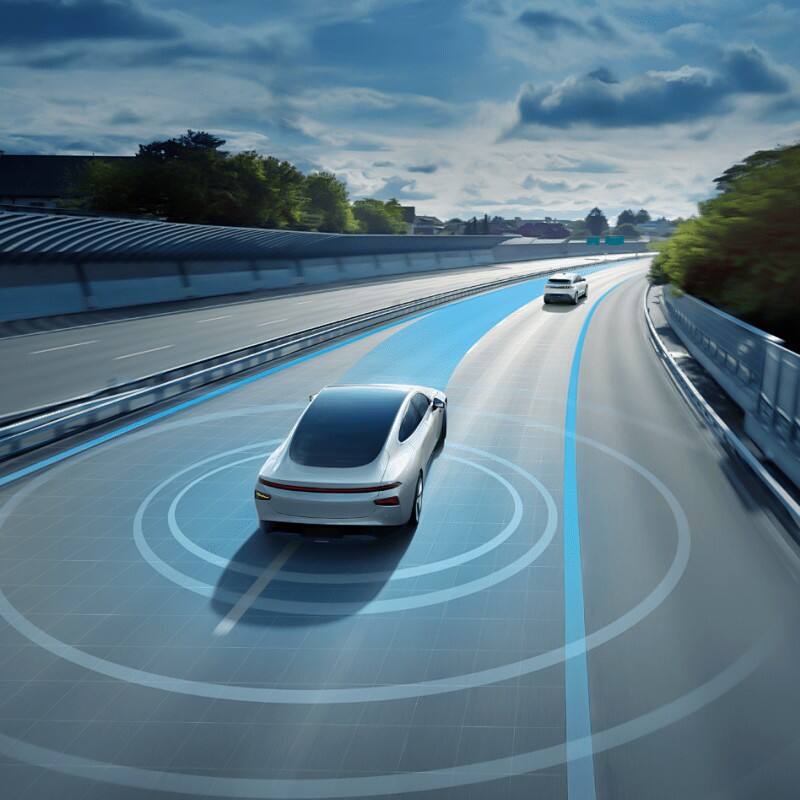
The blind spot detection sensor provides comprehensive safety coverage that extends far beyond traditional mirror-based blind spot monitoring, creating a protective zone around the entire vehicle perimeter. This advanced system continuously monitors areas that are impossible to see through conventional mirrors, including the critical zones directly alongside and slightly behind the vehicle where most lane-change accidents occur. The blind spot detection sensor operates at various speeds, automatically adjusting its monitoring range and sensitivity based on vehicle velocity to provide appropriate coverage for both urban driving and highway conditions. At lower speeds, the system focuses on detecting nearby objects and pedestrians, while at highway speeds, it extends its range to identify fast-approaching vehicles that could quickly enter blind spot zones. The technology provides graduated warnings based on threat severity and proximity, offering gentle alerts for distant objects and increasingly urgent warnings as collision risks escalate. This intelligent alert system helps drivers understand the urgency of different situations without causing unnecessary alarm or distraction during normal driving conditions. The blind spot detection sensor excels at preventing common accident scenarios, including side-swipe collisions during lane changes, backing incidents in parking lots, and accidents involving motorcycles or bicycles that might be difficult to spot in traditional mirrors. Statistical analysis demonstrates that vehicles equipped with blind spot detection sensor technology experience significantly fewer accidents and insurance claims, providing measurable safety improvements that protect both lives and property. The system's ability to detect objects at various heights makes it particularly effective at identifying motorcycles, which often travel in vehicle blind spots and can be challenging for drivers to notice during busy traffic conditions. Emergency vehicle detection capabilities allow the blind spot detection sensor to identify approaching ambulances, fire trucks, and police vehicles, providing early warnings that help drivers safely clear emergency corridors. The technology proves especially valuable in construction zones, school areas, and other high-risk environments where unexpected obstacles or pedestrians might enter vehicle blind spots without warning. Long-term reliability testing demonstrates that blind spot detection sensor systems maintain consistent performance over hundreds of thousands of miles, providing lasting safety benefits throughout vehicle ownership periods while requiring minimal maintenance or calibration adjustments.
Advanced Blind Spot Detection Sensor Technology - Enhanced Vehicle Safety Systems

Get a Free Quote

Our representative will contact you soon.
Email
Name
Company Name
Mobile/WhatsApp
Message
0/1000