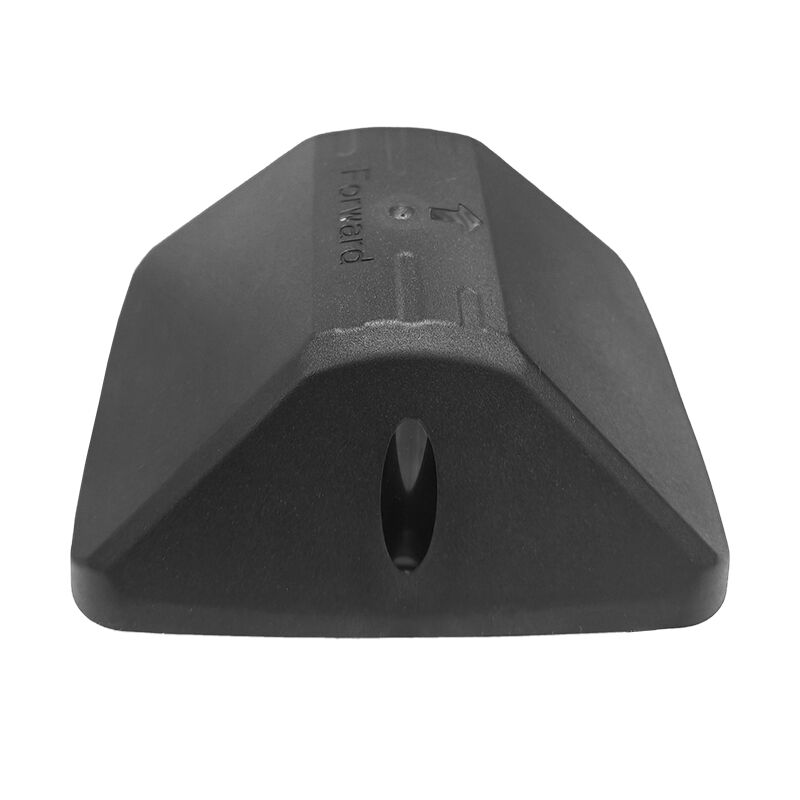
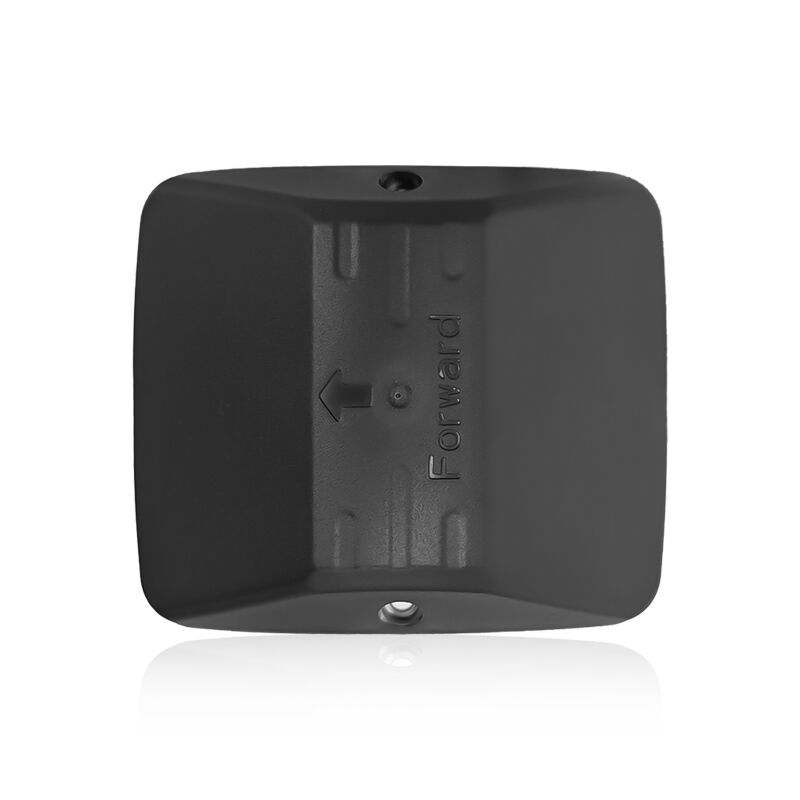
Advanced BSA Sensor Technology: Precision Protein Detection Solutions

Get a Free Quote

Our representative will contact you soon.
Email
Name
Company Name
Mobile/WhatsApp
Message
0/1000

bsa sensor

The BSA sensor represents a groundbreaking advancement in biosensing technology, specifically designed to detect and measure bovine serum albumin concentrations with exceptional precision and reliability. This innovative sensing device operates on sophisticated optical and electrochemical principles, enabling real-time monitoring of protein levels across various biological and industrial applications. The BSA sensor incorporates cutting-edge nanotechnology components, including specially engineered surface plasmon resonance elements and highly sensitive photodetectors that work together to deliver accurate measurements within minutes rather than hours required by traditional laboratory methods. The sensor's core functionality revolves around its ability to recognize specific molecular binding patterns between BSA proteins and its specially designed receptor surface. When BSA molecules come into contact with the sensor's active surface, they create measurable changes in optical properties or electrical conductance, which the device translates into precise concentration readings. This BSA sensor technology finds extensive applications in pharmaceutical research, where accurate protein quantification is crucial for drug development and quality control processes. Medical laboratories utilize BSA sensors for diagnostic purposes, particularly in monitoring protein levels in blood samples and other biological fluids. The food industry also benefits from BSA sensor technology, using these devices to ensure product quality and safety in dairy processing and other protein-rich food manufacturing operations. Agricultural researchers employ BSA sensors to study animal health and nutrition, monitoring protein levels in livestock to optimize feeding strategies and detect potential health issues early. The sensor's versatility extends to environmental monitoring applications, where it helps detect protein contamination in water systems and assesses the impact of agricultural runoff on aquatic ecosystems. Manufacturing facilities use BSA sensors to maintain consistent product quality in biotechnology production lines, ensuring that protein concentrations meet stringent industry standards throughout the production process.

Popular Products

The BSA sensor offers remarkable speed advantages over conventional protein detection methods, delivering accurate results in under five minutes compared to traditional laboratory techniques that require several hours or even days. This rapid response capability enables immediate decision-making in critical applications, whether in medical diagnosis, quality control, or research environments. Users can process multiple samples quickly, dramatically increasing throughput and productivity while reducing operational costs associated with lengthy testing procedures. The sensor's exceptional accuracy represents another significant advantage, with measurement precision typically exceeding 95 percent reliability across various concentration ranges. This high accuracy level ensures consistent results that healthcare professionals, researchers, and quality control specialists can trust for making important decisions. The BSA sensor eliminates human error factors commonly associated with manual testing procedures, providing objective, quantifiable data that supports evidence-based conclusions. Cost-effectiveness stands out as a major benefit, as the BSA sensor reduces the need for expensive laboratory equipment, specialized technicians, and consumable reagents required by traditional protein analysis methods. Organizations can achieve substantial savings on operational expenses while maintaining or improving testing quality standards. The sensor's long lifespan and minimal maintenance requirements further enhance its economic value proposition. Portability features make the BSA sensor incredibly versatile, allowing users to conduct testing at various locations without requiring dedicated laboratory facilities. This mobility advantage proves invaluable for field research, point-of-care medical testing, and on-site quality control applications where immediate results are essential. The compact design doesn't compromise performance, maintaining laboratory-grade accuracy in a convenient, transportable format. User-friendly operation represents a crucial advantage, as the BSA sensor requires minimal training for effective use. The intuitive interface guides users through testing procedures, reducing the likelihood of operational errors and enabling consistent results regardless of operator experience level. This simplicity makes the technology accessible to a broader range of users, from specialized researchers to general healthcare workers. Environmental benefits include reduced chemical waste generation compared to traditional protein testing methods that rely on multiple reagents and solvents. The BSA sensor's clean operation aligns with sustainability goals while maintaining superior performance standards. Real-time monitoring capabilities allow continuous tracking of protein levels, enabling proactive responses to changing conditions rather than reactive measures based on delayed test results.

Practical Tips

L3 Autonomous Driving

23

Dec

L3 Autonomous Driving

View More
The 138th Canton Fair

04

Jan

The 138th Canton Fair

View More
2025 HKTDC (Autumn  Edition)

23

Dec

2025 HKTDC (Autumn Edition)

View More

Get a Free Quote

Our representative will contact you soon.
Email
Name
Company Name
Mobile/WhatsApp
Message
0/1000

bsa sensor

Advanced Optical Detection Technology

Advanced Optical Detection Technology

The BSA sensor employs state-of-the-art optical detection technology that revolutionizes protein sensing capabilities through sophisticated surface plasmon resonance mechanisms combined with advanced photonic systems. This innovative approach utilizes precisely engineered gold nanoparticles embedded within a specialized sensing surface that creates highly sensitive optical responses when BSA proteins bind to designated receptor sites. The optical system incorporates multiple wavelength detection capabilities, allowing simultaneous measurement of different protein binding events and providing comprehensive analysis data that traditional single-wavelength systems cannot achieve. The sensor's optical components include high-resolution photodiodes, precision optical filters, and stabilized light sources that work together to detect minute changes in refractive index caused by protein binding events. These optical changes are processed through advanced algorithms that convert raw optical signals into accurate concentration measurements with remarkable precision. The system's ability to differentiate between specific protein types and concentrations makes it invaluable for applications requiring detailed protein analysis. The optical detection method offers significant advantages over electrochemical alternatives, including immunity to electrical interference, enhanced stability in various environmental conditions, and the ability to perform non-destructive measurements that preserve sample integrity for additional testing if needed. The BSA sensor's optical technology enables real-time monitoring capabilities, allowing continuous observation of protein concentration changes over time, which proves essential for dynamic biological processes and quality control applications where protein levels fluctuate. This advanced optical detection system requires minimal calibration and maintains consistent performance across thousands of measurement cycles, ensuring reliable long-term operation. The technology's sensitivity allows detection of BSA concentrations at extremely low levels, making it suitable for early-stage research applications and trace analysis requirements that conventional methods cannot address effectively.
Versatile Multi-Platform Integration

Versatile Multi-Platform Integration

The BSA sensor demonstrates exceptional integration versatility, seamlessly connecting with existing laboratory information management systems, mobile devices, and automated testing platforms through multiple communication protocols including WiFi, Bluetooth, USB, and Ethernet connections. This comprehensive connectivity ensures compatibility with diverse technological environments, from traditional laboratory setups to modern digital healthcare systems. The sensor's integration capabilities extend beyond simple data transmission, offering sophisticated data management features that automatically organize, store, and analyze measurement results according to user-defined parameters and industry standard protocols. Integration with electronic health records systems enables healthcare providers to incorporate BSA sensor data directly into patient files, streamlining workflow processes and ensuring comprehensive medical documentation. Research institutions benefit from the sensor's ability to interface with statistical analysis software, allowing seamless data export to specialized research platforms for advanced analysis and visualization. The BSA sensor supports multiple programming interfaces, enabling custom software development for specialized applications and unique workflow requirements. Manufacturing environments utilize the sensor's integration with process control systems, allowing automated quality control decisions based on real-time protein concentration measurements. The sensor's data logging capabilities store extensive measurement histories, supporting traceability requirements and regulatory compliance in pharmaceutical and food production industries. Remote monitoring capabilities enable users to access BSA sensor data from any location through secure cloud-based platforms, facilitating collaborative research projects and distributed quality control operations. The integration platform includes customizable alert systems that notify users when protein concentrations exceed predetermined thresholds, enabling immediate corrective actions in critical applications. Multi-user access controls ensure data security while allowing appropriate personnel to access relevant measurement information based on their authorization levels. The sensor's integration features include automated calibration scheduling, maintenance reminders, and performance monitoring that helps maintain optimal operation without requiring constant manual oversight.

Robust Environmental Adaptability

Robust Environmental Adaptability

The BSA sensor exhibits remarkable environmental adaptability, maintaining consistent performance across diverse operating conditions including temperature fluctuations, humidity variations, and challenging atmospheric environments that typically compromise traditional protein detection methods. This robust design incorporates advanced temperature compensation algorithms that automatically adjust measurement parameters to account for thermal effects on protein binding kinetics and optical properties, ensuring accurate results whether operating in frigid laboratory conditions or elevated temperature industrial environments. The sensor's protective housing utilizes specialized materials that resist chemical corrosion, moisture penetration, and physical damage while maintaining optical clarity and electrical integrity essential for precise measurements. Humidity resistance capabilities allow reliable operation in high-moisture environments such as food processing facilities, greenhouse research settings, and tropical field locations where conventional electronic equipment often fails. The BSA sensor's internal components feature enhanced sealing mechanisms that prevent contamination from airborne particles, chemical vapors, and biological aerosols that could interfere with measurement accuracy. Vibration resistance ensures stable operation in industrial settings where machinery-generated mechanical disturbances typically affect sensitive measurement equipment. The sensor's electromagnetic interference shielding protects against signal disruption from nearby electronic devices, radio transmissions, and power line fluctuations commonly encountered in complex facility environments. Extended operational temperature ranges allow the BSA sensor to function effectively from sub-zero research applications to high-temperature industrial processes, expanding its utility across diverse application scenarios. The device incorporates automatic environmental monitoring that continuously assesses operating conditions and adjusts internal parameters to maintain optimal performance while alerting users to potentially problematic environmental changes. Contamination resistance features include self-cleaning capabilities that minimize sample carryover between measurements and reduce maintenance requirements in demanding operational environments. The sensor's durability extends to its optical components, which resist degradation from ultraviolet exposure, chemical vapors, and thermal cycling that typically reduce the lifespan of sensitive measurement equipment. Field-deployable design characteristics enable extended operation without access to controlled laboratory conditions, supporting research expeditions, remote monitoring applications, and emergency response scenarios where immediate protein analysis capability proves essential.
Advanced BSA Sensor Technology: Precision Protein Detection Solutions

Get a Free Quote

Our representative will contact you soon.
Email
Name
Company Name
Mobile/WhatsApp
Message
0/1000