Advanced Blind Spot Alert Systems - Enhanced Safety Technology for Modern Vehicles

Get a Free Quote

Our representative will contact you soon.
Email
Name
Company Name
Mobile/WhatsApp
Message
0/1000

blind spot alert

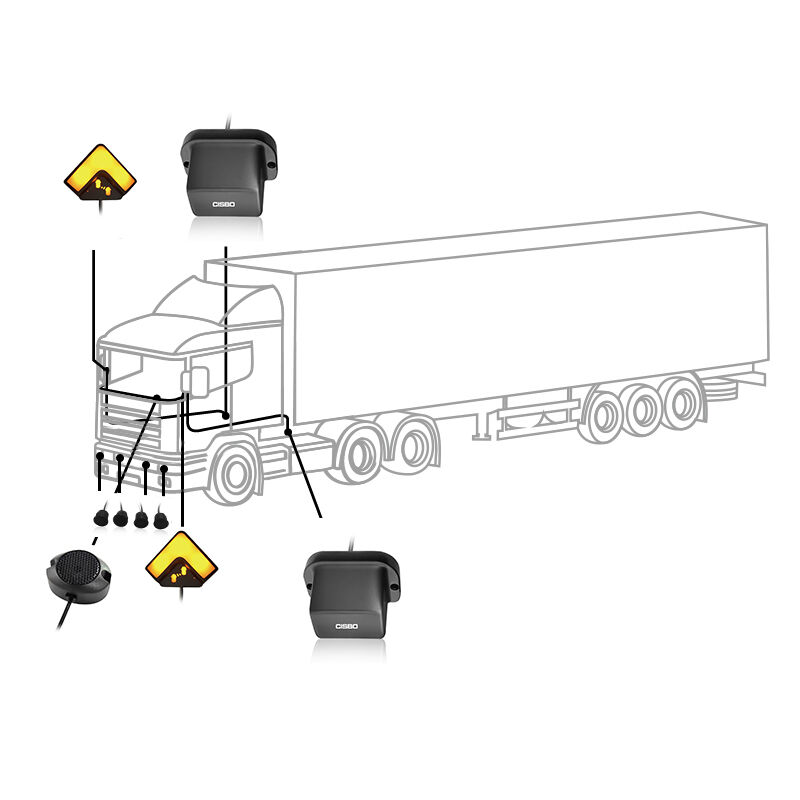
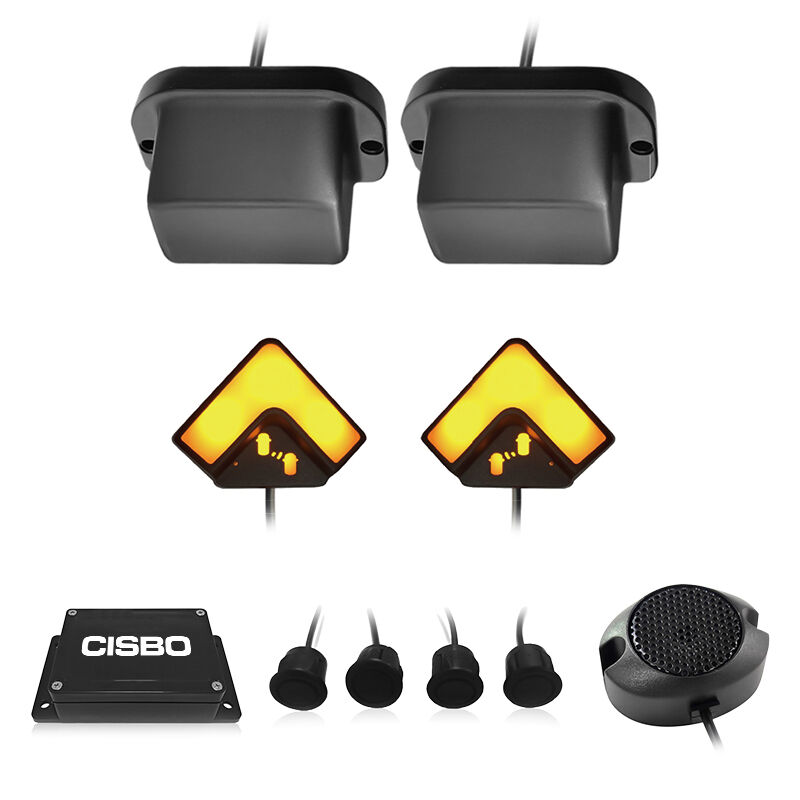
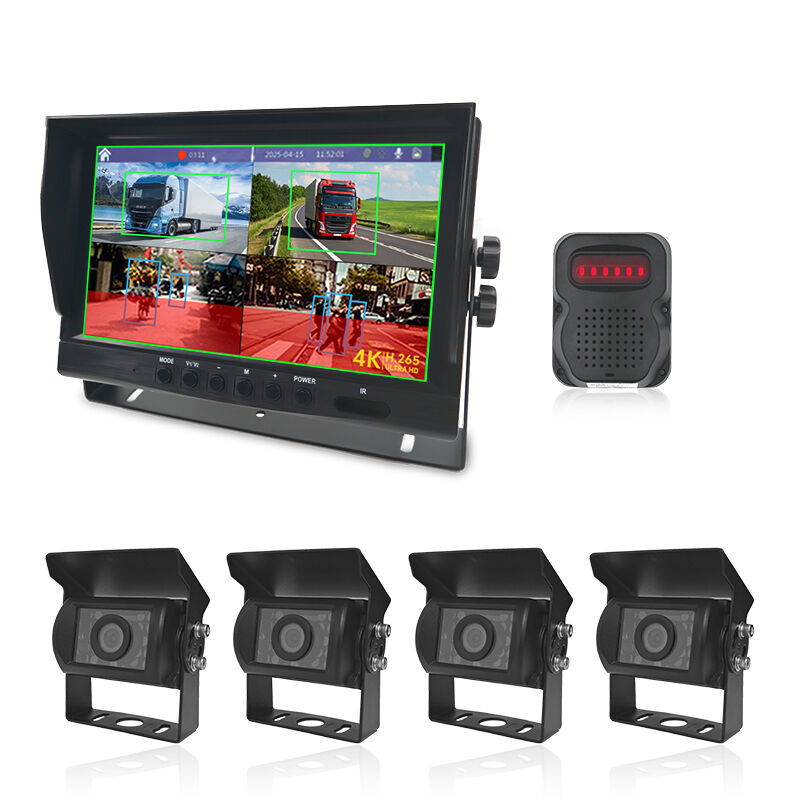
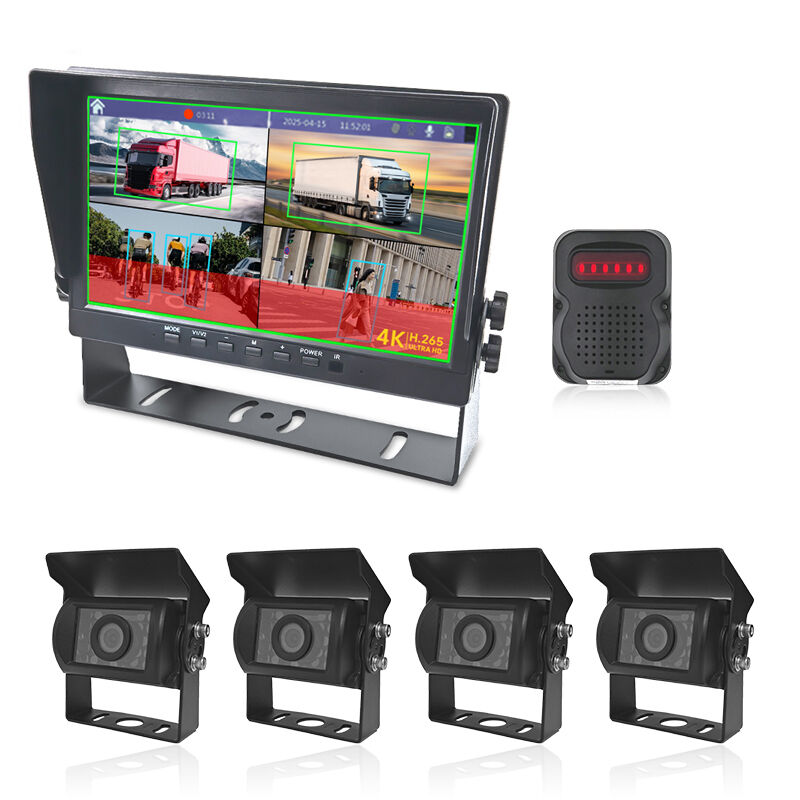
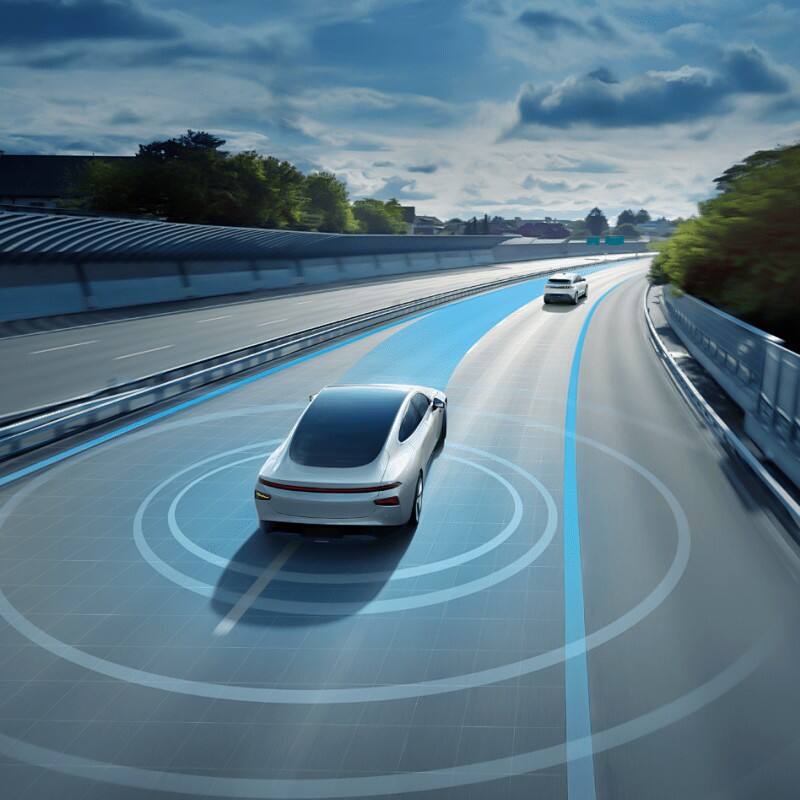
Blind spot alert represents a revolutionary advancement in automotive safety technology, designed to enhance driver awareness and prevent potentially dangerous lane-change collisions. This sophisticated system utilizes advanced sensor technology to monitor areas around your vehicle that traditional mirrors cannot adequately cover, creating a comprehensive safety network that protects you and your passengers during every journey. The blind spot alert system employs multiple detection methods, including radar sensors, ultrasonic technology, and sometimes camera-based monitoring, strategically positioned throughout the vehicle to create an invisible safety barrier. These sensors continuously scan the adjacent lanes, detecting vehicles, motorcycles, and other objects that may be lurking in your blind spots. When the system identifies a potential hazard, it immediately activates visual and audible warnings to alert the driver, typically through illuminated icons in the side mirrors or dashboard displays. Modern blind spot alert systems have evolved beyond simple detection, incorporating intelligent algorithms that can differentiate between various types of objects and assess their relative speed and trajectory. This advanced processing capability allows the system to provide more accurate and relevant warnings, reducing false alarms while ensuring genuine threats are never missed. The technology operates seamlessly across various driving conditions, from busy urban environments to high-speed highway travel, adapting its sensitivity and response parameters to match the specific driving situation. Integration with other vehicle safety systems creates a comprehensive protection network that works in harmony with features like lane departure warning, automatic emergency braking, and adaptive cruise control. The blind spot alert system typically activates automatically when the vehicle reaches certain speeds, ensuring consistent protection during highway driving while avoiding unnecessary alerts during low-speed parking maneuvers. Installation and calibration processes have been streamlined in modern vehicles, with most systems requiring minimal setup and automatically adjusting to different driving conditions and environments through sophisticated learning algorithms.

New Products

The blind spot alert system delivers exceptional peace of mind for drivers who frequently navigate busy highways and congested urban streets, where vehicles can quickly appear and disappear from adjacent lanes without warning. This advanced safety technology significantly reduces the risk of side-swipe collisions and lane-change accidents, which account for a substantial percentage of highway incidents according to traffic safety statistics. Drivers benefit from enhanced situational awareness without the need to constantly check mirrors or turn their heads to scan blind spots, allowing them to maintain better forward focus and reaction times. The system proves particularly valuable during adverse weather conditions when visibility becomes compromised, as the radar and sensor technology continues operating effectively even when rain, snow, or fog obscures human vision. Parents and families especially appreciate how blind spot alert technology provides an additional layer of protection when traveling with children, creating confidence during family road trips and daily commuting. The technology works continuously without driver input, ensuring consistent protection even during moments of fatigue or distraction when human vigilance might naturally decrease. Commercial drivers and fleet operators find tremendous value in blind spot alert systems, as they help reduce insurance costs, minimize vehicle damage, and protect valuable cargo while maintaining delivery schedules. The system enhances overall driving comfort by eliminating much of the anxiety associated with lane changes and highway merging, particularly for newer drivers who may lack extensive experience judging distances and vehicle speeds. Integration with modern vehicle infotainment systems allows drivers to customize alert preferences, adjusting sensitivity levels and warning types to match their personal driving style and preferences. The blind spot alert system requires no special maintenance or regular calibration once properly installed, operating reliably for years with minimal intervention while providing consistent performance across various driving environments. Cost-effectiveness becomes apparent when considering the potential expenses associated with collision repairs, insurance claims, and medical bills that the system helps prevent through its proactive safety monitoring.

Latest News

L3 Autonomous Driving

23

Dec

L3 Autonomous Driving

View More
The 138th Canton Fair

04

Jan

The 138th Canton Fair

View More
2025 HKTDC (Autumn  Edition)

23

Dec

2025 HKTDC (Autumn Edition)

View More

Get a Free Quote

Our representative will contact you soon.
Email
Name
Company Name
Mobile/WhatsApp
Message
0/1000

blind spot alert

Advanced Multi-Sensor Detection Technology

Advanced Multi-Sensor Detection Technology

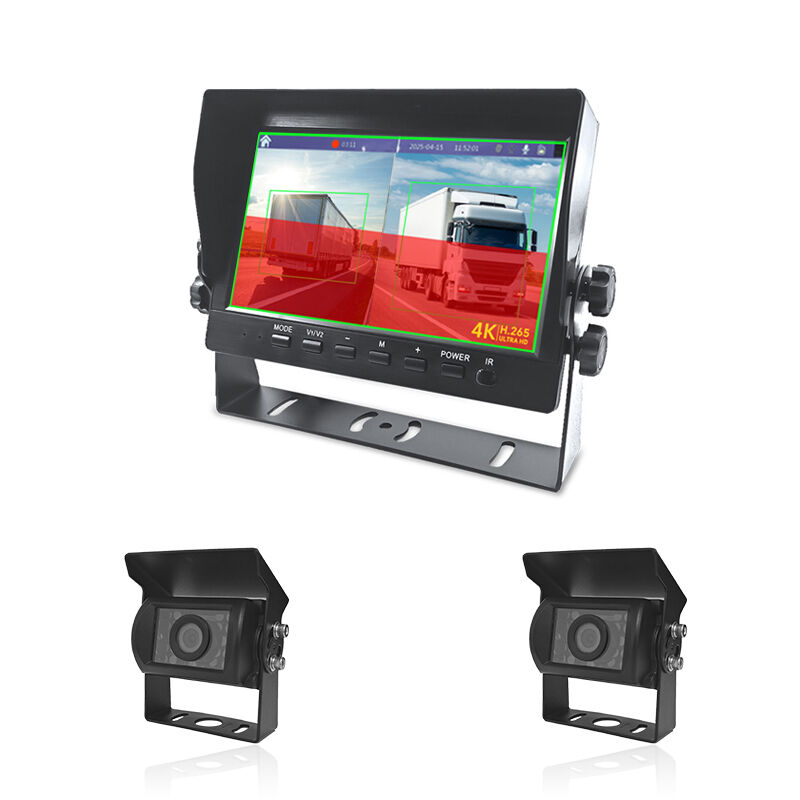
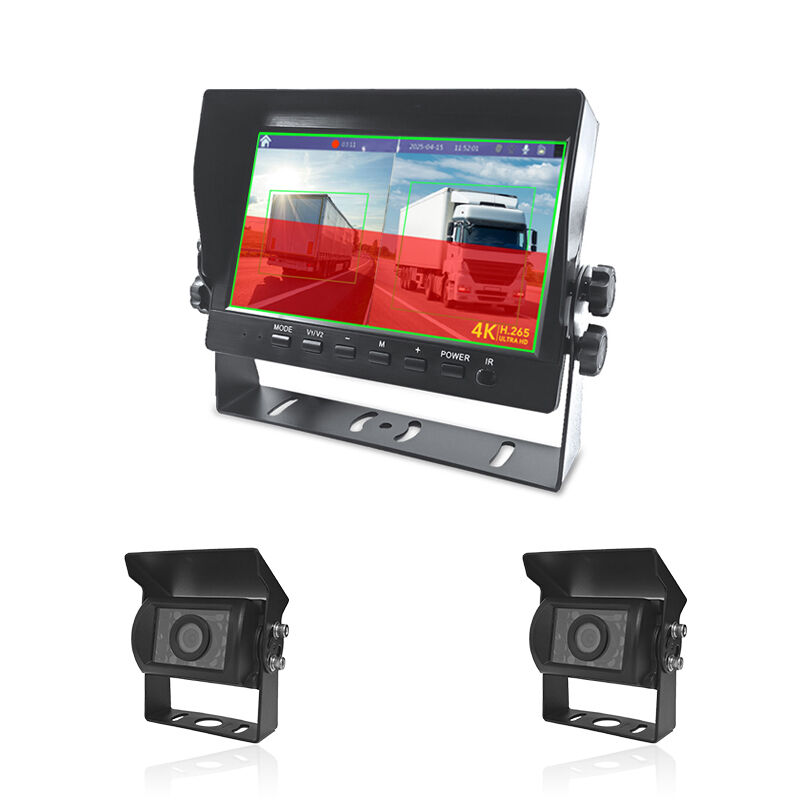
The blind spot alert system incorporates cutting-edge multi-sensor detection technology that represents the pinnacle of automotive safety innovation, utilizing sophisticated radar arrays, ultrasonic sensors, and advanced camera systems working in perfect coordination to create an impenetrable detection network around your vehicle. This comprehensive sensor integration ensures that no potential hazard goes unnoticed, regardless of weather conditions, lighting situations, or the type of approaching vehicle. The radar sensors operate on high-frequency bands that can penetrate through rain, snow, fog, and dust, maintaining consistent detection capabilities when traditional vision-based systems might fail. These sensors can accurately measure the distance, speed, and trajectory of approaching vehicles, providing precise data that enables the system to calculate potential collision risks with remarkable accuracy. The ultrasonic components add another layer of detection capability, particularly effective for detecting smaller objects like motorcycles or bicycles that might otherwise escape notice. Camera-based elements provide visual confirmation and enhanced object recognition, utilizing artificial intelligence algorithms to distinguish between actual vehicles and stationary objects like guardrails or road signs. The integration of these multiple detection methods creates redundancy that eliminates blind spots in the detection system itself, ensuring that if one sensor type encounters interference or obstruction, the others continue providing reliable monitoring. Advanced signal processing algorithms analyze data from all sensors simultaneously, cross-referencing information to eliminate false positives while ensuring genuine threats trigger appropriate warnings. The system continuously adapts its detection parameters based on driving speed, road conditions, and traffic density, optimizing performance for each unique driving situation. This technological sophistication extends to the system's ability to distinguish between vehicles that pose genuine risks and those that are safely positioned in adjacent lanes with sufficient clearance for safe lane changes.
Intelligent Warning System with Customizable Alerts

Intelligent Warning System with Customizable Alerts

The blind spot alert system features an intelligent warning mechanism that delivers critical safety information through multiple sensory channels, ensuring drivers receive timely and unmistakable notifications about potential hazards lurking in their vehicle's blind spots. This sophisticated alert system employs visual indicators strategically positioned in side mirrors, dashboard displays, and sometimes head-up display units, creating multiple points of visual reference that naturally catch the driver's attention without causing distraction from primary driving tasks. The visual warnings typically utilize bright LED lights or illuminated symbols that are clearly visible in all lighting conditions, from bright daylight to complete darkness, with automatic brightness adjustment to prevent glare while maintaining visibility. Audible alerts complement the visual warnings, featuring carefully designed tones that are attention-grabbing without being startling or disruptive to the overall driving experience. These audio signals can be customized in terms of volume, tone, and frequency to match individual driver preferences and hearing capabilities. The system's intelligence shines through its ability to provide graduated warnings based on the severity and immediacy of detected threats, offering gentle notifications for distant vehicles while escalating to more urgent alerts when collision risks increase. Advanced versions incorporate haptic feedback through steering wheel vibration or seat-mounted tactile alerts, providing an additional sensory channel that proves particularly valuable for drivers with hearing impairments or in noisy driving environments. The customization options extend to allowing drivers to adjust sensitivity levels, choose preferred warning types, and even set different alert patterns for various driving scenarios such as highway travel versus urban driving. Integration with the vehicle's infotainment system enables easy access to these customization options through familiar touchscreen interfaces, making personalization simple and intuitive. The warning system demonstrates remarkable intelligence in timing, activating alerts at precisely the right moment to provide adequate reaction time without triggering premature warnings that might cause unnecessary anxiety or alert fatigue over extended driving periods.
Seamless Integration with Vehicle Safety Ecosystem

Seamless Integration with Vehicle Safety Ecosystem

The blind spot alert system represents a cornerstone component of modern vehicle safety architecture, designed to work in perfect harmony with existing and emerging safety technologies to create a comprehensive protection network that elevates overall vehicle safety performance to unprecedented levels. This integration capability allows the blind spot alert system to share critical data with other safety systems, including adaptive cruise control, lane departure warning, automatic emergency braking, and collision avoidance systems, creating a synergistic effect where the combined safety benefits exceed what any individual system could provide alone. The seamless communication between these systems enables sophisticated safety responses, such as automatically adjusting cruise control settings when the blind spot alert detects vehicles in adjacent lanes, or coordinating with lane-keeping assistance to prevent inadvertent lane changes when hazards are present. This interconnected approach extends to integration with navigation systems, where the blind spot alert can receive information about upcoming highway interchanges, construction zones, or areas with heavy traffic merging, allowing the system to proactively adjust its sensitivity and alert parameters. The integration also encompasses vehicle-to-vehicle communication capabilities in newer models, where blind spot alert systems can receive signals from other equipped vehicles, creating an extended awareness network that provides information about vehicles beyond the direct sensor range. Fleet management systems benefit tremendously from this integration, as blind spot alert data can be transmitted to fleet monitoring centers, providing valuable insights into driver behavior, safety incidents, and route optimization opportunities. The system's compatibility with smartphone applications enables remote monitoring and configuration, allowing vehicle owners to review safety events, adjust settings, and receive maintenance notifications through familiar mobile interfaces. Advanced integration includes connection with emergency response systems, where severe blind spot alert activations can trigger automatic emergency calls or alert emergency contacts about potential collision events. The seamless integration philosophy extends to the user interface, where blind spot alert information is naturally incorporated into existing dashboard displays and infotainment screens without adding complexity or creating information overload for drivers.

Advanced Blind Spot Alert Systems - Enhanced Safety Technology for Modern Vehicles

Get a Free Quote

Our representative will contact you soon.
Email
Name
Company Name
Mobile/WhatsApp
Message
0/1000