Advanced Blind Spot Assist Technology: Enhanced Vehicle Safety and Driver Protection Systems

Get a Free Quote

Our representative will contact you soon.
Email
Name
Company Name
Mobile/WhatsApp
Message
0/1000

blind spot assist

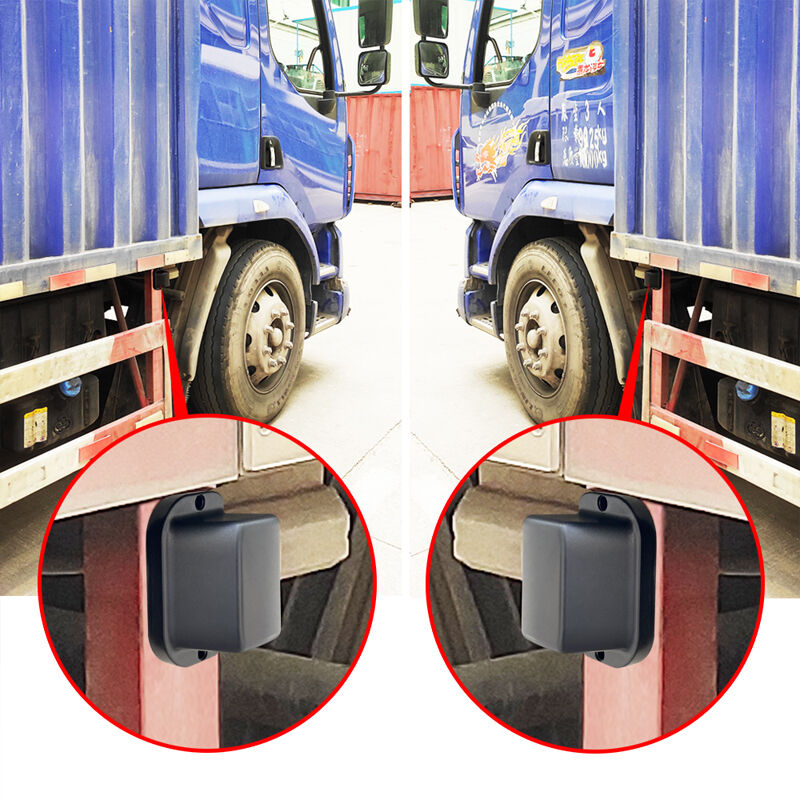
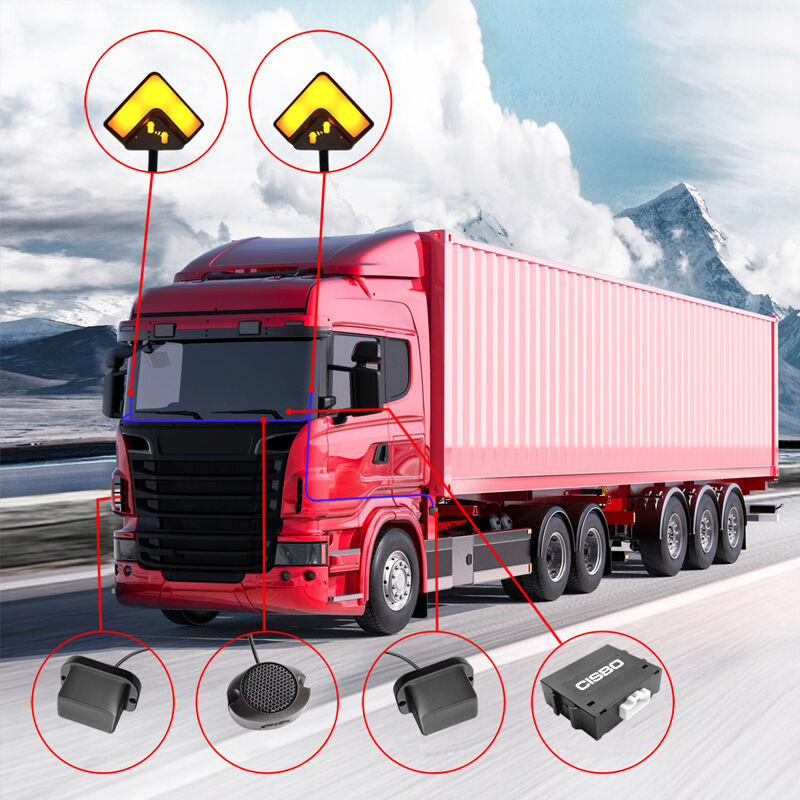
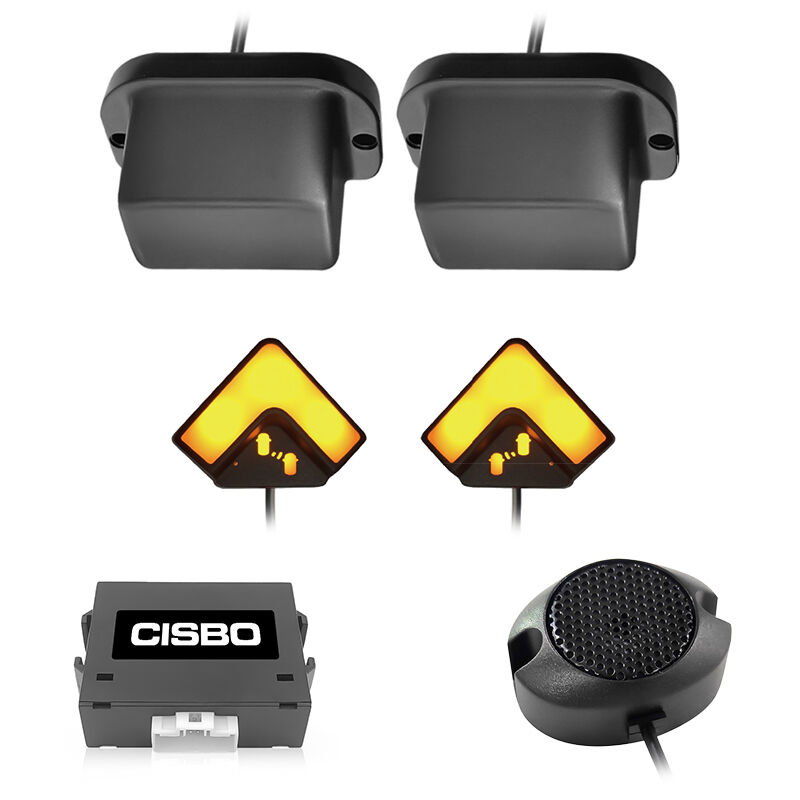
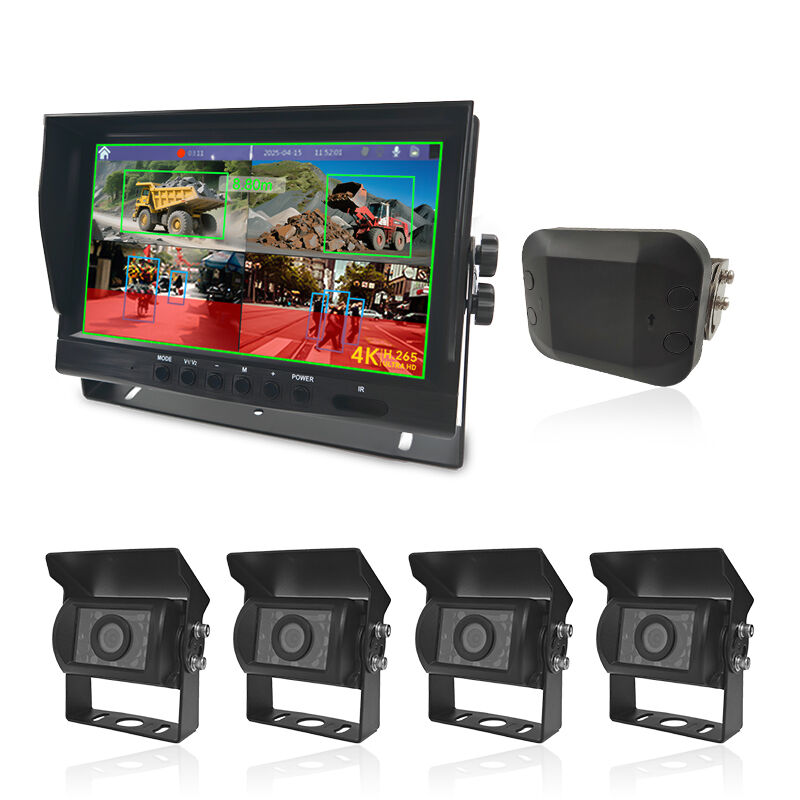
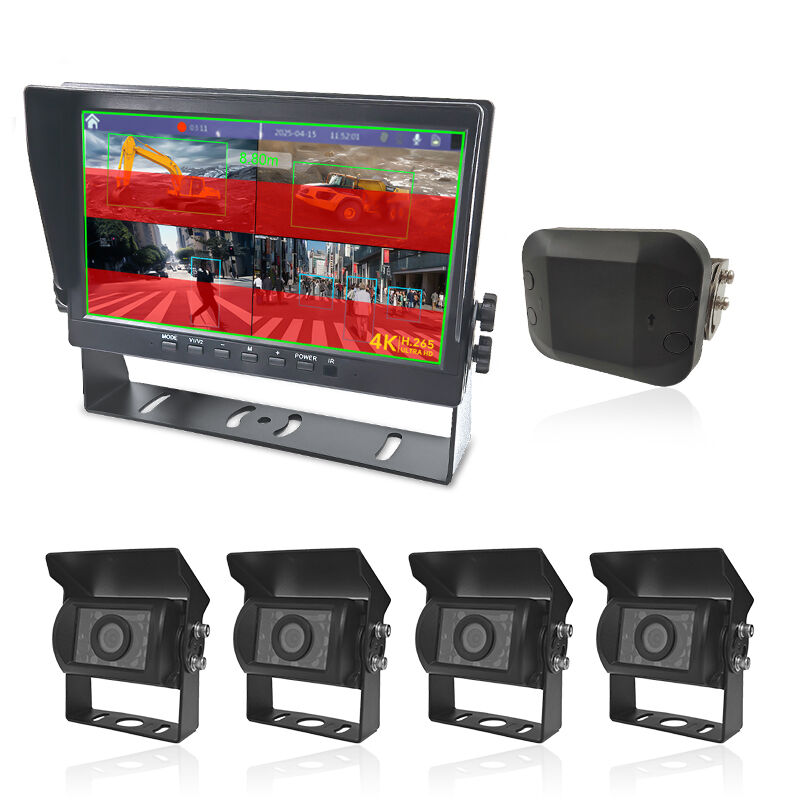
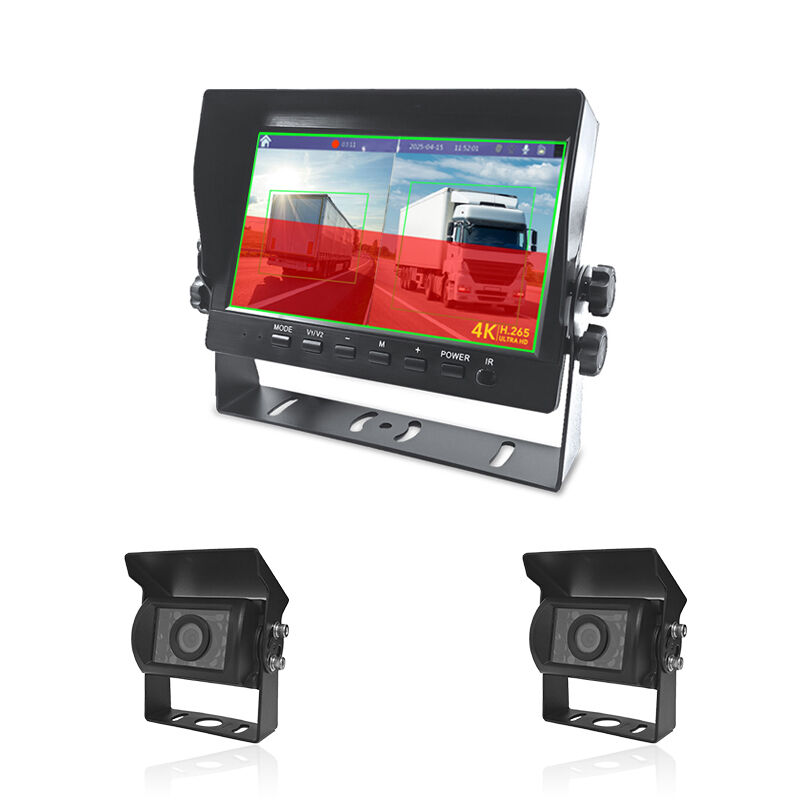
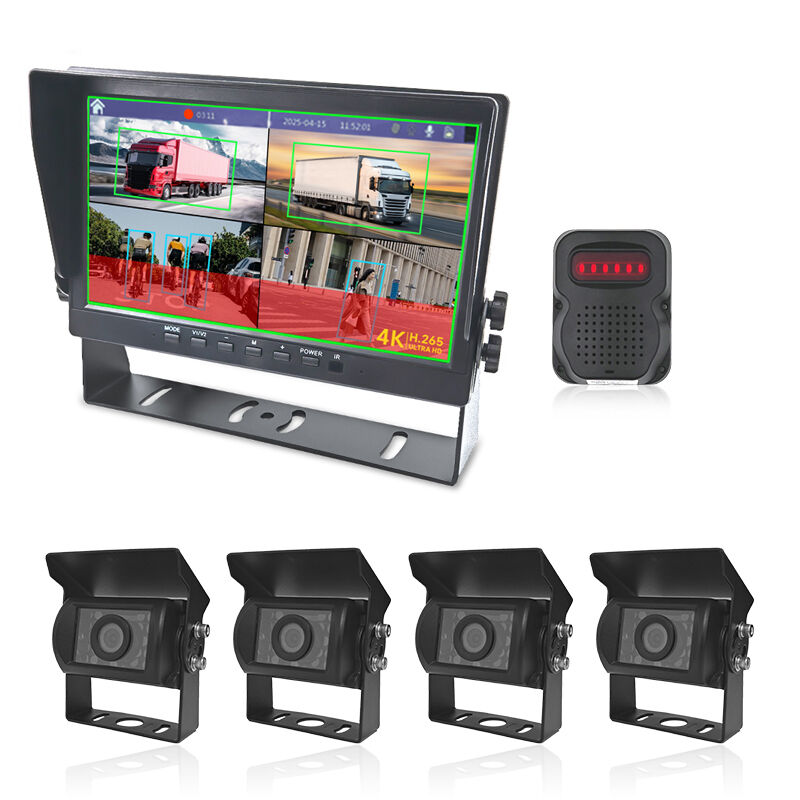
Blind spot assist represents a revolutionary automotive safety technology designed to enhance driver awareness and prevent potentially dangerous lane-change accidents. This sophisticated system utilizes an array of sensors, cameras, and radar technology to continuously monitor the areas around your vehicle that traditional mirrors cannot adequately cover. The primary function of blind spot assist involves detecting vehicles, motorcycles, or other objects positioned in adjacent lanes that might be invisible to drivers during normal mirror checks. When the system identifies a potential hazard in your blind spot, it immediately alerts you through visual indicators, audible warnings, or tactile feedback, depending on your vehicle's specific configuration. The technological foundation of blind spot assist relies on strategically positioned radar sensors typically mounted in the rear bumper or side mirrors, working in conjunction with advanced camera systems and sophisticated algorithms. These components collaborate to create a comprehensive monitoring network that extends your vehicle's detection capabilities far beyond human limitations. Modern blind spot assist systems can effectively monitor distances ranging from immediately adjacent to your vehicle up to several meters away, ensuring comprehensive coverage of critical areas. The system operates continuously while driving, automatically activating at speeds typically above 20 mph and remaining vigilant during highway driving, city navigation, and parking maneuvers. Advanced versions of blind spot assist integrate seamlessly with other vehicle safety systems, including lane departure warnings, collision avoidance systems, and automated emergency braking. The application scope of this technology extends across various vehicle categories, from compact cars to large SUVs and commercial vehicles, with each implementation tailored to specific vehicle dimensions and driving characteristics. Many contemporary blind spot assist systems also feature cross-traffic alerts, which prove invaluable when reversing out of parking spaces or driveways where pedestrians or vehicles might approach from sides.

Popular Products

Blind spot assist delivers numerous practical benefits that directly translate to safer, more confident driving experiences for vehicle owners. The most significant advantage involves dramatically reducing the risk of side-swipe accidents and lane-change collisions, which account for thousands of traffic incidents annually. By providing real-time alerts about vehicles or obstacles in your blind spots, this system essentially gives you extra sets of eyes, eliminating the guesswork and uncertainty that often accompany lane changes or merging maneuvers. The technology proves particularly valuable for new drivers who are still developing spatial awareness skills and experienced drivers whose reflexes or vision might not be as sharp as they once were. Families with teenage drivers find blind spot assist especially reassuring, as it provides an additional safety net during the critical learning period when driving skills are still being refined. The system operates silently in the background, requiring no conscious effort or activation from the driver, which means it consistently provides protection without adding complexity to the driving experience. Unlike passive safety features that only function during accidents, blind spot assist actively prevents incidents from occurring in the first place, potentially saving lives and avoiding costly vehicle repairs. The financial benefits extend beyond accident prevention, as many insurance companies offer premium discounts for vehicles equipped with advanced driver assistance systems like blind spot assist. Additionally, the technology enhances resale value, as safety-conscious buyers increasingly prioritize vehicles with comprehensive safety features. The system adapts to various driving conditions, functioning effectively in daylight, darkness, rain, and moderate weather conditions, ensuring consistent protection regardless of environmental factors. Parking becomes significantly easier and safer with blind spot assist, particularly in crowded lots where pedestrians and shopping carts might suddenly appear in previously clear areas. The peace of mind that comes with knowing your vehicle actively monitors dangerous blind spots allows drivers to focus more attention on the road ahead while maintaining confidence in their ability to change lanes safely. For commercial drivers and fleet operators, blind spot assist reduces liability risks and demonstrates commitment to employee safety and public welfare.

Tips And Tricks

L3 Autonomous Driving

23

Dec

L3 Autonomous Driving

View More
The 138th Canton Fair

04

Jan

The 138th Canton Fair

View More
2025 HKTDC (Autumn  Edition)

23

Dec

2025 HKTDC (Autumn Edition)

View More

Get a Free Quote

Our representative will contact you soon.
Email
Name
Company Name
Mobile/WhatsApp
Message
0/1000

blind spot assist

Advanced Sensor Technology and Real-Time Detection Capabilities

Advanced Sensor Technology and Real-Time Detection Capabilities

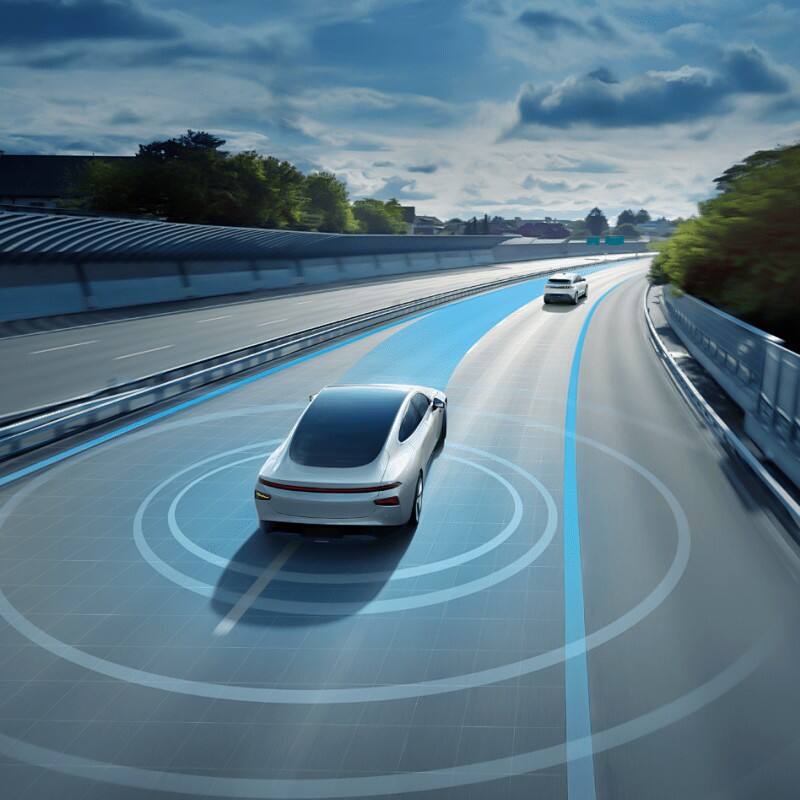
The sophisticated sensor array that powers blind spot assist represents cutting-edge automotive technology engineered to provide unparalleled situational awareness around your vehicle. High-frequency radar sensors, typically operating at 24 GHz or 77 GHz frequencies, form the backbone of this system, offering exceptional precision in detecting objects regardless of lighting conditions or weather interference. These sensors emit radio waves that bounce off nearby vehicles, motorcycles, bicycles, and even pedestrians, creating detailed digital maps of your vehicle's surroundings that update multiple times per second. The system's ability to distinguish between stationary objects like guardrails or bridge supports and moving vehicles ensures that drivers receive relevant alerts without unnecessary distractions. Advanced signal processing algorithms analyze the speed, trajectory, and relative position of detected objects, predicting potential collision scenarios before they become critical. The integration of multiple sensor types creates redundancy that enhances system reliability, ensuring that if one sensor temporarily loses effectiveness due to dirt, snow, or minor damage, other sensors maintain protective coverage. Modern blind spot assist systems can detect vehicles approaching at closing speeds up to 70 mph, providing ample warning time for drivers to make informed decisions about lane changes or merging maneuvers. The sensors operate continuously while the vehicle is in motion, automatically calibrating themselves to account for different loading conditions that might affect vehicle height or sensor positioning. Temperature compensation ensures accurate operation in extreme weather conditions, from scorching summer heat to frigid winter temperatures that might affect electronic component performance. The system's impressive range extends from immediately adjacent to your vehicle up to 70 meters behind, creating a comprehensive protective zone that covers all critical blind spot areas where accidents typically occur.
Intelligent Alert Systems and Driver Communication Methods

Intelligent Alert Systems and Driver Communication Methods

The sophisticated alert mechanisms employed by blind spot assist systems ensure that drivers receive critical safety information through multiple sensory channels, maximizing the likelihood of timely response to potential hazards. Visual alerts typically appear as illuminated icons in side mirror housings or on dashboard displays, using bright LED lights that remain visible even in direct sunlight or challenging lighting conditions. These visual cues are strategically positioned within the driver's natural field of view, ensuring immediate recognition without requiring attention to be diverted from the primary driving task. Audible warning systems complement visual alerts with distinctive chimes, beeps, or voice announcements that cut through ambient road noise and music to capture driver attention instantly. Advanced systems offer customizable alert preferences, allowing drivers to adjust warning intensity, timing, and specific types of notifications based on personal preferences and driving styles. Haptic feedback represents the newest frontier in driver communication, utilizing steering wheel vibrations, seat vibrations, or resistance in the steering system to provide tactile warnings that prove especially valuable for hearing-impaired drivers or situations where visual and audible alerts might be missed. The timing of these alerts is precisely calibrated to provide optimal warning periods, typically activating when objects enter the monitored zone and intensifying if the driver activates turn signals while hazards remain present. Smart escalation protocols ensure that alert intensity increases appropriately if drivers fail to respond to initial warnings, potentially preventing accidents through persistent notification. Integration with vehicle information systems allows blind spot assist alerts to appear on central display screens, providing detailed information about detected objects and their relative positions. The system's ability to differentiate between various alert scenarios means drivers receive appropriate notifications for different situations, such as vehicles in adjacent lanes, fast-approaching vehicles, or stationary objects in monitored areas.
Seamless Integration with Vehicle Safety Systems and Future-Ready Technology

Seamless Integration with Vehicle Safety Systems and Future-Ready Technology

Modern blind spot assist systems demonstrate exceptional integration capabilities with comprehensive vehicle safety ecosystems, creating synergistic effects that enhance overall protection beyond the sum of individual components. This technology communicates seamlessly with lane departure warning systems, ensuring that drivers receive coordinated alerts when attempting to change lanes while vehicles occupy adjacent blind spots. The integration extends to adaptive cruise control systems, where blind spot information helps maintain safe following distances and assists in automated lane-changing decisions in semi-autonomous vehicles. Emergency braking systems leverage blind spot assist data to make split-second decisions about collision avoidance maneuvers, particularly during side-impact scenarios where traditional forward-facing sensors might not detect approaching threats. The system's compatibility with navigation and traffic management systems enables predictive safety features that anticipate challenging driving situations based on route information and real-time traffic conditions. Advanced machine learning algorithms continuously refine system performance by analyzing driving patterns, environmental conditions, and near-miss incidents to improve future threat detection accuracy. Over-the-air software updates ensure that blind spot assist systems remain current with the latest safety algorithms and feature enhancements, protecting the investment in vehicle safety technology for years to come. The foundation laid by current blind spot assist technology positions vehicles for seamless integration with emerging autonomous driving features, serving as essential components in the transition toward fully automated transportation. Cloud connectivity enables these systems to share anonymized safety data with other vehicles and infrastructure systems, contributing to broader traffic safety initiatives and real-time hazard communication networks. The scalable architecture of modern blind spot assist systems accommodates future sensor technologies and expanded monitoring capabilities, ensuring that today's safety investment remains relevant as automotive technology continues evolving. Integration with smartphone applications provides drivers with system status updates, maintenance notifications, and performance analytics that help maintain optimal safety system operation throughout the vehicle's lifespan.
Advanced Blind Spot Assist Technology: Enhanced Vehicle Safety and Driver Protection Systems

Get a Free Quote

Our representative will contact you soon.
Email
Name
Company Name
Mobile/WhatsApp
Message
0/1000