Advanced BSD Sensor Technology: Complete Blind Spot Detection Systems for Enhanced Vehicle Safety

Get a Free Quote

Our representative will contact you soon.
Email
Name
Company Name
Mobile/WhatsApp
Message
0/1000

bsd sensor

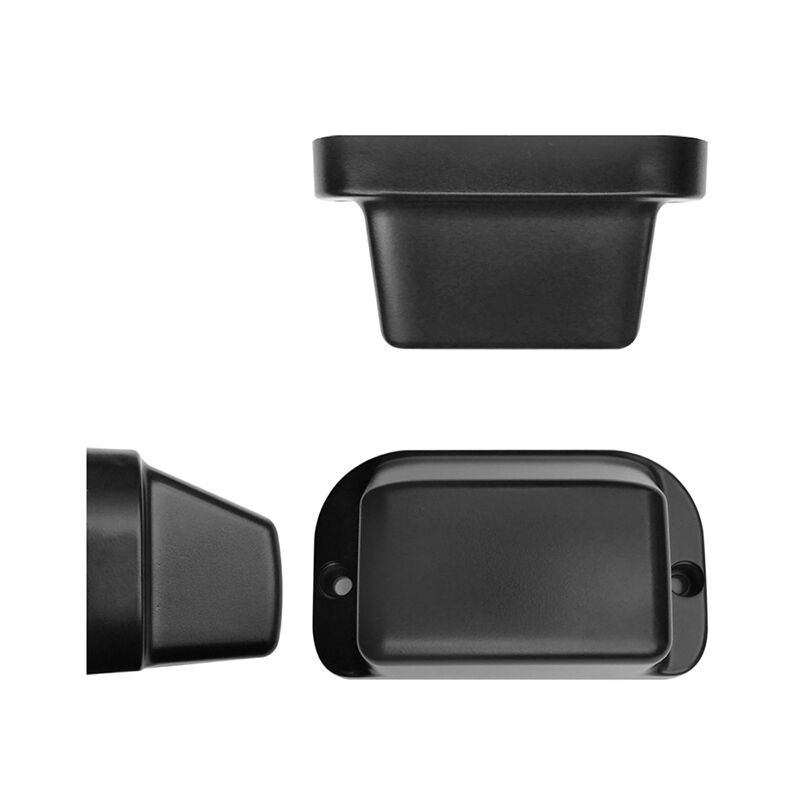
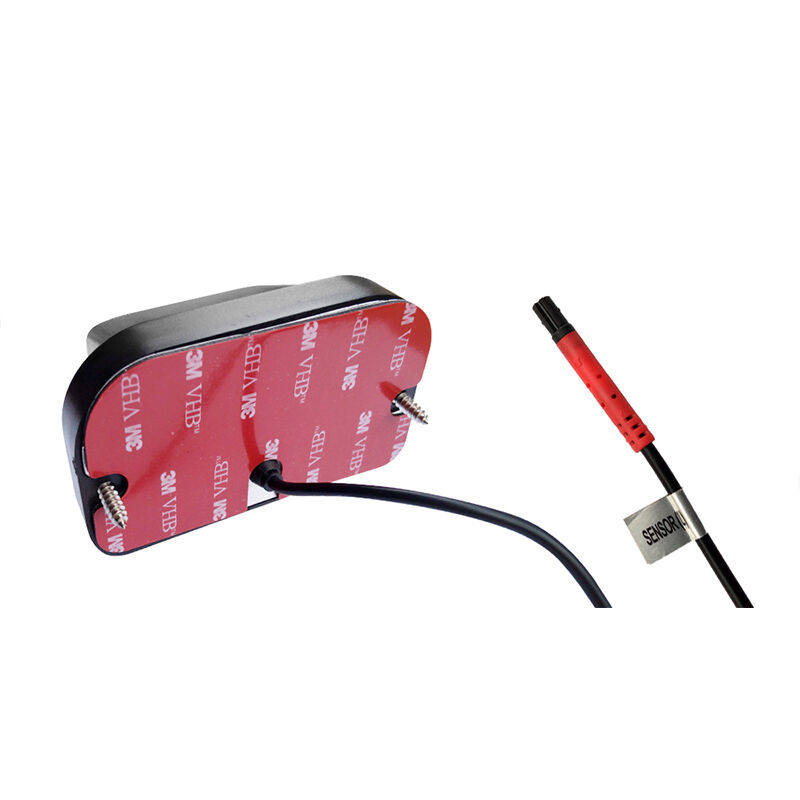
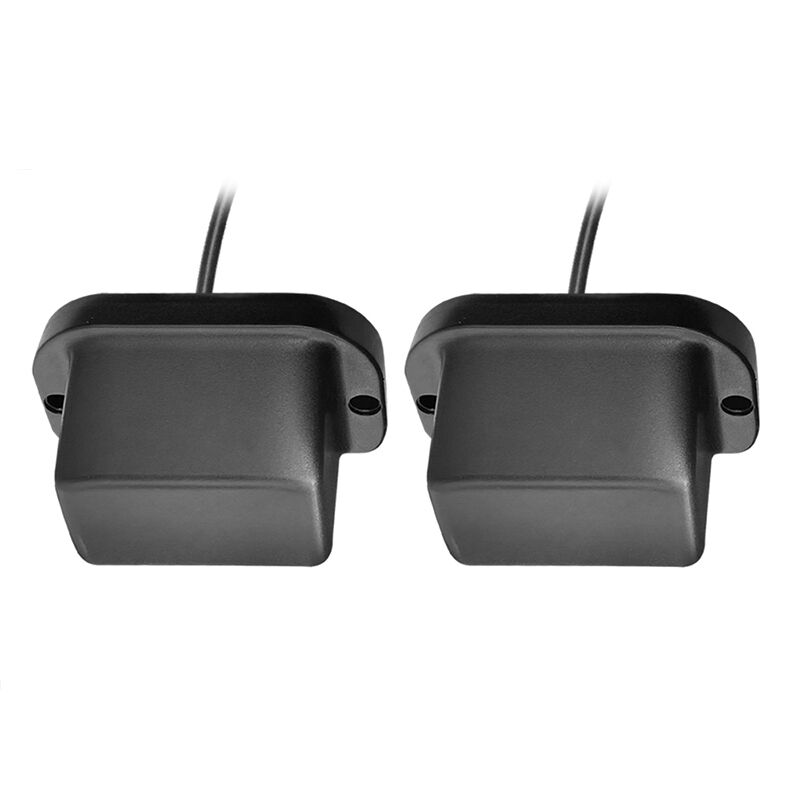
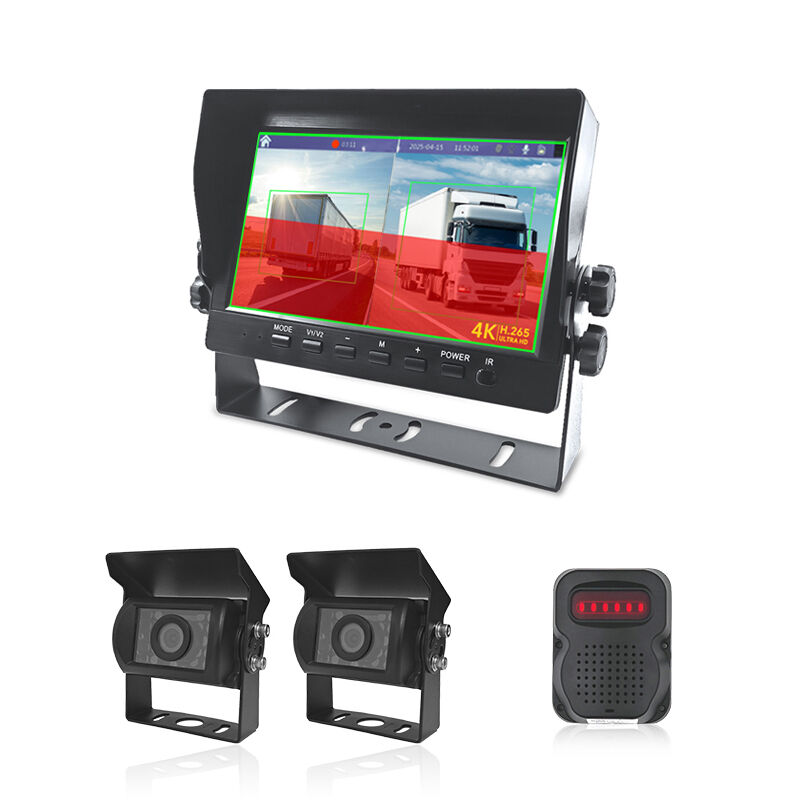
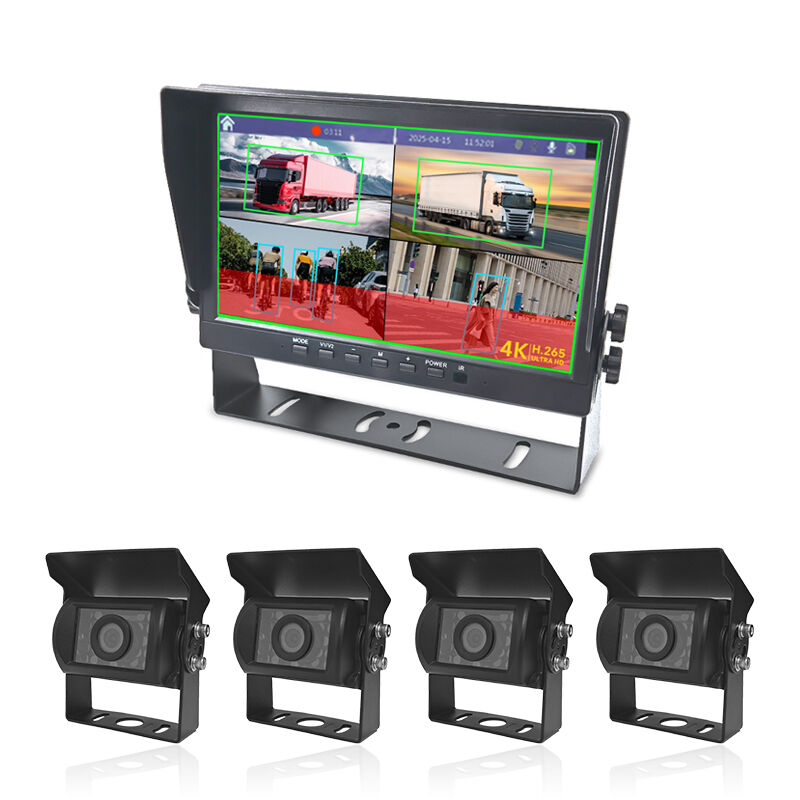
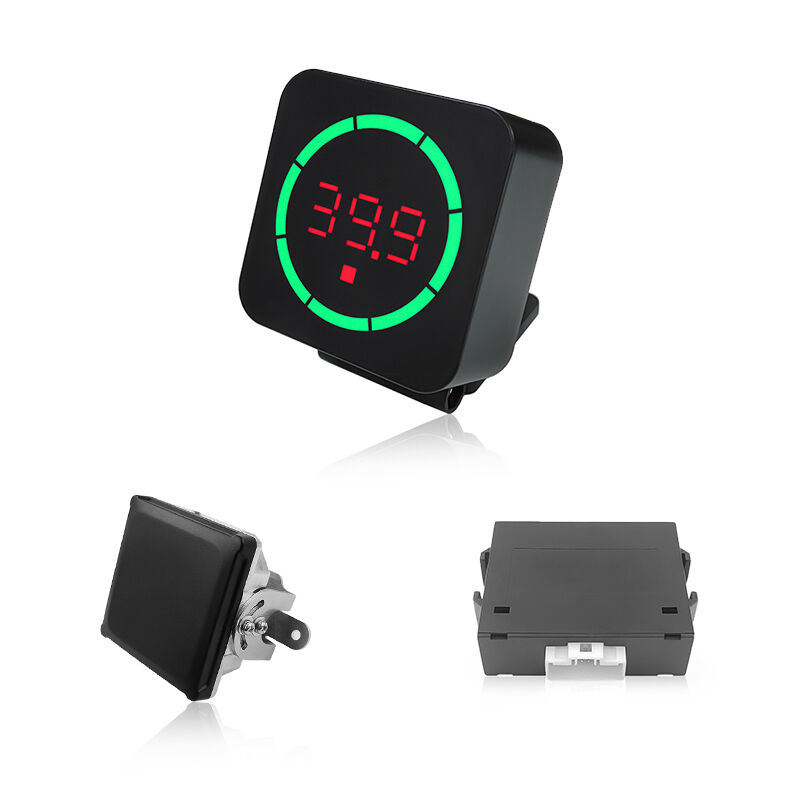
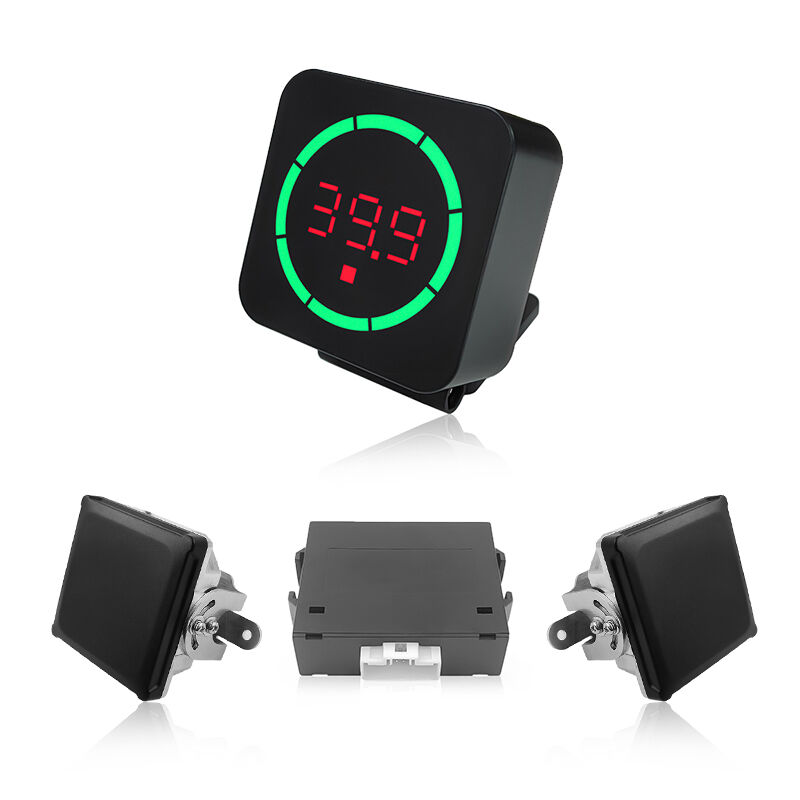
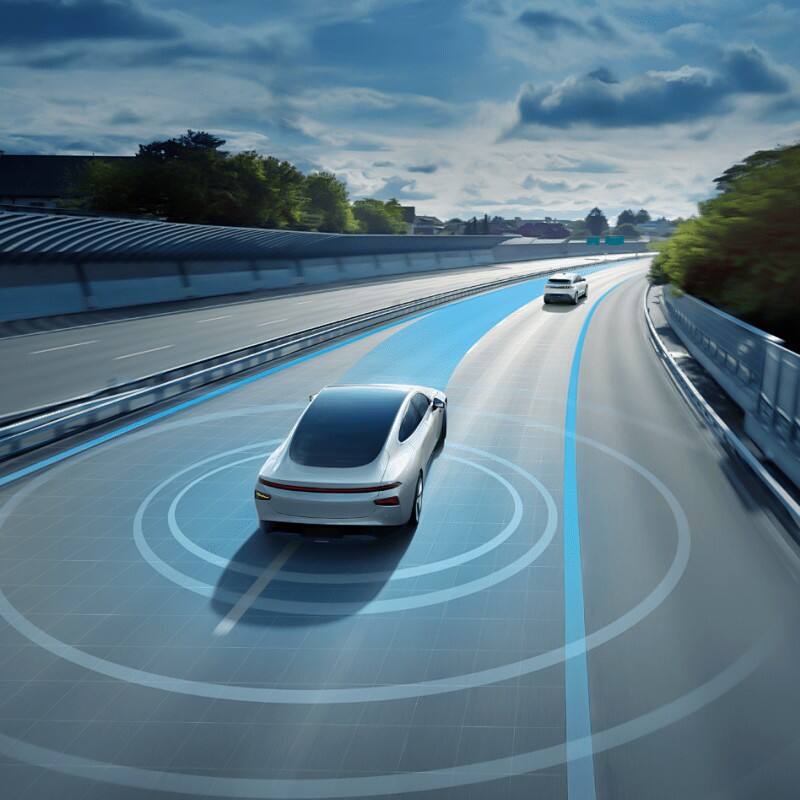
The BSD sensor represents a revolutionary advancement in blind spot detection technology, designed to enhance vehicle safety and driver awareness on modern roads. BSD sensor systems utilize sophisticated radar and ultrasonic technology to monitor areas around vehicles that traditional mirrors cannot cover effectively. These sensors continuously scan the blind spots adjacent to your vehicle, detecting approaching objects, vehicles, or pedestrians that might pose collision risks during lane changes or merging maneuvers. The primary function of BSD sensor technology involves real-time monitoring of designated zones alongside and behind the vehicle, typically covering distances up to 70 meters in rear detection and 3.5 meters in lateral monitoring. When the BSD sensor identifies potential hazards, it immediately alerts drivers through visual indicators, audible warnings, or haptic feedback systems. Modern BSD sensor implementations incorporate advanced signal processing algorithms that can distinguish between stationary objects like guardrails and moving threats such as overtaking vehicles. The technological framework of BSD sensor systems relies on multiple detection methods including millimeter-wave radar, ultrasonic sensors, and sometimes camera-based visual recognition. This multi-modal approach ensures reliable performance across various weather conditions and lighting scenarios. BSD sensor applications extend beyond passenger vehicles to commercial trucks, motorcycles, and construction equipment where blind spot awareness is critically important. The integration capabilities of BSD sensor technology allow seamless connection with existing vehicle safety systems, creating comprehensive collision avoidance networks. Installation of BSD sensor systems can be performed as aftermarket upgrades or integrated during vehicle manufacturing, providing flexibility for different customer needs and vehicle types.

New Product Recommendations

BSD sensor technology delivers immediate safety improvements that protect both drivers and pedestrians from dangerous blind spot accidents. The primary advantage of BSD sensor systems lies in their ability to provide continuous monitoring without requiring driver attention, effectively serving as an extra set of eyes that never tire or become distracted. Unlike manual mirror checking, BSD sensor technology operates automatically, scanning blind spots every millisecond and responding faster than human reaction times allow. This constant vigilance significantly reduces the likelihood of side-swipe collisions during lane changes, which account for thousands of accidents annually. BSD sensor systems excel in challenging driving conditions where visibility is compromised, including nighttime driving, heavy rain, snow, or fog situations where traditional visual methods fail. The reliability of BSD sensor technology means drivers receive consistent performance regardless of external factors that might impair human judgment or perception. Installation costs for BSD sensor systems represent excellent value when compared to potential accident expenses, insurance claims, and medical bills that blind spot collisions can generate. Modern BSD sensor technology integrates seamlessly with existing vehicle electronics, requiring minimal modifications to electrical systems and maintaining factory warranties. The user-friendly interface of BSD sensor systems requires no special training or technical knowledge, making these safety features accessible to drivers of all experience levels. BSD sensor technology adapts to different driving styles and preferences through customizable sensitivity settings and alert preferences, ensuring optimal performance for individual users. The durability of quality BSD sensor systems ensures long-term reliability with minimal maintenance requirements, providing years of dependable blind spot protection. Insurance companies often recognize the safety benefits of BSD sensor technology, offering premium discounts for vehicles equipped with these advanced collision prevention systems. The peace of mind that BSD sensor technology provides extends beyond the primary driver to family members and fleet managers who value enhanced safety measures for their vehicles and personnel.

Tips And Tricks

L3 Autonomous Driving

23

Dec

L3 Autonomous Driving

View More
The 138th Canton Fair

04

Jan

The 138th Canton Fair

View More
2025 HKTDC (Autumn  Edition)

23

Dec

2025 HKTDC (Autumn Edition)

View More

Get a Free Quote

Our representative will contact you soon.
Email
Name
Company Name
Mobile/WhatsApp
Message
0/1000

bsd sensor

Advanced Multi-Sensor Detection Technology

Advanced Multi-Sensor Detection Technology

The core strength of modern BSD sensor systems lies in their sophisticated multi-sensor detection architecture that combines multiple sensing technologies to create an comprehensive blind spot monitoring solution. BSD sensor technology typically integrates millimeter-wave radar sensors with ultrasonic detection units, creating overlapping coverage zones that eliminate detection gaps and false readings. The millimeter-wave radar component of BSD sensor systems operates at frequencies between 24-77 GHz, providing exceptional accuracy in detecting metallic objects like vehicles while maintaining reliability in adverse weather conditions. These radar-based BSD sensor elements can penetrate through rain, snow, and fog that would otherwise compromise optical detection methods, ensuring consistent performance throughout the year. The ultrasonic components of advanced BSD sensor systems complement the radar technology by detecting non-metallic objects, pedestrians, and smaller obstacles that might not reflect radar signals effectively. This dual-technology approach enables BSD sensor systems to identify a broader range of potential hazards, from large commercial vehicles to bicyclists and pedestrians in urban environments. The signal processing algorithms within modern BSD sensor systems analyze multiple data streams simultaneously, applying advanced filtering techniques to distinguish between legitimate threats and environmental noise such as road signs, barriers, or stationary objects. Machine learning capabilities integrated into premium BSD sensor systems enable the technology to adapt and improve detection accuracy over time, learning from driving patterns and environmental conditions specific to individual vehicles and routes. The detection range capabilities of professional-grade BSD sensor systems extend up to 70 meters behind the vehicle and 3.5 meters laterally, providing early warning for fast-approaching vehicles on highways and comprehensive coverage for urban driving scenarios. Real-time data processing within BSD sensor systems occurs in microseconds, ensuring that alerts reach drivers with sufficient time to react appropriately to changing traffic conditions and potential collision scenarios.
Intelligent Alert Systems and User Interface Integration

Intelligent Alert Systems and User Interface Integration

Modern BSD sensor technology features sophisticated alert systems that communicate hazard information to drivers through multiple sensory channels, ensuring warnings are noticed regardless of driving conditions or distractions. The visual alert components of BSD sensor systems typically include LED indicators mounted in side mirrors, dashboard displays, or heads-up display integration that provides immediate visual feedback about blind spot occupancy. These visual BSD sensor alerts use color-coded systems where amber lights indicate object detection and red warnings signal immediate collision risks during turn signal activation or steering inputs toward occupied zones. Audio alert functionality in advanced BSD sensor systems employs directional sound technology that indicates which side of the vehicle contains the detected hazard, helping drivers quickly identify the appropriate response without taking attention away from forward driving tasks. Haptic feedback options available in premium BSD sensor installations include steering wheel vibration, seat vibration, or brake pedal feedback that provides tactile warnings especially valuable for drivers with hearing impairments or in noisy driving environments. The intelligent escalation protocols built into modern BSD sensor systems increase alert intensity based on collision probability, beginning with gentle notifications for distant objects and progressing to urgent warnings when immediate action is required. Customization features within BSD sensor technology allow drivers to adjust sensitivity levels, alert preferences, and activation conditions to match personal driving styles and preferences while maintaining optimal safety performance. Integration capabilities of contemporary BSD sensor systems enable connection with existing vehicle safety technologies including electronic stability control, adaptive cruise control, and automatic emergency braking systems for coordinated collision avoidance responses. The user interface design of quality BSD sensor systems prioritizes simplicity and intuitive operation, ensuring that drivers can understand and respond to alerts without confusion or delayed reaction times that could compromise safety effectiveness. Smart calibration features in modern BSD sensor technology automatically adjust detection parameters based on vehicle loading, weather conditions, and driving environment to maintain optimal performance across varying operational scenarios.
Comprehensive Safety Enhancement and Long-Term Value

Comprehensive Safety Enhancement and Long-Term Value

The implementation of BSD sensor technology provides comprehensive safety enhancements that extend far beyond basic blind spot monitoring, creating multiple layers of protection that significantly reduce overall accident risk and associated costs. Statistical analysis of BSD sensor effectiveness demonstrates substantial reductions in lane-change accidents, side-swipe collisions, and parking lot incidents, with some studies showing accident reduction rates exceeding 25 percent for vehicles equipped with quality blind spot detection systems. The economic benefits of BSD sensor investment become apparent through reduced insurance premiums, avoided accident costs, and maintained vehicle values that often exceed the initial system installation expenses over the vehicle ownership period. Fleet operators particularly benefit from BSD sensor technology through reduced liability exposure, lower maintenance costs from prevented accidents, and improved driver confidence that translates to increased productivity and job satisfaction. The reliability engineering behind professional BSD sensor systems ensures consistent operation across temperature extremes, vibration conditions, and electrical variations common in automotive environments, providing dependable performance throughout the vehicle service life. Advanced BSD sensor systems incorporate self-diagnostic capabilities that monitor system health, component functionality, and calibration accuracy, alerting users to maintenance needs before performance degradation occurs. The scalability of modern BSD sensor technology allows integration with future vehicle safety innovations including autonomous driving assistance, connected vehicle communications, and artificial intelligence systems that will define the next generation of automotive safety. Environmental benefits of widespread BSD sensor adoption include reduced traffic congestion from prevented accidents, lower emissions from improved traffic flow, and decreased resource consumption from avoided vehicle repairs and replacements. Professional installation and support services available for BSD sensor systems ensure optimal performance through proper mounting, calibration, and integration with existing vehicle electronics, maximizing safety benefits and system longevity. The continuous development of BSD sensor technology promises ongoing improvements in detection accuracy, false alarm reduction, and integration capabilities that will enhance safety benefits while reducing costs for current and future vehicle owners.

Advanced BSD Sensor Technology: Complete Blind Spot Detection Systems for Enhanced Vehicle Safety

Get a Free Quote

Our representative will contact you soon.
Email
Name
Company Name
Mobile/WhatsApp
Message
0/1000