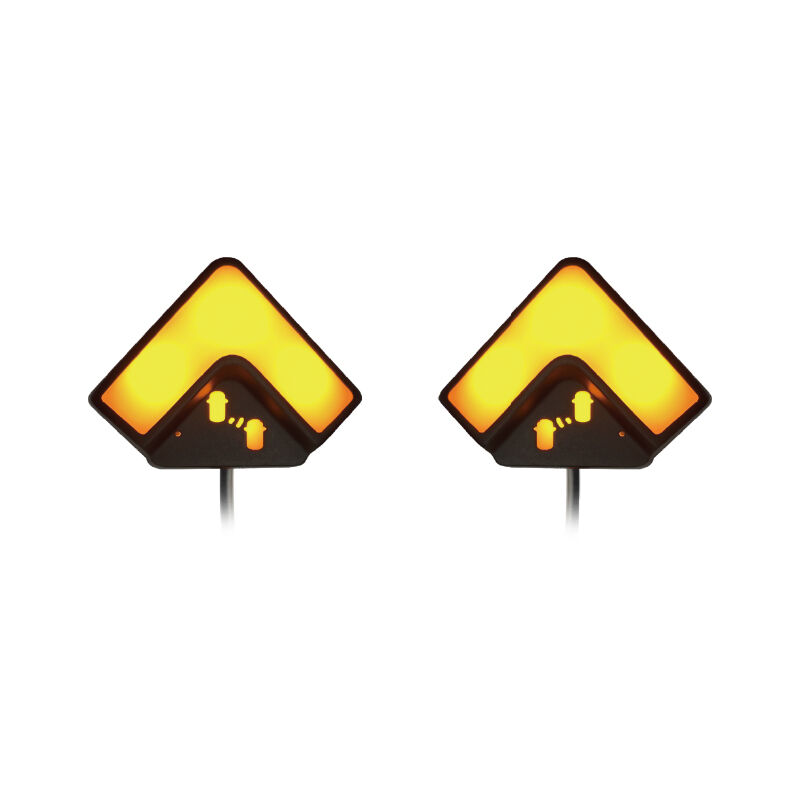
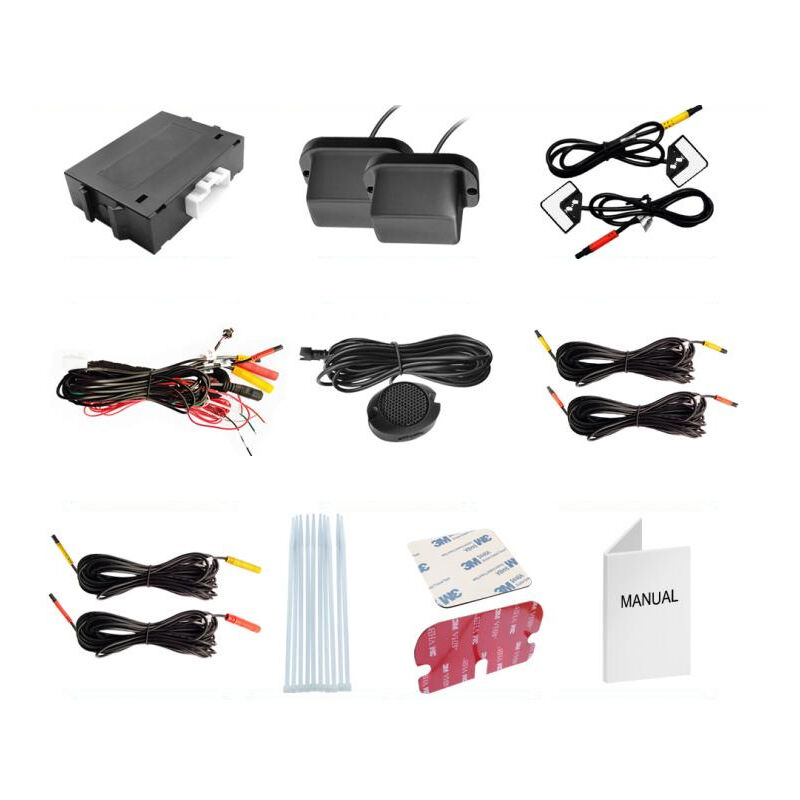
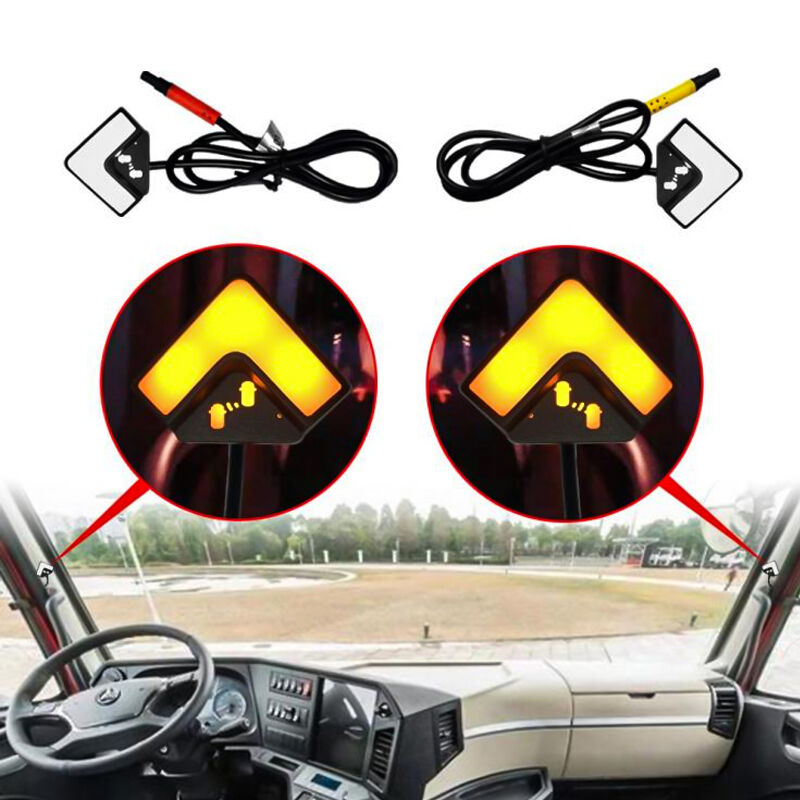
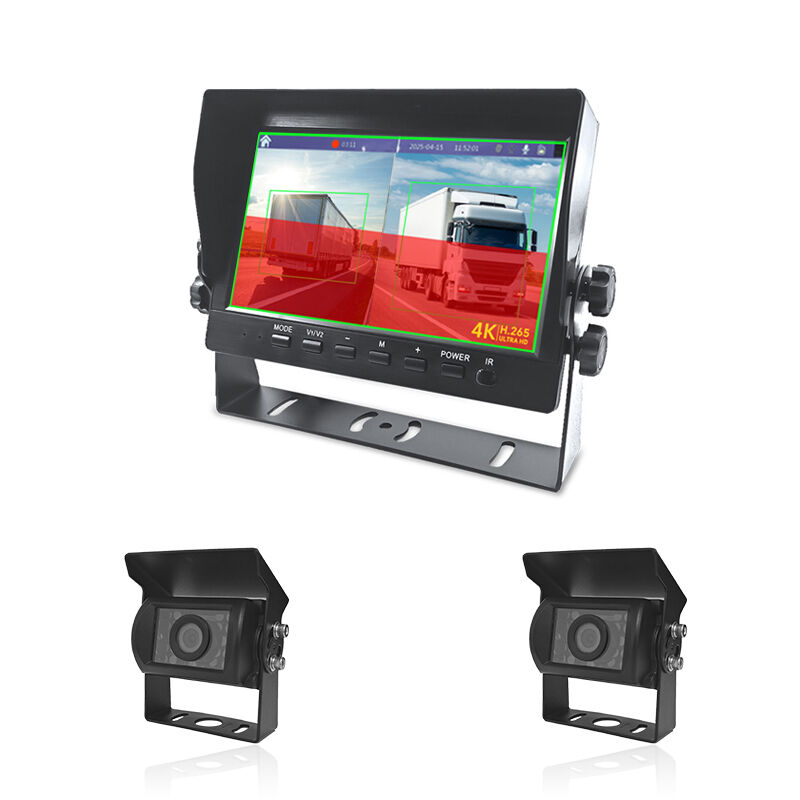
Seamless Integration with Existing Vehicle Safety Systems
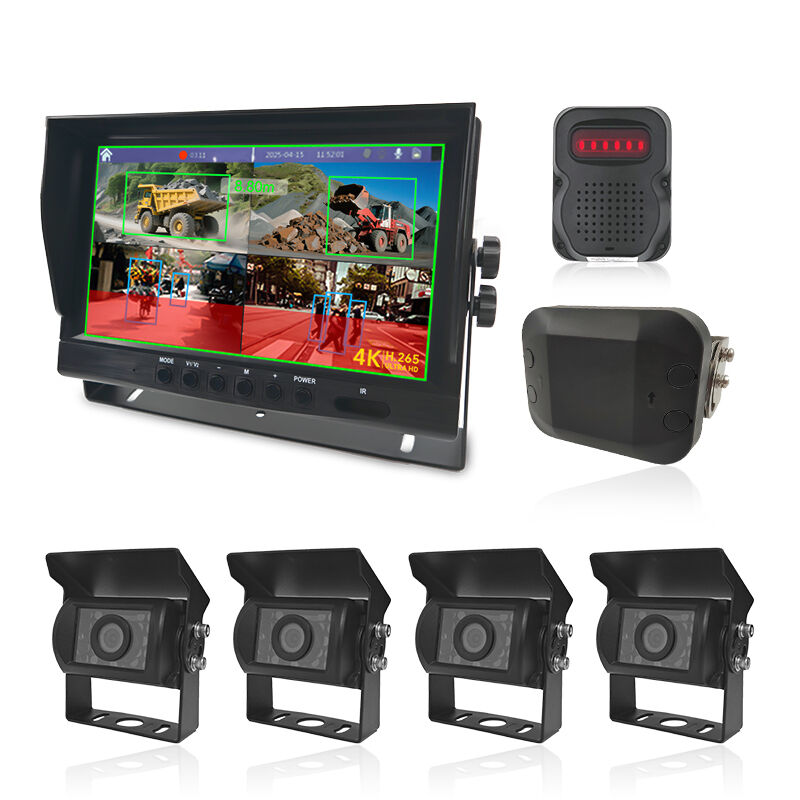
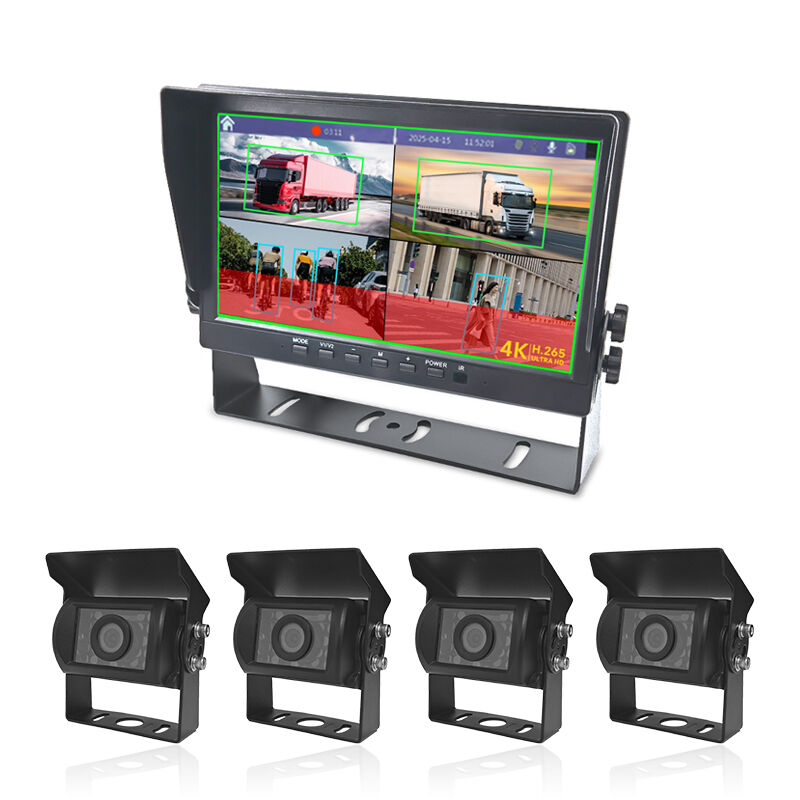
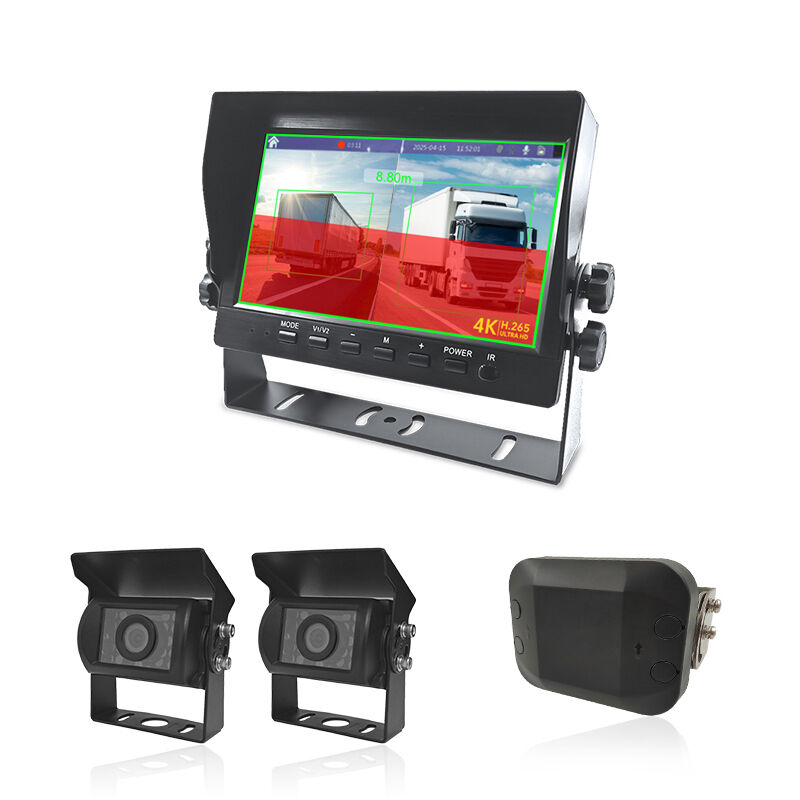
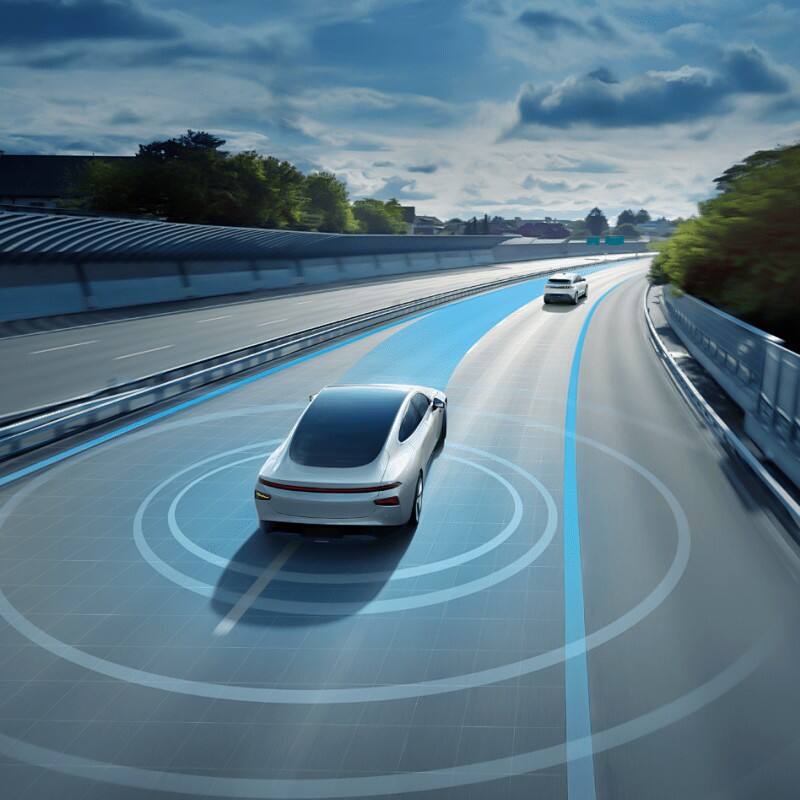
The lane change assist system demonstrates exceptional compatibility with modern vehicle safety ecosystems, creating a comprehensive protection network that enhances overall driving security through intelligent system coordination. This integration capability allows the technology to communicate effectively with electronic stability control, anti-lock braking systems, adaptive cruise control, and automatic emergency braking features, creating synergistic safety benefits that exceed the sum of individual components. When the lane change assist system detects potential hazards, it can automatically trigger complementary safety responses, such as pre-tensioning seatbelts, preparing brake systems for emergency application, or adjusting suspension settings for optimal stability during evasive maneuvers. The communication protocols ensure that all safety systems receive real-time data about surrounding traffic conditions, enabling coordinated responses that consider multiple risk factors simultaneously. Advanced integration includes connectivity with navigation systems that provide contextual information about upcoming highway interchanges, construction zones, or areas with historically high accident rates, allowing the lane change assist system to adjust its sensitivity accordingly. The technology seamlessly interfaces with driver assistance features like traffic jam assist and highway pilot systems, maintaining consistent safety monitoring even when semi-autonomous driving modes are active. Fleet management integration enables centralized monitoring of multiple vehicles, allowing supervisors to track safety metrics, identify training needs, and implement company-wide safety policies based on real-world lane change assist system data. The integration extends to emergency response systems, automatically contacting emergency services and providing precise location data if the system detects imminent collision scenarios despite warning alerts. Smartphone connectivity allows the lane change assist system to access traffic information, weather updates, and road condition reports that influence system behavior and alert strategies. The technology adapts to different driving modes selected through vehicle settings, becoming more or less aggressive based on whether you choose comfort, sport, or eco-driving preferences. Future integration possibilities include vehicle-to-vehicle communication networks where lane change assist systems share information between nearby cars, creating collaborative safety networks that provide advance warning about traffic conditions, accidents, or hazardous situations beyond individual sensor ranges.
 EN
EN