Advanced Proximity Alarm Systems - Enhanced Safety & Security Solutions

Get a Free Quote

Our representative will contact you soon.
Email
Name
Company Name
Mobile/WhatsApp
Message
0/1000

proximity alarm system

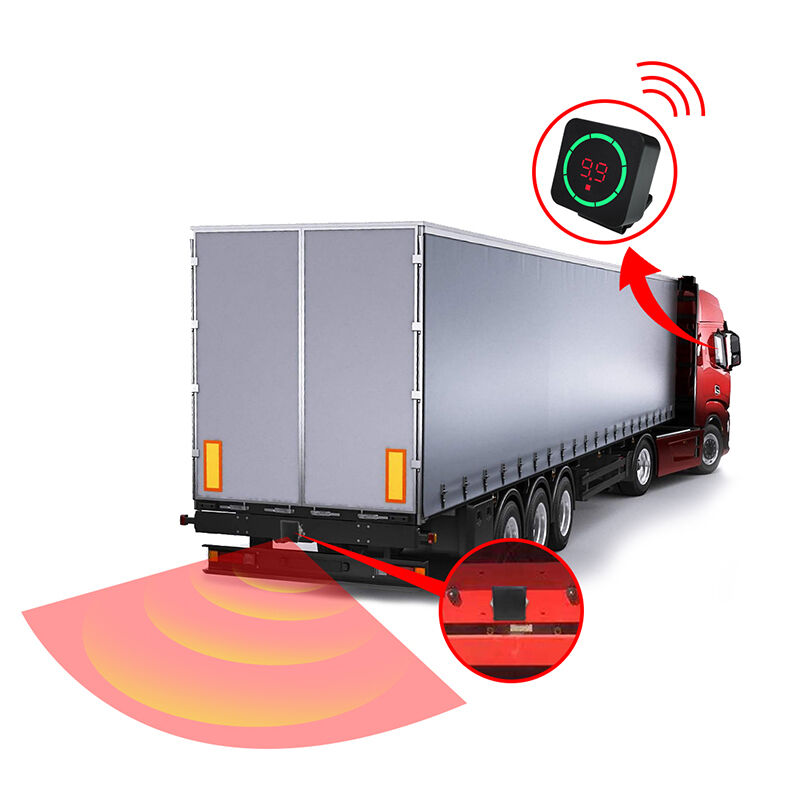
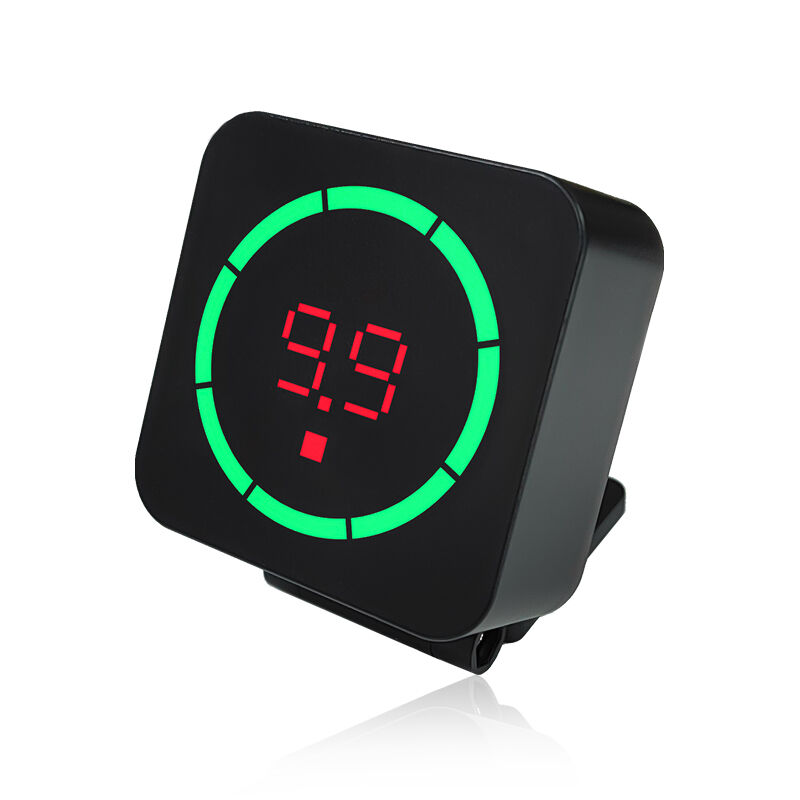
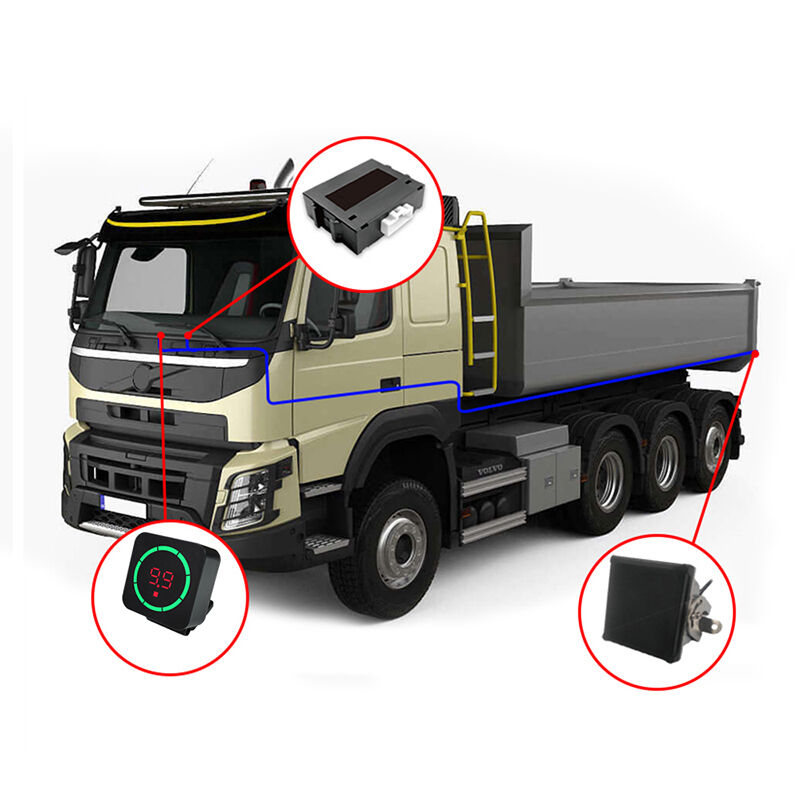
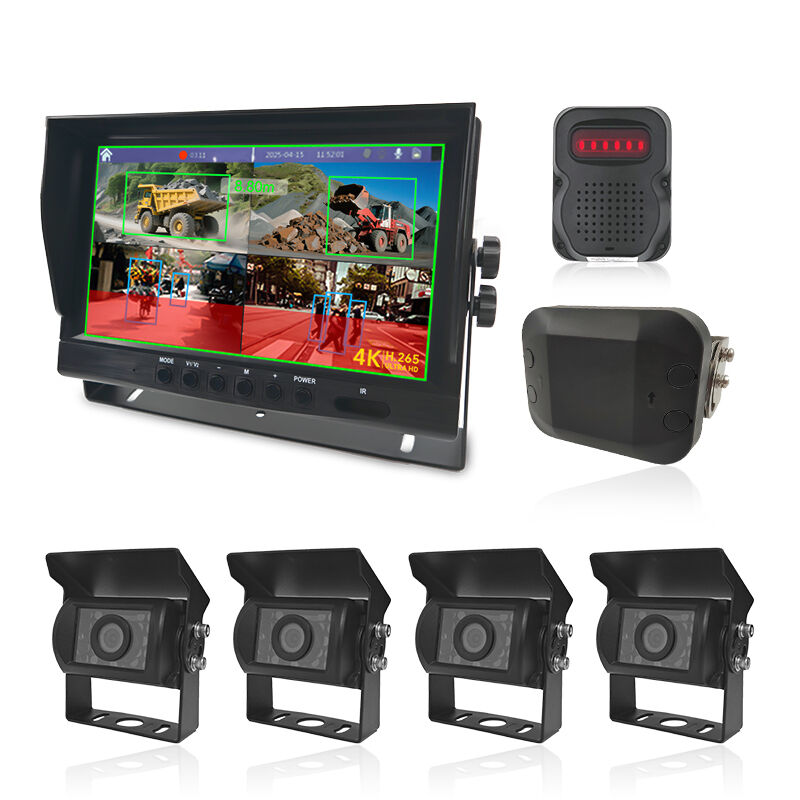
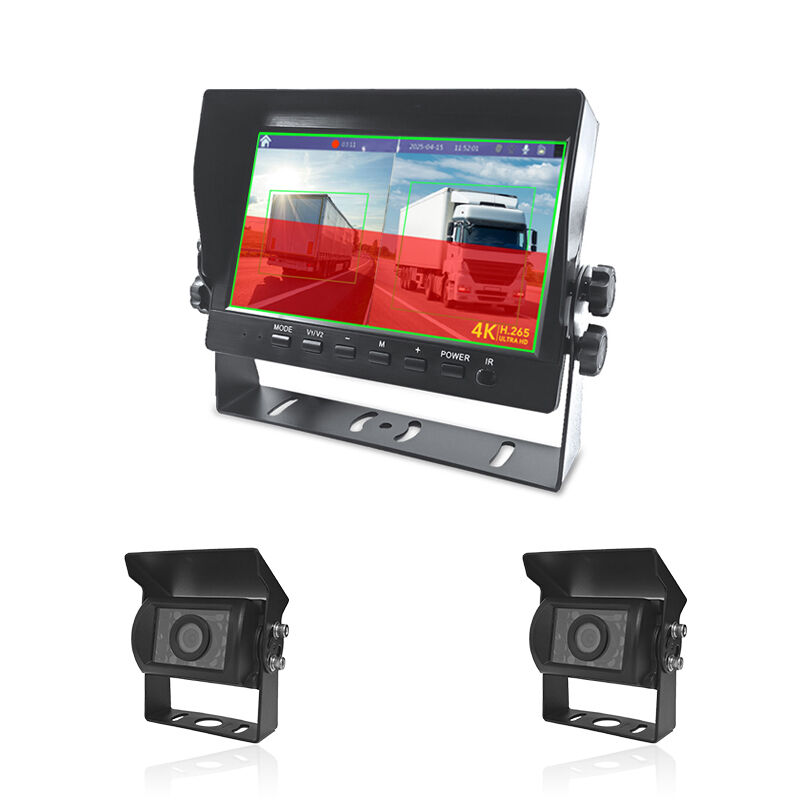
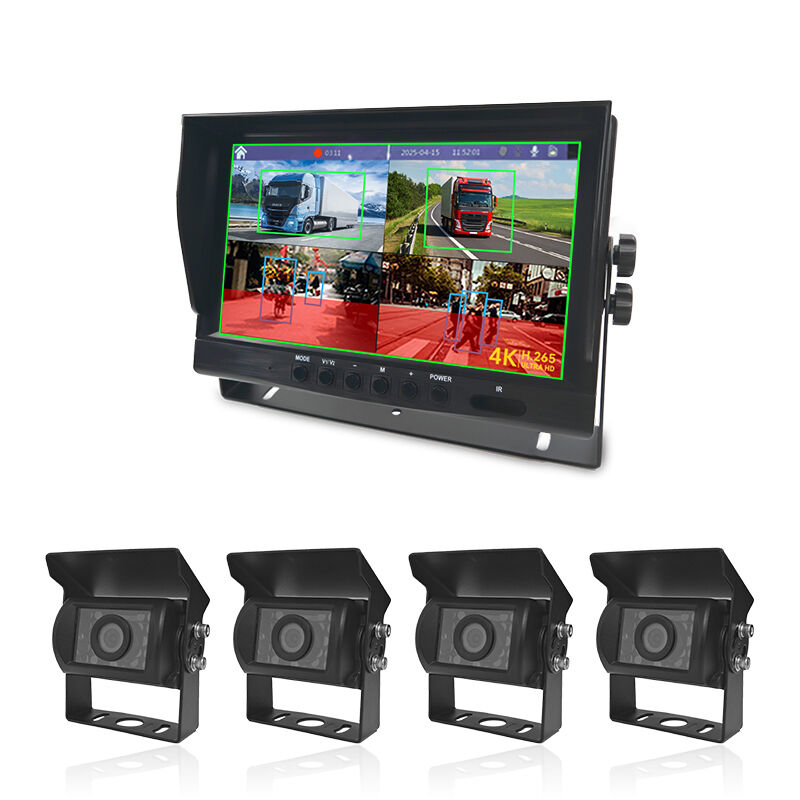
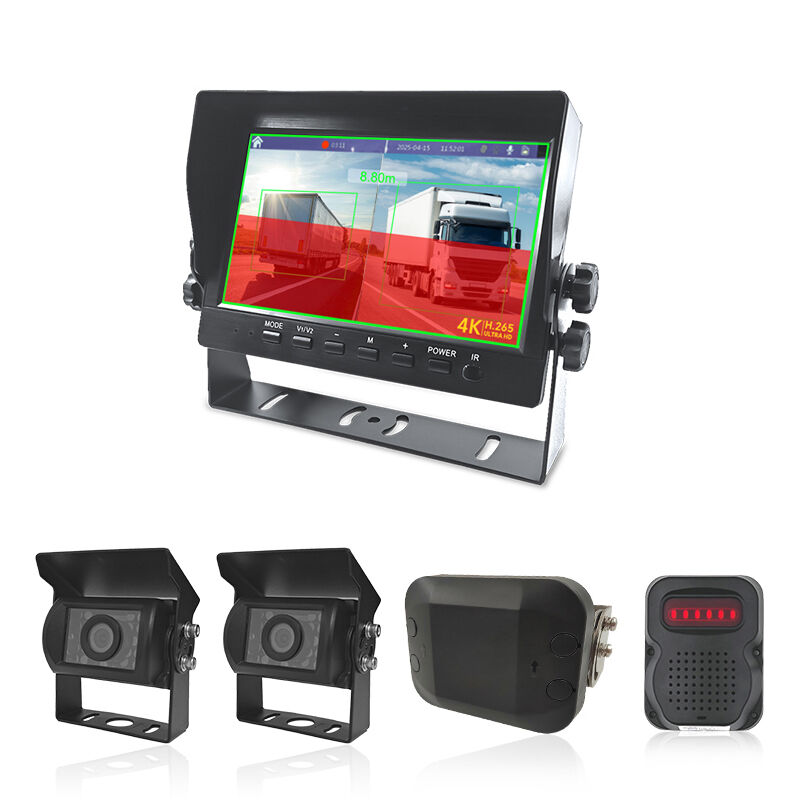
A proximity alarm system represents a sophisticated safety technology designed to detect and alert users when objects, vehicles, or personnel approach within a predetermined range. This intelligent monitoring solution utilizes advanced sensor technology to create invisible detection zones around equipment, vehicles, or designated areas, providing real-time warnings to prevent collisions, accidents, and unauthorized access. The proximity alarm system operates through multiple detection methods, including ultrasonic sensors, radar technology, infrared detection, and electromagnetic field monitoring. These sensors continuously scan the surrounding environment, measuring distances and identifying moving objects within their coverage area. When the proximity alarm system detects an object entering the predefined danger zone, it immediately triggers visual and audible alerts through LED lights, buzzers, sirens, or digital displays. Modern proximity alarm systems feature customizable detection ranges, allowing users to adjust sensitivity levels and warning distances based on specific operational requirements. The technology incorporates intelligent filtering mechanisms to distinguish between relevant threats and environmental factors such as rain, dust, or small debris, reducing false alarms while maintaining reliable protection. Advanced proximity alarm systems integrate wireless connectivity options, enabling remote monitoring and centralized control through smartphone applications or computer interfaces. The system architecture typically includes multiple sensor nodes strategically positioned to provide comprehensive coverage, connected to a central processing unit that analyzes incoming data and coordinates alert responses. Many proximity alarm systems offer expandable configurations, allowing users to add additional sensors or upgrade existing components as operational needs evolve. The technology supports various power options, including battery operation, solar charging, and direct electrical connection, ensuring continuous operation in diverse environments. Integration capabilities allow proximity alarm systems to connect with existing security networks, building management systems, or industrial control platforms, creating comprehensive safety ecosystems that enhance overall operational efficiency and risk management.

New Product Releases

The proximity alarm system delivers exceptional value through its ability to prevent costly accidents and protect valuable assets. Organizations implementing this technology experience significant reductions in workplace injuries, equipment damage, and insurance claims. The system provides immediate warnings when dangerous situations develop, giving operators crucial seconds to react and avoid potential collisions or accidents. This proactive approach to safety management creates substantial cost savings by preventing expensive repairs, downtime, and liability issues. The proximity alarm system enhances operational efficiency by allowing equipment operators to work with greater confidence in challenging environments. Drivers of large vehicles, heavy machinery operators, and warehouse personnel benefit from the expanded awareness that these systems provide, enabling them to navigate tight spaces and busy work areas more effectively. The technology eliminates blind spots and extends the operator's sensory capabilities, resulting in smoother operations and improved productivity. Installation of proximity alarm systems demonstrates organizational commitment to employee safety and regulatory compliance. Many industries require specific safety measures, and implementing advanced warning systems helps companies meet or exceed these standards. The proximity alarm system provides documented evidence of safety investment, which can positively impact insurance premiums and regulatory inspections. The versatility of proximity alarm systems makes them suitable for numerous applications across different industries. Whether protecting pedestrians in warehouses, preventing vehicle collisions in parking areas, or securing perimeters around sensitive equipment, these systems adapt to various operational requirements. Users can customize detection zones, adjust sensitivity levels, and configure alert types to match specific environmental conditions and safety protocols. Modern proximity alarm systems offer remarkable reliability and durability, functioning effectively in harsh weather conditions, extreme temperatures, and challenging industrial environments. The technology requires minimal maintenance while providing consistent performance over extended periods. Battery-powered options ensure continued operation during power outages, while solar charging capabilities make the systems suitable for remote locations. The user-friendly interface and straightforward installation process make proximity alarm systems accessible to organizations of all sizes. Many systems feature plug-and-play functionality, allowing quick deployment without extensive technical expertise. The technology scales easily from single-sensor applications to complex multi-zone installations, accommodating growing operational needs. Remote monitoring capabilities enable centralized management of multiple proximity alarm systems across different locations, streamlining maintenance schedules and ensuring consistent safety standards throughout large facilities or fleet operations.

Practical Tips

L3 Autonomous Driving

23

Dec

L3 Autonomous Driving

View More
The 138th Canton Fair

04

Jan

The 138th Canton Fair

View More
2025 HKTDC (Autumn  Edition)

23

Dec

2025 HKTDC (Autumn Edition)

View More

Get a Free Quote

Our representative will contact you soon.
Email
Name
Company Name
Mobile/WhatsApp
Message
0/1000

proximity alarm system

Advanced Multi-Sensor Detection Technology

Advanced Multi-Sensor Detection Technology

The proximity alarm system incorporates cutting-edge multi-sensor technology that revolutionizes safety monitoring and threat detection capabilities. This sophisticated approach combines ultrasonic sensors, radar detection, infrared monitoring, and electromagnetic field analysis to create comprehensive coverage that adapts to various environmental conditions and operational requirements. The ultrasonic sensors within the proximity alarm system emit high-frequency sound waves that bounce off nearby objects, providing precise distance measurements and detecting movement with exceptional accuracy. These sensors excel in detecting solid objects and work effectively in dusty or smoky environments where optical systems might fail. The radar component of the proximity alarm system uses electromagnetic waves to penetrate through weather conditions, darkness, and atmospheric interference, ensuring reliable detection regardless of visibility conditions. Infrared sensors add another layer of protection by detecting heat signatures from people, vehicles, and equipment, making the proximity alarm system particularly effective for security applications and personnel safety. The electromagnetic field monitoring capability allows the system to detect metallic objects and electrical equipment, providing specialized protection in industrial environments. The integration of these multiple detection methods creates redundancy that eliminates single points of failure while reducing false alarms through cross-verification of sensor data. The proximity alarm system processes information from all sensors simultaneously, using advanced algorithms to distinguish between legitimate threats and environmental factors such as rain, snow, or small animals. This intelligent processing ensures that warnings are triggered only when actual hazards are present, maintaining credibility and preventing alarm fatigue among users. The multi-sensor approach enables the proximity alarm system to provide varying levels of warning based on threat assessment. As objects approach the detection zone, the system can escalate alerts progressively, starting with gentle notifications for distant objects and intensifying warnings as threats move closer. This graduated response system allows operators to assess situations and take appropriate action without unnecessary panic or disruption. The sensors within the proximity alarm system feature self-diagnostic capabilities that continuously monitor their own performance and alert maintenance personnel to potential issues before they affect system reliability.
Intelligent Customization and Zone Management

Intelligent Customization and Zone Management

The proximity alarm system offers unparalleled flexibility through its intelligent customization features and sophisticated zone management capabilities, allowing users to tailor the system precisely to their unique operational requirements and environmental conditions. This advanced customization functionality enables organizations to create multiple detection zones with varying sensitivity levels, warning distances, and response protocols, ensuring optimal protection for different areas and activities. The zone management feature of the proximity alarm system allows users to establish complex detection patterns that accommodate irregular shapes, multiple elevation levels, and overlapping coverage areas. Users can define exclusion zones where certain types of movement are permitted while maintaining strict monitoring of critical areas. This capability proves invaluable in busy industrial environments where routine activities must continue while maintaining protection against genuine hazards. The proximity alarm system provides granular control over detection parameters, allowing adjustment of sensitivity levels to match specific environmental conditions and operational requirements. In areas with high ambient noise or frequent non-threatening movement, users can reduce sensitivity to minimize false alarms while maintaining protection against actual threats. Conversely, in high-risk environments, the proximity alarm system can be configured for maximum sensitivity to detect even subtle movements or small objects. The intelligent scheduling feature enables the proximity alarm system to automatically adjust its operation based on time of day, shift patterns, or seasonal requirements. During busy periods, the system can operate in enhanced monitoring mode, while during low-activity times, it can switch to energy-saving configurations without compromising security. This automated adaptation reduces the need for manual intervention while ensuring consistent protection. Advanced users can program the proximity alarm system to respond differently to various types of detected objects or movement patterns. The system can distinguish between authorized personnel with identification tags, approved vehicles with transponders, and unauthorized intrusions, providing appropriate responses for each scenario. This intelligent recognition capability reduces unnecessary alerts while maintaining vigilant protection against genuine threats. The proximity alarm system includes comprehensive logging and reporting features that track all detection events, system performance metrics, and maintenance activities. This data enables users to analyze patterns, optimize system configuration, and demonstrate compliance with safety regulations or security protocols.
Seamless Integration and Remote Management

Seamless Integration and Remote Management

The proximity alarm system features comprehensive integration capabilities and advanced remote management functionality that transform it from a standalone safety device into a central component of modern smart facility management systems. This connectivity enables seamless communication with existing security networks, building automation systems, industrial control platforms, and emergency response protocols, creating a unified approach to safety and security management. The integration capabilities of the proximity alarm system extend to popular building management systems, allowing synchronization with lighting controls, access management, HVAC systems, and fire safety equipment. When the proximity alarm system detects unauthorized access or potential safety hazards, it can automatically trigger appropriate responses throughout the facility, such as activating security cameras, adjusting lighting levels, or notifying emergency response teams. This coordinated response capability significantly enhances the effectiveness of safety measures while reducing response times in critical situations. Remote management features enable administrators to monitor and control multiple proximity alarm systems from centralized command centers or mobile devices. Through secure web interfaces and dedicated smartphone applications, users can view real-time status information, adjust system parameters, receive instant alerts, and access historical data from any location with internet connectivity. This remote accessibility proves invaluable for organizations managing multiple facilities or requiring 24-hour monitoring capabilities. The proximity alarm system supports various communication protocols, including Wi-Fi, Ethernet, cellular networks, and specialized industrial communication standards, ensuring compatibility with diverse technological environments. Cloud-based management platforms enable organizations to implement enterprise-wide proximity alarm system networks with centralized configuration management, automated software updates, and comprehensive analytics capabilities. The system includes advanced diagnostic features that continuously monitor component health, battery levels, network connectivity, and sensor performance. These self-monitoring capabilities enable predictive maintenance scheduling, reducing unexpected failures and ensuring consistent system reliability. Maintenance alerts can be configured to notify appropriate personnel through email, text messages, or integration with work order management systems. The proximity alarm system generates detailed reports and analytics that help organizations optimize safety protocols, identify trends in security incidents, and demonstrate compliance with regulatory requirements. Data visualization tools present complex information in easily understood formats, enabling informed decision-making regarding safety investments and operational improvements. Integration with video surveillance systems allows the proximity alarm system to trigger camera recordings and provide visual verification of detected events, creating comprehensive documentation for incident analysis and investigation purposes.

Advanced Proximity Alarm Systems - Enhanced Safety & Security Solutions

Get a Free Quote

Our representative will contact you soon.
Email
Name
Company Name
Mobile/WhatsApp
Message
0/1000