Advanced Change Lane Assist Technology: Comprehensive Safety Features and Benefits Guide

Get a Free Quote

Our representative will contact you soon.
Email
Name
Company Name
Mobile/WhatsApp
Message
0/1000

change lane assist

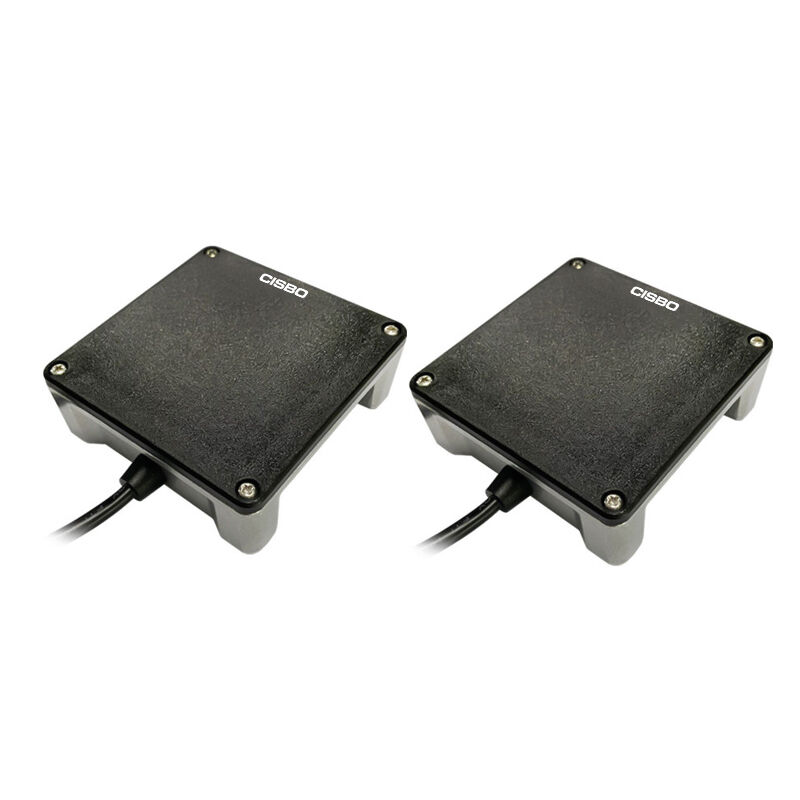
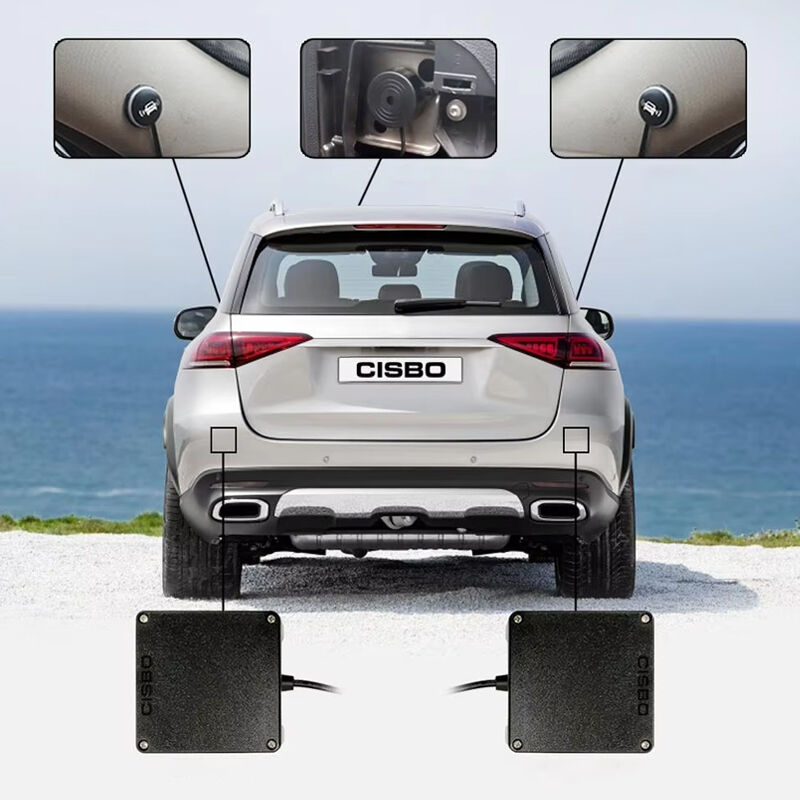
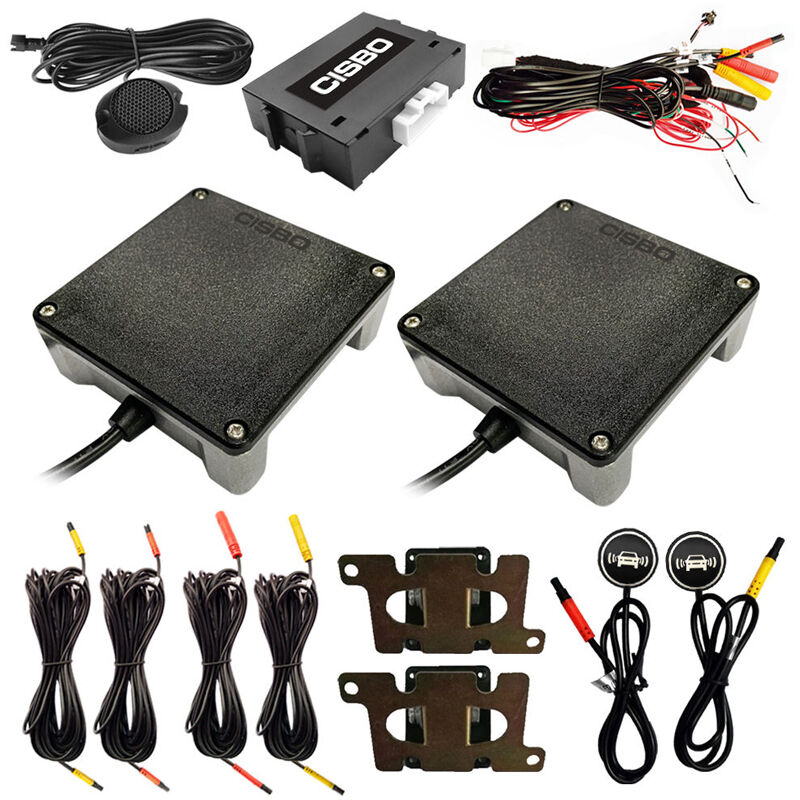
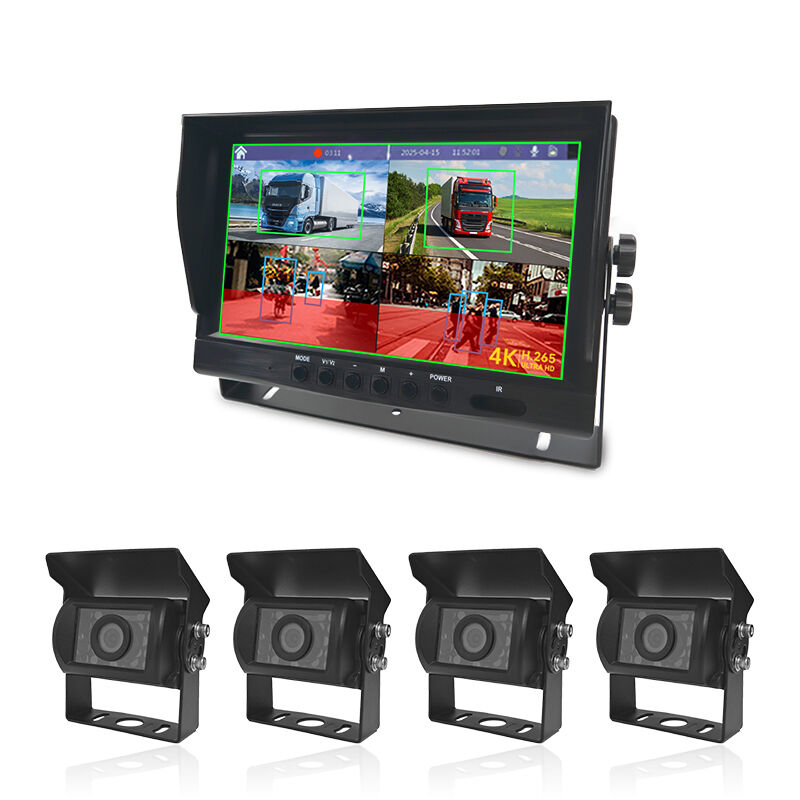
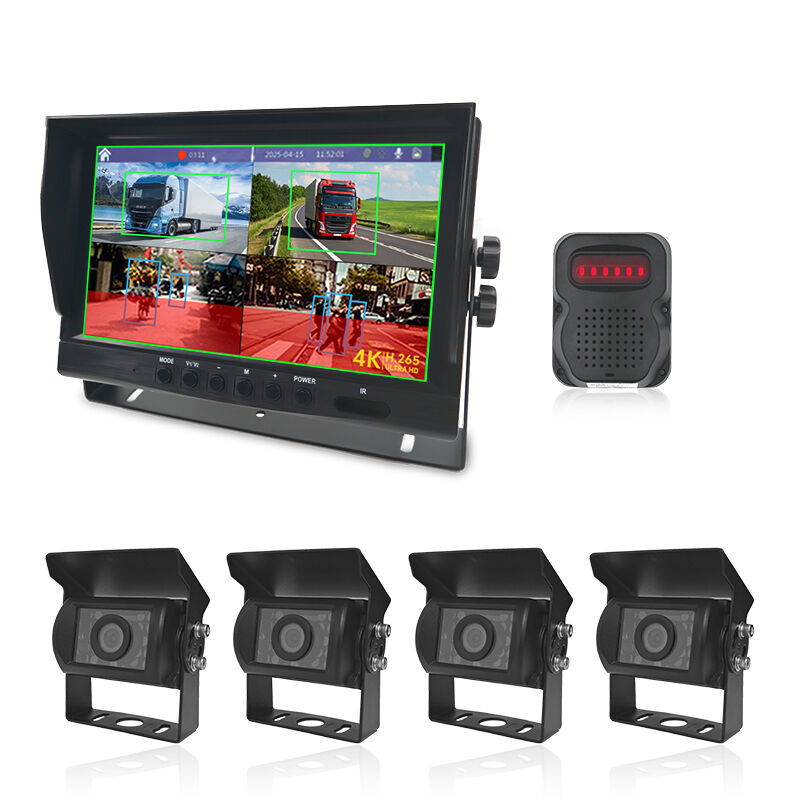
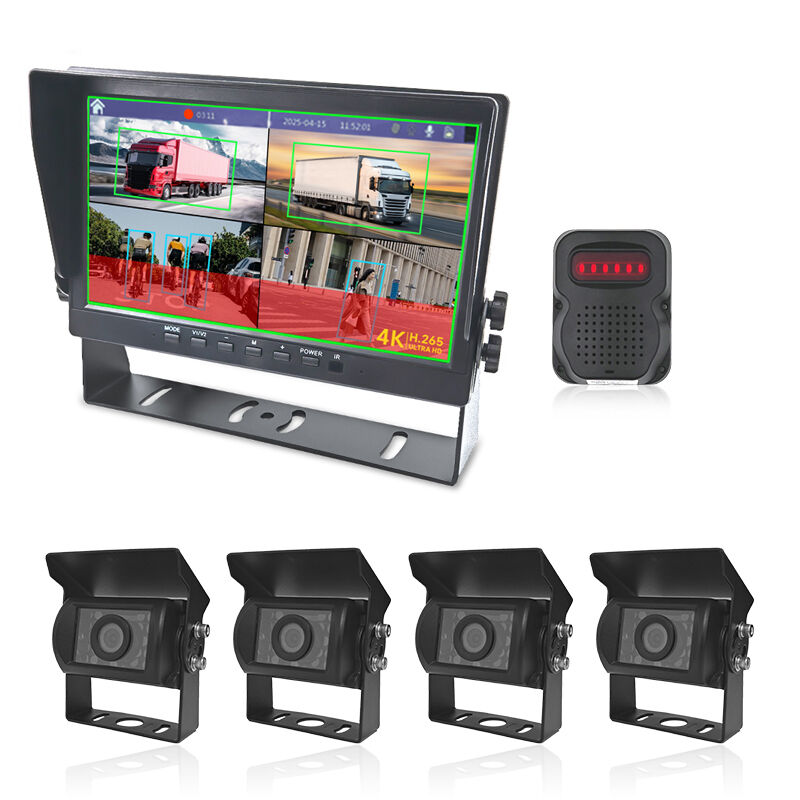
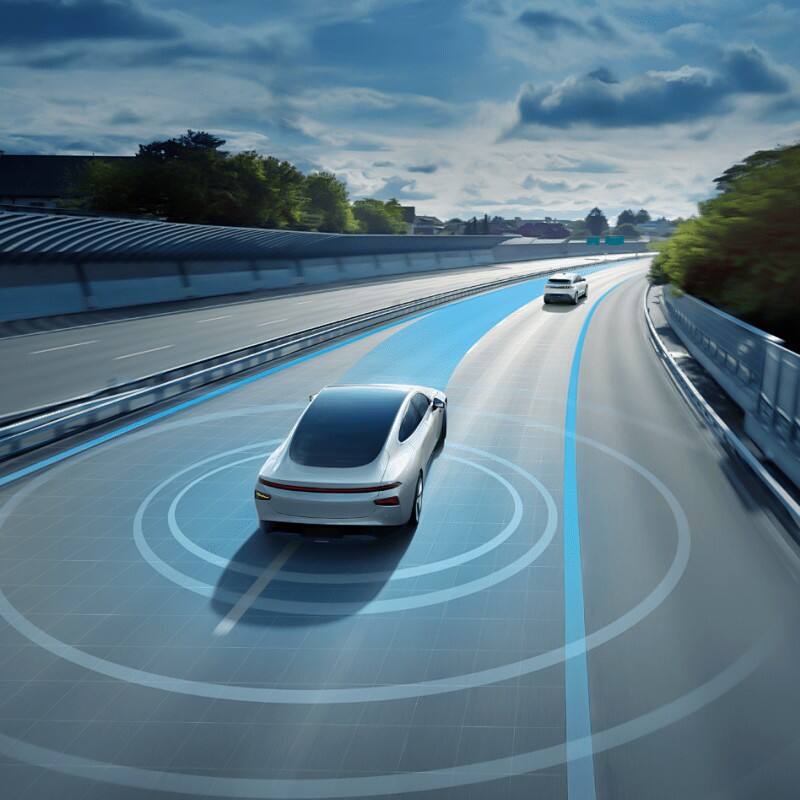
Change lane assist represents a revolutionary advancement in automotive safety technology, designed to enhance driver awareness and prevent potentially dangerous lane-changing maneuvers. This sophisticated system utilizes multiple sensors, cameras, and radar technology to monitor surrounding traffic conditions and provide real-time feedback to drivers during lane changes. The change lane assist technology operates by continuously scanning blind spots and adjacent lanes, detecting vehicles that may not be visible in traditional mirrors. When a driver activates their turn signal to initiate a lane change, the system immediately assesses whether the intended maneuver is safe based on current traffic conditions. If another vehicle is detected in the target lane or approaching at high speed, the change lane assist system provides immediate warnings through visual indicators, audible alerts, or haptic feedback through the steering wheel. Advanced versions of this technology can even provide gentle steering corrections to help maintain safe distances from other vehicles. The system integrates seamlessly with existing vehicle safety features, working alongside adaptive cruise control, automatic emergency braking, and other driver assistance technologies to create a comprehensive safety network. Modern change lane assist systems employ sophisticated algorithms that can distinguish between different types of objects, ensuring accurate detection of vehicles, motorcycles, and other road users while minimizing false alerts. The technology operates effectively in various driving conditions, including highway speeds, urban environments, and moderate weather conditions. Installation typically involves strategically placed sensors in the rear bumper, side mirrors, and sometimes front grille areas, creating a 360-degree monitoring zone around the vehicle. This comprehensive coverage ensures that the change lane assist system provides reliable performance across different driving scenarios and road configurations.

New Product Releases

The primary advantage of change lane assist technology lies in its ability to significantly reduce traffic accidents caused by unsafe lane changes and blind spot incidents. Statistical data shows that a substantial percentage of highway accidents occur during lane-changing maneuvers, making this technology a crucial safety investment for any vehicle owner. The system provides drivers with enhanced situational awareness, effectively extending their field of vision beyond the limitations of traditional mirrors and human perception. This expanded awareness is particularly valuable for larger vehicles, trucks, and SUVs where blind spots are naturally more prominent and dangerous. The change lane assist feature operates continuously without requiring active driver input, providing constant monitoring and protection even during moments of driver distraction or fatigue. Unlike passive safety features that only respond after an accident occurs, this proactive technology prevents accidents from happening in the first place, potentially saving lives and preventing costly vehicle damage. The system proves especially beneficial for new drivers who may lack experience in judging distances and speeds of approaching vehicles during lane changes. Experienced drivers also benefit significantly, as the technology compensates for natural human limitations and provides an additional layer of safety during challenging driving conditions such as heavy traffic, poor visibility, or construction zones. The change lane assist system reduces driver stress and anxiety, particularly during long highway journeys where frequent lane changes are necessary. This stress reduction contributes to overall driving comfort and can help prevent driver fatigue, which is a leading cause of traffic accidents. The technology also provides valuable assistance for elderly drivers who may experience declining vision or slower reaction times, helping them maintain their independence and driving confidence. Insurance companies increasingly recognize the value of vehicles equipped with change lane assist technology, often offering premium discounts for cars with advanced safety features. This financial incentive, combined with the potential cost savings from avoiding accidents, makes the technology a smart economic investment. The system requires minimal maintenance and operates reliably for years, providing long-term value and peace of mind for vehicle owners and their families.

Tips And Tricks

L3 Autonomous Driving

23

Dec

L3 Autonomous Driving

View More
The 138th Canton Fair

04

Jan

The 138th Canton Fair

View More
2025 HKTDC (Autumn  Edition)

23

Dec

2025 HKTDC (Autumn Edition)

View More

Get a Free Quote

Our representative will contact you soon.
Email
Name
Company Name
Mobile/WhatsApp
Message
0/1000

change lane assist

Advanced Radar and Camera Integration for Comprehensive Detection

Advanced Radar and Camera Integration for Comprehensive Detection

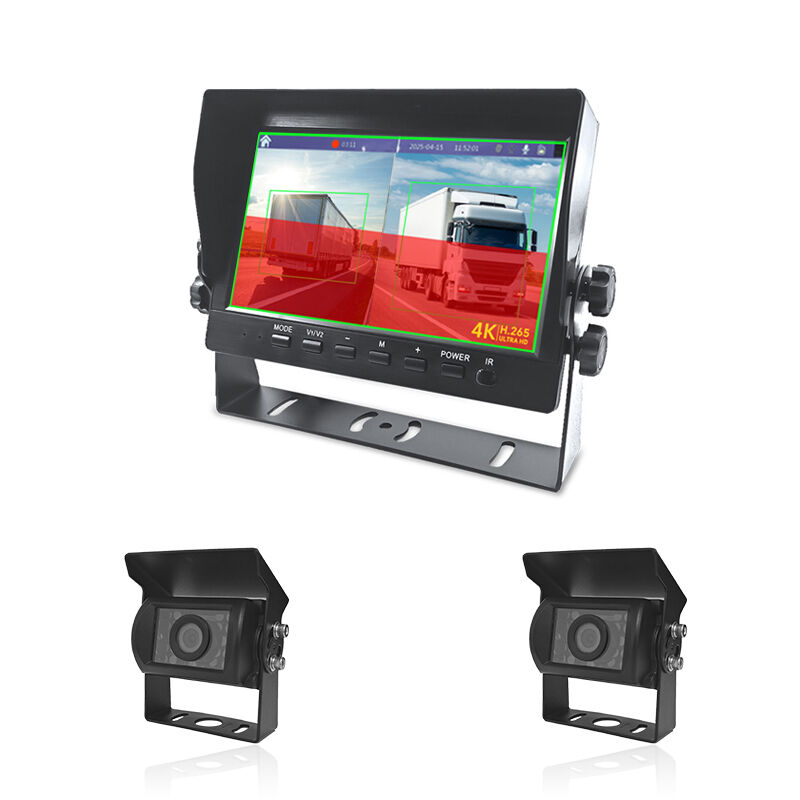
The change lane assist system employs cutting-edge radar and camera technology to create an unprecedented level of detection accuracy and reliability. Multiple high-frequency radar sensors are strategically positioned throughout the vehicle to provide continuous 360-degree monitoring of surrounding traffic conditions. These sensors operate at frequencies that penetrate various weather conditions, ensuring consistent performance during rain, fog, or snow when visibility is compromised. The integration of high-resolution cameras with advanced image processing capabilities allows the system to distinguish between different types of vehicles, pedestrians, cyclists, and stationary objects with remarkable precision. This sophisticated sensor fusion technology combines radar data with visual confirmation from cameras, creating redundant safety systems that minimize the possibility of false alerts or missed detections. The change lane assist system processes this information in real-time using powerful onboard computers that can analyze multiple data streams simultaneously, making split-second decisions about traffic conditions and potential hazards. The radar components operate on multiple frequency bands, providing both short-range precision for nearby vehicles and long-range detection for approaching traffic at high speeds. Camera technology incorporates night vision capabilities and adaptive brightness adjustment, ensuring reliable performance in various lighting conditions from bright daylight to complete darkness. The system continuously calibrates itself to maintain optimal performance, automatically adjusting sensitivity levels based on driving conditions, vehicle speed, and environmental factors. This intelligent adaptation ensures that the change lane assist technology remains effective across different driving scenarios, from congested urban streets to high-speed highway environments. The integration of these technologies creates a robust detection network that significantly exceeds human perception capabilities, providing drivers with information about potential hazards that would otherwise remain undetected until it becomes too late to react safely.
Intelligent Warning Systems with Multi-Modal Feedback

Intelligent Warning Systems with Multi-Modal Feedback

The change lane assist technology incorporates sophisticated warning systems that communicate potential hazards to drivers through multiple sensory channels, ensuring that important safety information reaches the driver regardless of their current attention level or environmental conditions. Visual warnings appear as illuminated icons in side mirrors, dashboard displays, or head-up display systems, providing immediate visual confirmation of detected vehicles in adjacent lanes or blind spots. These visual indicators use color-coded systems, typically employing amber warnings for detected vehicles and red alerts for immediate collision risks during attempted lane changes. Audible alerts complement visual warnings with carefully designed sound patterns that are distinct from other vehicle notifications, ensuring that drivers can immediately recognize and respond to change lane assist warnings even in noisy driving environments. The system incorporates haptic feedback through steering wheel vibrations or seat-based alerts that provide tactile warnings when visual or audible alerts might be missed or ignored. This multi-modal approach ensures that the change lane assist system can effectively communicate with drivers who may have hearing impairments, visual limitations, or who are temporarily distracted by passenger conversations or external factors. Advanced versions of the technology provide progressive warning systems that increase in intensity as potential collision risks become more immediate, starting with subtle notifications and escalating to more urgent alerts if the driver continues with an unsafe lane change attempt. The intelligent warning system learns from individual driving patterns and can adjust its sensitivity and warning timing based on each driver's typical response patterns and reaction speeds. This personalization ensures that the change lane assist technology provides optimal protection while minimizing unnecessary interruptions to the driving experience. The system also integrates with vehicle infotainment systems to temporarily reduce audio volume or pause phone calls during critical warning periods, ensuring that safety alerts receive immediate attention. Some implementations include directional audio systems that present warnings through speakers positioned near the detected hazard, providing intuitive spatial awareness of potential collision risks.
Seamless Integration with Vehicle Safety Ecosystem

Seamless Integration with Vehicle Safety Ecosystem

The change lane assist system represents a cornerstone component in modern vehicle safety ecosystems, designed to work harmoniously with other advanced driver assistance technologies to create comprehensive protection for vehicle occupants and surrounding road users. This integration extends beyond simple compatibility, incorporating intelligent communication protocols that allow different safety systems to share information and coordinate responses to potential hazards. When the change lane assist detects a vehicle in an adjacent lane, it immediately communicates this information to the adaptive cruise control system, which can adjust following distances and speeds to create optimal spacing for safe lane changes. The technology integrates seamlessly with automatic emergency braking systems, providing additional input data that helps these systems make more informed decisions about potential collision risks during lane-changing maneuvers. Electronic stability control systems receive continuous updates from the change lane assist sensors, allowing for more precise vehicle dynamics management during evasive maneuvers or emergency situations. The integration extends to navigation systems, which can provide predictive information about upcoming lane changes required for planned routes, allowing the change lane assist system to prepare for necessary maneuvers and optimize safety monitoring in advance. Vehicle-to-vehicle communication capabilities in newer implementations allow the change lane assist system to receive information from surrounding vehicles equipped with similar technologies, creating a networked safety environment that extends protection beyond individual vehicle sensor ranges. The system interfaces with driver monitoring technologies that track driver attention and alertness levels, adjusting warning sensitivity and intervention timing based on detected driver states. This integration ensures that the change lane assist provides more aggressive intervention during periods when drivers show signs of fatigue or distraction. Fleet management systems can access change lane assist data to monitor driver safety performance, identify training opportunities, and track the effectiveness of safety technologies across multiple vehicles. The technology also integrates with telematics systems that can provide valuable data for insurance companies, potentially leading to reduced premiums for vehicles equipped with comprehensive safety technology packages. Future developments promise even deeper integration with autonomous driving systems, where change lane assist technology will serve as a critical component in fully automated lane-changing capabilities.
Advanced Change Lane Assist Technology: Comprehensive Safety Features and Benefits Guide

Get a Free Quote

Our representative will contact you soon.
Email
Name
Company Name
Mobile/WhatsApp
Message
0/1000