Lane Switch Assist Technology: Advanced Safety Features and Benefits for Modern Drivers

Get a Free Quote

Our representative will contact you soon.
Email
Name
Company Name
Mobile/WhatsApp
Message
0/1000

lane switch assist

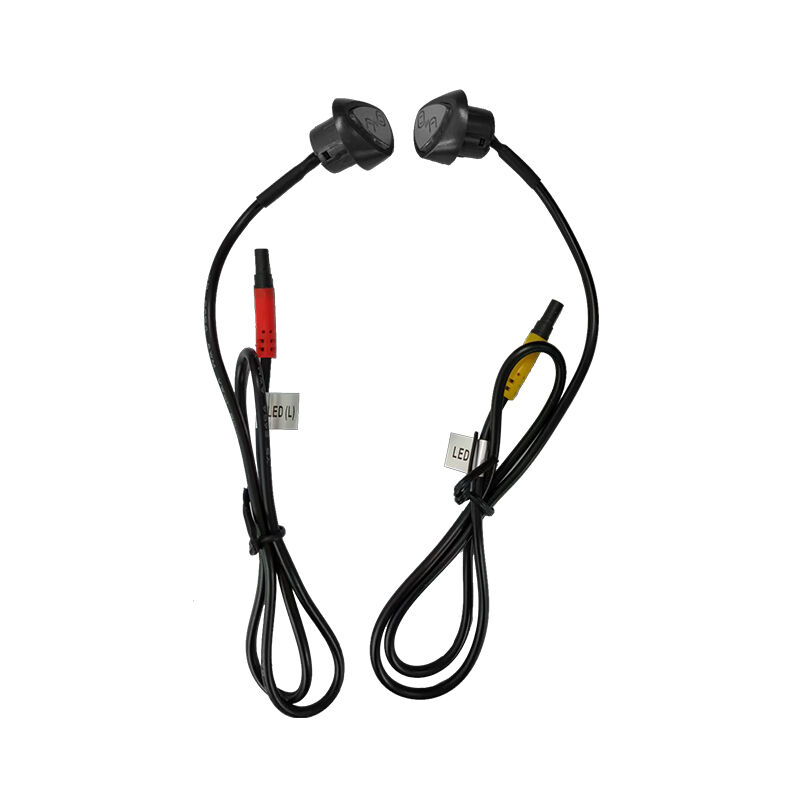
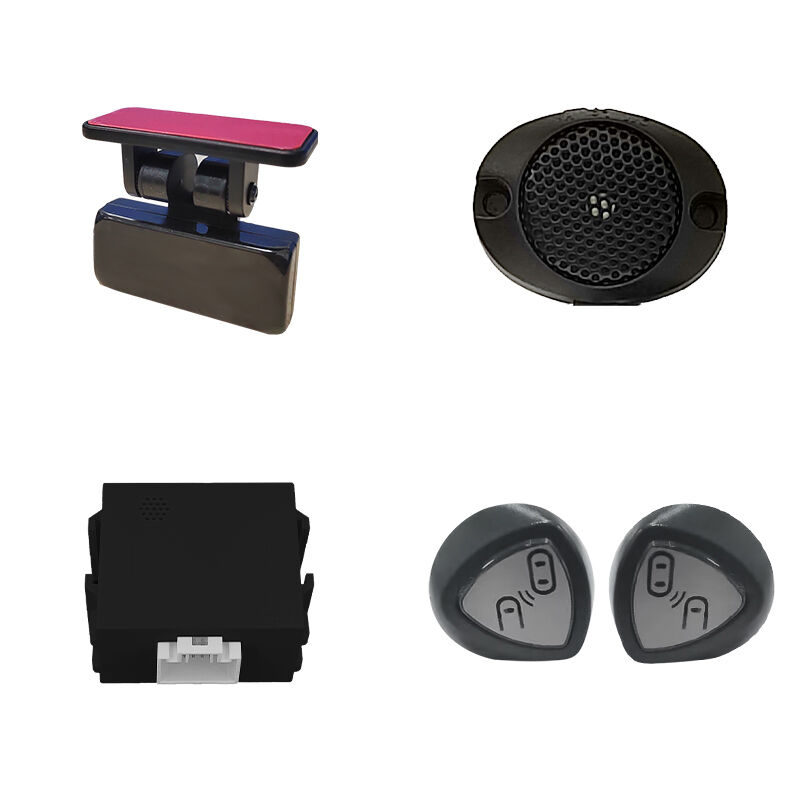
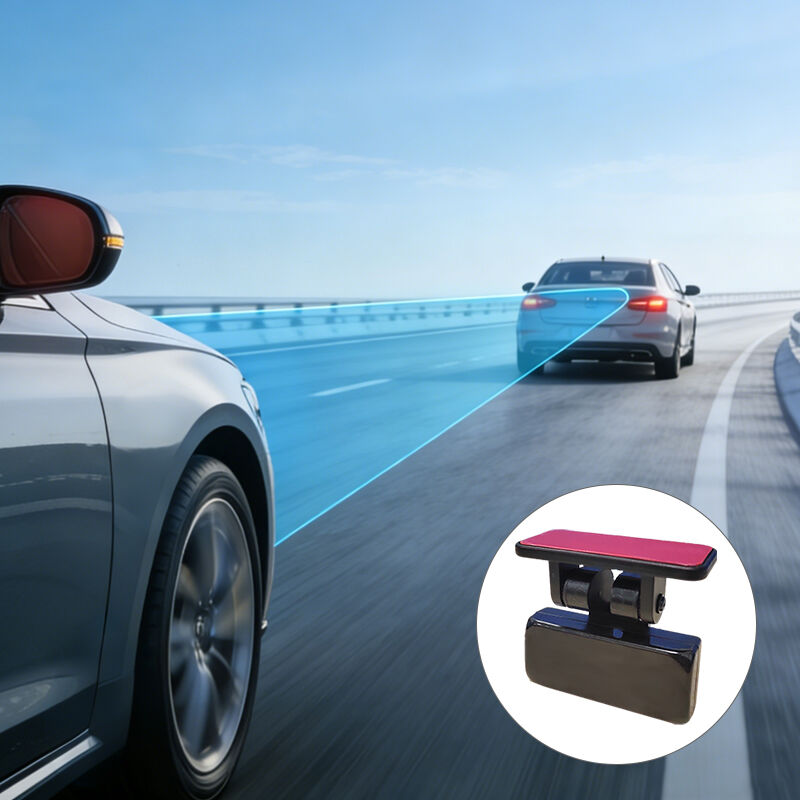
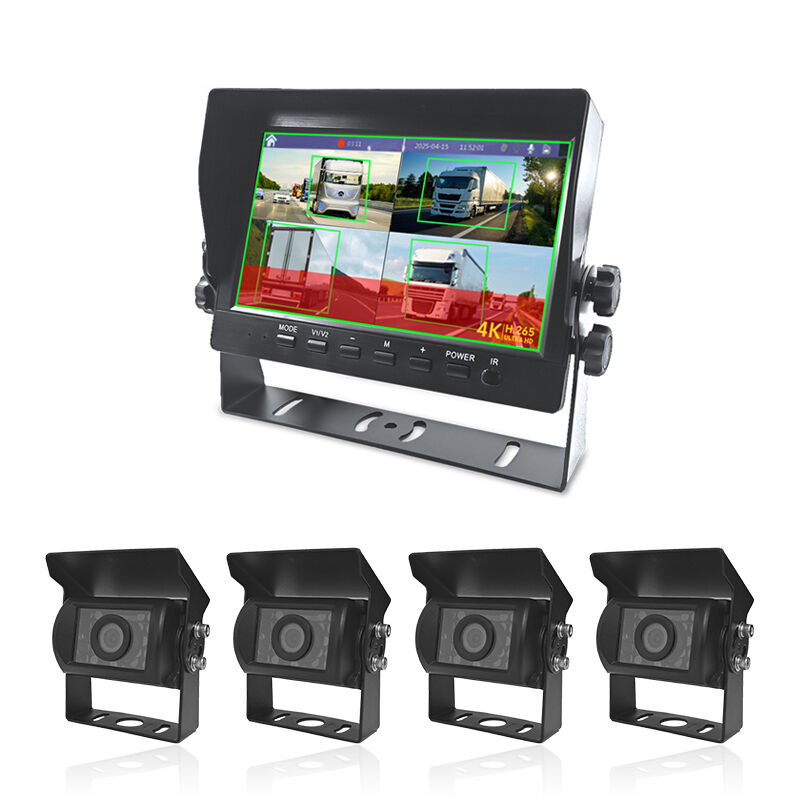
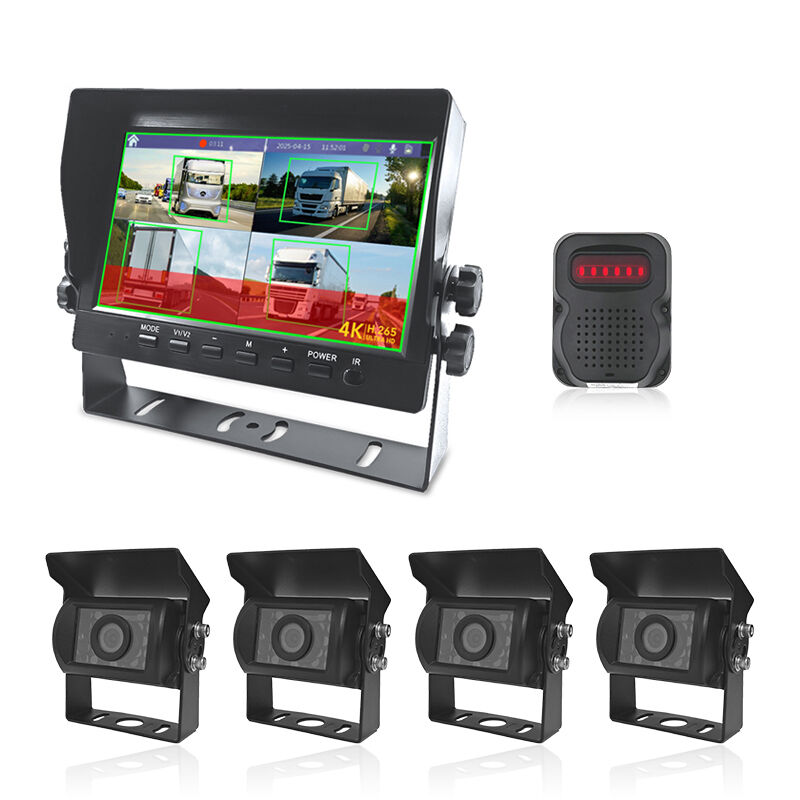
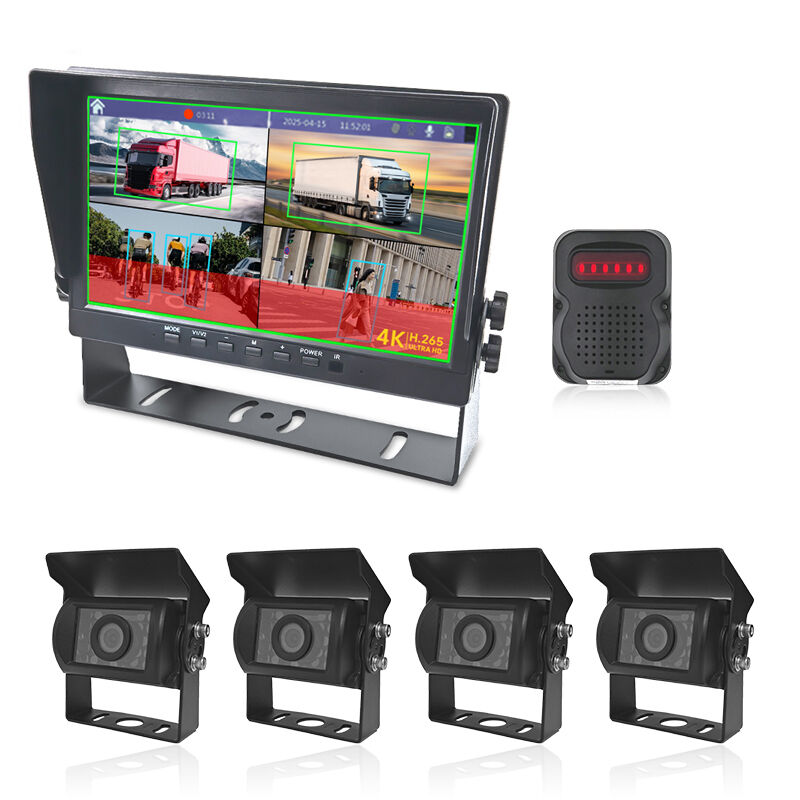
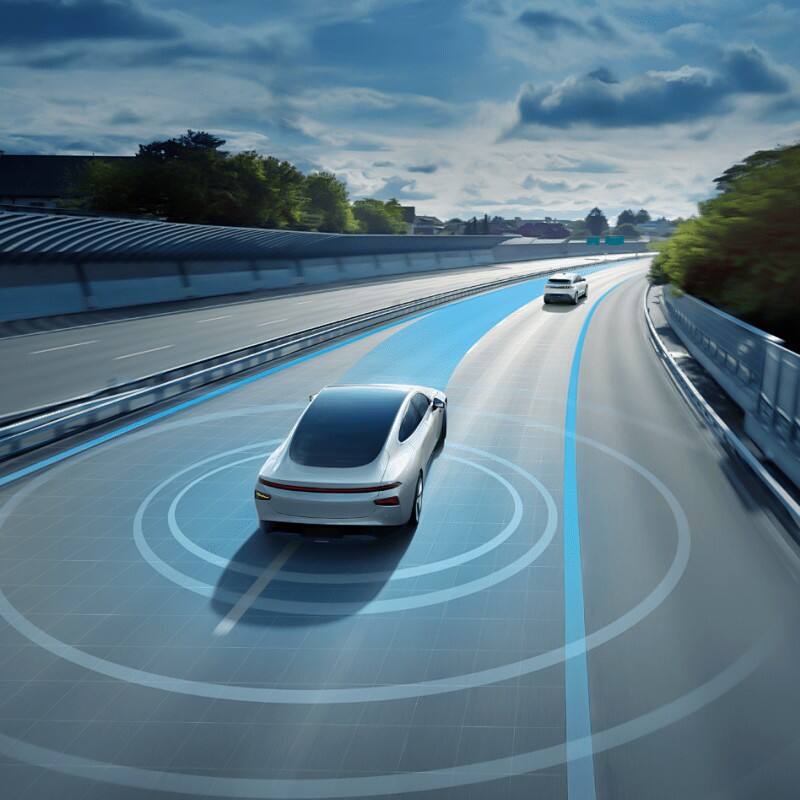
Lane switch assist represents a revolutionary advancement in automotive safety technology, designed to enhance driver confidence and vehicle control during lane-changing maneuvers. This sophisticated system utilizes a combination of advanced sensors, cameras, and radar technology to monitor surrounding traffic conditions and provide real-time assistance when drivers initiate lane changes. The lane switch assist system continuously scans blind spots, detects approaching vehicles, and calculates safe gaps in traffic to ensure smooth and secure lane transitions. Modern vehicles equipped with lane switch assist benefit from multiple detection zones that extend beyond traditional mirror coverage, significantly reducing the risk of accidents caused by blind spot collisions. The technology operates through strategically positioned radar sensors mounted on the vehicle's rear bumper and side panels, which work in conjunction with high-resolution cameras to create a comprehensive 360-degree awareness system. When activated, the lane switch assist feature monitors vehicle speed, acceleration patterns of nearby cars, and relative positioning to determine optimal timing for safe lane changes. The system provides both visual and audible alerts through dashboard indicators, side mirror warning lights, and steering wheel vibrations to communicate potential hazards to the driver. Advanced implementations of lane switch assist can integrate with adaptive cruise control and automatic emergency braking systems to create a cohesive safety network. The technology proves particularly valuable in heavy traffic conditions, highway driving scenarios, and situations where driver visibility is compromised by weather or lighting conditions. Lane switch assist systems have evolved to include predictive algorithms that anticipate traffic patterns and provide proactive guidance for lane selection. This intelligent assistance extends beyond simple collision avoidance to include traffic flow optimization, helping drivers make informed decisions about when and where to change lanes for improved efficiency and safety.

New Product Recommendations

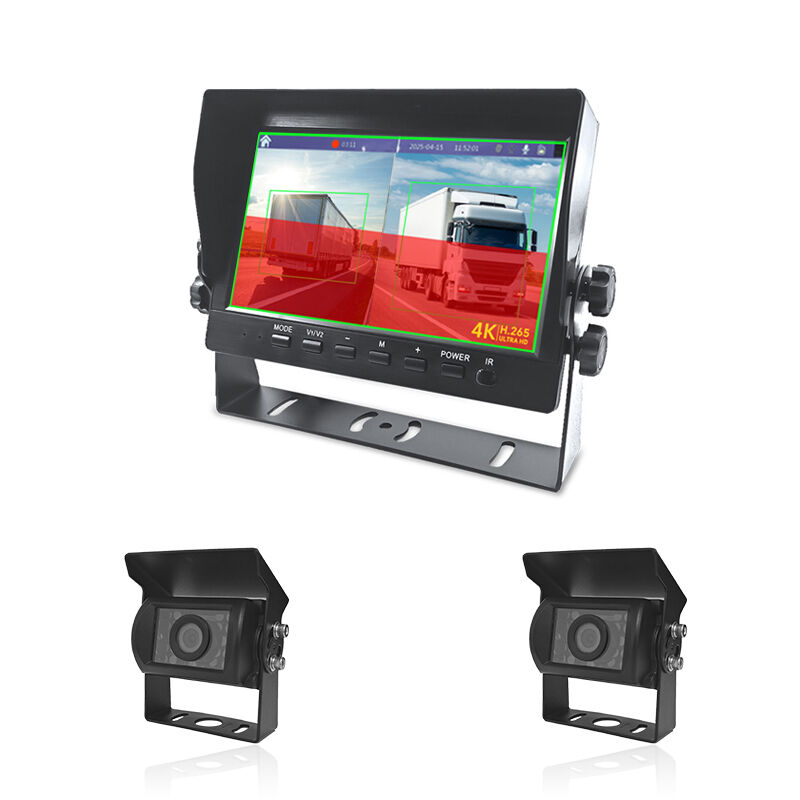
Lane switch assist delivers substantial safety improvements that directly protect drivers and passengers from common road hazards. This technology eliminates dangerous blind spots that traditional mirrors cannot cover, providing complete visibility of surrounding vehicles during critical maneuvering moments. Drivers experience reduced stress and fatigue during long highway journeys because the system continuously monitors traffic conditions, allowing them to focus on primary driving tasks without constant shoulder checking. The financial benefits of lane switch assist become evident through reduced insurance premiums and decreased accident-related costs, as vehicles equipped with this technology demonstrate significantly lower collision rates. Traffic flow efficiency improves dramatically when multiple vehicles utilize lane switch assist systems, creating smoother merging patterns and reducing congestion bottlenecks that typically occur during rush hour periods. Elderly drivers and those with mobility limitations particularly benefit from lane switch assist technology, as it compensates for reduced neck flexibility and slower reaction times that naturally occur with age. The system proves invaluable for commercial vehicle operators who manage larger blind spots and require enhanced awareness when changing lanes with heavy cargo loads. Weather-related visibility challenges become less problematic with lane switch assist, as radar and sensor technology functions effectively in rain, fog, and low-light conditions where human vision becomes compromised. Driver confidence increases substantially when lane switch assist is active, encouraging safer driving behaviors and reducing aggressive lane-changing maneuvers that often lead to road rage incidents. The technology adapts to different driving environments automatically, adjusting sensitivity levels for urban streets versus highway conditions to provide appropriate assistance without becoming intrusive. Emergency situations benefit from lane switch assist capabilities, as the system can help drivers execute rapid but safe lane changes when avoiding obstacles or responding to sudden traffic incidents. New drivers develop better spatial awareness and lane-changing judgment through consistent exposure to lane switch assist feedback, creating long-term safety benefits that extend beyond the assisted driving experience. Fuel efficiency improvements result from optimized lane selection guided by lane switch assist recommendations, helping drivers choose traffic lanes that maintain steady speeds and reduce unnecessary acceleration cycles.

Tips And Tricks

L3 Autonomous Driving

23

Dec

L3 Autonomous Driving

View More
The 138th Canton Fair

04

Jan

The 138th Canton Fair

View More
2025 HKTDC (Autumn  Edition)

23

Dec

2025 HKTDC (Autumn Edition)

View More

Get a Free Quote

Our representative will contact you soon.
Email
Name
Company Name
Mobile/WhatsApp
Message
0/1000

lane switch assist

Advanced Sensor Integration and Real-Time Detection

Advanced Sensor Integration and Real-Time Detection

The cornerstone of effective lane switch assist technology lies in its sophisticated sensor integration system that combines multiple detection methods to create unprecedented situational awareness. This advanced network incorporates high-frequency radar sensors, ultrasonic detectors, and high-definition cameras working in perfect synchronization to monitor blind spots and adjacent traffic lanes continuously. The radar components operate at 24GHz and 77GHz frequencies, providing precise distance measurements and velocity calculations for vehicles approaching from behind or alongside. These sensors maintain effectiveness across various weather conditions, penetrating through rain, snow, and fog that would otherwise impair traditional visual detection methods. The camera systems utilize advanced image processing algorithms to identify vehicle types, predict movement patterns, and distinguish between cars, motorcycles, trucks, and other road users. Machine learning capabilities enable the lane switch assist system to improve detection accuracy over time, adapting to different driving environments and traffic patterns specific to each user's regular routes. The integration extends to communication protocols that share data between sensors instantaneously, creating redundant safety measures that ensure reliable operation even if individual components experience temporary malfunctions. Edge computing processing occurs within milliseconds, analyzing sensor data locally to provide immediate feedback without relying on external connectivity or cloud-based processing that might introduce delays. The system's ability to detect vehicles in adjacent lanes up to 70 meters behind provides ample warning time for safe lane-changing decisions, while forward-looking sensors anticipate traffic conditions in target lanes. Calibration procedures automatically adjust sensor sensitivity based on vehicle speed, road conditions, and traffic density, ensuring optimal performance across diverse driving scenarios. This comprehensive sensor integration represents a significant advancement over basic blind-spot monitoring systems, offering lane switch assist users complete confidence in their vehicle's ability to detect and respond to surrounding traffic dynamics accurately and reliably.

Intelligent Traffic Pattern Analysis and Predictive Guidance

Intelligent Traffic Pattern Analysis and Predictive Guidance

Lane switch assist systems incorporate sophisticated artificial intelligence algorithms that analyze traffic patterns and provide predictive guidance for optimal lane-changing decisions. This intelligent analysis extends far beyond simple gap detection, evaluating traffic flow dynamics, vehicle acceleration patterns, and road geometry to recommend the most advantageous timing for lane changes. The system processes data from multiple vehicles simultaneously, calculating relative speeds and projected positions to identify safe maneuvering windows that might not be immediately apparent to human drivers. Machine learning components continuously refine their understanding of traffic behaviors, recognizing patterns specific to different road types, time periods, and geographic locations. Highway on-ramps and off-ramps receive special attention from the lane switch assist algorithms, which anticipate merging vehicle behaviors and adjust recommendations accordingly. The technology evaluates lane-specific traffic speeds to guide drivers toward lanes that offer better flow efficiency, reducing travel times while maintaining safety priorities. Construction zones and temporary traffic pattern disruptions are automatically recognized and incorporated into the decision-making process, ensuring lane switch assist recommendations remain relevant and safe despite changing road conditions. The predictive capabilities extend to anticipating aggressive drivers or erratic vehicle behaviors, providing early warnings that help users avoid potentially dangerous situations before they fully develop. Integration with navigation systems allows lane switch assist to provide strategic lane positioning guidance for upcoming exits, turns, or route changes, eliminating last-minute lane changes that increase accident risk. Real-time traffic data integration enables the system to recommend lane changes that avoid developing congestion patterns, helping drivers maintain consistent speeds and reduce fuel consumption. The artificial intelligence continuously learns from successful lane-changing maneuvers, building a database of effective strategies that can be applied to similar future situations. Emergency vehicle detection protocols automatically trigger lane switch assist recommendations to facilitate proper yielding behaviors, ensuring compliance with traffic laws while maintaining safety for all road users.
Seamless Integration with Vehicle Safety Systems

Seamless Integration with Vehicle Safety Systems

Modern lane switch assist technology achieves remarkable effectiveness through seamless integration with comprehensive vehicle safety systems, creating a unified protective network that enhances overall driving security. This integration connects lane switch assist with adaptive cruise control, automatic emergency braking, electronic stability control, and collision avoidance systems to provide coordinated responses to complex traffic situations. When lane switch assist detects an unsafe lane-changing opportunity, it communicates directly with the vehicle's braking and steering systems to provide gentle corrective inputs that guide drivers away from potential collisions. The coordination extends to turn signal activation, where lane switch assist can automatically engage hazard detection protocols when drivers indicate their intention to change lanes. Integration with vehicle-to-vehicle communication systems allows lane switch assist to receive data from other equipped vehicles, creating a broader awareness network that extends beyond individual sensor ranges. Adaptive headlight systems respond to lane switch assist inputs by adjusting beam patterns to improve visibility of vehicles in adjacent lanes during nighttime driving conditions. The technology works harmoniously with parking assist and maneuvering systems when operating in slow-speed environments, providing consistent protection whether changing lanes on highways or navigating crowded parking areas. Driver attention monitoring systems coordinate with lane switch assist to ensure optimal human oversight during assisted maneuvers, temporarily suspending automatic inputs if driver distraction or fatigue is detected. Integration protocols ensure that lane switch assist recommendations align with navigation system guidance, preventing conflicts between safety systems and route optimization features. The seamless coordination extends to vehicle dynamics control, where lane switch assist inputs are processed alongside acceleration, braking, and steering commands to maintain optimal vehicle stability during lane changes. Diagnostic systems continuously monitor integration points between lane switch assist and other safety technologies, providing maintenance alerts if communication protocols experience interruptions or degraded performance. This comprehensive integration approach ensures that lane switch assist functions as part of a holistic safety strategy rather than an isolated feature, maximizing protection for vehicle occupants while maintaining intuitive operation that drivers can trust and rely upon consistently.
Lane Switch Assist Technology: Advanced Safety Features and Benefits for Modern Drivers

Get a Free Quote

Our representative will contact you soon.
Email
Name
Company Name
Mobile/WhatsApp
Message
0/1000