Active Lane Change Assist Technology: Advanced Safety Features and Benefits Guide

Get a Free Quote

Our representative will contact you soon.
Email
Name
Company Name
Mobile/WhatsApp
Message
0/1000

active lane change assist

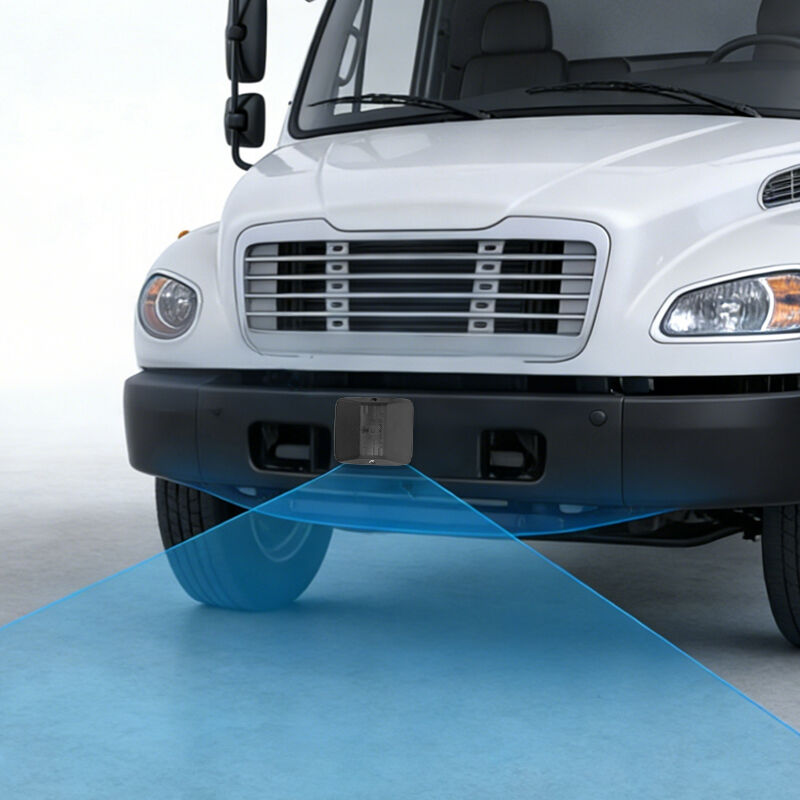
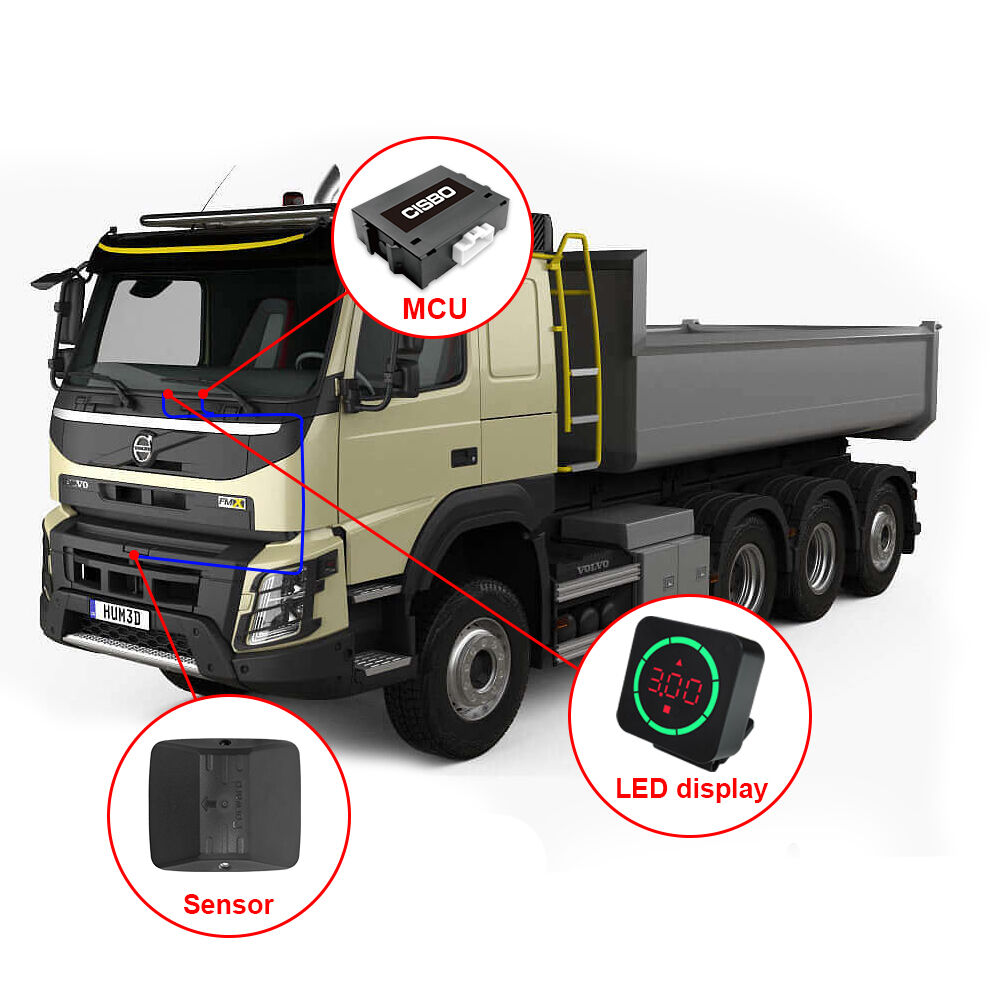
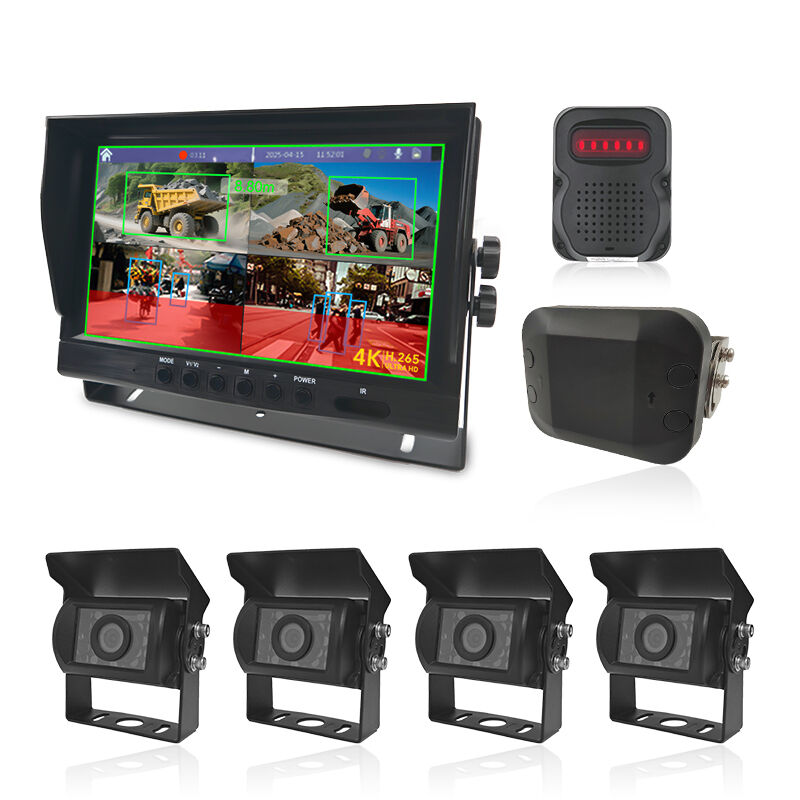
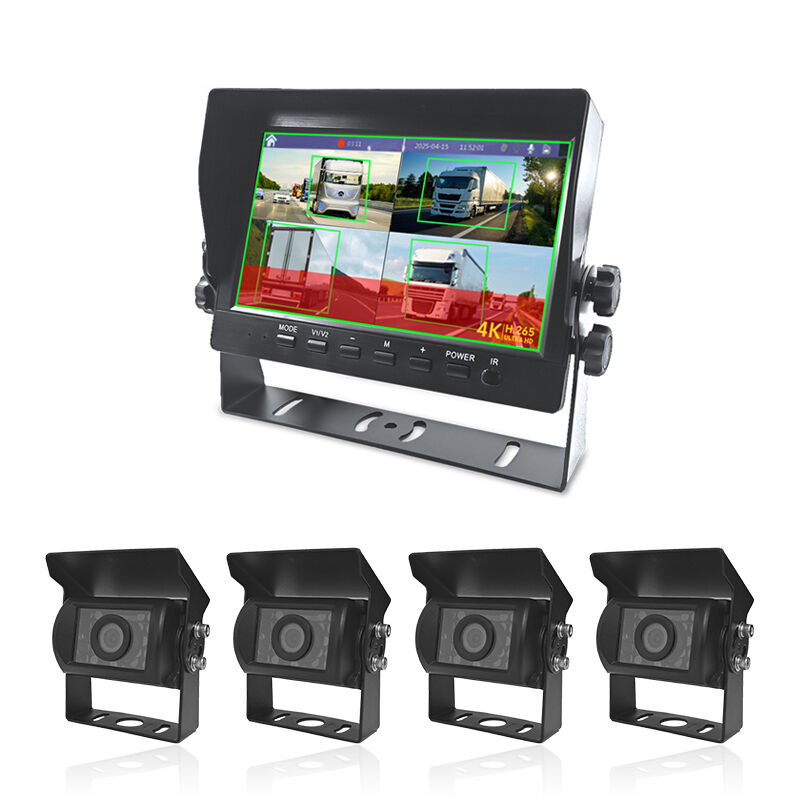
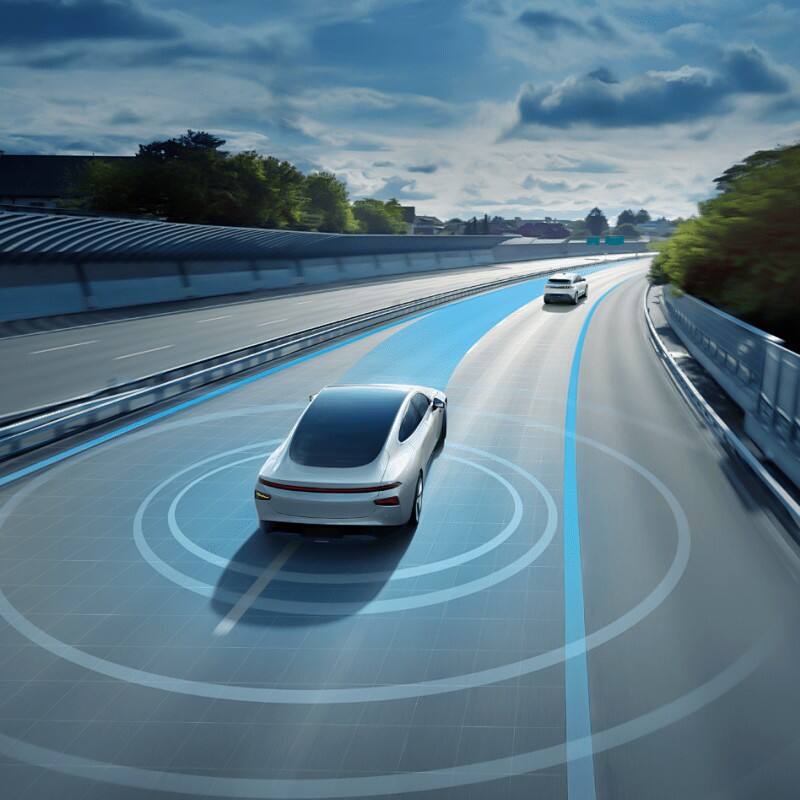
Active lane change assist represents a revolutionary advancement in automotive safety technology, designed to enhance driver confidence and road safety during one of driving's most challenging maneuvers. This sophisticated system combines multiple sensors, cameras, and artificial intelligence to monitor surrounding traffic conditions and execute safe lane changes when appropriate. The active lane change assist utilizes radar sensors positioned around the vehicle to detect nearby vehicles, measuring their distance, speed, and trajectory with remarkable precision. Advanced cameras capture real-time visual data, while sophisticated algorithms process this information to determine optimal timing for lane changes. The system continuously monitors blind spots, ensuring no vehicles are approaching at dangerous speeds before initiating any movement. When activated, the active lane change assist seamlessly integrates with the vehicle's steering system, providing gentle guidance to move the car into the adjacent lane while maintaining appropriate spacing from other vehicles. The technology incorporates machine learning capabilities, allowing it to adapt to different driving conditions and improve performance over time. Safety remains the paramount concern, with multiple fail-safe mechanisms built into the system to prevent accidents. The active lane change assist requires driver engagement and approval before executing any maneuver, ensuring human oversight remains central to the driving experience. This system proves particularly valuable during highway driving, where frequent lane changes become necessary for navigation and traffic flow optimization. Modern implementations include customizable sensitivity settings, allowing drivers to adjust the system's responsiveness according to personal preferences and driving conditions. The technology works harmoniously with existing driver assistance features, creating a comprehensive safety network that significantly reduces the likelihood of accidents during lane change maneuvers.

New Product Releases

The active lane change assist delivers numerous practical benefits that transform the driving experience for everyday motorists. Safety stands as the primary advantage, with the system dramatically reducing accidents caused by blind spot miscalculations and human error during lane changes. Studies demonstrate that vehicles equipped with active lane change assist experience significantly fewer side-impact collisions and merge-related incidents. The system provides constant vigilance that human drivers cannot match, monitoring multiple zones simultaneously while processing information faster than human reflexes allow. Stress reduction represents another significant benefit, particularly for nervous or inexperienced drivers who find lane changes intimidating. The active lane change assist builds driver confidence by providing reliable assistance during challenging maneuvers, making highway driving more comfortable and less anxiety-inducing. Traffic flow improvement occurs naturally as the system executes smooth, well-timed lane changes that minimize disruption to surrounding vehicles. This technology reduces the jerky, hesitant movements that often characterize manual lane changes, creating a more harmonious driving environment for everyone on the road. Fuel efficiency gains result from optimized lane positioning and reduced unnecessary braking or acceleration during lane change maneuvers. The active lane change assist selects ideal moments for movement, avoiding situations that require aggressive acceleration to complete the maneuver safely. Convenience features enhance daily commuting experiences, particularly in heavy traffic conditions where manual lane changes become tedious and stressful. The system handles routine positioning adjustments automatically, allowing drivers to focus on navigation and route planning rather than constant maneuvering. Long-distance travel becomes more comfortable with reduced driver fatigue, as the active lane change assist shoulder significant responsibility for maintaining proper lane positioning. Insurance benefits may include reduced premiums for vehicles equipped with this advanced safety technology, as insurers recognize the decreased accident risk associated with these systems. The technology also provides valuable data feedback, helping drivers understand their lane change patterns and potentially improving their manual driving skills over time.

Practical Tips

L3 Autonomous Driving

23

Dec

L3 Autonomous Driving

View More
The 138th Canton Fair

04

Jan

The 138th Canton Fair

View More
2025 HKTDC (Autumn  Edition)

23

Dec

2025 HKTDC (Autumn Edition)

View More

Get a Free Quote

Our representative will contact you soon.
Email
Name
Company Name
Mobile/WhatsApp
Message
0/1000

active lane change assist

Advanced Sensor Integration and Real-Time Processing

Advanced Sensor Integration and Real-Time Processing

The active lane change assist incorporates cutting-edge sensor technology that creates a comprehensive 360-degree awareness system around your vehicle. Multiple radar sensors work in conjunction with high-definition cameras to create a detailed map of surrounding traffic conditions, updating this information dozens of times per second to ensure accuracy and responsiveness. The system's radar components can detect vehicles at distances exceeding 150 meters, providing ample time to assess lane change opportunities and execute safe maneuvers. These sensors operate effectively in various weather conditions, including rain, fog, and low-light situations where human vision might be compromised. The active lane change assist processes sensor data through advanced algorithms that can predict the behavior of nearby vehicles based on their current speed, acceleration patterns, and positioning. This predictive capability allows the system to anticipate potential conflicts before they develop, ensuring that lane changes occur only when sufficient safety margins exist. The technology distinguishes between different types of vehicles, adjusting its calculations based on whether nearby traffic consists of motorcycles, passenger cars, or large trucks. Camera systems provide visual confirmation of sensor data, creating redundant safety checks that minimize the possibility of false readings or system errors. Machine learning components enable the active lane change assist to improve its performance over time, adapting to individual driving patterns and regional traffic characteristics. The integration of GPS data allows the system to consider upcoming highway interchanges, construction zones, and other factors that might influence lane change timing and safety. Real-time processing capabilities ensure that the system responds immediately to changing traffic conditions, maintaining optimal safety margins even in dynamic driving environments where multiple vehicles are changing lanes simultaneously.
Seamless Human-Machine Interface and Driver Control

Seamless Human-Machine Interface and Driver Control

The active lane change assist features an intuitive interface design that maintains driver engagement while providing sophisticated automated assistance. The system requires deliberate driver input through turn signal activation, ensuring that lane changes occur only when intended and never without explicit human authorization. This collaborative approach preserves driver autonomy while leveraging technology to enhance safety and convenience. Visual and audible feedback systems keep drivers informed about the system's status and intentions, displaying clear indicators when lane changes are safe to execute. The active lane change assist provides gentle steering inputs that feel natural and responsive, avoiding the abrupt movements that might startle drivers or passengers. Customizable sensitivity settings allow drivers to adjust the system's behavior according to personal preferences, traffic conditions, and comfort levels. Conservative settings provide more cautious lane change timing, while sport modes enable more assertive maneuvering for experienced drivers who prefer quicker lane changes. The system includes override capabilities that allow drivers to take immediate manual control at any moment, ensuring that human judgment always takes precedence over automated functions. Training modes help new users become familiar with the active lane change assist functionality, gradually building confidence through supervised operation and educational feedback. The interface integrates seamlessly with existing vehicle infotainment systems, providing lane change status information through familiar dashboard displays and smartphone connectivity options. Emergency override protocols ensure that the system disengages immediately if it detects driver steering input or unusual vehicle dynamics that might indicate a developing emergency situation. The active lane change assist maintains detailed operational logs that can be reviewed through connected vehicle applications, helping drivers understand system performance and identify opportunities for improved integration with their driving habits.
Comprehensive Safety Architecture and Fail-Safe Systems

Comprehensive Safety Architecture and Fail-Safe Systems

The active lane change assist incorporates multiple layers of safety protocols designed to prevent accidents and protect occupants under all operating conditions. Primary safety systems include continuous monitoring of blind spots, rear approach detection, and forward collision avoidance integration that works seamlessly with existing vehicle safety features. The system maintains constant communication with electronic stability control, anti-lock braking systems, and traction control to ensure that lane changes occur only when vehicle dynamics permit safe maneuvering. Redundant sensor arrays provide backup detection capabilities, ensuring that system functionality continues even if individual components experience temporary failures or interference. The active lane change assist includes sophisticated algorithms that calculate minimum safe following distances based on current vehicle speed, road conditions, and weather factors detected by onboard sensors. Emergency abort functions immediately cancel lane change maneuvers if sudden obstacles appear or if approaching vehicles accelerate unexpectedly into the intended path. The system recognizes construction zones, emergency vehicles, and other special traffic situations that require modified lane change protocols or complete system deactivation for safety. Fail-safe mechanisms ensure that any system malfunction results in immediate deactivation rather than unpredictable behavior, with clear driver notifications explaining the nature of any detected issues. Integration with vehicle-to-vehicle communication systems, where available, provides additional safety margin through direct communication with nearby equipped vehicles about intended lane changes. The active lane change assist includes comprehensive diagnostic capabilities that monitor system health continuously, providing predictive maintenance alerts before potential failures occur. Regular software updates enhance safety protocols and expand compatibility with new vehicle technologies and traffic management systems. The system's safety architecture undergoes rigorous testing under various conditions to ensure reliable operation across different vehicle types, road conditions, and traffic scenarios that drivers encounter in real-world situations.
Active Lane Change Assist Technology: Advanced Safety Features and Benefits Guide

Get a Free Quote

Our representative will contact you soon.
Email
Name
Company Name
Mobile/WhatsApp
Message
0/1000