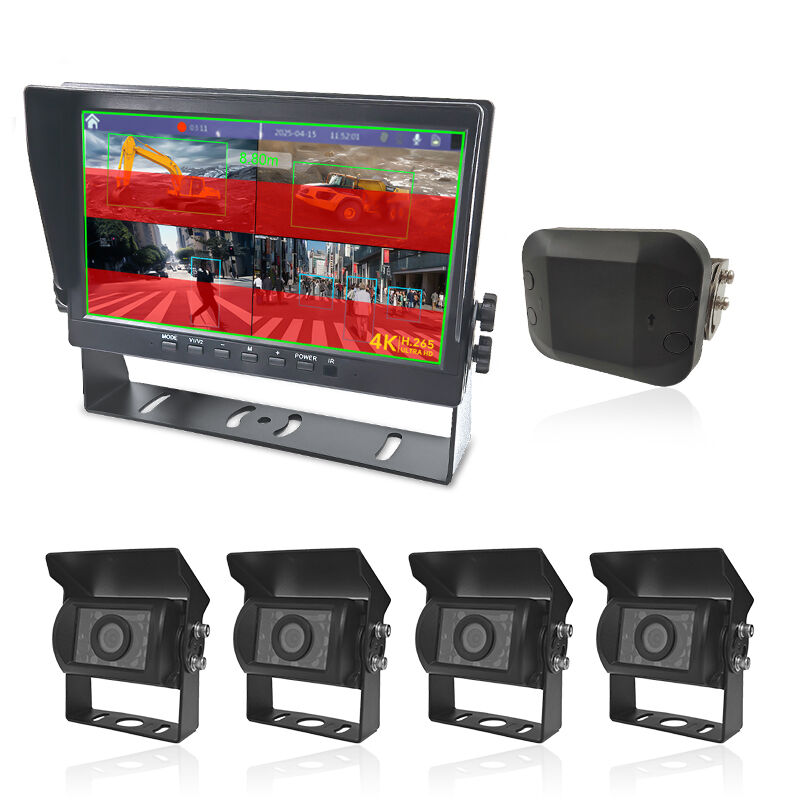
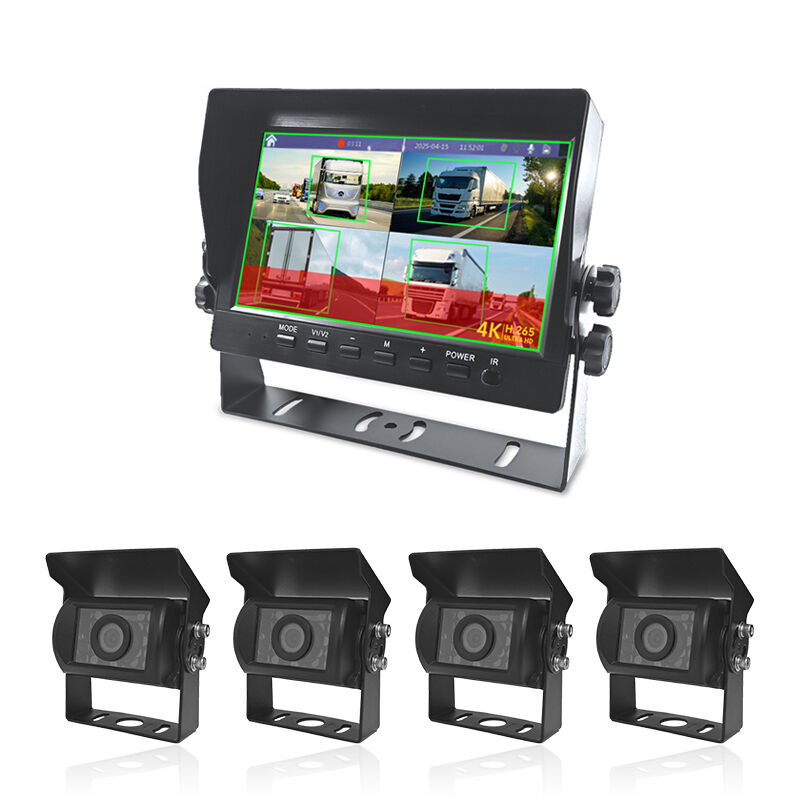
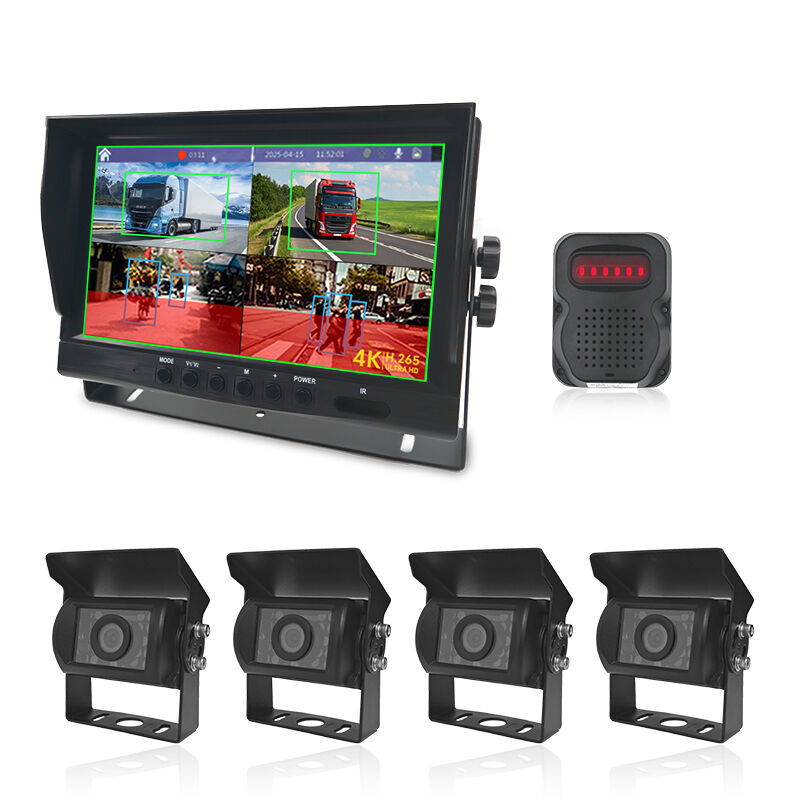
Ultrasonic Blind Spot Detection System - Advanced Vehicle Safety Technology

Get a Free Quote

Our representative will contact you soon.
Email
Name
Company Name
Mobile/WhatsApp
Message
0/1000

ultrasonic blind spot detection system

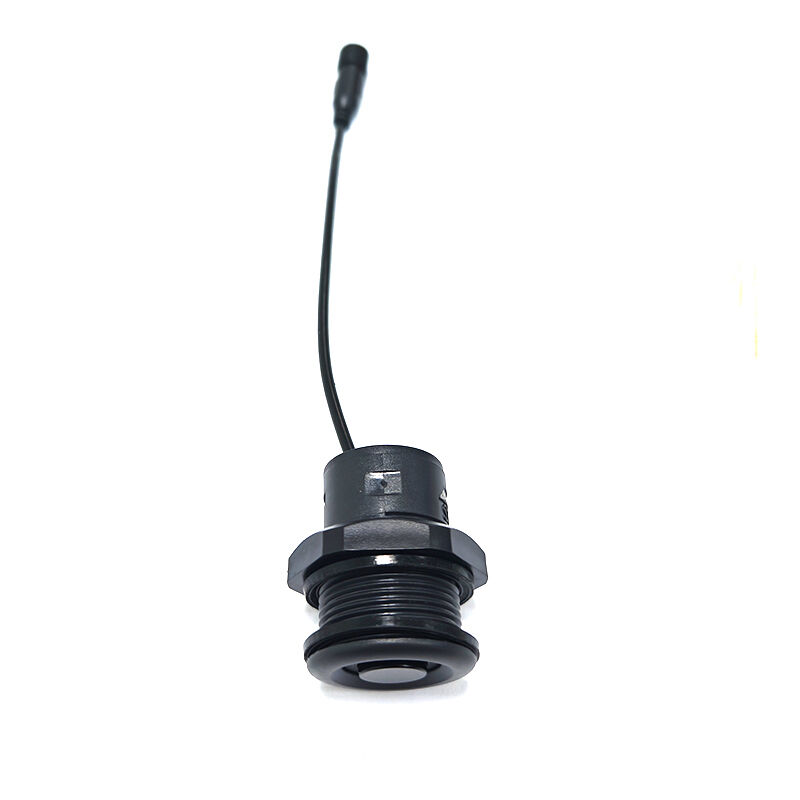
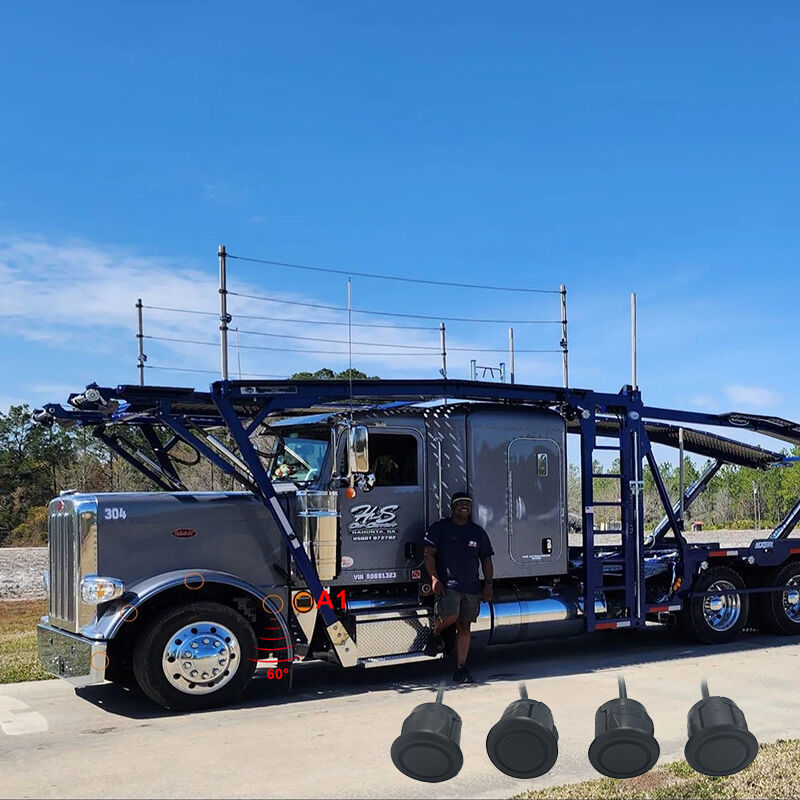
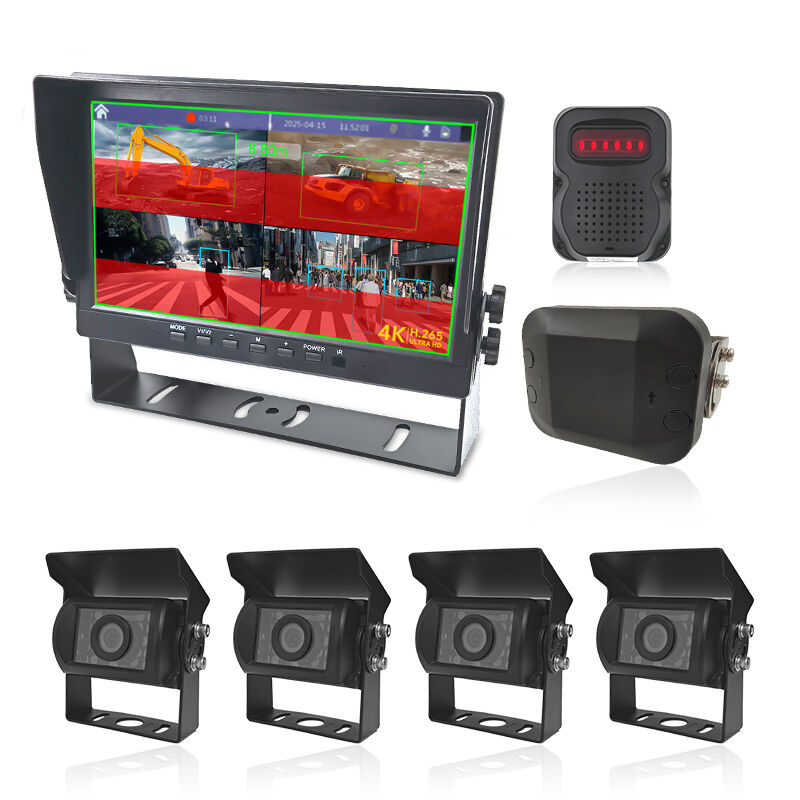
The ultrasonic blind spot detection system represents a cutting-edge automotive safety technology that utilizes high-frequency sound waves to monitor vehicle surroundings and detect objects in areas traditionally invisible to drivers. This sophisticated system employs multiple ultrasonic sensors strategically positioned around the vehicle's perimeter, typically on bumpers and side panels, to create an invisible protective barrier that continuously scans for potential hazards. The ultrasonic blind spot detection system operates by emitting sound waves at frequencies above human hearing range, typically between 40-60 kHz, which bounce off nearby objects and return to the sensors for analysis. Advanced microprocessors interpret these reflected signals to determine object distance, size, and movement patterns, providing real-time alerts to drivers through visual indicators, audible warnings, or steering wheel vibrations. The system's main functions include detecting vehicles approaching from adjacent lanes, identifying pedestrians or cyclists in blind spots, monitoring parking obstacles, and providing lane-change assistance during highway driving. Technological features of the ultrasonic blind spot detection system include weather-resistant sensor housings, adaptive sensitivity settings that adjust to different driving conditions, and integration capabilities with existing vehicle safety systems such as automatic emergency braking and lane departure warning systems. The system operates effectively in various environmental conditions, including rain, fog, and low-light situations, making it superior to camera-based alternatives in challenging weather. Applications span across multiple vehicle types, from compact cars to commercial trucks, with customizable configurations to accommodate different vehicle sizes and monitoring requirements. Fleet operators particularly benefit from implementing ultrasonic blind spot detection systems in delivery vehicles, buses, and construction equipment where driver visibility is naturally limited. The technology seamlessly integrates with modern vehicle architectures, supporting both retrofit installations in existing vehicles and factory integration in new models, ensuring broad accessibility across the automotive market.

New Products

The ultrasonic blind spot detection system delivers exceptional reliability compared to traditional safety methods, operating consistently in all weather conditions without performance degradation. Unlike camera-based systems that struggle with rain, snow, or bright sunlight, ultrasonic sensors maintain peak accuracy regardless of environmental factors, ensuring drivers receive dependable protection year-round. This weather independence translates to enhanced safety during critical driving situations when visibility naturally decreases. The system provides immediate alerts when objects enter blind spot zones, giving drivers crucial seconds to react and avoid potential collisions. Real-time monitoring capabilities mean the ultrasonic blind spot detection system never sleeps, continuously scanning surroundings even during extended highway drives when driver attention might waver. Installation flexibility represents another significant advantage, as the system adapts to virtually any vehicle type without requiring extensive modifications or expensive equipment upgrades. Professional technicians complete most installations within hours, minimizing vehicle downtime and allowing quick integration into existing fleets. The ultrasonic blind spot detection system operates silently without disturbing passengers, unlike radar-based alternatives that sometimes produce audible interference. Energy efficiency ensures minimal impact on vehicle battery life, making it ideal for electric vehicles where power conservation remains paramount. Cost-effectiveness emerges as drivers avoid expensive accident repairs and insurance claims through proactive hazard detection. The system pays for itself through prevented incidents, particularly valuable for commercial operators managing multiple vehicles. Maintenance requirements stay minimal due to robust sensor construction designed for automotive environments. The ultrasonic blind spot detection system requires no regular calibration or software updates, reducing long-term ownership costs while maintaining consistent performance. User-friendly operation means drivers need no special training to benefit from enhanced safety features. Customizable alert settings allow personal preferences for warning intensity and timing, ensuring optimal comfort without compromising protection. The system works independently of vehicle speed, providing equal protection during parking maneuvers and highway driving. Integration capabilities allow seamless coordination with existing safety systems, creating comprehensive protection networks that multiply overall effectiveness. Insurance companies often provide premium discounts for vehicles equipped with ultrasonic blind spot detection systems, recognizing their proven accident prevention capabilities and delivering ongoing financial benefits to owners who invest in advanced safety technology.

Tips And Tricks

L3 Autonomous Driving

23

Dec

L3 Autonomous Driving

View More
The 138th Canton Fair

04

Jan

The 138th Canton Fair

View More
2025 HKTDC (Autumn  Edition)

23

Dec

2025 HKTDC (Autumn Edition)

View More

Get a Free Quote

Our representative will contact you soon.
Email
Name
Company Name
Mobile/WhatsApp
Message
0/1000

ultrasonic blind spot detection system

Advanced Multi-Sensor Array Technology

Advanced Multi-Sensor Array Technology

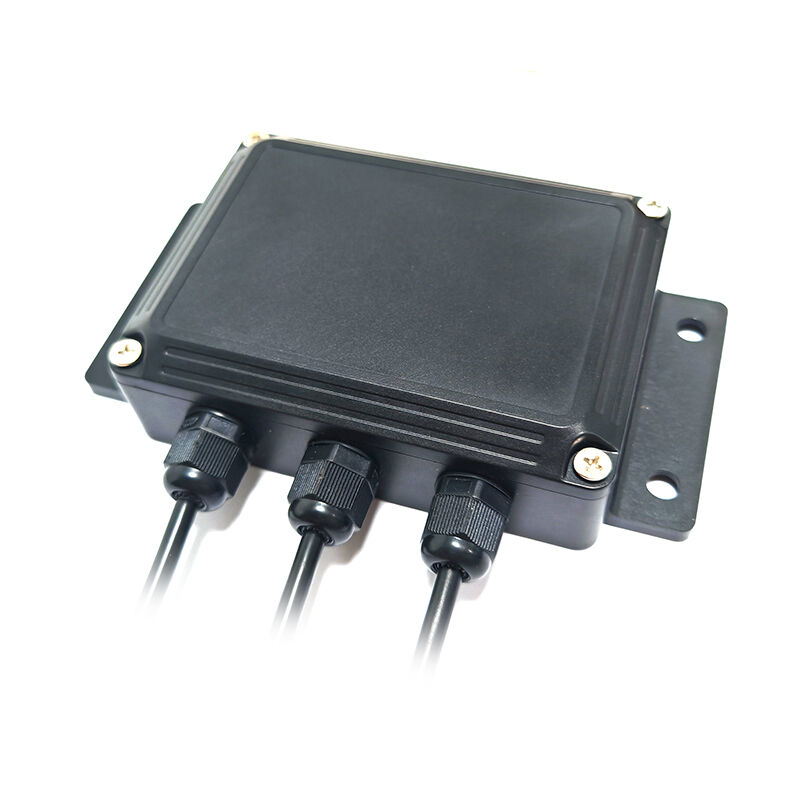
The ultrasonic blind spot detection system employs a sophisticated network of precision-engineered sensors that work together to create an invisible safety shield around your vehicle. These strategically positioned ultrasonic transducers operate at optimal frequencies specifically chosen for automotive applications, ensuring maximum detection range while minimizing false alarms. Each sensor within the array communicates with a central processing unit that analyzes incoming data streams in real-time, creating a comprehensive three-dimensional map of your vehicle's immediate surroundings. The advanced multi-sensor configuration eliminates detection gaps that plague single-sensor systems, providing complete coverage of critical blind spot areas where accidents commonly occur. This technology represents years of automotive engineering research, incorporating lessons learned from millions of miles of real-world testing across diverse driving conditions. The sensor array automatically adjusts sensitivity based on driving speed, environmental conditions, and detected object characteristics, ensuring optimal performance whether navigating busy city streets or cruising on open highways. Built-in redundancy means the ultrasonic blind spot detection system continues functioning even if individual sensors experience temporary obstruction from road debris or weather conditions. The system's intelligent filtering algorithms distinguish between relevant threats like approaching vehicles and irrelevant objects such as roadside barriers or vegetation, dramatically reducing nuisance alerts that diminish driver confidence. Advanced signal processing techniques enable detection of objects moving at various speeds, from fast-approaching motorcycles to slowly merging vehicles, ensuring comprehensive protection across all traffic scenarios. The multi-sensor array design allows precise distance measurement and trajectory prediction, providing drivers with accurate information about object location and movement patterns. This technological sophistication enables the ultrasonic blind spot detection system to offer graduated warning levels, starting with gentle notifications for distant objects and escalating to urgent alerts for immediate threats. The system's ability to track multiple objects simultaneously makes it invaluable in heavy traffic situations where traditional mirrors prove inadequate for safe navigation.
Seamless Integration with Vehicle Safety Ecosystems

Seamless Integration with Vehicle Safety Ecosystems

The ultrasonic blind spot detection system demonstrates exceptional compatibility with existing automotive safety technologies, creating synergistic relationships that enhance overall vehicle protection beyond what individual systems achieve independently. This integration capability transforms vehicles into intelligent safety platforms where multiple protection systems communicate and coordinate responses to potential hazards. Modern vehicles equipped with the ultrasonic blind spot detection system benefit from seamless data sharing between blind spot monitoring, automatic emergency braking, lane departure warnings, and collision avoidance systems. This interconnected approach means when the ultrasonic sensors detect an approaching vehicle in the blind spot, the information immediately becomes available to other safety systems, enabling coordinated responses such as gentle steering corrections or brake pre-charging. The integration extends beyond safety systems to include convenience features like automatic parking assistance, where ultrasonic blind spot detection system data helps guide vehicles into tight parking spaces with millimeter precision. Vehicle manufacturers increasingly recognize the value of this integration capability, designing their safety architectures specifically to accommodate ultrasonic blind spot detection systems as foundational components rather than aftermarket additions. The system communicates through standardized automotive protocols, ensuring compatibility across different vehicle brands and model years without requiring proprietary interfaces or costly adaptation procedures. Fleet managers particularly appreciate this integration flexibility when standardizing safety equipment across mixed vehicle fleets containing different manufacturers' vehicles. The ultrasonic blind spot detection system serves as a reliable data source for advanced driver assistance features, providing consistent environmental awareness that supplements GPS navigation, adaptive cruise control, and traffic monitoring systems. This comprehensive integration approach creates multiplicative safety benefits where the combined effectiveness exceeds the sum of individual system capabilities. The seamless nature of this integration means drivers experience unified, intuitive safety assistance without overwhelming complexity or conflicting alerts from competing systems. Future vehicle developments increasingly depend on the solid foundation that integrated ultrasonic blind spot detection systems provide, supporting evolution toward fully autonomous driving capabilities while maintaining human driver engagement and control during the transition period.
Exceptional Durability and Long-Term Reliability

Exceptional Durability and Long-Term Reliability

The ultrasonic blind spot detection system delivers unmatched durability through robust engineering designed specifically for challenging automotive environments where components face constant exposure to temperature extremes, road vibrations, chemical exposure, and physical impacts. Unlike fragile camera-based alternatives that require frequent cleaning and calibration, ultrasonic sensors maintain consistent performance through years of demanding use without degradation in detection accuracy or response time. The system's solid-state construction eliminates moving parts that commonly fail in automotive applications, ensuring reliable operation throughout vehicle ownership periods extending beyond manufacturer warranties. Extensive environmental testing validates the ultrasonic blind spot detection system's ability to function flawlessly in temperatures ranging from arctic cold to desert heat, humidity levels from bone-dry conditions to tropical downpours, and altitude variations from sea level to mountain passes. Corrosion-resistant materials and protective coatings shield sensitive components from road salt, automotive fluids, and industrial pollutants that rapidly degrade lesser safety systems. The system's electrical components incorporate automotive-grade specifications exceeding consumer electronics standards, providing enhanced protection against voltage fluctuations, electromagnetic interference, and electrical surges common in vehicle environments. Professional installation procedures ensure proper sealing and mounting that maintains system integrity through millions of road miles and countless wash cycles without water intrusion or connection failures. The ultrasonic blind spot detection system requires minimal maintenance beyond occasional sensor cleaning with standard automotive care products, eliminating recurring service costs associated with complex safety systems. This exceptional reliability translates to lower total ownership costs as drivers avoid expensive system repairs, replacement parts, and diagnostic services throughout vehicle life cycles. Insurance companies recognize this reliability advantage, often providing enhanced coverage terms for vehicles equipped with proven ultrasonic blind spot detection systems due to their consistent accident prevention performance. The system's longevity means initial investment costs amortize over extended periods while continuously providing life-saving protection, making it among the most cost-effective safety upgrades available to vehicle owners. Quality manufacturers back their ultrasonic blind spot detection systems with comprehensive warranties reflecting confidence in long-term performance and customer satisfaction, providing additional peace of mind for safety-conscious drivers investing in advanced automotive protection technology.
Ultrasonic Blind Spot Detection System - Advanced Vehicle Safety Technology

Get a Free Quote

Our representative will contact you soon.
Email
Name
Company Name
Mobile/WhatsApp
Message
0/1000