Advanced Automotive Blind Spot Detection Systems - Enhanced Safety Technology for Modern Vehicles

Get a Free Quote

Our representative will contact you soon.
Email
Name
Company Name
Mobile/WhatsApp
Message
0/1000

automotive blind spot detection systems

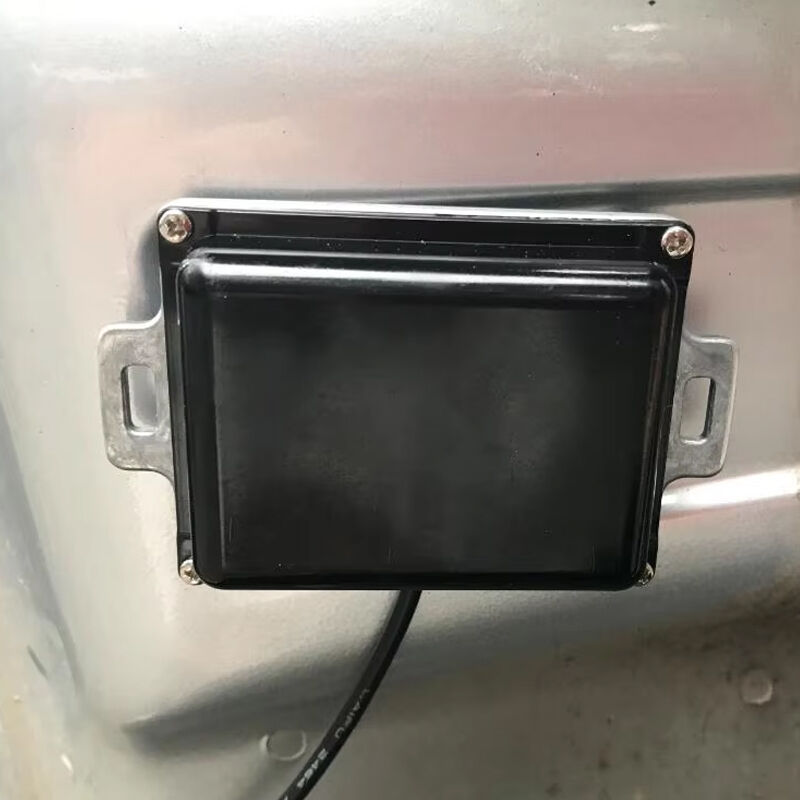
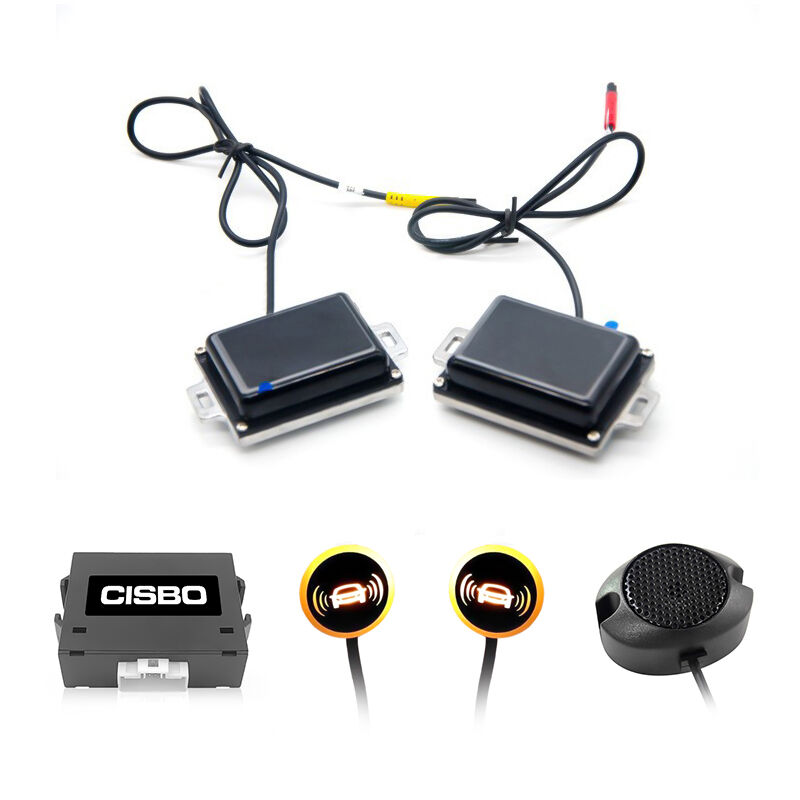
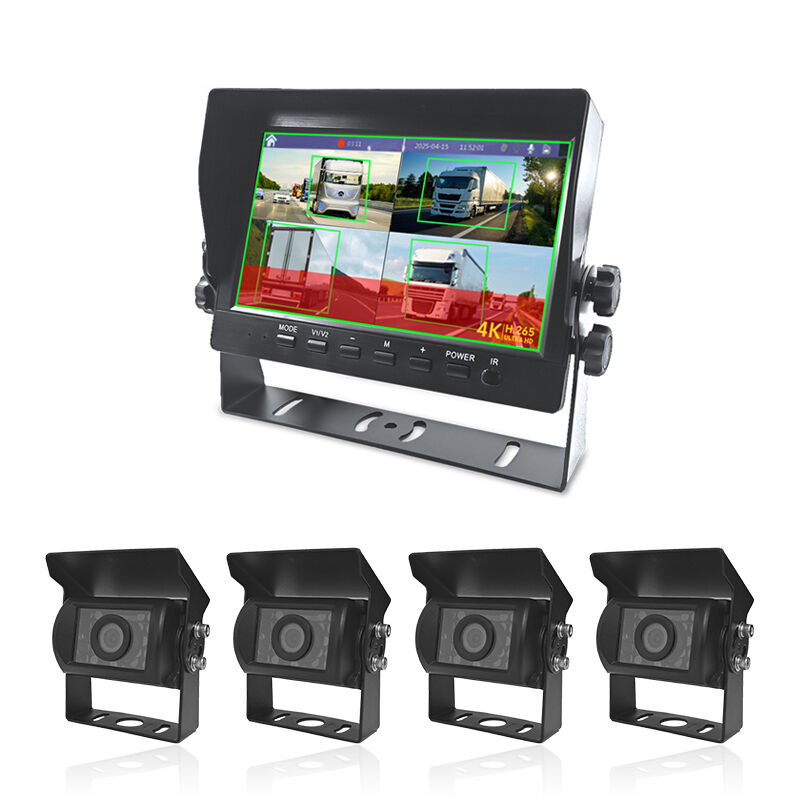
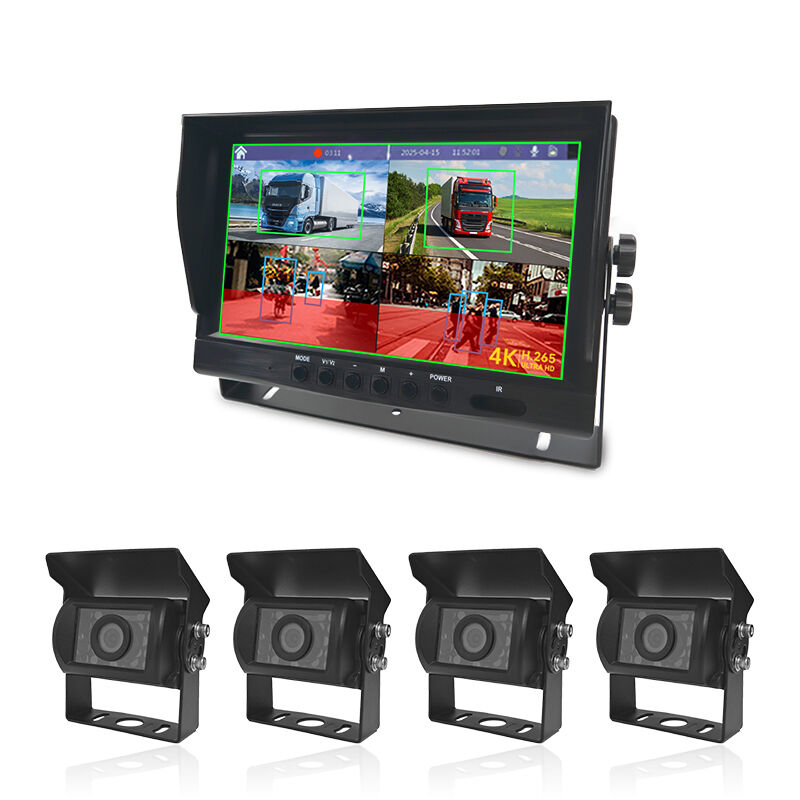
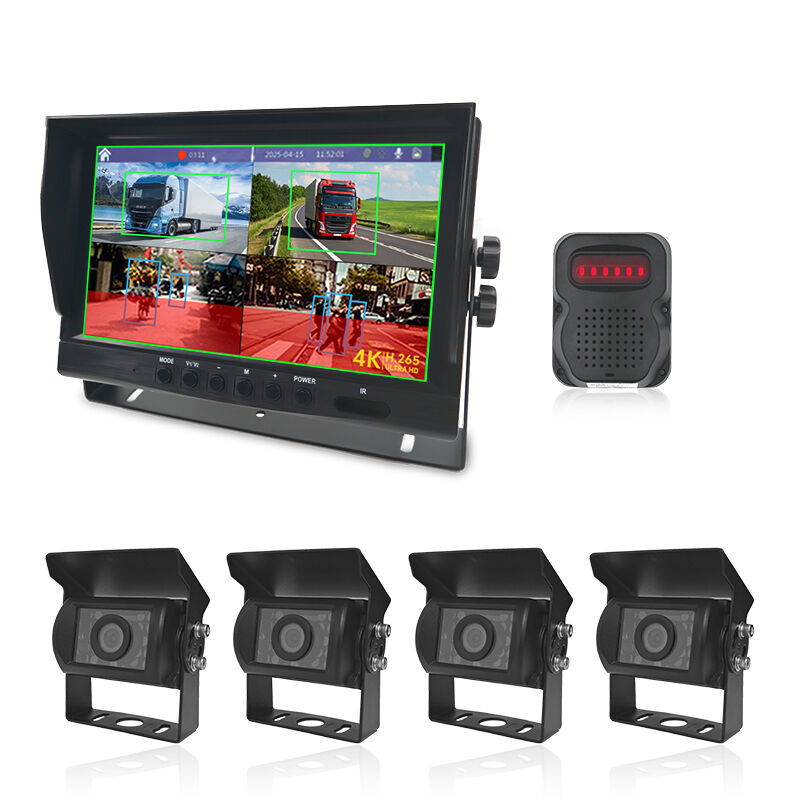
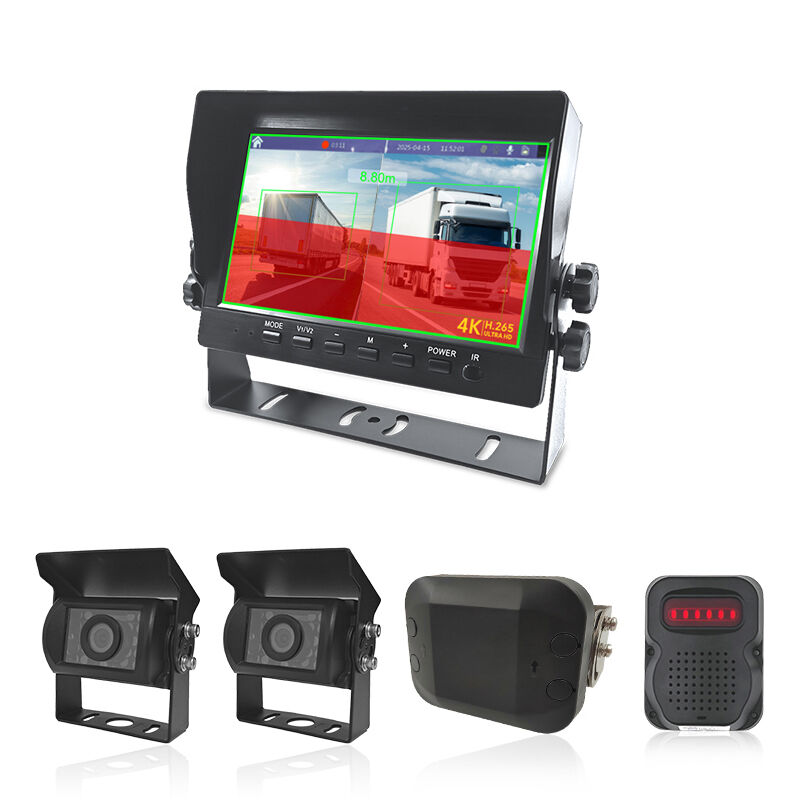
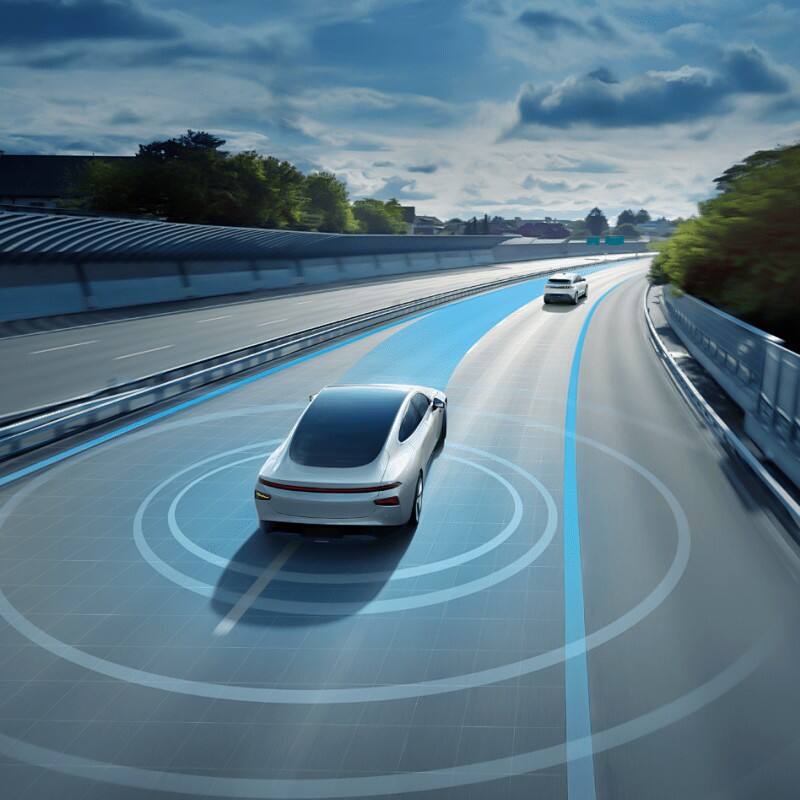
Automotive blind spot detection systems represent a revolutionary safety technology designed to enhance driver awareness and prevent potentially dangerous collisions. These sophisticated systems utilize advanced sensors, cameras, and radar technology to monitor areas around vehicles that traditional mirrors cannot adequately cover. The primary function of automotive blind spot detection systems involves continuously scanning the blind spots on both sides of a vehicle, typically focusing on the rear quarter panels where other vehicles, cyclists, or pedestrians might be obscured from the driver's direct view. When the system detects an object or vehicle in these critical zones, it immediately alerts the driver through visual indicators, audible warnings, or tactile feedback. Modern automotive blind spot detection systems incorporate multiple detection methods, including ultrasonic sensors, radar waves, and high-resolution cameras that work in tandem to provide comprehensive coverage. The technological features of these systems have evolved significantly, now offering real-time processing capabilities that can distinguish between different types of objects, assess their speed and trajectory, and determine the level of threat they pose. Many automotive blind spot detection systems also integrate with other vehicle safety features, such as lane departure warning systems and automatic emergency braking, creating a comprehensive safety network. The applications of these systems extend beyond traditional passenger vehicles to include commercial trucks, motorcycles, and recreational vehicles, where blind spots pose even greater risks due to vehicle size and configuration. Installation options range from factory-integrated systems built directly into new vehicles to aftermarket solutions that can be retrofitted to existing automobiles. The effectiveness of automotive blind spot detection systems has been proven through extensive testing and real-world implementation, demonstrating significant reductions in side-impact collisions and lane-change accidents.

Popular Products

Automotive blind spot detection systems deliver substantial benefits that directly improve driving safety and reduce accident risks for everyday drivers. The most significant advantage these systems provide is enhanced situational awareness, allowing drivers to make safer lane changes and turns by alerting them to vehicles or objects they might otherwise miss. This technology proves especially valuable during highway driving, where high-speed lane changes can result in severe accidents if blind spots are not properly checked. Drivers experience increased confidence when changing lanes, knowing that automotive blind spot detection systems serve as an additional pair of eyes monitoring dangerous areas around their vehicle. The systems work continuously without requiring driver input, providing consistent protection regardless of weather conditions, time of day, or driver fatigue levels. Unlike manual mirror checks, which can be forgotten or inadequately performed, automotive blind spot detection systems never miss potential hazards in monitored zones. These systems significantly reduce insurance claims and associated costs by preventing accidents that commonly occur during lane changes and merging maneuvers. Many drivers report feeling less stressed during highway driving after installing automotive blind spot detection systems, as the technology removes much of the guesswork involved in determining whether blind spots are clear. The systems also protect vulnerable road users such as cyclists and motorcyclists, who are often involved in serious accidents due to their small profile making them difficult to spot in traditional mirrors. Parents particularly value automotive blind spot detection systems for teen drivers, providing an extra layer of protection during the learning process when spatial awareness skills are still developing. Commercial fleet operators benefit from reduced liability and lower maintenance costs, as fewer accidents mean decreased vehicle downtime and repair expenses. The technology adapts to different driving conditions automatically, adjusting sensitivity levels based on vehicle speed and environmental factors to minimize false alarms while maintaining optimal protection.

Tips And Tricks

L3 Autonomous Driving

23

Dec

L3 Autonomous Driving

View More
The 138th Canton Fair

04

Jan

The 138th Canton Fair

View More
2025 HKTDC (Autumn  Edition)

23

Dec

2025 HKTDC (Autumn Edition)

View More

Get a Free Quote

Our representative will contact you soon.
Email
Name
Company Name
Mobile/WhatsApp
Message
0/1000

automotive blind spot detection systems

Advanced Multi-Sensor Technology for Maximum Detection Accuracy

Advanced Multi-Sensor Technology for Maximum Detection Accuracy

Automotive blind spot detection systems employ cutting-edge multi-sensor technology that combines radar, ultrasonic sensors, and high-definition cameras to create an unprecedented level of detection accuracy and reliability. This sophisticated sensor fusion approach ensures that automotive blind spot detection systems can identify objects across various environmental conditions, from bright sunny days to dark, rainy nights when visibility is severely compromised. The radar components of these systems operate at specific frequencies that penetrate through weather conditions like fog, rain, and snow, maintaining consistent performance when traditional visual methods fail. Meanwhile, the camera systems provide detailed visual information that helps distinguish between different types of objects, whether they are vehicles, motorcycles, bicycles, or pedestrians. The ultrasonic sensors add another layer of detection capability, particularly effective at close ranges and for identifying smaller objects that might escape radar detection. What makes automotive blind spot detection systems truly remarkable is their ability to process information from all these sensors simultaneously, using advanced algorithms to eliminate false positives while ensuring genuine threats are never missed. The system continuously calibrates itself based on driving conditions, vehicle speed, and environmental factors, automatically adjusting sensitivity levels to provide optimal performance. This multi-layered approach means that even if one sensor type encounters interference or limitations, the other sensors continue providing protection, ensuring automotive blind spot detection systems maintain their reliability. The technology can differentiate between stationary objects like guardrails or parked cars versus moving vehicles that pose immediate collision risks, preventing unnecessary alerts while maintaining vigilant monitoring of genuine threats. Fleet operators and individual drivers alike benefit from this technological sophistication, as it reduces false alarms that could lead to driver complacency while ensuring that real dangers trigger immediate and appropriate warnings.
Seamless Integration with Vehicle Safety Ecosystems

Seamless Integration with Vehicle Safety Ecosystems

Modern automotive blind spot detection systems are engineered to integrate seamlessly with comprehensive vehicle safety ecosystems, creating a network of interconnected safety features that work together to prevent accidents and protect occupants. This integration capability allows automotive blind spot detection systems to communicate with lane departure warning systems, automatic emergency braking, adaptive cruise control, and collision avoidance systems, sharing critical information that enhances overall vehicle safety performance. When automotive blind spot detection systems detect a vehicle in a blind spot while the lane departure system simultaneously identifies an unintended lane change, the combined systems can trigger more aggressive warnings or even initiate corrective steering inputs to prevent collisions. The integration extends to vehicle infotainment systems, where drivers can customize alert preferences, adjust sensitivity settings, and monitor system status through intuitive dashboard interfaces. Many automotive blind spot detection systems also connect to smartphone applications, allowing drivers to receive system diagnostics, maintenance reminders, and performance reports that help ensure optimal functionality. The seamless integration capabilities mean that automotive blind spot detection systems can adapt their behavior based on other vehicle systems' inputs, such as reducing sensitivity when the vehicle is parked or increasing alert intensity when the turn signal is activated. This interconnected approach creates redundant safety layers where multiple systems verify and cross-check potential threats, significantly improving accuracy while reducing the likelihood of missed warnings. Insurance companies increasingly recognize the value of these integrated automotive blind spot detection systems, often providing premium discounts for vehicles equipped with comprehensive safety technology suites. The integration also enables over-the-air updates, allowing automotive blind spot detection systems to receive software improvements and new features without requiring physical modifications or dealer visits. Fleet management systems benefit enormously from this integration, as they can monitor driver behavior, system performance, and safety incidents across entire vehicle fleets, using data from automotive blind spot detection systems to improve training programs and reduce accident rates.
Cost-Effective Accident Prevention and Long-Term Value

Cost-Effective Accident Prevention and Long-Term Value

Automotive blind spot detection systems deliver exceptional long-term value through their proven ability to prevent costly accidents while providing ongoing benefits that extend far beyond initial purchase prices. The financial impact of avoiding even a single blind spot-related accident typically exceeds the cost of installing automotive blind spot detection systems, making them one of the most cost-effective safety investments available to vehicle owners. Insurance industry statistics consistently demonstrate that vehicles equipped with automotive blind spot detection systems experience significantly lower accident rates, particularly for side-impact collisions and lane-change incidents that often result in expensive repairs and medical claims. Many insurance providers offer substantial premium reductions for vehicles with automotive blind spot detection systems, creating immediate savings that help offset installation costs while providing ongoing financial benefits throughout the policy period. Fleet operators report remarkable returns on investment from automotive blind spot detection systems, as reduced accident rates translate directly into lower insurance premiums, decreased vehicle downtime, reduced repair costs, and improved driver safety records. The systems also contribute to extended vehicle lifespan by preventing damage that could compromise structural integrity or require expensive bodywork repairs. Beyond direct accident prevention, automotive blind spot detection systems help preserve vehicle resale value, as safety-equipped vehicles command higher prices in used car markets where buyers increasingly prioritize advanced safety features. The technology reduces liability risks for both individual drivers and commercial operators, protecting against lawsuits and claims that could result from preventable accidents. Maintenance costs for automotive blind spot detection systems remain minimal, as the solid-state sensors and electronic components require little ongoing servicing while providing years of reliable protection. The systems also reduce stress-related costs such as increased insurance rates following accidents, points on driving records, and potential license suspension issues that could impact employment or personal mobility. For families, automotive blind spot detection systems provide invaluable peace of mind knowing that loved ones, particularly inexperienced drivers, have additional protection during potentially dangerous driving maneuvers.
Advanced Automotive Blind Spot Detection Systems - Enhanced Safety Technology for Modern Vehicles

Get a Free Quote

Our representative will contact you soon.
Email
Name
Company Name
Mobile/WhatsApp
Message
0/1000