blind spot mirror detection system
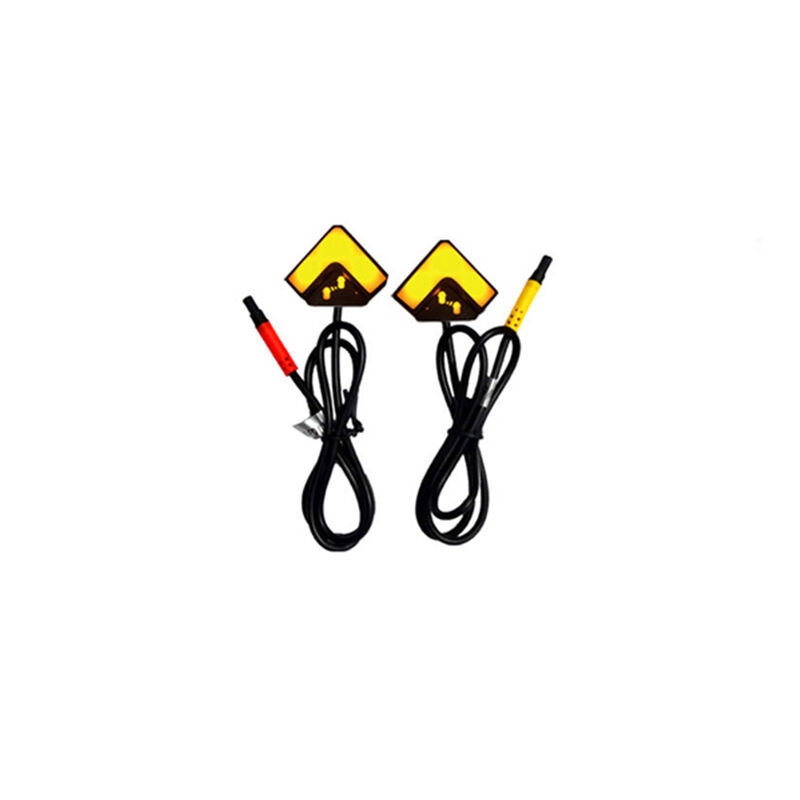
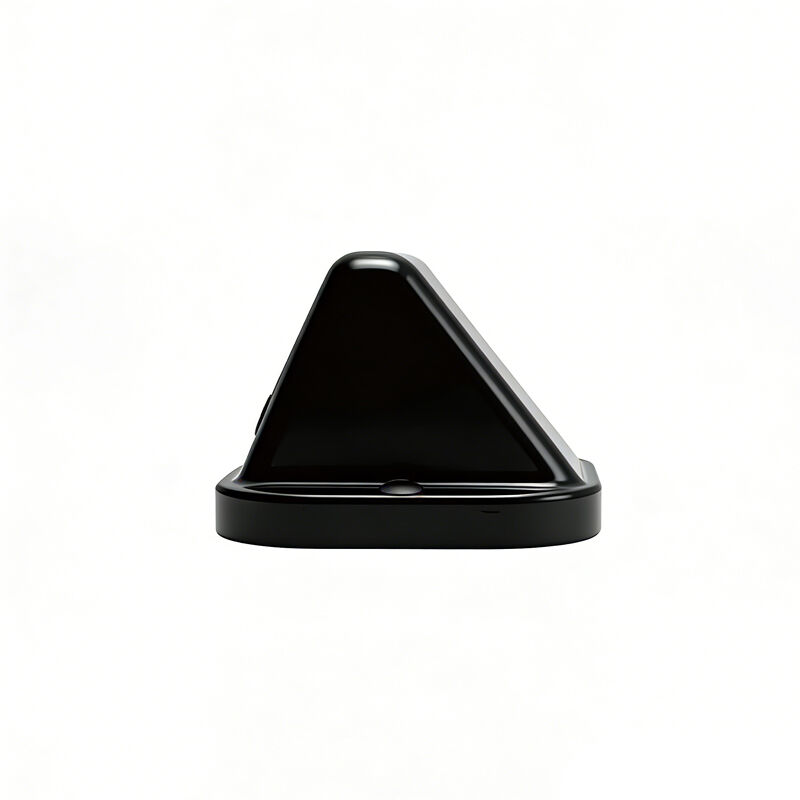
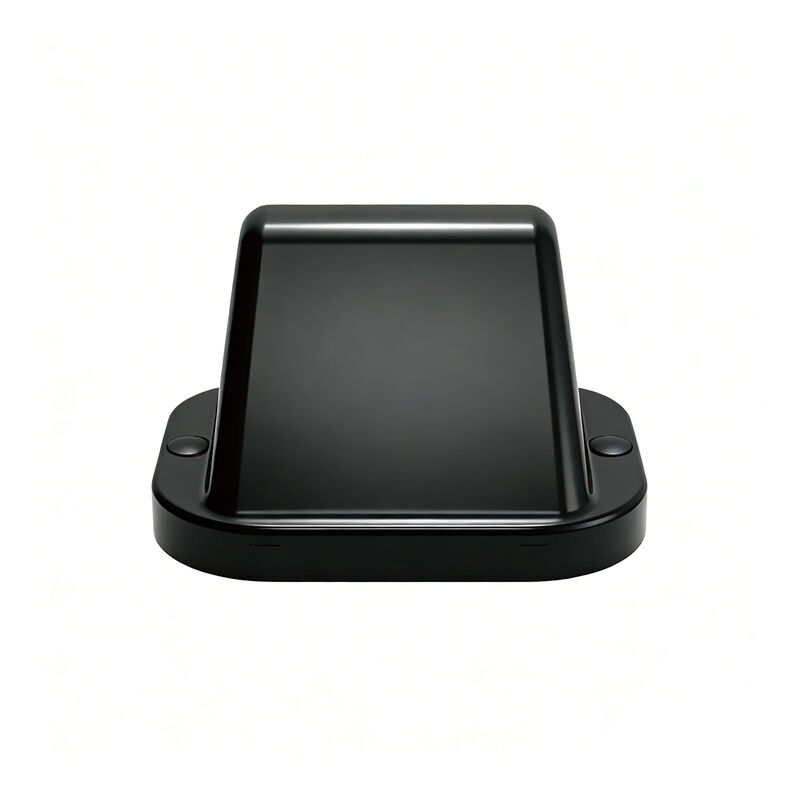
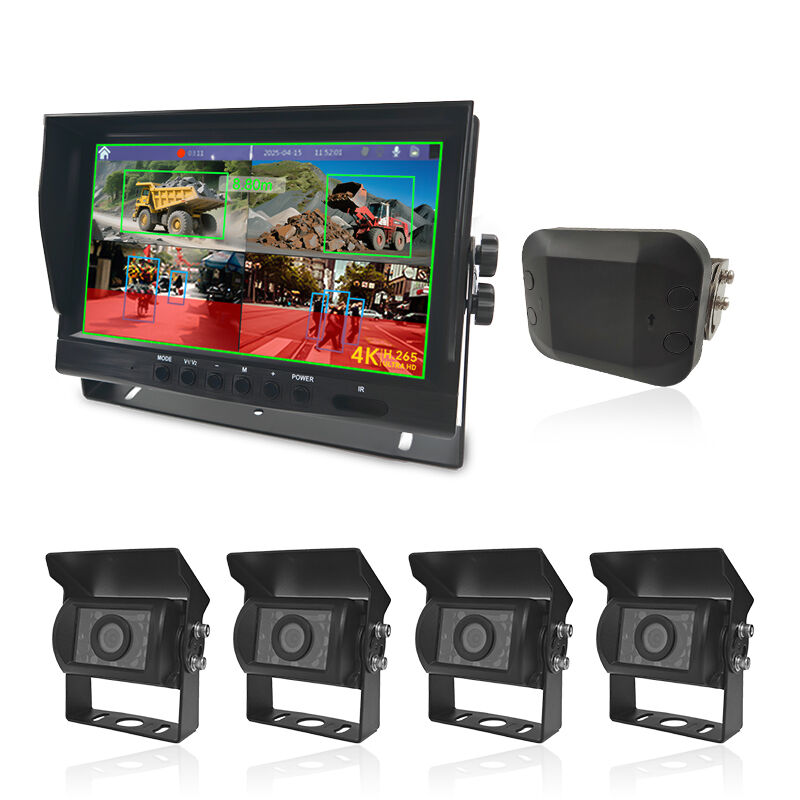
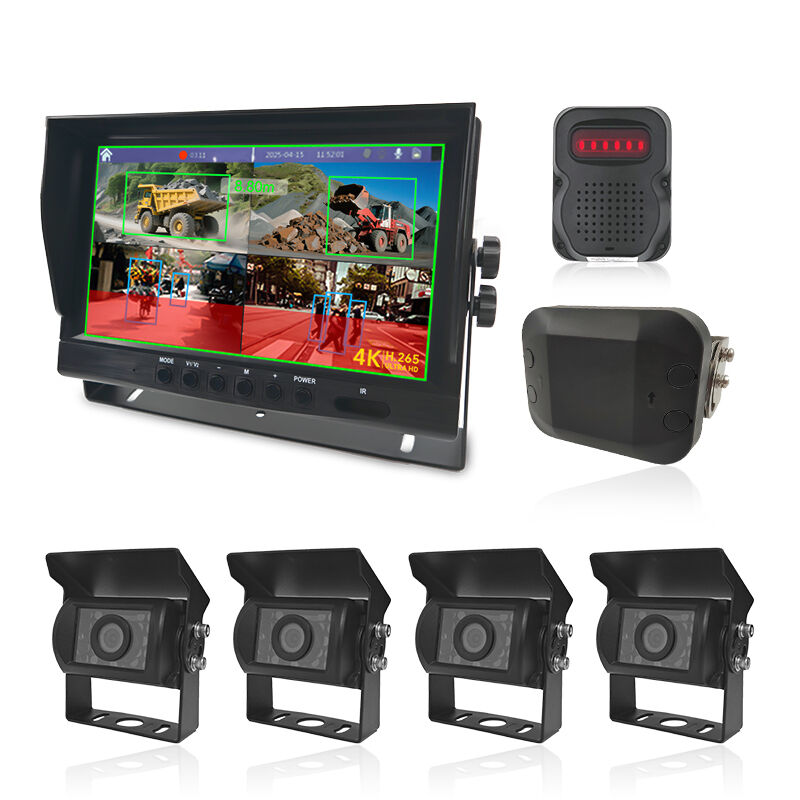
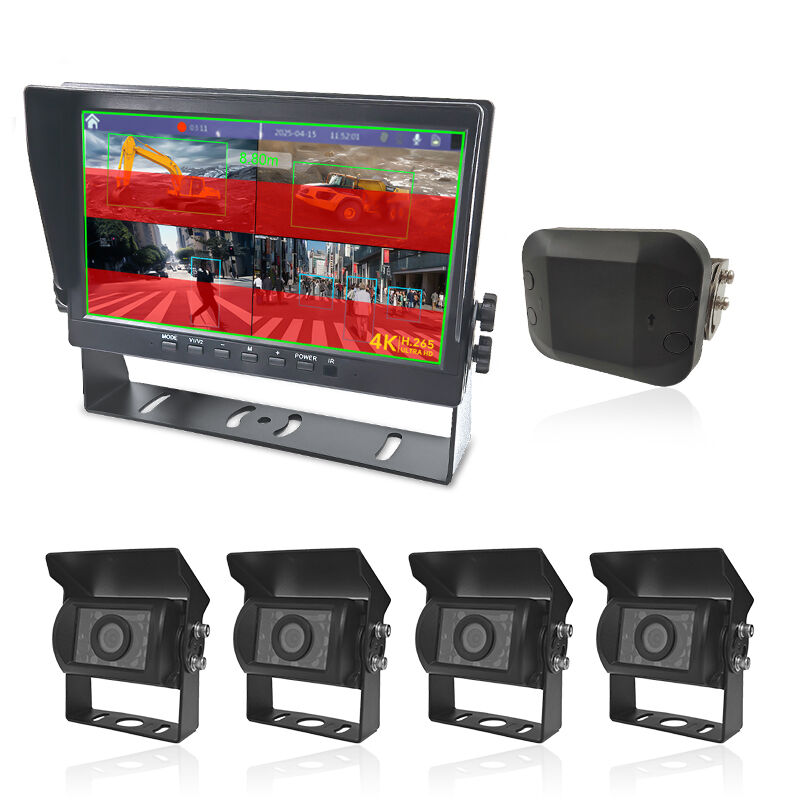
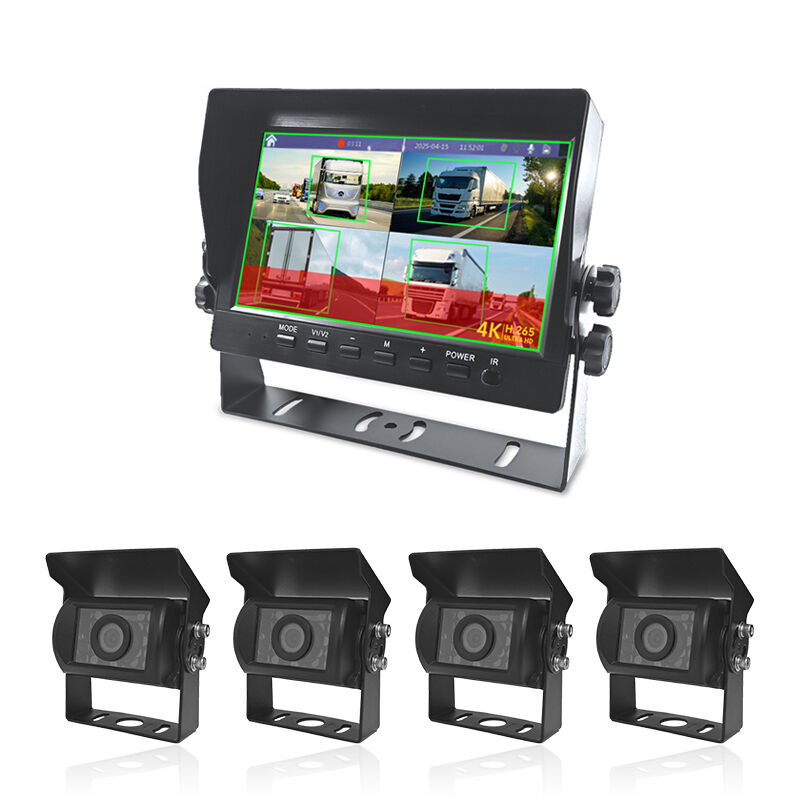
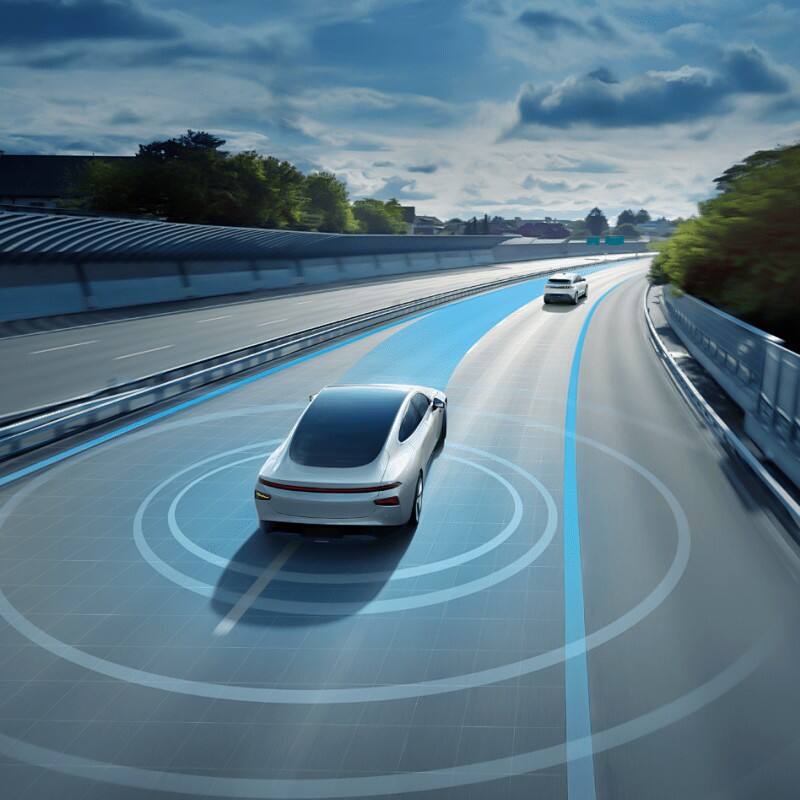
The blind spot mirror detection system represents a revolutionary advancement in automotive safety technology, designed to address one of the most persistent challenges faced by drivers worldwide. This sophisticated system combines traditional mirror functionality with cutting-edge sensor technology to eliminate dangerous blind spots that contribute to countless accidents annually. At its core, the blind spot mirror detection system utilizes a network of strategically positioned sensors, cameras, and radar components integrated seamlessly with enhanced mirror assemblies to provide comprehensive coverage of areas typically invisible to drivers. The primary function of this innovative system centers on real-time monitoring of vehicle surroundings, particularly focusing on zones adjacent to and behind the vehicle where conventional mirrors fail to provide adequate visibility. The technological framework incorporates advanced algorithms that process data from multiple sources simultaneously, creating a unified detection network that operates continuously while the vehicle is in motion. Key features include automated alert mechanisms that activate when objects or vehicles enter predetermined danger zones, visual indicators embedded within the mirror housing that provide immediate feedback to drivers, and intelligent calibration systems that adapt to varying driving conditions and environments. The system's applications extend across diverse vehicle categories, from passenger cars and commercial trucks to motorcycles and recreational vehicles, making it a versatile solution for comprehensive road safety enhancement. Modern iterations of the blind spot mirror detection system incorporate machine learning capabilities that improve detection accuracy over time, distinguishing between various object types such as vehicles, pedestrians, cyclists, and stationary obstacles. Integration with existing vehicle safety systems creates a cohesive protective network that enhances overall driving confidence and reduces the likelihood of collision-related incidents significantly.
 EN
EN