Advanced Collision Warning System: Real-Time Safety Technology for Enhanced Driver Protection and Accident Prevention

Get a Free Quote

Our representative will contact you soon.
Email
Name
Company Name
Mobile/WhatsApp
Message
0/1000

a collision warning system

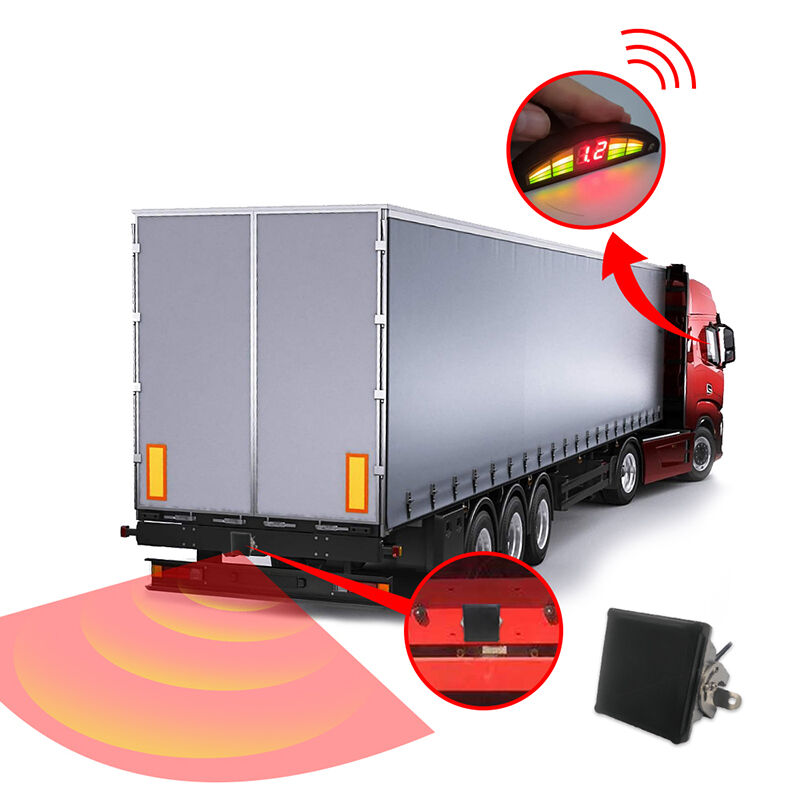
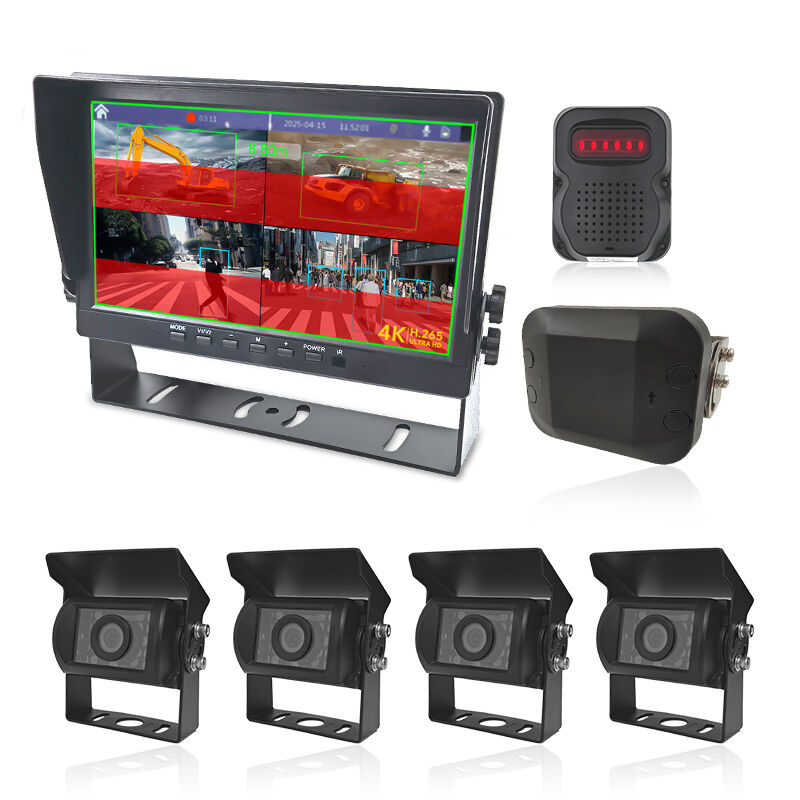
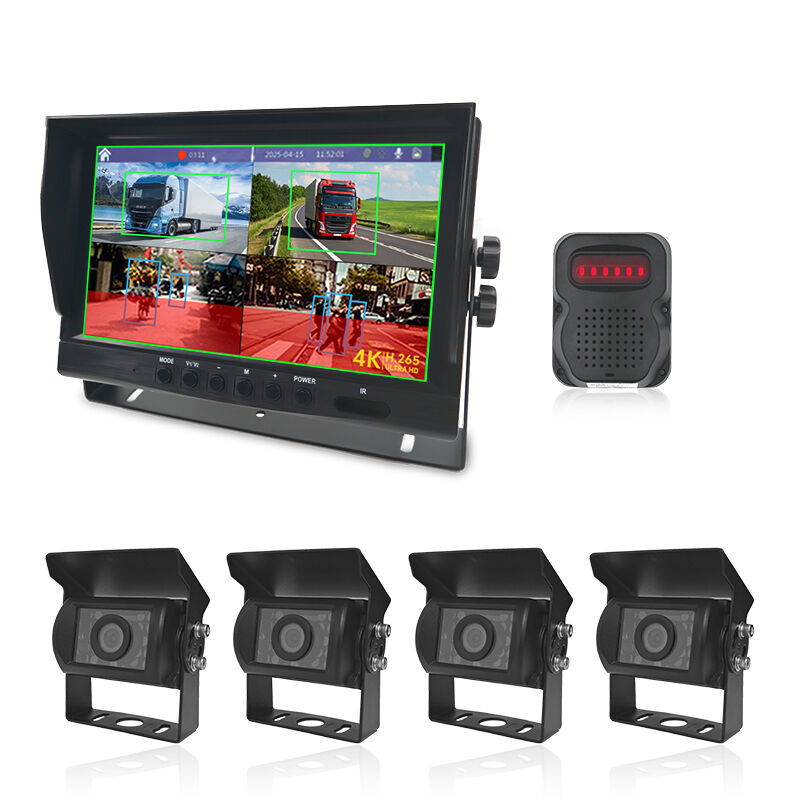
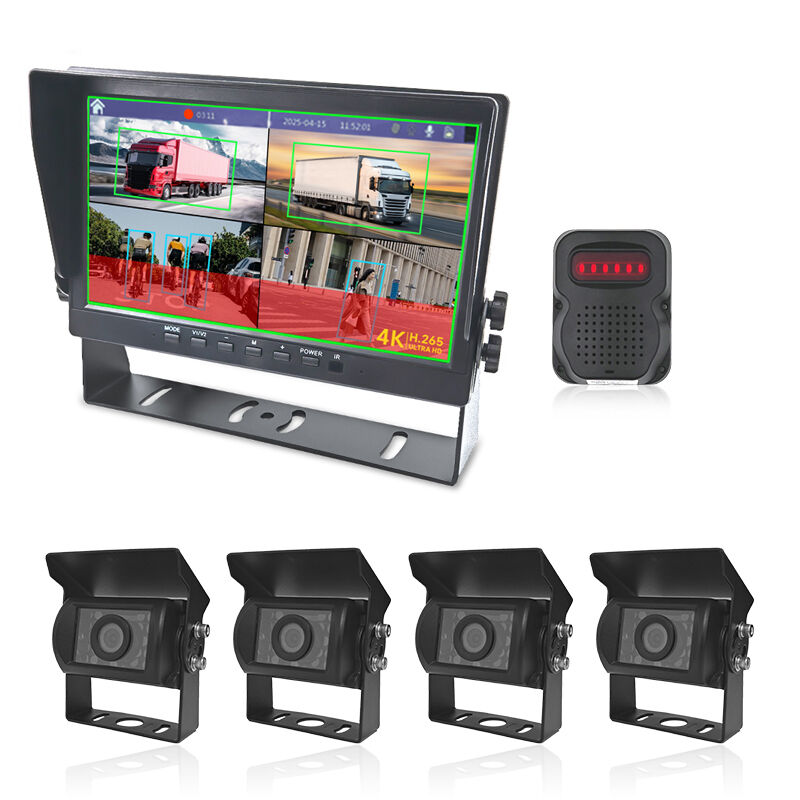
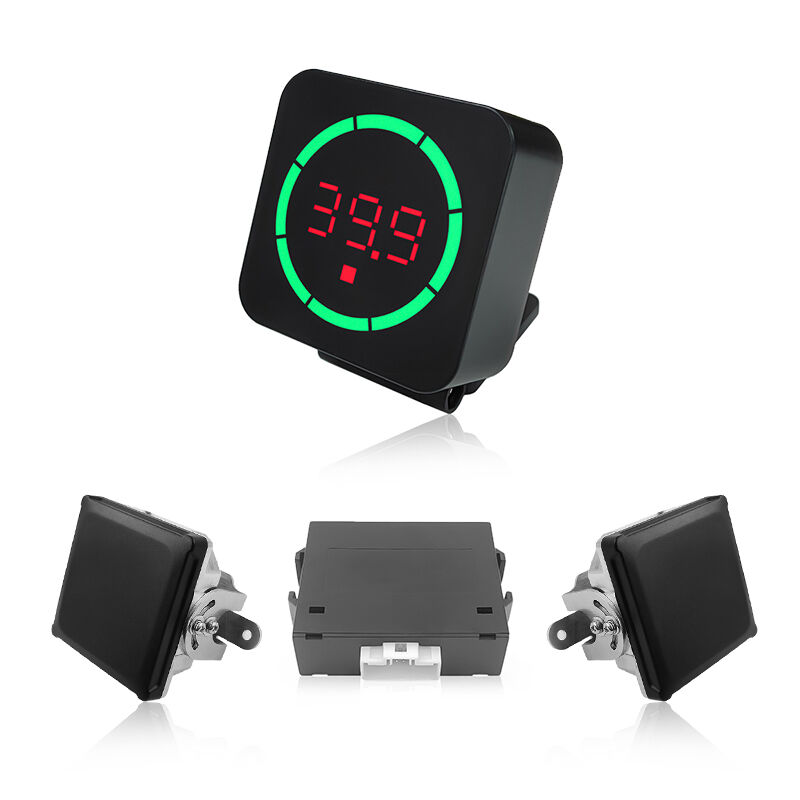
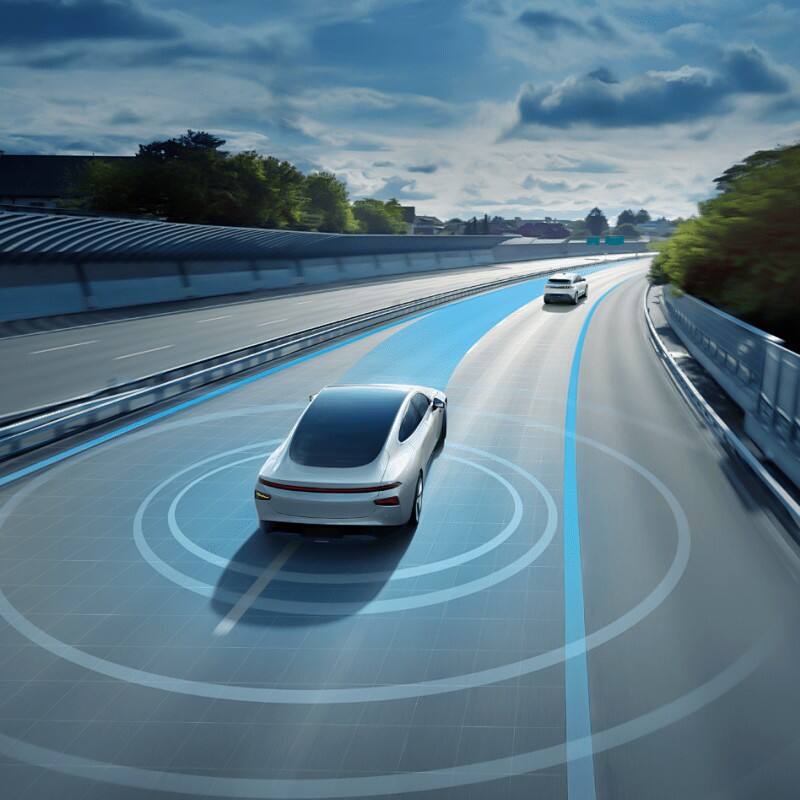
A collision warning system represents a revolutionary advancement in automotive safety technology that monitors the vehicle's surroundings to detect potential collision threats and alert drivers before impact occurs. This sophisticated safety mechanism utilizes an array of sensors, cameras, and radar technology to continuously scan the road ahead, identifying obstacles, vehicles, pedestrians, and other hazards that could pose a collision risk. The system processes this information in real-time, calculating distance, speed, and trajectory to determine if a collision is imminent. When a potential threat is detected, a collision warning system immediately notifies the driver through visual, audible, or haptic alerts, providing crucial seconds to react and avoid an accident. Modern collision warning systems integrate seamlessly with vehicle electronics, working alongside other safety features like automatic emergency braking and lane departure warning systems. The technology employs multiple detection methods including forward-facing cameras that recognize objects and movement patterns, radar sensors that measure distance and relative speed, and sometimes lidar technology for enhanced precision. Advanced collision warning systems can differentiate between various types of obstacles, adjusting their sensitivity and response accordingly. They monitor not only vehicles directly ahead but can also detect cross-traffic at intersections, pedestrians entering the roadway, and cyclists in urban environments. The system's intelligent algorithms account for driving conditions such as weather, lighting, and road surface to maintain accuracy across diverse scenarios. Installation options range from factory-integrated systems in new vehicles to aftermarket solutions that can be added to existing cars. Many collision warning systems feature customizable sensitivity settings, allowing drivers to adjust alert timing based on their preferences and driving style. The technology continues to evolve, with newer systems incorporating artificial intelligence and machine learning capabilities to improve detection accuracy and reduce false alarms while maintaining maximum protection for vehicle occupants and surrounding road users.

Popular Products

A collision warning system delivers substantial practical benefits that directly enhance driver safety and reduce accident risks on the road. The primary advantage lies in its ability to provide early warning alerts that give drivers precious extra time to respond to dangerous situations. Research demonstrates that even one additional second of reaction time can reduce collision severity by up to 40 percent, making this technology invaluable for preventing accidents. The system works continuously without fatigue, maintaining constant vigilance when human attention might waver due to tiredness, distractions, or challenging driving conditions. This automated monitoring proves especially beneficial during long-distance travel, nighttime driving, or in heavy traffic where maintaining constant focus becomes mentally taxing. Financial benefits represent another significant advantage, as a collision warning system helps drivers avoid costly accidents that result in vehicle damage, insurance claims, and potential medical expenses. Many insurance companies recognize the safety value of these systems and offer premium discounts to vehicles equipped with collision warning technology, providing ongoing cost savings. The system enhances confidence for drivers of all experience levels, from nervous new drivers who benefit from additional safety support to experienced drivers who appreciate the backup protection during challenging situations. Fleet operators find particular value in collision warning systems, as they help protect company vehicles and drivers while potentially reducing liability and insurance costs. The technology adapts to various driving environments, functioning effectively in city traffic with frequent stops and starts, highway driving at high speeds, and suburban areas with mixed traffic patterns. Modern collision warning systems integrate smoothly with smartphone connectivity and vehicle telematics, allowing fleet managers or family members to monitor driving patterns and safety incidents. The non-intrusive nature of these systems means they enhance safety without interfering with normal driving experiences, activating only when genuine threats are detected. Environmental benefits emerge as collision warning systems contribute to smoother traffic flow by helping prevent accidents that cause congestion and delays. The technology supports aging drivers who may experience slower reaction times, helping them maintain independence while staying safe on the road. Advanced collision warning systems even provide valuable data about driving habits and near-miss incidents, enabling drivers to identify patterns and improve their overall driving safety awareness.

Practical Tips

L3 Autonomous Driving

23

Dec

L3 Autonomous Driving

View More
The 138th Canton Fair

04

Jan

The 138th Canton Fair

View More
2025 HKTDC (Autumn  Edition)

23

Dec

2025 HKTDC (Autumn Edition)

View More

Get a Free Quote

Our representative will contact you soon.
Email
Name
Company Name
Mobile/WhatsApp
Message
0/1000

a collision warning system

Real-Time Threat Detection and Multi-Sensor Technology

Real-Time Threat Detection and Multi-Sensor Technology

The cornerstone feature of any advanced collision warning system lies in its sophisticated real-time threat detection capabilities powered by cutting-edge multi-sensor technology. This comprehensive approach combines multiple detection methods to create an incredibly accurate and reliable safety network around your vehicle. Forward-facing cameras capture high-resolution images at rapid intervals, using computer vision algorithms to identify and classify objects in the vehicle's path including cars, trucks, motorcycles, pedestrians, cyclists, and even animals. These cameras can distinguish between different types of threats and assess their movement patterns to predict potential collision scenarios. Complementing the visual detection, radar sensors emit radio waves that bounce off objects to measure precise distances and relative speeds, providing accurate data regardless of lighting conditions or weather interference. Some premium collision warning systems incorporate lidar technology, which uses laser pulses to create detailed three-dimensional maps of the surrounding environment with exceptional precision. The system's processing unit analyzes data from all sensors simultaneously, creating a comprehensive real-time picture of potential hazards within a 200-meter range ahead of the vehicle. Advanced algorithms calculate collision probability by considering factors such as vehicle speed, object trajectory, road conditions, and stopping distance requirements. The multi-layered approach ensures redundancy, meaning if one sensor encounters limitations due to environmental conditions, others continue providing reliable detection. This technology operates effectively in various challenging conditions including fog, rain, bright sunlight, and nighttime driving when human vision is compromised. The system continuously learns and adapts, with machine learning capabilities that improve detection accuracy over time by recognizing recurring patterns and reducing false alarms. Integration with vehicle dynamics systems allows the collision warning system to account for factors like braking capability, road surface grip, and vehicle load when calculating threat levels. This sophisticated threat detection provides drivers with confident assurance that they have comprehensive protection monitoring their surroundings at all times, significantly reducing the likelihood of accidents caused by human oversight or delayed reactions.
Customizable Alert Systems and Driver Integration

Customizable Alert Systems and Driver Integration

A collision warning system excels through its intelligent and customizable alert mechanisms that seamlessly integrate with driver behavior and preferences while maintaining maximum effectiveness across diverse driving scenarios. The multi-modal alert system employs visual, audible, and tactile notifications to ensure drivers receive warnings through multiple sensory channels, dramatically increasing the likelihood of prompt response. Visual alerts typically include dashboard warning lights, head-up display projections, or colored indicators on instrument clusters that provide immediate visual cues without requiring drivers to look away from the road. Audible warnings range from subtle chimes for low-level threats to urgent beeping patterns for imminent collision risks, with many systems allowing users to select preferred sound types and volume levels. Advanced collision warning systems incorporate haptic feedback through steering wheel vibrations or seat pulsations, providing physical alerts that can be particularly effective when other distractions might mask visual or audible warnings. The customization capabilities enable drivers to adjust sensitivity levels based on their driving style, experience level, and comfort preferences, with settings ranging from conservative early warnings to more aggressive last-second alerts. Urban driving modes can be programmed to account for frequent stop-and-go traffic patterns, while highway modes optimize for high-speed scenarios with longer following distances. Weather-adaptive settings automatically adjust sensitivity based on road conditions detected through integration with vehicle stability systems and external sensors. Progressive alert escalation ensures that warnings intensify as collision risk increases, starting with gentle notifications for potential threats and escalating to urgent warnings for immediate dangers. The system learns individual driving patterns over time, adapting to preferred following distances, typical braking patterns, and reaction times to provide personalized protection. Integration with vehicle infotainment systems allows for comprehensive customization through user-friendly interfaces, while smartphone connectivity enables remote monitoring and adjustment of system parameters. Advanced systems provide post-drive summaries and safety analytics, helping drivers understand their collision warning system activation patterns and identify opportunities for improved driving habits. This personalized approach ensures that each driver receives optimal protection while maintaining comfort and confidence in their daily driving experience.
Comprehensive Safety Integration and Future-Ready Technology

Comprehensive Safety Integration and Future-Ready Technology

Modern collision warning systems represent far more than standalone safety devices, functioning as integral components of comprehensive vehicle safety ecosystems that work synergistically with other advanced driver assistance technologies to provide unprecedented protection levels. The seamless integration capabilities allow collision warning systems to communicate with automatic emergency braking systems, enabling coordinated responses where warnings can trigger immediate braking action if drivers fail to respond adequately to initial alerts. Integration with lane departure warning and blind spot monitoring systems creates a 360-degree safety network that protects against multiple collision scenarios simultaneously, from frontal impacts to side collisions and lane-changing incidents. Advanced collision warning systems interface with adaptive cruise control systems, automatically adjusting following distances and speeds based on detected traffic conditions and potential threats ahead. The technology incorporates vehicle-to-vehicle communication capabilities, enabling cars equipped with compatible systems to share real-time safety information about sudden stops, accidents, or hazardous conditions even before they become visible to human drivers. Future-ready connectivity includes integration with smart city infrastructure, allowing collision warning systems to receive alerts about traffic signal changes, construction zones, emergency vehicles, and other municipal safety information. Cloud connectivity enables continuous system updates and improvements, with manufacturers regularly enhancing detection algorithms and adding new safety features through over-the-air updates. The systems maintain comprehensive data logging capabilities, recording near-miss incidents and system activations to provide valuable insights for insurance claims, fleet management, and personal driving improvement. Machine learning algorithms continuously evolve based on accumulated driving data, improving accuracy in distinguishing between genuine threats and harmless scenarios like overpasses or roadside objects. Integration with vehicle health monitoring systems ensures optimal performance by alerting drivers to sensor maintenance needs, calibration requirements, or system malfunctions before they compromise safety effectiveness. Advanced collision warning systems support multiple vehicle platforms, from passenger cars to commercial trucks, with scalable technology that adapts to different vehicle sizes, weights, and braking capabilities. The forward-compatible design ensures that current collision warning system investments remain relevant as autonomous driving technologies continue developing, providing seamless transition pathways toward fully automated vehicle safety systems while delivering immediate protection benefits for today's drivers.
Advanced Collision Warning System: Real-Time Safety Technology for Enhanced Driver Protection and Accident Prevention

Get a Free Quote

Our representative will contact you soon.
Email
Name
Company Name
Mobile/WhatsApp
Message
0/1000