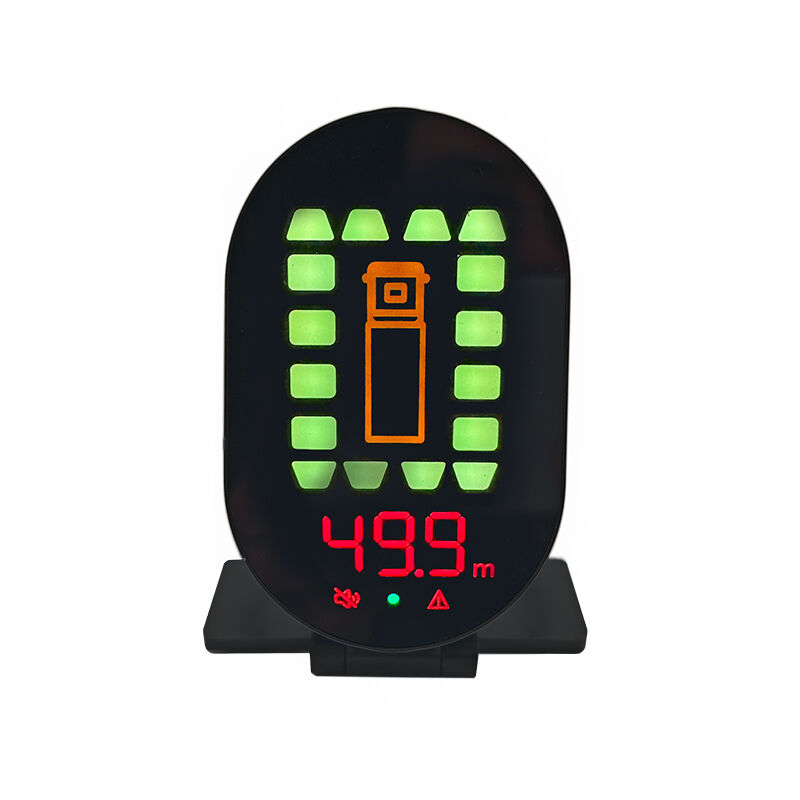
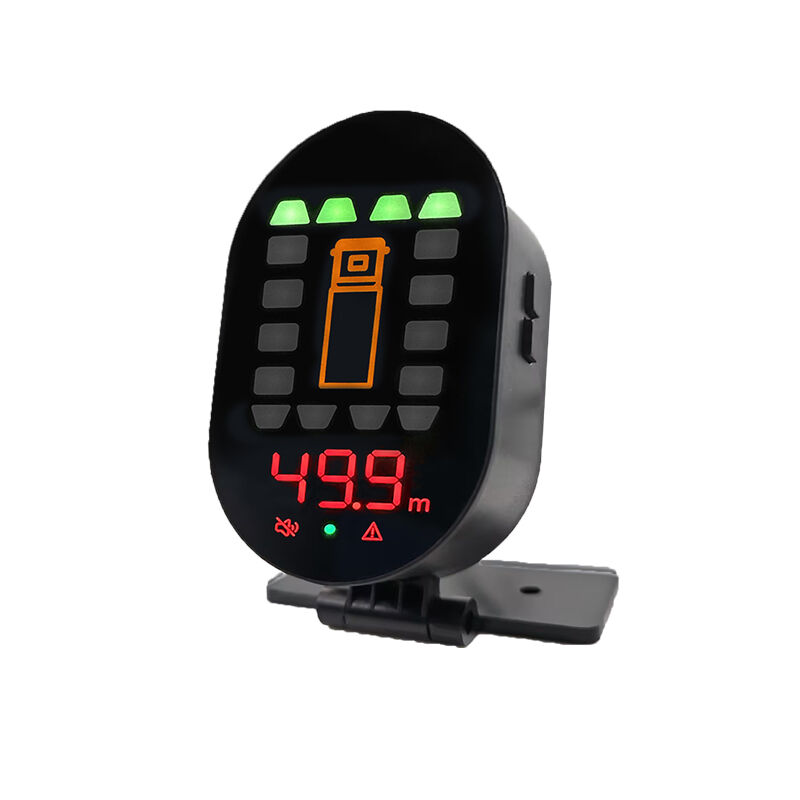
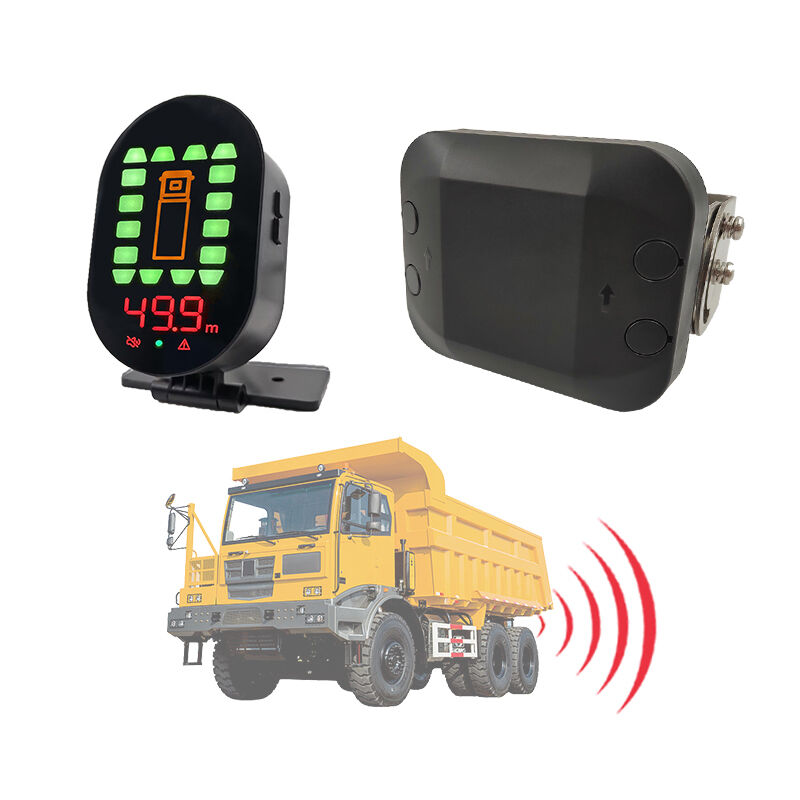
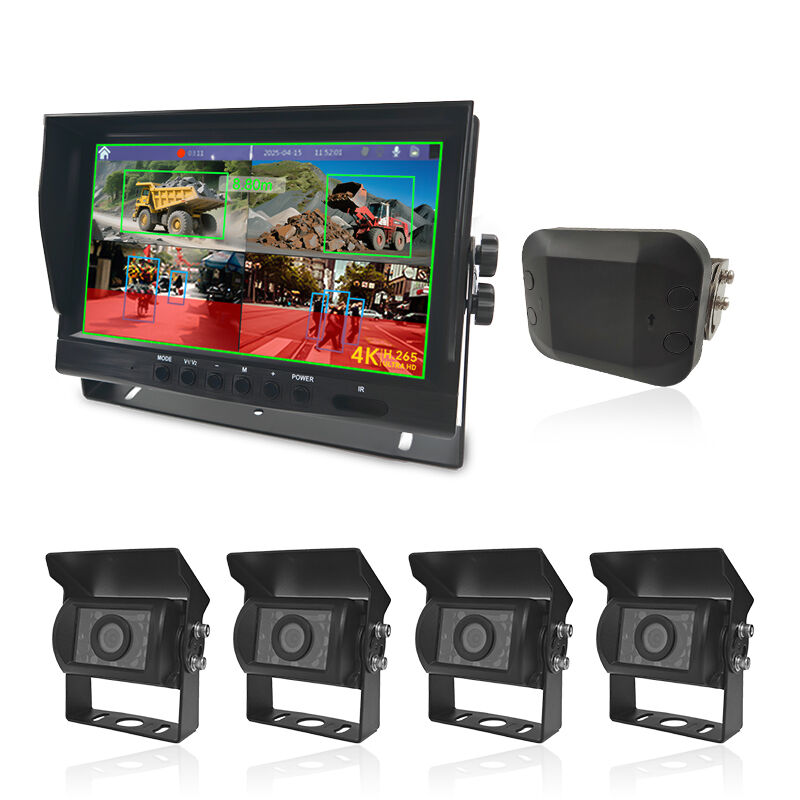
Forward Collision Alert System: Advanced Safety Technology for Modern Vehicles

Get a Free Quote

Our representative will contact you soon.
Email
Name
Company Name
Mobile/WhatsApp
Message
0/1000

forward collision alert system

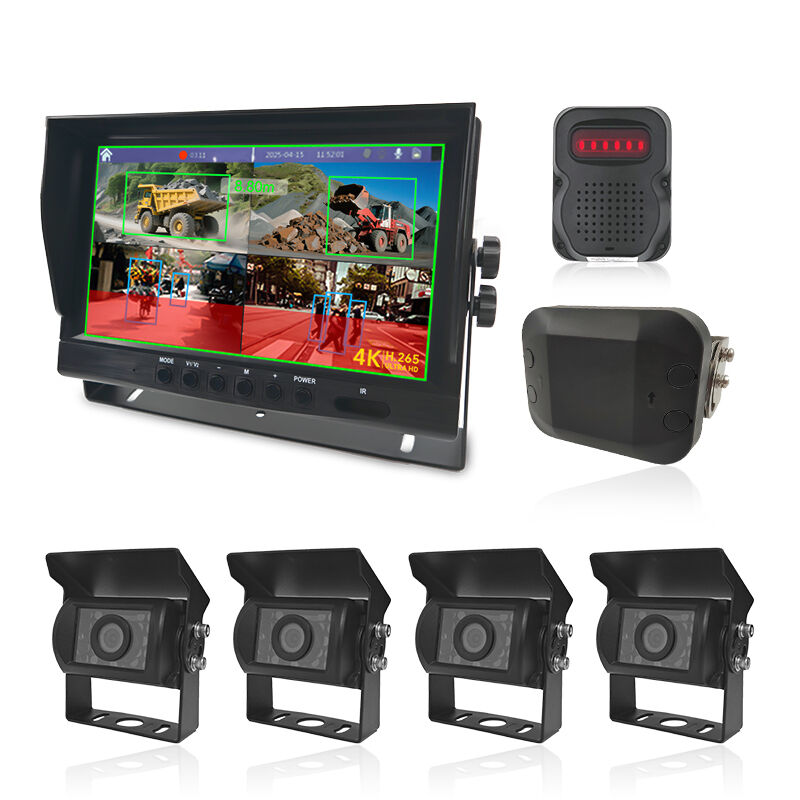
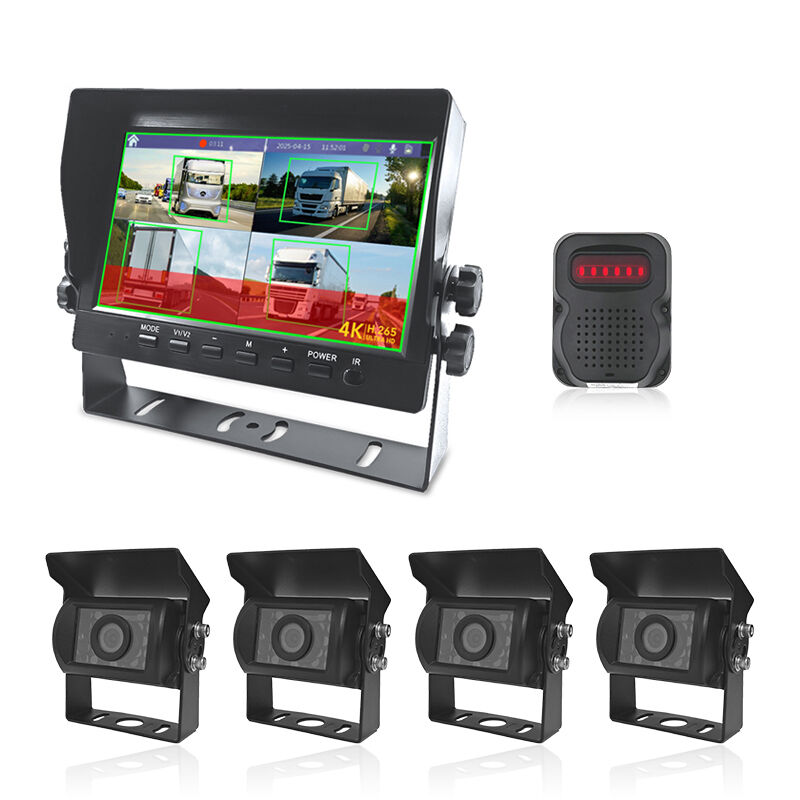
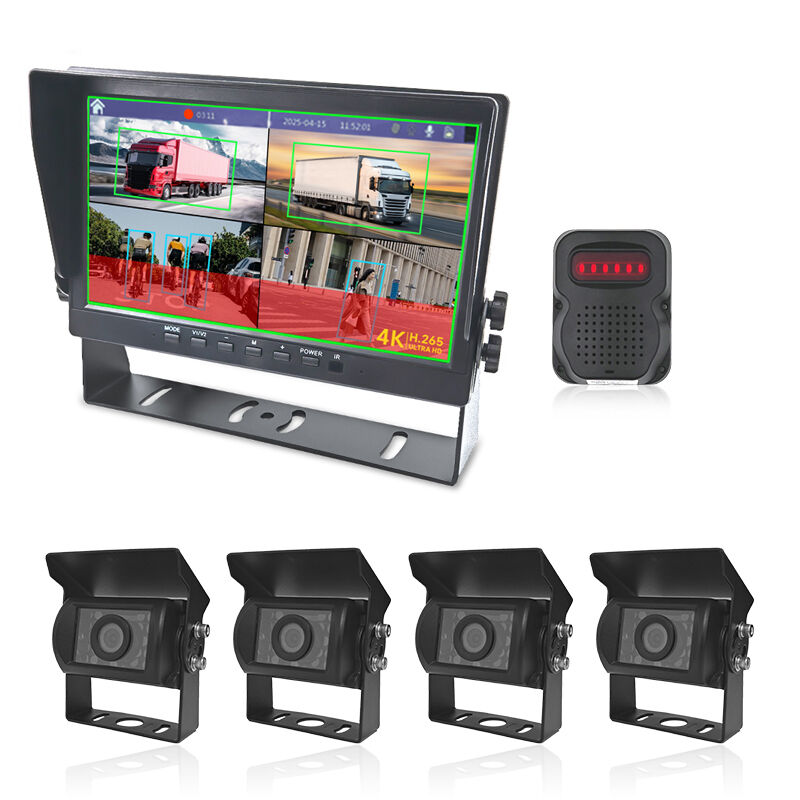
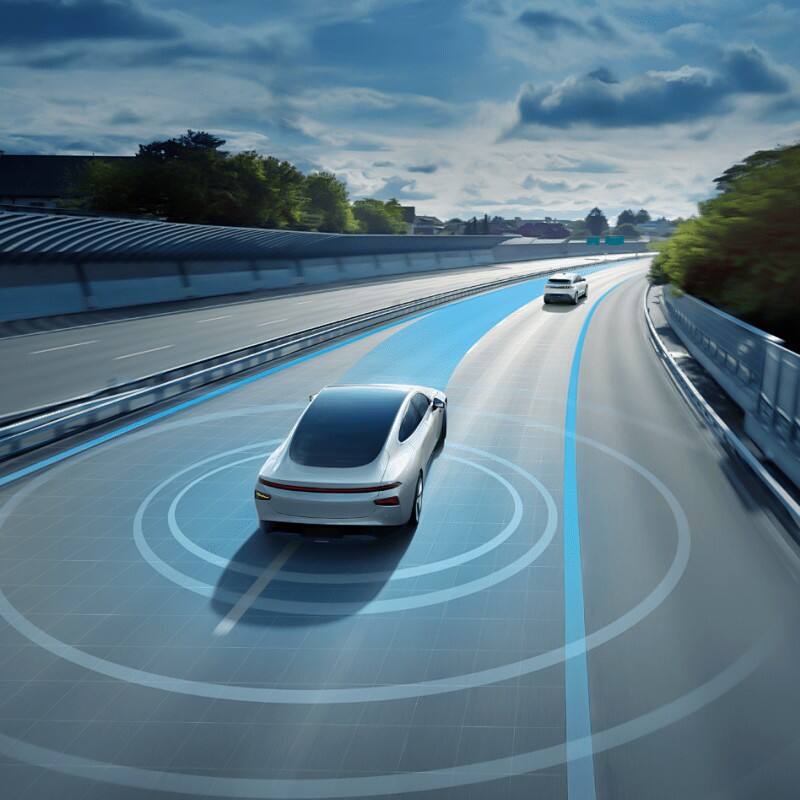
The forward collision alert system represents a groundbreaking advancement in automotive safety technology, designed to protect drivers and passengers by detecting potential collisions before they occur. This intelligent safety feature utilizes sophisticated sensors and advanced algorithms to continuously monitor the road ahead, providing crucial warnings when dangerous situations develop. The forward collision alert system serves as an electronic co-pilot, scanning the environment around your vehicle and identifying potential hazards that might escape human attention during critical moments. Modern vehicles increasingly incorporate this technology as standard equipment, reflecting the automotive industry's commitment to reducing accident rates and saving lives. The system operates through a network of radar sensors, cameras, and sometimes lidar technology, creating a comprehensive detection field that extends several hundred feet in front of the vehicle. These components work together seamlessly, processing data in real-time to assess collision risks and determine appropriate response measures. When the forward collision alert system identifies a potential impact scenario, it immediately activates visual, audible, or haptic warnings to alert the driver. The technology excels at detecting various objects including other vehicles, pedestrians, cyclists, and stationary obstacles that pose collision threats. Advanced versions of the forward collision alert system can distinguish between different types of objects and adjust their sensitivity accordingly, reducing false alarms while maintaining optimal protection levels. The system's effectiveness stems from its ability to process information faster than human reflexes, providing valuable extra seconds that can mean the difference between a safe stop and a devastating accident. Integration with other vehicle safety systems enhances the forward collision alert system's capabilities, allowing it to work in conjunction with automatic emergency braking, lane departure warnings, and adaptive cruise control for comprehensive protection.

New Products

The forward collision alert system delivers numerous practical benefits that directly enhance your driving experience and safety on the road. First and foremost, this technology significantly reduces your risk of rear-end collisions, which account for approximately 29% of all serious traffic accidents. By providing early warnings about potential impact situations, the forward collision alert system gives you precious extra time to react, brake, or steer away from danger. This advanced warning capability proves especially valuable in heavy traffic conditions, where sudden stops frequently occur and reaction time becomes critical for avoiding accidents. The system excels during adverse weather conditions when visibility decreases and stopping distances increase, situations where human perception often fails to detect hazards quickly enough. Drivers benefit from reduced stress and fatigue during long journeys, as the forward collision alert system acts as a vigilant co-pilot that never gets tired or distracted. This constant monitoring allows you to drive with greater confidence, knowing that an additional layer of protection watches the road ahead continuously. Insurance companies increasingly recognize the value of this technology, often providing discounts to policyholders whose vehicles include forward collision alert systems, resulting in measurable financial savings over time. The system particularly benefits drivers who frequently navigate busy urban environments, highway construction zones, or areas with heavy pedestrian traffic. Parents appreciate how the forward collision alert system helps protect teen drivers, who statistically face higher accident risks due to inexperience and reaction time limitations. Fleet managers report significant reductions in accident-related costs and insurance claims when their vehicles include this technology. The forward collision alert system requires no special training or complex operation procedures, functioning automatically once activated and integrating seamlessly into your normal driving routine. Maintenance requirements remain minimal, with most systems requiring only periodic calibration checks during regular service appointments. The technology adapts to different driving conditions automatically, adjusting sensitivity levels based on speed, weather conditions, and traffic density. This adaptability ensures optimal performance whether you're navigating stop-and-go city traffic or cruising on open highways, making the forward collision alert system an invaluable safety investment for any vehicle owner.

Practical Tips

L3 Autonomous Driving

23

Dec

L3 Autonomous Driving

View More
The 138th Canton Fair

04

Jan

The 138th Canton Fair

View More
2025 HKTDC (Autumn  Edition)

23

Dec

2025 HKTDC (Autumn Edition)

View More

Get a Free Quote

Our representative will contact you soon.
Email
Name
Company Name
Mobile/WhatsApp
Message
0/1000

forward collision alert system

Advanced Multi-Sensor Detection Technology

Advanced Multi-Sensor Detection Technology

The forward collision alert system employs cutting-edge multi-sensor technology that combines radar, cameras, and sophisticated image processing to create an incredibly accurate and reliable detection network. This advanced sensor fusion approach ensures comprehensive coverage of the area in front of your vehicle, dramatically improving the system's ability to identify potential collision threats in various driving conditions. The radar components operate effectively in all weather conditions, penetrating through rain, snow, fog, and darkness to maintain consistent performance when visibility becomes compromised. Meanwhile, the camera systems provide detailed visual analysis, enabling the forward collision alert system to distinguish between different types of objects and assess their movement patterns with remarkable precision. This dual-sensor approach significantly reduces false alarms while maintaining maximum sensitivity to genuine threats, ensuring that you receive warnings only when truly necessary. The system's sophisticated algorithms continuously analyze the speed, trajectory, and behavior of detected objects, calculating collision probabilities in real-time and adjusting warning thresholds accordingly. Advanced versions of the forward collision alert system can detect objects as small as motorcycles or as large as commercial trucks, adapting their response strategies based on the size and nature of the potential threat. The technology excels at identifying pedestrians and cyclists, even in challenging lighting conditions or when these vulnerable road users appear suddenly from behind parked cars or other obstructions. Machine learning capabilities enable the forward collision alert system to improve its performance over time, learning from various driving scenarios and environmental conditions to enhance accuracy and reduce unnecessary alerts. The sensor array typically provides detection ranges extending up to 200 meters ahead of the vehicle, giving drivers ample time to respond to developing situations. This extensive coverage area proves particularly valuable at highway speeds, where greater distances are required for safe stopping. The forward collision alert system's multi-sensor design ensures redundancy, meaning that if one sensor type experiences temporary interference, the other sensors continue providing protection.
Intelligent Risk Assessment and Warning Escalation

Intelligent Risk Assessment and Warning Escalation

The forward collision alert system incorporates sophisticated risk assessment algorithms that analyze multiple variables simultaneously to determine collision probability and appropriate warning levels. This intelligent processing capability sets modern systems apart from simpler proximity sensors, as they consider factors such as relative speed, closing rate, vehicle dynamics, and environmental conditions when calculating threat levels. The system continuously monitors the distance between your vehicle and objects ahead, but more importantly, it analyzes the rate of change in that distance to predict future collision scenarios. When the forward collision alert system detects a developing situation, it employs a graduated warning approach that begins with subtle alerts and escalates to more urgent notifications as the threat level increases. Initial warnings might include gentle audible tones or visual indicators on the dashboard, designed to draw your attention without causing alarm or distraction. As the collision risk intensifies, the forward collision alert system escalates to more prominent warnings, including louder alarms, flashing lights, or haptic feedback through the steering wheel or seat. This escalating alert system ensures that you receive appropriate notification levels based on the urgency of the situation, preventing both complacency from constant minor alerts and panic from sudden major warnings. The technology accounts for your current driving behavior, adjusting warning timing and intensity based on factors such as whether you're already braking, accelerating, or maintaining steady speed. Advanced versions of the forward collision alert system can even detect when you're not paying attention to the road ahead, using interior cameras to monitor your gaze direction and head position. When distracted driving is detected, the system may provide earlier or more intensive warnings to compensate for potentially slower reaction times. The intelligent assessment capabilities extend to understanding different driving scenarios, recognizing situations such as highway merging, intersection approaches, or construction zones that might require modified warning strategies. This contextual awareness ensures that the forward collision alert system provides relevant, timely alerts that enhance safety without creating unnecessary anxiety or driver fatigue during normal driving conditions.

Seamless Integration with Vehicle Safety Systems

Seamless Integration with Vehicle Safety Systems

The forward collision alert system demonstrates its greatest value through seamless integration with complementary vehicle safety technologies, creating a comprehensive protective ecosystem that enhances overall driving safety beyond what individual systems could achieve alone. This integration capability represents a fundamental shift in automotive safety design, moving from isolated warning systems to coordinated safety networks that communicate and collaborate effectively. When working alongside automatic emergency braking systems, the forward collision alert system provides the crucial early warning phase that allows drivers to take corrective action before more dramatic interventions become necessary. This collaborative approach respects driver autonomy while providing backup protection when human response proves insufficient or delayed. The system coordinates with adaptive cruise control features to maintain safe following distances automatically, reducing the likelihood of situations that might trigger collision warnings in the first place. Integration with lane departure warning systems creates awareness of lateral movement that might affect collision trajectories, enabling the forward collision alert system to adjust its threat assessments based on lane position and vehicle stability. Advanced implementations connect with electronic stability control and traction management systems, sharing data about road conditions and vehicle dynamics that influence braking effectiveness and collision avoidance capabilities. The forward collision alert system also interfaces with navigation systems to access information about upcoming road conditions, construction zones, or traffic patterns that might affect collision risk calculations. This predictive capability allows the system to adjust sensitivity levels proactively rather than reactively, improving both safety and user experience. Modern versions integrate with vehicle-to-vehicle communication systems, sharing information with other equipped vehicles about sudden stops, accidents, or hazardous conditions ahead. This extended awareness network multiplies the effectiveness of individual forward collision alert systems by providing information beyond the range of onboard sensors. The integration extends to smartphone connectivity, allowing the system to access real-time traffic data, weather conditions, and road hazard reports that inform its risk assessment algorithms. Fleet management systems benefit from this integration by receiving detailed reports about collision alert activations, near-miss incidents, and system performance metrics that help improve driver training and vehicle maintenance programs.
Forward Collision Alert System: Advanced Safety Technology for Modern Vehicles

Get a Free Quote

Our representative will contact you soon.
Email
Name
Company Name
Mobile/WhatsApp
Message
0/1000