car forward collision warning system
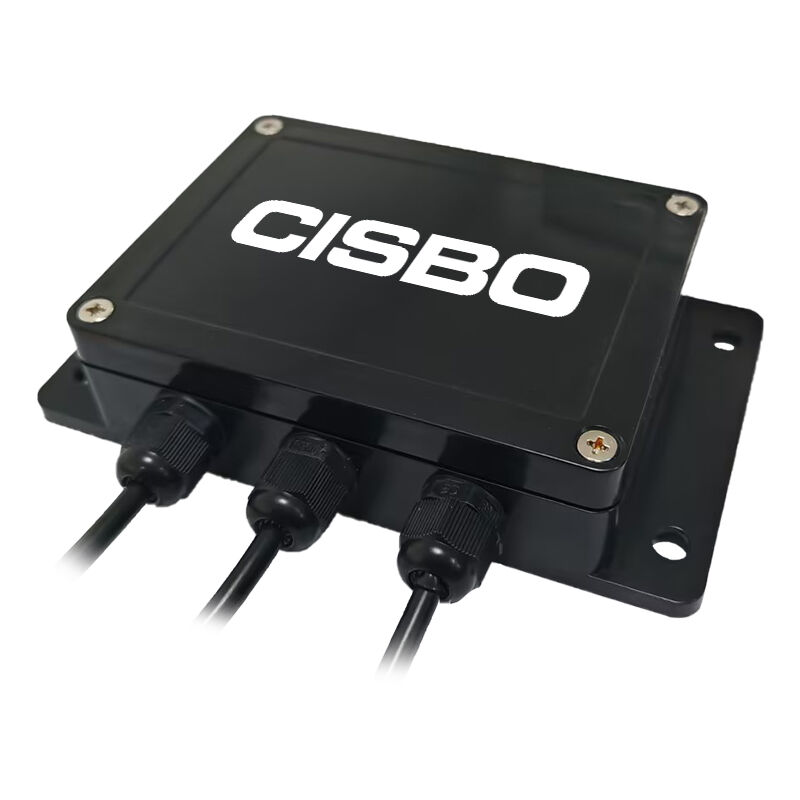
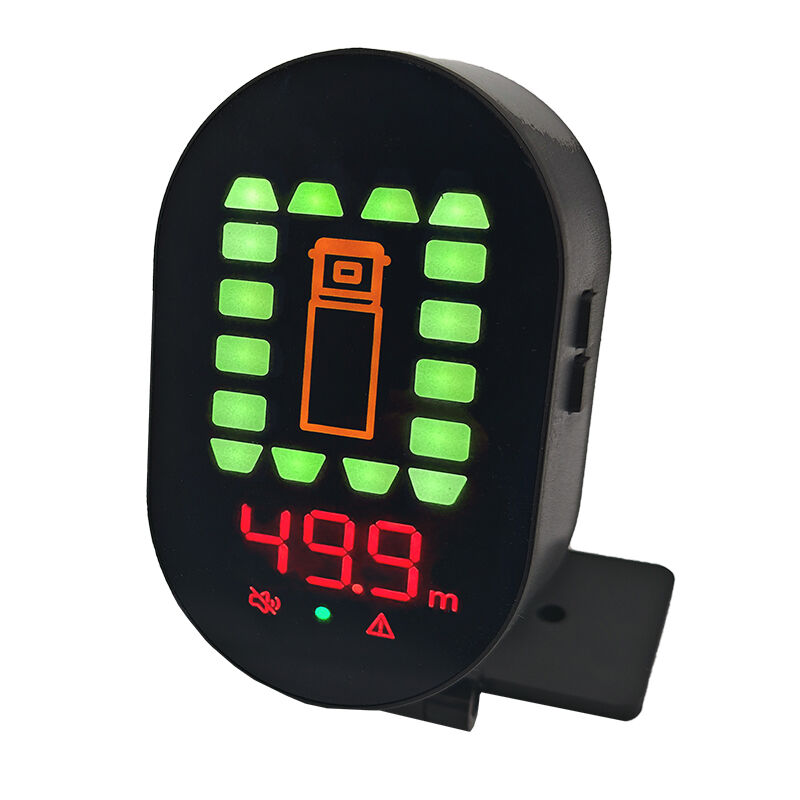
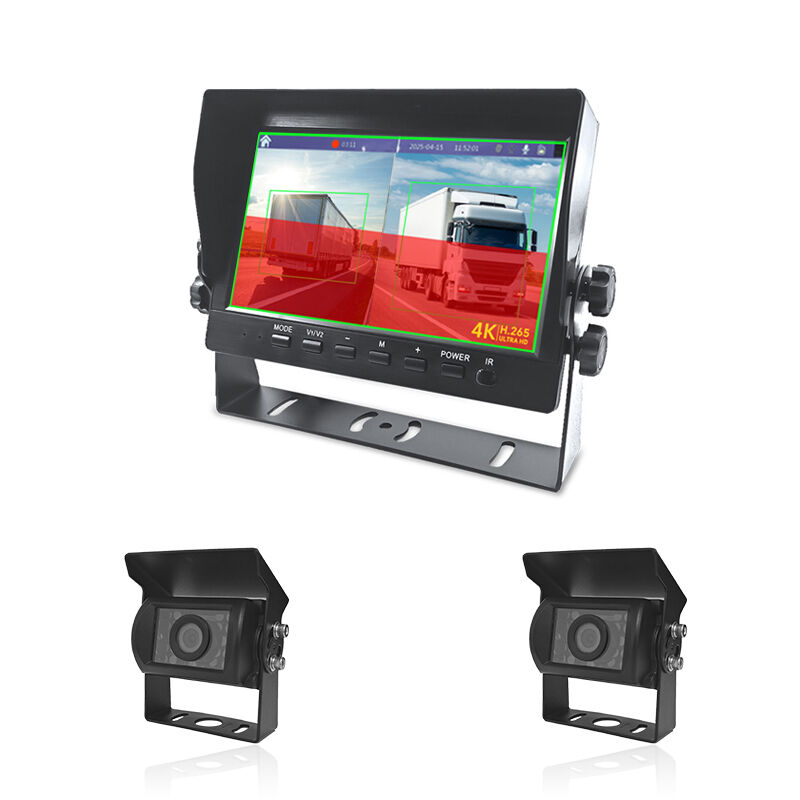
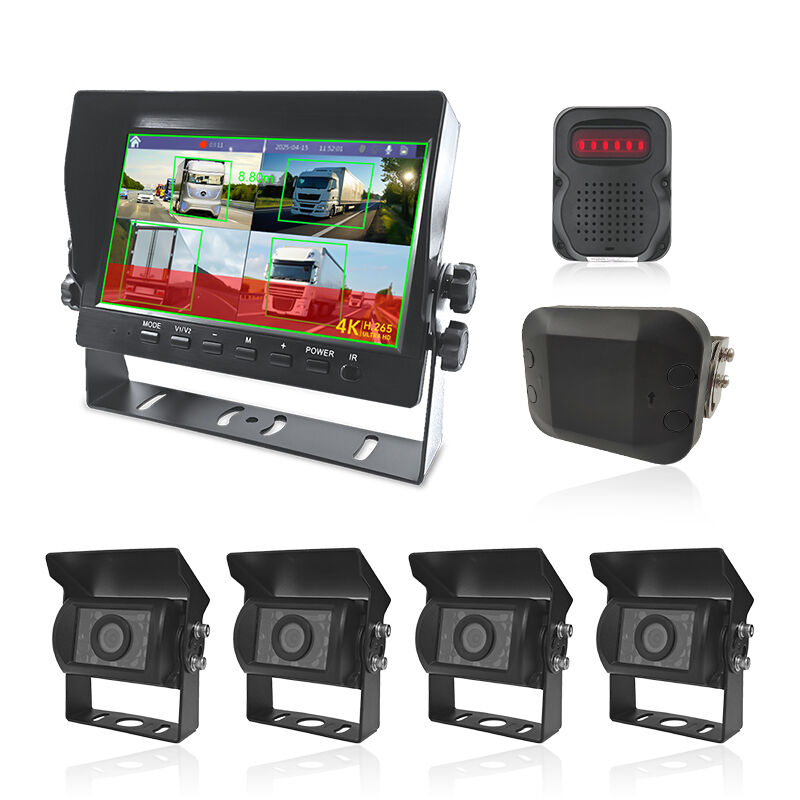
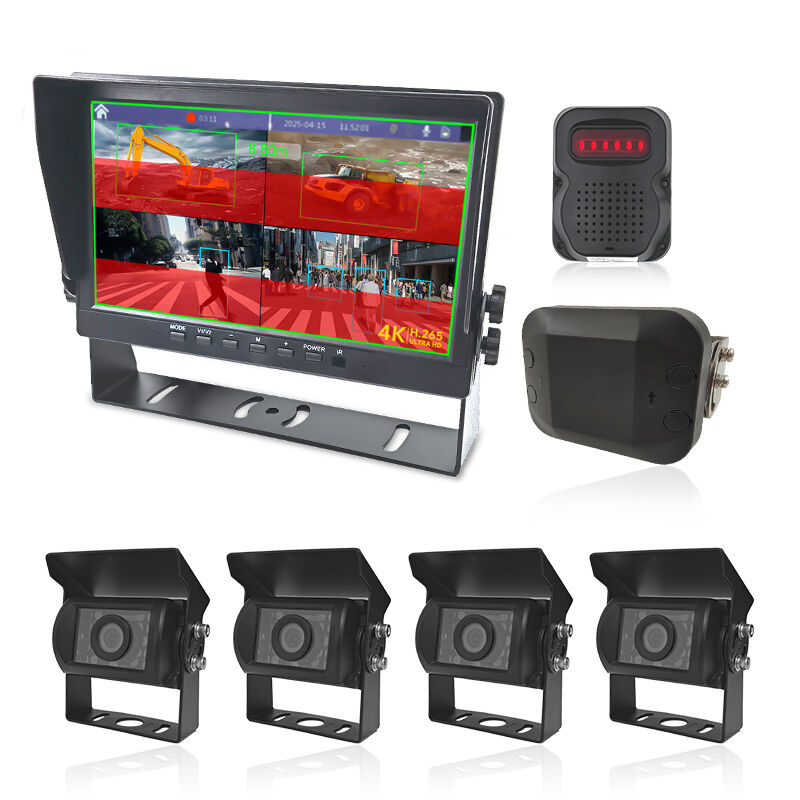
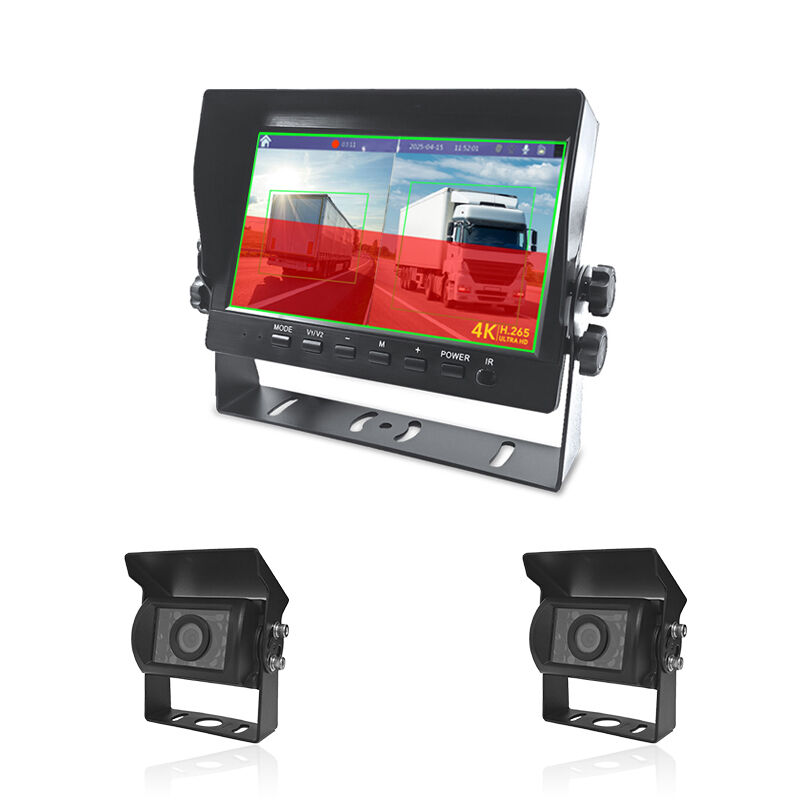
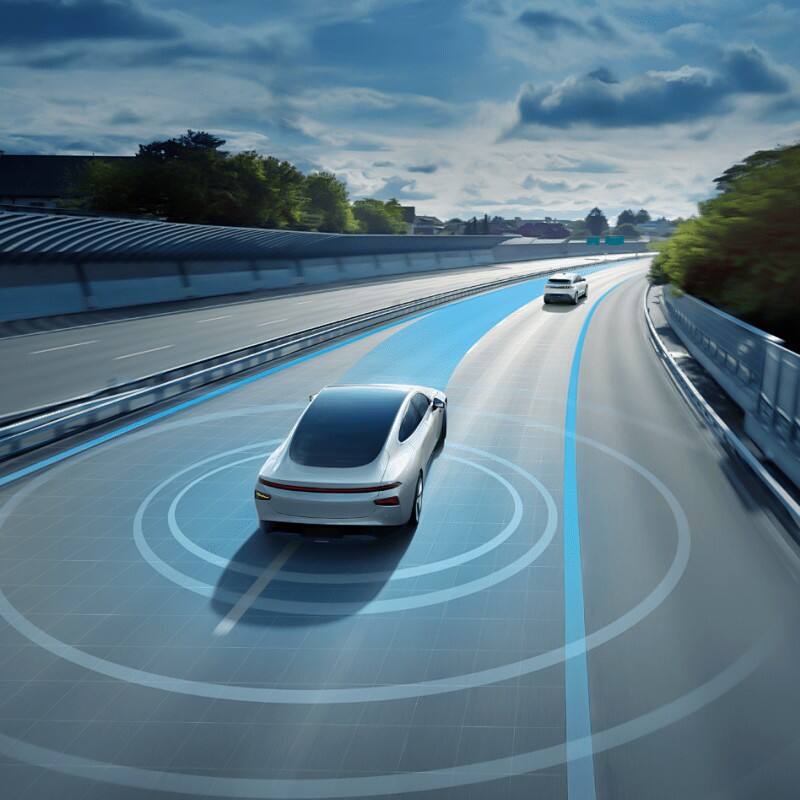
The car forward collision warning system represents a revolutionary advancement in automotive safety technology, designed to protect drivers and passengers by detecting potential frontal collisions before they occur. This sophisticated system utilizes cutting-edge sensors, cameras, and radar technology to continuously monitor the road ahead, analyzing traffic patterns, vehicle speeds, and proximity distances in real-time. When the car forward collision warning system identifies an imminent collision risk, it immediately alerts the driver through visual, auditory, or haptic warnings, providing precious seconds to react and potentially avoid a devastating accident. The primary function of this safety technology centers on proactive threat detection, scanning the roadway for stationary objects, slower-moving vehicles, pedestrians, and cyclists that may pose collision risks. Advanced algorithms within the car forward collision warning system process thousands of data points per second, calculating relative speeds, trajectory patterns, and stopping distances with remarkable precision. The system's technological architecture typically incorporates multiple sensor types, including millimeter-wave radar units positioned behind the front grille, high-resolution cameras mounted near the rearview mirror, and sometimes additional ultrasonic sensors for enhanced detection capabilities. These components work synergistically to create a comprehensive safety net that operates effectively across various weather conditions and lighting scenarios. Modern iterations of the car forward collision warning system often integrate seamlessly with other vehicle safety features, such as automatic emergency braking, adaptive cruise control, and lane departure warning systems, creating a holistic safety ecosystem. The application scope extends across diverse vehicle categories, from compact passenger cars to heavy-duty commercial trucks, with customizable sensitivity settings that accommodate different driving styles and preferences. Installation compatibility varies among vehicle models, with newer automobiles featuring factory-integrated systems while aftermarket solutions provide retrofit options for older vehicles seeking enhanced protection.
 EN
EN