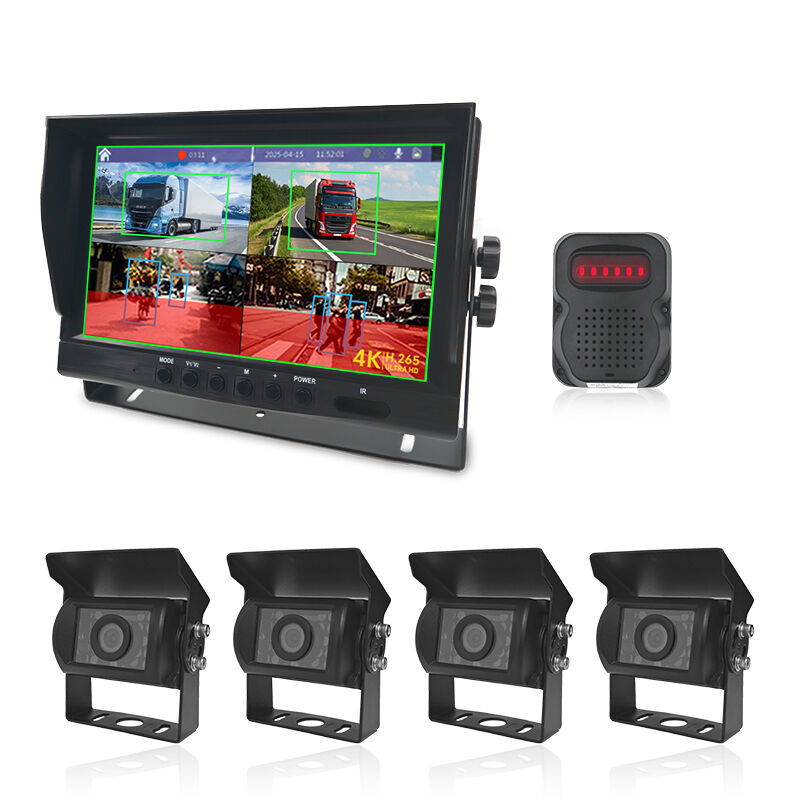
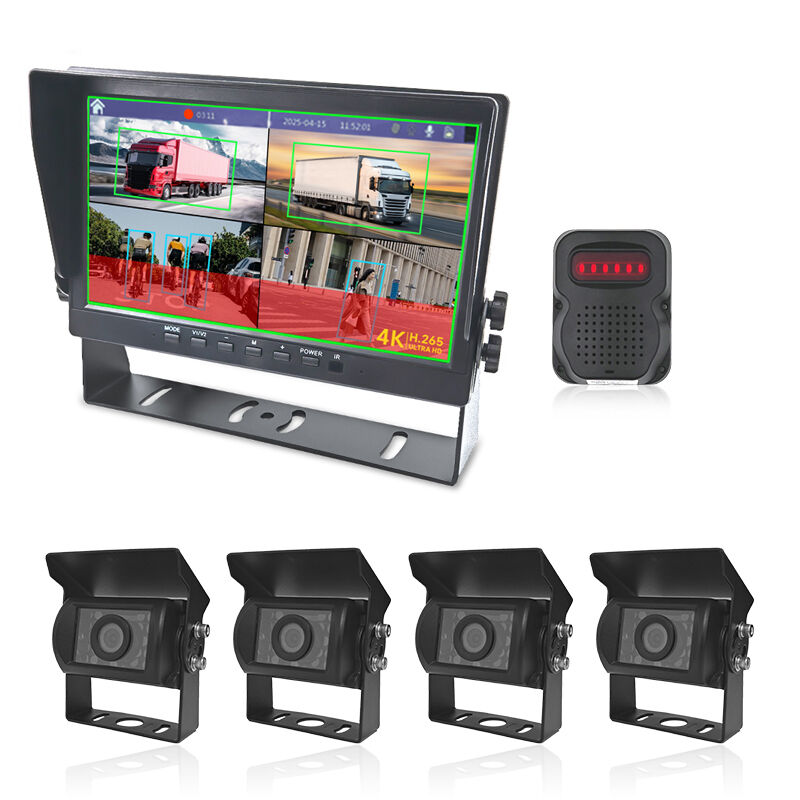
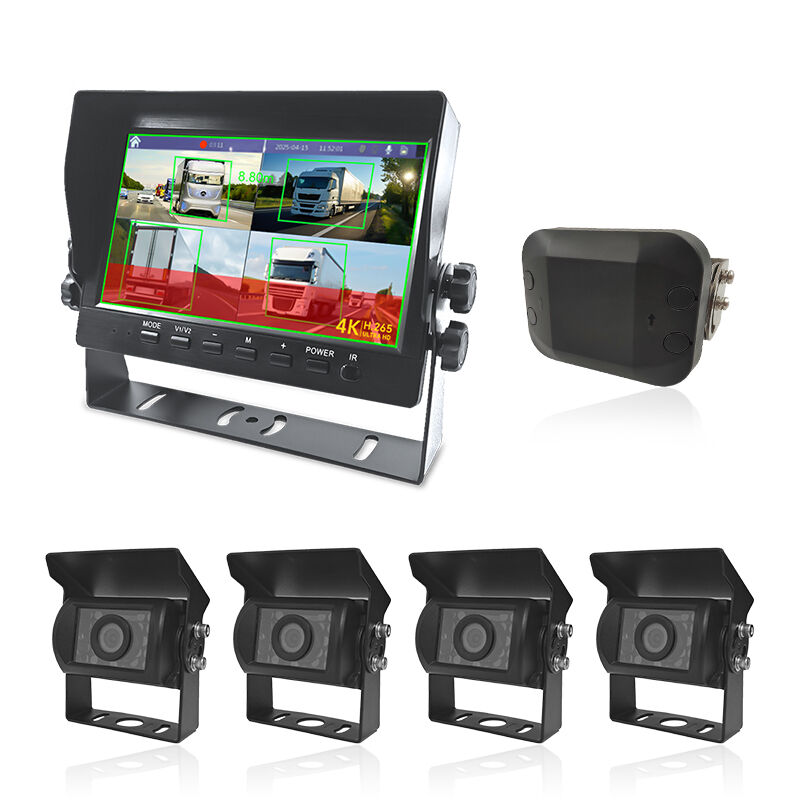
Predictive Forward Collision Warning: Advanced Safety Technology for Accident Prevention

Get a Free Quote

Our representative will contact you soon.
Email
Name
Company Name
Mobile/WhatsApp
Message
0/1000

predictive forward collision warning

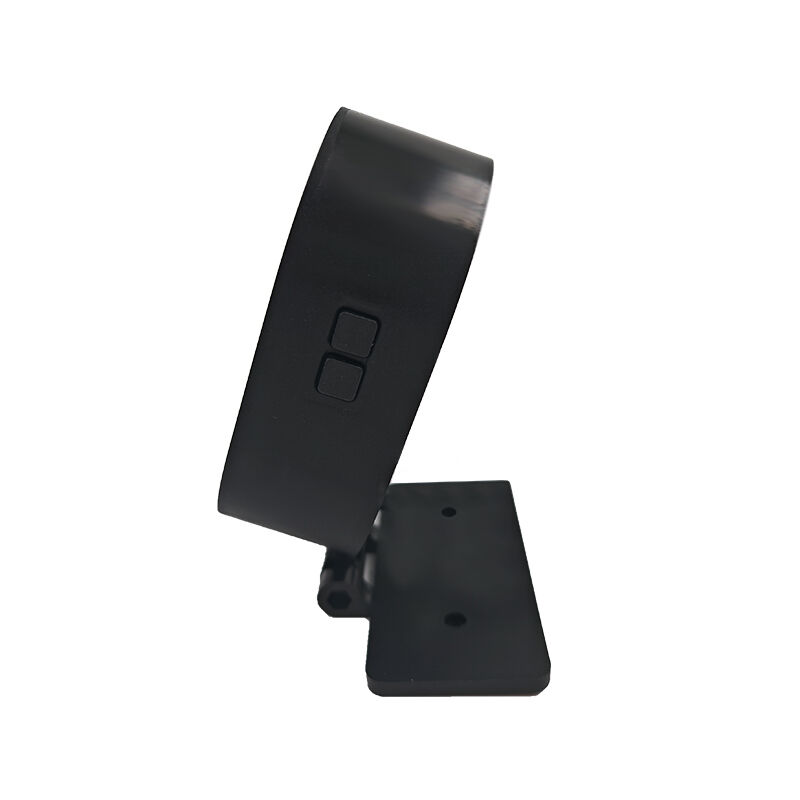
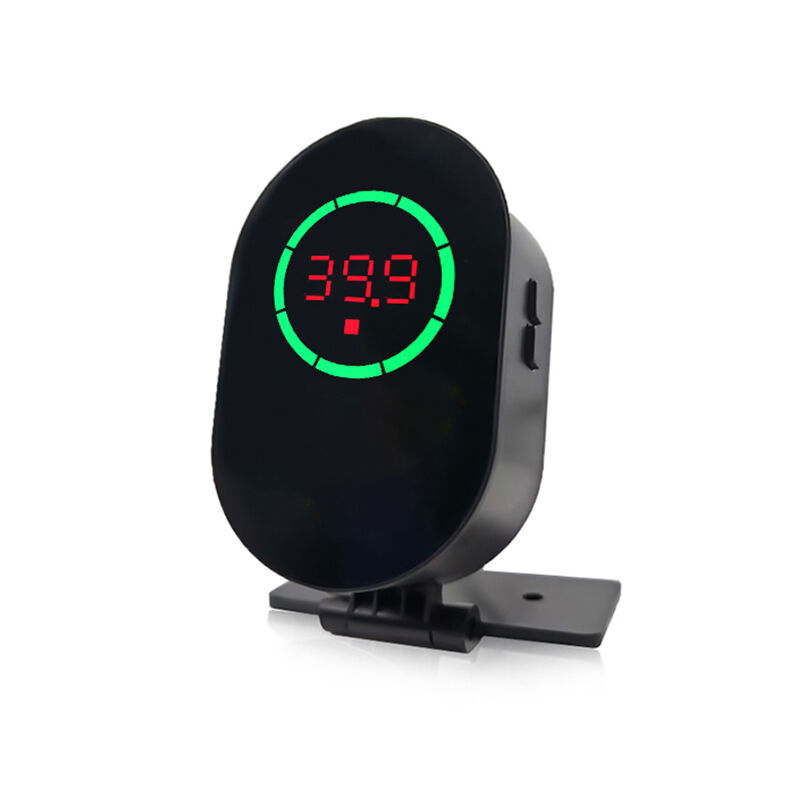
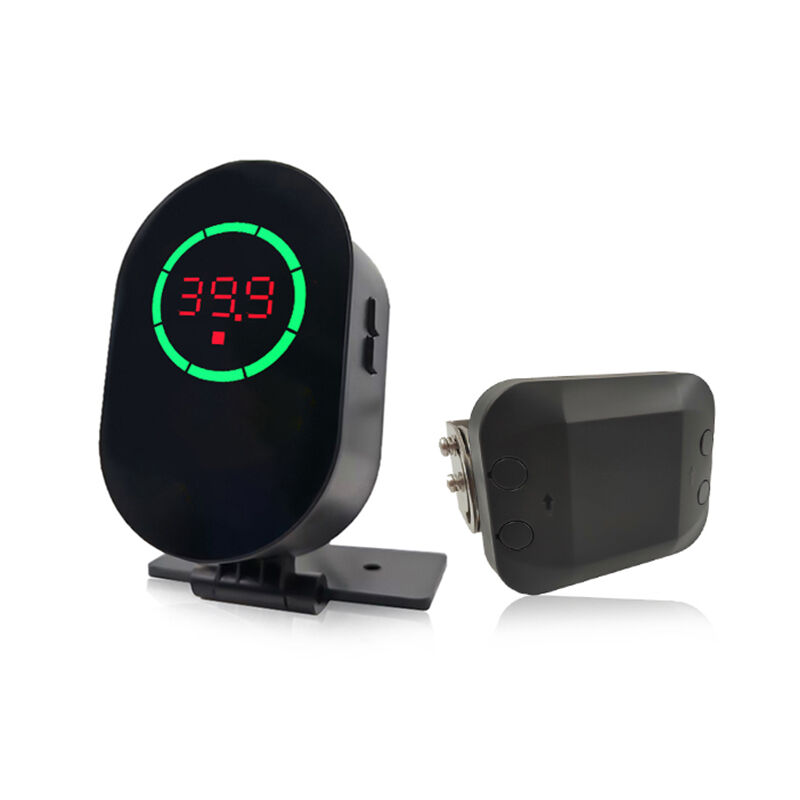
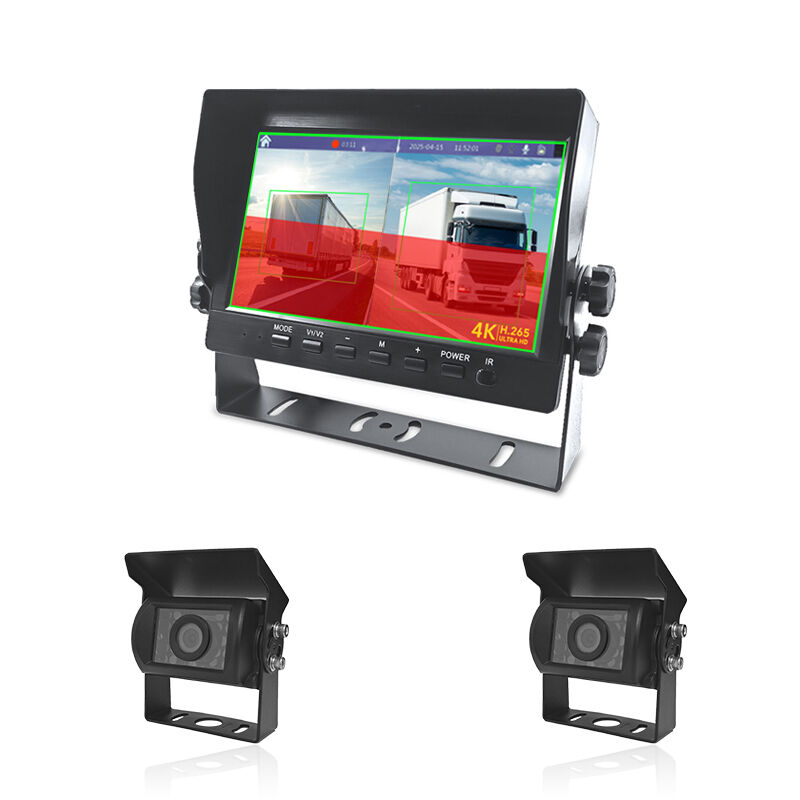
Predictive forward collision warning represents a revolutionary advancement in automotive safety technology that actively monitors the road ahead to prevent potential accidents before they occur. This sophisticated system utilizes a combination of advanced sensors, cameras, and radar technology to continuously scan the driving environment and detect potential collision risks. The predictive forward collision warning system operates by analyzing multiple data points simultaneously, including vehicle speed, distance to objects ahead, closing rates, and traffic patterns. When the system identifies a potential collision scenario, it immediately alerts drivers through visual, auditory, or haptic warnings, providing crucial seconds to react and avoid accidents. The technology incorporates machine learning algorithms that adapt to different driving conditions and improve accuracy over time. Unlike traditional collision warning systems that only react to immediate threats, predictive forward collision warning anticipates dangerous situations by evaluating trajectory patterns and behavioral indicators of vehicles, pedestrians, and cyclists. The system functions effectively in various weather conditions and lighting environments, making it reliable for year-round protection. Modern implementations of predictive forward collision warning integrate seamlessly with other vehicle safety systems, creating a comprehensive protective network. The technology processes information at lightning speed, typically responding within milliseconds of detecting potential hazards. This rapid response capability ensures drivers receive timely warnings even in fast-changing traffic situations. The system's predictive nature means it can identify risks that human drivers might miss due to distractions, fatigue, or limited visibility. Advanced versions of predictive forward collision warning can distinguish between different types of obstacles and adjust warning protocols accordingly, ensuring appropriate responses for various scenarios while minimizing false alarms that could desensitize drivers to genuine threats.

New Product Recommendations

Predictive forward collision warning delivers substantial benefits that directly enhance driver safety and vehicle protection in real-world driving scenarios. The most significant advantage lies in accident prevention, as studies demonstrate that vehicles equipped with predictive forward collision warning experience up to 40 percent fewer rear-end collisions compared to vehicles without this technology. This dramatic reduction in accidents translates to lower insurance premiums, reduced repair costs, and most importantly, fewer injuries and fatalities on roadways. The system provides drivers with enhanced situational awareness by alerting them to hazards they might not immediately perceive, particularly in heavy traffic, adverse weather conditions, or during nighttime driving when visibility is compromised. Financial benefits extend beyond accident prevention, as many insurance companies offer discounts for vehicles equipped with predictive forward collision warning systems, recognizing their proven effectiveness in reducing claims. The technology significantly reduces driver stress and fatigue by serving as an additional safety net, allowing drivers to feel more confident during long journeys or challenging driving conditions. Predictive forward collision warning systems improve reaction times by providing early warnings, giving drivers additional precious seconds to respond appropriately to emerging threats. This extended reaction window can mean the difference between a minor incident and a serious collision. The technology adapts to individual driving patterns, learning from driver behavior to provide personalized warnings that match specific driving styles and preferences. Fleet operators benefit enormously from predictive forward collision warning systems, as they help protect valuable assets, reduce liability exposure, and demonstrate commitment to driver safety. The system contributes to improved traffic flow by helping prevent accidents that cause congestion and delays. Maintenance costs decrease over time as fewer accidents mean less wear and damage to vehicles. The technology also supports environmental benefits by reducing the likelihood of accidents that can cause traffic jams, thereby decreasing fuel consumption and emissions. Predictive forward collision warning systems maintain their effectiveness across various vehicle types, from passenger cars to commercial trucks, making them versatile safety solutions. The continuous monitoring capability means protection never stops, providing 24/7 safety coverage that human attention cannot match. Modern systems integrate with smartphone applications, allowing drivers to track safety metrics and receive insights about their driving patterns and potential improvement areas.

Tips And Tricks

L3 Autonomous Driving

23

Dec

L3 Autonomous Driving

View More
The 138th Canton Fair

04

Jan

The 138th Canton Fair

View More
2025 HKTDC (Autumn  Edition)

23

Dec

2025 HKTDC (Autumn Edition)

View More

Get a Free Quote

Our representative will contact you soon.
Email
Name
Company Name
Mobile/WhatsApp
Message
0/1000

predictive forward collision warning

Advanced Multi-Sensor Detection Technology

Advanced Multi-Sensor Detection Technology

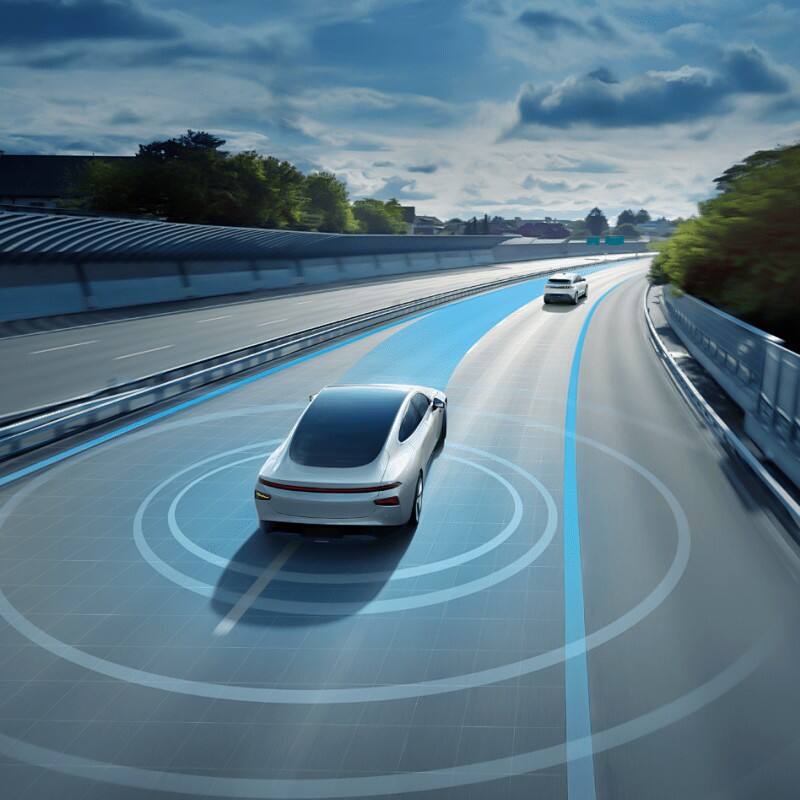
The cornerstone of predictive forward collision warning effectiveness lies in its sophisticated multi-sensor detection technology that creates an comprehensive safety umbrella around your vehicle. This advanced system combines high-resolution cameras, long-range radar sensors, and cutting-edge lidar technology to create a detailed three-dimensional map of the surrounding environment. The cameras capture visual information with exceptional clarity, identifying lane markings, traffic signs, pedestrians, cyclists, and other vehicles with remarkable precision. Meanwhile, radar sensors penetrate through fog, rain, and snow to detect objects that might be invisible to human eyes or traditional camera systems. The lidar component adds another layer of protection by measuring distances with millimeter accuracy, creating precise depth perception that enables the system to calculate closing speeds and collision probabilities with extraordinary accuracy. This multi-layered approach ensures redundancy and reliability, as each sensor type compensates for the limitations of others. The fusion of data from multiple sensors creates a comprehensive understanding of the driving environment that far exceeds what any single detection method could achieve. The system processes this information through advanced artificial intelligence algorithms that continuously learn and adapt to new scenarios, improving performance over time. Real-time data processing occurs at incredible speeds, analyzing thousands of data points every second to identify potential collision scenarios before they develop into immediate threats. The technology distinguishes between different types of objects, understanding the difference between a stationary vehicle, a moving pedestrian, or road debris, and adjusts warning protocols accordingly. Weather compensation features ensure consistent performance across varying environmental conditions, automatically adjusting sensitivity and detection parameters based on visibility, precipitation, and road conditions. The system maintains effectiveness at highway speeds and in stop-and-go traffic, providing continuous protection regardless of driving conditions. Integration with vehicle dynamics allows the system to factor in braking capabilities, road surface conditions, and vehicle load when calculating collision risks and warning timing.

Intelligent Predictive Risk Assessment

Intelligent Predictive Risk Assessment

Predictive forward collision warning systems excel through their intelligent risk assessment capabilities that analyze patterns and behaviors to anticipate dangerous situations before they fully develop. This sophisticated functionality goes beyond simple distance and speed measurements to evaluate complex traffic dynamics, driver behaviors, and environmental factors that contribute to collision risks. The system continuously monitors the behavior patterns of surrounding vehicles, identifying erratic movements, sudden lane changes, or aggressive driving behaviors that could lead to accidents. By analyzing acceleration and deceleration patterns of nearby vehicles, the technology can predict when a car might brake suddenly or change lanes unexpectedly. The predictive algorithms consider multiple variables simultaneously, including traffic density, road curvature, weather conditions, and historical accident data for specific road segments. Machine learning capabilities enable the system to recognize recurring patterns in traffic situations and improve prediction accuracy over time. The technology evaluates pedestrian and cyclist behavior near roadways, identifying when individuals might enter the vehicle's path based on their movement patterns and proximity to crosswalks or intersections. Advanced versions can predict the behavior of vehicles at intersections, analyzing approach speeds and signal timing to anticipate potential violations or conflicts. The system accounts for driver distraction by monitoring steering inputs, lane positioning, and other indicators that suggest reduced attention, adjusting warning sensitivity accordingly. Risk assessment calculations factor in vehicle performance characteristics, including braking distance capabilities and handling limitations under current conditions. The predictive nature means warnings are issued with optimal timing, providing enough advance notice for safe responses without creating unnecessary alarm. Environmental awareness includes recognition of construction zones, emergency vehicles, and other special situations that require heightened caution. The technology maintains detailed memory of recurring driving routes, learning about typical traffic patterns and potential hazard zones to provide enhanced protection in familiar areas. Integration with traffic management systems allows access to real-time information about accidents, road closures, and other conditions that might affect collision risks ahead.
Seamless Integration and User Experience

Seamless Integration and User Experience

Modern predictive forward collision warning systems provide exceptional user experience through seamless integration with existing vehicle systems and intuitive operation that requires minimal driver intervention. The technology integrates flawlessly with dashboard displays, head-up displays, and infotainment systems to provide clear, easily understood warnings that capture attention without causing distraction or panic. Visual alerts utilize strategically positioned warning lights and display graphics that convey urgency levels through color coding and animation patterns that drivers can quickly interpret. Audio warnings employ carefully calibrated tones and voice messages that cut through ambient noise while remaining non-intrusive during normal driving conditions. Haptic feedback through steering wheel vibration or seat alerts provides tactile warnings that are particularly effective for drivers who might miss visual or audio cues. The system offers extensive customization options, allowing drivers to adjust warning sensitivity, timing, and notification methods to match personal preferences and driving styles. Learning algorithms adapt to individual driver responses, optimizing warning timing and intensity based on how quickly each driver typically reacts to different types of alerts. Integration with automatic emergency braking systems creates a comprehensive safety network where warnings can trigger automatic responses if drivers fail to react within critical timeframes. The technology works harmoniously with adaptive cruise control, lane keeping assistance, and other driver assistance features to create coordinated safety responses. Smartphone connectivity enables remote monitoring and configuration, allowing drivers to adjust settings, receive safety reports, and track system performance through dedicated mobile applications. Over-the-air updates ensure the system stays current with the latest algorithms and improvements without requiring visits to service centers. The user interface design prioritizes clarity and simplicity, ensuring that drivers of all technical skill levels can understand and benefit from the system. Diagnostic capabilities provide clear information about system status and maintenance needs, helping drivers understand when sensors need cleaning or calibration. The technology maintains consistent performance across different vehicle models and manufacturers through standardized protocols and interfaces. Training materials and tutorials help new users understand system capabilities and optimize settings for their specific driving needs and preferences.
Predictive Forward Collision Warning: Advanced Safety Technology for Accident Prevention

Get a Free Quote

Our representative will contact you soon.
Email
Name
Company Name
Mobile/WhatsApp
Message
0/1000