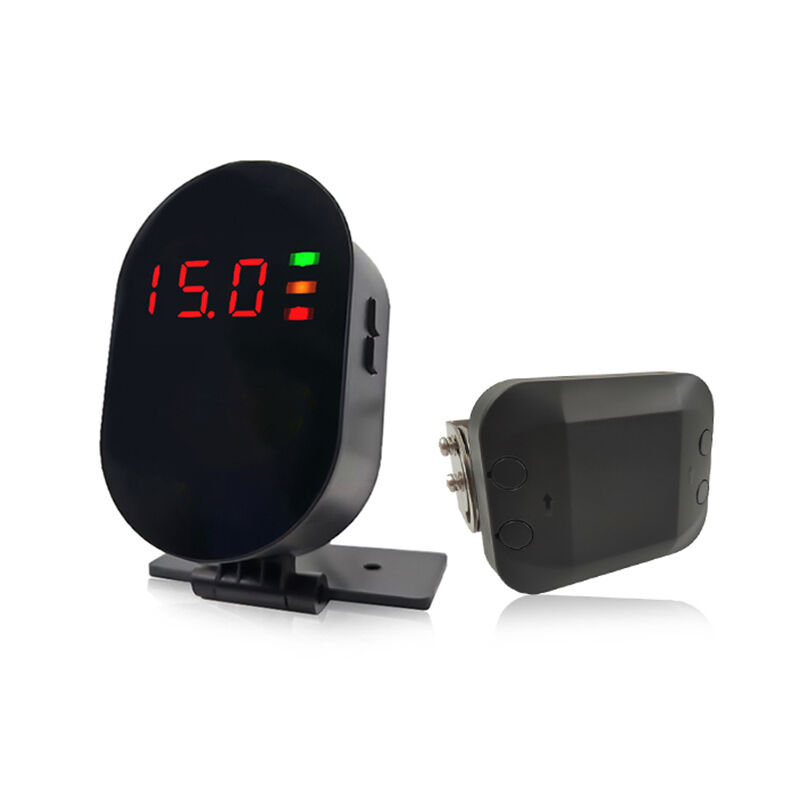
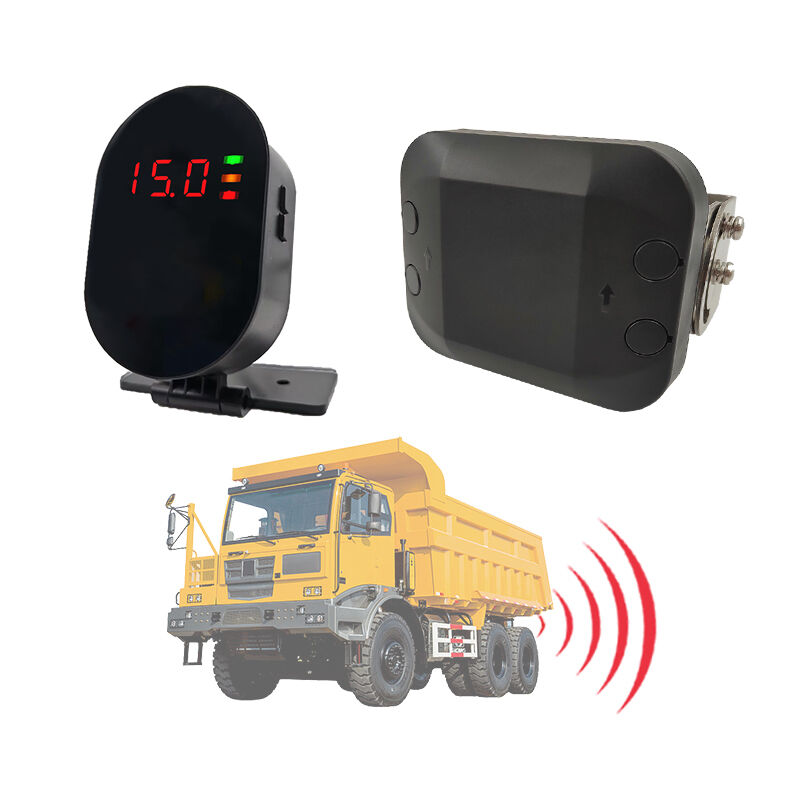
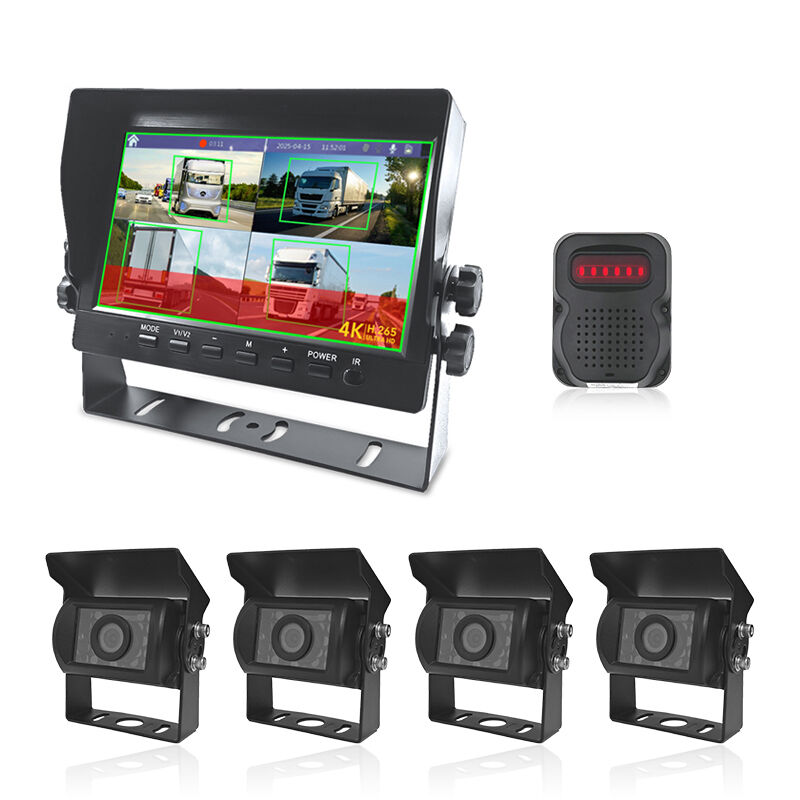
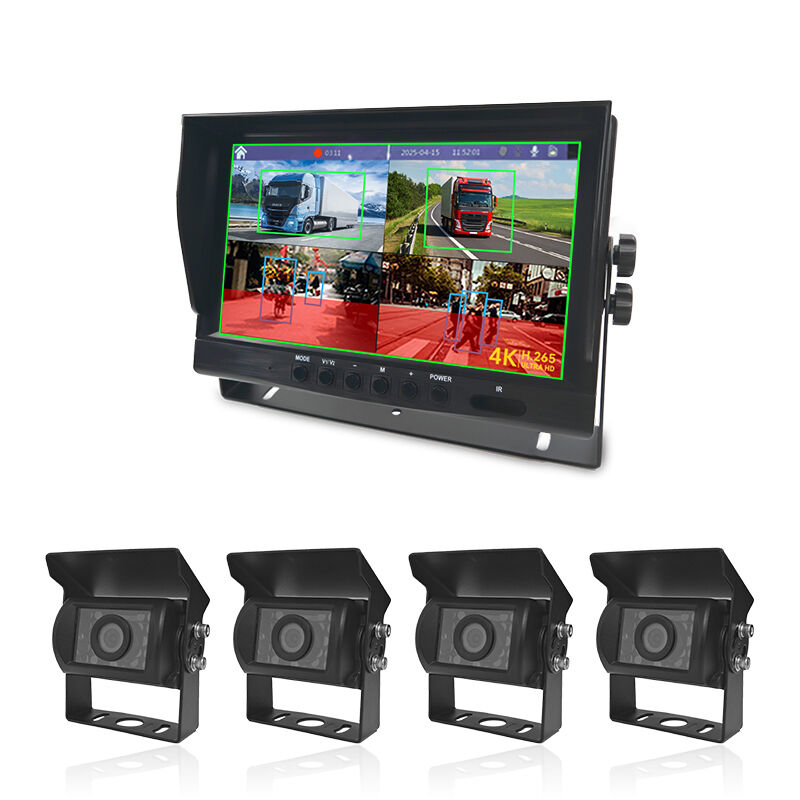
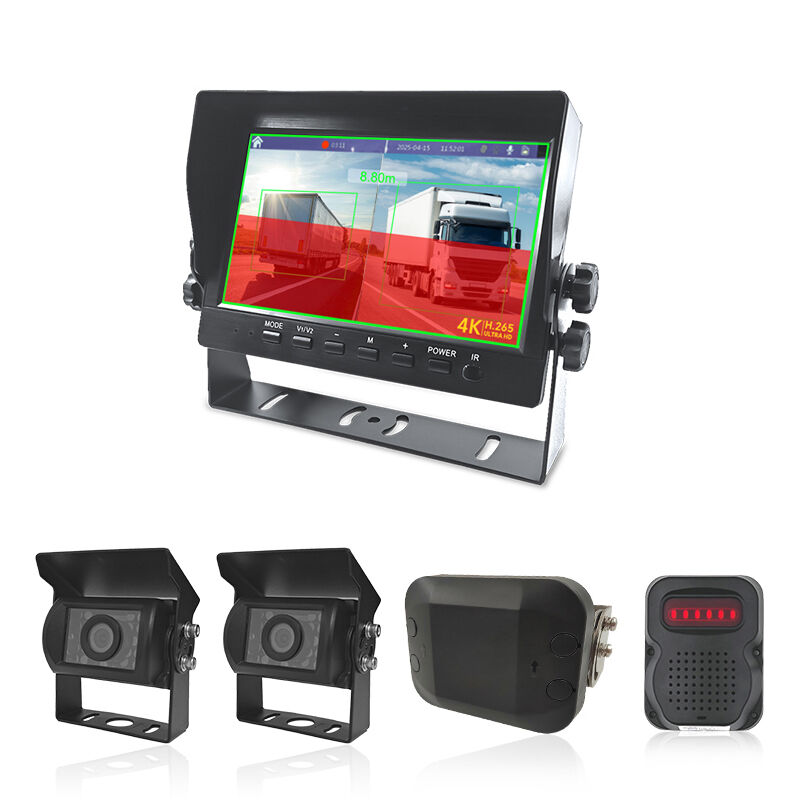
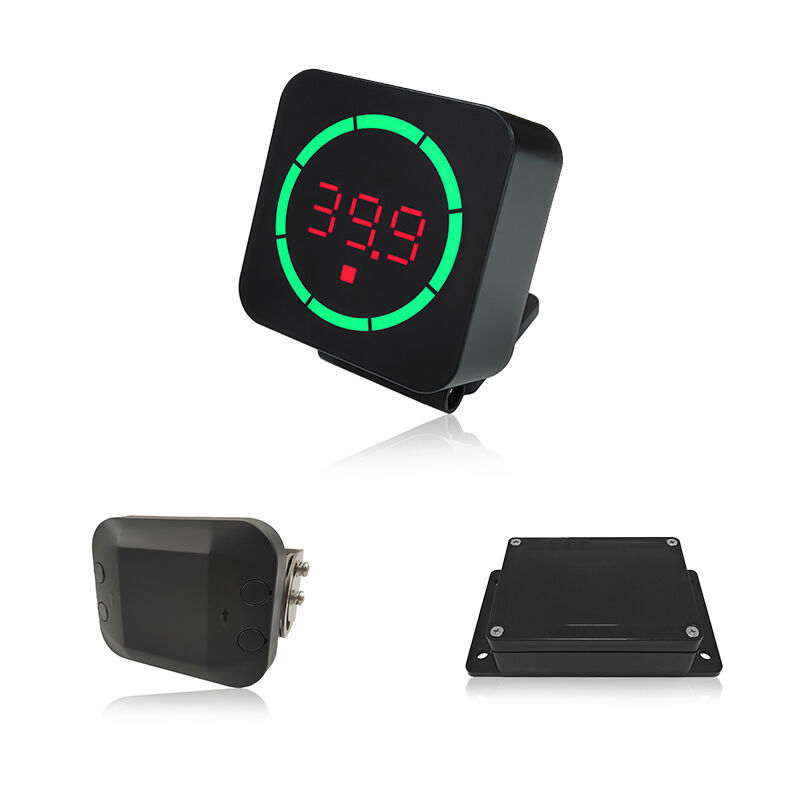
Advanced Active Collision Avoidance System - Ultimate Vehicle Safety Technology

Get a Free Quote

Our representative will contact you soon.
Email
Name
Company Name
Mobile/WhatsApp
Message
0/1000

active collision avoidance system

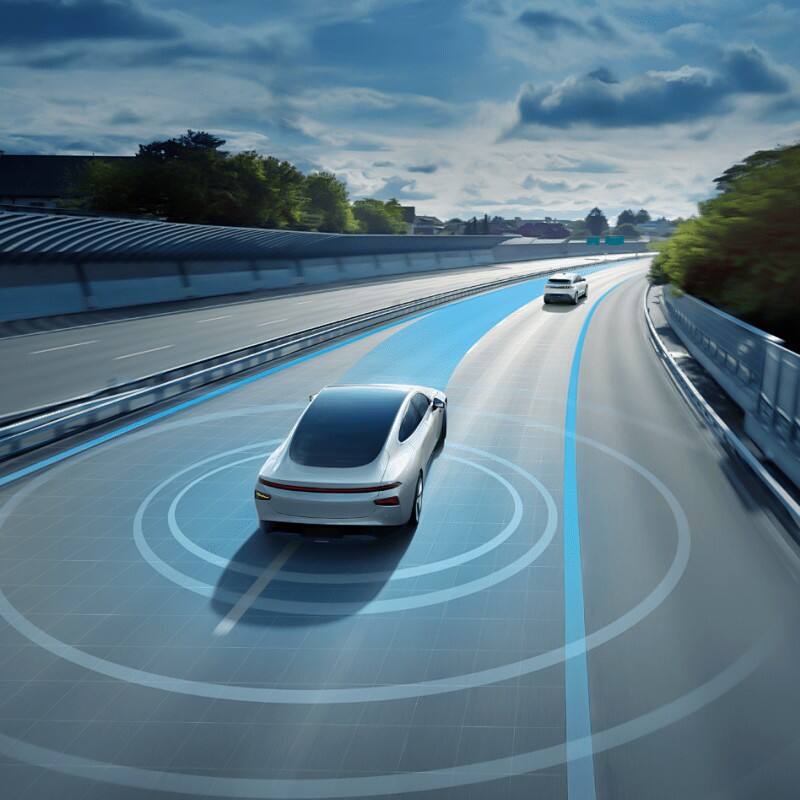
The active collision avoidance system represents a revolutionary advancement in automotive safety technology, designed to prevent accidents before they occur through intelligent monitoring and automatic intervention. This sophisticated system utilizes a comprehensive network of sensors, cameras, radar units, and advanced algorithms to continuously scan the vehicle's surroundings, detecting potential collision threats in real-time. Unlike passive safety features that only protect occupants during an impact, the active collision avoidance system proactively identifies dangerous situations and takes immediate corrective action to prevent accidents entirely. The system operates by constantly analyzing the distance, speed, and trajectory of surrounding vehicles, pedestrians, and obstacles. When the system detects an imminent collision threat, it immediately alerts the driver through visual, audible, or haptic warnings. If the driver fails to respond quickly enough, the active collision avoidance system automatically engages emergency braking, applies steering corrections, or adjusts vehicle speed to avoid or minimize impact. Modern implementations incorporate machine learning capabilities that improve performance over time, adapting to different driving conditions and environments. The technology encompasses multiple detection methods including forward collision warning, rear cross-traffic alert, blind spot monitoring, and pedestrian detection. Advanced versions can distinguish between various types of obstacles, from stationary objects to moving vehicles and vulnerable road users. The active collision avoidance system integrates seamlessly with other vehicle safety technologies such as electronic stability control, anti-lock braking systems, and adaptive cruise control to provide comprehensive protection. This technology has become increasingly standard in new vehicles, with many manufacturers offering it as either standard equipment or optional safety packages, making roads safer for all users.

New Product Recommendations

The active collision avoidance system delivers substantial benefits that transform driving safety and provide peace of mind for vehicle owners and their families. The primary advantage lies in accident prevention, as the system can reduce collision rates by up to 50 percent according to industry studies, directly translating to fewer injuries, fatalities, and property damage. This prevention capability saves lives while significantly reducing medical expenses, vehicle repair costs, and insurance premiums for drivers who invest in this technology. The system excels in situations where human reaction time proves insufficient, responding to threats in milliseconds compared to the average human reaction time of 1.5 seconds. This rapid response capability proves especially valuable during highway driving, urban traffic navigation, and adverse weather conditions where visibility and reaction times become compromised. Financial benefits extend beyond accident prevention, as many insurance companies offer substantial discounts for vehicles equipped with active collision avoidance systems, recognizing their proven effectiveness in reducing claims. The technology also helps drivers maintain better following distances and more consistent speeds, leading to improved fuel efficiency and reduced wear on braking systems and tires. Parents particularly appreciate the additional protection layer when teenage drivers use family vehicles, as the system compensates for inexperience and helps prevent costly accidents during the learning phase. Fleet operators experience dramatic cost reductions through decreased accident rates, lower insurance premiums, reduced vehicle downtime, and improved driver safety records. The system operates continuously without driver fatigue, providing consistent protection during long journeys when alertness naturally decreases. Additionally, the technology reduces stress levels for drivers by providing confidence in challenging driving situations, making daily commutes and long trips more comfortable and enjoyable. The active collision avoidance system also contributes to overall traffic flow improvements, as automatic speed adjustments and collision prevention help maintain smoother traffic patterns and reduce congestion caused by accidents.

Tips And Tricks

L3 Autonomous Driving

23

Dec

L3 Autonomous Driving

View More
The 138th Canton Fair

04

Jan

The 138th Canton Fair

View More
2025 HKTDC (Autumn  Edition)

23

Dec

2025 HKTDC (Autumn Edition)

View More

Get a Free Quote

Our representative will contact you soon.
Email
Name
Company Name
Mobile/WhatsApp
Message
0/1000

active collision avoidance system

Advanced Multi-Sensor Detection Technology

Advanced Multi-Sensor Detection Technology

The active collision avoidance system employs cutting-edge multi-sensor technology that creates a comprehensive 360-degree protective shield around your vehicle, ensuring no potential threat goes undetected. This sophisticated detection network combines high-resolution cameras, long-range radar sensors, short-range proximity sensors, and advanced LiDAR technology to monitor every aspect of your driving environment simultaneously. The camera systems utilize high-definition imaging with advanced image processing algorithms that can identify and classify different types of obstacles, from large vehicles to small animals, pedestrians, cyclists, and even debris on the roadway. These cameras operate effectively in various lighting conditions, including bright sunlight, dusk, and nighttime scenarios, thanks to enhanced low-light sensitivity and infrared capabilities. The radar components provide precise distance and speed measurements for objects up to 200 meters ahead, allowing the active collision avoidance system to calculate collision probability with exceptional accuracy. Short-range sensors monitor blind spots and detect cross-traffic when backing out of parking spaces or driveways, areas where traditional mirrors provide limited visibility. The LiDAR technology creates detailed three-dimensional maps of the surrounding environment, enabling the system to distinguish between static obstacles like parked cars and dynamic threats such as moving pedestrians or vehicles changing lanes unexpectedly. This multi-layered approach ensures redundancy, so if one sensor type encounters limitations due to weather conditions or environmental factors, other sensors continue providing reliable protection. The sensor fusion technology combines data from all detection methods, creating a unified understanding of the traffic environment that surpasses what any single sensor could achieve independently. This comprehensive detection capability enables the active collision avoidance system to identify potential collision scenarios well in advance, providing maximum time for preventive action and ensuring your safety in even the most complex driving situations.
Intelligent Automatic Emergency Response

Intelligent Automatic Emergency Response

The intelligent automatic emergency response feature of the active collision avoidance system represents the pinnacle of automotive safety innovation, providing split-second intervention when collision threats become imminent and human reaction proves insufficient. This remarkable capability transforms potential accidents into near-miss situations through precisely calculated automatic responses that optimize vehicle dynamics for maximum safety. When the system determines that a collision cannot be avoided through driver action alone, it immediately initiates emergency braking protocols that apply maximum stopping power while maintaining vehicle stability and steering control. The automatic emergency braking function utilizes advanced brake-by-wire technology that can modulate individual wheel braking force with incredible precision, preventing wheel lockup and maintaining directional control during emergency stops. Beyond simple braking, the active collision avoidance system can automatically execute evasive steering maneuvers when space permits, calculating the safest escape route based on real-time analysis of surrounding traffic and road conditions. These steering corrections occur seamlessly without destabilizing the vehicle, thanks to integration with electronic stability control systems that ensure smooth, controlled movements. The system distinguishes between different collision scenarios, applying appropriate responses whether facing a stopped vehicle, a pedestrian crossing unexpectedly, or a vehicle suddenly changing lanes into your path. Pre-collision preparation features automatically adjust seat positions, tighten seatbelts, and close windows to optimize occupant protection if impact becomes unavoidable despite intervention efforts. The intelligent response algorithms continuously learn from driving patterns and environmental conditions, improving decision-making accuracy over time and adapting to individual driving styles. This self-improving capability ensures that the active collision avoidance system becomes more effective with experience, providing increasingly sophisticated protection as it accumulates operational data. The automatic response system operates independently of driver input, ensuring protection even when drivers become distracted, experience medical emergencies, or simply cannot react quickly enough to avoid dangerous situations, making it an invaluable safety guardian for every journey.
Seamless Integration with Vehicle Systems

Seamless Integration with Vehicle Systems

The seamless integration capability of the active collision avoidance system with existing vehicle technologies creates a unified safety ecosystem that maximizes protection while enhancing overall driving experience. This comprehensive integration approach ensures that collision avoidance functions work harmoniously with adaptive cruise control, lane keeping assistance, parking sensors, and navigation systems to provide coordinated safety responses tailored to specific driving situations. The system communicates continuously with the vehicle's electronic control units, sharing critical information that enables other safety systems to respond appropriately when collision avoidance measures activate. During emergency braking scenarios, the integration allows automatic hazard light activation, horn alerts to warn other drivers, and immediate notification to emergency services if equipped with connected car technology. The active collision avoidance system also coordinates with climate control systems, automatically adjusting air circulation and closing windows during emergency maneuvers to maintain optimal cabin conditions and visibility. Integration with the vehicle's infotainment system provides customizable alert preferences, allowing drivers to adjust warning sensitivity levels, notification types, and system responses based on personal preferences and driving conditions. The system seamlessly interfaces with smartphone applications, enabling remote monitoring of collision events, system status updates, and maintenance notifications that keep drivers informed about their vehicle's safety capabilities. Advanced integration features include coordination with traffic light information systems in smart cities, enabling the active collision avoidance system to anticipate signal changes and adjust vehicle speed accordingly to prevent intersection collisions. The integration extends to vehicle-to-vehicle communication capabilities, allowing equipped cars to share collision avoidance information with nearby vehicles, creating a collaborative safety network that enhances protection for all participants. Fleet management systems benefit from deep integration features that provide detailed reporting on collision avoidance events, driver behavior patterns, and system performance metrics that help optimize safety training and vehicle maintenance schedules. This holistic integration approach ensures that the active collision avoidance system functions as an integral part of the vehicle's safety architecture rather than an isolated add-on feature, maximizing effectiveness while maintaining the natural driving experience that customers expect from modern vehicles.
Advanced Active Collision Avoidance System - Ultimate Vehicle Safety Technology

Get a Free Quote

Our representative will contact you soon.
Email
Name
Company Name
Mobile/WhatsApp
Message
0/1000