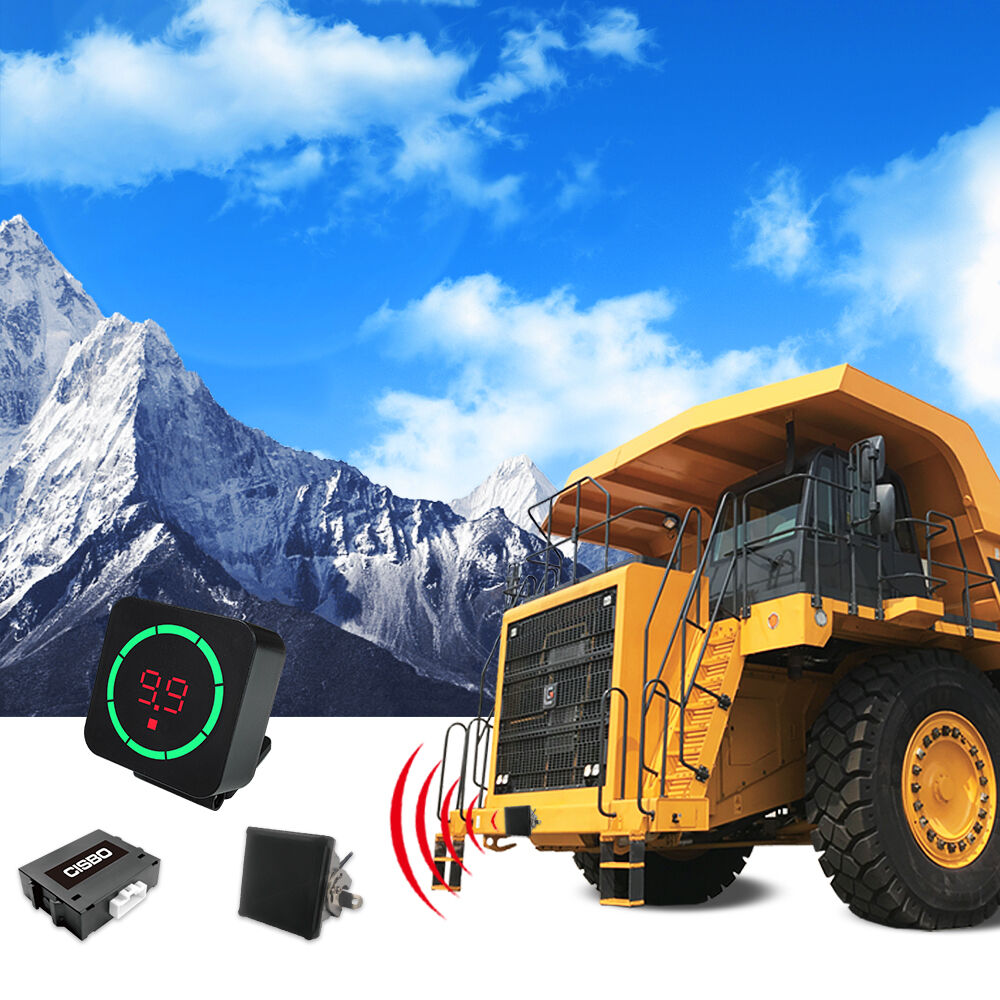
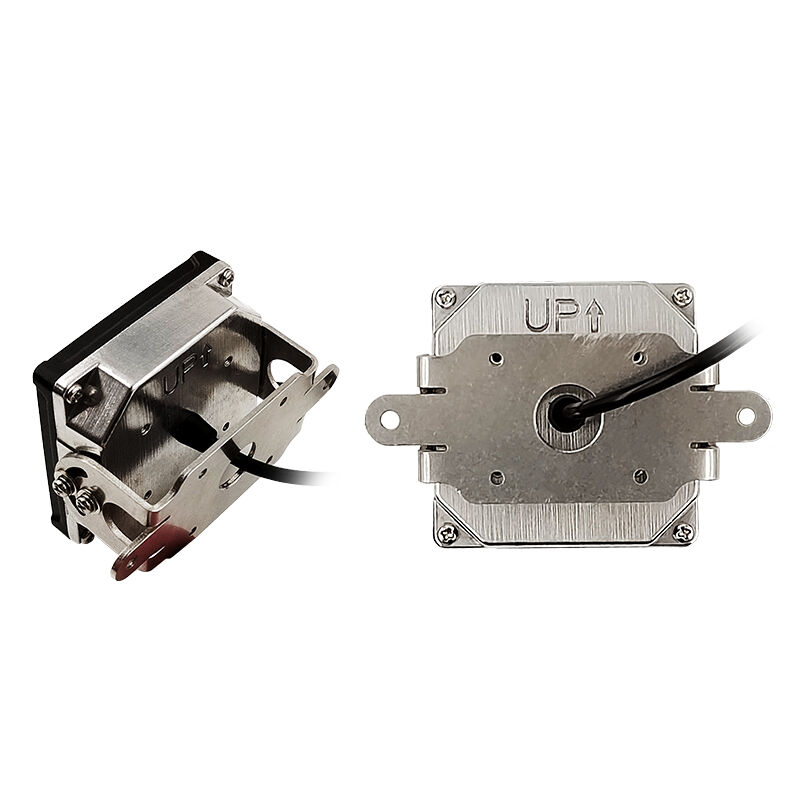
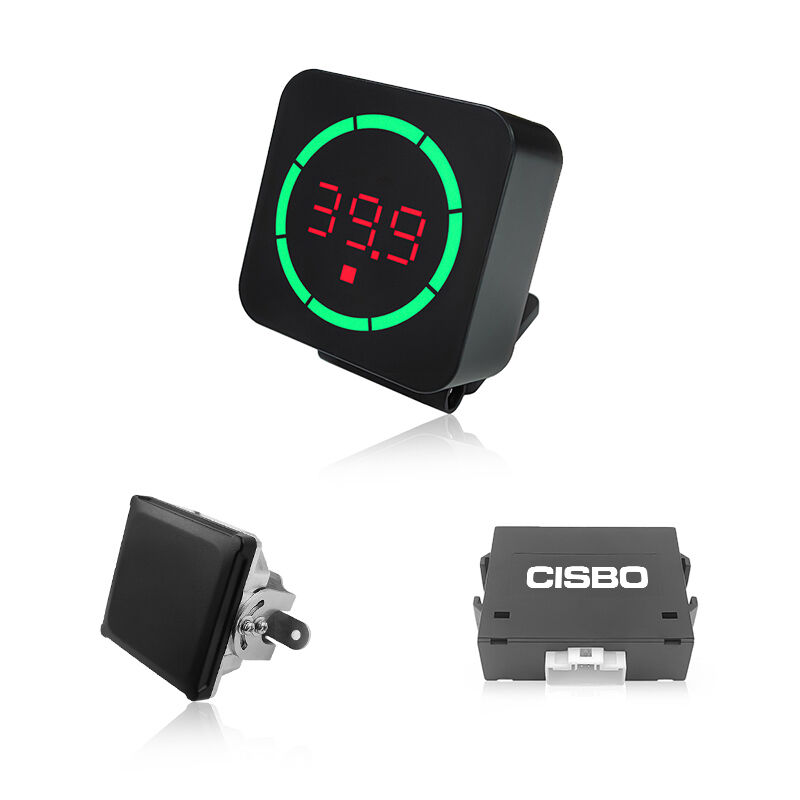
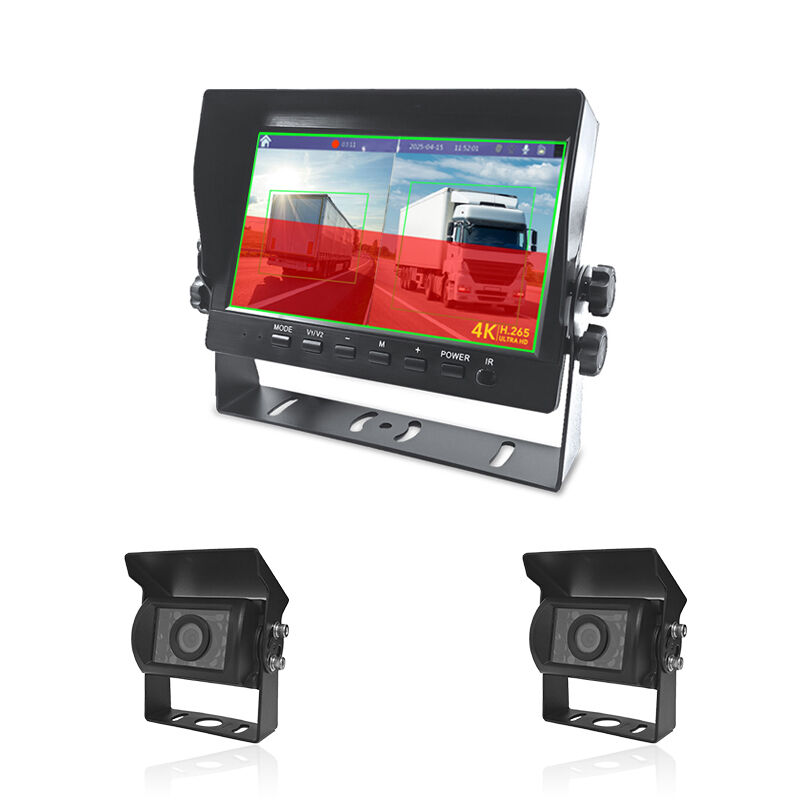
front end collision warning system
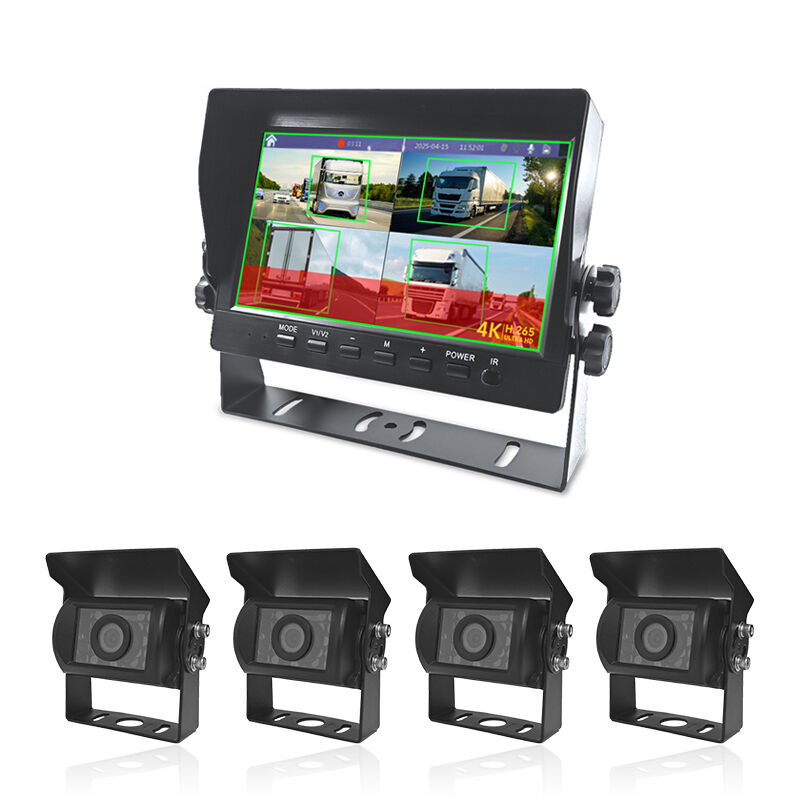
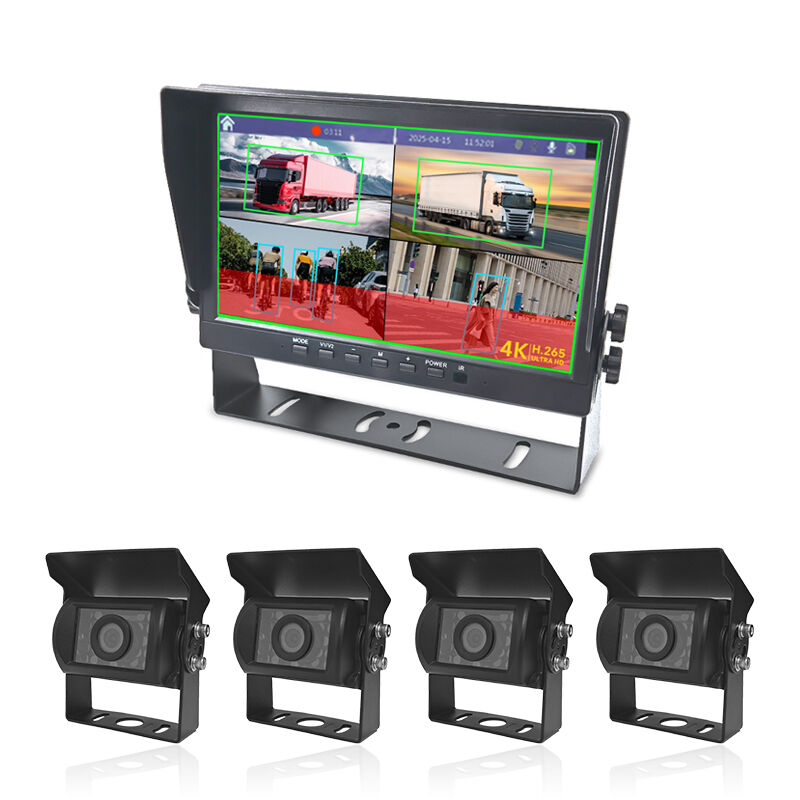
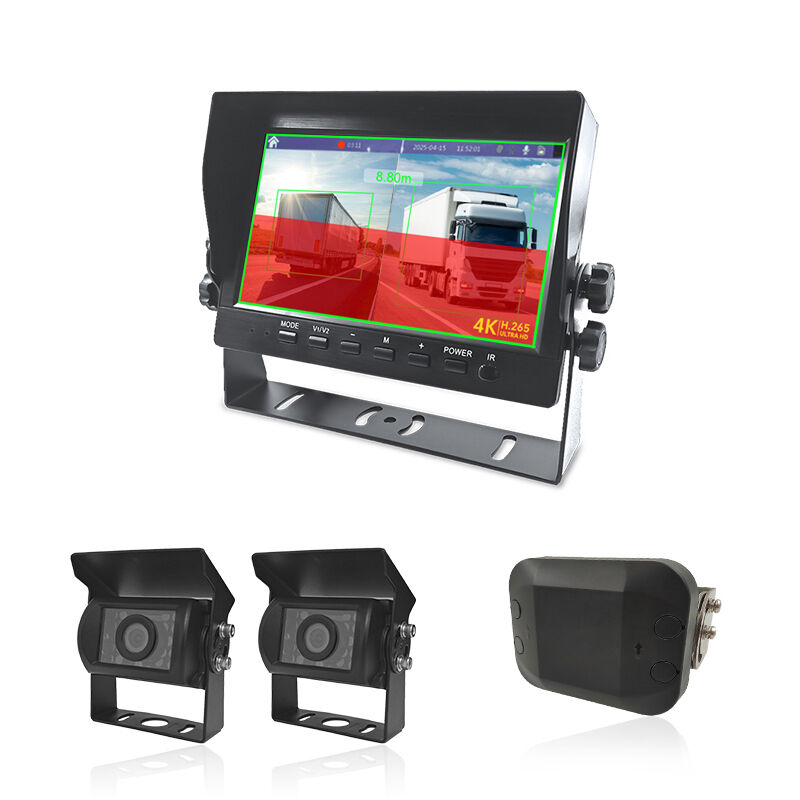
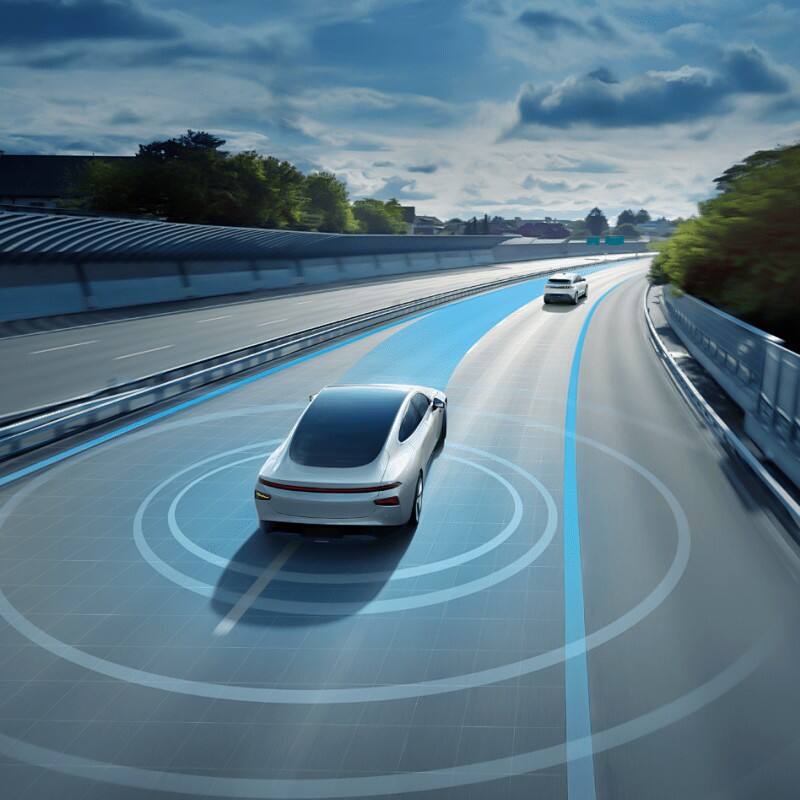
The front end collision warning system represents a revolutionary advancement in automotive safety technology, designed to protect drivers, passengers, and pedestrians from potentially devastating accidents. This sophisticated safety mechanism utilizes cutting-edge sensors, cameras, and radar technology to continuously monitor the road ahead, detecting potential collision threats before they become unavoidable disasters. Modern vehicles increasingly incorporate this front end collision warning system as standard equipment, reflecting the automotive industry's commitment to reducing traffic fatalities and serious injuries. The system operates by constantly scanning the area in front of your vehicle, typically covering distances up to 200 meters ahead. When the front end collision warning system identifies a potential obstacle, whether it's another vehicle, pedestrian, cyclist, or stationary object, it immediately calculates the relative speed, distance, and trajectory to determine collision probability. The technology employs multiple detection methods simultaneously, including millimeter-wave radar, high-definition cameras, and infrared sensors, creating a comprehensive monitoring network that functions effectively in various weather conditions and lighting situations. Upon detecting an imminent collision threat, the front end collision warning system activates multiple warning mechanisms to alert the driver. These alerts typically include visual warnings displayed on the dashboard or windshield, audible alarms that vary in intensity based on threat level, and sometimes haptic feedback through steering wheel vibrations or seat pulsations. The system's primary function extends beyond simple detection, incorporating predictive algorithms that analyze driving patterns, road conditions, and environmental factors to provide increasingly accurate threat assessments. Many advanced front end collision warning system implementations also feature automatic emergency braking capabilities, which can apply the brakes when the driver fails to respond adequately to collision warnings. This integration of detection and response mechanisms creates a comprehensive safety net that significantly reduces both the likelihood and severity of front-end collisions, making modern driving substantially safer for everyone on the road.
 EN
EN