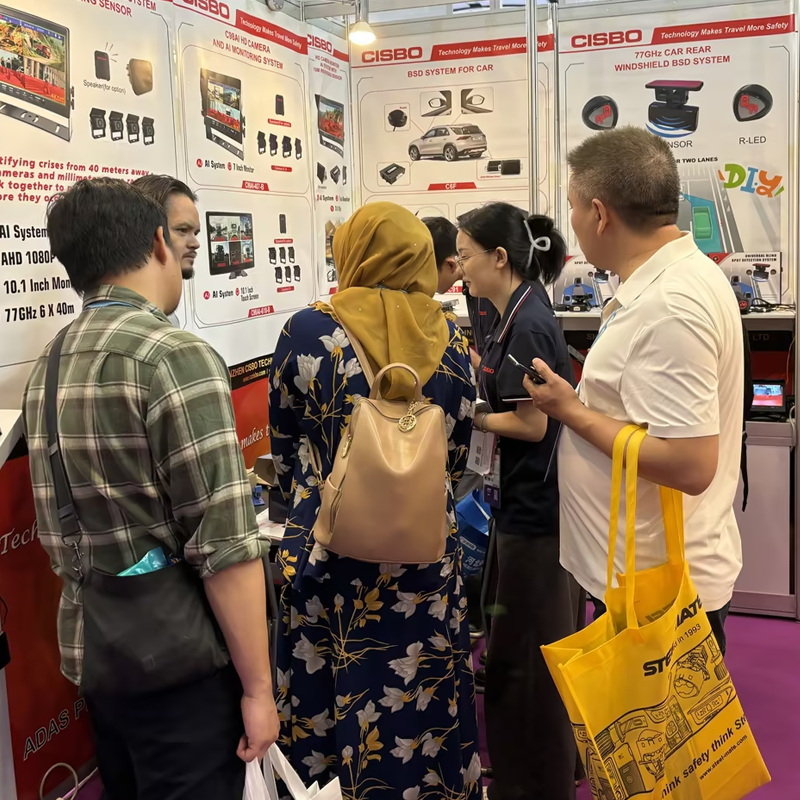
Car Lane Change Assist: Advanced Safety Technology for Confident Highway Driving

Get a Free Quote

Our representative will contact you soon.
Email
Name
Company Name
Mobile/WhatsApp
Message
0/1000

car lane change assist

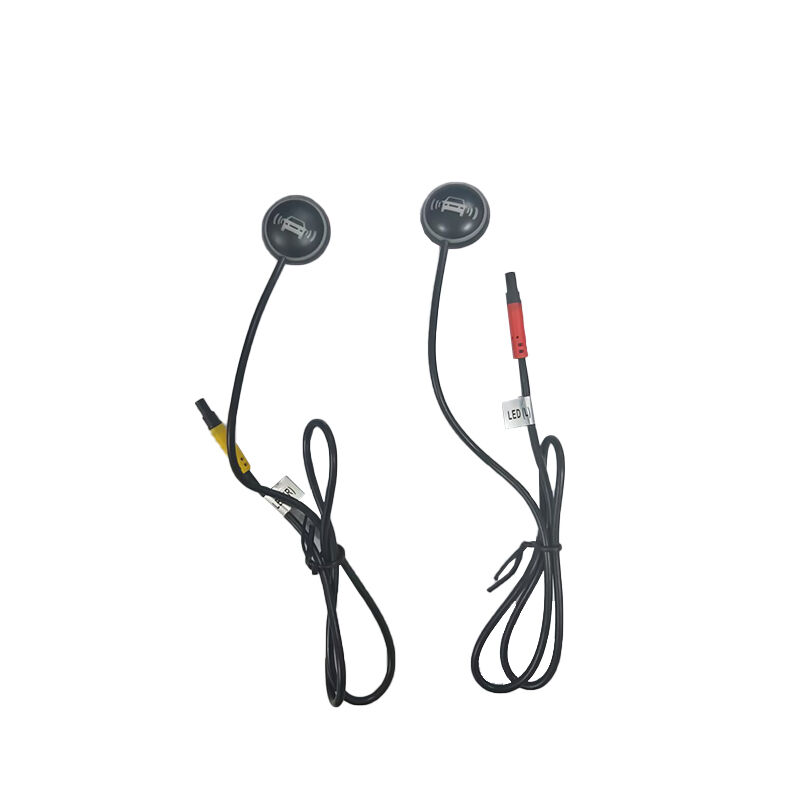
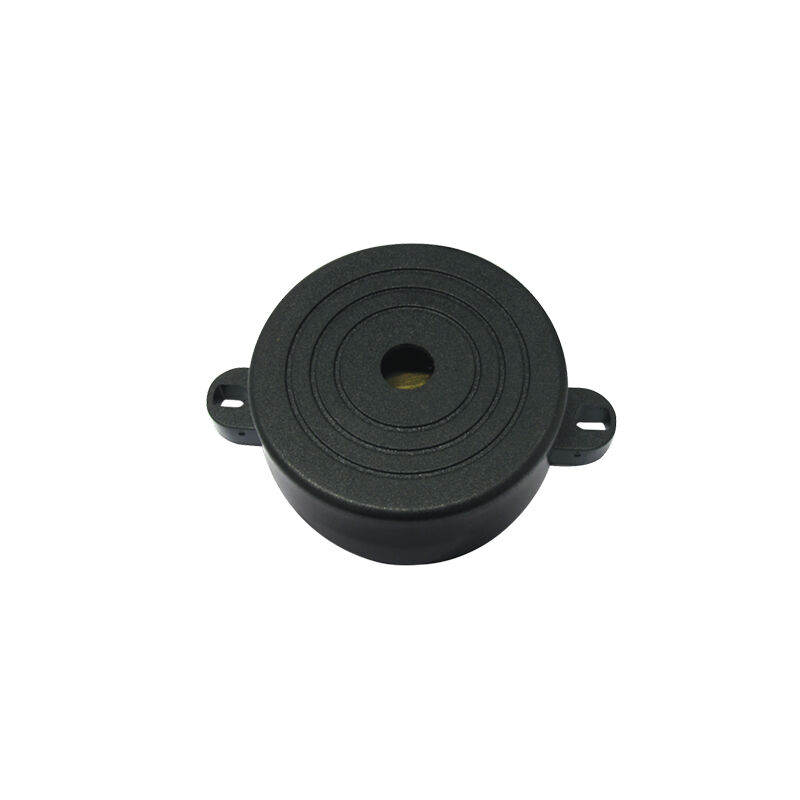
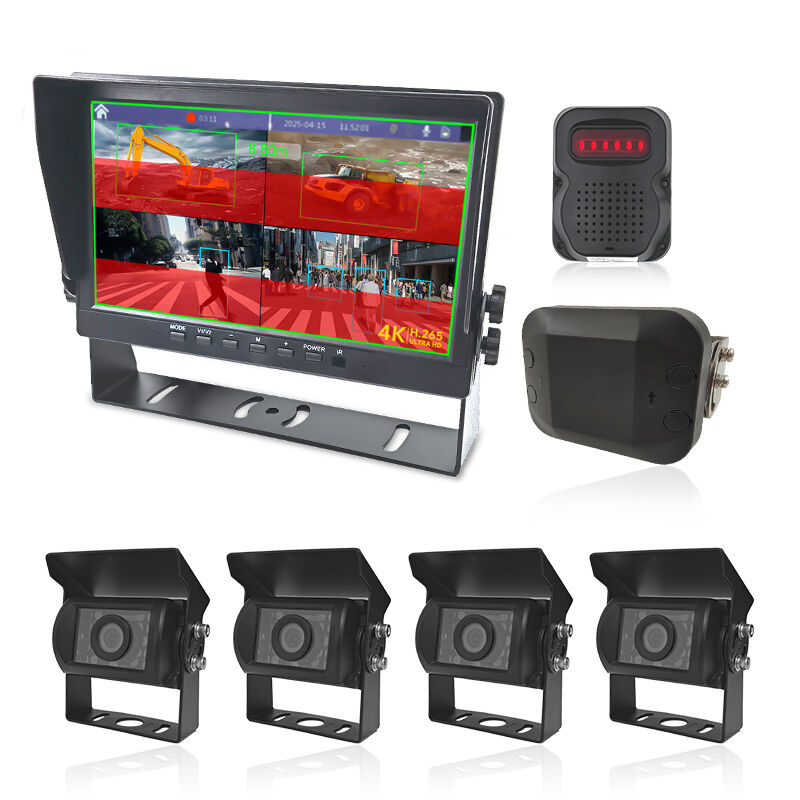
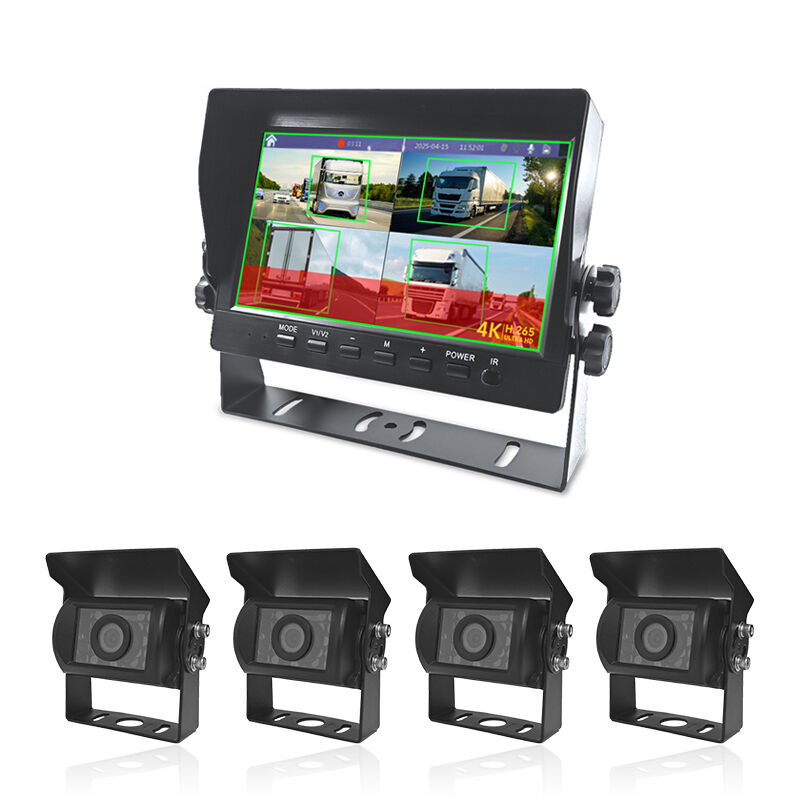
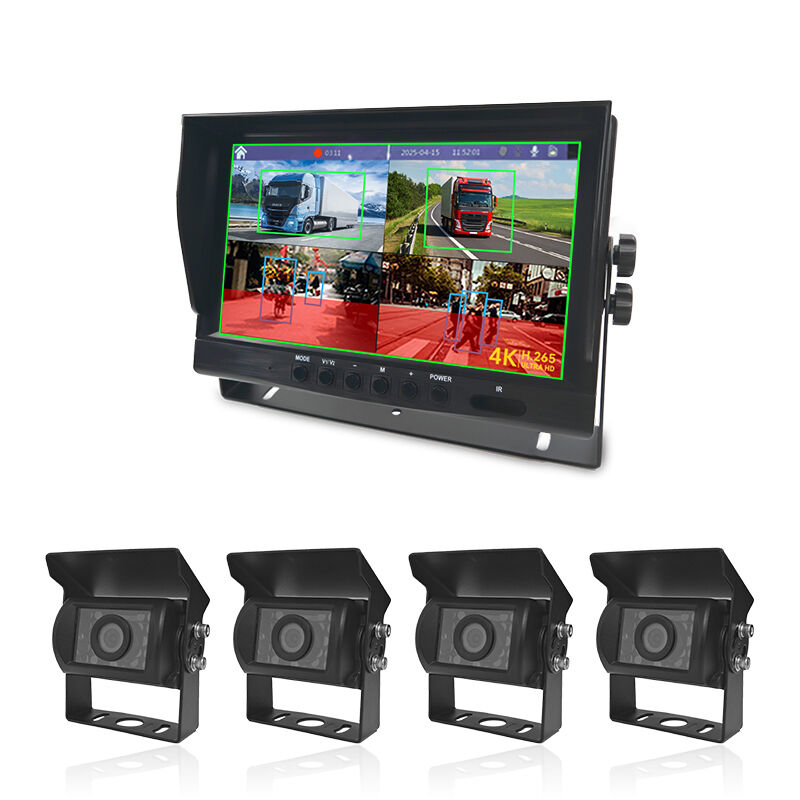
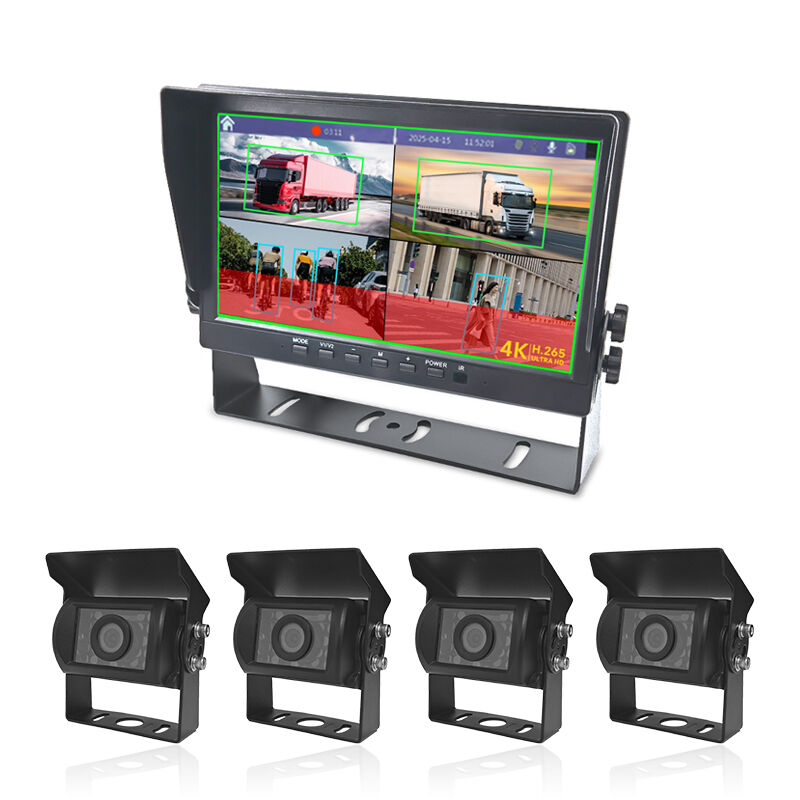
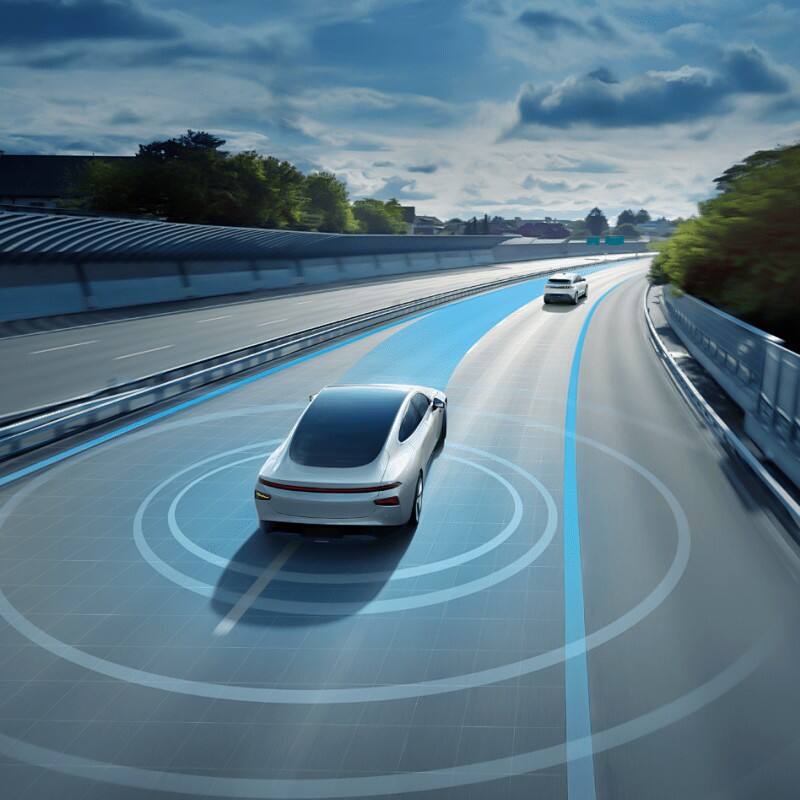
Car lane change assist represents a revolutionary advancement in automotive safety technology, designed to enhance driver confidence and reduce collision risks during one of driving's most hazardous maneuvers. This sophisticated system utilizes an array of sensors, cameras, and radar technology to monitor surrounding traffic conditions and provide real-time assistance when drivers attempt to change lanes. The car lane change assist system continuously scans blind spots, detects approaching vehicles, and alerts drivers to potential dangers that might otherwise go unnoticed. Modern implementations of car lane change assist integrate seamlessly with existing vehicle safety systems, creating a comprehensive protective network that operates silently in the background until intervention becomes necessary. The technology employs advanced algorithms to calculate vehicle speeds, distances, and trajectories, ensuring that warnings and assistance are provided at precisely the right moments. Car lane change assist systems typically feature visual indicators on side mirrors, audible alerts, and in some advanced versions, gentle steering corrections to guide vehicles safely into adjacent lanes. The system's primary function involves monitoring multiple detection zones simultaneously, including rear-approaching traffic, parallel vehicles, and potential obstacles in target lanes. When activated, car lane change assist creates a virtual safety bubble around the vehicle, constantly updating its assessment of surrounding conditions. The technology proves particularly valuable in heavy traffic situations, highway driving, and low-visibility conditions where traditional mirror checks may prove insufficient. Installation of car lane change assist varies depending on vehicle make and model, with many newer vehicles featuring factory-integrated systems while aftermarket solutions remain available for older models. The system's effectiveness relies on properly calibrated sensors and regular maintenance to ensure optimal performance across diverse driving conditions and weather scenarios.

New Product Recommendations

Car lane change assist delivers substantial practical benefits that directly translate into safer, more confident driving experiences for vehicle occupants and other road users. The primary advantage lies in significantly reducing blind spot accidents, which account for thousands of collisions annually and represent one of the leading causes of highway incidents. Drivers equipped with car lane change assist experience enhanced situational awareness, as the system provides continuous monitoring that surpasses human visual capabilities and reaction times. The technology proves especially beneficial for elderly drivers or those with limited mobility who may struggle with traditional shoulder checks and mirror adjustments during lane changes. Commercial fleet operators report dramatic reductions in accident-related costs and insurance premiums after implementing car lane change assist across their vehicle fleets, demonstrating clear financial advantages alongside safety improvements. The system's ability to detect motorcycles, bicycles, and smaller vehicles that might escape notice during quick glances makes car lane change assist invaluable in urban environments where diverse traffic mixes create complex driving scenarios. Drivers report increased confidence during highway merging, particularly in heavy traffic where multiple lane changes occur rapidly and visibility becomes compromised. The technology eliminates guesswork associated with judging vehicle distances and speeds, providing objective assessments that help drivers make informed decisions about safe maneuvering opportunities. Car lane change assist reduces driver fatigue during long journeys by shouldering the burden of constant vigilance, allowing operators to focus on primary driving tasks while maintaining heightened awareness of surrounding conditions. Parents particularly appreciate how car lane change assist provides additional protection for inexperienced teen drivers who may lack the judgment and spatial awareness that comes with extensive driving experience. The system's consistent performance remains unaffected by driver distractions, emotional states, or physical limitations that might compromise human judgment. Integration with smartphone applications allows some car lane change assist systems to provide detailed reports about near-miss incidents, helping drivers identify patterns and improve their overall driving habits through data-driven insights.

Latest News

L3 Autonomous Driving

23

Dec

L3 Autonomous Driving

View More
The 138th Canton Fair

04

Jan

The 138th Canton Fair

View More
2025 HKTDC (Autumn  Edition)

23

Dec

2025 HKTDC (Autumn Edition)

View More

Get a Free Quote

Our representative will contact you soon.
Email
Name
Company Name
Mobile/WhatsApp
Message
0/1000

car lane change assist

Advanced Multi-Sensor Detection Technology

Advanced Multi-Sensor Detection Technology

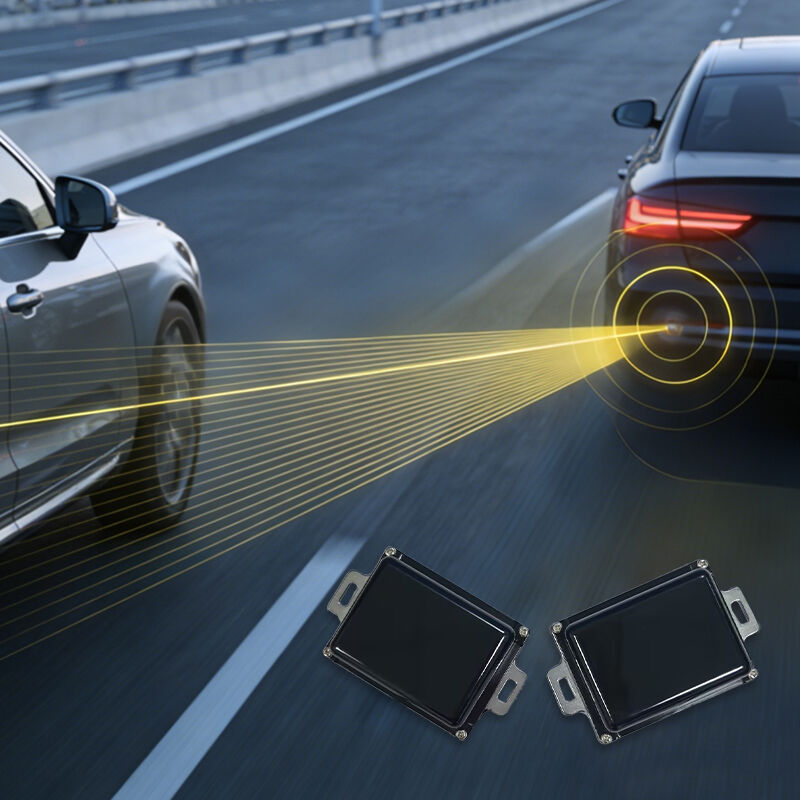
The cornerstone of effective car lane change assist lies in its sophisticated multi-sensor detection technology that creates an invisible shield of protection around your vehicle. This advanced system combines radar sensors, ultrasonic detectors, and high-definition cameras to provide comprehensive coverage of potential blind spots and hazardous situations. The radar components of car lane change assist operate on multiple frequency bands, enabling detection of vehicles approaching from behind at varying speeds and distances, while ultrasonic sensors excel at identifying nearby objects and vehicles traveling in parallel lanes. High-definition cameras contribute visual recognition capabilities that distinguish between different types of road users, including motorcycles, bicycles, pedestrians, and various vehicle sizes. The integration of these diverse sensing technologies ensures that car lane change assist maintains reliable performance across challenging conditions, including rain, fog, and nighttime driving scenarios where individual sensor types might face limitations. Machine learning algorithms continuously refine the system's ability to interpret sensor data, reducing false alarms while maintaining sensitivity to genuine threats. The multi-sensor approach provides redundancy that prevents system failures from compromising safety, as alternative detection methods compensate when primary sensors encounter interference or environmental obstacles. Real-time data fusion from multiple sources creates a detailed three-dimensional map of surrounding traffic conditions, enabling car lane change assist to predict potential collision scenarios before they develop into immediate threats. The system's ability to track multiple objects simultaneously while calculating their relative positions, speeds, and trajectories represents a significant advancement over traditional safety technologies. Calibration procedures ensure that each sensor component operates within optimal parameters, maintaining accuracy across the vehicle's operational lifetime. The sophisticated detection capabilities of car lane change assist extend beyond simple presence detection, analyzing traffic patterns and driver behavior to provide contextually appropriate warnings and interventions that enhance overall road safety.
Intelligent Timing and Predictive Safety Alerts

Intelligent Timing and Predictive Safety Alerts

Car lane change assist distinguishes itself through intelligent timing mechanisms that deliver safety alerts and interventions precisely when drivers need them most, avoiding unnecessary distractions while ensuring critical warnings reach drivers with adequate response time. The system's predictive algorithms analyze traffic flow patterns, vehicle acceleration rates, and closing distances to determine optimal alert timing that maximizes safety without creating alarm fatigue. This sophisticated timing intelligence ensures that car lane change assist warnings occur early enough for drivers to react appropriately while avoiding premature alerts that might lose effectiveness through repetition. The technology evaluates multiple risk factors simultaneously, including approaching vehicle speeds, weather conditions, road surface quality, and current traffic density to customize alert intensity and timing. Progressive warning systems begin with subtle notifications that escalate to more urgent alerts if drivers fail to respond to initial signals, ensuring that car lane change assist maintains effectiveness across different driver attention levels and response capabilities. Predictive safety features anticipate potential hazard scenarios before they fully develop, providing drivers with advance notice of situations that might require lane change decisions or alternative maneuvering strategies. The system's learning capabilities adapt to individual driving patterns and preferences, optimizing alert timing based on each driver's typical response behaviors and reaction speeds. Integration with vehicle navigation systems allows car lane change assist to anticipate upcoming highway interchanges, construction zones, and traffic pattern changes that might affect safe lane changing opportunities. Weather-responsive algorithms adjust sensitivity levels and timing parameters based on current driving conditions, ensuring optimal performance during adverse weather while preventing excessive alerts during clear conditions. The intelligent timing system considers vehicle loading, towing configurations, and performance characteristics that affect acceleration and braking capabilities, customizing warnings accordingly. Advanced implementations of car lane change assist incorporate communication with other vehicle systems to coordinate alerts with adaptive cruise control, automatic emergency braking, and stability management systems for comprehensive safety integration.
Seamless Integration with Existing Vehicle Systems

Seamless Integration with Existing Vehicle Systems

Modern car lane change assist technology seamlessly integrates with existing vehicle safety and convenience systems, creating a unified ecosystem of protection that enhances overall driving performance without requiring significant modifications to established driving habits. This integration capability ensures that car lane change assist works harmoniously with adaptive cruise control, automatic emergency braking, electronic stability control, and navigation systems to provide coordinated responses to traffic situations. The system communicates with vehicle infotainment displays to present clear, intuitive visual feedback that complements existing dashboard indicators and warning systems without overwhelming drivers with conflicting information. Integration with power steering systems enables some advanced car lane change assist implementations to provide gentle tactile feedback through steering wheel vibrations or slight resistance that alerts drivers to potential hazards without requiring visual attention diversion. Compatibility with existing mirror systems allows car lane change assist to utilize integrated LED indicators that provide clear directional guidance while maintaining familiar visual reference points that drivers already rely upon. The technology interfaces with vehicle lighting systems to coordinate turn signal activation with safe lane change detection, preventing conflicting signals when car lane change assist identifies unsafe maneuvering conditions. Advanced integration capabilities enable communication with traffic infrastructure systems and other equipped vehicles, expanding the detection range and predictive capabilities of car lane change assist beyond individual vehicle sensor limitations. Smartphone integration features allow drivers to customize system sensitivity, review safety statistics, and receive maintenance notifications through familiar mobile applications that complement vehicle-based controls. The seamless integration approach ensures that car lane change assist enhances existing safety systems rather than replacing them, providing additional layers of protection that work cooperatively with established vehicle technologies. Retrofit compatibility allows many existing vehicles to benefit from car lane change assist technology through aftermarket installations that integrate with original equipment systems without compromising warranty coverage or vehicle functionality. The system's ability to work alongside driver assistance packages ensures that car lane change assist complements rather than conflicts with other automated driving features, creating a comprehensive safety network that adapts to varying levels of driver engagement and vehicle automation capabilities.
Car Lane Change Assist: Advanced Safety Technology for Confident Highway Driving

Get a Free Quote

Our representative will contact you soon.
Email
Name
Company Name
Mobile/WhatsApp
Message
0/1000