Blind Spot Detection System for Cars: Advanced Safety Technology Guide 2024

Get a Free Quote

Our representative will contact you soon.
Email
Name
Company Name
Mobile/WhatsApp
Message
0/1000

blind spot detection system for cars

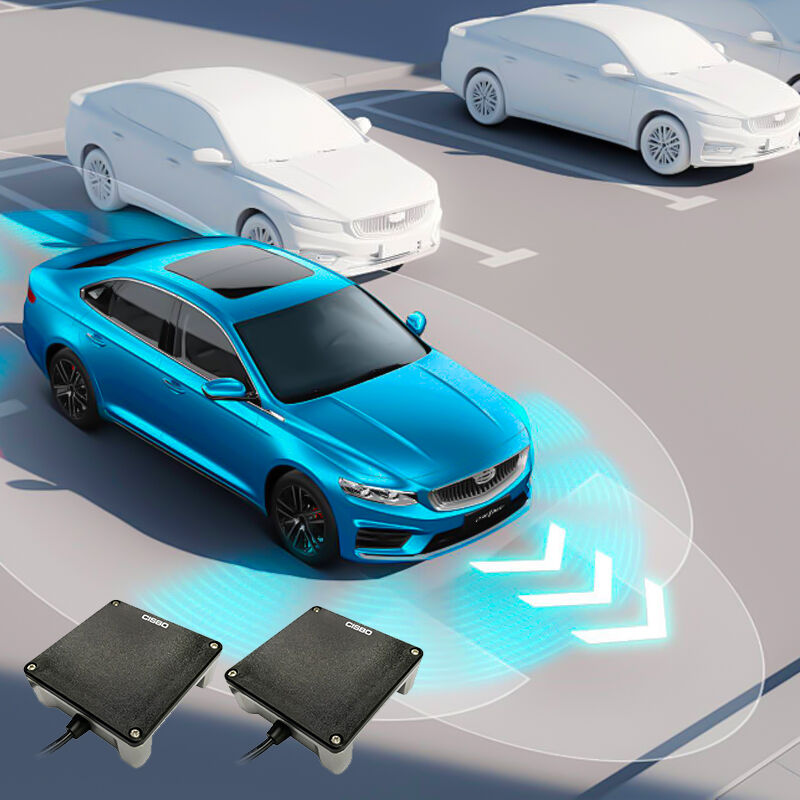
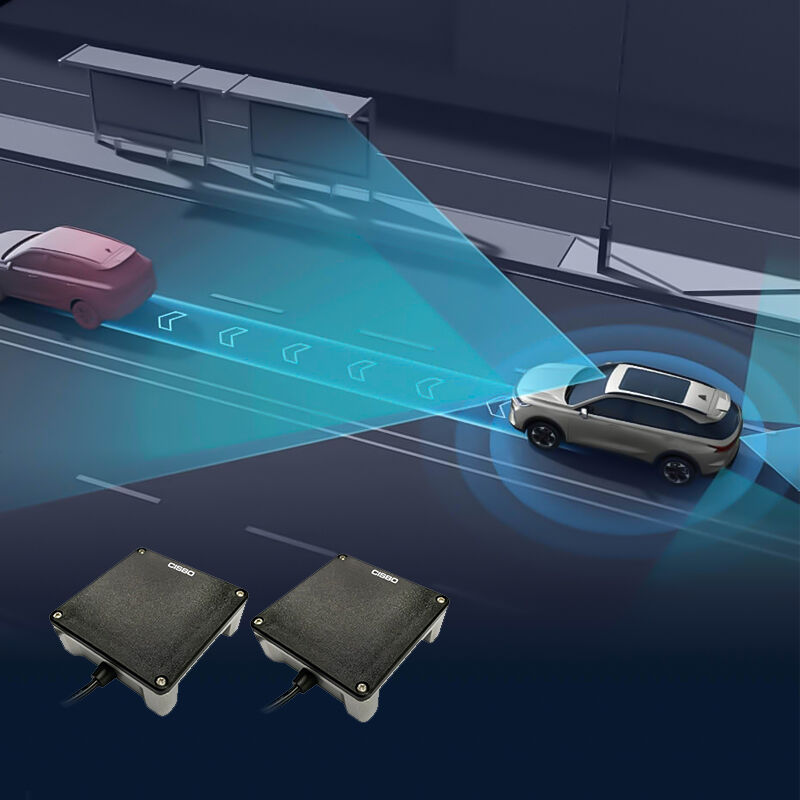
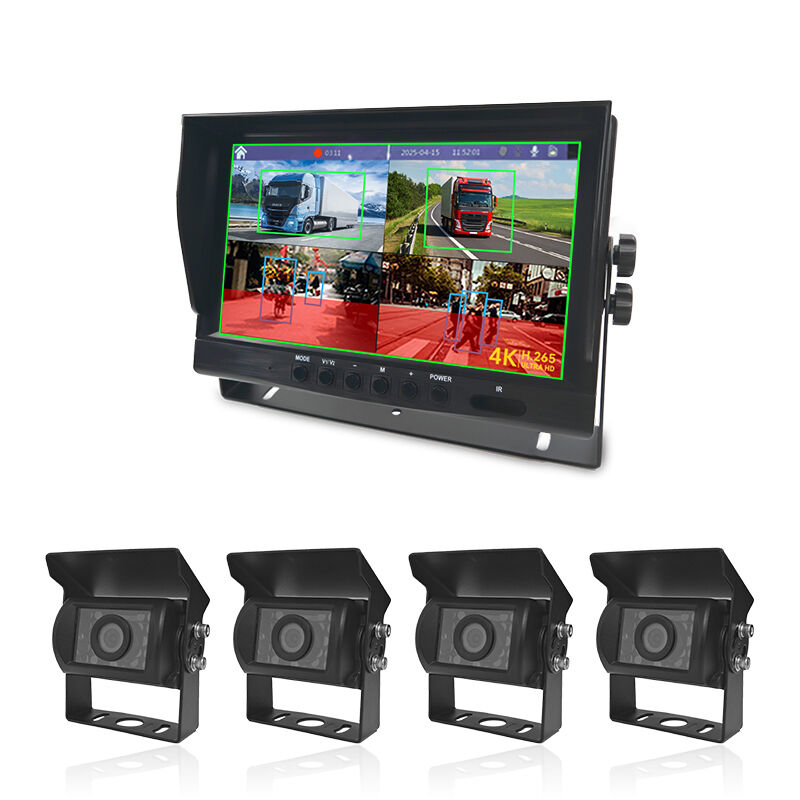
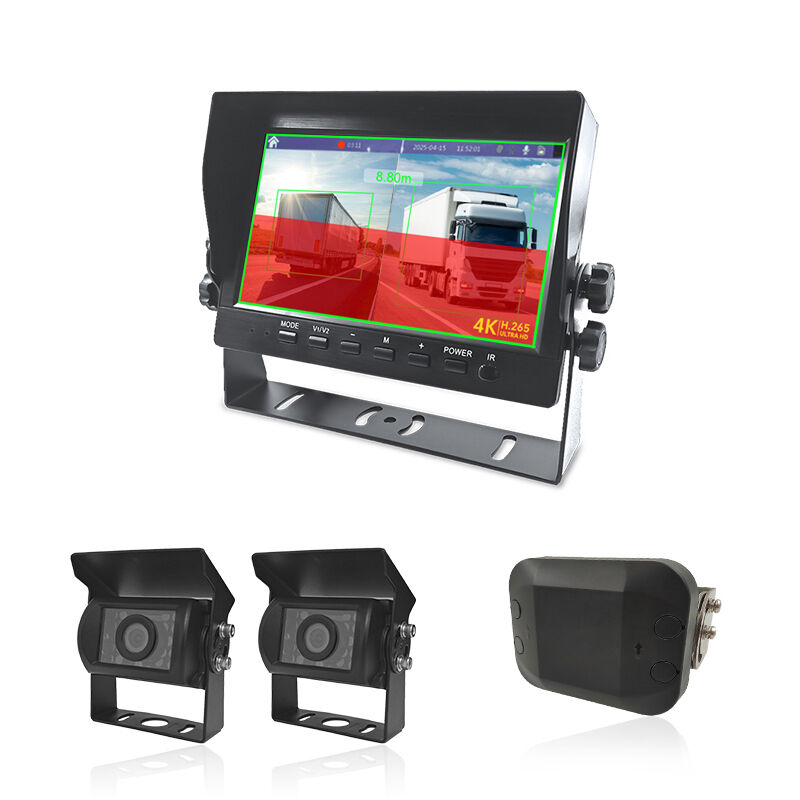
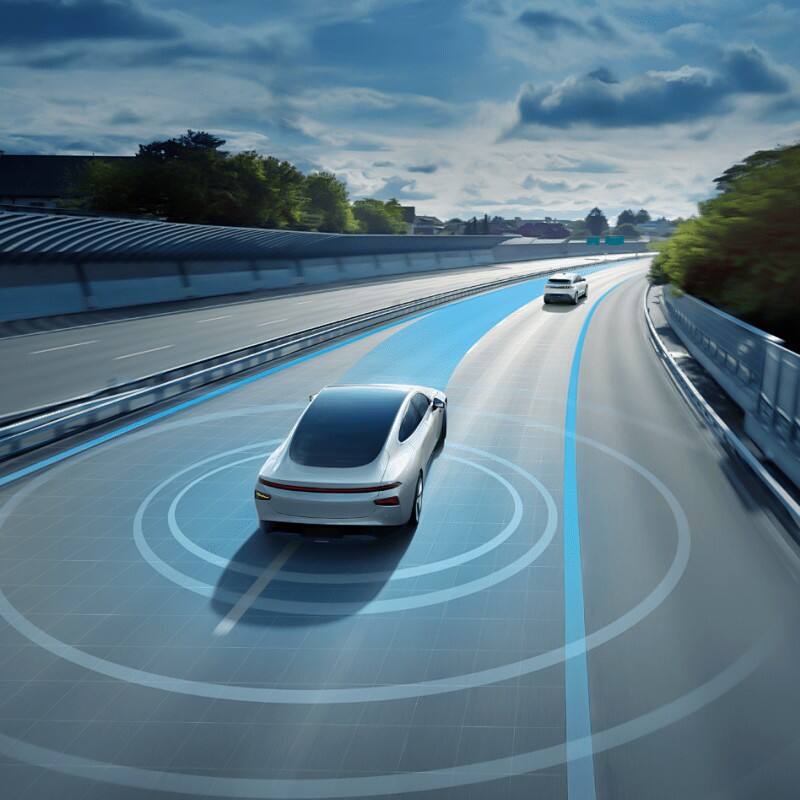
The blind spot detection system for cars represents a revolutionary safety technology designed to enhance driver awareness and prevent potential accidents caused by vehicles lurking in hard-to-see areas around your car. This sophisticated automotive safety feature utilizes advanced sensor technology to monitor the zones alongside and behind your vehicle that traditional mirrors cannot effectively cover. The blind spot detection system for cars operates through a network of radar sensors, cameras, or ultrasonic devices strategically positioned around the vehicle to create a comprehensive detection field. These sensors continuously scan the adjacent lanes and rear quarters of your vehicle, identifying approaching vehicles, motorcycles, or other objects that may pose a collision risk during lane changes or merging maneuvers. When the system detects a vehicle entering your blind spot zone, it immediately alerts the driver through visual indicators typically located on the side mirrors or A-pillars, accompanied by audible warnings in many implementations. Modern blind spot detection systems for cars have evolved to include cross-traffic alert functionality, which proves invaluable when reversing out of parking spaces or driveways. This feature extends the detection capability to monitor perpendicular traffic approaching from either side of the vehicle. The technological sophistication of these systems allows for real-time processing of multiple data streams, ensuring accurate detection while minimizing false alarms. Integration with other vehicle safety systems creates a comprehensive safety network that works seamlessly with features like automatic emergency braking and lane keeping assistance. The blind spot detection system for cars typically activates automatically when the vehicle reaches speeds above 10-15 mph, ensuring optimal performance during highway driving and urban navigation. Advanced versions of this technology can differentiate between various types of objects, prioritizing alerts based on the potential threat level and relative speed of approaching vehicles.

Popular Products

The blind spot detection system for cars delivers substantial safety benefits that directly translate into peace of mind and accident prevention for everyday drivers. This technology significantly reduces the likelihood of side-impact collisions and lane-change accidents, which account for a considerable percentage of highway incidents. By providing real-time awareness of vehicles in adjacent lanes, the system empowers drivers to make informed decisions during lane changes, merging, and overtaking maneuvers. The instant alert system eliminates the guesswork traditionally associated with checking mirrors and turning to look over shoulders, particularly beneficial for drivers with limited neck mobility or those operating larger vehicles with more pronounced blind spots. Insurance companies increasingly recognize the value of blind spot detection systems for cars, often offering premium discounts for vehicles equipped with this safety technology, resulting in long-term cost savings for vehicle owners. The system proves especially valuable during adverse weather conditions when visibility is compromised, maintaining consistent monitoring capabilities regardless of rain, snow, or fog that might impair human vision. For commercial fleet operators, the blind spot detection system for cars represents a significant liability reduction tool, protecting both drivers and company assets while demonstrating commitment to workplace safety. The technology adapts to different driving environments seamlessly, from busy urban streets with frequent lane changes to highway driving where high-speed differentials between vehicles create challenging detection scenarios. Parents of teenage drivers find particular value in these systems, as they provide an additional safety net during the critical learning period when spatial awareness and mirror usage habits are still developing. The blind spot detection system for cars operates silently in the background, requiring no active input from the driver while continuously maintaining protective surveillance. Modern iterations of this technology integrate with smartphone applications, allowing fleet managers or family members to monitor system alerts and driving patterns. The reliability and accuracy of current blind spot detection systems have improved dramatically, with false alarm rates reduced to minimal levels through advanced algorithms and multi-sensor fusion techniques. Vehicle resale values benefit from the presence of blind spot detection systems, as safety-conscious buyers increasingly prioritize vehicles equipped with comprehensive driver assistance technologies.

Latest News

L3 Autonomous Driving

23

Dec

L3 Autonomous Driving

View More
The 138th Canton Fair

04

Jan

The 138th Canton Fair

View More
2025 HKTDC (Autumn  Edition)

23

Dec

2025 HKTDC (Autumn Edition)

View More

Get a Free Quote

Our representative will contact you soon.
Email
Name
Company Name
Mobile/WhatsApp
Message
0/1000

blind spot detection system for cars

Advanced Multi-Sensor Technology for Complete Coverage

Advanced Multi-Sensor Technology for Complete Coverage

The blind spot detection system for cars employs sophisticated multi-sensor technology that creates an invisible safety net around your vehicle, utilizing a combination of radar waves, cameras, and ultrasonic sensors to achieve comprehensive coverage. This advanced sensor fusion approach ensures that no vehicle or obstacle goes undetected in the critical blind spot zones that traditional mirrors cannot monitor effectively. The radar components of the blind spot detection system for cars operate at frequencies specifically designed to penetrate through various weather conditions, maintaining consistent performance during rain, snow, fog, or dust storms that would typically impair visual detection methods. These sensors emit continuous waves that bounce off nearby objects, calculating distance, speed, and trajectory with remarkable precision. The camera elements provide visual confirmation and object classification capabilities, distinguishing between vehicles, motorcycles, bicycles, and pedestrians to deliver appropriate alert levels. Ultrasonic sensors add close-proximity detection for low-speed scenarios, ensuring comprehensive coverage during parking lot navigation and urban driving conditions. The integration of these multiple sensor types creates redundancy that enhances system reliability while reducing false alarms through cross-verification of detection data. The blind spot detection system for cars processes this multi-sensor information through powerful onboard computers that analyze thousands of data points per second, creating real-time three-dimensional maps of the surrounding environment. Machine learning algorithms continuously improve detection accuracy by learning from various driving scenarios and environmental conditions. The system calibrates automatically to account for different loading conditions, trailer attachments, or cargo configurations that might affect sensor positioning. Advanced filtering techniques eliminate interference from stationary objects like guardrails, bridge supports, or parked vehicles, focusing alerts on genuine moving threats. The sensor array typically covers zones extending from the rear bumper to several feet ahead of the driver position, ensuring complete lateral coverage during the most critical moments of lane changing maneuvers.
Intelligent Alert System with Customizable Warning Levels

Intelligent Alert System with Customizable Warning Levels

The blind spot detection system for cars features an intelligent alert mechanism that delivers warnings through multiple sensory channels, ensuring drivers receive clear, unmistakable notifications about potential hazards in their blind spots. Visual alerts typically manifest as bright LED indicators integrated into the side mirror housings or A-pillar areas, using colors and patterns that immediately capture driver attention without causing distraction. These visual warnings often escalate in intensity, beginning with steady illumination when a vehicle enters the blind spot zone and progressing to rapid flashing when the driver activates the turn signal while a vehicle remains in the danger zone. Audio alerts complement the visual system, providing distinctive tones or chimes that differentiate blind spot warnings from other vehicle notifications, ensuring drivers can identify the specific nature of the alert even when focused on the road ahead. Advanced implementations of the blind spot detection system for cars include haptic feedback through steering wheel vibration or seat-mounted tactile alerts, creating a multi-sensory warning system that accommodates different driver preferences and hearing abilities. The system intelligence extends to contextual awareness, adjusting alert sensitivity based on vehicle speed, traffic density, and driving conditions to minimize unnecessary interruptions while maintaining safety effectiveness. Customization options allow drivers to adjust warning sensitivity levels, choosing between conservative settings that alert to any object in the blind spot zone or more aggressive settings that focus on vehicles with closing speeds that present immediate collision risks. The blind spot detection system for cars learns from driver behavior patterns, adapting alert timing and intensity to match individual driving styles and preferences. Integration with infotainment systems enables visual alerts to appear on dashboard displays or head-up display units, providing additional notification channels for enhanced awareness. The system differentiates between various types of approaching objects, delivering graduated responses based on threat assessment, with motorcycles and fast-approaching vehicles receiving priority alert status. Smart connectivity features allow the blind spot detection system for cars to communicate with other vehicles equipped with similar technology, sharing position and intention data to create collaborative safety networks that enhance overall traffic safety.
Seamless Integration with Vehicle Safety Ecosystem

Seamless Integration with Vehicle Safety Ecosystem

The blind spot detection system for cars operates as an integral component of comprehensive vehicle safety architecture, working in harmony with other advanced driver assistance systems to create a unified protective environment around your vehicle. This seamless integration enables the blind spot detection system to share critical data with lane keeping assistance, automatic emergency braking, and adaptive cruise control systems, creating coordinated responses to potential hazards. When combined with lane departure warning systems, the blind spot detection creates a complete perimeter awareness solution that monitors both intentional and unintentional lane changes, providing appropriate alerts based on driver actions and surrounding traffic conditions. The system interfaces with electronic stability control and traction management systems, providing additional input data that helps maintain vehicle stability during emergency maneuvers triggered by blind spot alerts. Modern implementations of the blind spot detection system for cars extend beyond basic monitoring to include predictive capabilities that anticipate potential conflicts based on traffic patterns, vehicle speeds, and driver behavior indicators. Cross-traffic alert functionality represents a significant expansion of the basic blind spot monitoring concept, using the same sensor network to detect vehicles approaching from perpendicular directions when backing out of parking spaces or driveways. This feature proves invaluable in busy parking lots, shopping centers, and residential areas where visibility is often obstructed by larger vehicles or architectural elements. The blind spot detection system for cars communicates with automatic parking systems, providing additional safety oversight during automated parking maneuvers and enhancing the precision of parallel and perpendicular parking operations. Integration with navigation systems allows the blind spot detection to adjust sensitivity based on road types, speed limits, and traffic conditions, optimizing performance for specific driving environments. Fleet management systems benefit from this integration by collecting comprehensive safety data that includes blind spot incidents, near-miss events, and driver response patterns, enabling targeted training and safety improvement initiatives. The system works collaboratively with tire pressure monitoring, engine diagnostics, and other vehicle health systems to ensure optimal performance under all operating conditions. Smart key integration allows the blind spot detection system for cars to activate automatically when the vehicle is started, eliminating the need for manual system activation while ensuring consistent safety coverage. Wireless connectivity enables over-the-air updates that continuously improve system performance, add new features, and adapt to changing traffic patterns and vehicle technologies.

Blind Spot Detection System for Cars: Advanced Safety Technology Guide 2024

Get a Free Quote

Our representative will contact you soon.
Email
Name
Company Name
Mobile/WhatsApp
Message
0/1000