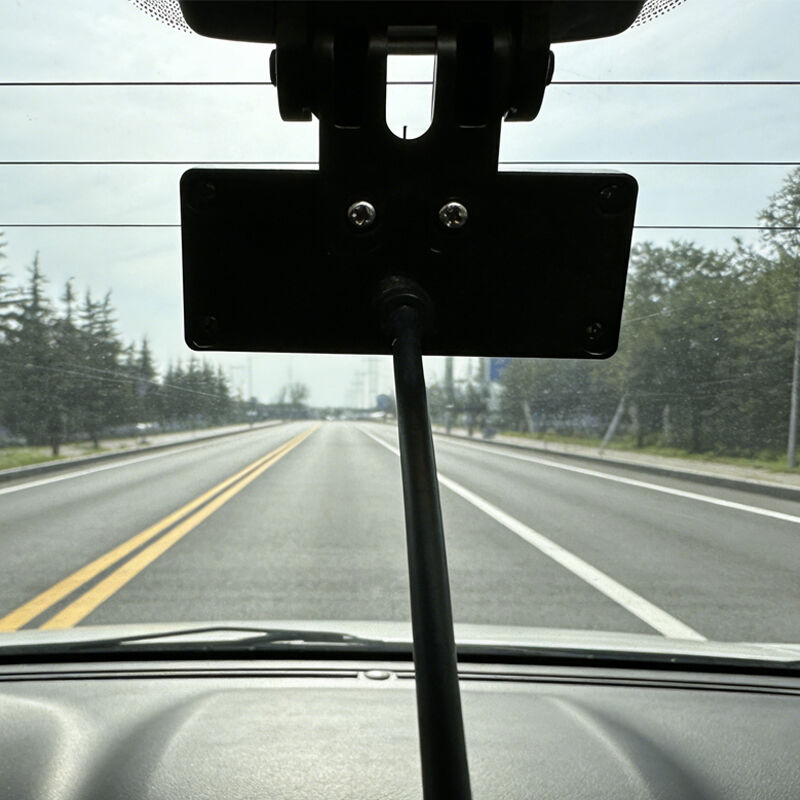
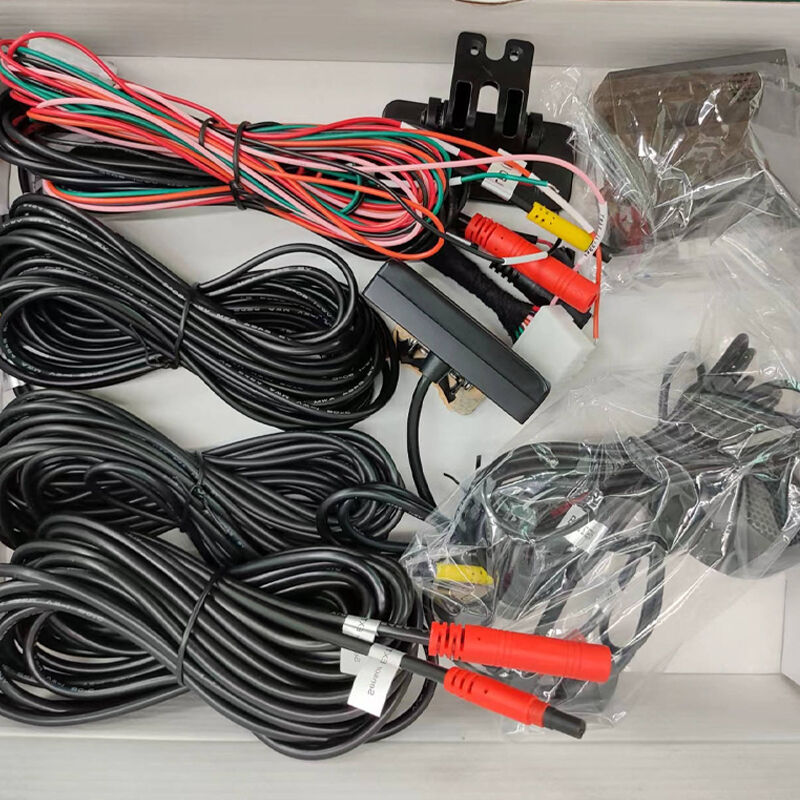
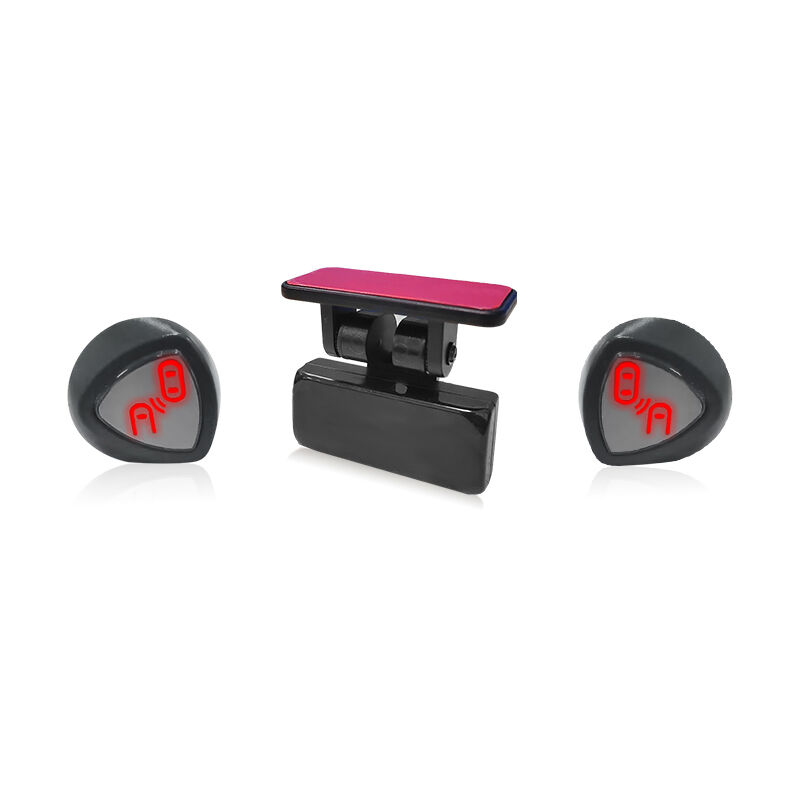
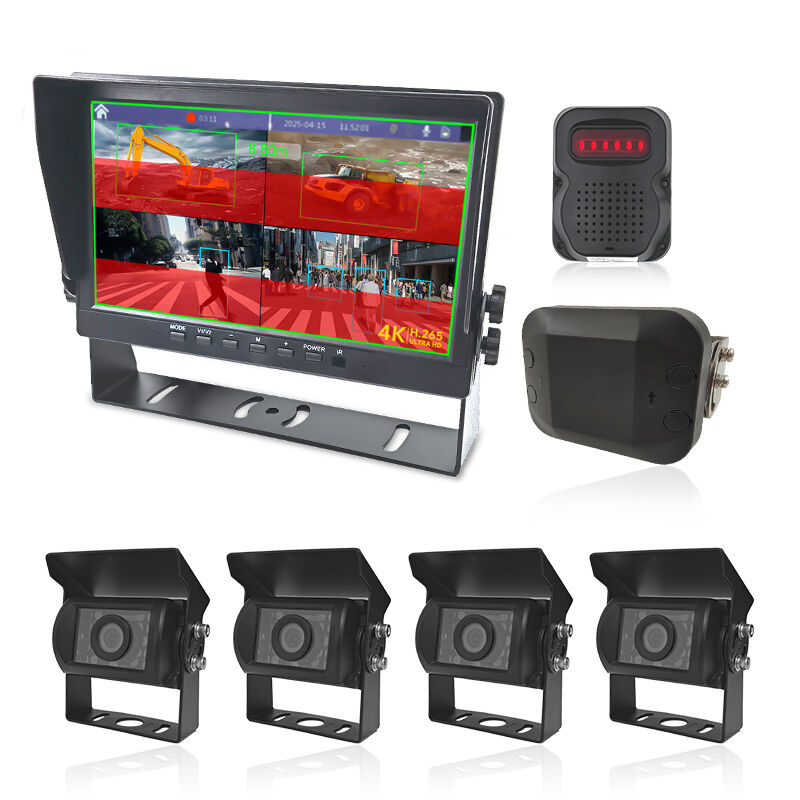
Car Blind Spot Detection System: Advanced Safety Technology for Safer Driving

Get a Free Quote

Our representative will contact you soon.
Email
Name
Company Name
Mobile/WhatsApp
Message
0/1000

car blind spot detection system

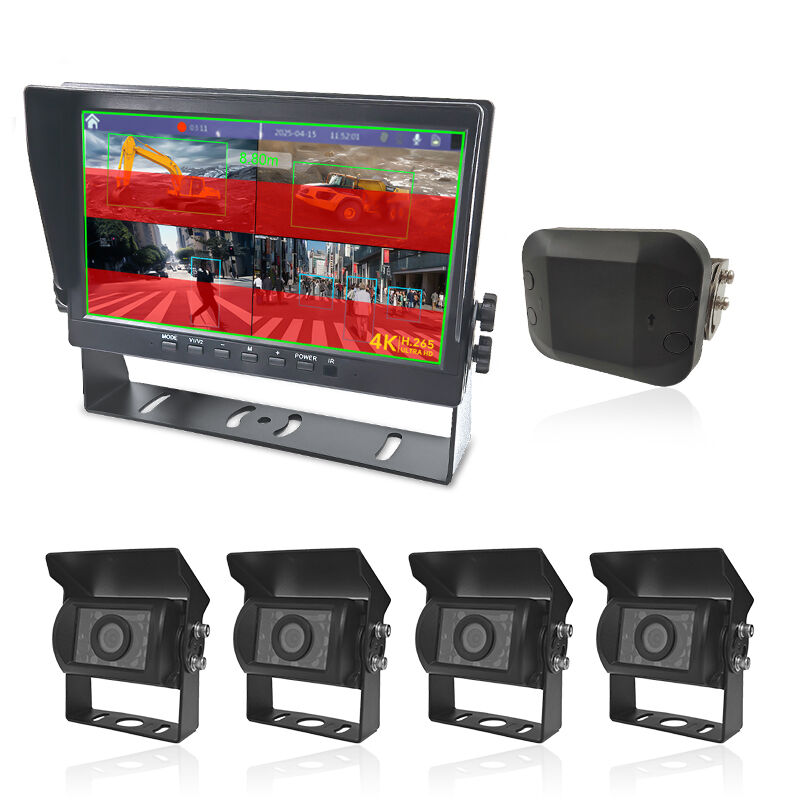
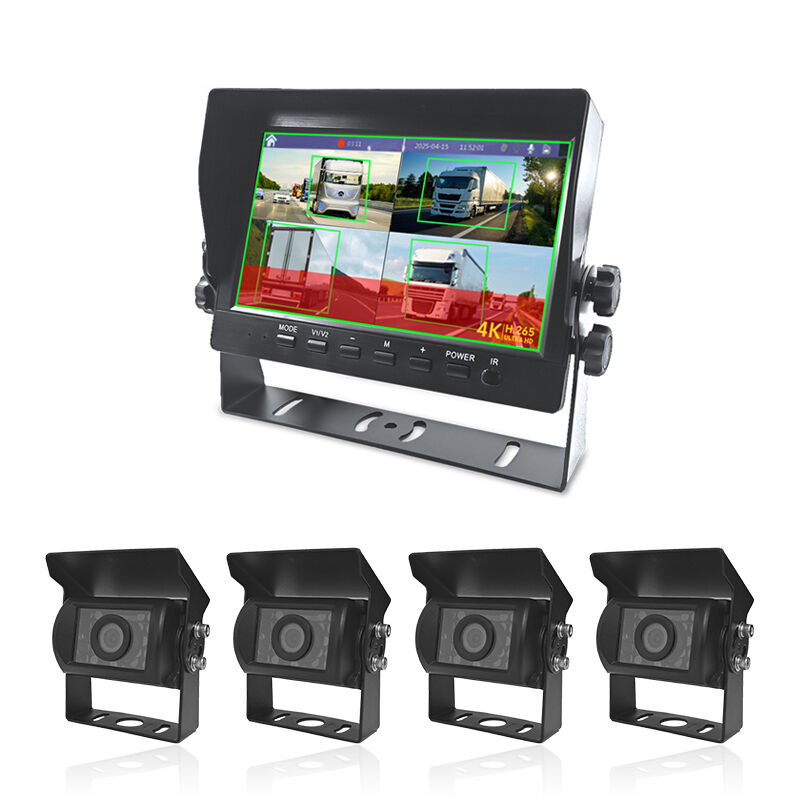
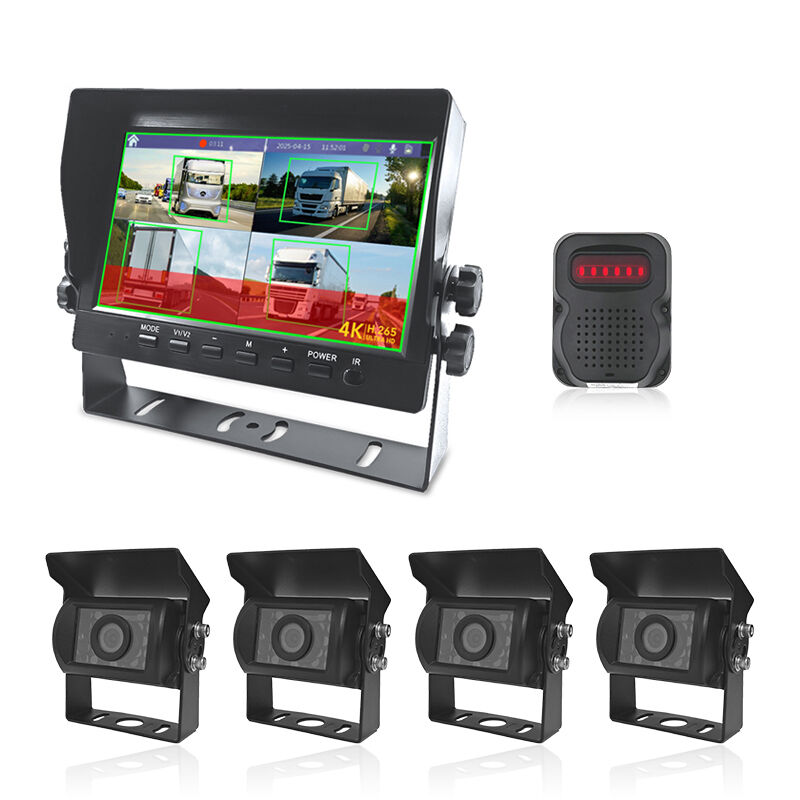
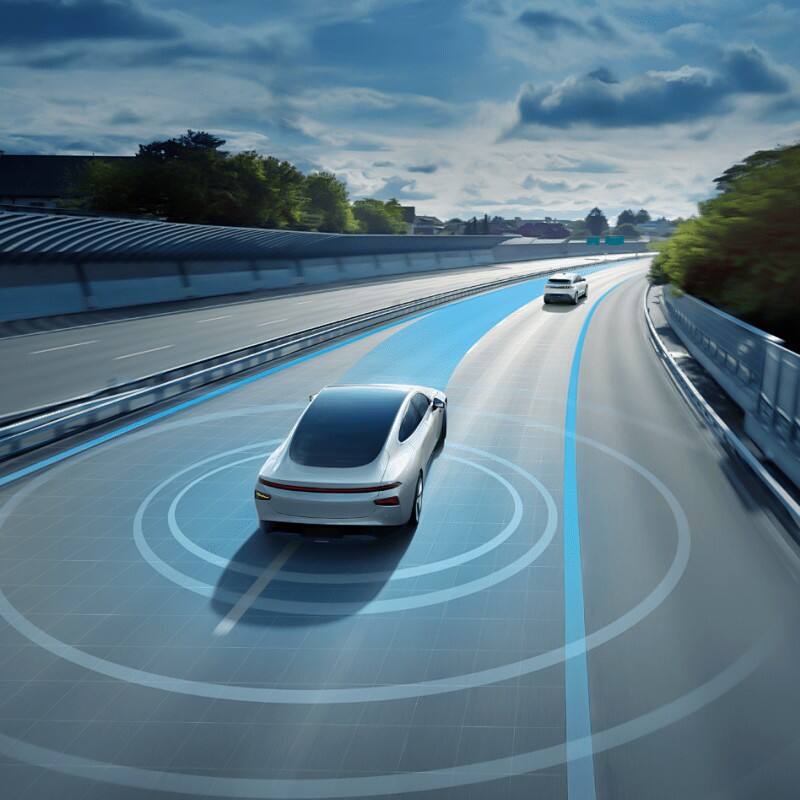
A car blind spot detection system represents a revolutionary advancement in automotive safety technology, designed to monitor areas around your vehicle that remain invisible to traditional mirrors. This sophisticated safety feature utilizes an array of sensors, cameras, and radar technology to continuously scan the zones alongside and behind your vehicle where other cars, motorcycles, or pedestrians might be hidden from your direct view. The car blind spot detection system operates through strategically positioned sensors mounted in the rear bumper or side mirrors, which emit radar waves or use camera-based detection to identify objects in adjacent lanes. When the system detects a vehicle entering your blind spot, it immediately alerts you through visual indicators, typically LED lights in the side mirrors or dashboard, and sometimes includes audible warnings. Modern car blind spot detection systems have evolved to incorporate cross-traffic alerts, which prove invaluable when reversing out of parking spaces or driveways. The technology behind these systems combines multiple detection methods, including ultrasonic sensors, radar technology, and high-definition cameras with advanced image processing capabilities. Machine learning algorithms help the car blind spot detection system distinguish between different types of objects, reducing false alarms while maintaining high sensitivity to genuine threats. The system's effectiveness extends beyond highway driving, proving equally beneficial in urban environments, parking lots, and residential areas. Integration with other vehicle safety systems creates a comprehensive protection network, where the car blind spot detection system works alongside lane departure warnings, automatic emergency braking, and adaptive cruise control. Installation options vary from factory-integrated systems built into new vehicles to aftermarket solutions that can retrofit older cars with this essential safety technology. The operational range typically extends from immediately beside your vehicle to approximately 10 feet behind, covering the critical zones where accidents most commonly occur during lane changes or merging maneuvers.

New Product Releases

The car blind spot detection system delivers immediate safety improvements that protect you, your passengers, and other road users from potentially catastrophic accidents. Studies show that vehicles equipped with this technology experience a 14% reduction in lane-change crashes and a 23% decrease in injuries from such incidents. The system works tirelessly, never experiencing fatigue or distraction like human drivers, providing consistent monitoring throughout your entire journey. You gain enhanced confidence when changing lanes on busy highways, knowing that the car blind spot detection system serves as your digital co-pilot, watching areas you cannot see. The technology proves particularly valuable for larger vehicles such as SUVs, trucks, and vans, where blind spots naturally extend further due to vehicle size and design. Parents especially appreciate how the car blind spot detection system adds an extra layer of protection when driving with children, reducing the stress of highway travel and city navigation. The system's real-time alerts give you precious seconds to react appropriately, whether that means canceling a lane change, adjusting your position, or waiting for a clearer opportunity to merge. Unlike passive safety features that only activate during collisions, this proactive technology works to prevent accidents before they occur, potentially saving thousands in repair costs, insurance premiums, and medical expenses. The car blind spot detection system operates effectively in various weather conditions, including rain, fog, and snow, when visibility naturally decreases and driving becomes more challenging. Integration with modern vehicle infotainment systems allows for customizable alert preferences, letting you adjust sensitivity levels and warning types to match your driving style and preferences. Fleet operators report significant reductions in accident-related downtime and insurance claims when their vehicles include car blind spot detection systems, demonstrating clear financial benefits beyond safety improvements. The technology adapts to different driving scenarios, providing heightened sensitivity in heavy traffic while reducing unnecessary alerts during highway cruising. Professional drivers, including truckers and delivery personnel, find that the car blind spot detection system reduces fatigue by eliminating the constant stress of manually checking blind spots. The system's consistent performance means you can focus more attention on the road ahead while maintaining awareness of surrounding traffic, creating a more relaxed and controlled driving experience that benefits everyone on the road.

Practical Tips

L3 Autonomous Driving

23

Dec

L3 Autonomous Driving

View More
The 138th Canton Fair

04

Jan

The 138th Canton Fair

View More
2025 HKTDC (Autumn  Edition)

23

Dec

2025 HKTDC (Autumn Edition)

View More

Get a Free Quote

Our representative will contact you soon.
Email
Name
Company Name
Mobile/WhatsApp
Message
0/1000

car blind spot detection system

Advanced Multi-Sensor Technology for Maximum Detection Accuracy

Advanced Multi-Sensor Technology for Maximum Detection Accuracy

The car blind spot detection system employs cutting-edge multi-sensor technology that combines radar, ultrasonic sensors, and high-definition cameras to create an incredibly accurate detection network around your vehicle. This sophisticated sensor fusion approach ensures that the system can identify vehicles, motorcycles, bicycles, and even pedestrians in your blind spots with remarkable precision, regardless of weather conditions or lighting situations. The radar components operate at frequencies specifically designed to penetrate through rain, snow, fog, and dust, maintaining consistent performance when traditional mirrors and human vision become compromised. Meanwhile, the camera systems utilize advanced image processing algorithms powered by artificial intelligence to distinguish between actual threats and false objects like shadows, road debris, or stationary barriers. The car blind spot detection system's sensors are calibrated to detect objects moving at various speeds, from slow-moving bicycles to rapidly approaching motorcycles, ensuring comprehensive coverage of all potential blind spot threats. The system's ability to track multiple objects simultaneously means it can monitor several vehicles in adjacent lanes while maintaining individual threat assessments for each detected object. Modern implementations of the car blind spot detection system include machine learning capabilities that adapt to your specific driving patterns and environmental conditions, becoming more accurate and personalized over time. The sensor array typically covers zones extending from directly beside your vehicle to approximately 10 feet behind, with some premium systems offering extended range detection for highway driving scenarios. Real-time processing capabilities ensure that alerts are delivered within milliseconds of threat detection, providing you with maximum reaction time to make safe driving decisions. The durability and reliability of these sensors are tested under extreme conditions, including temperature variations, vibration, and exposure to road salt and debris, ensuring consistent performance throughout your vehicle's lifetime. Integration with your vehicle's existing electronic systems allows the car blind spot detection system to adjust its sensitivity based on driving speed, steering input, and turn signal activation, reducing false alarms while maintaining high detection accuracy when you need it most.

Intuitive Alert System with Customizable Warning Options

Intuitive Alert System with Customizable Warning Options

The car blind spot detection system features an intelligently designed alert system that provides immediate, clear warnings without creating distractions or startling drivers during critical moments. Visual alerts typically appear as bright LED indicators positioned in your side mirrors, dashboard, or A-pillar areas, designed to catch your peripheral vision without requiring you to look away from the road ahead. These visual cues use internationally recognized colors and patterns, with amber or red lights indicating the presence of vehicles in your blind spots, ensuring instant recognition regardless of your driving experience or familiarity with the specific vehicle. The car blind spot detection system offers multiple alert escalation levels, beginning with subtle visual indicators when objects are detected in blind spots, progressing to more prominent warnings when you activate turn signals with vehicles present, and culminating in urgent alerts if the system detects an imminent collision risk. Audio alerts complement the visual system, providing gentle chimes or tones that are carefully calibrated to be noticeable without being jarring or startling, maintaining your focus and composure during lane changes or merging maneuvers. Advanced car blind spot detection systems include haptic feedback options, such as steering wheel vibration or seat vibrations, which prove particularly valuable for hearing-impaired drivers or in noisy driving environments where audio alerts might be missed. The customization options allow you to adjust alert sensitivity, timing, and intensity based on your personal preferences and driving conditions, with settings for city driving, highway cruising, and parking lot navigation. Smart integration with your vehicle's infotainment system enables you to fine-tune the car blind spot detection system's behavior through user-friendly menus, setting preferences for different driving scenarios or temporarily adjusting sensitivity for specific situations like construction zones or heavy traffic. The alert system is designed to minimize false alarms through sophisticated filtering algorithms that learn to ignore stationary objects, guardrails, and other permanent roadside features while remaining highly sensitive to moving vehicles and pedestrians. Progressive alert timing ensures that warnings escalate appropriately, giving you time to assess the situation and make informed decisions rather than creating panic or encouraging hasty reactions that might lead to other safety issues.
Seamless Integration with Modern Vehicle Safety Ecosystems

Seamless Integration with Modern Vehicle Safety Ecosystems

The car blind spot detection system represents a cornerstone component of modern integrated vehicle safety ecosystems, working in harmony with other advanced driver assistance systems to create comprehensive protection that goes far beyond individual feature capabilities. This integration allows the car blind spot detection system to share data with lane departure warning systems, creating intelligent coordination that can distinguish between intentional lane changes and unintended drift, reducing false alerts while maintaining high sensitivity to actual safety threats. When connected to automatic emergency braking systems, the car blind spot detection system can trigger rapid response protocols if a collision becomes imminent, potentially applying brakes or adjusting steering inputs to minimize impact severity or avoid accidents entirely. The system's integration with adaptive cruise control enables more sophisticated following behavior, allowing your vehicle to maintain safer distances and make smoother adjustments when other vehicles enter or exit nearby lanes. Modern car blind spot detection systems communicate with navigation systems to adjust sensitivity based on road types, speed limits, and traffic conditions, providing more contextually appropriate alerts for different driving environments. The technology seamlessly interfaces with parking assistance systems, extending blind spot monitoring capabilities to low-speed maneuvers in parking lots, driveways, and tight spaces where traditional blind spot concerns are complicated by pedestrian traffic and stationary obstacles. Integration with vehicle-to-vehicle communication systems represents the future evolution of the car blind spot detection system, enabling vehicles to share location and movement data directly, creating even more accurate and predictive safety monitoring capabilities. The system's compatibility with smartphone applications allows for remote monitoring and system status updates, enabling you to verify proper operation and receive maintenance notifications before potential issues affect performance. Cloud connectivity features enable car blind spot detection systems to receive updates and improvements over time, incorporating lessons learned from millions of miles of real-world driving data to enhance detection algorithms and reduce false alarm rates. Professional installation ensures that the car blind spot detection system is properly calibrated and integrated with your vehicle's existing electrical and computing systems, maintaining warranty coverage while ensuring optimal performance and reliability throughout the system's operational life.
Car Blind Spot Detection System: Advanced Safety Technology for Safer Driving

Get a Free Quote

Our representative will contact you soon.
Email
Name
Company Name
Mobile/WhatsApp
Message
0/1000