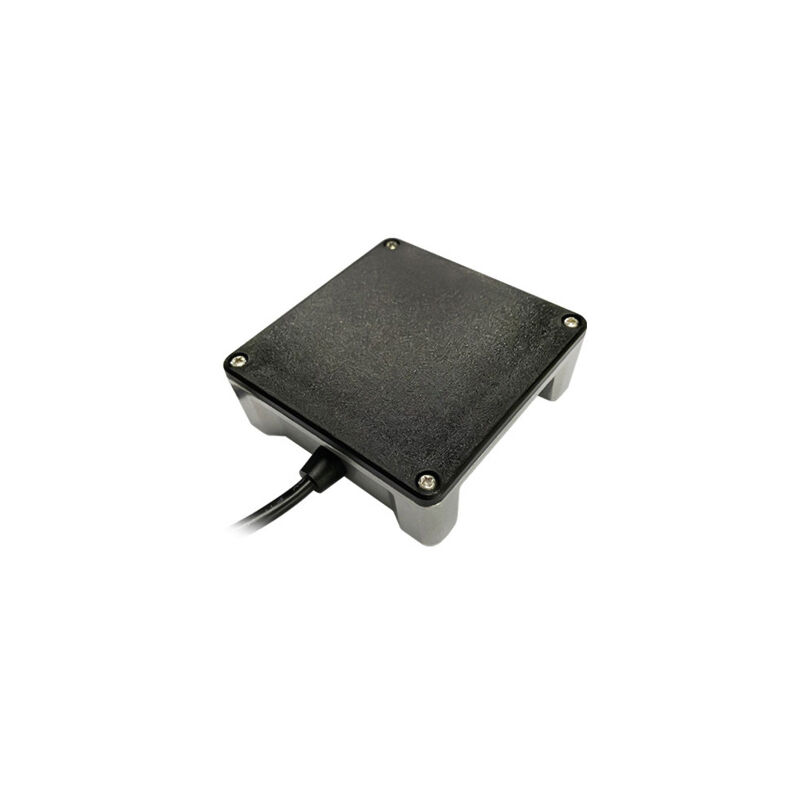
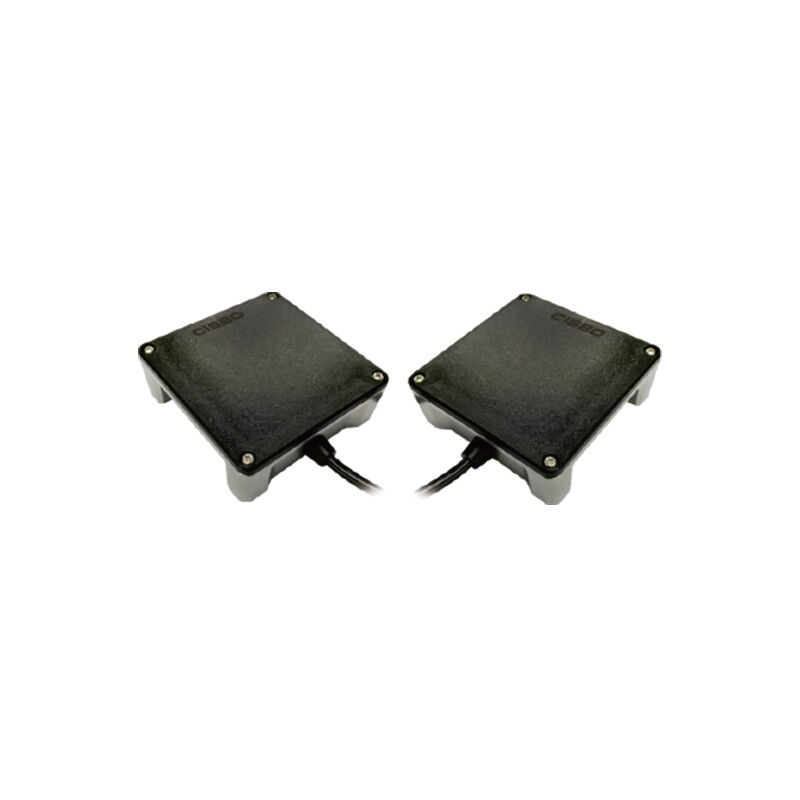
Car Blind Spot Monitoring System: Advanced Safety Technology for Accident Prevention

Get a Free Quote

Our representative will contact you soon.
Email
Name
Company Name
Mobile/WhatsApp
Message
0/1000

car blind spot monitoring system

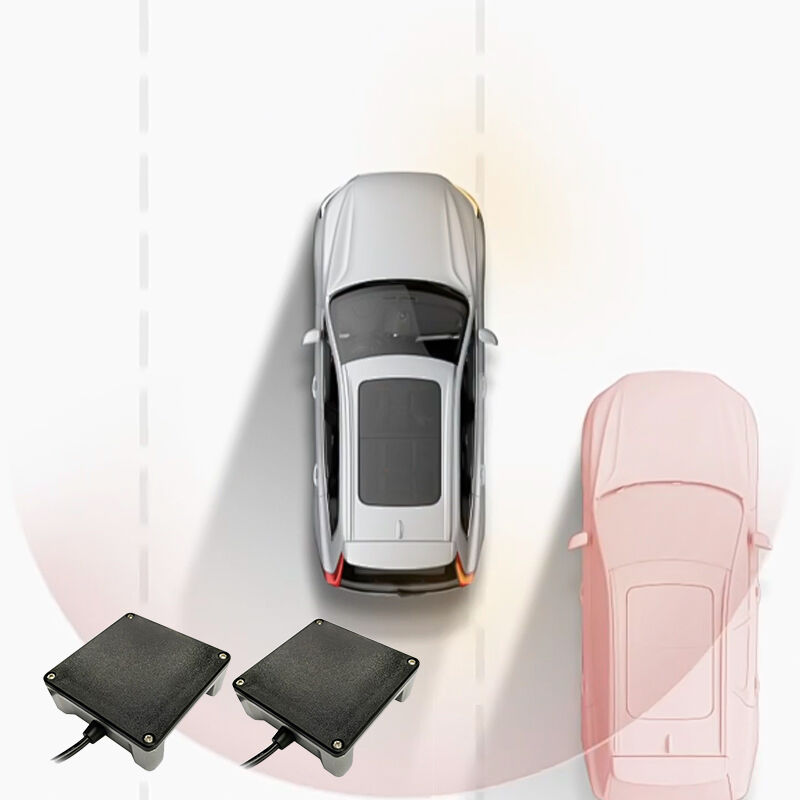
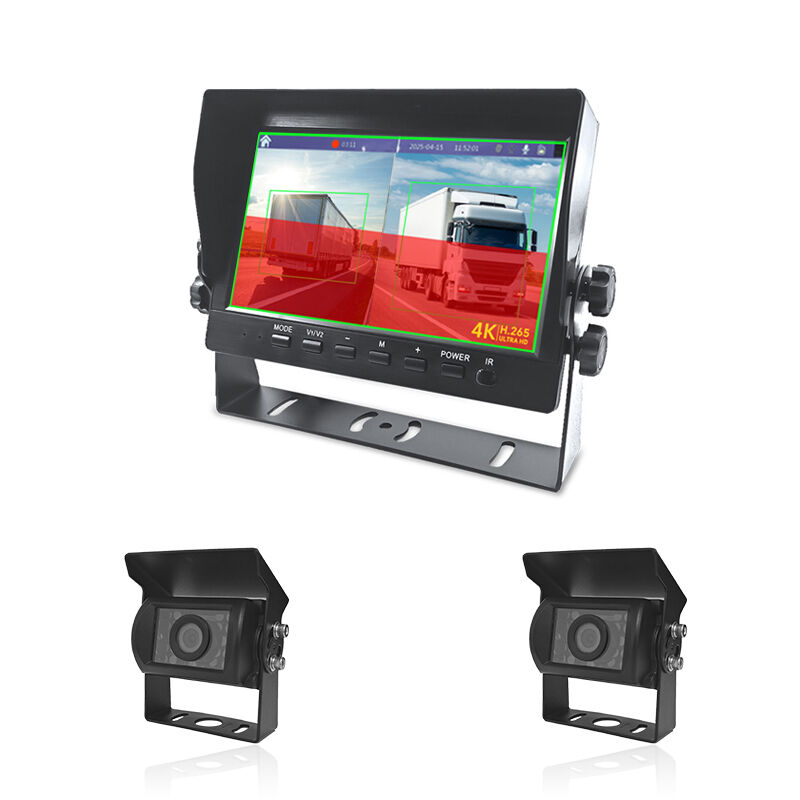
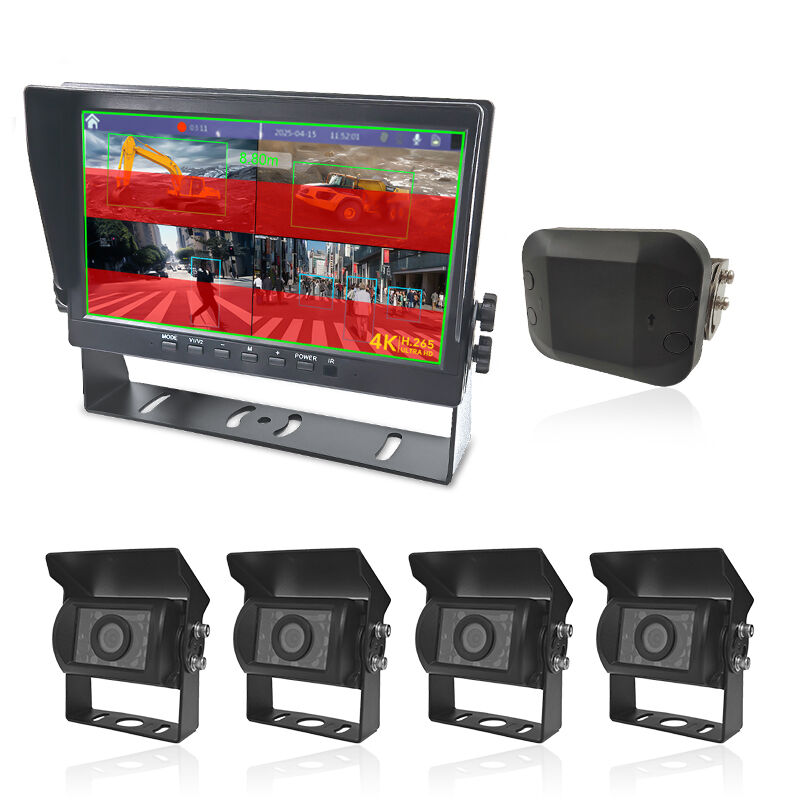
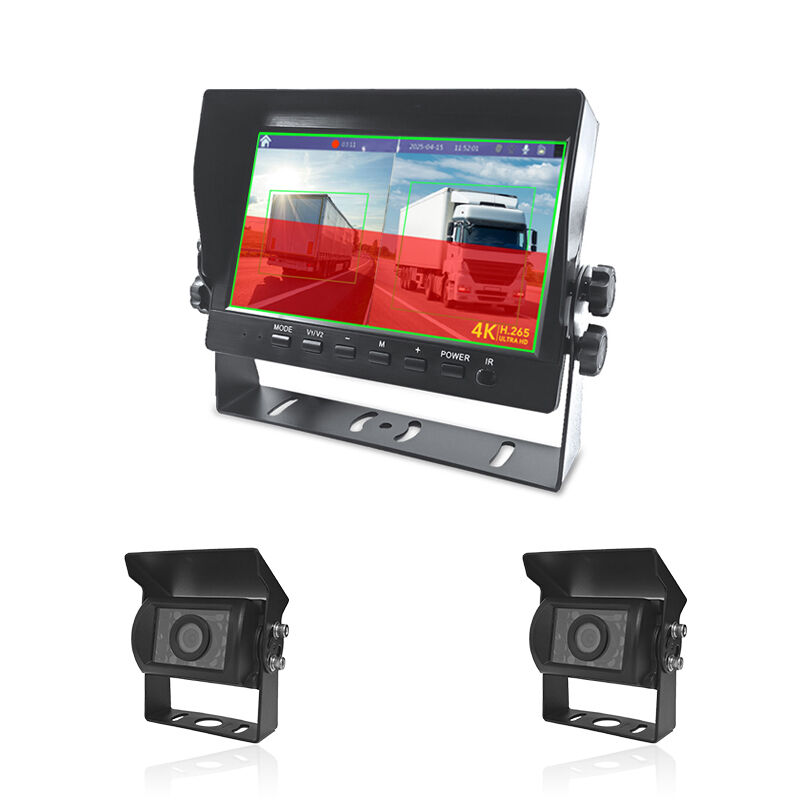
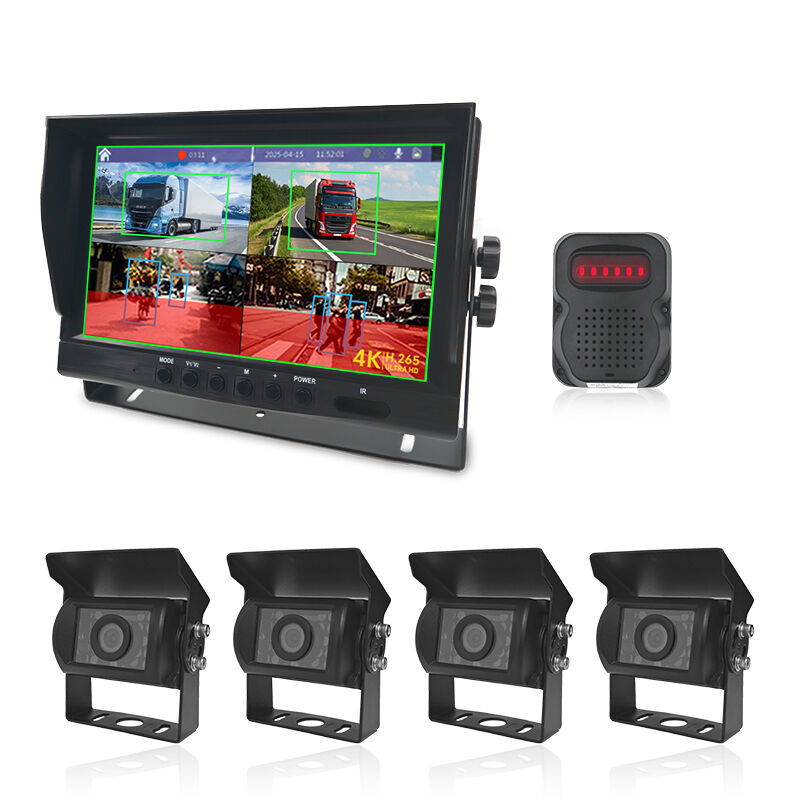
The car blind spot monitoring system represents a revolutionary advancement in automotive safety technology, designed to enhance driver awareness and prevent dangerous lane-change accidents. This sophisticated system utilizes an array of sensors, cameras, and radar technology strategically positioned around the vehicle to detect objects, vehicles, and pedestrians in areas that traditional mirrors cannot cover. The primary function of a car blind spot monitoring system involves continuously scanning the zones alongside and slightly behind the vehicle, alerting drivers when another vehicle enters these critical areas. Modern implementations incorporate multiple detection methods, including ultrasonic sensors, radar units, and high-resolution cameras that work together to create a comprehensive monitoring network. The system processes real-time data to identify potential hazards and communicates warnings through visual indicators, typically LED lights positioned in side mirrors or door panels, and audible alerts when drivers activate turn signals while objects are detected. Advanced versions integrate with vehicle steering systems to provide gentle corrective feedback or automatic emergency intervention when imminent collision risks are identified. The technological features of contemporary car blind spot monitoring systems include machine learning algorithms that adapt to different driving conditions, weather compensation capabilities, and multi-zone detection that monitors varying distances and angles around the vehicle. These systems operate seamlessly across different speeds, from parking maneuvers to highway driving, adjusting sensitivity and response parameters accordingly. Applications extend beyond personal vehicles to commercial trucks, motorcycles, and fleet vehicles, where the technology proves particularly valuable due to larger blind spot areas. Integration with other safety systems creates a comprehensive protective network that includes lane departure warnings, rear cross-traffic alerts, and collision avoidance systems. The car blind spot monitoring system has become an essential component of modern vehicle safety suites, significantly reducing accident rates and providing drivers with enhanced confidence during lane changes and merging maneuvers.

New Product Releases

The car blind spot monitoring system delivers exceptional value to drivers by dramatically improving road safety and reducing the likelihood of side-collision accidents. This technology provides continuous vigilance that human perception simply cannot match, monitoring areas around your vehicle 24/7 without fatigue or distraction. When you drive with a car blind spot monitoring system, you gain an extra set of electronic eyes that never blink, never get tired, and never lose focus. The system immediately alerts you when vehicles enter your blind spots, giving you crucial seconds to make safer driving decisions. Insurance companies recognize the safety benefits of car blind spot monitoring systems, often offering premium discounts to vehicles equipped with this technology, which translates to real financial savings over time. The peace of mind this system provides cannot be overstated, especially for new drivers, elderly motorists, or anyone who frequently drives in heavy traffic conditions. Parents particularly appreciate how car blind spot monitoring systems help protect their teenage drivers, providing an additional safety net during the learning process. The technology excels in challenging driving conditions where visibility is compromised, such as during rain, snow, or nighttime driving, maintaining consistent performance when traditional mirror checks become less reliable. Highway driving becomes significantly safer with a car blind spot monitoring system, as it prevents dangerous lane-change accidents that often result in serious injuries or fatalities. The system works seamlessly with your natural driving habits, requiring no special training or complicated procedures to operate effectively. Commercial drivers and fleet operators report reduced accident rates and lower maintenance costs after implementing car blind spot monitoring systems across their vehicles. The technology adapts to different vehicle sizes and configurations, making it equally effective for compact cars, SUVs, trucks, and motorcycles. Modern car blind spot monitoring systems integrate smoothly with existing vehicle electronics, often becoming so intuitive that drivers wonder how they ever managed without this essential safety feature. The system provides consistent performance regardless of driver experience level, serving as both a training tool for new drivers and a reliable backup for experienced motorists who might occasionally miss checking their blind spots during routine driving.

Latest News

L3 Autonomous Driving

23

Dec

L3 Autonomous Driving

View More
The 138th Canton Fair

04

Jan

The 138th Canton Fair

View More
2025 HKTDC (Autumn  Edition)

23

Dec

2025 HKTDC (Autumn Edition)

View More

Get a Free Quote

Our representative will contact you soon.
Email
Name
Company Name
Mobile/WhatsApp
Message
0/1000

car blind spot monitoring system

Advanced Multi-Sensor Detection Technology

Advanced Multi-Sensor Detection Technology

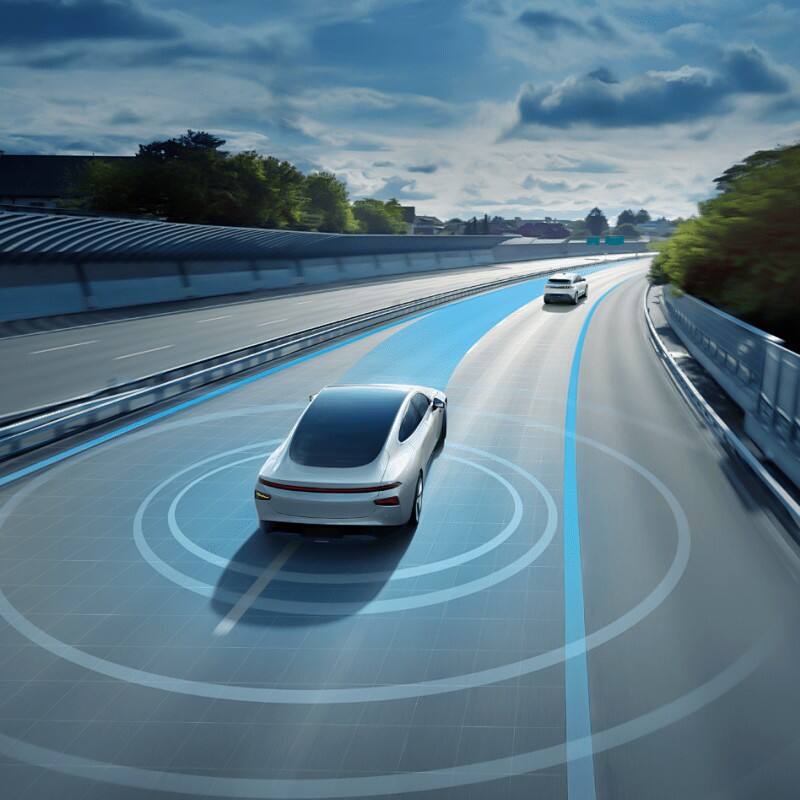
The cornerstone of any effective car blind spot monitoring system lies in its sophisticated multi-sensor detection technology that creates an invisible safety net around your vehicle. This advanced framework combines radar sensors, ultrasonic detectors, and high-definition cameras to provide comprehensive coverage of areas traditional mirrors cannot reach. The radar components of a car blind spot monitoring system operate on specific frequencies that penetrate various weather conditions, ensuring consistent performance during rain, fog, or snow when visibility becomes challenging. These sensors continuously emit electromagnetic waves that bounce off nearby objects, calculating distance, speed, and trajectory with remarkable precision. The ultrasonic elements complement radar technology by detecting slower-moving objects and providing enhanced accuracy during parking maneuvers and low-speed situations. High-resolution cameras integrated within the car blind spot monitoring system capture visual data that sophisticated algorithms analyze in real-time, distinguishing between vehicles, pedestrians, cyclists, and stationary objects. The fusion of these technologies creates a three-dimensional awareness zone that extends several feet beyond your vehicle's sides and rear corners. Machine learning capabilities allow the car blind spot monitoring system to improve its detection accuracy over time, learning to differentiate between genuine threats and false positives such as guardrails, road signs, or construction barriers. The system processes thousands of data points every second, creating a continuous stream of environmental awareness that human senses simply cannot match. Advanced signal processing ensures that your car blind spot monitoring system maintains optimal performance across varying speeds, from stop-and-go traffic to highway cruising speeds exceeding 75 mph. The technology adapts automatically to different lane widths, traffic densities, and road conditions without requiring driver input or system recalibration. Temperature compensation features ensure consistent operation from freezing winter conditions to extreme summer heat, maintaining the reliability that drivers depend on for safe vehicle operation.
Intelligent Warning System and User Interface

Intelligent Warning System and User Interface

The intelligent warning system integrated into modern car blind spot monitoring systems represents a breakthrough in human-machine interface design, delivering critical safety information through multiple sensory channels without overwhelming the driver. Visual alerts form the primary communication method, typically appearing as LED indicators positioned strategically in side mirrors, door panels, or dashboard locations where they remain easily visible without diverting attention from the road ahead. These lights activate with varying intensities and patterns, with subtle illumination for object detection and more urgent flashing when drivers activate turn signals while vehicles occupy blind spot zones. The car blind spot monitoring system employs color-coded warning schemes, commonly using amber or red indicators to signify different threat levels and urgency requirements. Audio alerts provide secondary warning layers, delivering distinct tones through the vehicle's sound system or dedicated speakers positioned near the driver's seat. These audible warnings activate selectively, remaining silent during normal detection but producing clear, attention-getting sounds when collision risks escalate. Advanced car blind spot monitoring systems integrate haptic feedback through steering wheel vibrations or seat pulsations, creating tactile warnings that prove particularly valuable in noisy driving environments or for drivers with hearing impairments. The user interface allows customization of warning sensitivity, enabling drivers to adjust system responsiveness based on personal preferences and typical driving conditions. Urban driving modes increase sensitivity for detecting motorcycles and bicycles, while highway settings optimize for larger vehicles traveling at higher speeds. The car blind spot monitoring system learns individual driving patterns, adapting warning timing and intensity to match personal reaction speeds and driving styles. Display integration with infotainment screens provides detailed system status information, allowing drivers to monitor sensor functionality and adjust settings without consulting vehicle manuals. Voice integration capabilities enable hands-free system control, allowing drivers to modify settings or request system status updates through simple voice commands that maintain focus on driving tasks.
Seamless Integration with Advanced Driver Assistance Systems

Seamless Integration with Advanced Driver Assistance Systems

Modern car blind spot monitoring systems excel through their seamless integration with comprehensive advanced driver assistance networks, creating a unified safety ecosystem that provides protection far beyond individual component capabilities. This integration transforms isolated safety features into a cohesive defensive driving platform where each system enhances others' effectiveness. Lane departure warning systems work in perfect harmony with car blind spot monitoring systems, sharing sensor data and processing capabilities to provide complete lateral protection around your vehicle. When lane departure sensors detect unintended lane drift, they immediately communicate with blind spot monitoring components to assess whether adjacent lanes contain vehicles or hazards, preventing corrections that might create new collision risks. Electronic stability control systems receive continuous input from car blind spot monitoring sensors, using this information to enhance vehicle stability calculations during emergency maneuvers or adverse weather conditions. Adaptive cruise control integration allows car blind spot monitoring systems to contribute environmental awareness data, helping maintain safe following distances while accounting for vehicles in adjacent lanes that might suddenly change into your travel path. Collision avoidance systems leverage blind spot monitoring sensor networks to create comprehensive 360-degree awareness, enabling automatic emergency braking or steering corrections when multiple threats develop simultaneously. The car blind spot monitoring system shares processing power with other safety components, reducing overall system complexity while improving response times through distributed computing architectures. Integration with navigation systems enables predictive monitoring adjustments based on upcoming road conditions, construction zones, or traffic patterns that require enhanced vigilance. Parking assistance systems utilize car blind spot monitoring sensors during low-speed maneuvers, extending their usefulness beyond highway applications to comprehensive vehicle protection in all driving scenarios. Fleet management integration allows commercial operators to monitor system performance across multiple vehicles, identifying maintenance needs and tracking safety improvement metrics through centralized dashboards. Over-the-air update capabilities ensure that integrated car blind spot monitoring systems receive latest software improvements and feature enhancements without requiring dealership visits, maintaining optimal performance throughout vehicle ownership periods.
Car Blind Spot Monitoring System: Advanced Safety Technology for Accident Prevention

Get a Free Quote

Our representative will contact you soon.
Email
Name
Company Name
Mobile/WhatsApp
Message
0/1000