dual camera blind spot monitoring system
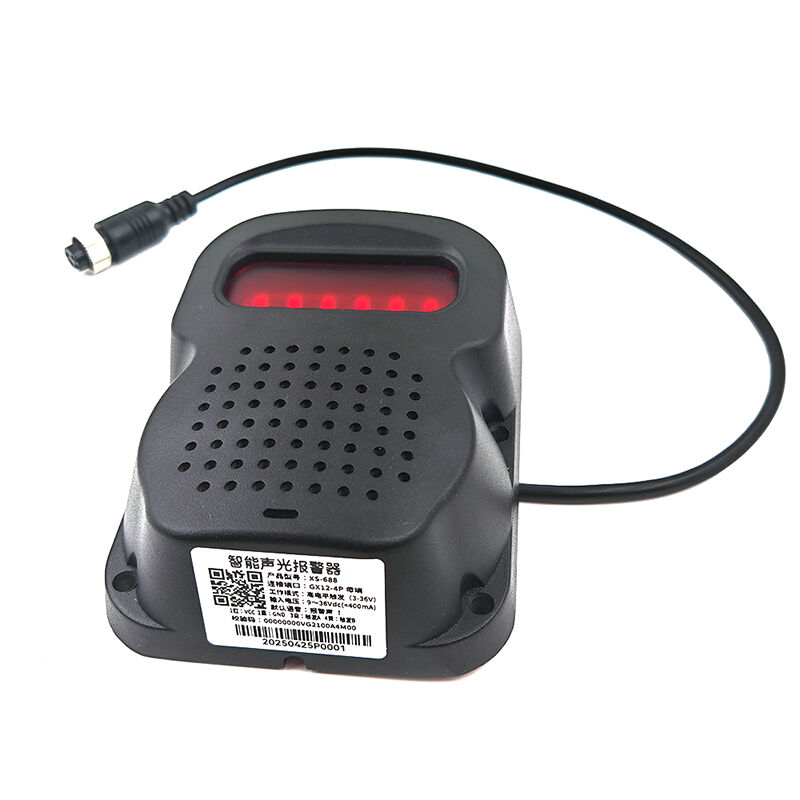
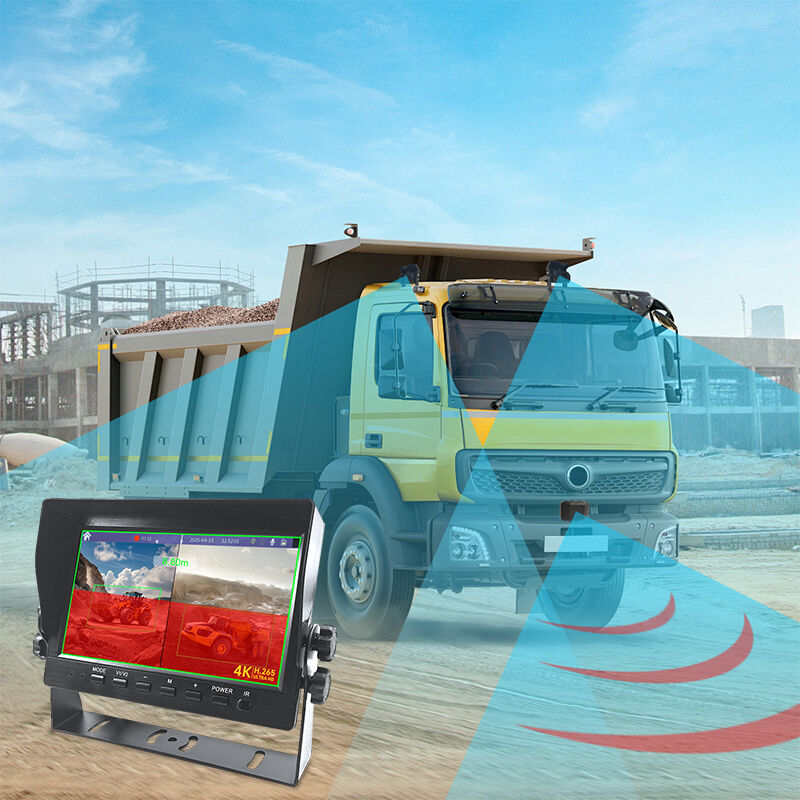
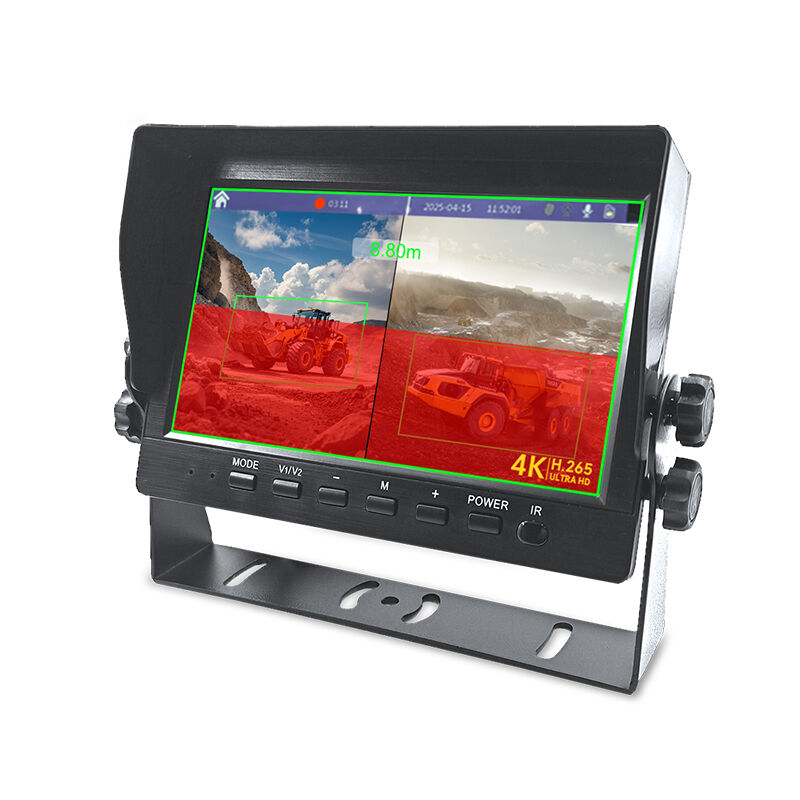
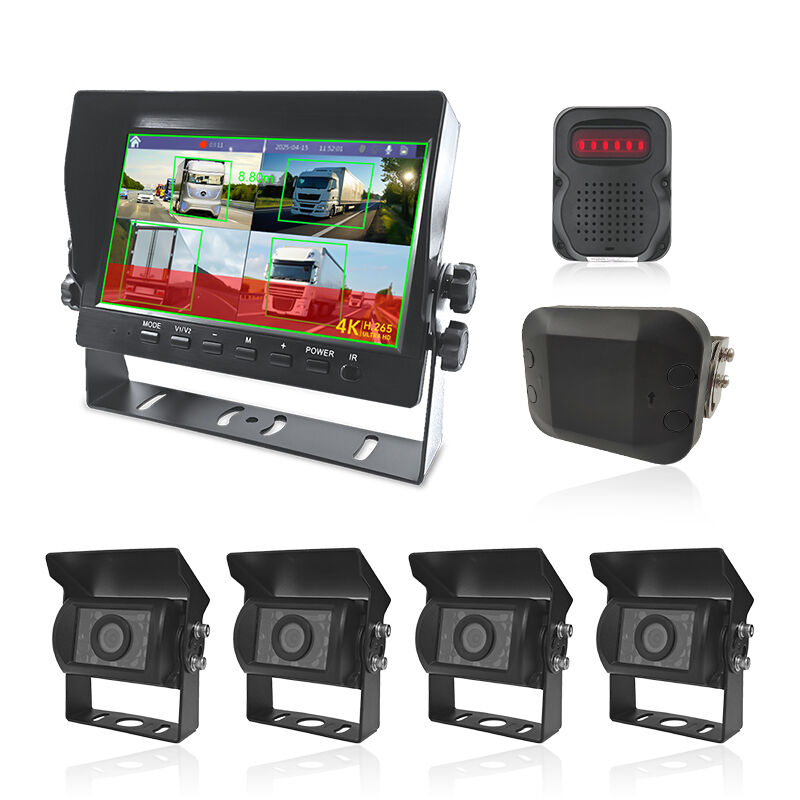
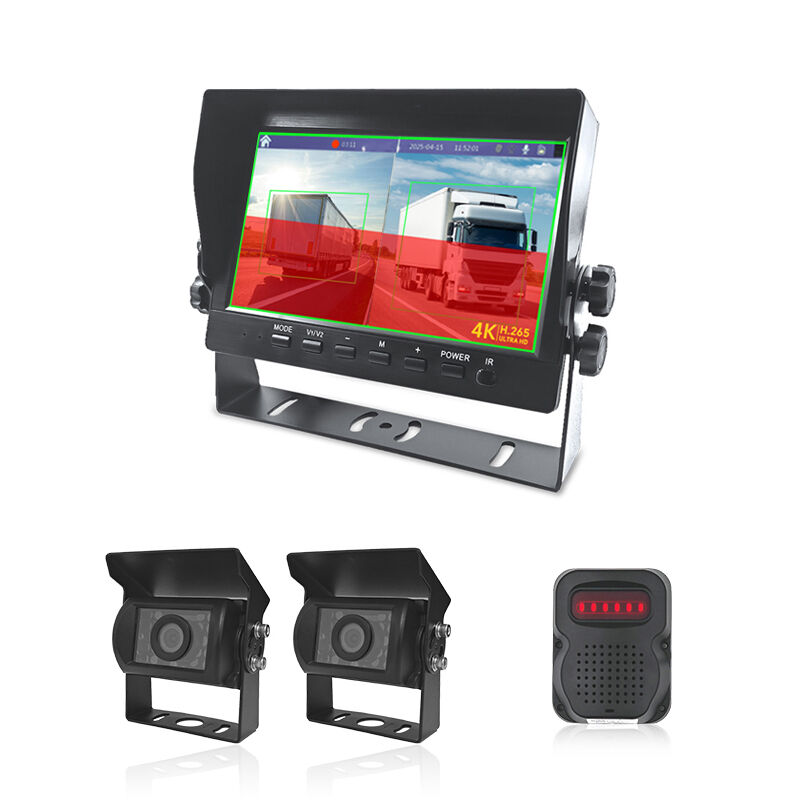
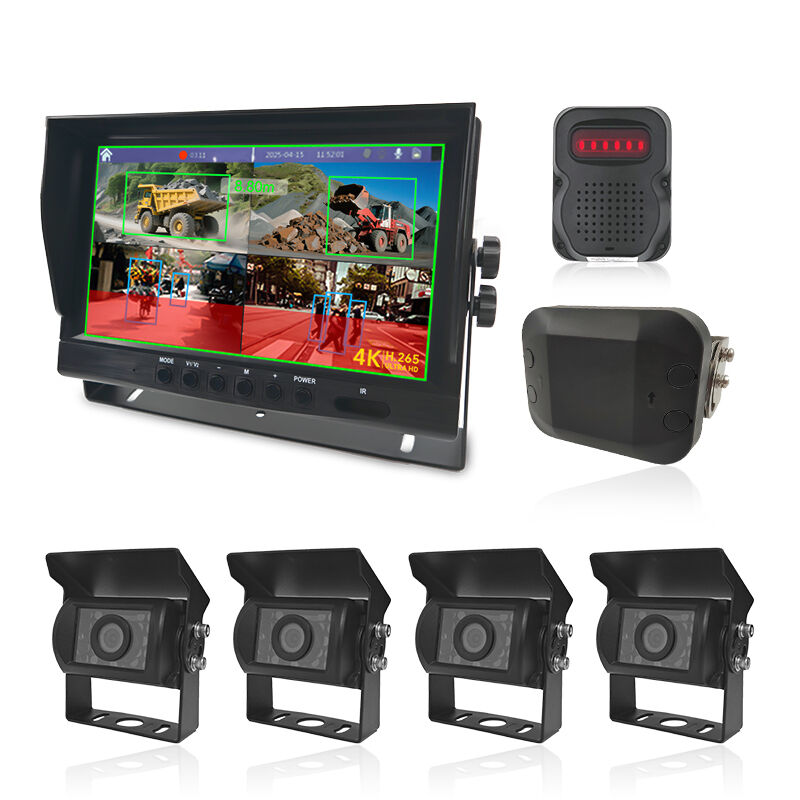
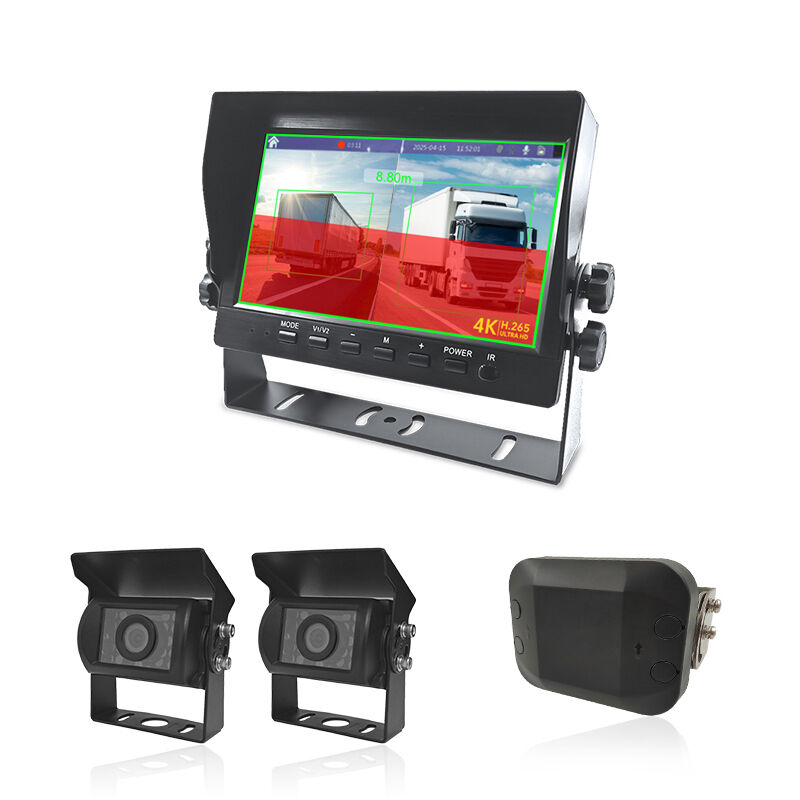
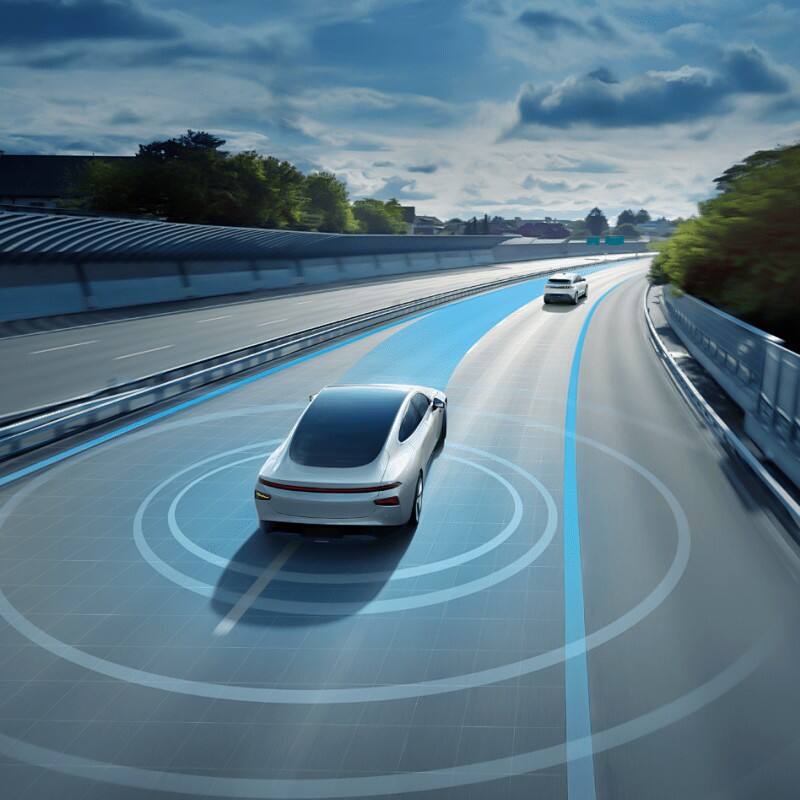
The dual camera blind spot monitoring system represents a revolutionary advancement in automotive safety technology that addresses one of the most critical challenges drivers face on modern roads. This sophisticated system utilizes two strategically positioned high-resolution cameras to create comprehensive coverage of vehicle blind spots, areas that traditional mirrors cannot adequately monitor. Unlike conventional single-camera systems or basic radar-based solutions, the dual camera blind spot monitoring system provides enhanced accuracy, superior object detection capabilities, and real-time visual feedback to drivers. The primary function of this innovative system centers on continuously scanning the areas alongside and slightly behind the vehicle where other cars, motorcycles, cyclists, or pedestrians might be present but remain invisible to the driver's natural field of vision. The dual camera configuration ensures redundancy and improved reliability, as one camera can compensate if the other experiences temporary obstruction or technical issues. The system processes visual data through advanced image recognition algorithms that can distinguish between different types of objects, assess their speed and trajectory, and determine potential collision risks. When the system detects a vehicle or object in the blind spot, it immediately alerts the driver through various notification methods including visual indicators on side mirrors, dashboard warnings, or audible alerts. The technological architecture incorporates machine learning capabilities that allow the dual camera blind spot monitoring system to adapt to different driving conditions, weather patterns, and traffic scenarios. Modern implementations feature wide-angle lenses with exceptional low-light performance, ensuring functionality during nighttime driving or adverse weather conditions. Integration with existing vehicle systems allows the dual camera blind spot monitoring system to work seamlessly with lane departure warnings, automatic emergency braking, and other driver assistance technologies. Applications span across various vehicle categories from passenger cars to commercial trucks, with customizable sensitivity settings to accommodate different driving preferences and vehicle sizes.
 EN
EN