blind spot monitoring system cars
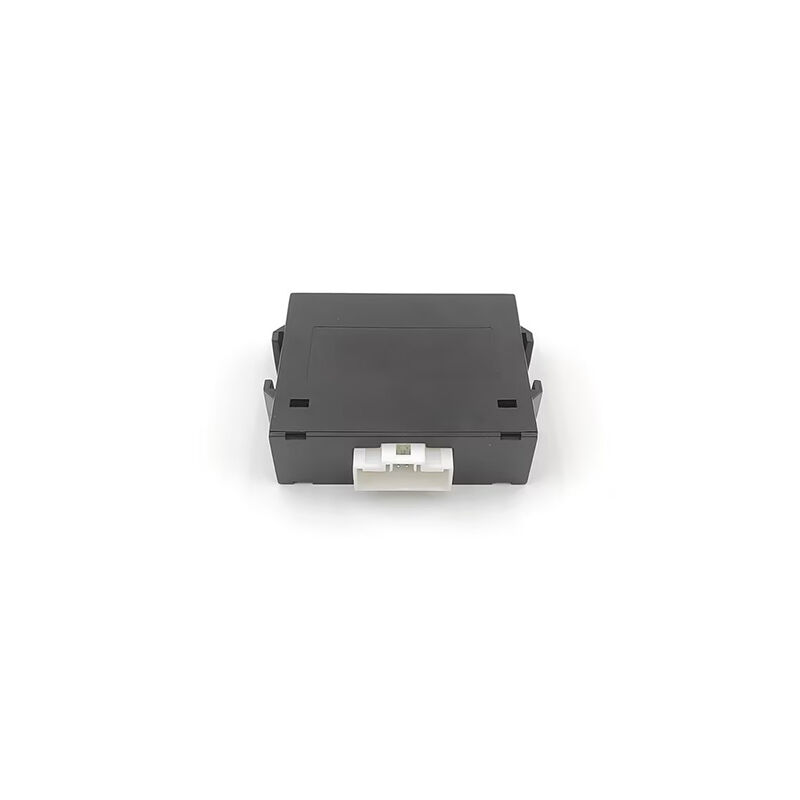
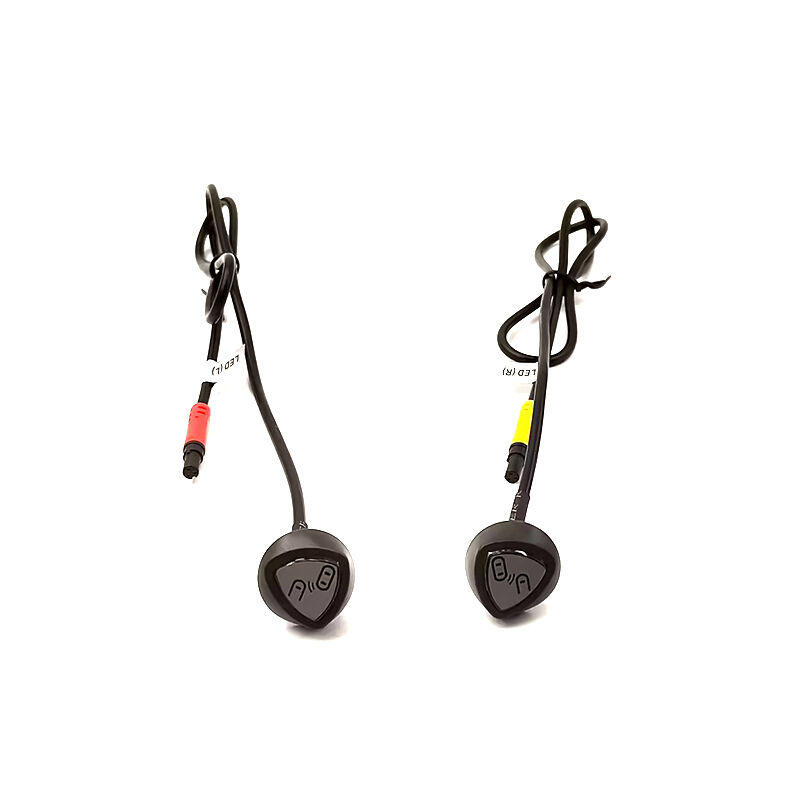
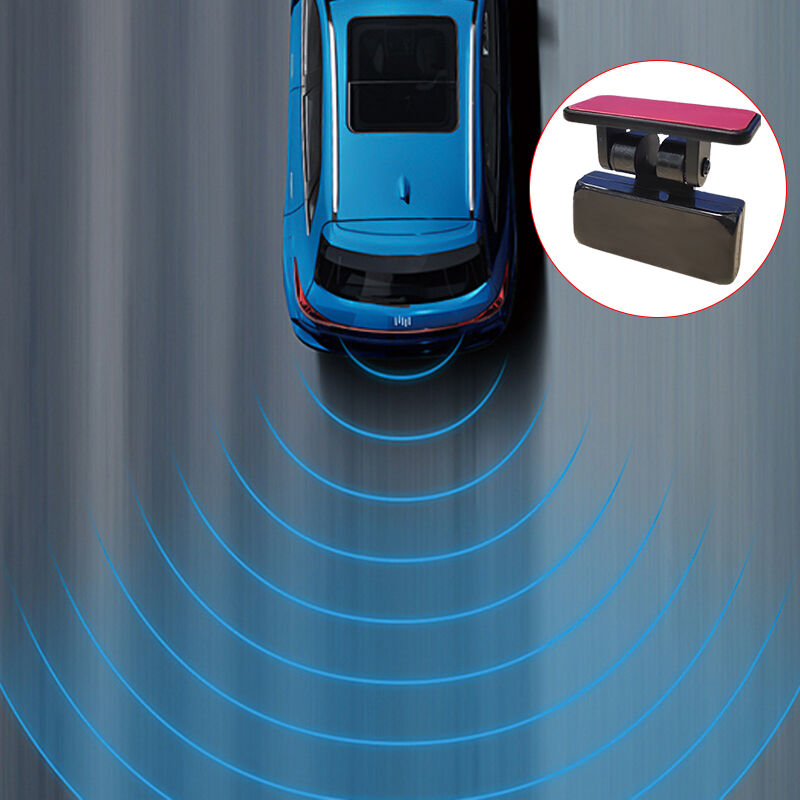
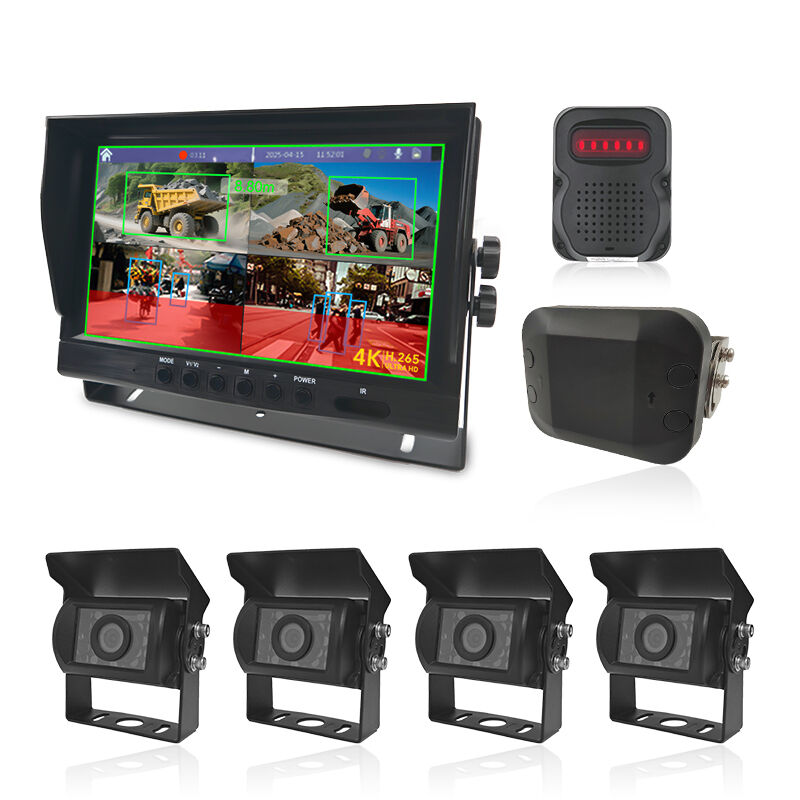
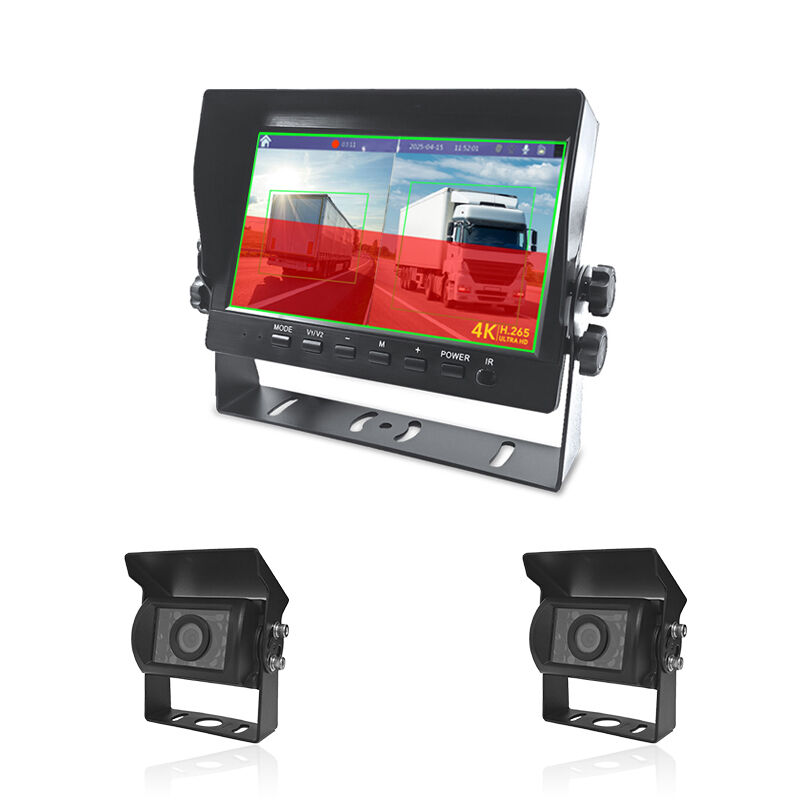
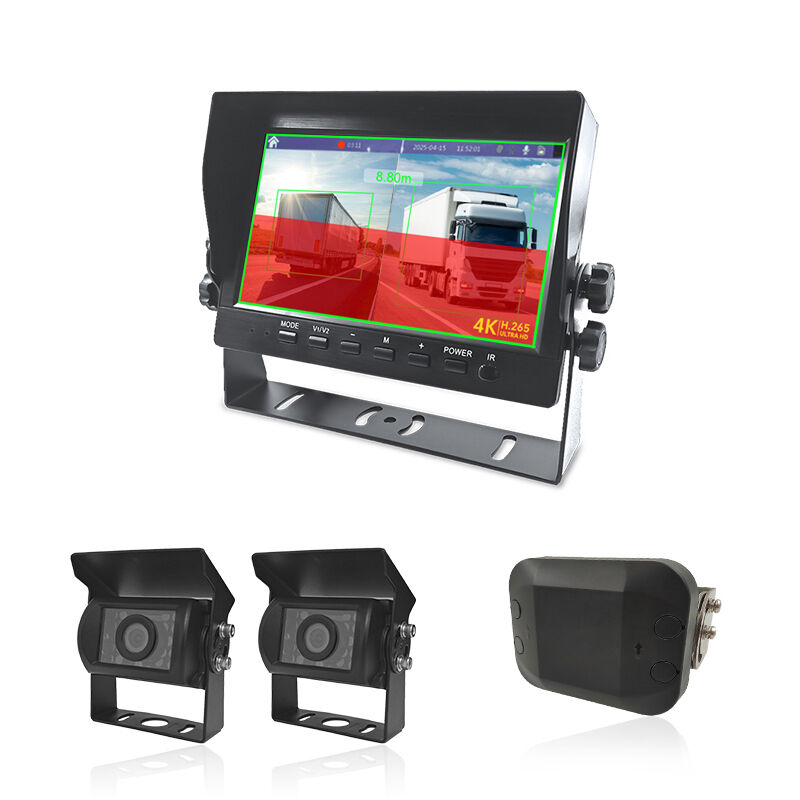
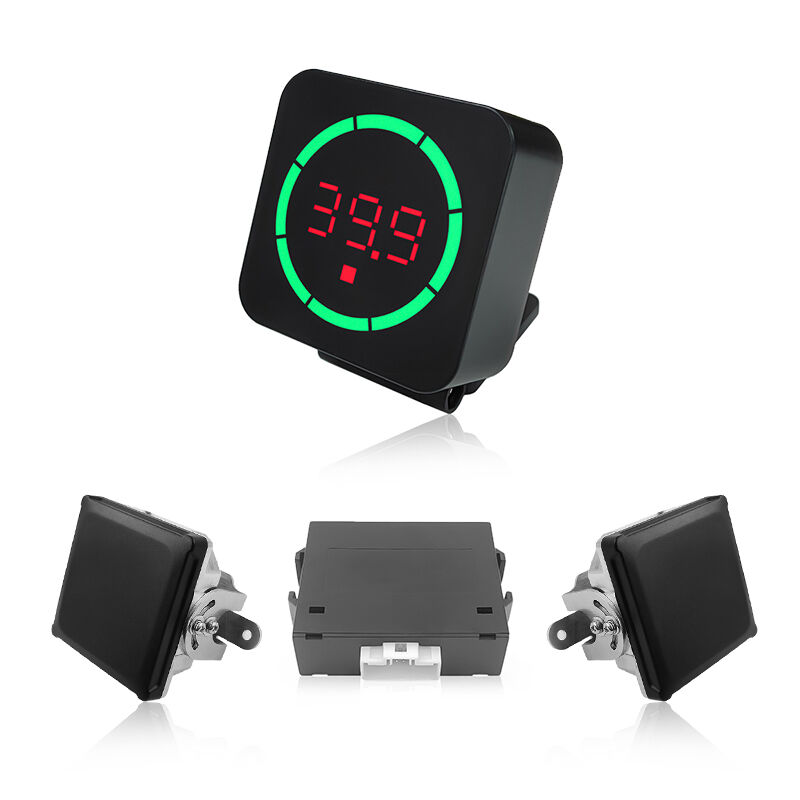
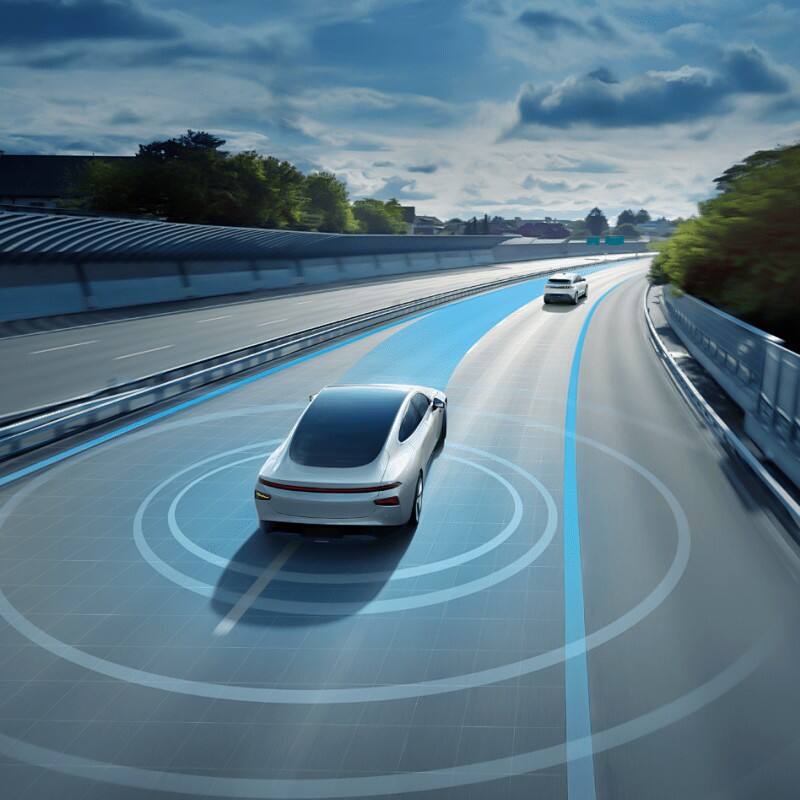
Blind spot monitoring system cars represent a revolutionary advancement in automotive safety technology, designed to address one of the most persistent dangers on modern roads. These sophisticated systems utilize advanced sensors, cameras, and radar technology to detect vehicles, motorcycles, or other objects positioned in areas that traditional mirrors cannot adequately cover. The primary function of blind spot monitoring system cars involves continuously scanning the zones alongside and slightly behind the vehicle, providing real-time alerts when potential hazards are detected. The technological foundation of these systems typically incorporates radar sensors mounted in the rear bumper or side mirrors, working in conjunction with advanced processing units that analyze incoming data and determine threat levels. Modern blind spot monitoring system cars feature multiple alert mechanisms, including visual indicators positioned in side mirrors or A-pillars, audible warnings, and even haptic feedback through steering wheel vibrations or seat alerts. The detection range of these systems typically extends from the vehicle's rear axle to approximately three meters behind, covering lanes adjacent to the host vehicle. Advanced iterations of blind spot monitoring system cars integrate seamlessly with other safety features like lane departure warning systems and rear cross-traffic alerts, creating comprehensive safety networks. The technology operates effectively at various speeds, though most systems activate above certain thresholds to prevent false alarms during parking maneuvers. These systems demonstrate remarkable accuracy in distinguishing between actual threats and stationary objects like guardrails or concrete barriers. The application scope of blind spot monitoring system cars spans across various vehicle categories, from compact sedans to large SUVs and commercial trucks. Premium automotive manufacturers have been incorporating these systems as standard equipment, while aftermarket solutions provide accessibility for older vehicle models. The continuous evolution of blind spot monitoring system cars includes integration with emerging technologies like vehicle-to-vehicle communication and artificial intelligence algorithms that learn driving patterns and environmental conditions.
 EN
EN