Complete Guide to Blind Spot Monitoring Systems in Cars: Advanced Safety Features and Benefits

Get a Free Quote

Our representative will contact you soon.
Email
Name
Company Name
Mobile/WhatsApp
Message
0/1000

blind spot monitoring system in cars

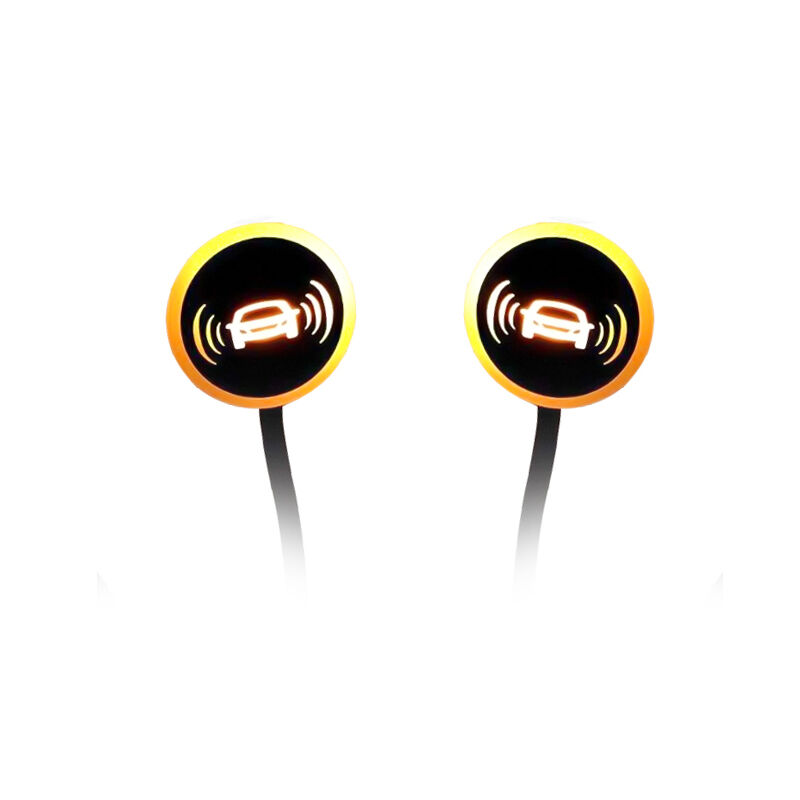
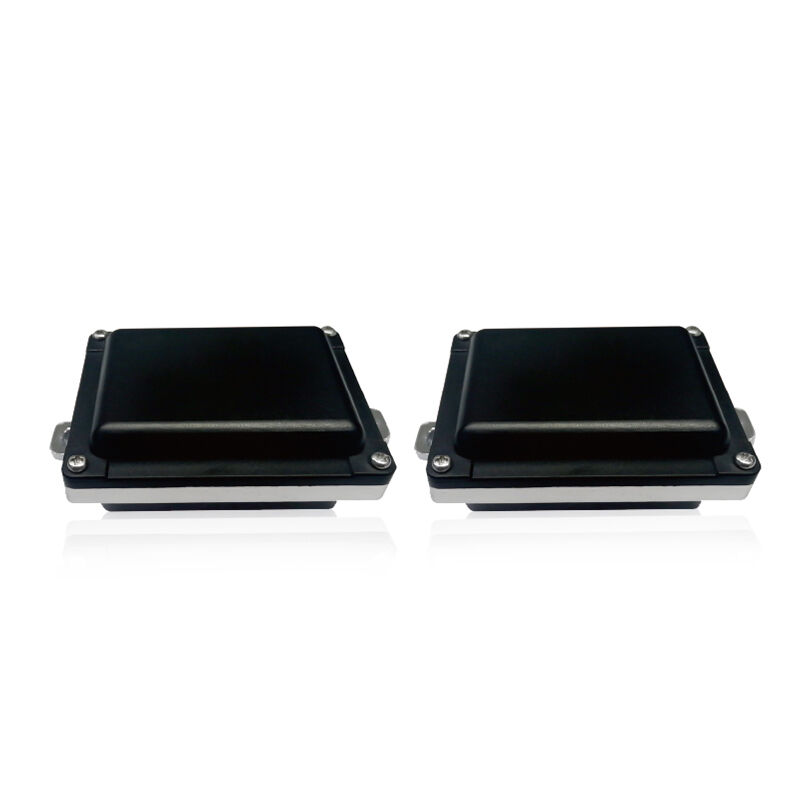
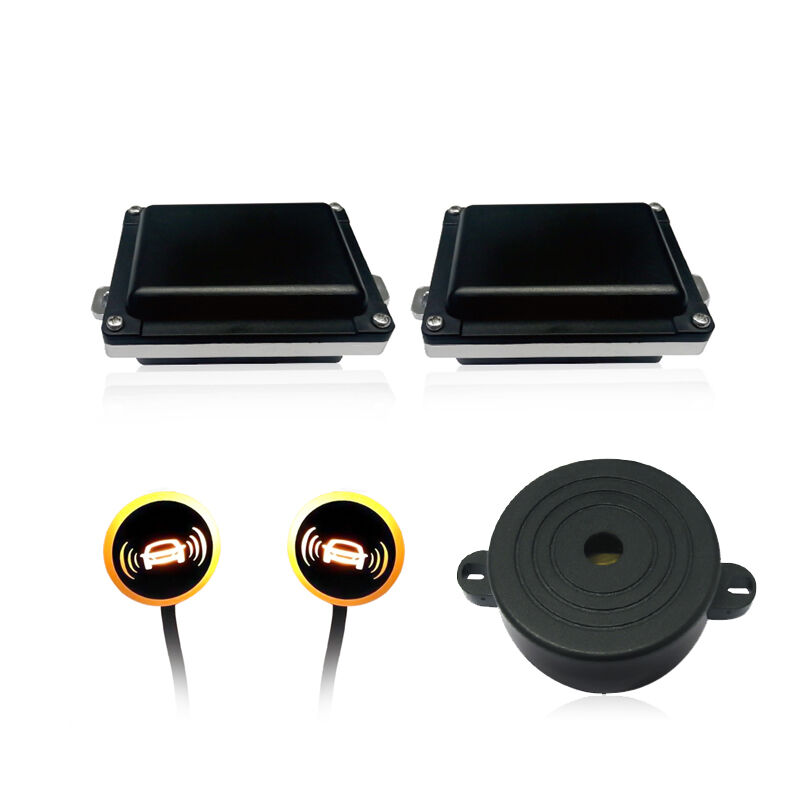
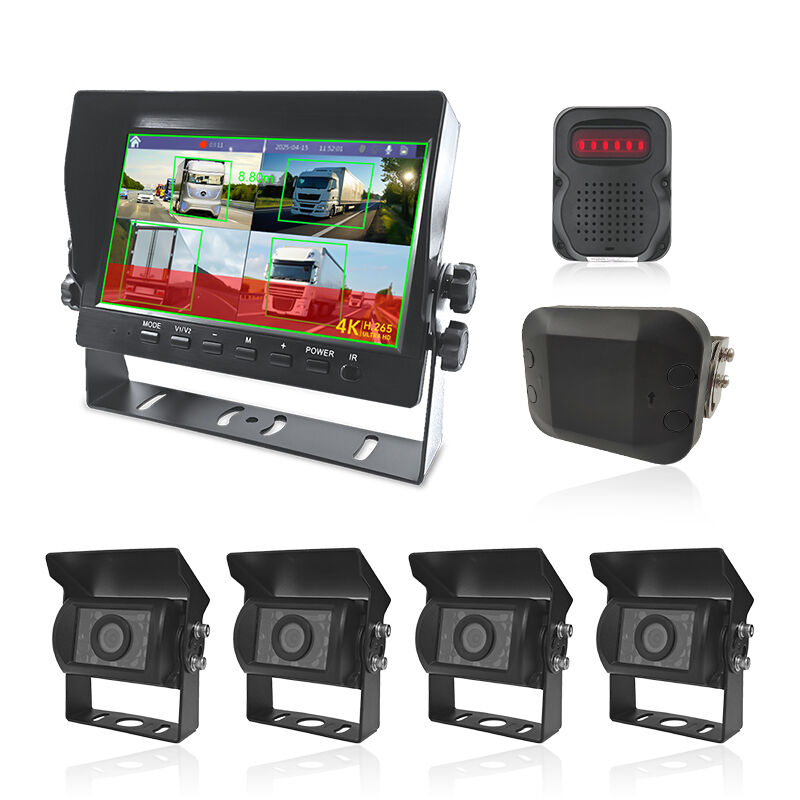
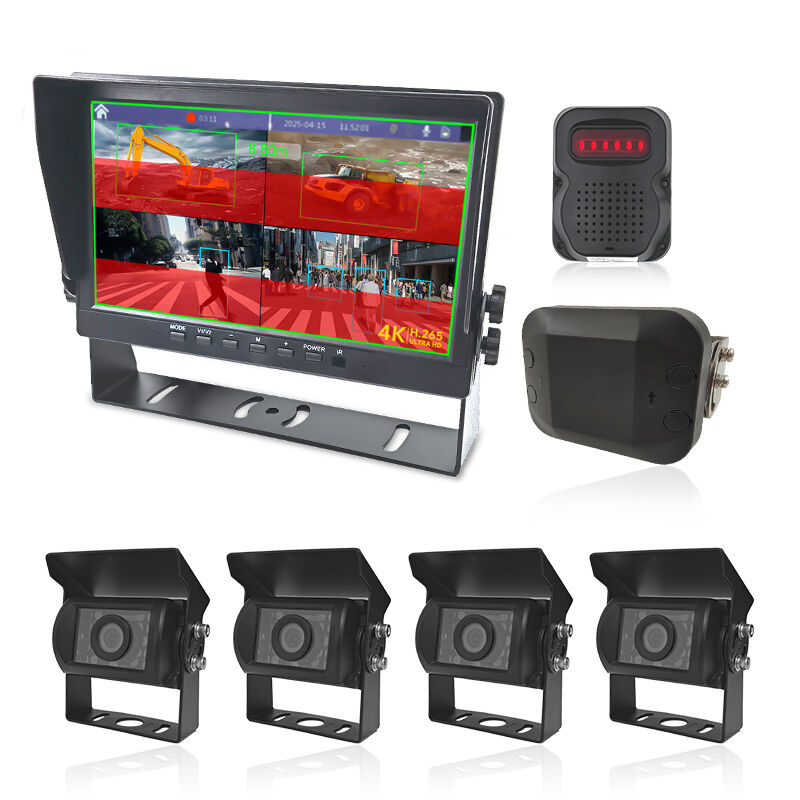
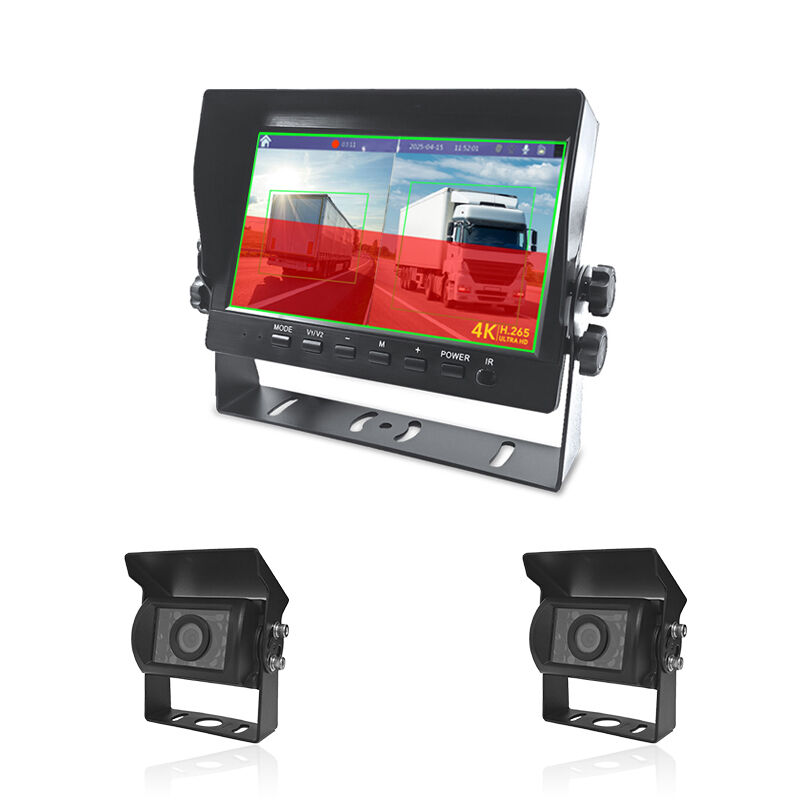
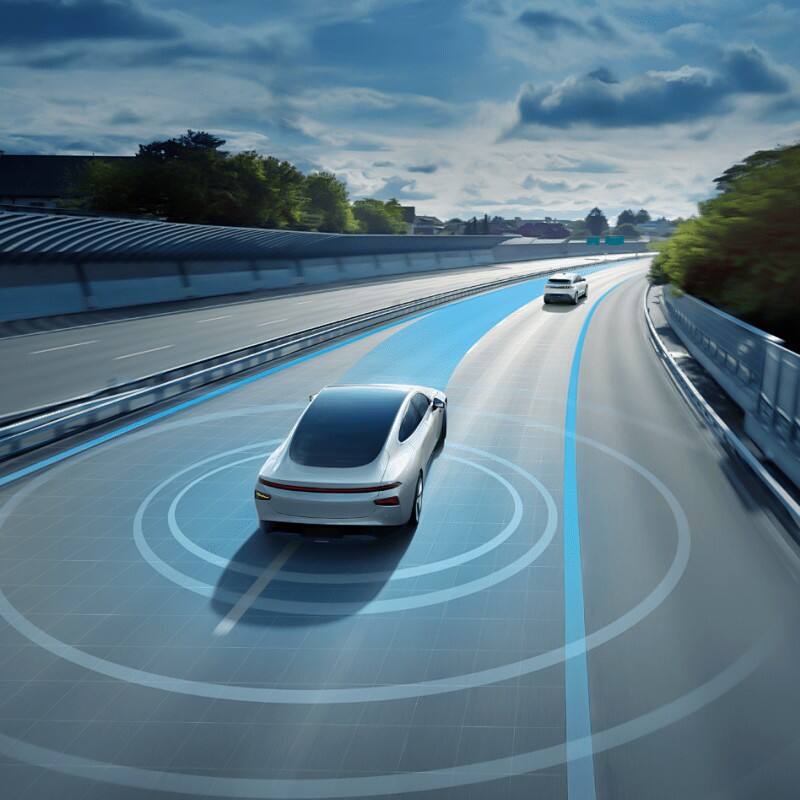
The blind spot monitoring system in cars represents a revolutionary safety technology designed to enhance driver awareness and prevent potential collisions. This sophisticated system utilizes advanced sensors and radar technology to continuously monitor the areas alongside and behind your vehicle that are typically invisible to drivers through standard mirrors. The blind spot monitoring system in cars operates through strategically positioned radar sensors, usually mounted in the rear bumper or side mirrors, which detect vehicles entering or occupying the blind spot zones. When a vehicle is detected in these critical areas, the system immediately alerts the driver through visual indicators, typically LED lights positioned in the side mirrors or A-pillars. Modern implementations of the blind spot monitoring system in cars often incorporate additional warning methods, including audible alerts or haptic feedback through the steering wheel. The technology extends beyond basic detection, with many systems offering lane change assistance that provides more urgent warnings when the driver activates turn signals while another vehicle occupies the blind spot. Advanced versions of the blind spot monitoring system in cars can detect various types of vehicles, from motorcycles to large trucks, adapting their sensitivity accordingly. The system typically activates at speeds above 20 mph, ensuring optimal functionality during highway driving and urban navigation. Some sophisticated blind spot monitoring systems in cars also feature rear cross-traffic alert functionality, warning drivers of approaching vehicles when reversing out of parking spaces. The technology integrates seamlessly with other vehicle safety systems, creating a comprehensive safety network. Installation varies by manufacturer, with some offering the blind spot monitoring system in cars as standard equipment while others provide it as optional safety packages. The system's effectiveness depends on proper sensor calibration and regular maintenance to ensure accurate detection and reliable performance in various weather conditions.

New Product Recommendations

The blind spot monitoring system in cars delivers substantial safety benefits that directly translate to enhanced protection for drivers and passengers. This technology significantly reduces the risk of side-swipe accidents and lane-change collisions, which represent a major category of highway incidents. Drivers gain increased confidence when changing lanes or merging, as the system provides reliable detection of vehicles that might otherwise go unnoticed. The immediate visual and audible alerts ensure that drivers receive timely warnings, allowing them to make informed decisions about lane changes and merging maneuvers. Families particularly benefit from the blind spot monitoring system in cars, as it provides an additional layer of protection during daily commutes and long-distance travel. The system proves especially valuable for older drivers who may experience reduced peripheral vision or slower reaction times, helping them maintain independence while staying safe on the road. Commercial drivers and fleet operators find significant value in the blind spot monitoring system in cars, as it helps reduce liability and insurance costs while protecting valuable cargo and equipment. The technology works effectively in various lighting conditions, from bright daylight to nighttime driving, ensuring consistent performance regardless of environmental factors. Motorcycle detection capabilities make the blind spot monitoring system in cars particularly beneficial in areas with heavy motorcycle traffic, where these smaller vehicles can easily disappear in traditional blind spots. The system reduces driver fatigue by minimizing the constant need to check mirrors and physically turn to inspect blind spots, allowing for more comfortable and less stressful driving experiences. Insurance companies often recognize the safety benefits of the blind spot monitoring system in cars, potentially offering premium discounts for vehicles equipped with this technology. The peace of mind provided by knowing that an additional set of electronic eyes is constantly monitoring dangerous areas allows drivers to focus more effectively on other aspects of safe driving. Parking lot navigation becomes safer with rear cross-traffic alert features, protecting against pedestrians and vehicles approaching from areas outside the driver's direct vision. The system's integration with other safety technologies creates a comprehensive safety network that significantly enhances overall vehicle safety ratings.

Tips And Tricks

L3 Autonomous Driving

23

Dec

L3 Autonomous Driving

View More
The 138th Canton Fair

04

Jan

The 138th Canton Fair

View More
2025 HKTDC (Autumn  Edition)

23

Dec

2025 HKTDC (Autumn Edition)

View More

Get a Free Quote

Our representative will contact you soon.
Email
Name
Company Name
Mobile/WhatsApp
Message
0/1000

blind spot monitoring system in cars

Advanced Sensor Technology for Precise Detection

Advanced Sensor Technology for Precise Detection

The blind spot monitoring system in cars employs cutting-edge radar and sensor technology that delivers exceptional accuracy in detecting vehicles across multiple lanes and varying distances. These sophisticated sensors operate on specific frequency bands that penetrate through various weather conditions, including rain, snow, and fog, ensuring consistent performance when drivers need it most. The sensor array typically consists of multiple radar units strategically positioned to create overlapping detection zones, eliminating gaps in coverage and providing comprehensive monitoring of adjacent lanes. Modern blind spot monitoring systems in cars utilize advanced signal processing algorithms that can distinguish between different types of objects, filtering out false positives from roadside barriers, guardrails, or stationary objects while maintaining sensitivity to moving vehicles. The technology incorporates adaptive sensitivity settings that automatically adjust based on driving conditions and vehicle speed, optimizing detection ranges for highway driving versus urban environments. These sensors can detect vehicles approaching from behind at significantly higher speeds, providing early warnings that allow drivers ample time to react appropriately. The precision of the blind spot monitoring system in cars extends to detecting motorcycles and smaller vehicles that traditional mirrors might miss, addressing one of the most dangerous scenarios in traffic navigation. Installation of these sensors requires precise calibration to ensure optimal performance, with many systems featuring self-diagnostic capabilities that continuously monitor sensor functionality and alert drivers to any maintenance needs. The durability of modern sensor technology ensures long-term reliability, with weatherproof housings and robust construction designed to withstand years of exposure to harsh driving conditions. Advanced systems can even detect vehicles in adjacent lanes that are partially obscured by other traffic, using sophisticated algorithms to track movement patterns and predict potential collision scenarios. The integration of multiple sensor types, including radar and sometimes camera-based systems, creates redundant detection capabilities that significantly enhance the reliability of the blind spot monitoring system in cars.

Intelligent Alert System with Multiple Warning Methods

Intelligent Alert System with Multiple Warning Methods

The alert mechanism of the blind spot monitoring system in cars represents a sophisticated communication system designed to capture driver attention through multiple sensory channels while avoiding distraction or alarm fatigue. Visual indicators typically manifest as bright LED lights integrated into the side mirror housings, positioned within the driver's natural field of vision during mirror checks, ensuring immediate recognition without requiring additional eye movement. The intensity and pattern of these visual alerts often vary based on threat level, with subtle illumination for vehicle presence and more urgent flashing patterns when turn signals are activated while the blind spot remains occupied. Audio alerts complement the visual system, utilizing strategically positioned speakers to deliver directional sound cues that help drivers immediately identify which side of the vehicle requires attention. The blind spot monitoring system in cars incorporates haptic feedback through steering wheel vibration or seat-based tactile alerts, providing warnings that transcend visual and auditory channels, particularly beneficial for hearing-impaired drivers or in noisy driving environments. Smart alert timing ensures that warnings activate at optimal moments, avoiding unnecessary notifications during normal traffic flow while providing immediate alerts when lane change intentions are detected through turn signal activation. The system's intelligence extends to understanding driver behavior patterns, learning to distinguish between deliberate lane changes and accidental drift, adjusting alert sensitivity accordingly to reduce false alarms while maintaining safety effectiveness. Customization options allow drivers to adjust alert preferences, including volume levels, visual brightness, and haptic intensity, ensuring personal comfort while maintaining safety functionality. The integration with vehicle infotainment systems enables the blind spot monitoring system in cars to coordinate with other audio sources, temporarily reducing music volume or pausing phone calls to ensure alert audibility. Progressive alert escalation provides graduated warnings, starting with gentle notifications that increase in intensity if the driver doesn't respond appropriately to initial alerts. Modern systems incorporate machine learning capabilities that adapt to individual driving styles and preferences, optimizing alert timing and intensity based on historical driver responses and behavior patterns.
Comprehensive Safety Integration and Lane Change Assistance

Comprehensive Safety Integration and Lane Change Assistance

The blind spot monitoring system in cars functions as part of a comprehensive safety ecosystem, integrating seamlessly with other advanced driver assistance systems to create a unified protective network that enhances overall vehicle safety performance. This integration enables the system to communicate with lane departure warning systems, adaptive cruise control, and automatic emergency braking to provide coordinated responses to potential hazards. Lane change assistance represents a critical evolution of basic blind spot detection, actively monitoring driver intentions through turn signal activation and providing graduated warnings that escalate from gentle notifications to urgent alerts if lane change attempts continue despite occupied blind spots. The system's sophisticated algorithms continuously analyze traffic patterns and vehicle trajectories, predicting potential collision scenarios before they develop into immediate threats. Advanced implementations of the blind spot monitoring system in cars include rear cross-traffic alert functionality, expanding protection beyond highway driving to include parking lot navigation and residential area maneuvering. This feature proves particularly valuable in busy shopping centers and residential driveways where children, pedestrians, and vehicles may approach from unexpected angles. The integration with GPS and navigation systems allows the blind spot monitoring system in cars to adjust sensitivity based on road types, increasing alertness in construction zones or high-traffic areas while reducing unnecessary warnings in low-risk environments. Speed-dependent activation ensures optimal performance by automatically enabling the system at appropriate velocities, typically above 20 mph, while deactivating during parking maneuvers to prevent false alerts from nearby stationary objects. The system's memory capabilities store driver preferences and behavioral patterns, learning to optimize alert timing and intensity based on individual driving styles and response characteristics. Diagnostic integration provides real-time system health monitoring, alerting drivers to sensor malfunctions or calibration issues that might compromise safety performance. The blind spot monitoring system in cars coordinates with vehicle stability control and traction management systems, providing additional data inputs that enhance overall vehicle dynamics and safety responses. Fleet management integration enables commercial operators to monitor system usage and effectiveness, providing valuable data for driver training programs and safety improvement initiatives. Weather adaptation algorithms automatically adjust sensor sensitivity and alert thresholds based on environmental conditions, maintaining consistent performance during adverse weather while minimizing false alarms caused by precipitation or road spray.
Complete Guide to Blind Spot Monitoring Systems in Cars: Advanced Safety Features and Benefits

Get a Free Quote

Our representative will contact you soon.
Email
Name
Company Name
Mobile/WhatsApp
Message
0/1000