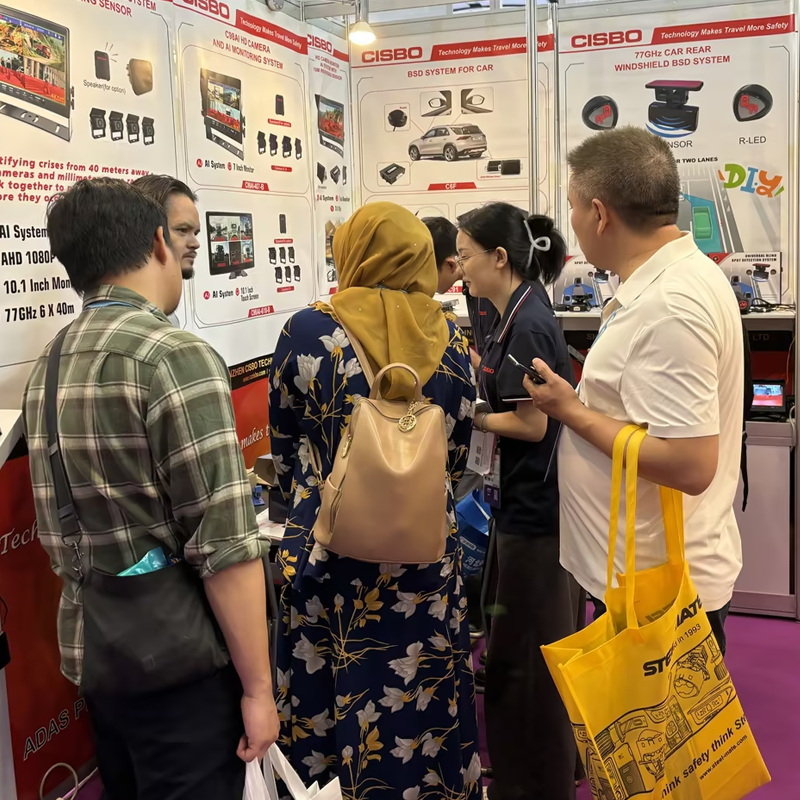
Best Blind Spot Monitoring System - Advanced Safety Technology for Complete Vehicle Protection

Get a Free Quote

Our representative will contact you soon.
Email
Name
Company Name
Mobile/WhatsApp
Message
0/1000

best blind spot monitoring system

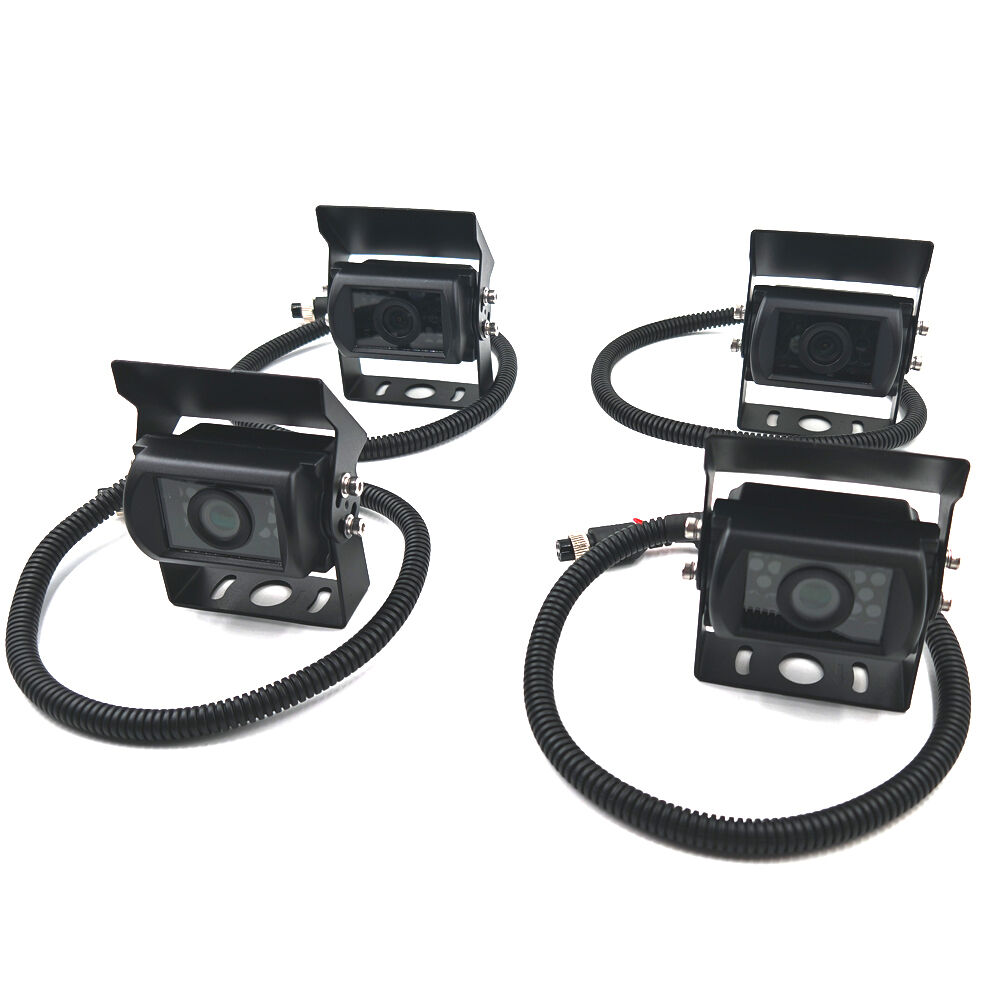
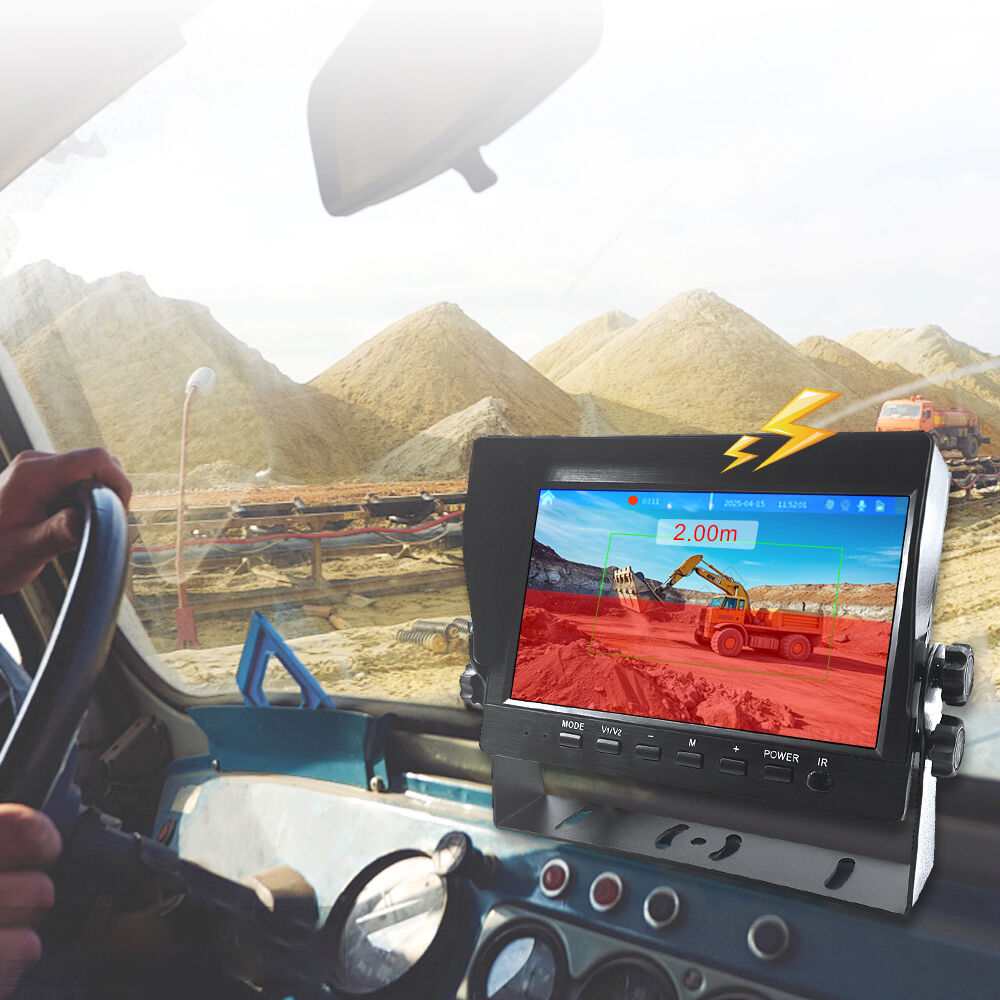
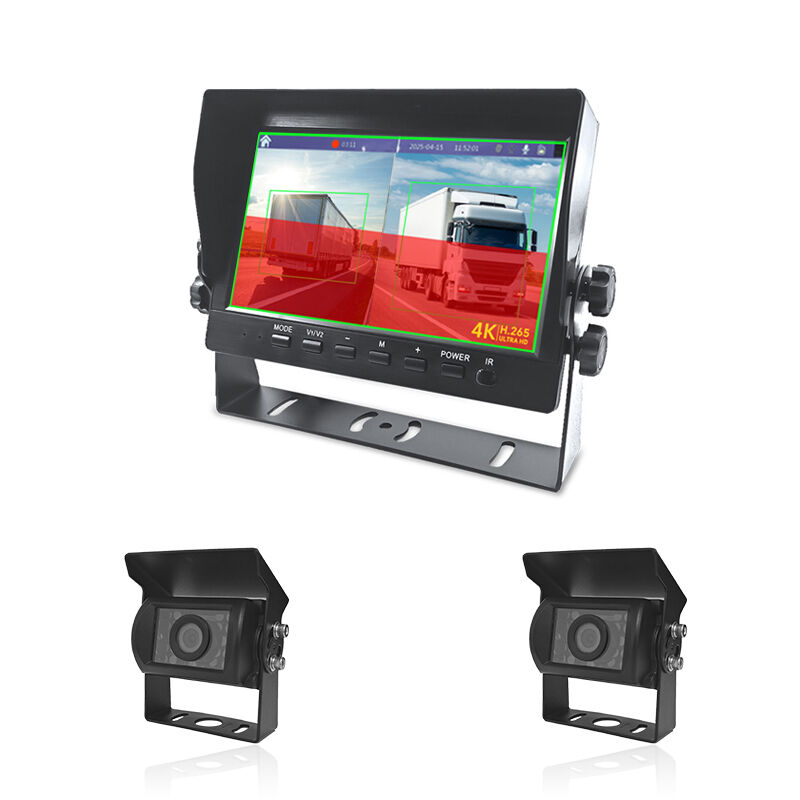
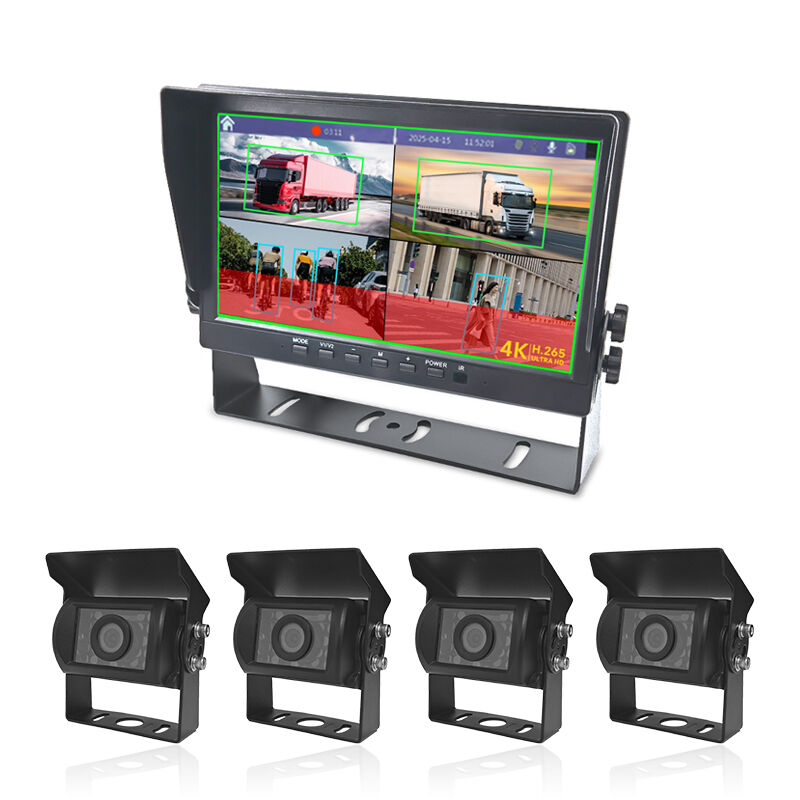
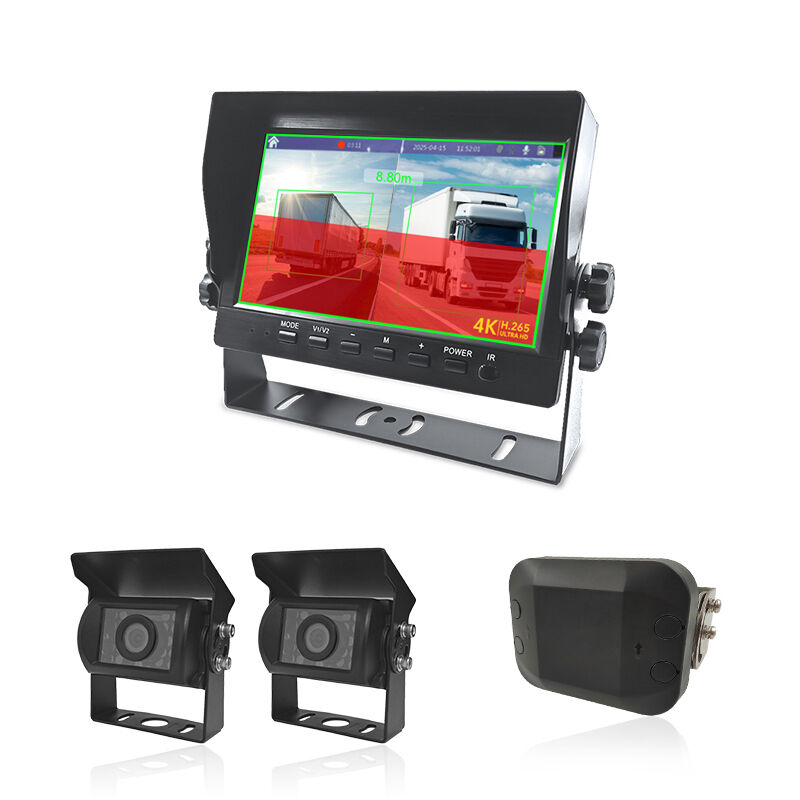
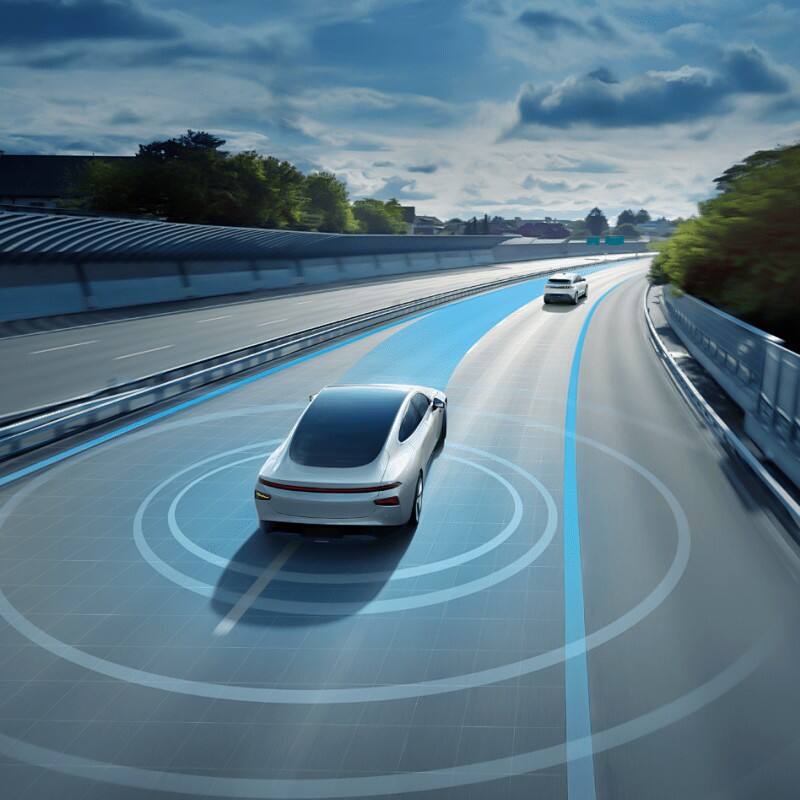
The best blind spot monitoring system represents a revolutionary advancement in automotive safety technology, designed to eliminate one of the most dangerous aspects of driving. This sophisticated system utilizes a combination of radar sensors, cameras, and advanced algorithms to continuously monitor the areas around your vehicle that traditional mirrors cannot cover. Modern blind spot monitoring systems integrate seamlessly with your vehicle's existing safety infrastructure, providing real-time alerts when other vehicles, cyclists, or pedestrians enter your blind zones. The best blind spot monitoring system operates through strategically placed sensors positioned in the rear bumper or side mirrors, constantly scanning adjacent lanes and detecting objects within a predetermined range. When the system identifies a potential hazard, it immediately activates visual indicators, typically LED lights in the side mirrors or A-pillars, alerting drivers to the presence of unseen obstacles. Advanced versions of the best blind spot monitoring system also incorporate audible warnings and haptic feedback through steering wheel vibrations. The technology extends beyond basic detection, offering features like rear cross-traffic alert, which warns drivers of approaching vehicles when backing out of parking spaces. Some premium systems include predictive capabilities that calculate the trajectory and speed of detected objects, providing early warnings before potential collisions occur. The best blind spot monitoring system adapts to various driving conditions, automatically adjusting sensitivity levels based on weather, lighting, and traffic density. Integration with modern vehicles allows these systems to work in conjunction with lane-keeping assist, adaptive cruise control, and automatic emergency braking systems, creating a comprehensive safety network. Installation options range from factory-integrated solutions to aftermarket systems that can be retrofitted to older vehicles, making this life-saving technology accessible to a broader range of drivers seeking enhanced road safety.

New Product Recommendations

The best blind spot monitoring system delivers numerous practical benefits that directly impact driver safety and confidence on the road. First and foremost, this technology dramatically reduces the risk of lane-change accidents, which account for approximately 10% of all traffic collisions according to safety statistics. By providing constant surveillance of blind spots, drivers gain peace of mind knowing they have an extra set of electronic eyes watching areas their natural vision cannot reach. The system works tirelessly without fatigue, maintaining consistent performance regardless of driver alertness levels or external conditions. Unlike human observation, the best blind spot monitoring system never gets distracted, tired, or overwhelmed by multiple tasks, ensuring reliable protection throughout every journey. The technology proves especially valuable during highway driving, where high speeds make quick lane changes particularly hazardous. Drivers experience increased confidence when merging onto busy freeways or navigating through heavy traffic, knowing the system will alert them to vehicles in adjacent lanes. The best blind spot monitoring system also protects vulnerable road users like motorcyclists and cyclists, who are often difficult to spot in traditional mirrors due to their smaller profiles. Parents driving with children benefit significantly from this technology, as it reduces the stress and distraction associated with constantly checking mirrors while managing young passengers. Commercial drivers and fleet operators find tremendous value in these systems, as they help reduce insurance costs and liability while protecting valuable cargo and equipment. The technology adapts to different vehicle sizes and configurations, making it suitable for everything from compact cars to large SUVs and pickup trucks. Night driving becomes significantly safer with the best blind spot monitoring system, as it detects vehicles even in low-light conditions where human vision is compromised. The system's ability to function in adverse weather conditions, including rain, snow, and fog, provides consistent protection when traditional visibility methods fail. Integration with smartphone apps allows some systems to provide detailed reports on driving patterns and near-miss incidents, helping drivers improve their overall safety awareness. The technology also reduces driver fatigue by eliminating the constant need for extensive mirror checking and head turning, allowing for more relaxed and focused driving experiences.

Latest News

L3 Autonomous Driving

23

Dec

L3 Autonomous Driving

View More
The 138th Canton Fair

04

Jan

The 138th Canton Fair

View More
2025 HKTDC (Autumn  Edition)

23

Dec

2025 HKTDC (Autumn Edition)

View More

Get a Free Quote

Our representative will contact you soon.
Email
Name
Company Name
Mobile/WhatsApp
Message
0/1000

best blind spot monitoring system

Advanced Multi-Sensor Detection Technology

Advanced Multi-Sensor Detection Technology

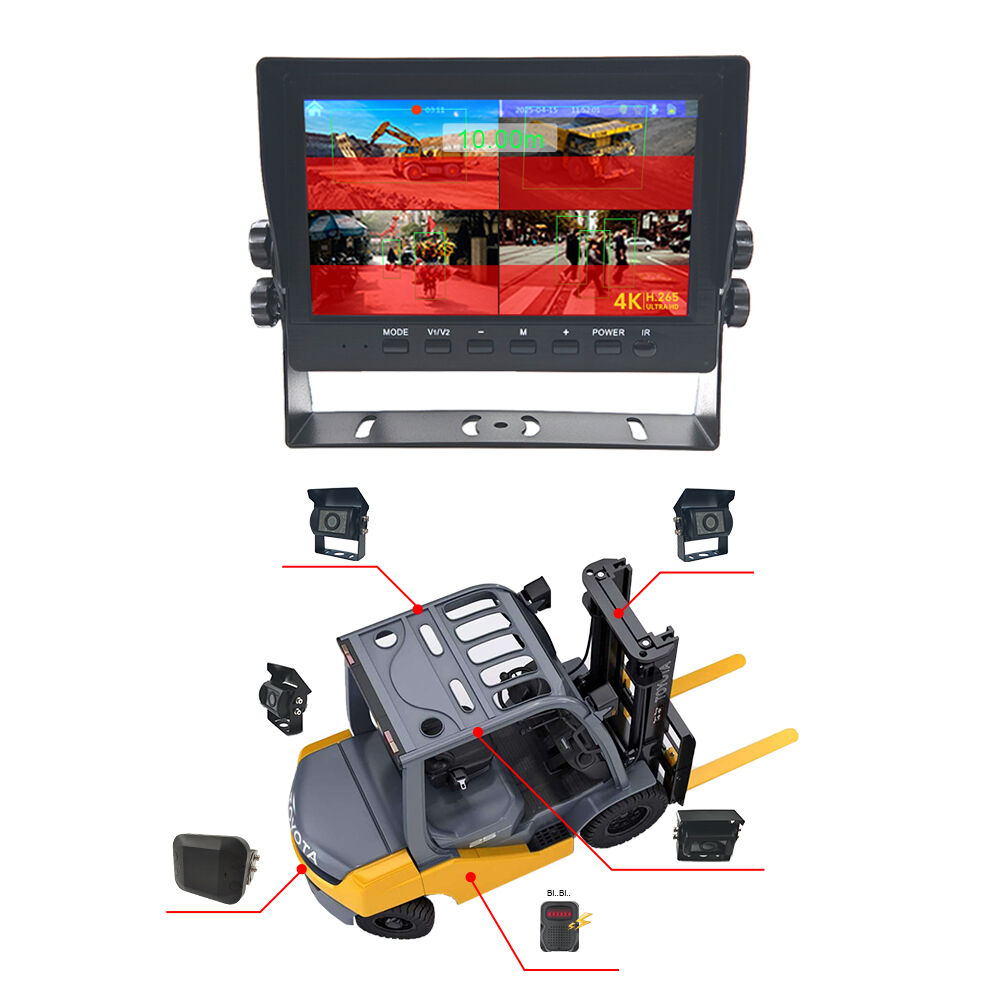
The best blind spot monitoring system employs cutting-edge multi-sensor technology that combines radar, ultrasonic, and camera-based detection methods to create an impenetrable safety net around your vehicle. This sophisticated approach utilizes multiple radar sensors operating at 24GHz frequency bands, strategically positioned to provide 360-degree coverage of blind spot zones extending up to 70 meters behind and alongside your vehicle. The radar technology excels in all weather conditions, penetrating through rain, snow, fog, and dust that would otherwise compromise camera-only systems. Complementing the radar array, high-resolution cameras with infrared capabilities ensure accurate object identification and classification, distinguishing between vehicles, motorcycles, bicycles, and pedestrians with remarkable precision. The system's advanced algorithms process data from all sensors simultaneously, creating a real-time three-dimensional map of the surrounding environment. This multi-layered approach eliminates false positives that plague single-sensor systems, ensuring drivers receive accurate warnings only when genuine threats exist. The best blind spot monitoring system continuously calibrates itself, learning from driving patterns and environmental conditions to optimize performance for individual users. Machine learning capabilities enable the system to recognize recurring scenarios and adjust sensitivity accordingly, reducing unnecessary alerts while maintaining maximum safety coverage. The technology incorporates predictive analytics that calculate the speed and trajectory of detected objects, providing early warnings before potential collision scenarios develop. Integration with vehicle dynamics systems allows the monitoring system to account for your car's acceleration, deceleration, and steering inputs when determining threat levels. The sensors operate silently and invisibly, requiring no maintenance while providing years of reliable service. Advanced signal processing algorithms filter out static objects like guardrails and parked cars while focusing on moving threats that pose actual collision risks. The system's ability to detect objects partially hidden behind other vehicles or structures sets it apart from basic proximity sensors, ensuring comprehensive protection in complex traffic situations.
Intelligent Alert System with Customizable Responses

Intelligent Alert System with Customizable Responses

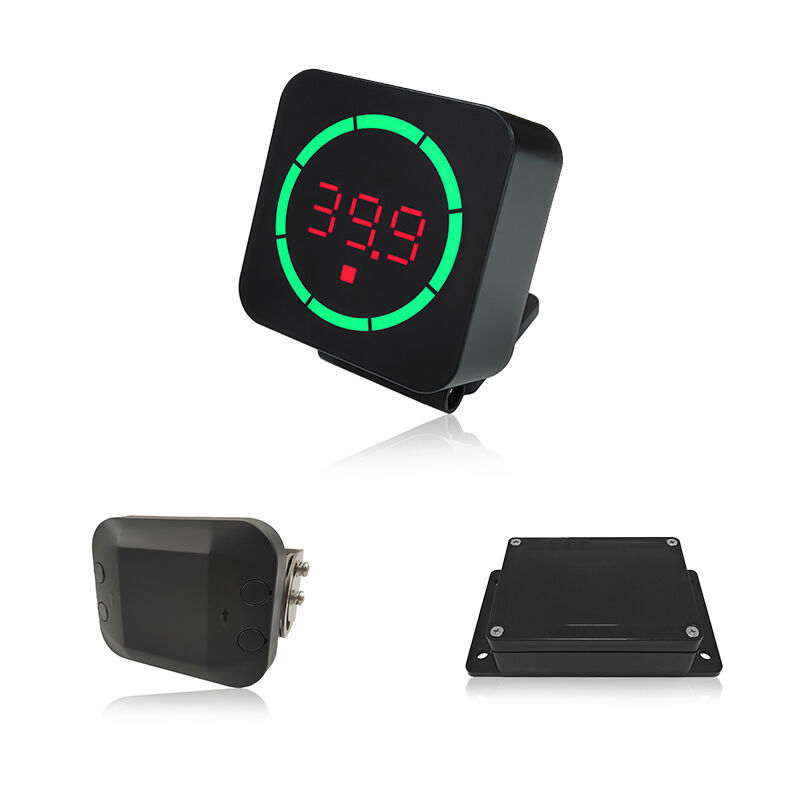
The best blind spot monitoring system features an intelligent alert mechanism that delivers warnings through multiple sensory channels, ensuring drivers receive clear notifications regardless of driving conditions or personal preferences. The primary visual alert system utilizes bright LED indicators strategically placed in side mirrors, A-pillars, or dashboard displays, providing immediate visual feedback that integrates naturally with normal driving sight patterns. These indicators use carefully selected amber and red color schemes that maintain visibility in all lighting conditions, from bright daylight to complete darkness. The system's adaptive brightness technology automatically adjusts indicator intensity based on ambient light levels, ensuring optimal visibility without causing distraction or glare. Audio alerts complement visual warnings with carefully engineered chimes and tones that cut through road noise and music without startling drivers. The best blind spot monitoring system allows users to customize alert preferences, including volume levels, tone selection, and activation thresholds to match individual driving styles and preferences. Advanced haptic feedback options include steering wheel vibration patterns that provide tactile warnings, particularly beneficial for hearing-impaired drivers or situations where audio alerts might be missed. The progressive alert system escalates warning intensity based on threat proximity and closure rate, starting with gentle notifications for distant objects and increasing urgency as collision risks heighten. Smart integration with vehicle infotainment systems temporarily reduces music volume or pauses phone calls when critical alerts activate, ensuring important safety messages reach drivers immediately. The system distinguishes between different types of detected objects, providing specific alert patterns for motorcycles, large trucks, or emergency vehicles, helping drivers make informed decisions about lane changes and merging maneuvers. Customizable sensitivity settings allow drivers to adjust the system's responsiveness based on driving environments, with highway, city, and parking modes optimized for different scenarios. The best blind spot monitoring system includes a learning mode that observes individual driving patterns and adjusts alert timing to match personal reaction speeds and preferences. Integration with driver assistance systems enables coordinated responses, such as gentle steering corrections or brake pre-charging when imminent collision threats are detected.
Seamless Integration and Universal Compatibility

Seamless Integration and Universal Compatibility

The best blind spot monitoring system stands out through its exceptional integration capabilities and universal compatibility across diverse vehicle types and model years. This versatility stems from modular design architecture that accommodates both factory installation during manufacturing and aftermarket retrofitting for existing vehicles. The system's plug-and-play connectivity utilizes standard automotive communication protocols, including CAN bus integration that allows seamless interaction with existing vehicle electronics without compromising warranties or interfering with other systems. Professional installation typically requires only two to three hours, with mounting brackets and wiring harnesses designed for specific vehicle makes and models to ensure perfect fitment and optimal sensor positioning. The best blind spot monitoring system adapts to various vehicle architectures, from compact sedans to large SUVs, pickup trucks, and commercial vehicles, with adjustable detection zones that account for different vehicle dimensions and blind spot characteristics. Advanced calibration procedures ensure optimal performance regardless of vehicle height, width, or mirror configuration, with automatic learning algorithms that adapt to specific vehicle dynamics and handling characteristics. The system maintains full functionality even when integrated with existing factory safety systems, often enhancing rather than conflicting with features like lane departure warning, adaptive cruise control, and automatic emergency braking. Compatibility extends to various electrical systems, operating efficiently on both 12-volt and 24-volt automotive platforms commonly found in passenger vehicles and commercial fleets. The best blind spot monitoring system includes provisions for trailer monitoring, automatically adjusting detection zones when towing equipment is connected, ensuring continued protection even with extended vehicle configurations. Software updates can be performed through wireless connections or diagnostic ports, keeping the system current with latest algorithms and compatibility improvements without requiring physical modifications. The system's robust design withstands automotive environmental challenges, including temperature extremes from -40°F to 185°F, moisture exposure, road salt, and vibration stresses encountered in daily driving. Integration with smartphone applications enables remote monitoring, system diagnostics, and performance analytics, allowing users to track system health and receive maintenance notifications. Universal mounting solutions accommodate vehicles with different bumper designs, mirror configurations, and body styles, ensuring the best blind spot monitoring system can protect virtually any vehicle on the road.

Best Blind Spot Monitoring System - Advanced Safety Technology for Complete Vehicle Protection

Get a Free Quote

Our representative will contact you soon.
Email
Name
Company Name
Mobile/WhatsApp
Message
0/1000