OEM Blind Spot Detection System: Advanced Vehicle Safety Technology for Enhanced Driving Protection

Get a Free Quote

Our representative will contact you soon.
Email
Name
Company Name
Mobile/WhatsApp
Message
0/1000

oem blind spot detection system

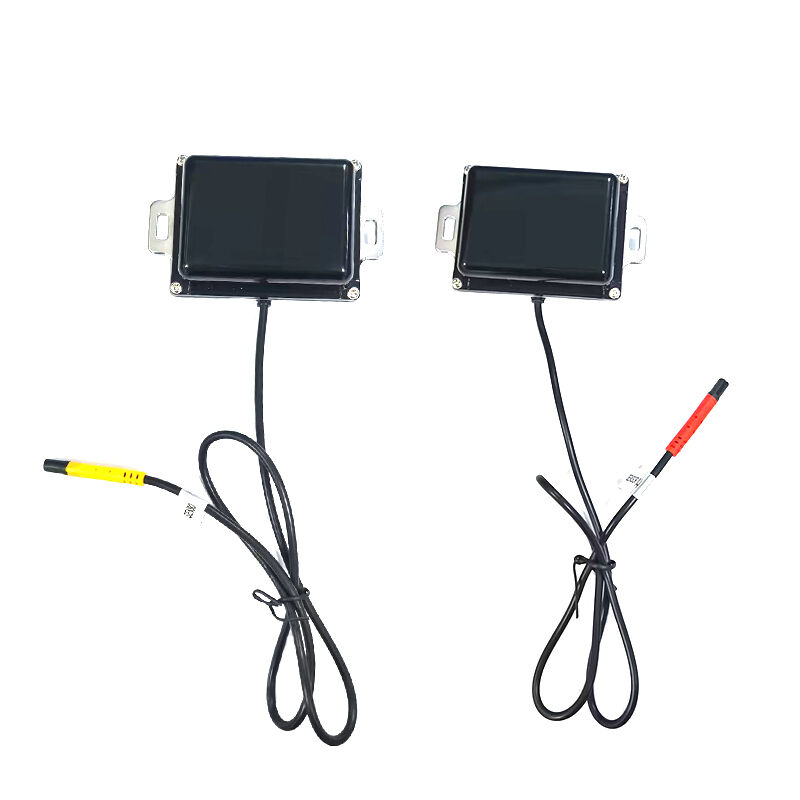
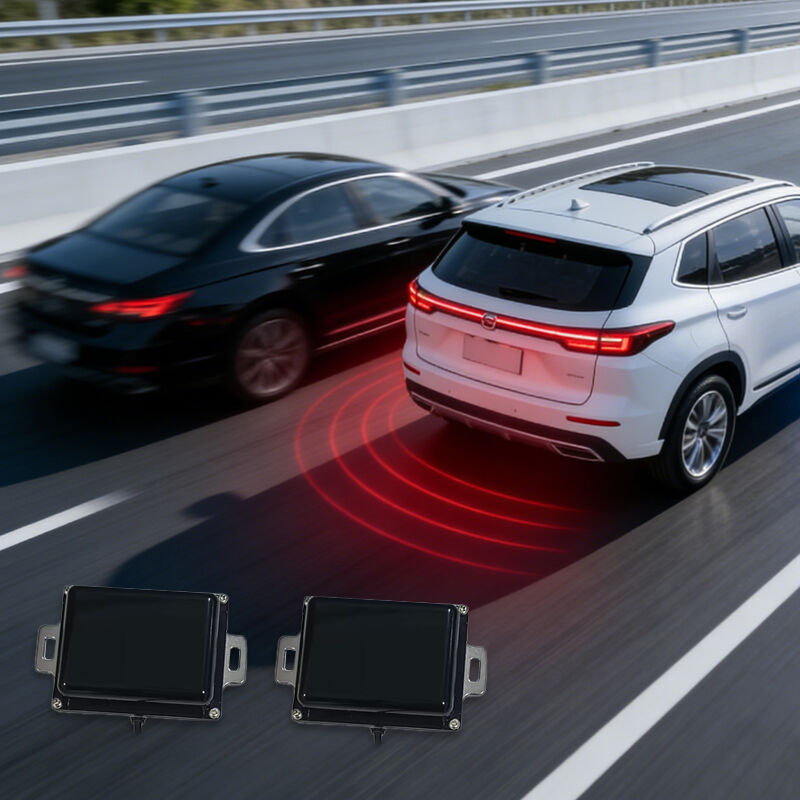
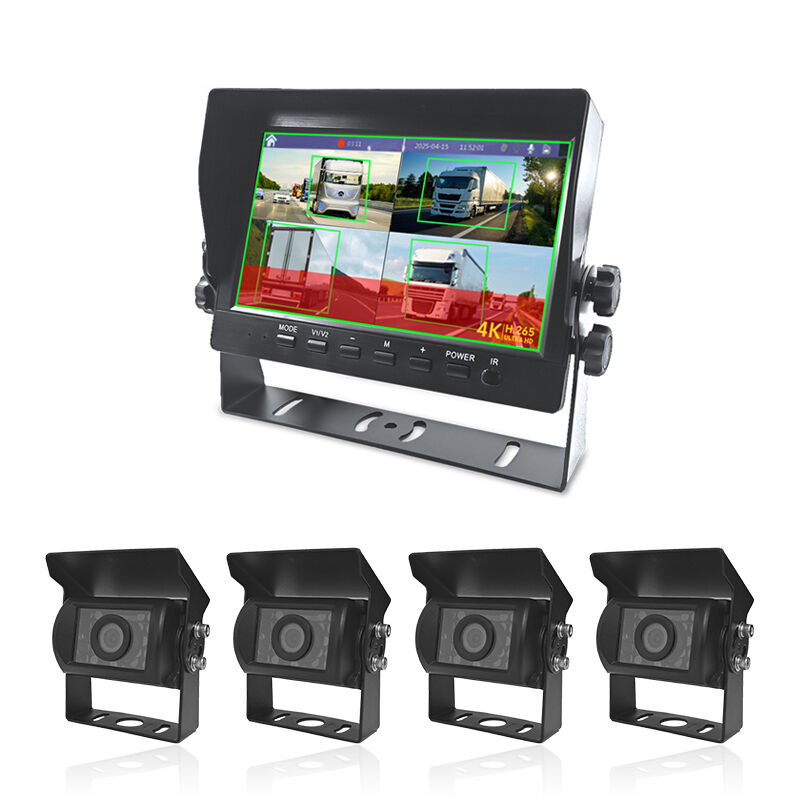
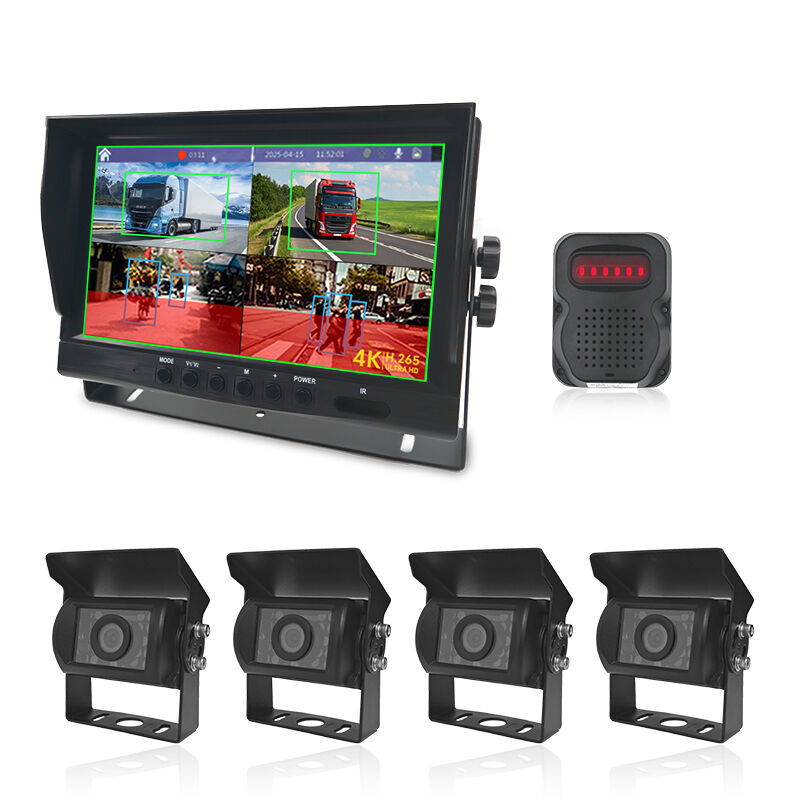
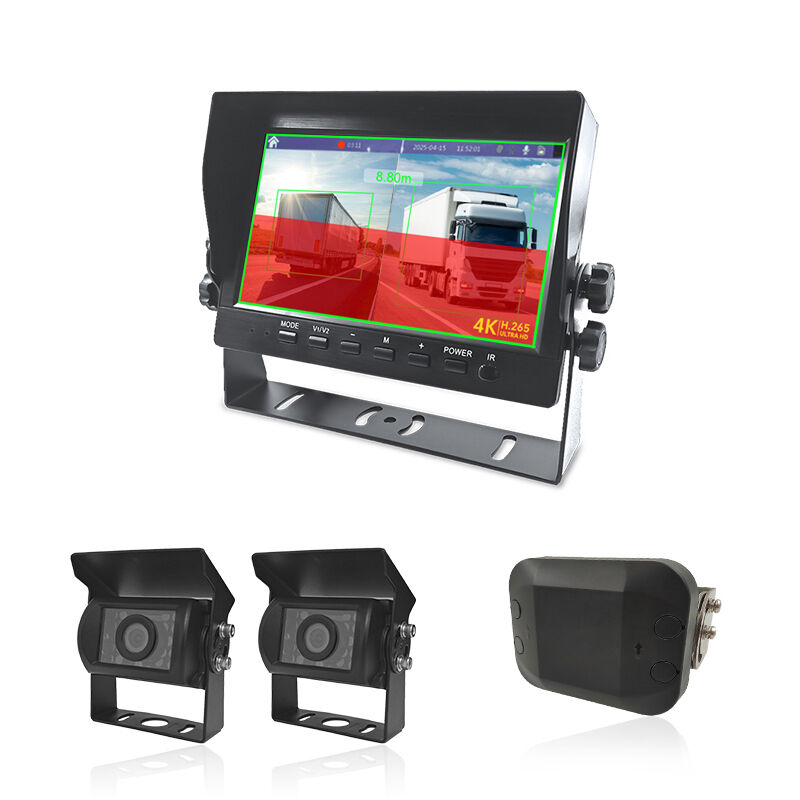
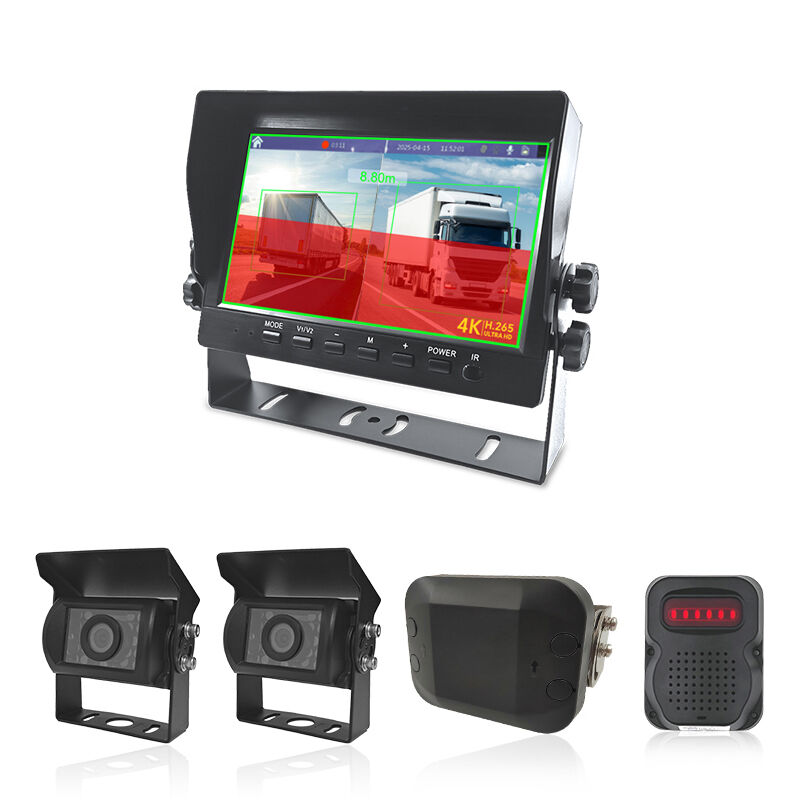
The OEM blind spot detection system represents a cutting-edge automotive safety technology that actively monitors areas around vehicles where drivers typically experience limited visibility. This advanced system utilizes sophisticated radar sensors, cameras, and ultrasonic technology to continuously scan the vehicle's surroundings, particularly focusing on the critical zones beside and slightly behind the driver's position. The OEM blind spot detection system employs real-time data processing to identify vehicles, motorcycles, bicycles, and pedestrians that may be positioned in these dangerous areas. When the system detects an object or vehicle in the blind spot, it immediately alerts the driver through visual indicators, typically located in the side mirrors or A-pillars, and may also provide audible warnings or tactile feedback through the steering wheel or seat. The technological framework of the OEM blind spot detection system incorporates multiple sensor arrays strategically positioned throughout the vehicle's exterior. These sensors work in conjunction with advanced algorithms that can distinguish between stationary objects like guardrails or barriers and moving targets that pose potential collision risks. The system's artificial intelligence capabilities enable it to learn and adapt to different driving conditions, weather patterns, and traffic scenarios. Modern OEM blind spot detection systems feature integration with other vehicle safety technologies, creating a comprehensive protective network that enhances overall driving safety. Applications of this technology extend beyond passenger vehicles to commercial trucks, delivery vans, and even recreational vehicles, where blind spots present significantly greater challenges due to vehicle size and configuration. The system's effectiveness has been proven through extensive testing and real-world implementation, demonstrating measurable reductions in side-impact collisions and lane-change accidents across various vehicle categories and driving environments.

New Product Releases

The OEM blind spot detection system delivers substantial safety improvements that directly protect drivers, passengers, and other road users from potentially devastating accidents. This technology eliminates the guesswork associated with lane changes and merging maneuvers, providing drivers with instant awareness of vehicles or objects that traditional mirrors cannot reveal. The system operates continuously without requiring driver input, ensuring consistent protection regardless of fatigue levels, distractions, or varying attention spans that naturally occur during extended driving periods. Financial benefits emerge through reduced insurance premiums, as many insurance providers offer discounts for vehicles equipped with advanced safety features like the OEM blind spot detection system. The technology also helps preserve vehicle value by preventing costly repairs associated with side-impact collisions, scratches, and dents that commonly occur during parking or lane-changing incidents. Enhanced confidence levels represent another significant advantage, particularly for new drivers or those operating larger vehicles where blind spots create substantial visibility challenges. The OEM blind spot detection system provides peace of mind for families, knowing that additional layers of protection actively monitor dangerous areas around their vehicles. Commercial fleet operators experience reduced liability exposure and lower maintenance costs when their vehicles incorporate this safety technology. The system's integration with existing vehicle electronics ensures seamless operation without compromising other automotive functions or requiring specialized maintenance procedures. Weather adaptability allows the OEM blind spot detection system to maintain effectiveness during rain, snow, or fog conditions when human vision becomes compromised. The technology supports aging drivers who may experience decreased mobility or vision limitations that make traditional shoulder checks difficult or unsafe. Emergency response capabilities built into advanced versions of the OEM blind spot detection system can automatically apply corrective steering or braking when imminent collisions are detected, potentially preventing accidents entirely. Long-term reliability of OEM systems ensures consistent performance throughout the vehicle's operational life, backed by manufacturer warranties and service support networks. The technology's continuous evolution means that drivers benefit from ongoing improvements in detection accuracy, response times, and integration with emerging automotive safety standards.

Latest News

L3 Autonomous Driving

23

Dec

L3 Autonomous Driving

View More
The 138th Canton Fair

04

Jan

The 138th Canton Fair

View More
2025 HKTDC (Autumn  Edition)

23

Dec

2025 HKTDC (Autumn Edition)

View More

Get a Free Quote

Our representative will contact you soon.
Email
Name
Company Name
Mobile/WhatsApp
Message
0/1000

oem blind spot detection system

Advanced Multi-Sensor Technology Integration

Advanced Multi-Sensor Technology Integration

The OEM blind spot detection system incorporates a sophisticated array of detection technologies that work together to create an unprecedented level of awareness around your vehicle. This comprehensive sensor network combines radar technology, high-definition cameras, and ultrasonic sensors to provide complete coverage of critical blind spot areas. The radar components operate on multiple frequency bands, allowing the system to detect objects at varying distances and speeds with remarkable precision. These sensors can identify vehicles approaching from behind at high rates of speed, giving drivers advance warning of potential dangers during lane changes or merging situations. The camera systems utilize advanced image processing algorithms that can distinguish between different types of objects, ensuring that the OEM blind spot detection system responds appropriately to vehicles, motorcycles, bicycles, and pedestrians while filtering out false alarms from stationary objects like roadside barriers or construction equipment. The integration of multiple sensor types creates redundancy that enhances system reliability, ensuring that if one sensor experiences interference or temporary obstruction, alternative detection methods maintain protective coverage. Weather compensation algorithms automatically adjust sensor sensitivity based on environmental conditions, maintaining consistent performance during rain, snow, fog, or extreme temperatures. The system's processing unit analyzes data from all sensors simultaneously, creating a real-time three-dimensional map of the vehicle's surroundings that updates hundreds of times per second. This continuous monitoring capability means that the OEM blind spot detection system can track multiple objects simultaneously, maintaining awareness of complex traffic situations where several vehicles may be present in adjacent lanes. The technology also incorporates predictive algorithms that can anticipate potential collision scenarios based on the relative speeds and trajectories of detected objects, providing earlier warnings when dangerous situations develop. Advanced filtering capabilities prevent nuisance alerts by learning to recognize common driving scenarios and adjusting alert thresholds accordingly, ensuring that drivers receive notifications only when genuine safety concerns exist.
Intelligent Alert System with Customizable Settings

Intelligent Alert System with Customizable Settings

The OEM blind spot detection system features an intelligent notification framework that delivers critical safety information through multiple sensory channels while allowing drivers to customize alert preferences according to their individual needs and driving habits. The visual alert system utilizes strategically positioned LED indicators in side mirrors, door panels, or A-pillar areas that provide bright, unmistakable warnings when objects enter blind spot zones. These visual indicators employ distinct color coding and flashing patterns to communicate different levels of urgency, with steady illumination for stationary objects and rapid flashing for approaching vehicles that pose immediate collision risks. The audible alert component of the OEM blind spot detection system generates carefully calibrated warning tones that cut through ambient road noise without causing driver startle responses that could lead to overcorrection or panic reactions. Advanced systems incorporate directional audio technology that can indicate which side of the vehicle requires attention, helping drivers quickly identify the specific area of concern. Haptic feedback options provide tactile warnings through steering wheel vibration, seat pulsation, or brake pedal resistance, offering additional communication channels that prove especially valuable for hearing-impaired drivers or situations where visual and audible alerts might be missed due to distractions or environmental factors. The customization capabilities of the OEM blind spot detection system allow drivers to adjust alert sensitivity, timing, and intensity to match their comfort levels and driving experience. Experienced drivers may prefer subtle notifications that provide information without being intrusive, while new drivers might benefit from more prominent alerts that ensure safety warnings are never overlooked. The system can also adapt its alert behavior based on driving conditions, providing more aggressive warnings during highway speeds while offering gentler notifications during parking or low-speed maneuvers. Integration with vehicle infotainment systems enables drivers to access system settings through familiar touchscreen interfaces, making customization simple and intuitive. The intelligent alert system learns from driver responses and gradually optimizes its notification strategies to provide the most effective warnings for each individual user, creating a personalized safety experience that improves over time.
Seamless Vehicle Integration and Future-Ready Connectivity

Seamless Vehicle Integration and Future-Ready Connectivity

The OEM blind spot detection system represents the pinnacle of automotive integration technology, designed to work harmoniously with existing vehicle systems while providing a foundation for future safety innovations and connected vehicle capabilities. This comprehensive integration approach ensures that the blind spot detection functionality operates as a native component of the vehicle's safety ecosystem rather than an aftermarket addition, resulting in superior performance, reliability, and user experience. The system interfaces directly with the vehicle's central processing unit, allowing it to share data with other safety technologies such as lane departure warning systems, adaptive cruise control, and automatic emergency braking functions. This interconnectedness creates a synergistic safety network where multiple systems can coordinate their responses to provide optimal protection in complex driving scenarios. The OEM blind spot detection system can communicate with the vehicle's stability control systems to provide gentle steering corrections when lane changes are attempted with objects present in blind spots, offering a subtle but effective intervention that helps prevent accidents without alarming the driver. Integration with the vehicle's navigation system enables the technology to adjust its sensitivity based on road types, traffic patterns, and speed limits, providing contextually appropriate alerts that match the driving environment. The system's compatibility with vehicle-to-vehicle communication protocols positions it to take advantage of emerging connected vehicle technologies, where cars can share information about their positions, speeds, and intentions to create an even more comprehensive safety network. Future updates can be delivered through over-the-air software updates, ensuring that the OEM blind spot detection system continues to improve and evolve throughout the vehicle's operational life. The integration extends to the vehicle's diagnostic systems, providing maintenance alerts and system health information through the dashboard display, ensuring optimal performance and early detection of any service requirements. This native integration approach also ensures that warranty coverage remains intact and that service technicians at authorized dealerships have the training and equipment necessary to maintain and repair the system. The seamless integration philosophy means that the OEM blind spot detection system draws power efficiently from the vehicle's electrical system, operates quietly without interference to other electronic components, and maintains consistent performance across all operating conditions without requiring driver intervention or system initialization procedures.

OEM Blind Spot Detection System: Advanced Vehicle Safety Technology for Enhanced Driving Protection

Get a Free Quote

Our representative will contact you soon.
Email
Name
Company Name
Mobile/WhatsApp
Message
0/1000