Proximity Warning Alarm System: Advanced Safety Technology for Industrial Collision Prevention

Get a Free Quote

Our representative will contact you soon.
Email
Name
Company Name
Mobile/WhatsApp
Message
0/1000

proximity warning alarm system

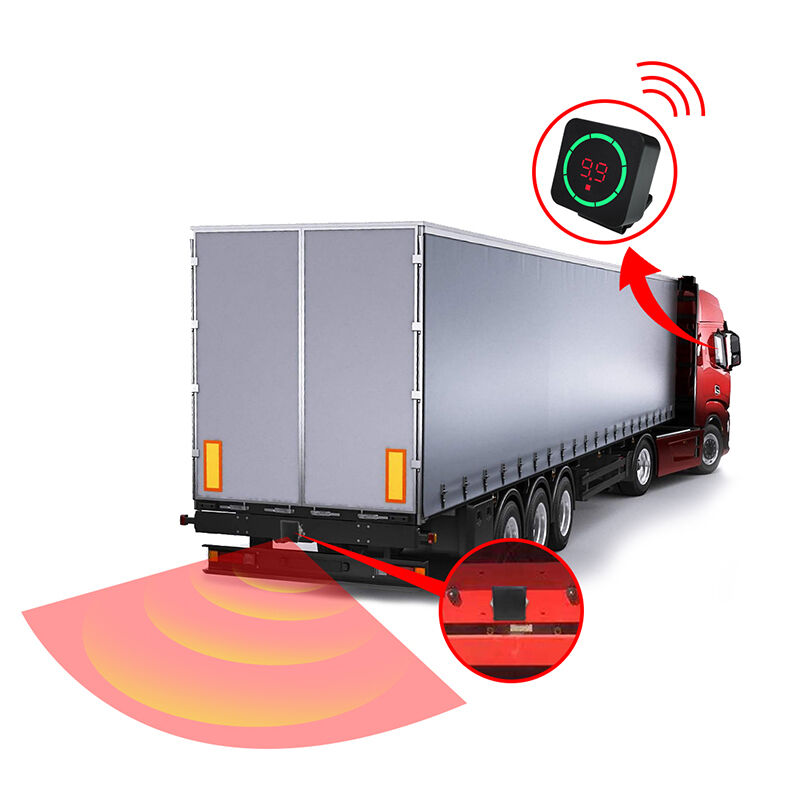
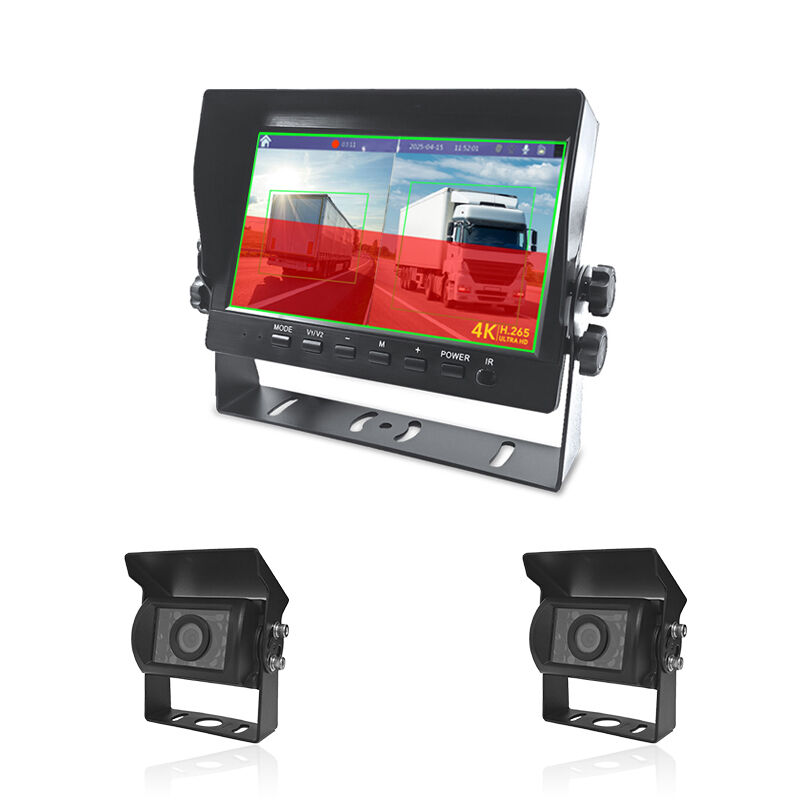
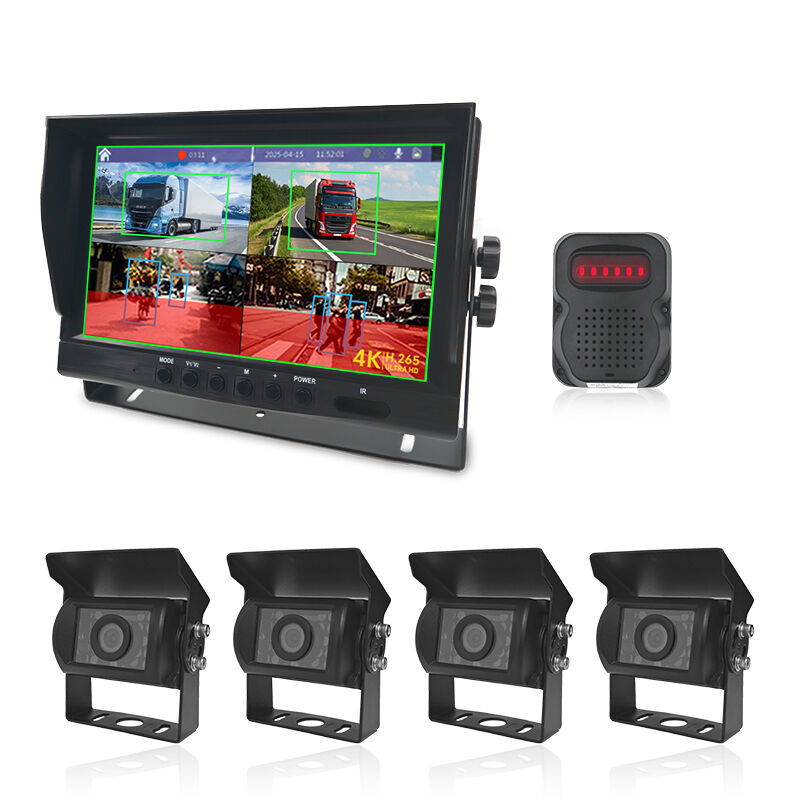
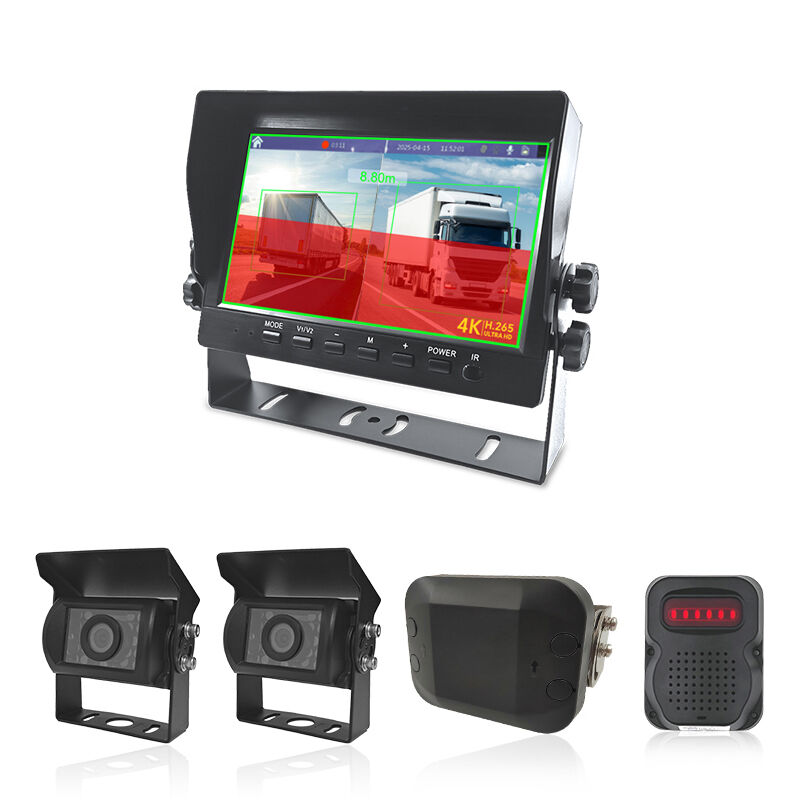
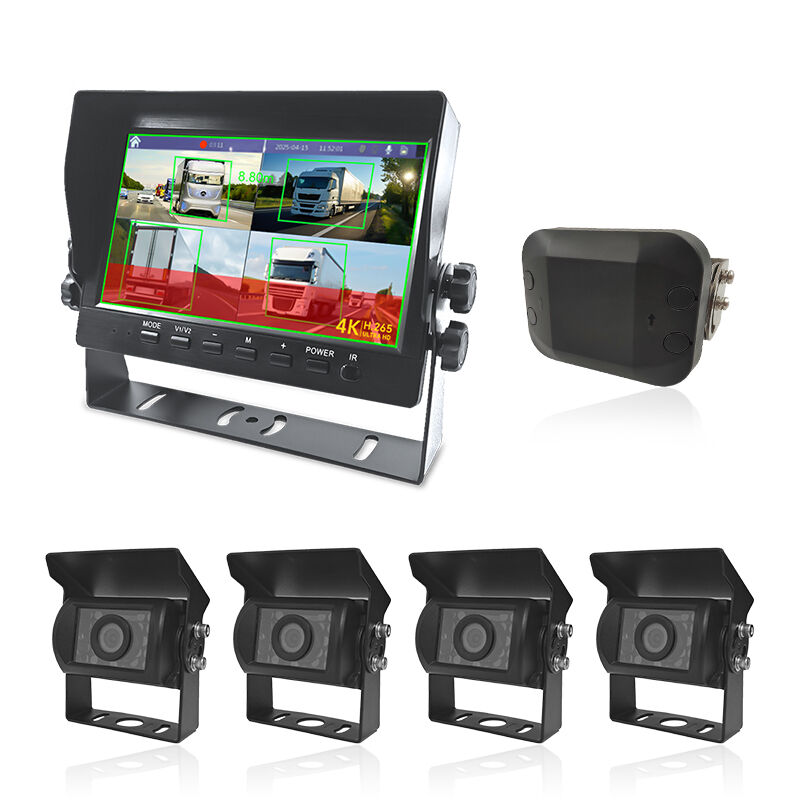
A proximity warning alarm system represents a cutting-edge safety technology designed to prevent collisions and accidents in various industrial and commercial environments. This sophisticated system utilizes advanced sensor technology to detect objects, personnel, or vehicles within predetermined danger zones, immediately triggering audio and visual warnings to alert operators and nearby individuals of potential hazards. The proximity warning alarm system serves as a critical component in modern workplace safety protocols, offering real-time monitoring and instant response capabilities that significantly reduce the risk of accidents and injuries. The core functionality of this system centers around its ability to continuously scan designated areas using multiple detection methods, including radar, ultrasonic, infrared, and magnetic field technologies. When the proximity warning alarm system identifies movement or presence within its configured safety perimeter, it instantly activates warning mechanisms such as loud audible alarms, flashing LED lights, and visual displays. This immediate response ensures that both equipment operators and ground personnel receive timely notifications, allowing them to take appropriate preventive actions. The technological framework of the proximity warning alarm system incorporates intelligent algorithms that can distinguish between different types of objects and movements, reducing false alarms while maintaining high sensitivity to genuine threats. Modern systems feature adjustable detection zones, customizable warning levels, and integration capabilities with existing safety management systems. The proximity warning alarm system finds extensive applications across diverse industries, including construction sites where heavy machinery operates alongside workers, mining operations with large vehicles and equipment, warehouses with forklifts and pedestrian traffic, airports with ground support vehicles, and manufacturing facilities with automated machinery. Additionally, the system proves invaluable in maritime environments, railway operations, and any workplace where the interaction between moving equipment and personnel presents safety risks. The proximity warning alarm system's versatility allows it to adapt to various environmental conditions and operational requirements, making it an essential investment for organizations prioritizing worker safety and operational efficiency.

New Product Releases

The proximity warning alarm system delivers substantial benefits that directly impact workplace safety, operational efficiency, and cost management for businesses across multiple industries. The primary advantage lies in its proactive accident prevention capabilities, where the system creates an invisible safety barrier around potentially dangerous equipment and vehicles. This early warning mechanism enables workers and operators to respond immediately to hazardous situations, dramatically reducing the likelihood of collisions, injuries, and fatalities. Organizations implementing a proximity warning alarm system typically experience significant reductions in workplace accidents, leading to lower insurance premiums, reduced workers' compensation claims, and improved safety ratings. The financial benefits extend beyond direct cost savings, as companies avoid production delays, equipment damage, and regulatory penalties associated with workplace incidents. The system enhances productivity by maintaining smooth operations while ensuring safety standards, allowing workers to focus on their tasks with confidence knowing they have reliable protection. The proximity warning alarm system operates continuously without requiring constant human supervision, providing 24/7 monitoring that never experiences fatigue or distraction. This consistent vigilance ensures that safety protocols remain effective during all shifts and working conditions, including low visibility situations such as night work, foggy weather, or dusty environments. The technology adapts seamlessly to various workplace configurations, offering customizable detection zones that can be adjusted based on specific operational needs and environmental factors. Installation and maintenance of the proximity warning alarm system prove remarkably straightforward, with minimal disruption to existing operations and quick integration with current safety protocols. The system's durability and reliability mean that once installed, it provides years of dependable service with minimal maintenance requirements, making it a cost-effective long-term investment. Training requirements for staff are minimal, as the proximity warning alarm system operates automatically and requires only basic understanding of its warning signals. The technology's user-friendly design ensures that workers can quickly adapt to its presence and respond appropriately to its alerts. Furthermore, the system generates valuable data about traffic patterns, near-miss incidents, and safety compliance, enabling organizations to make informed decisions about workplace improvements and risk management strategies. This data collection capability helps companies demonstrate their commitment to safety to regulators, clients, and stakeholders, potentially opening doors to new business opportunities and partnerships.

Practical Tips

L3 Autonomous Driving

23

Dec

L3 Autonomous Driving

View More
The 138th Canton Fair

04

Jan

The 138th Canton Fair

View More
2025 HKTDC (Autumn  Edition)

23

Dec

2025 HKTDC (Autumn Edition)

View More

Get a Free Quote

Our representative will contact you soon.
Email
Name
Company Name
Mobile/WhatsApp
Message
0/1000

proximity warning alarm system

Advanced Multi-Sensor Detection Technology

Advanced Multi-Sensor Detection Technology

The proximity warning alarm system incorporates state-of-the-art multi-sensor detection technology that sets it apart from conventional safety solutions in the market. This sophisticated approach combines radar, ultrasonic, infrared, and magnetic field sensors to create a comprehensive detection network that operates effectively in all weather conditions and environmental situations. The radar component provides long-range detection capabilities, identifying moving objects at distances up to 50 meters, while ultrasonic sensors offer precise short-range detection for fine-tuned proximity monitoring. Infrared technology enhances the system's ability to detect heat signatures, making it particularly effective in identifying personnel even when they are partially obscured or wearing reflective clothing. The magnetic field sensors add another layer of detection, particularly useful for identifying metallic objects and vehicles that might not be easily detected by other sensor types. This multi-layered approach ensures that the proximity warning alarm system maintains consistently high detection accuracy while minimizing false alarms that can lead to alert fatigue among workers. The intelligent sensor fusion algorithms process data from all sensors simultaneously, creating a comprehensive understanding of the monitored environment and enabling the system to distinguish between genuine threats and harmless environmental factors such as wind-blown debris or small animals. The proximity warning alarm system's detection technology operates in real-time, with processing speeds measured in milliseconds, ensuring that warnings are triggered instantly when hazardous situations develop. This rapid response capability is crucial in industrial environments where heavy machinery moves quickly and reaction time can mean the difference between a near-miss and a serious accident. The sensors are designed to withstand harsh industrial conditions, including extreme temperatures, moisture, vibration, and electromagnetic interference, ensuring reliable operation in challenging environments such as mining sites, construction zones, and heavy manufacturing facilities. The system's calibration features allow operators to fine-tune sensitivity levels and detection parameters based on specific workplace requirements, ensuring optimal performance across diverse applications and operational scenarios.
Customizable Warning Systems and User Interface

Customizable Warning Systems and User Interface

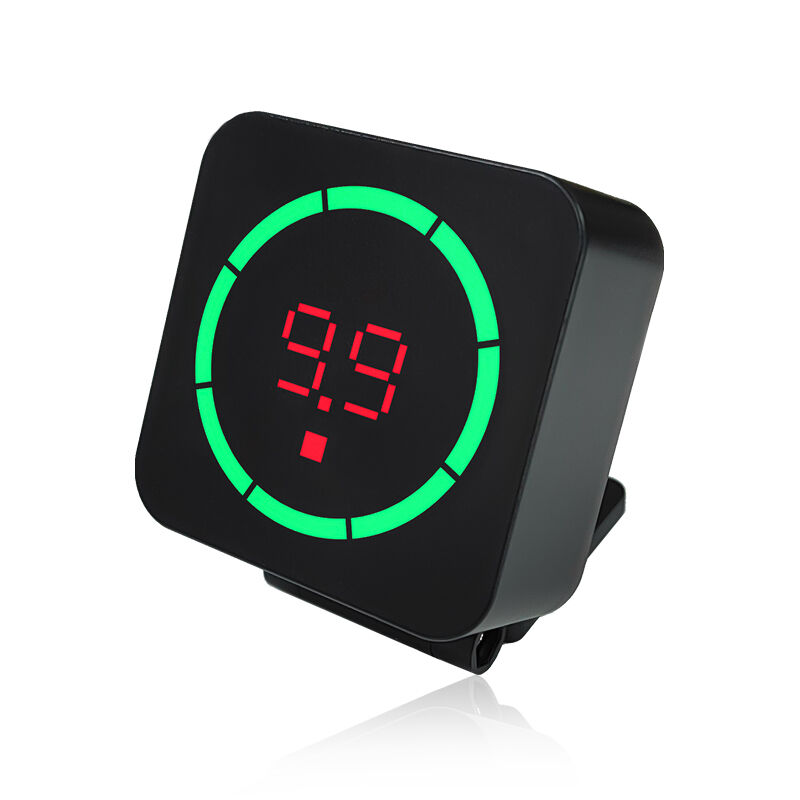
The proximity warning alarm system features a highly customizable warning interface that can be tailored to meet the specific communication needs and operational requirements of different workplace environments. This flexibility represents a significant advantage over one-size-fits-all safety solutions, allowing organizations to optimize the system's effectiveness based on their unique operational contexts and worker preferences. The audio warning component offers multiple alarm tones, volume levels, and pattern options, enabling users to create distinctive alert signals that can be easily recognized and differentiated from other workplace sounds. This customization proves particularly valuable in noisy industrial environments where standard alarms might be masked by ambient noise from machinery, equipment, or other operations. The proximity warning alarm system's visual warning elements include high-intensity LED arrays, strobe lights, and digital displays that can be configured with different colors, flash patterns, and brightness levels to ensure maximum visibility under various lighting conditions. The system supports progressive warning levels, where different alert intensities correspond to varying degrees of proximity danger, allowing workers to gauge the urgency of situations and respond appropriately. For example, a yellow warning light might indicate that someone is approaching the danger zone, while a red flashing light combined with an urgent audio alarm signals immediate danger requiring immediate action. The user interface design prioritizes simplicity and clarity, featuring intuitive controls that allow operators to quickly adjust settings, view system status, and access diagnostic information without requiring extensive technical training. The proximity warning alarm system includes wireless connectivity options that enable remote monitoring and control through smartphones, tablets, or computer interfaces, allowing safety managers to oversee multiple installations from a centralized location. The system's data logging capabilities record all detection events, warning activations, and system status changes, providing valuable information for safety audits, incident investigations, and continuous improvement initiatives. Integration capabilities allow the proximity warning alarm system to communicate with existing workplace safety systems, building management platforms, and emergency response protocols, creating a comprehensive safety ecosystem that enhances overall workplace protection. The modular design approach means that warning components can be easily added, removed, or repositioned as operational needs change, providing long-term flexibility and adaptability that protects the organization's investment over time.

Intelligent Zone Management and Scalable Architecture

Intelligent Zone Management and Scalable Architecture

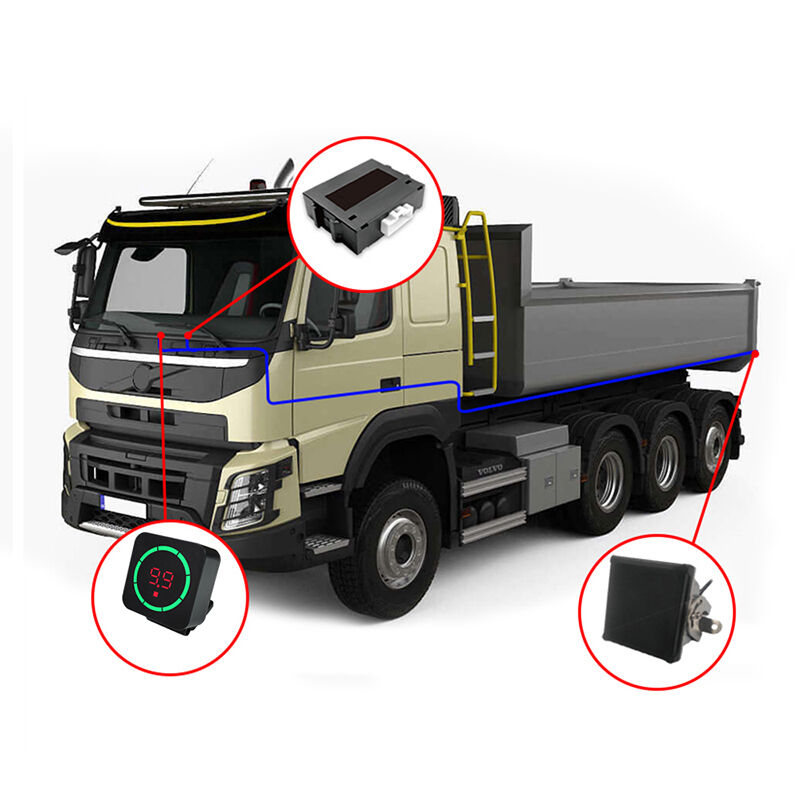
The proximity warning alarm system employs sophisticated zone management capabilities that enable precise control over detection areas and safety perimeters, providing unmatched flexibility in complex operational environments. This intelligent approach allows organizations to create multiple overlapping or adjacent detection zones, each with independent configuration settings, warning thresholds, and response protocols tailored to specific hazards and operational requirements. The system's zone management interface enables users to define irregular shaped detection areas that conform to actual workspace layouts, rather than being limited to simple circular or rectangular patterns that might not align with real-world operational needs. This precision in zone definition ensures that the proximity warning alarm system provides protection exactly where it is needed while avoiding unnecessary alerts in safe areas that might cause workflow disruptions. The scalable architecture of the system means that additional sensors, warning devices, and control units can be seamlessly integrated as operational needs expand or change, making it an ideal long-term investment for growing organizations or evolving workplace environments. The proximity warning alarm system supports both wired and wireless communication protocols, allowing for flexible installation options that minimize infrastructure requirements while maintaining reliable connectivity between system components. The wireless capabilities prove particularly valuable in temporary installations, mobile equipment applications, and situations where running cables would be impractical or costly. The system's intelligent networking features enable multiple proximity warning alarm system installations to communicate and coordinate their responses, creating facility-wide safety networks that provide comprehensive coverage across large industrial sites. This coordination capability allows the system to track objects and personnel as they move between different zones, maintaining continuous monitoring and ensuring that appropriate warnings are activated regardless of location. The zone management software includes advanced scheduling features that allow different safety protocols to be activated automatically based on time of day, shift patterns, or specific operational phases, ensuring that protection levels always match current risk profiles. The proximity warning alarm system's learning algorithms can analyze traffic patterns and operational data over time, suggesting optimizations for zone boundaries, warning thresholds, and system configurations that enhance both safety effectiveness and operational efficiency. Remote diagnostic capabilities enable technicians to monitor system performance, identify potential issues, and perform troubleshooting activities without requiring on-site visits, reducing maintenance costs and minimizing system downtime. The modular architecture ensures that individual components can be upgraded or replaced without affecting the entire system, protecting the organization's investment and enabling continuous improvement in safety capabilities as new technologies become available.
Proximity Warning Alarm System: Advanced Safety Technology for Industrial Collision Prevention

Get a Free Quote

Our representative will contact you soon.
Email
Name
Company Name
Mobile/WhatsApp
Message
0/1000