Advanced Proximity Alert Systems - Enhanced Industrial Safety Technology Solutions

Get a Free Quote

Our representative will contact you soon.
Email
Name
Company Name
Mobile/WhatsApp
Message
0/1000

proximity alert system

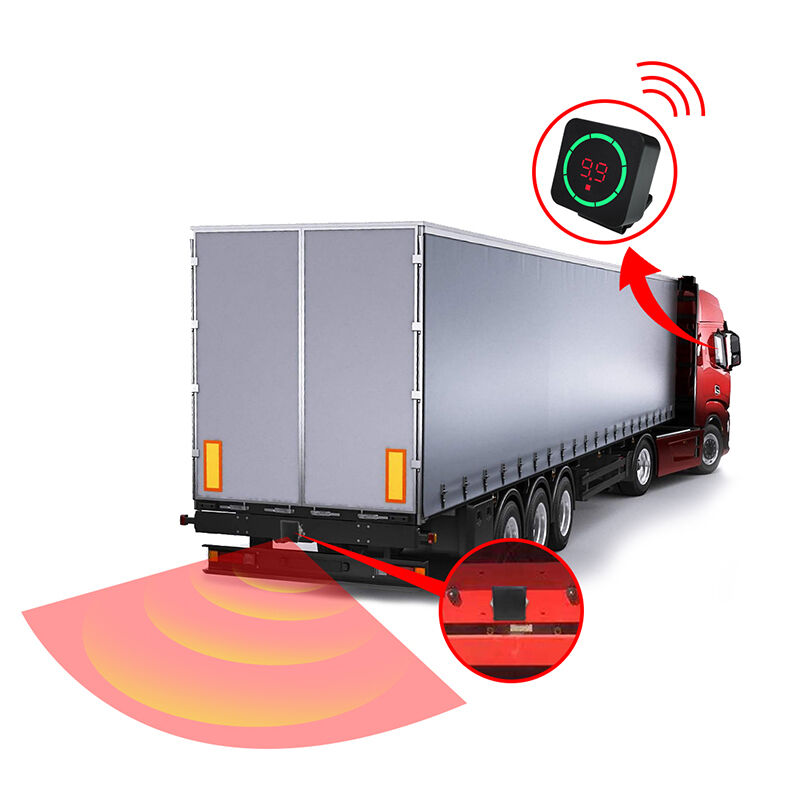
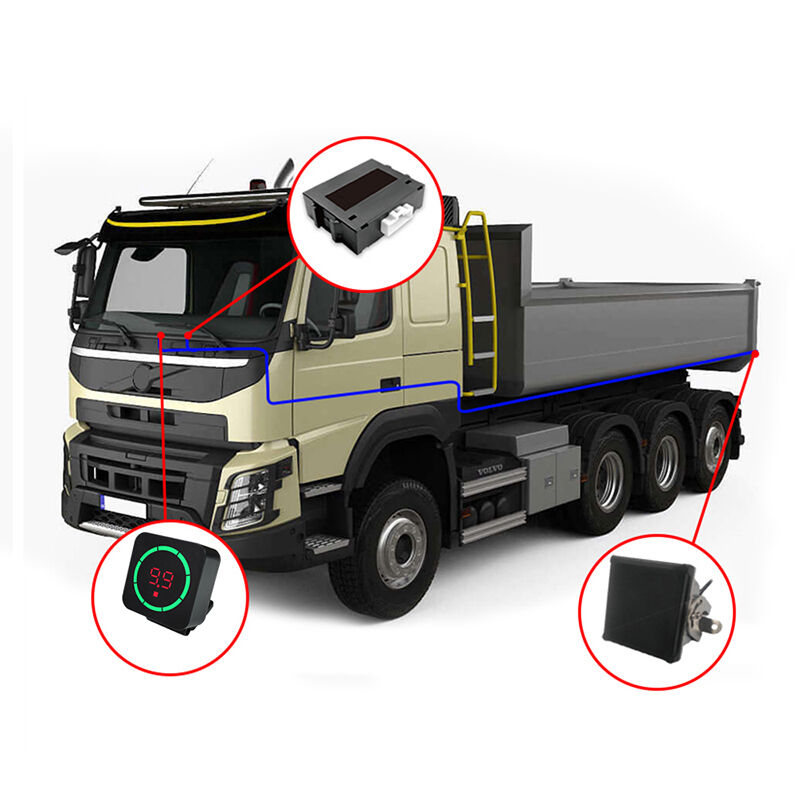
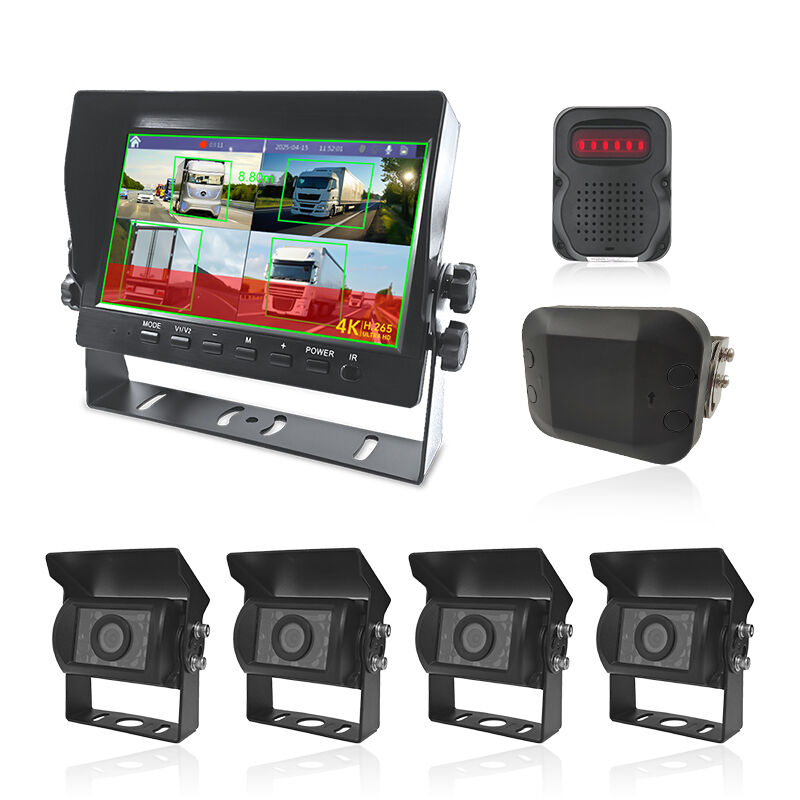
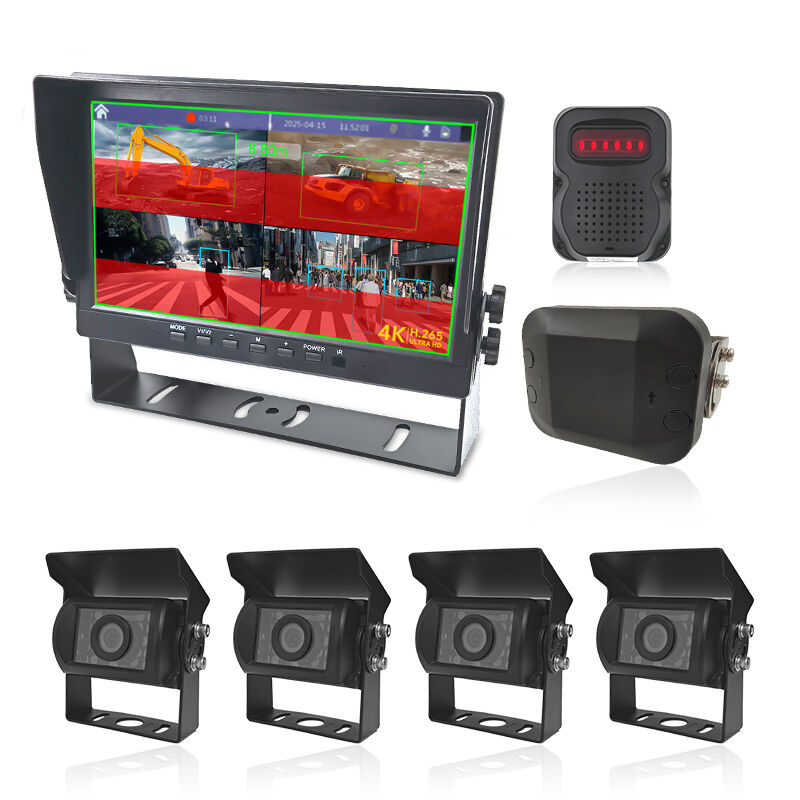
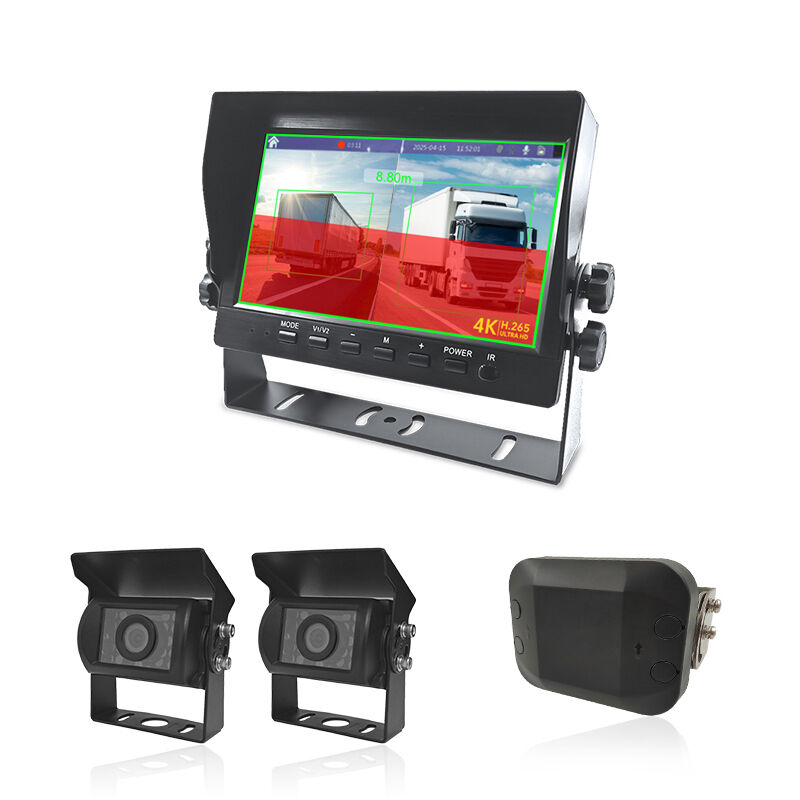
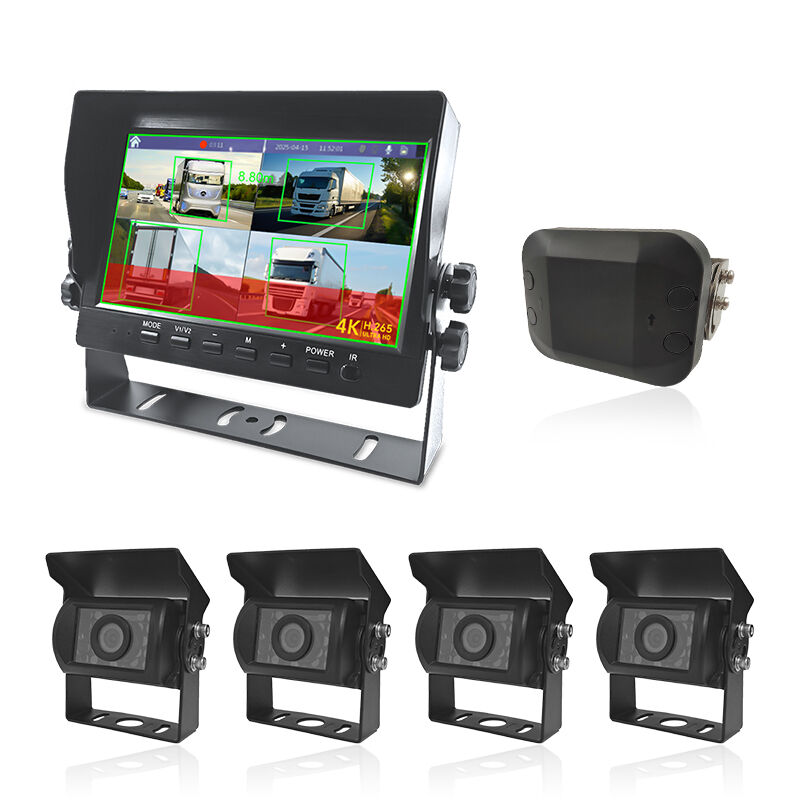
A proximity alert system represents a cutting-edge safety technology designed to detect and warn operators when objects, vehicles, or personnel enter predefined danger zones around heavy machinery or equipment. This sophisticated monitoring solution utilizes advanced sensors, radar technology, and intelligent software algorithms to create invisible safety boundaries that protect both workers and valuable assets in industrial environments. The proximity alert system continuously monitors the surrounding area, instantly identifying potential collision risks and delivering immediate warnings through visual, audible, and tactile alerts. Modern proximity alert systems integrate multiple detection technologies including ultrasonic sensors, radar units, camera systems, and GPS tracking to ensure comprehensive coverage and reliable performance across diverse operational conditions. These systems feature customizable detection zones that operators can adjust based on specific equipment dimensions, working environments, and safety requirements. The technology processes real-time data from multiple sensors simultaneously, filtering environmental interference while maintaining high sensitivity to genuine threats. Advanced proximity alert systems incorporate machine learning capabilities that adapt to changing site conditions and reduce false alarms over time. The system architecture typically includes sensor modules mounted on equipment, central processing units that analyze incoming data, and alert mechanisms positioned within operator visibility and hearing range. Integration capabilities allow proximity alert systems to connect with existing fleet management software, telematics platforms, and safety monitoring networks. Data logging features record all proximity events, enabling safety managers to analyze incident patterns, identify high-risk areas, and implement targeted safety improvements. Weather-resistant construction ensures reliable operation in harsh industrial environments including construction sites, mining operations, warehouses, and manufacturing facilities. The proximity alert system supports various equipment types from excavators and cranes to forklifts and agricultural machinery, providing scalable safety solutions across multiple industries.

New Products

The proximity alert system delivers exceptional safety benefits that directly protect workers from serious injuries and fatalities caused by equipment-related accidents. Companies implementing this technology experience dramatic reductions in workplace incidents, creating safer working environments while simultaneously reducing liability risks and insurance premiums. The system provides instant notifications that allow operators to take immediate corrective action, preventing collisions before they occur rather than responding after accidents happen. Real-time monitoring capabilities enable supervisors to maintain comprehensive oversight of multiple work zones simultaneously, ensuring consistent safety standards across entire project sites. The proximity alert system significantly reduces equipment damage costs by preventing collisions with structures, other machinery, and valuable materials, protecting substantial capital investments from unnecessary repair expenses. Productivity improvements result from reduced downtime caused by accidents, equipment repairs, and regulatory investigations, allowing projects to maintain schedules and meet critical deadlines. Workers demonstrate increased confidence and efficiency when operating in environments protected by proximity alert systems, knowing that advanced technology actively monitors their safety. The system generates detailed incident reports and near-miss documentation that help safety managers identify trends, implement targeted training programs, and continuously improve workplace safety protocols. Compliance benefits include meeting stringent occupational safety regulations and industry standards, reducing regulatory scrutiny and avoiding costly penalties. The proximity alert system adapts to various operational scenarios including confined spaces, busy intersections, and areas with limited visibility, providing consistent protection regardless of environmental challenges. Installation flexibility allows companies to retrofit existing equipment fleets without extensive modifications, maximizing return on investment while maintaining operational continuity. Cost-effectiveness becomes evident through reduced insurance claims, lower worker compensation expenses, and decreased equipment replacement costs. The technology supports multiple alert types including progressive warnings that intensify as objects approach danger zones, giving operators sufficient time to respond appropriately. Integration capabilities with existing safety systems create comprehensive protection networks that enhance overall workplace security.

Latest News

L3 Autonomous Driving

23

Dec

L3 Autonomous Driving

View More
The 138th Canton Fair

04

Jan

The 138th Canton Fair

View More
2025 HKTDC (Autumn  Edition)

23

Dec

2025 HKTDC (Autumn Edition)

View More

Get a Free Quote

Our representative will contact you soon.
Email
Name
Company Name
Mobile/WhatsApp
Message
0/1000

proximity alert system

Advanced Multi-Sensor Detection Technology

Advanced Multi-Sensor Detection Technology

The proximity alert system employs sophisticated multi-sensor detection technology that combines radar, ultrasonic, and optical sensors to create comprehensive safety coverage around industrial equipment. This innovative approach ensures reliable object detection across diverse environmental conditions including dust, fog, rain, and varying light levels that typically challenge single-sensor systems. The radar components provide excellent long-range detection capabilities, identifying moving objects up to 50 meters away while maintaining accuracy in adverse weather conditions. Ultrasonic sensors complement radar technology by offering precise short-range detection, particularly effective for identifying stationary objects and personnel in immediate proximity zones. Advanced signal processing algorithms analyze data from all sensors simultaneously, cross-referencing multiple inputs to eliminate false alarms while ensuring genuine threats receive immediate attention. The system automatically calibrates sensor sensitivity based on environmental conditions, maintaining optimal performance throughout changing work shifts and seasonal variations. Machine learning capabilities enable the proximity alert system to distinguish between different object types, prioritizing human detection while appropriately responding to vehicles, equipment, and structural elements. Customizable detection zones allow operators to configure multiple safety perimeters with varying sensitivity levels, creating graduated warning systems that provide progressive alerts as objects approach critical areas. The technology processes sensor data in real-time, delivering alert responses within milliseconds of threat detection to ensure operators have sufficient reaction time. Redundant sensor arrays provide backup detection capabilities, ensuring continuous safety monitoring even if individual sensors experience temporary malfunctions. Integration protocols allow the proximity alert system to share detection data with fleet management systems, safety monitoring networks, and incident reporting platforms. This multi-sensor approach represents a significant advancement over traditional proximity detection methods, offering superior reliability, accuracy, and adaptability that makes it essential for modern industrial safety programs.
Intelligent Alert Management and Customization

Intelligent Alert Management and Customization

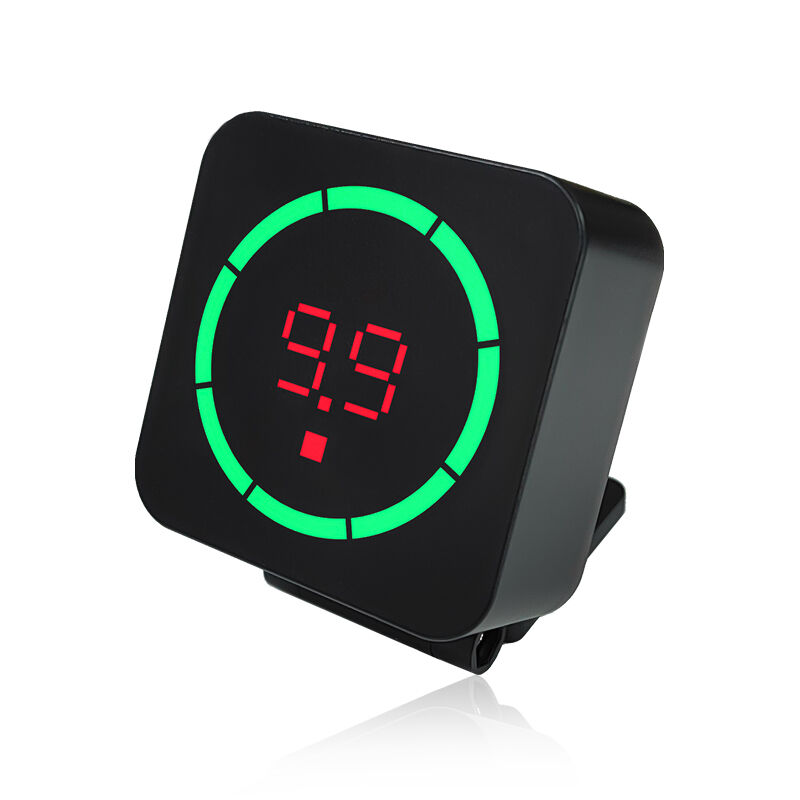
The proximity alert system features intelligent alert management capabilities that deliver precisely calibrated warnings tailored to specific operational requirements and environmental conditions. This sophisticated notification system employs multiple alert modalities including visual displays, audible alarms, and haptic feedback to ensure operators receive warnings regardless of ambient noise levels or visual obstructions. Customizable alert escalation protocols provide graduated warnings that intensify as objects move closer to equipment, giving operators clear indication of threat severity and appropriate response urgency. The system supports operator-specific alert preferences, allowing individual workers to configure notification types, volume levels, and sensitivity settings that match their operational roles and personal requirements. Advanced filtering algorithms prevent alert fatigue by distinguishing between genuine safety threats and routine operational movements, maintaining operator attention for critical situations while minimizing unnecessary interruptions. Zone-based alert configuration enables safety managers to establish different warning parameters for various work areas, accounting for space constraints, traffic patterns, and specific hazard profiles. The proximity alert system integrates with existing communication networks, enabling supervisors to receive immediate notifications when safety incidents occur, facilitating rapid response and coordinating emergency procedures. Programmable delay functions prevent nuisance alarms during routine maintenance activities while maintaining full protection during normal operations. Alert logging captures comprehensive data about all proximity events including time stamps, object trajectories, operator responses, and resolution outcomes for detailed safety analysis. The system supports multiple language options and cultural preferences, ensuring effective communication across diverse workforce populations. Visual alert displays provide clear directional indicators showing threat location and movement patterns, enabling operators to identify specific areas requiring attention. Smart scheduling features allow automatic alert parameter adjustments based on shift changes, work zone modifications, and seasonal operational patterns, maintaining optimal safety coverage without requiring constant manual reconfiguration.
Comprehensive Safety Analytics and Reporting

Comprehensive Safety Analytics and Reporting

The proximity alert system incorporates comprehensive safety analytics and reporting capabilities that transform raw detection data into actionable safety intelligence for continuous workplace improvement. Advanced data collection mechanisms capture detailed information about every proximity event, including near-misses, successful collision prevention, operator response times, and environmental conditions during incidents. Sophisticated analytics engines process this information to identify patterns, trends, and high-risk scenarios that might not be apparent through traditional safety monitoring methods. Real-time dashboards provide safety managers with immediate visibility into current risk levels, active alerts, and equipment status across entire operational sites. Predictive analytics capabilities analyze historical data to forecast potential safety hotspots and recommend preventive measures before incidents occur. The system generates automated safety reports that comply with regulatory requirements and industry standards, streamlining documentation processes while ensuring comprehensive incident tracking. Customizable reporting templates allow organizations to focus on specific safety metrics, compare performance across different time periods, and benchmark safety improvements against industry standards. Heat mapping functionality visualizes high-risk areas and collision-prone zones, enabling targeted safety interventions and improved site layout planning. Integration with existing safety management systems ensures seamless data flow between the proximity alert system and broader organizational safety programs. Performance metrics tracking measures system effectiveness, operator compliance rates, and safety improvement trends over time. The analytics platform supports multi-site monitoring for organizations operating across multiple locations, providing centralized safety oversight and standardized reporting protocols. Advanced visualization tools present complex safety data in easily understandable formats, facilitating executive reporting and stakeholder communication. Cost-benefit analysis features quantify safety investments by tracking prevented incidents, reduced insurance claims, and avoided downtime expenses. Training effectiveness metrics help identify operators who might benefit from additional safety education and highlight successful safety practices for broader implementation across the organization.
Advanced Proximity Alert Systems - Enhanced Industrial Safety Technology Solutions

Get a Free Quote

Our representative will contact you soon.
Email
Name
Company Name
Mobile/WhatsApp
Message
0/1000