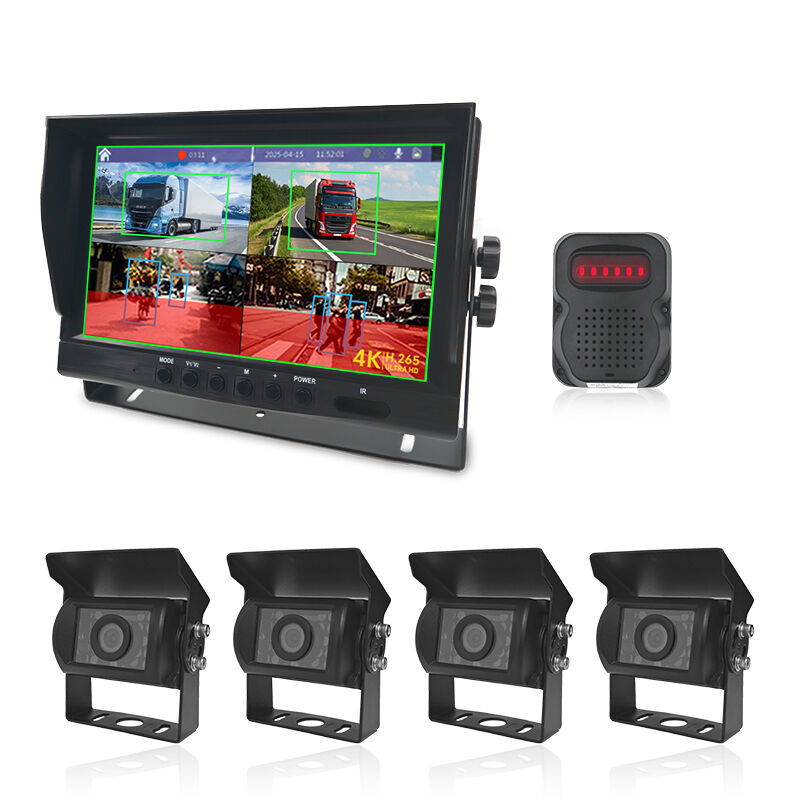
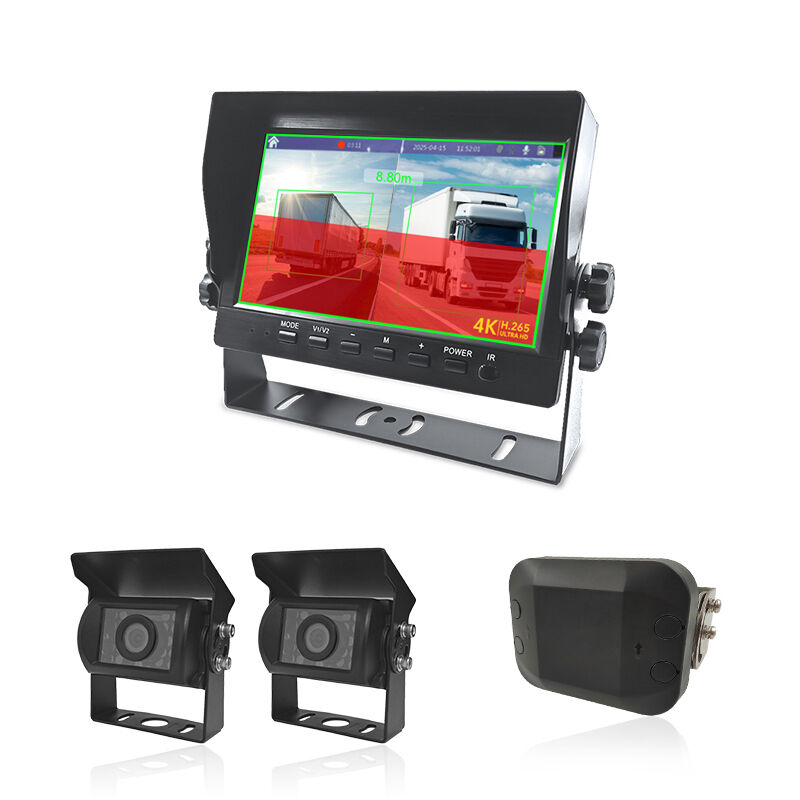
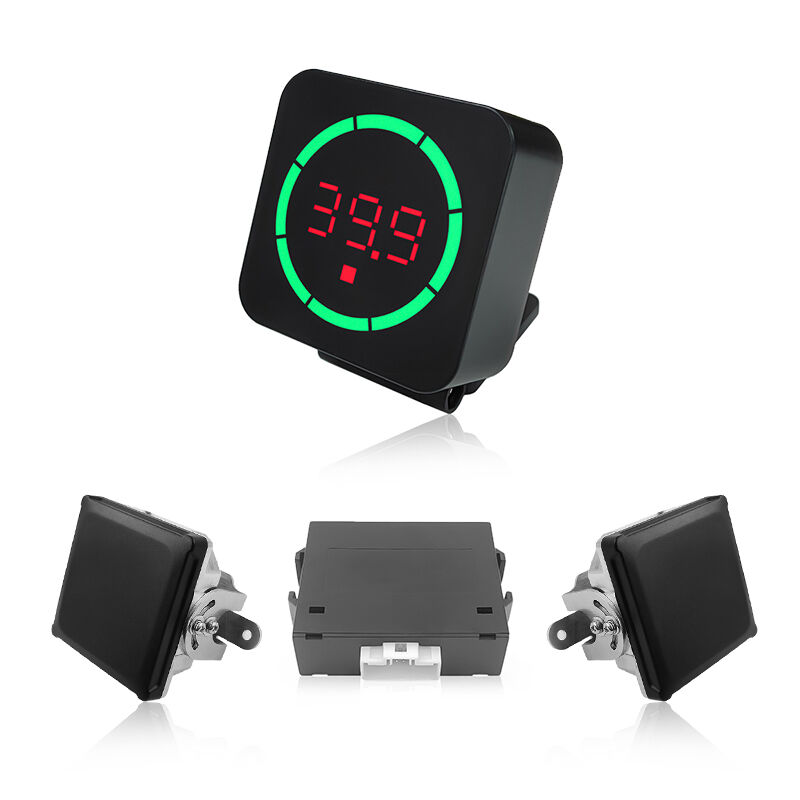
Advanced Proximity Detection Systems - Comprehensive Safety and Security Solutions for Modern Facilities

Get a Free Quote

Our representative will contact you soon.
Email
Name
Company Name
Mobile/WhatsApp
Message
0/1000

proximity detection system

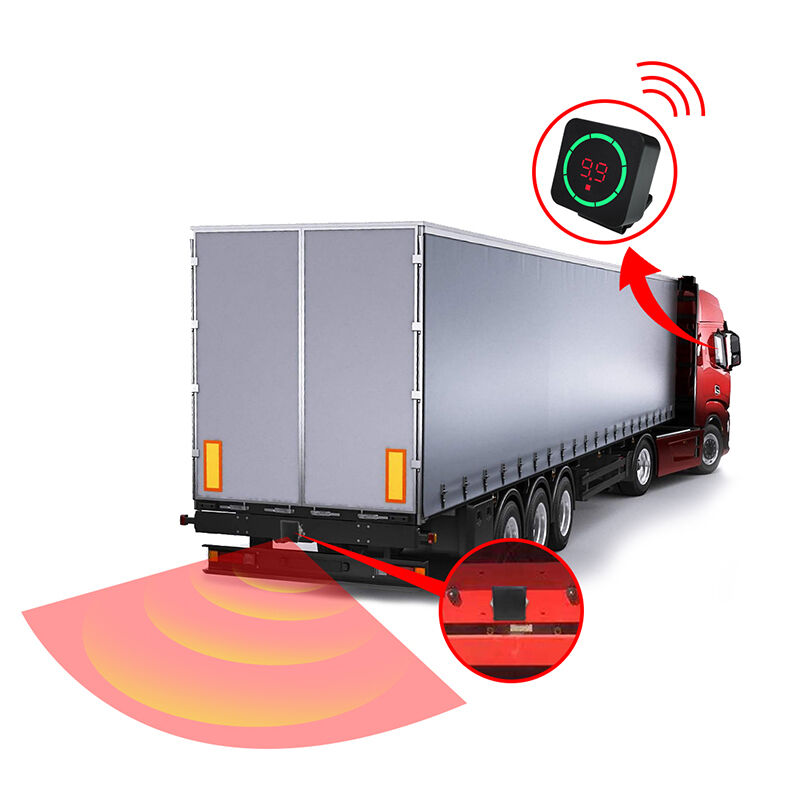
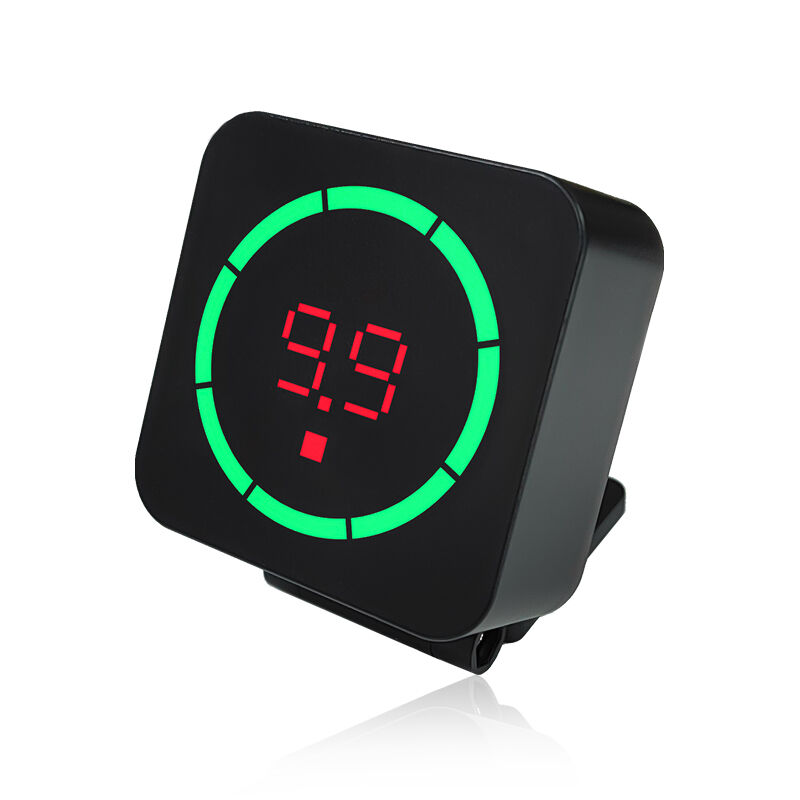
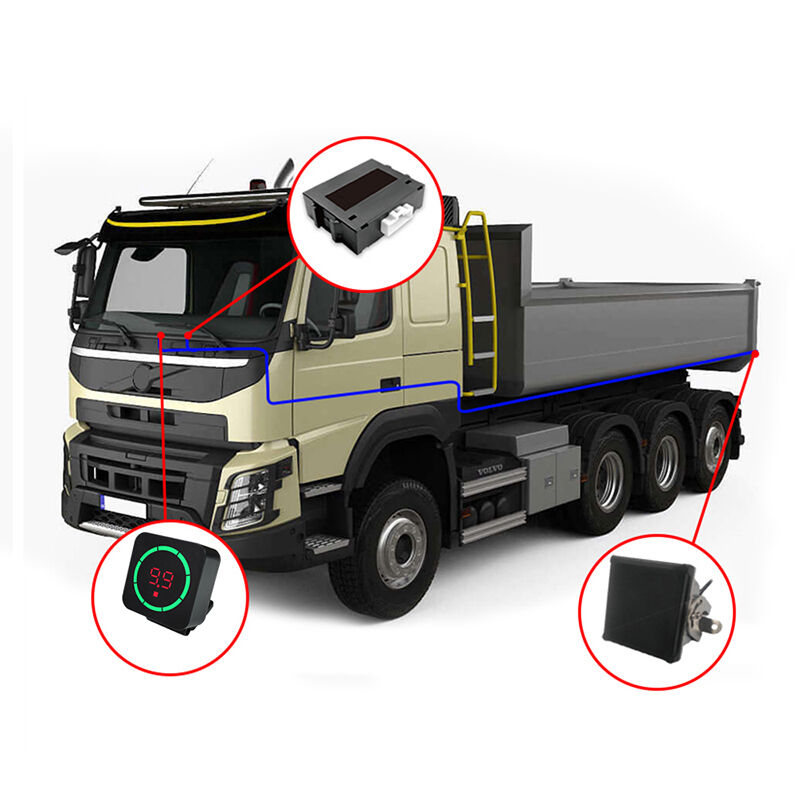
A proximity detection system represents a sophisticated technological solution designed to identify and monitor objects, people, or vehicles within a predetermined range or zone. This advanced monitoring technology serves as a critical safety and operational tool across numerous industries, utilizing various detection methods including infrared sensors, ultrasonic waves, radar technology, and wireless communication protocols. The primary function of a proximity detection system involves creating invisible detection zones that trigger alerts or automated responses when unauthorized entry or movement occurs within the designated area. These systems excel at providing real-time monitoring capabilities, enabling immediate response to potential safety hazards or security breaches. The technological foundation of proximity detection systems incorporates multiple sensor types working in conjunction to deliver comprehensive coverage and accurate detection results. Modern proximity detection systems feature adjustable sensitivity levels, customizable detection zones, and integration capabilities with existing security or operational management systems. The versatility of these systems makes them invaluable for construction sites, mining operations, warehouses, manufacturing facilities, and transportation hubs. Advanced proximity detection systems utilize machine learning algorithms to distinguish between different types of objects, reducing false alarms and improving overall system reliability. The integration of wireless connectivity allows for remote monitoring and control, enabling operators to manage multiple detection zones from centralized command centers. These systems support various communication protocols, ensuring seamless integration with existing infrastructure and monitoring equipment. The scalability of proximity detection systems allows organizations to expand coverage areas as operational needs evolve, making them a cost-effective long-term investment. Environmental adaptability ensures reliable performance across diverse weather conditions and operational environments, maintaining consistent detection accuracy regardless of external factors affecting the monitored area.

New Product Releases

Proximity detection systems deliver substantial operational benefits that directly impact workplace safety, operational efficiency, and cost management for organizations across various industries. The most significant advantage lies in accident prevention, as these systems provide instant alerts when personnel or equipment enter dangerous zones, allowing immediate intervention before incidents occur. This proactive approach to safety management reduces workplace injuries, protects valuable equipment, and minimizes costly downtime associated with accidents. The automated monitoring capabilities eliminate the need for constant human supervision, freeing personnel to focus on productive tasks while maintaining comprehensive safety oversight. Cost savings represent another major benefit, as proximity detection systems reduce insurance premiums, workers compensation claims, and equipment replacement costs through effective risk mitigation. The systems provide detailed activity logs and reporting capabilities, enabling organizations to analyze patterns, identify potential hazards, and implement targeted safety improvements. Integration flexibility allows proximity detection systems to work seamlessly with existing security cameras, alarm systems, and operational management software, maximizing return on investment without requiring complete infrastructure overhaul. Real-time notifications ensure immediate response to potential threats or safety violations, enabling quick corrective action that prevents minor issues from escalating into major problems. The wireless connectivity options reduce installation complexity and costs while providing flexible positioning options that adapt to changing operational requirements. Advanced proximity detection systems offer customizable sensitivity settings that accommodate different operational scenarios, from high-security areas requiring maximum sensitivity to busy work zones needing adjusted parameters to prevent false alarms. The durability and weather resistance of modern proximity detection systems ensure reliable performance in harsh industrial environments, providing consistent protection regardless of environmental conditions. Remote monitoring capabilities enable centralized oversight of multiple locations, reducing staffing requirements while maintaining comprehensive security coverage. The scalability of proximity detection systems allows organizations to start with basic coverage and expand capabilities as needs grow, providing a flexible solution that adapts to changing operational requirements. Energy-efficient operation minimizes ongoing operational costs while providing continuous monitoring capabilities that never compromise on protection levels.

Latest News

L3 Autonomous Driving

23

Dec

L3 Autonomous Driving

View More
The 138th Canton Fair

04

Jan

The 138th Canton Fair

View More
2025 HKTDC (Autumn  Edition)

23

Dec

2025 HKTDC (Autumn Edition)

View More

Get a Free Quote

Our representative will contact you soon.
Email
Name
Company Name
Mobile/WhatsApp
Message
0/1000

proximity detection system

Advanced Multi-Sensor Technology Integration

Advanced Multi-Sensor Technology Integration

The cornerstone of modern proximity detection systems lies in their sophisticated multi-sensor technology integration, which combines various detection methods to create comprehensive monitoring solutions that surpass traditional single-sensor approaches. This advanced integration typically incorporates infrared sensors for heat signature detection, ultrasonic sensors for precise distance measurement, radar technology for motion detection, and wireless communication modules for seamless connectivity. The synergy between these technologies creates overlapping detection zones that eliminate blind spots and provide redundant coverage for critical areas. Each sensor type contributes unique capabilities to the overall system performance, with infrared sensors excelling at detecting living beings through body heat signatures, while ultrasonic sensors provide accurate distance measurements regardless of lighting conditions. The radar components offer superior performance in adverse weather conditions, maintaining detection accuracy during rain, fog, or extreme temperatures that might compromise other sensor types. Machine learning algorithms process data from all sensors simultaneously, creating intelligent detection patterns that distinguish between authorized personnel, unauthorized intruders, and environmental factors like wildlife or debris. This multi-layered approach significantly reduces false alarms while maintaining maximum sensitivity to genuine security threats or safety violations. The integration extends to communication protocols, with systems supporting various wireless standards including Wi-Fi, Bluetooth, cellular networks, and proprietary radio frequencies to ensure reliable data transmission regardless of infrastructure limitations. Advanced signal processing capabilities enable real-time analysis of multiple data streams, providing instant threat assessment and automated response protocols. The modular design of multi-sensor proximity detection systems allows for customization based on specific operational requirements, enabling organizations to select optimal sensor combinations for their unique environments. Regular software updates enhance detection algorithms and add new capabilities without requiring hardware replacement, ensuring long-term system relevance and effectiveness.
Intelligent Zone Management and Customization

Intelligent Zone Management and Customization

Intelligent zone management represents a revolutionary feature of modern proximity detection systems, enabling organizations to create sophisticated monitoring environments tailored to specific operational needs and security requirements. This advanced capability allows administrators to establish multiple detection zones with varying sensitivity levels, response protocols, and monitoring parameters within a single system framework. Each zone can be configured independently, accommodating different security levels, operational procedures, and safety requirements across diverse areas of a facility or site. The customization extends to temporal settings, enabling different detection parameters for various times of day, shift changes, or operational schedules that require modified security protocols. Advanced proximity detection systems support hierarchical zone structures, where primary zones trigger immediate high-priority alerts while secondary zones provide early warning notifications or automated logging functions. Geographic information system integration allows for precise zone mapping and visualization, providing operators with clear understanding of coverage areas and potential vulnerability points. Dynamic zone adjustment capabilities enable real-time modification of detection parameters based on changing operational conditions, weather patterns, or security threat levels without requiring system shutdown or manual reconfiguration. The intelligent zone management system incorporates learning algorithms that adapt to normal operational patterns, reducing false alarms caused by routine activities while maintaining sensitivity to unusual or unauthorized movements. Integration with access control systems enables automatic zone activation and deactivation based on personnel credentials, ensuring appropriate security levels while facilitating smooth operational workflows. Advanced reporting features provide detailed zone activity analysis, helping organizations optimize coverage patterns and identify areas requiring additional security measures. The system supports role-based access control for zone management, allowing different personnel levels to modify specific zones while maintaining overall system integrity and security protocols. Mobile device compatibility enables remote zone management, allowing security personnel to adjust settings and monitor zone status from anywhere within the facility or through secure internet connections.
Real-Time Response and Integration Capabilities

Real-Time Response and Integration Capabilities

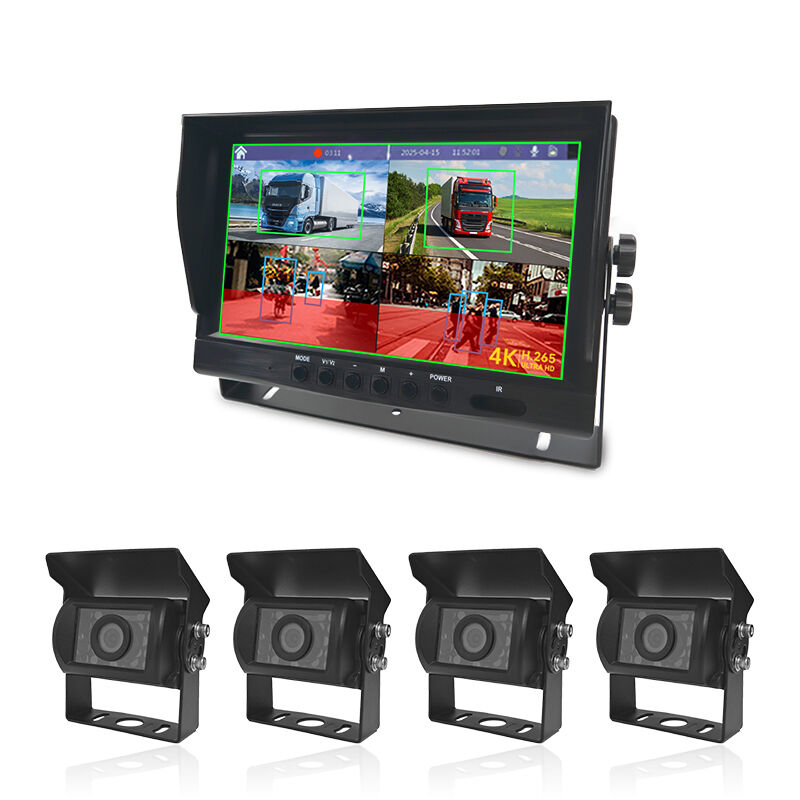
Real-time response capabilities distinguish superior proximity detection systems from basic monitoring solutions, providing immediate threat assessment and automated response protocols that minimize reaction time and maximize security effectiveness. These advanced systems process sensor data continuously, analyzing multiple inputs simultaneously to provide instant threat classification and appropriate response activation within milliseconds of detection. The integration capabilities extend beyond simple alarm functions, incorporating sophisticated communication protocols that connect seamlessly with existing security infrastructure, emergency response systems, and operational management platforms. Automated response protocols can trigger various actions including sirens, strobe lights, automated barriers, emergency communications, and facility lockdown procedures based on predetermined threat assessment criteria. The system intelligence distinguishes between different types of intrusions or safety violations, scaling response intensity appropriately from simple notifications for minor violations to full emergency protocols for serious security breaches. Integration with video surveillance systems enables automatic camera activation and recording when proximity violations occur, providing visual confirmation and evidence documentation for security incidents. Communication integration supports multiple notification methods including SMS alerts, email notifications, mobile app push notifications, and integration with existing communication systems to ensure appropriate personnel receive immediate incident information. The real-time capabilities extend to data logging and analysis, creating comprehensive incident reports that include timeline information, sensor data, response actions, and resolution details for compliance and improvement purposes. Advanced proximity detection systems support integration with building management systems, enabling coordinated responses that may include lighting control, HVAC adjustments, and elevator management during security incidents. The scalable architecture allows integration with enterprise security management platforms, providing centralized oversight of multiple proximity detection systems across different locations or facilities. Cloud connectivity options enable remote monitoring and management, allowing security personnel to oversee multiple sites from centralized command centers while maintaining real-time response capabilities at each location. Regular system health monitoring and diagnostic capabilities ensure consistent performance and identify potential maintenance needs before they impact system effectiveness.

Advanced Proximity Detection Systems - Comprehensive Safety and Security Solutions for Modern Facilities

Get a Free Quote

Our representative will contact you soon.
Email
Name
Company Name
Mobile/WhatsApp
Message
0/1000