Enhanced Safety for All Vehicle Types
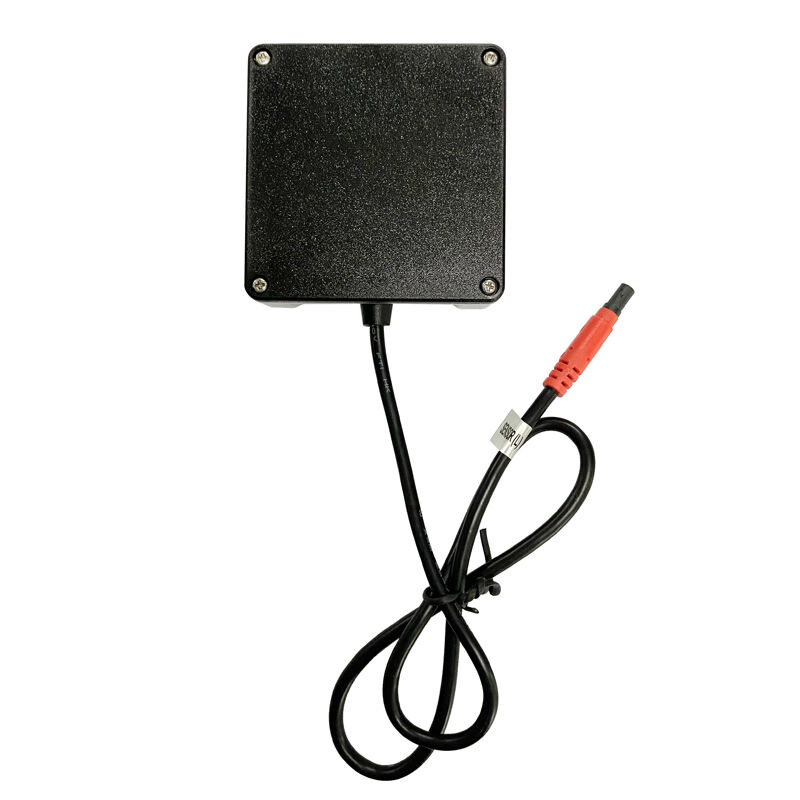
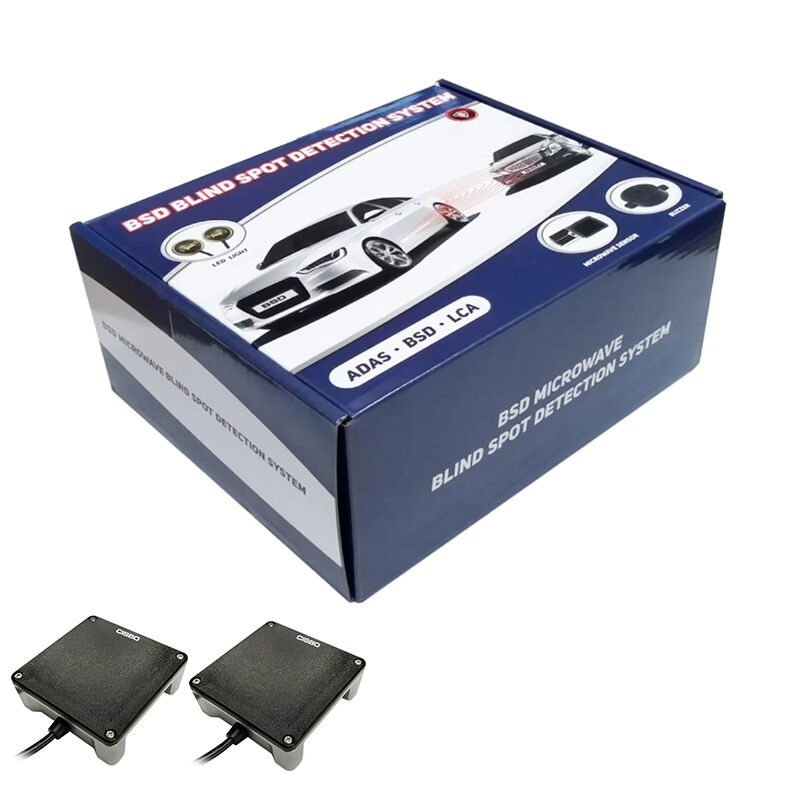
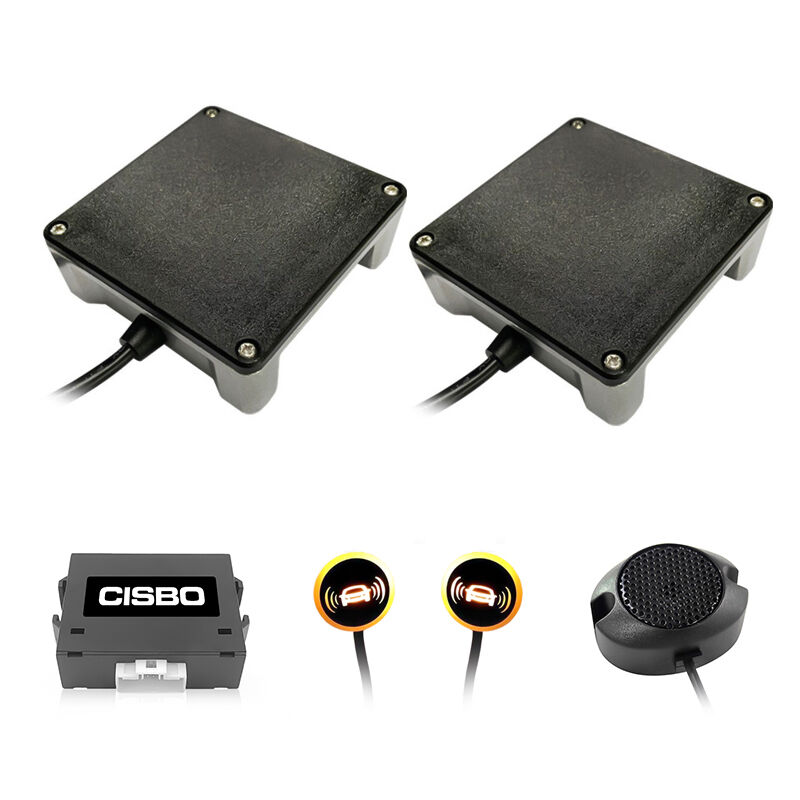
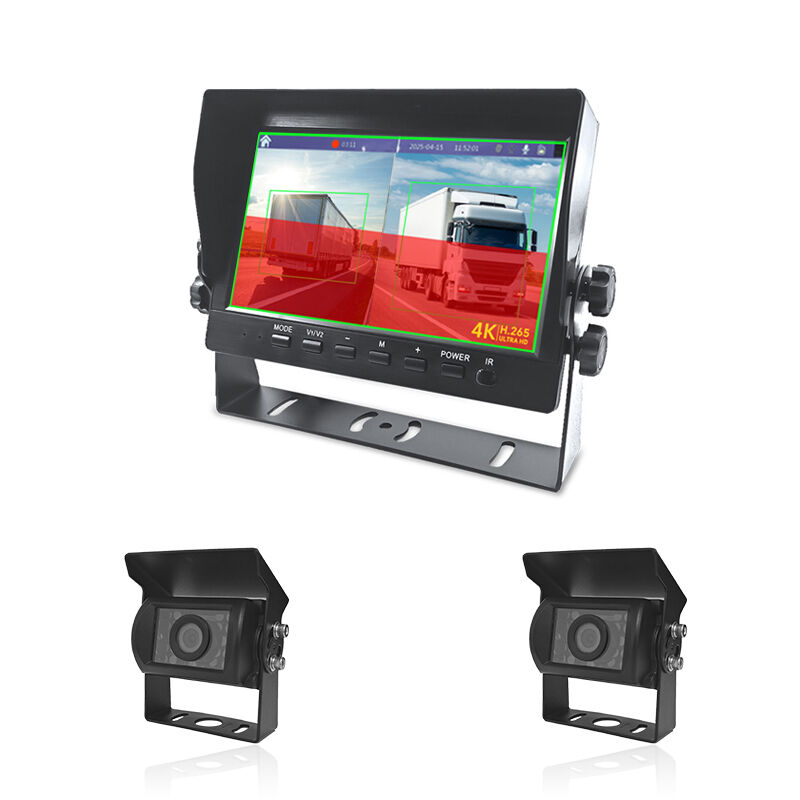
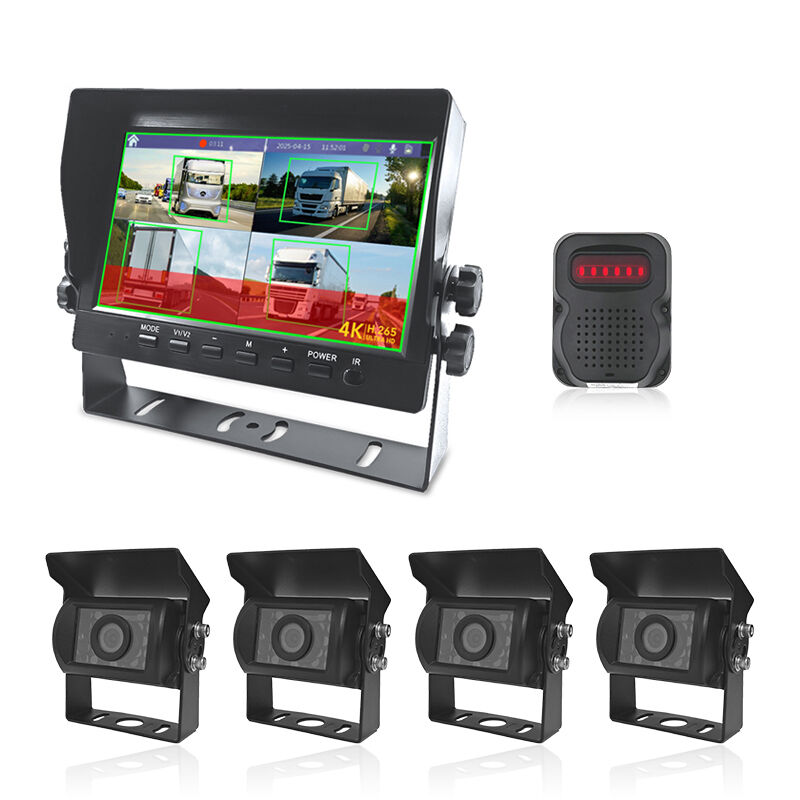
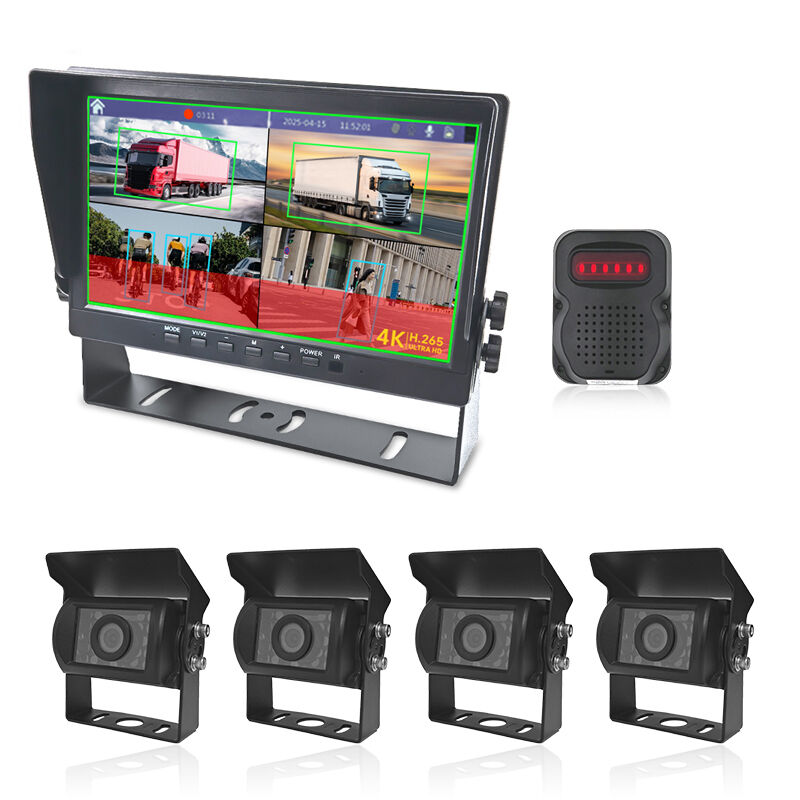
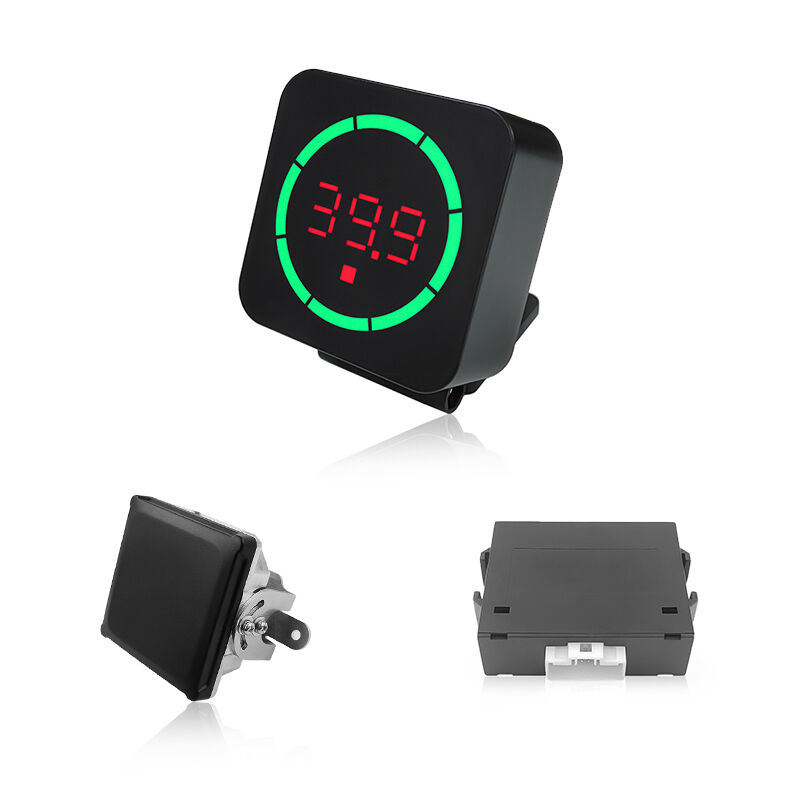
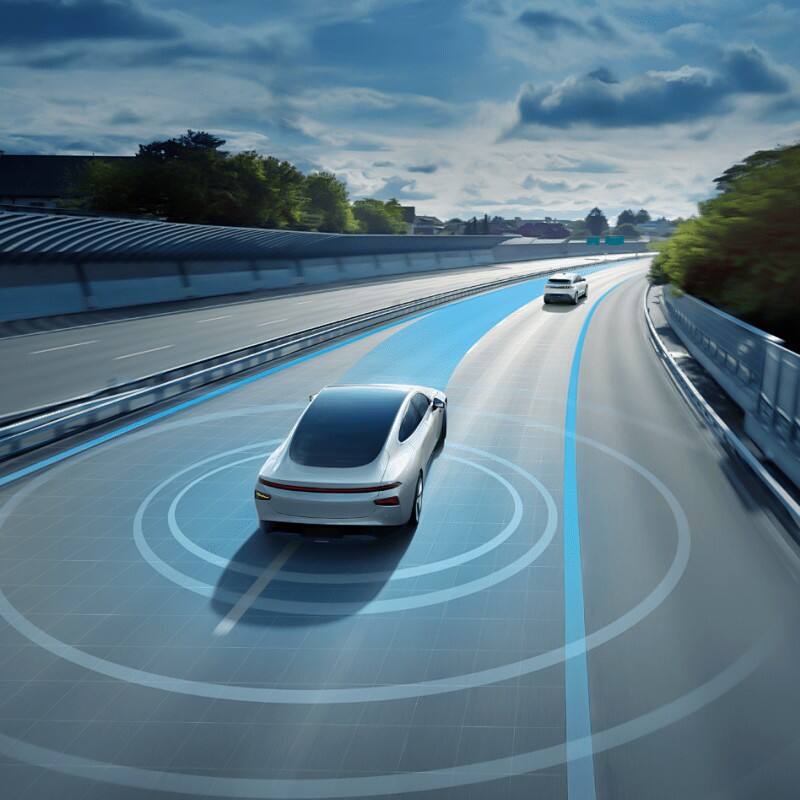
The versatility and adaptability of blind spot sensors on cars make them invaluable safety additions across every vehicle category, from compact sedans to large commercial trucks, each benefiting from customized detection parameters optimized for specific vehicle dimensions and typical usage patterns. Smaller vehicles gain particular advantages from these systems as their lower profile and reduced mirror coverage create proportionally larger blind spot areas that can easily conceal approaching motorcycles, bicycles, or other compact vehicles. Larger vehicles like SUVs, pickup trucks, and commercial vans experience dramatic safety improvements through blind spot sensors on cars, as their increased height and bulk create extensive blind spot zones that pose significant risks during lane changes and merging maneuvers. The technology proves especially crucial for vehicles with trailer attachments, where traditional mirror adjustments become ineffective and blind spots expand dramatically beyond normal vehicle dimensions. Fleet vehicles benefit enormously from standardized blind spot sensor installations, reducing accident rates, insurance claims, and driver training requirements while improving overall operational safety records. The systems adapt automatically to different vehicle configurations, accounting for factors like ground clearance, vehicle width, and typical loading conditions that affect detection requirements. Sports cars and performance vehicles with limited rear visibility gain substantial safety enhancements from blind spot sensors on cars, compensating for design compromises that prioritize aesthetics or aerodynamics over visibility. Electric and hybrid vehicles particularly benefit from these systems, as their quieter operation means approaching vehicles may not hear them coming, making blind spot detection even more critical for preventing accidents. Commercial delivery vehicles operating in urban environments find blind spot sensors on cars essential for navigating tight spaces, busy intersections, and areas with heavy pedestrian traffic where traditional visibility methods prove inadequate. The technology scales effectively across vehicle price ranges, with basic systems providing essential safety benefits while premium implementations offer advanced features like predictive analysis and integration with autonomous driving functions. Installation flexibility allows aftermarket addition to older vehicles, extending safety benefits to the entire vehicle population rather than limiting advantages to newest models only.
 EN
EN