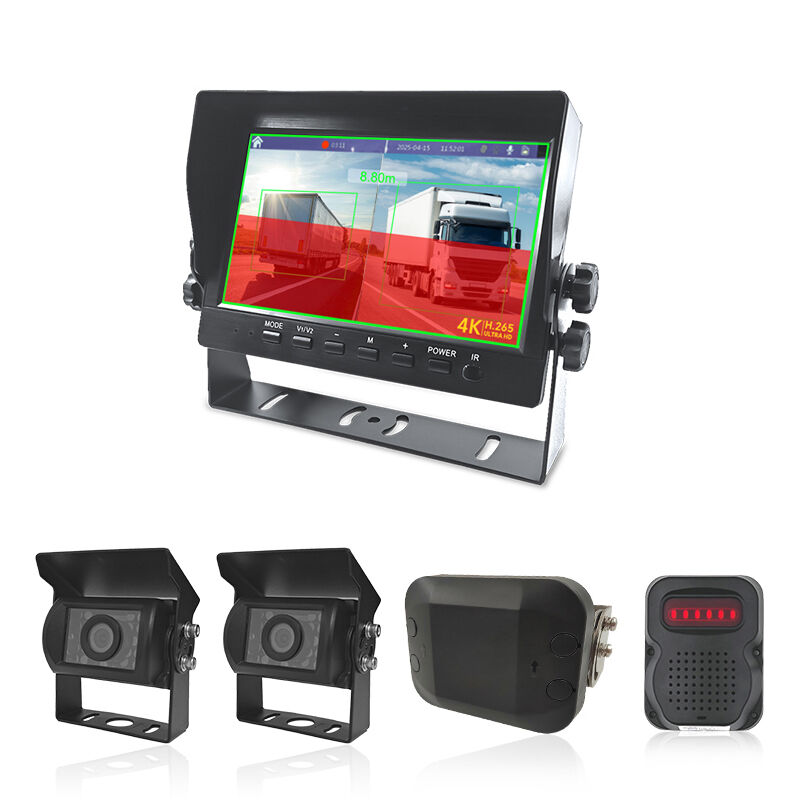
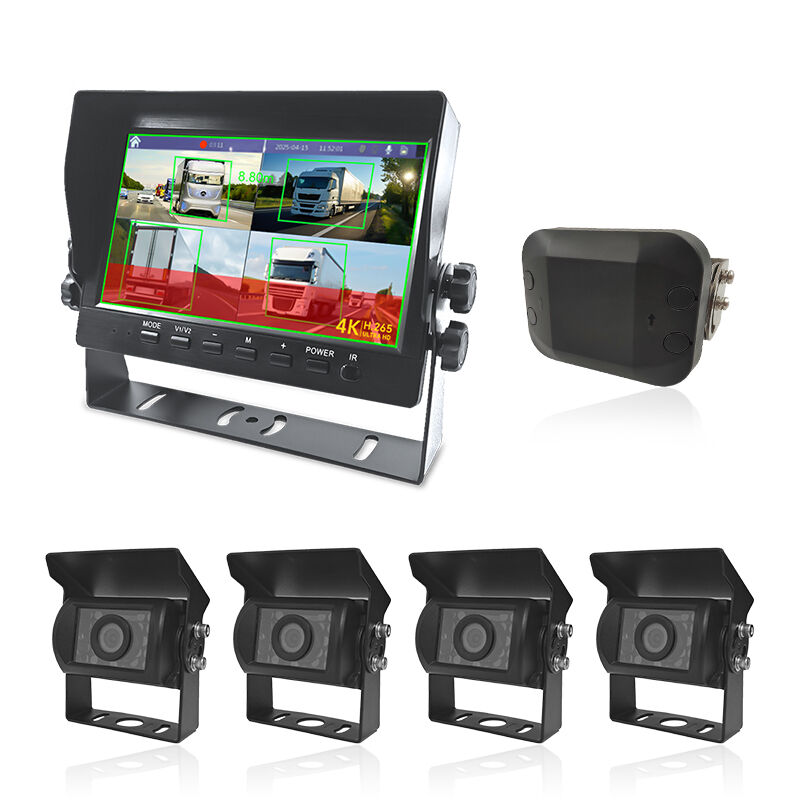
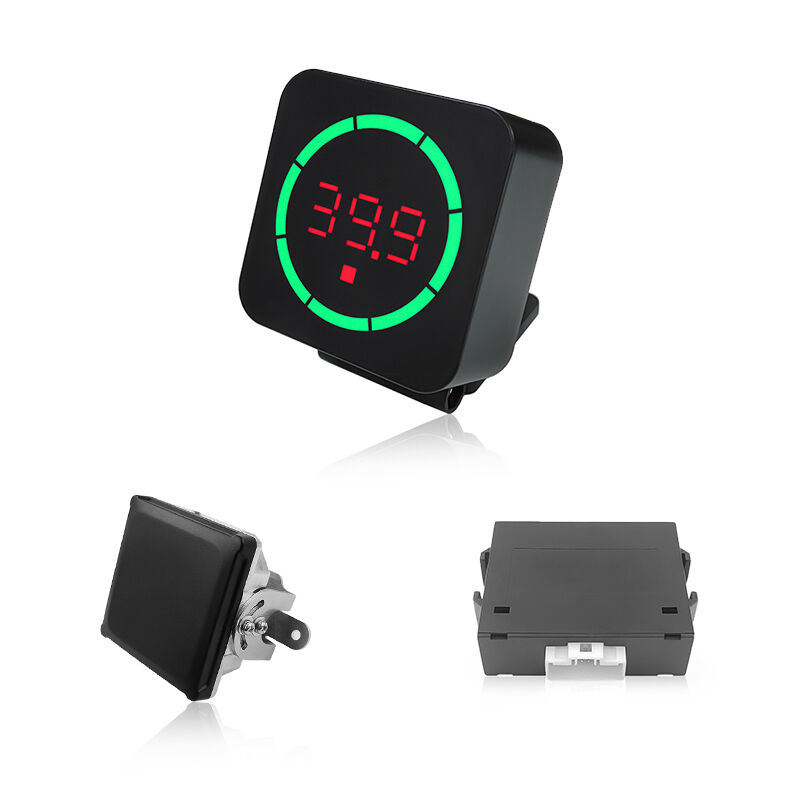
Advanced Pedestrian Proximity Warning System - Ultimate Safety Technology for Vehicle and Pedestrian Protection

Get a Free Quote

Our representative will contact you soon.
Email
Name
Company Name
Mobile/WhatsApp
Message
0/1000

pedestrian proximity warning system

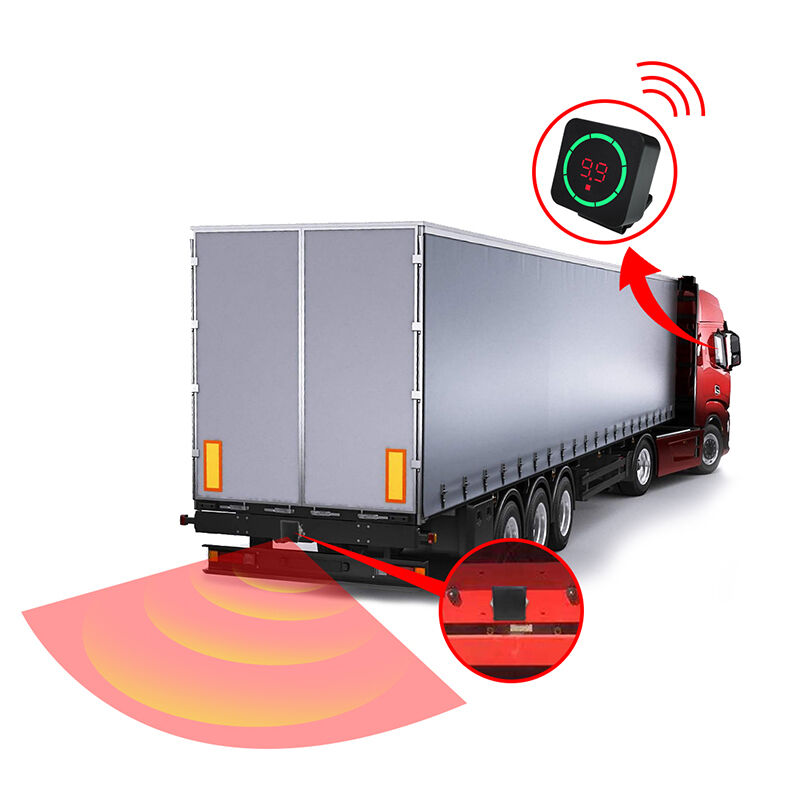
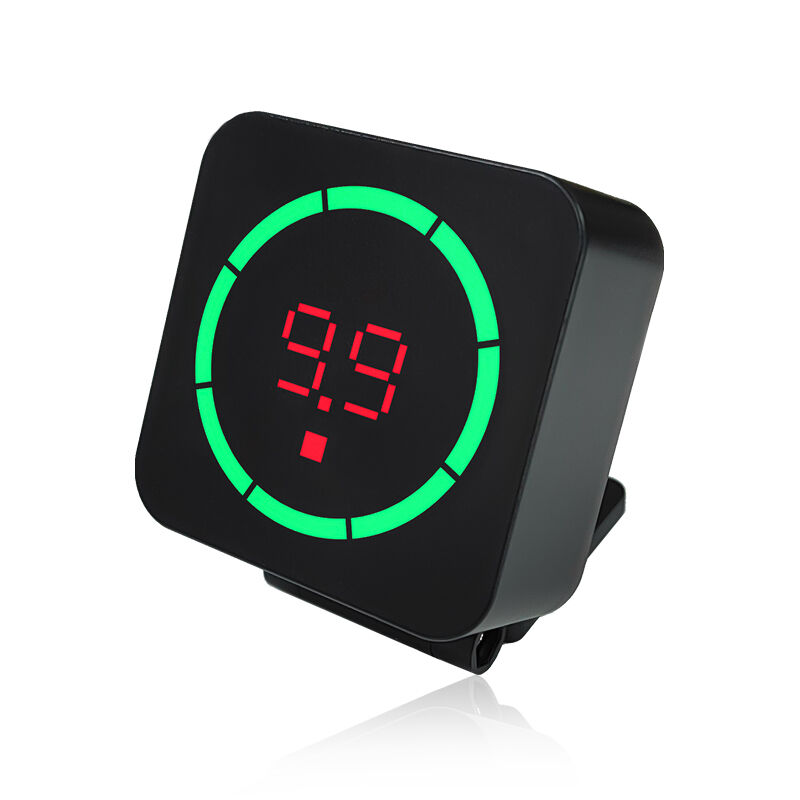
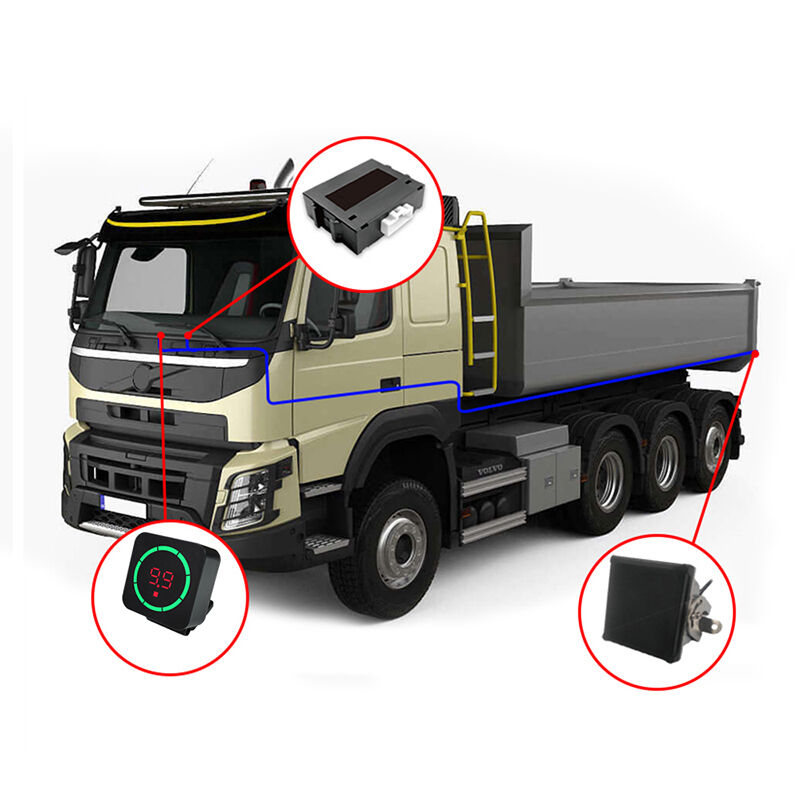
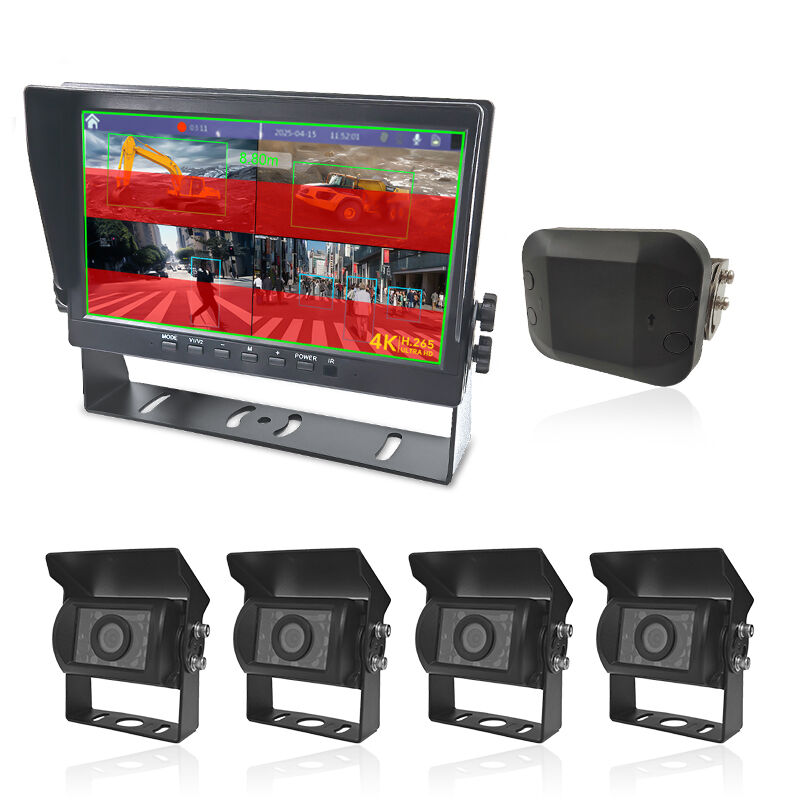
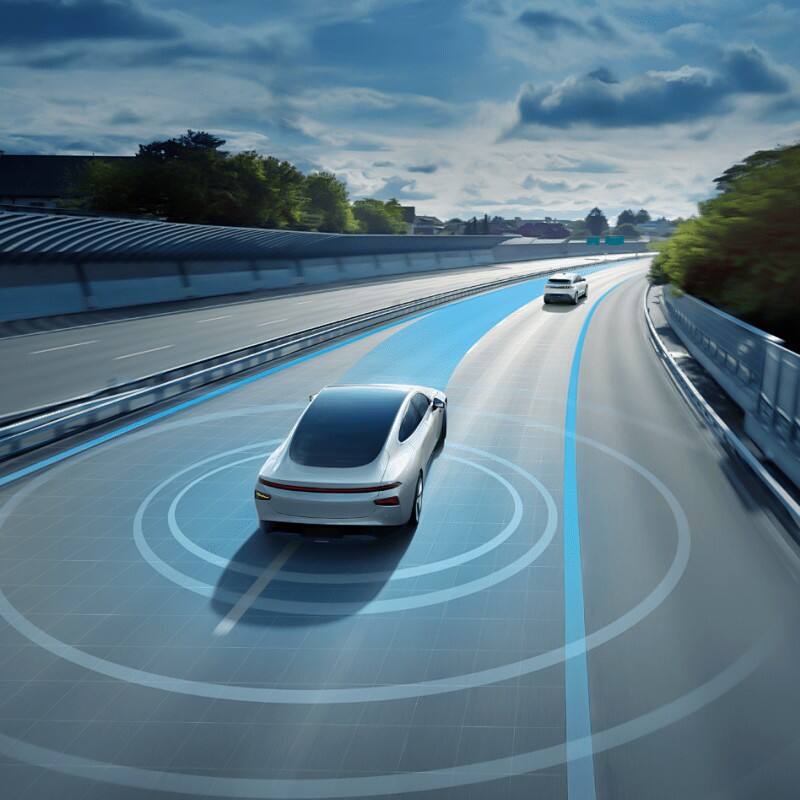
The pedestrian proximity warning system represents a cutting-edge safety technology designed to protect vulnerable road users through advanced detection and alert mechanisms. This intelligent system utilizes multiple sensor technologies including radar, lidar, cameras, and ultrasonic sensors to continuously monitor the area surrounding vehicles and heavy machinery. The pedestrian proximity warning system operates by creating invisible detection zones around equipment, instantly identifying when pedestrians enter potentially dangerous areas. When the system detects human presence within predetermined safety perimeters, it immediately triggers both visual and audible warnings to alert both operators and pedestrians of potential collision risks. The core functionality of this pedestrian proximity warning system extends beyond simple detection, incorporating sophisticated algorithms that can distinguish between different types of objects and prioritize human safety. The technology features real-time processing capabilities that ensure instantaneous response times, typically within milliseconds of detection. Modern pedestrian proximity warning systems integrate seamlessly with existing vehicle telematics and fleet management platforms, providing comprehensive safety data and analytics. The system's technological architecture includes weatherproof sensors capable of operating in various environmental conditions, from extreme temperatures to heavy precipitation. Advanced models of the pedestrian proximity warning system offer customizable detection zones, allowing operators to adjust sensitivity levels and warning distances based on specific operational requirements. The system maintains continuous 360-degree surveillance around vehicles, eliminating blind spots that traditionally pose significant safety risks. Integration capabilities allow the pedestrian proximity warning system to interface with backup cameras, GPS tracking systems, and automated braking mechanisms for enhanced protection. Applications span across construction sites, warehouses, airports, ports, mining operations, and urban delivery environments where pedestrian-vehicle interactions are frequent and potentially hazardous.

Popular Products

The pedestrian proximity warning system delivers substantial safety improvements that directly translate into measurable benefits for businesses and organizations. Companies implementing this technology experience significant reductions in workplace accidents, with many reporting up to 85% fewer pedestrian-related incidents within the first year of deployment. This dramatic decrease in accidents leads to substantial cost savings through reduced insurance premiums, lower workers' compensation claims, and eliminated downtime associated with accident investigations and equipment repairs. The system provides immediate return on investment by preventing costly legal liabilities that can result from pedestrian injuries, which often reach hundreds of thousands of dollars in settlements and legal fees. Operational efficiency increases dramatically when workers feel safer in their environment, leading to improved productivity and reduced employee turnover rates. The pedestrian proximity warning system enhances regulatory compliance by helping organizations meet OSHA standards and industry-specific safety requirements, avoiding hefty fines and potential shutdowns. Real-time monitoring capabilities enable supervisors to identify high-risk areas and implement targeted safety improvements, creating data-driven safety programs that continuously evolve and improve. The technology reduces training time for new operators by providing automated safety assistance, allowing less experienced personnel to operate equipment safely while building confidence and skills. Maintenance costs decrease significantly as the system helps prevent equipment damage caused by collisions, extending vehicle lifespan and reducing repair expenses. Fleet managers gain valuable insights through comprehensive reporting features that track safety metrics, identify trends, and demonstrate safety program effectiveness to stakeholders and insurance providers. The system operates autonomously without requiring additional personnel, making it a cost-effective safety solution that works around the clock. Companies report improved employee morale and job satisfaction as workers appreciate the enhanced safety measures that protect their well-being. Customer confidence increases when businesses demonstrate commitment to safety through visible implementation of advanced pedestrian proximity warning systems. The technology adapts to various operational environments without requiring extensive infrastructure modifications, making implementation straightforward and minimally disruptive to existing operations.

Tips And Tricks

L3 Autonomous Driving

23

Dec

L3 Autonomous Driving

View More
The 138th Canton Fair

04

Jan

The 138th Canton Fair

View More
2025 HKTDC (Autumn  Edition)

23

Dec

2025 HKTDC (Autumn Edition)

View More

Get a Free Quote

Our representative will contact you soon.
Email
Name
Company Name
Mobile/WhatsApp
Message
0/1000

pedestrian proximity warning system

Advanced Multi-Sensor Detection Technology

Advanced Multi-Sensor Detection Technology

The pedestrian proximity warning system incorporates state-of-the-art multi-sensor fusion technology that combines radar, lidar, ultrasonic, and camera systems to create the most comprehensive detection capability available in the market today. This sophisticated approach ensures maximum accuracy in identifying pedestrians while minimizing false alarms that can disrupt operations and reduce operator confidence in the system. The radar sensors provide reliable detection in adverse weather conditions including fog, rain, and snow, maintaining consistent performance when visibility is compromised. Lidar technology adds precise distance measurements and creates detailed three-dimensional maps of the surrounding environment, enabling the pedestrian proximity warning system to distinguish between stationary objects and moving pedestrians with exceptional accuracy. Ultrasonic sensors complement the primary detection methods by providing close-range sensing capabilities that are particularly effective in tight spaces and slow-speed maneuvering situations. The integrated camera system adds visual verification and can differentiate between humans and other objects based on movement patterns and physical characteristics. This multi-layered approach means that if one sensor type encounters limitations due to environmental conditions or physical obstructions, the other sensors continue providing reliable detection coverage. The sensor fusion algorithms process data from all sources simultaneously, creating a comprehensive situational awareness picture that far exceeds the capabilities of single-sensor systems. This redundancy ensures that the pedestrian proximity warning system maintains optimal performance across diverse operational environments and weather conditions, providing consistent protection regardless of external factors that might affect individual sensor performance.
Customizable Zone Configuration and Alert Systems

Customizable Zone Configuration and Alert Systems

The pedestrian proximity warning system offers unprecedented flexibility through its customizable zone configuration capabilities, allowing operators to tailor detection parameters to match specific operational requirements and environmental conditions. Users can establish multiple detection zones with varying sensitivity levels, creating graduated warning systems that provide different alert types based on proximity levels and potential risk severity. The innermost danger zone triggers immediate emergency alerts with maximum intensity visual and audible warnings, while outer caution zones provide gentler notifications that increase awareness without causing alarm. This graduated approach helps prevent alert fatigue while ensuring that critical warnings receive appropriate attention from both operators and pedestrians. The system allows real-time adjustment of detection zones through intuitive interfaces that can be operated from vehicle cabs or remote control stations, enabling operators to modify settings based on changing work conditions or specific task requirements. Advanced models of the pedestrian proximity warning system include directional zone shaping that can adapt to equipment orientation and movement patterns, providing more precise detection coverage that follows operational workflows. The alert system incorporates multiple warning modalities including LED light bars, strobing beacons, audible alarms, and cab-mounted displays that provide clear visual and audio notifications. Customization options extend to alert intensity levels, warning tones, and visual patterns that can be adjusted to meet site-specific requirements and ensure compliance with local safety regulations. The pedestrian proximity warning system can integrate with existing site communication systems, enabling coordinated safety responses and centralized monitoring capabilities that enhance overall workplace safety management.
Comprehensive Data Analytics and Reporting Platform

Comprehensive Data Analytics and Reporting Platform

The pedestrian proximity warning system includes an advanced data analytics and reporting platform that transforms safety monitoring from reactive to proactive management through comprehensive data collection and intelligent analysis capabilities. The system continuously records detection events, near-miss incidents, operator behavior patterns, and environmental conditions, creating a rich database that enables organizations to identify trends, assess risks, and implement targeted safety improvements. Detailed reports provide insights into high-risk areas, peak danger times, and specific circumstances that contribute to potential accidents, allowing safety managers to develop evidence-based prevention strategies. The pedestrian proximity warning system generates automated compliance reports that document safety system performance and demonstrate regulatory adherence to insurance providers and safety auditors. Real-time dashboards provide instant visibility into current safety metrics, active alerts, and system status across entire fleets or facility operations, enabling immediate response to emerging safety concerns. Predictive analytics capabilities analyze historical data patterns to forecast potential risk scenarios and recommend preventive actions before incidents occur. The reporting platform integrates seamlessly with existing enterprise software systems including fleet management platforms, human resources systems, and business intelligence tools, creating unified safety management ecosystems. Customizable alert thresholds allow managers to receive notifications when safety metrics exceed predetermined parameters, ensuring prompt attention to developing safety issues. The pedestrian proximity warning system supports multi-location reporting for organizations operating across multiple sites, providing consolidated safety oversight and standardized reporting across diverse operational environments. Data export capabilities enable organizations to conduct detailed analysis using specialized software tools and share safety performance information with stakeholders, insurance providers, and regulatory agencies as required for compliance and risk management purposes.
Advanced Pedestrian Proximity Warning System - Ultimate Safety Technology for Vehicle and Pedestrian Protection

Get a Free Quote

Our representative will contact you soon.
Email
Name
Company Name
Mobile/WhatsApp
Message
0/1000