proximity alert device
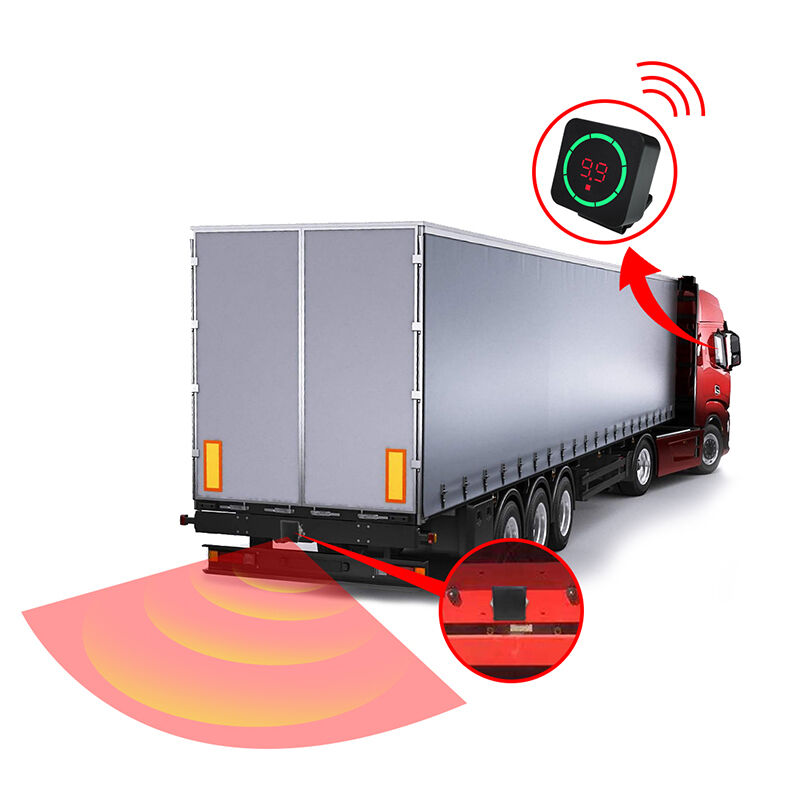
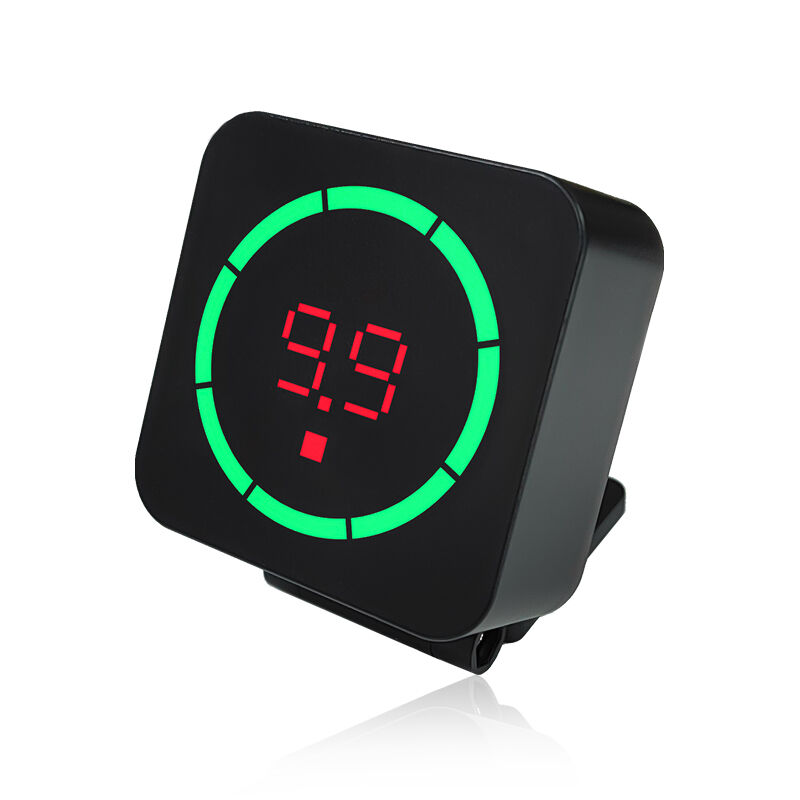
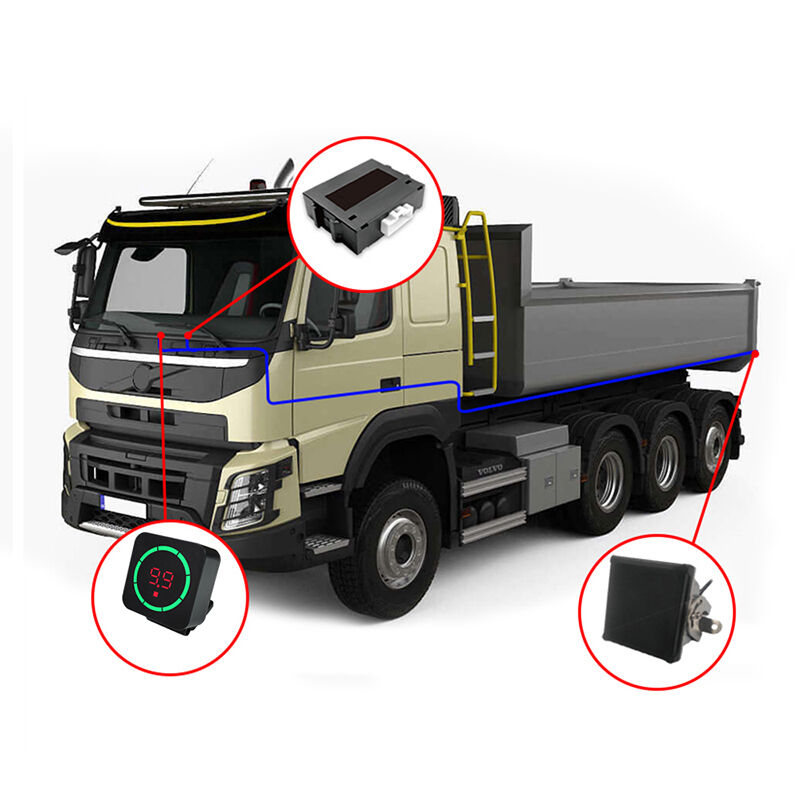
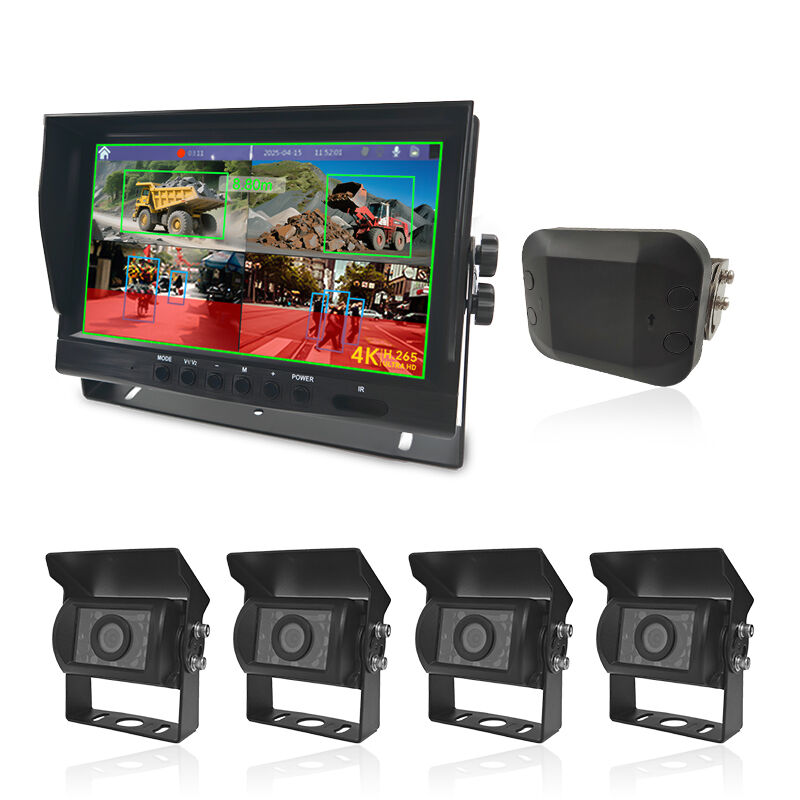
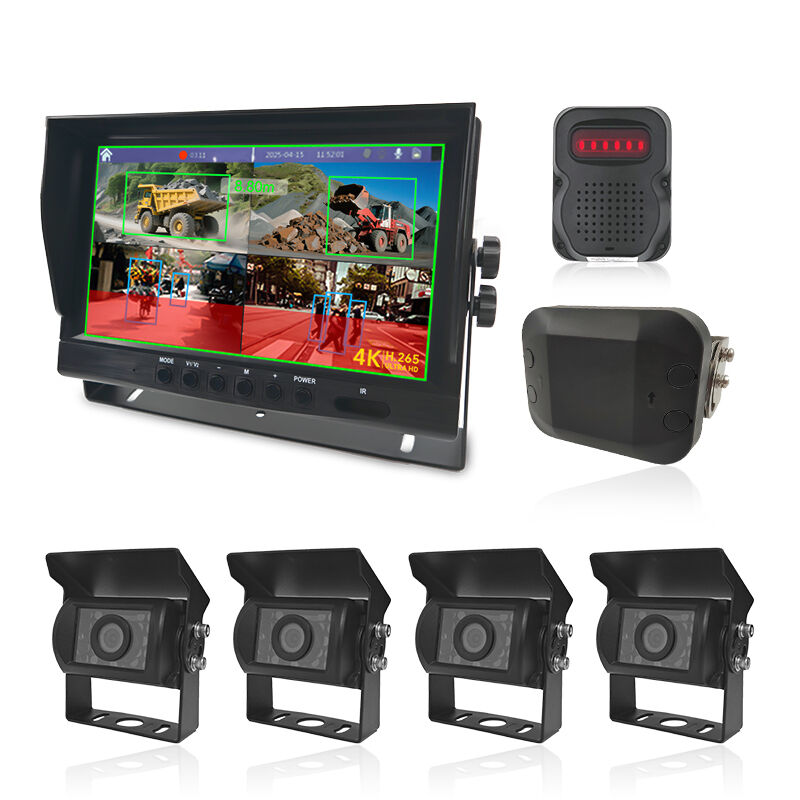
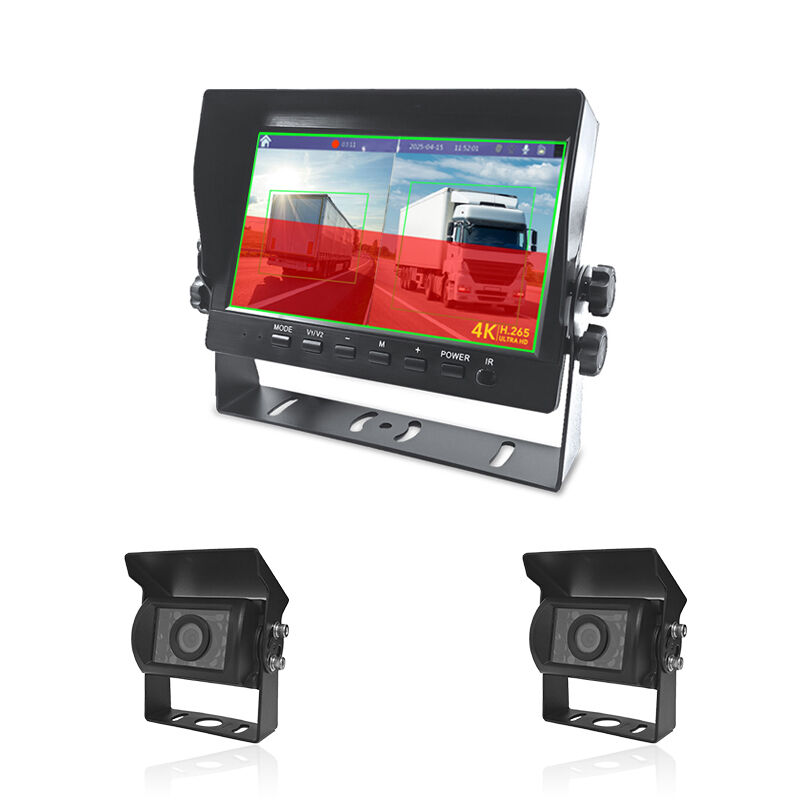
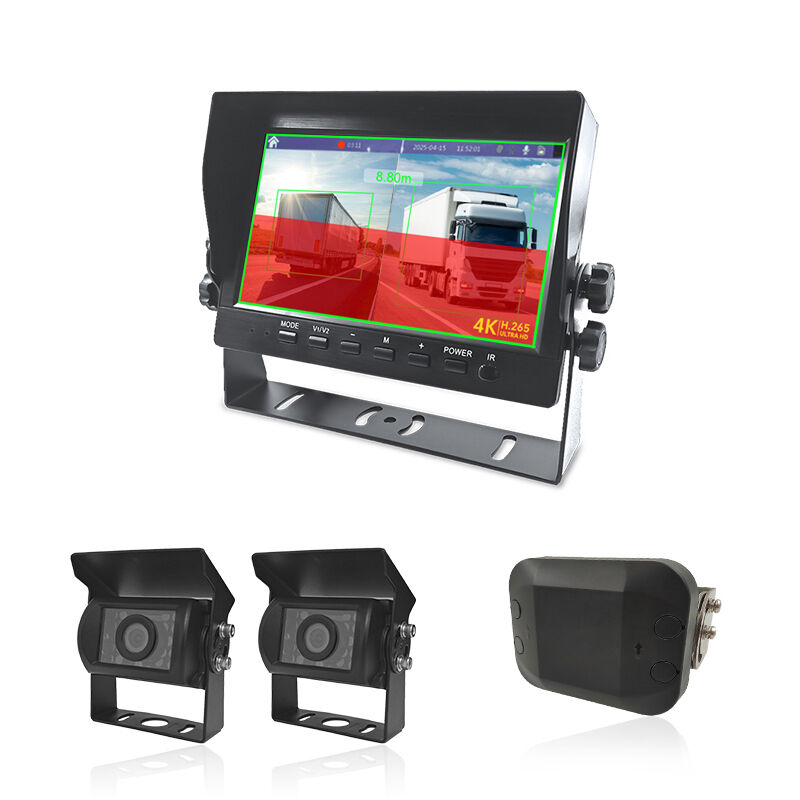
A proximity alert device represents a sophisticated safety technology designed to prevent accidents and collisions by detecting nearby objects, vehicles, or personnel within a predetermined range. This innovative equipment utilizes advanced sensor technology to monitor the surrounding environment continuously, providing real-time warnings when potential hazards approach dangerous distances. The proximity alert device operates through multiple detection methods, including radar sensors, ultrasonic technology, infrared beams, and electromagnetic field detection, ensuring comprehensive coverage across various operational conditions. These devices have become indispensable safety tools across numerous industries, from construction sites and warehouses to mining operations and manufacturing facilities. The core functionality revolves around establishing invisible safety zones around equipment, vehicles, or specific areas, triggering immediate alerts when these boundaries are breached. Modern proximity alert device systems feature customizable detection ranges, allowing operators to adjust sensitivity levels based on specific operational requirements and environmental conditions. The technology incorporates intelligent filtering algorithms that distinguish between genuine threats and false alarms caused by environmental factors such as weather conditions, dust, or debris. Integration capabilities enable proximity alert device units to connect with existing safety management systems, fleet management platforms, and operational control centers. Visual warning indicators, audible alarms, and vibration alerts provide multiple notification methods to ensure operators and personnel receive immediate danger warnings. Weather-resistant housing protects the proximity alert device from harsh environmental conditions, ensuring reliable performance in outdoor applications. Battery-powered and hardwired options offer flexible installation possibilities for various equipment types and operational scenarios. The device maintains continuous monitoring capabilities, operating 24/7 without requiring constant human supervision, thereby enhancing overall workplace safety standards and reducing accident-related costs significantly.
 EN
EN