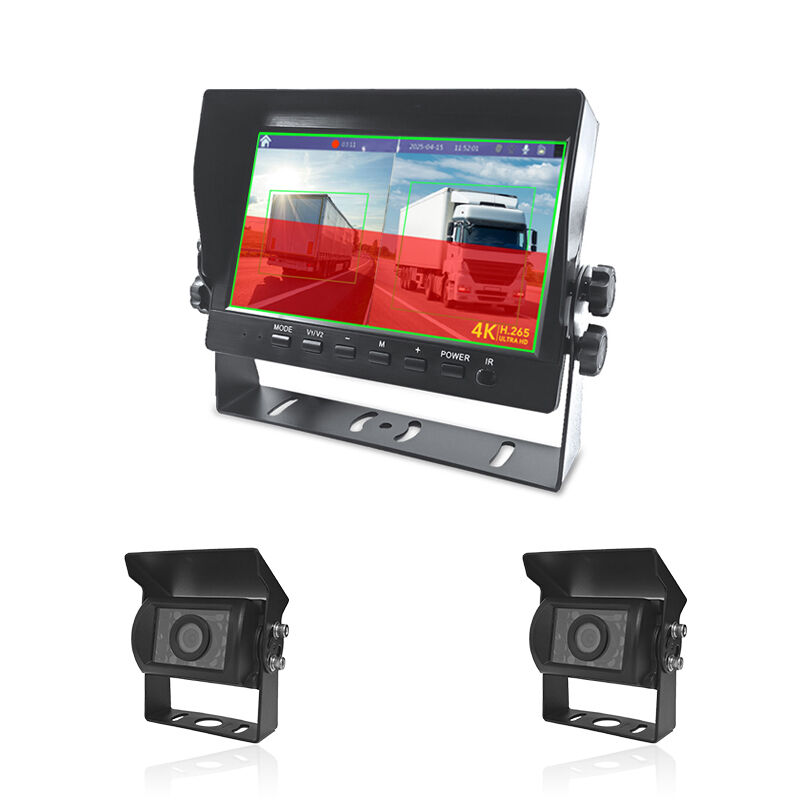
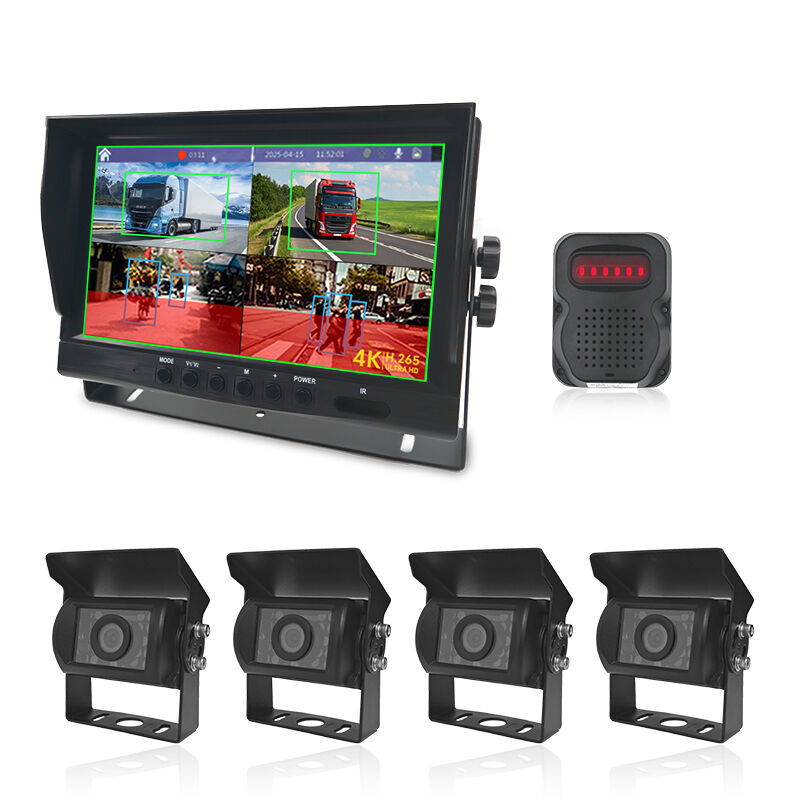
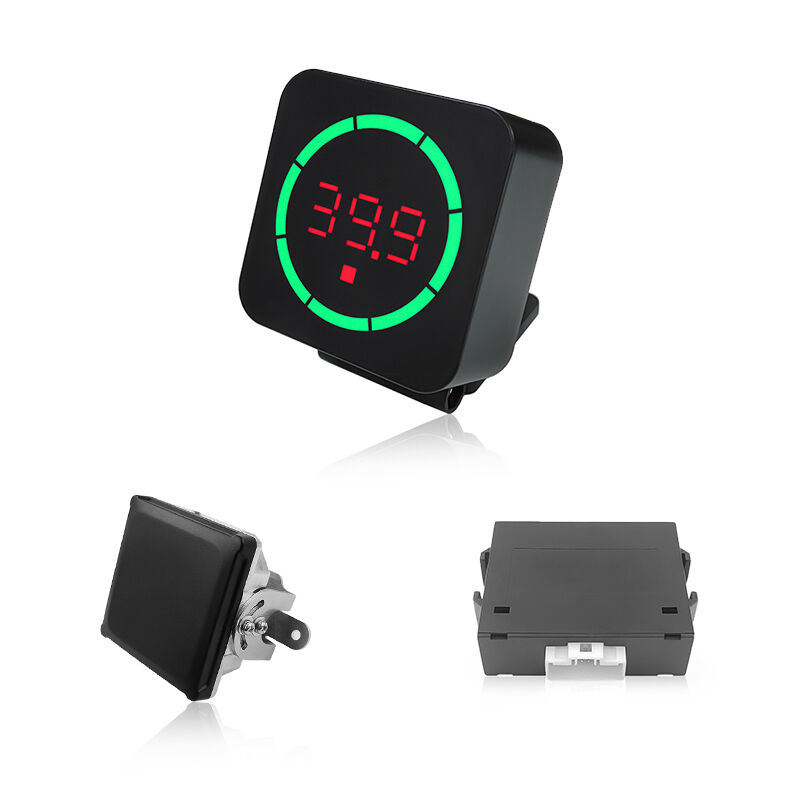
Proximity Warning Alert System: Advanced Safety Technology for Heavy Equipment and Vehicle Operations

Get a Free Quote

Our representative will contact you soon.
Email
Name
Company Name
Mobile/WhatsApp
Message
0/1000

proximity warning alert system

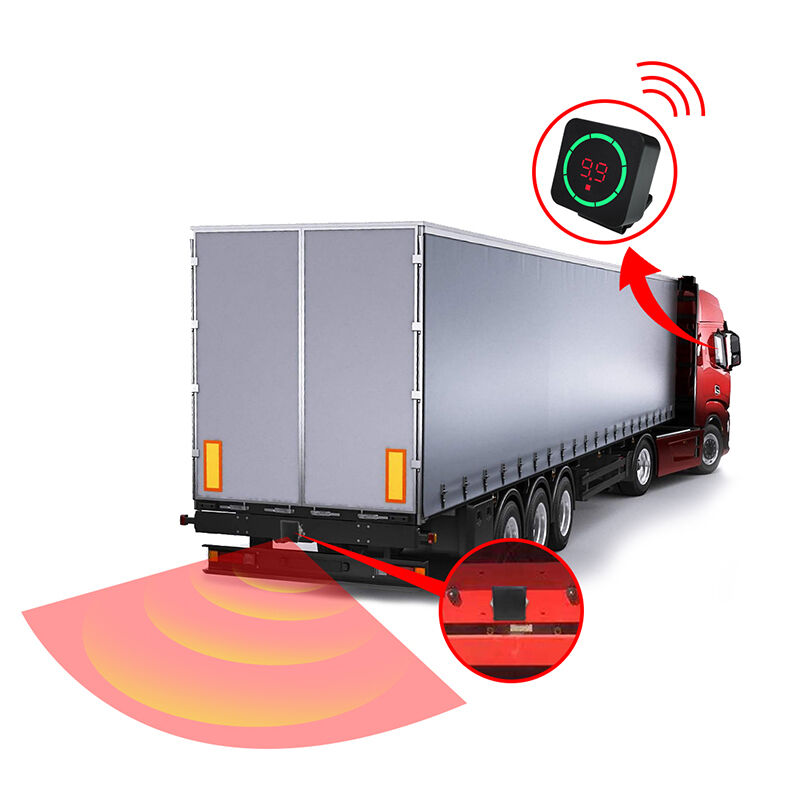
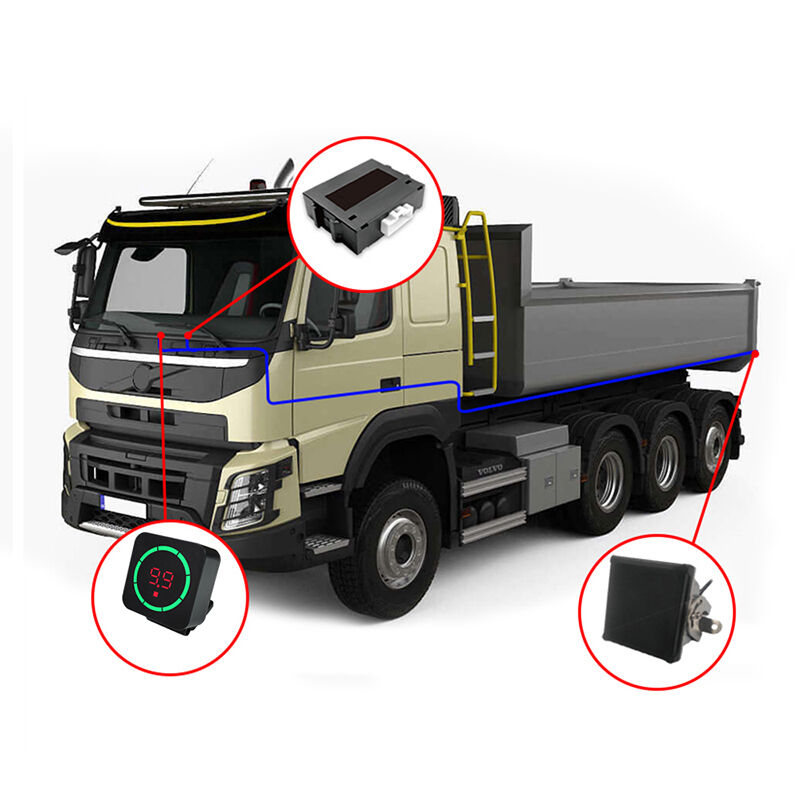
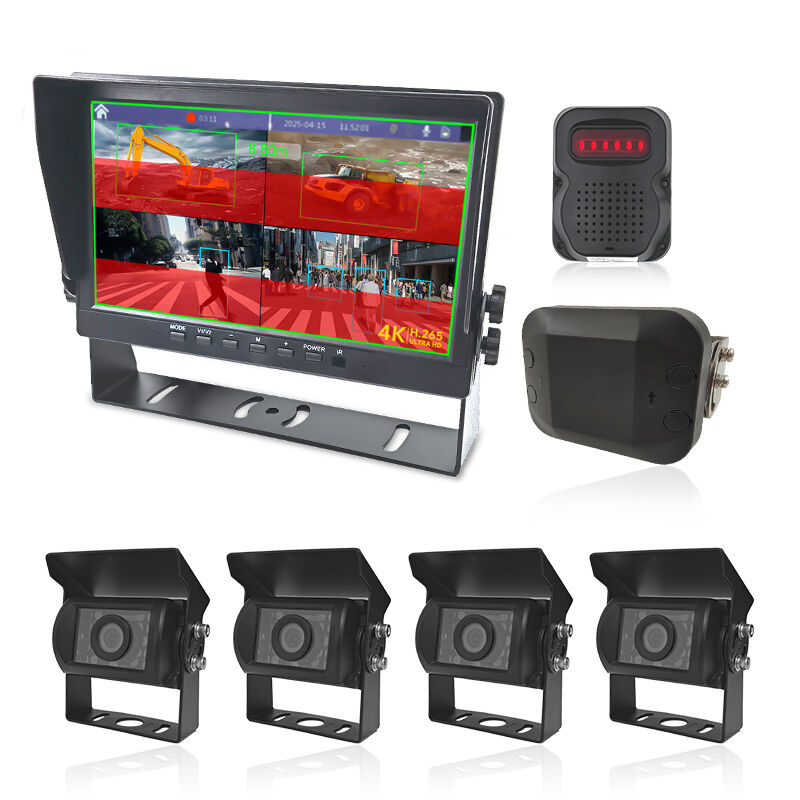
The proximity warning alert system represents a cutting-edge safety technology designed to prevent collisions and accidents across various industrial and commercial environments. This sophisticated system utilizes advanced sensor technology to detect approaching objects, vehicles, or personnel within predetermined danger zones, immediately triggering audio-visual alerts to warn operators and nearby workers of potential hazards. The proximity warning alert system integrates seamlessly with existing equipment and machinery, providing real-time monitoring capabilities that significantly enhance workplace safety protocols. At its core, the proximity warning alert system employs multiple detection technologies including radar sensors, ultrasonic sensors, and infrared detection mechanisms to create comprehensive coverage zones around heavy machinery, vehicles, and equipment. These sensors continuously scan designated areas, measuring distances and tracking movement patterns to identify potential collision risks before they occur. The system processes this information through intelligent algorithms that can differentiate between various types of objects and determine threat levels based on speed, trajectory, and proximity. When the proximity warning alert system detects an imminent collision risk, it activates multiple warning mechanisms simultaneously, including high-intensity LED lights, loud audible alarms, and vibration alerts that can be felt through equipment operator seats. The technological features of modern proximity warning alert systems include wireless connectivity, allowing for centralized monitoring and data collection across entire facilities. Advanced models incorporate GPS tracking, enabling fleet managers to monitor vehicle locations and safety incidents in real-time. The proximity warning alert system can be customized with adjustable sensitivity levels, detection zones of varying sizes, and programmable alert sequences to match specific operational requirements. Many systems also feature data logging capabilities that record near-miss incidents and safety violations, providing valuable insights for improving safety procedures and training programs. Applications for proximity warning alert systems span numerous industries including construction, mining, warehousing, manufacturing, and logistics operations where heavy equipment operates alongside personnel.

Popular Products

The proximity warning alert system delivers substantial safety improvements that directly translate into measurable business benefits for organizations operating heavy machinery and equipment. Companies implementing these systems experience dramatic reductions in workplace accidents, with many reporting up to 75% fewer collision incidents within the first year of installation. This remarkable safety enhancement protects valuable human resources while simultaneously reducing liability exposure and insurance costs. The proximity warning alert system prevents costly equipment damage that typically results from collisions between vehicles, machinery, and infrastructure. By alerting operators to potential hazards before impact occurs, these systems save companies thousands of dollars in repair costs, equipment downtime, and replacement expenses. Organizations frequently recover their initial investment in proximity warning alert systems within months through avoided damage claims alone. Beyond immediate cost savings, the proximity warning alert system significantly improves operational efficiency by reducing accident-related work stoppages and equipment unavailability. When accidents occur, operations must halt for investigation, cleanup, and repairs, creating expensive delays that ripple through production schedules. The proactive nature of proximity warning alert systems eliminates these disruptions by preventing accidents before they happen. Workers demonstrate increased confidence and productivity when protected by proximity warning alert systems, knowing that technology actively monitors their safety. This improved morale leads to better retention rates and reduced recruiting costs for specialized equipment operators. The proximity warning alert system also helps organizations comply with increasingly strict workplace safety regulations, avoiding potential fines and legal complications. Regulatory compliance becomes streamlined when companies can demonstrate proactive safety measures through documented proximity warning alert system implementations. The data collection capabilities of modern proximity warning alert systems provide valuable insights into operational patterns, enabling managers to identify high-risk areas and optimize workflow arrangements. This intelligence helps organizations make informed decisions about facility layouts, traffic patterns, and safety procedures. Installation and maintenance of proximity warning alert systems require minimal technical expertise, with most systems featuring plug-and-play functionality that integrates easily with existing equipment. The wireless nature of many proximity warning alert systems eliminates complex wiring requirements, reducing installation time and costs. Remote monitoring capabilities allow safety managers to oversee multiple locations from centralized control rooms, improving oversight efficiency. The scalability of proximity warning alert systems accommodates business growth, with additional sensors and monitoring zones easily added as operations expand. Return on investment for proximity warning alert systems typically occurs rapidly through combined savings from prevented accidents, reduced insurance premiums, improved productivity, and regulatory compliance benefits.

Latest News

L3 Autonomous Driving

23

Dec

L3 Autonomous Driving

View More
The 138th Canton Fair

04

Jan

The 138th Canton Fair

View More
2025 HKTDC (Autumn  Edition)

23

Dec

2025 HKTDC (Autumn Edition)

View More

Get a Free Quote

Our representative will contact you soon.
Email
Name
Company Name
Mobile/WhatsApp
Message
0/1000

proximity warning alert system

Advanced Multi-Sensor Detection Technology

Advanced Multi-Sensor Detection Technology

The proximity warning alert system incorporates sophisticated multi-sensor detection technology that sets it apart from basic warning systems in the marketplace. This advanced approach combines radar, ultrasonic, and infrared sensors to create a comprehensive detection network that eliminates blind spots and provides 360-degree coverage around heavy equipment and vehicles. The radar component of the proximity warning alert system operates effectively in all weather conditions, penetrating through dust, fog, rain, and snow that would impair optical systems. These radar sensors can detect objects at distances up to 50 meters, providing ample warning time for operators to react appropriately. The ultrasonic sensors within the proximity warning alert system offer precise short-range detection, particularly effective for identifying personnel and smaller objects in immediate proximity to machinery. These sensors excel at detecting stationary objects and slow-moving personnel, complementing the radar system's strength in tracking faster-moving vehicles and equipment. Infrared detection technology rounds out the sensor array, providing thermal imaging capabilities that can distinguish between living beings and inanimate objects. This thermal detection proves invaluable in environments where personnel might be obscured by shadows, equipment, or other obstacles that could confuse traditional detection methods. The intelligent sensor fusion technology in the proximity warning alert system processes information from all sensors simultaneously, using advanced algorithms to eliminate false alarms while ensuring genuine threats trigger appropriate warnings. This multi-layered approach significantly reduces nuisance alarms that can lead to operator complacency, a critical factor in maintaining system effectiveness over time. The proximity warning alert system's detection technology adapts automatically to environmental conditions, adjusting sensitivity levels and detection parameters based on ambient conditions, equipment speed, and operational context. This adaptive intelligence ensures consistent performance across diverse working environments, from indoor warehouses to outdoor construction sites. The modular design of the sensor array allows the proximity warning alert system to be customized for specific applications, with additional sensors easily integrated to address unique operational challenges. This flexibility makes the system suitable for everything from compact forklifts in tight warehouse spaces to massive mining equipment in open-pit operations.
Real-Time Data Analytics and Fleet Management Integration

Real-Time Data Analytics and Fleet Management Integration

The proximity warning alert system features comprehensive real-time data analytics capabilities that transform raw sensor data into actionable intelligence for safety managers and fleet operators. This sophisticated data processing system continuously analyzes detection events, near-miss incidents, and operator behavior patterns to provide detailed insights into workplace safety trends and risk factors. The analytics engine within the proximity warning alert system can identify recurring safety hazards in specific locations, enabling managers to implement targeted improvements to facility layouts, traffic patterns, and operational procedures. These data-driven insights prove invaluable for organizations seeking to proactively enhance safety protocols rather than simply reacting to accidents after they occur. The proximity warning alert system integrates seamlessly with existing fleet management platforms, providing unified visibility across all equipment and vehicles within an operation. This integration allows managers to correlate safety data with operational metrics such as productivity rates, fuel consumption, and maintenance schedules, revealing relationships between safety performance and overall operational efficiency. Fleet managers can access real-time dashboards through the proximity warning alert system that display current safety status across their entire fleet, including active alerts, recent incidents, and system health indicators. The cloud-based architecture of modern proximity warning alert systems enables remote monitoring and management from any location with internet connectivity. Safety managers can receive instant notifications on their mobile devices when critical safety events occur, allowing for immediate response regardless of their physical location. The proximity warning alert system maintains comprehensive audit trails that document all safety events, system configurations, and operator interactions, supporting regulatory compliance requirements and internal safety investigations. Advanced reporting capabilities within the proximity warning alert system generate customized safety reports for different stakeholders, from executive summaries for senior management to detailed technical reports for safety engineers. The system's predictive analytics capabilities use historical data to identify patterns that may indicate increased accident risk, enabling proactive interventions before incidents occur. Machine learning algorithms within the proximity warning alert system continuously improve detection accuracy and reduce false alarms by learning from operational patterns and environmental conditions specific to each installation site.
Customizable Alert Systems and Operator Interface Design

Customizable Alert Systems and Operator Interface Design

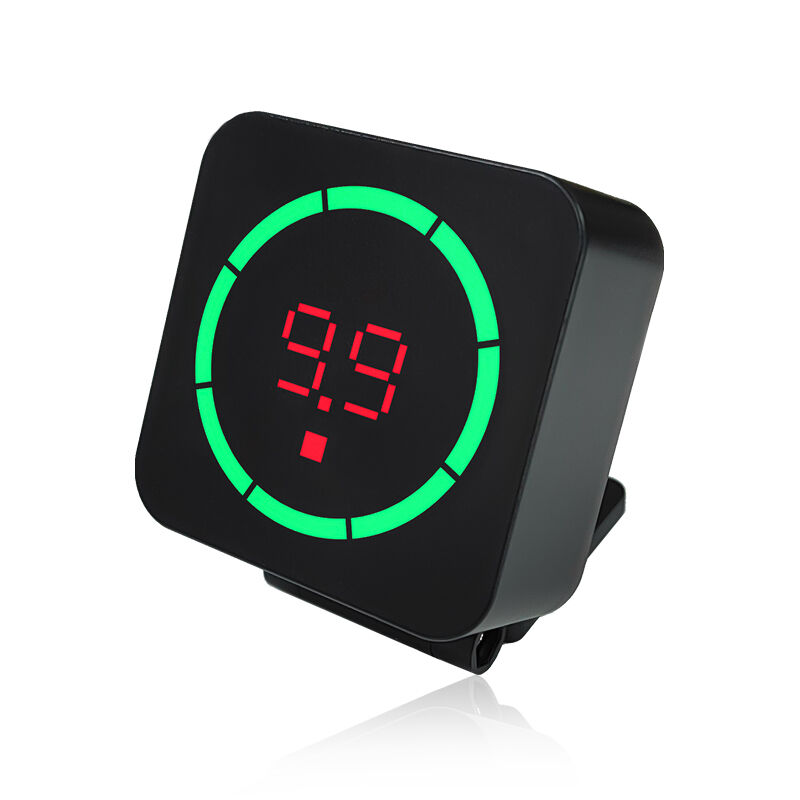
The proximity warning alert system features highly customizable alert mechanisms designed to ensure maximum effectiveness across diverse operational environments and equipment types. Understanding that different work environments require different warning approaches, the system offers multiple alert modalities that can be tailored to specific operational needs and ambient conditions. Visual alerts within the proximity warning alert system include high-intensity LED light arrays available in multiple colors, with red indicating immediate danger, yellow for caution zones, and green for safe operation status. These LED arrays are engineered for maximum visibility even in bright sunlight or dusty conditions, utilizing advanced optics and high-luminosity diodes that remain clearly visible from significant distances. The lighting patterns can be programmed to create distinctive flashing sequences that convey different types of warnings, helping operators quickly understand the nature and urgency of detected hazards. Audio alerts in the proximity warning alert system range from standard warning beeps to sophisticated voice announcements that can provide specific directional guidance to equipment operators. The audio system automatically adjusts volume levels based on ambient noise conditions, ensuring warnings remain audible above machinery noise, construction sounds, or other environmental audio interference. Multi-language voice prompts can be programmed into the proximity warning alert system to accommodate diverse workforces, with clear pronunciation and culturally appropriate terminology for maximum comprehension. Tactile feedback mechanisms within the proximity warning alert system include seat-mounted vibration units that provide immediate physical alerts directly to equipment operators. These vibration alerts prove particularly valuable in extremely noisy environments where audio warnings might be masked, or for operators with hearing impairments who might miss audible alerts. The proximity warning alert system's operator interface features intuitive displays that provide clear visual feedback about system status, detected objects, and alert conditions. These displays can be customized to match operator preferences and integrated with existing equipment dashboards for seamless operation. The system allows for zone-based customization where different detection areas around equipment can trigger different alert sequences, enabling operators to understand not just that a hazard exists, but specifically where it is located relative to their equipment. Progressive alert escalation within the proximity warning alert system provides increasingly urgent warnings as potential collision risks intensify, helping operators gauge the severity of situations and respond appropriately without causing unnecessary alarm for minor proximity events.
Proximity Warning Alert System: Advanced Safety Technology for Heavy Equipment and Vehicle Operations

Get a Free Quote

Our representative will contact you soon.
Email
Name
Company Name
Mobile/WhatsApp
Message
0/1000